Category
Subcategory
Manufacturer
Model
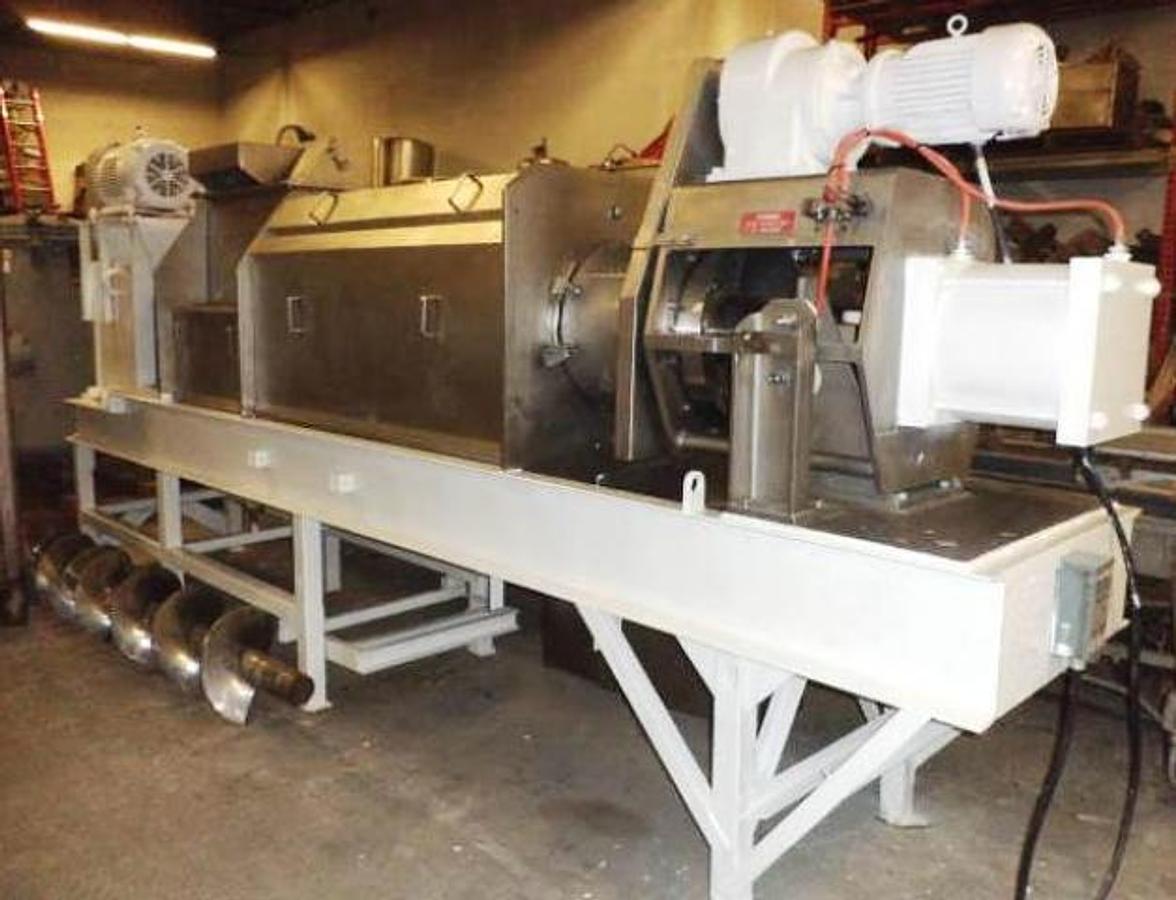
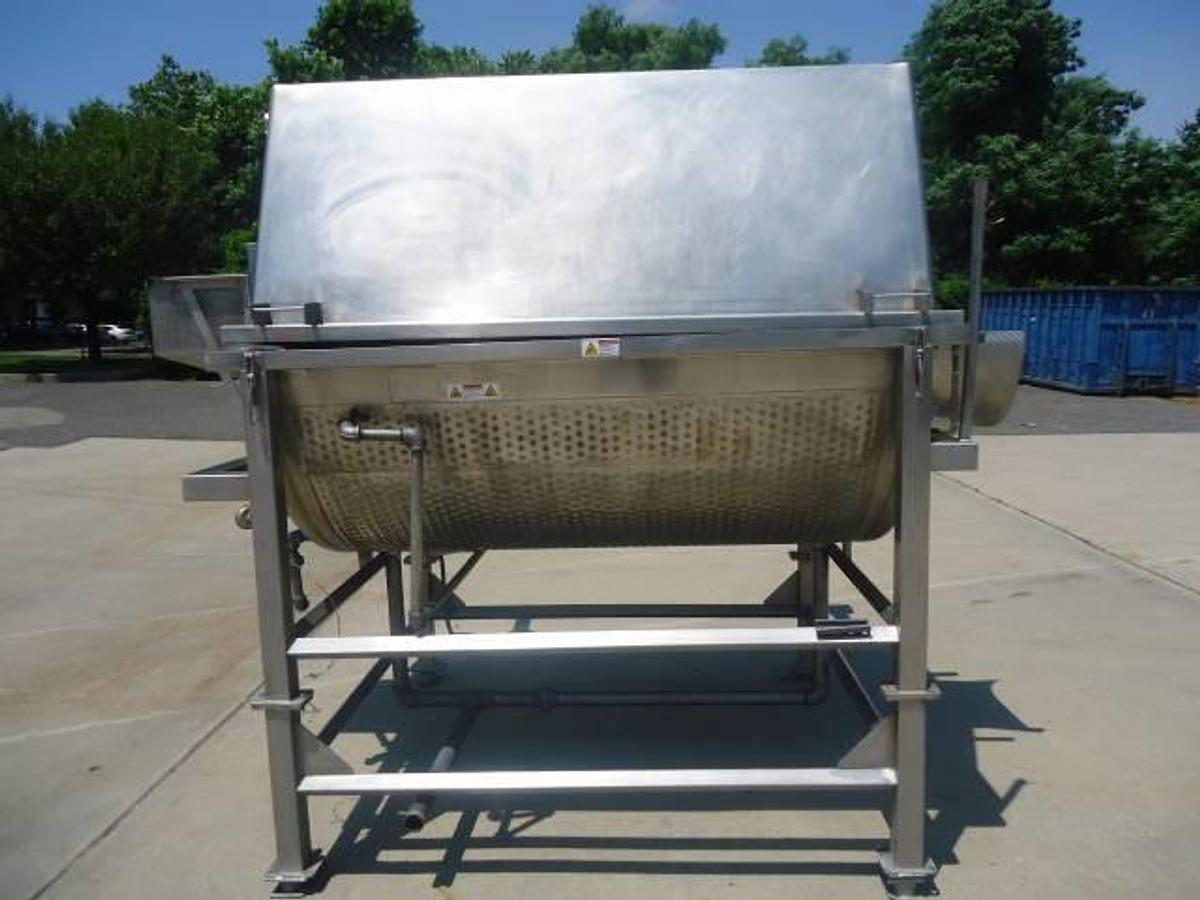
Blanchers Screw & Belt, Steam & Hot Water
Blanchers are used to cook poultry, meat, vegetables, and other food products using either steam or hot water. The industrial blanchers that we sell come in different configurations such as screw-type and straight-belt blanchers and come in different diameters, widths, and lengths and are all constructed of stainless steel. We carry blanchers built by manufacturers including HUGHES, RIETZ, LYCO, and many others.
FAQ :
What types of used industrial blanchers are available on the market?
The used industrial blancher market offers several distinct configurations, each suited to different food processing applications. The most commonly available types are rotary drum blanchers and screw conveyor blanchers, with straight-belt blanchers also appearing regularly. Water blanchers tend to be more prevalent than steam tunnel models, though both show up depending on the original processing application. Brands like Lyco, Hughes, Rietz, Blentech, and Damrow Brothers are among those most frequently found in the used equipment market, and each manufacturer tends to favor certain design approaches.
Steam-injection screw cookers, jacketed horizontal cookers, and continuous rotary blancher/cooker/cooler combinations are also available and are particularly common in poultry, meat, and vegetable processing lines. Some units are built as multi-function systems that blanch, cook, and cool product in a single pass, which can offer significant value for processors looking to consolidate equipment. Sizes range considerably, from compact units suited to smaller operations up to large-diameter continuous systems designed for high-volume production. Stainless steel construction is standard across virtually all food-grade blancher designs, so buyers should expect that as a baseline when evaluating used listings.
What food products are industrial blanchers typically used to process?
Industrial blanchers are used across a wide range of food processing categories. The most common applications include poultry and meat processing, where blanching helps with cooking, skin removal, and yield improvement. Vegetable processing is another major use case, covering products like peas, beans, corn, potatoes, and leafy greens, where blanching inactivates enzymes that would otherwise cause quality degradation during freezing or canning. Pasta and grain products are also processed through blancher-type cookers, particularly with screw or drum configurations designed for delicate product handling.
Beyond those core categories, blanchers appear in seafood processing, nut processing, and certain fruit applications where brief heat treatment is needed before further processing or packaging. The specific blancher design matters a great deal here. A rotary drum blancher handles tumbling-tolerant products well, while a straight-belt or screw-type unit is better suited to fragile items that need gentler handling. When evaluating a used blancher, buyers should confirm that the machine's configuration and material contact surfaces are appropriate for their specific product, since a unit previously used for one food category may require thorough cleaning validation before switching to another.
How do I determine the right throughput capacity for a used industrial blancher?
Matching throughput capacity to production requirements is one of the most critical steps in selecting a used industrial blancher. Used blanchers on the market range from smaller units processing around 500 pounds per hour up to large continuous systems capable of exceeding 20,000 pounds per hour. The right size depends on your peak production rate, not just your average, since a blancher that runs at its maximum rated capacity continuously will wear faster and may create bottlenecks. A general rule of thumb is to select a unit with at least 15 to 20 percent headroom above your expected peak throughput.
Beyond raw pounds-per-hour figures, buyers should also consider residence time, which is the amount of time product spends inside the blancher, since this affects cook uniformity and product quality. Residence time is influenced by drum or belt speed, blancher length, and water or steam temperature settings. When reviewing used equipment listings, look for specifications that include blancher diameter, working length, and drive motor size, as these give a clearer picture of actual capacity than manufacturer model numbers alone. If possible, cross-reference the listed specs with the manufacturer's published data for that model to verify the capacity claims, and ask the dealer whether the machine was running at or below its rated capacity in its previous installation.
How can I verify the condition of a used industrial blancher before buying?
Inspecting a used blancher thoroughly before purchase is essential, since these machines operate in wet, high-temperature environments that accelerate wear on seals, bearings, drive components, and weld seams. Reputable used equipment dealers will typically offer in-person inspections, video walkthroughs, or detailed photo documentation of the machine. If the equipment is still installed at a food processing facility, it may be possible to arrange an inspection while it is still in production, which gives the clearest picture of its operating condition. If the machine has been decommissioned, a static inspection can still reveal a great deal about wear patterns, surface condition, and whether major components are intact.
Key things to evaluate include the condition of the stainless steel shell and internal flights or belts for corrosion, pitting, or weld repairs. Drive components such as gearboxes, motors, and chain drives should be examined for wear. Seals, bearings, and spray nozzles are common wear items that may need replacement regardless of overall machine condition. It is worth noting that most used equipment dealers do not have the permitting or infrastructure to run actual food production tests, so live product testing is generally not available. Buyers should factor in the cost of any anticipated refurbishment when comparing prices across listings, and consulting with the original manufacturer about parts availability for the specific model can help avoid purchasing a machine that is difficult or expensive to maintain.
What sanitary design features should I look for in a used industrial blancher?
Food-grade sanitary design is non-negotiable in blancher equipment, and buyers evaluating used machines should scrutinize these features carefully since they directly affect food safety compliance and cleanability. Stainless steel construction is the baseline expectation, with 304-grade stainless being common and 316-grade preferred for higher-corrosion environments or certain acidic products. Beyond the base material, look for smooth weld seams with no crevices where bacteria can harbor, fully drainable product contact surfaces, and access panels or openings that allow thorough interior cleaning. CIP (Clean-In-Place) compatibility is a significant advantage in used equipment, as it reduces cleaning labor and improves consistency.
Buyers should also check whether the blancher's design aligns with current food safety standards such as NSF/ANSI 2, USDA acceptance for meat and poultry applications, or 3-A Sanitary Standards where applicable. Older machines may have been built to standards that have since been updated, so it is worth verifying whether any modifications would be required to meet current regulatory expectations in your facility. Gaskets, seals, and any plastic or rubber components in product contact zones should be food-grade rated and inspected for degradation. If the machine has been sitting idle for an extended period, a thorough sanitation and inspection protocol before putting it back into service is strongly advisable regardless of its apparent visual condition.
Are replacement parts and technical support available for older used blancher models?
Parts availability varies significantly depending on the brand, model age, and whether the manufacturer is still in business or has been acquired. Well-established brands like Lyco Manufacturing and Hughes have strong reputations for durability and have been producing blanching equipment for decades, which generally means a longer window of parts availability compared to smaller or discontinued manufacturers. Before purchasing a used blancher, it is a good practice to contact the manufacturer directly and provide the model and serial number to ask about current parts support, since age and model generation can both affect what is still stocked or producible.
For machines from manufacturers that are no longer in business or that have discontinued a particular model line, third-party fabrication of wear parts is often possible for simpler components like flights, paddles, belts, and spray manifolds. Electrical and controls components can sometimes be sourced through industrial electronics suppliers even when the OEM no longer supports them. Gearboxes and drive components are frequently available through aftermarket industrial suppliers as well. Buyers should treat parts availability as part of their total cost of ownership calculation, not just the purchase price. A machine from a well-supported brand at a slightly higher price point may represent better value over time than a lower-priced unit from a discontinued line where sourcing parts requires custom fabrication.
What are the most reputable brands of industrial blanchers found on the used market?
Several brands have established strong reputations in the food processing industry for building durable, well-engineered blanching equipment that holds up over years of continuous production use. Lyco Manufacturing is widely regarded as one of the most reliable names in the category, known for rotary drum blanchers with good sanitary design and strong parts support. Hughes Equipment is another frequently cited brand, particularly for continuous rotary blancher and cooker configurations used in poultry and vegetable processing. Rietz and Blentech have built solid reputations in cooking and processing equipment more broadly, with their blancher-type cookers appearing regularly in used listings. Damrow Brothers screw cookers and Moriondo pasta cookers represent more specialized segments of the market.
Beyond brand reputation, the resale value of used blanching equipment tends to track closely with the machine's construction quality, sanitary design features, and how well it was maintained in its previous installation. A well-maintained unit from a reputable brand will typically command a higher price on the used market and is generally a safer purchase than a lower-priced machine with an unclear maintenance history. Buyers should also consider whether the brand has domestic service and parts support, since imported equipment from European or Asian manufacturers may have longer lead times for parts even if the equipment itself is well-made. Asking dealers about the provenance and service history of specific machines is always a worthwhile step.
Can a used industrial blancher be refurbished or retrofitted to meet current food safety regulations?
Refurbishment and retrofitting of used blanching equipment is common practice in the food processing industry, and many machines can be brought up to current standards with targeted upgrades. The scope of work depends heavily on the machine's age, its original design, and what specific regulatory requirements apply to the buyer's facility and product category. Common refurbishment work includes replacing worn seals, gaskets, and bearings, repairing or re-welding corroded surfaces, upgrading control panels to meet current electrical codes, and adding or improving CIP systems. In some cases, older machines with open-frame designs or non-drainable sumps may require more significant structural modifications to meet modern sanitary standards.
Before committing to a refurbishment project, buyers should get a realistic assessment of what the work will cost and whether the end result will satisfy their facility's regulatory requirements. A used equipment dealer or a food processing equipment service company with experience in the specific brand can often provide a preliminary evaluation. It is also worth consulting with the relevant regulatory body or a food safety auditor if USDA, FDA, or third-party certification is required for your operation. Some older machines are excellent candidates for refurbishment because their core mechanical structure is sound even if surface components need attention. Others may have fundamental design limitations that make bringing them into full compliance impractical, so an honest upfront assessment is worth the time before purchase.
What should buyers understand about shipping and logistics for used industrial blanchers?
Industrial blanchers are heavy, bulky pieces of equipment, and shipping logistics require careful planning to avoid damage and unexpected costs. Proper packaging is critical. Depending on the size and configuration of the machine, this can range from basic palletization to full custom crating, and the level of preparation directly affects the cost. Buyers should ask dealers specifically what packaging is included in the quoted price and what additional costs might apply for crating, shrink-wrapping, or blocking and bracing internal components for transit. Larger units with extended drums or frames may require flatbed trucking rather than standard LTL freight, which adds to the total landed cost.
Rigging is another cost factor that buyers sometimes overlook. Loading a large rotary drum blancher or a multi-section continuous cooker requires a forklift or crane at the origin point, and unloading at the destination requires the same. If the buyer's facility does not have adequate rigging equipment on-site, arranging a rigging crew is an additional expense that should be factored into the budget before finalizing a purchase decision. Buyers should request a complete breakdown of packaging, rigging, and freight costs from the dealer so there are no surprises when the equipment arrives. For international shipments, customs documentation, import duties, and compliance with destination country regulations add further complexity that is worth addressing early in the process.
What are typical payment terms when purchasing used industrial blanching equipment?
Payment practices in the used industrial equipment market differ from typical commercial purchasing arrangements. Most used equipment dealers require full payment prior to releasing a machine for shipment. This is standard practice in the industry and reflects the nature of used equipment transactions, where the machine is a one-of-a-kind asset that the dealer cannot easily resell to another buyer once it has been held or prepared for a specific customer. Wire transfer is the most common payment method for larger transactions, though dealers may accept other forms of payment depending on the purchase amount and the buyer's relationship with the seller.
Some dealers extend payment terms to repeat customers or established business relationships, but buyers should not assume this option will be available on a first transaction. For buyers who need financing, third-party equipment financing companies that specialize in food processing or industrial machinery can sometimes be engaged independently of the dealer. It is also worth noting that because used equipment is typically sold as-is, the payment and inspection process are closely linked. Buyers should complete any desired inspection before finalizing payment, since recourse after a transaction closes is limited. Reputable dealers with long track records in the food processing equipment space are generally more transparent about machine condition and more willing to accommodate pre-purchase inspections, which is one of the key reasons selecting an experienced, specialized dealer matters.