Category
Manufacturer
Model
FAQ:
What sizes of used Willflow stainless steel tanks are typically available?
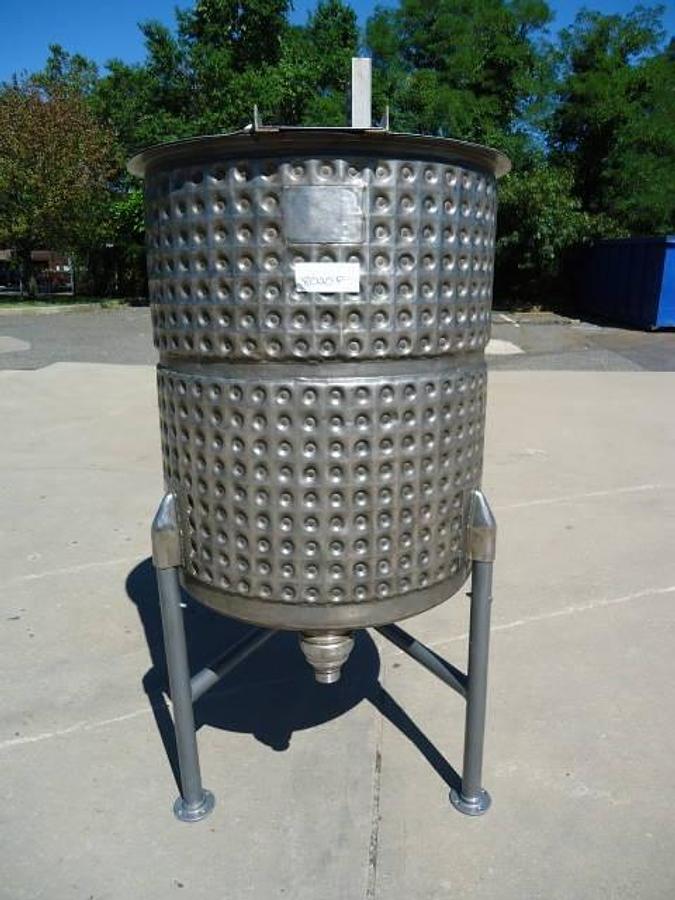
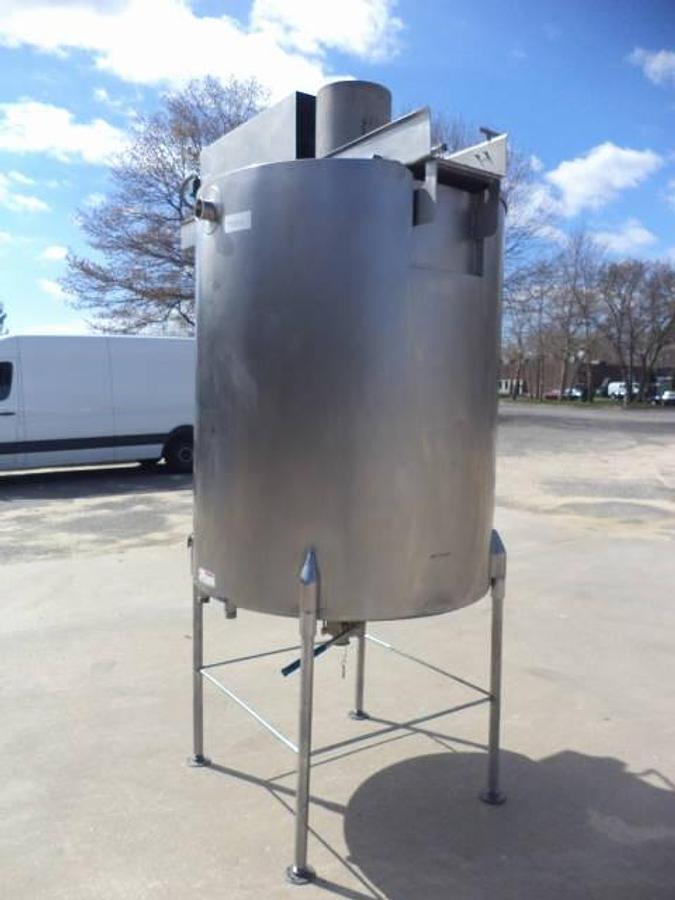
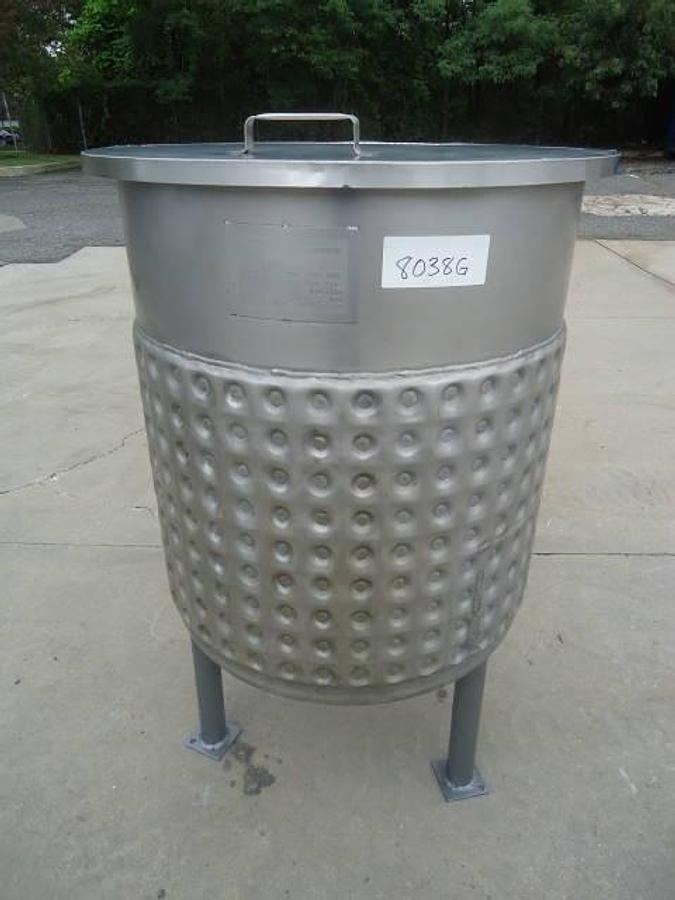
Used Willflow stainless steel tanks appear across a fairly wide range of capacities, and the specific units available at any given time will depend on what has come off the market from food, beverage, dairy, or pharmaceutical facilities. Examples of tanks that have been listed through used equipment dealers include a 100-gallon dimple jacketed tank rated at 85 PSI, a 225-gallon dimple jacket tank with a 50 PSI jacket rating, and a 470-gallon double motion scraper agitated kettle rated at 125 PSI jacket pressure. These are just representative examples of what the used market can yield.
Because these are pre-owned machines, available inventory changes constantly. Buyers with specific volume requirements should check with dealers regularly or set up alerts, since a tank matching their exact capacity needs may come available as production facilities upgrade or decommission equipment. Unlike ordering direct from a fabricator, the used market does not guarantee a particular size will be in stock at any given moment, but patient buyers can often find exactly what they need at a significantly lower cost than having a comparable tank fabricated from scratch.
What is a dimple jacket on a stainless steel tank, and what is it used for?
A dimple jacket is a type of external heat transfer jacket welded onto the outside of a stainless steel tank. The jacket consists of a series of small, evenly spaced indentations (the dimples) that create channels through which a heating or cooling medium, typically water, steam, glycol, or a similar fluid, can circulate. This design allows the tank contents to be heated or cooled in a controlled way without direct contact between the heat transfer fluid and the product inside.
Dimple jackets are widely used in food processing, dairy, brewing, pharmaceutical, and chemical manufacturing because they offer efficient, uniform temperature control across the tank wall. The jacket pressure rating matters when selecting a tank, as it determines what pressures the heating or cooling system can safely operate at. Used Willflow tanks with dimple jackets, such as those listed with 50 PSI and 85 PSI jacket ratings, are well-suited for applications where precise temperature management is part of the production process. Buyers should verify the jacket integrity during inspection, as welds and jacket channels are areas that can show wear on pre-owned equipment.
What does a scraper agitated kettle do, and which applications call for one?
A scraper agitated kettle is a tank fitted with an internal agitation system that includes scraper blades designed to continuously move product away from the tank walls during mixing or heating. The scrapers prevent product from burning onto the heated surface, ensure uniform temperature distribution throughout the batch, and keep viscous or thick materials moving so they do not settle or stick. The double motion designation found on some units means the agitator and scrapers rotate in opposite directions simultaneously, which provides more thorough mixing than a single-direction system.
These tanks are commonly used in the production of sauces, jams, confectionery, dairy products, soups, and pharmaceutical compounds where the product is thick, prone to scorching, or requires consistent blending throughout processing. A used 470-gallon Willflow double motion scraper agitated kettle with a 125 PSI jacket rating, for example, would be appropriate for a mid-scale food or pharmaceutical manufacturer running batch processes with viscous materials. Buyers considering this type of equipment should pay close attention to the condition of the scraper blades and agitator shaft seals during inspection, as these components experience significant wear over a tank's service life.
What stainless steel grades are used in food and beverage processing tanks, and does it matter?
The two grades most commonly found in food, beverage, and pharmaceutical processing tanks are 304 stainless steel and 316 stainless steel. Type 304 is the standard choice for the majority of food and water contact applications. It offers good corrosion resistance, is easy to clean, and meets food-grade requirements for most dairy, brewing, and general food processing environments. Type 316 contains molybdenum, which gives it superior resistance to chlorides, acidic solutions, and more aggressive chemical environments. It is the preferred choice for pharmaceutical manufacturing, certain chemical processing applications, and any situation involving saltwater or high-chloride cleaning agents.
For buyers shopping used Willflow tanks, confirming the stainless steel grade is an important step before purchase. The grade affects not only the tank's suitability for a given application but also its long-term resistance to pitting and corrosion. A reputable used equipment dealer should be able to provide documentation or verify the material specification. If documentation is unavailable, a third-party material verification test can confirm the grade. Buyers in pharmaceutical or chemical industries in particular should not assume 316 construction without confirmation, as 304 tanks are far more common on the used market.
Are used stainless steel processing tanks food-grade and FDA compliant?
Stainless steel tanks built for food, beverage, dairy, or pharmaceutical production are typically fabricated to food-grade standards, meaning the materials, welds, and surface finishes are designed to prevent bacterial harboring and allow thorough sanitation. Common benchmarks include compliance with 3-A Sanitary Standards, NSF/ANSI certifications, and FDA regulations governing materials in contact with food or drug products. A tank that was manufactured and used in a food-grade facility will generally have been built to these standards from the start.
However, buyers of used equipment should verify compliance rather than assume it. The tank's original documentation, if available, is the best source of confirmation. Inspecting the interior surface finish (typically a 2B or sanitary polish), the weld quality, and the condition of any fittings or gaskets will also help assess whether the tank remains suitable for food-grade use after its prior service life. Some tanks may have been used in non-food applications and may not meet current sanitary requirements without refurbishment. Asking the dealer for the tank's use history is a reasonable and recommended step before committing to a purchase.
What should buyers inspect on a used stainless steel tank before purchasing?
A thorough pre-purchase inspection of a used stainless steel tank should cover several areas. On the exterior, look for dents, weld repairs, signs of corrosion, and the condition of any jacket welds. Jacket integrity is especially important on dimple jacket or half-pipe jacket tanks, since leaks or weak spots in the jacket can be costly to repair and may render the tank unsuitable for pressurized heating or cooling. Check all nozzles, fittings, and manway covers for damage, thread condition, and gasket wear.
On the interior, examine the surface finish for pitting, scratches, or discoloration that might indicate chemical damage or improper cleaning in prior use. For agitated tanks, inspect the agitator blades, shaft, and mechanical seal for wear. Ask the dealer whether the tank was in active production at the time of decommissioning or has been sitting idle, as storage conditions affect the tank's current state. Most reputable used equipment dealers can arrange an in-person inspection, a video walkthrough, or provide detailed photo documentation. Keep in mind that dealers typically do not have the permits or production capabilities to run actual product through the equipment during inspection, so the assessment will focus on mechanical and structural condition rather than a live production test.
What industries commonly buy used Willflow stainless steel tanks?
Willflow stainless steel tanks are built for industrial processing applications and are used across a range of industries where sanitary, temperature-controlled, or pressure-rated vessels are required. The food and beverage sector is among the largest buyers of used Willflow equipment, including breweries, wineries, dairy processors, sauce and condiment manufacturers, and confectionery producers. Pharmaceutical and nutraceutical manufacturers also frequently seek out this type of stainless steel processing tank because of the material's cleanability and compatibility with sanitary production standards.
Chemical processors, cosmetics manufacturers, and specialty ingredient companies are additional buyers, particularly for tanks used in mixing, blending, or holding applications that do not require the same level of sanitary certification as food-grade production but still benefit from stainless steel's durability and corrosion resistance. The availability of jacketed and agitated configurations makes used Willflow tanks versatile enough to fit into many different production environments. Buyers from any of these industries shopping the used market can often find equipment that was previously running in a similar application, which makes the transition to their own facility more straightforward.
How does buying a used Willflow tank compare to ordering a fabricated tank?
Purchasing a used Willflow stainless steel tank typically offers a significant cost advantage over ordering a comparable unit from a fabricator. Custom-fabricated stainless steel tanks, depending on size, configuration, and specifications, can carry lead times of four to twelve weeks or longer, and the pricing reflects the cost of materials, labor, and any certifications required. A used tank that meets the buyer's specifications can often be acquired, inspected, and shipped in a fraction of that time, which matters considerably when a production line is waiting on equipment.
The trade-off is that used equipment requires more diligence from the buyer. Unlike a fabricated tank delivered to exact specifications, a used tank comes with a prior service history, potential wear on moving parts or seals, and no manufacturer backing. Buyers need to inspect carefully, understand the tank's history, and factor in any reconditioning or parts replacement that may be needed after acquisition. For buyers who take the time to do that due diligence and work with a reputable dealer, used stainless steel processing tanks represent a practical and cost-effective path to getting production-ready equipment into service.
What are typical shipping and rigging considerations for used stainless steel tanks?
Stainless steel processing tanks, particularly larger units, require careful handling during transport to prevent damage to the shell, jacket welds, fittings, and agitator components. Smaller tanks in the 100 to 225 gallon range can often be palletized and crated for standard freight shipping, though the packaging needs to be robust enough to protect nozzles, manways, and any protruding fittings. Larger tanks, such as a 470-gallon agitated kettle, may require custom crating, blocking, and bracing to secure the agitator assembly and prevent movement during transit.
Rigging costs are a separate consideration that buyers should clarify upfront. Loading a large tank onto a flatbed or into a container at the seller's facility, and unloading it at the destination, typically requires a forklift or crane depending on the tank's weight and configuration. These rigging services are usually not included in the base equipment price and will add to the total landed cost. Buyers should ask the dealer for a full breakdown of packaging, rigging, and freight charges before finalizing a purchase so there are no surprises when the equipment arrives. For international shipments, customs documentation and import duties are additional factors to account for.
What payment terms do used equipment dealers typically offer for stainless steel tanks?
The standard practice among used equipment dealers is to require full payment before the equipment is released for shipping. This applies to most transactions, particularly for buyers who are purchasing from a dealer for the first time. Payment is typically accepted by wire transfer, though some dealers may accept other forms depending on the transaction size and the buyer's location. Buyers should confirm accepted payment methods early in the process to avoid delays.
Some dealers may extend payment terms to established customers with a history of repeat purchases, but this is at the dealer's discretion and is not a standard offering. For buyers making a significant purchase, it is reasonable to ask whether any flexibility exists, but the expectation should be set around full prepayment as the default. Given that used equipment is sold without the protections that come with a manufacturer purchase, buyers should factor this into their decision-making and ensure they have completed a satisfactory inspection before releasing funds. Working with a dealer who has a verifiable track record in the industry is one of the best ways to reduce the risk associated with prepayment on used machinery.