Category
Manufacturer
Model
Will-Flow
Will-Flow focuses on providing innovative flow control solutions, particularly in the water and wastewater management sectors. Their products include valves and actuators that are designed to optimize flow and improve system performance.
FAQ:
What types of Will-Flow equipment are available on the used market?
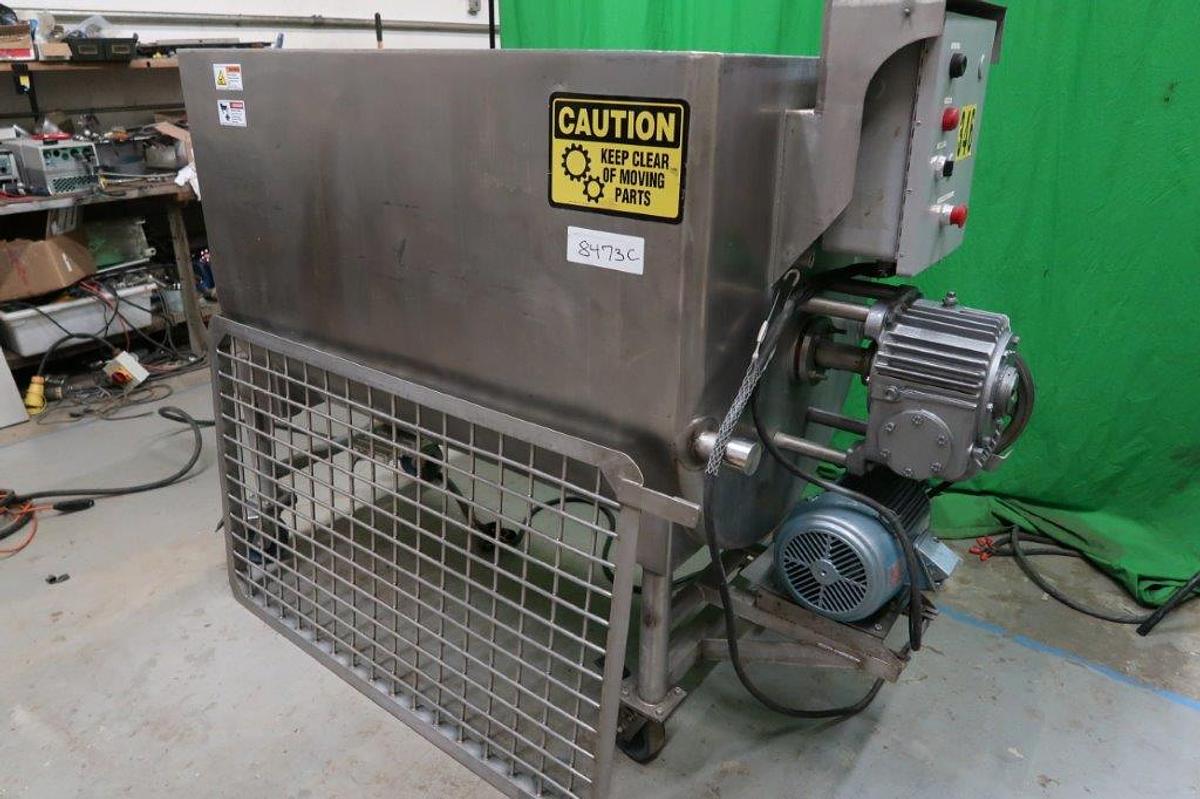
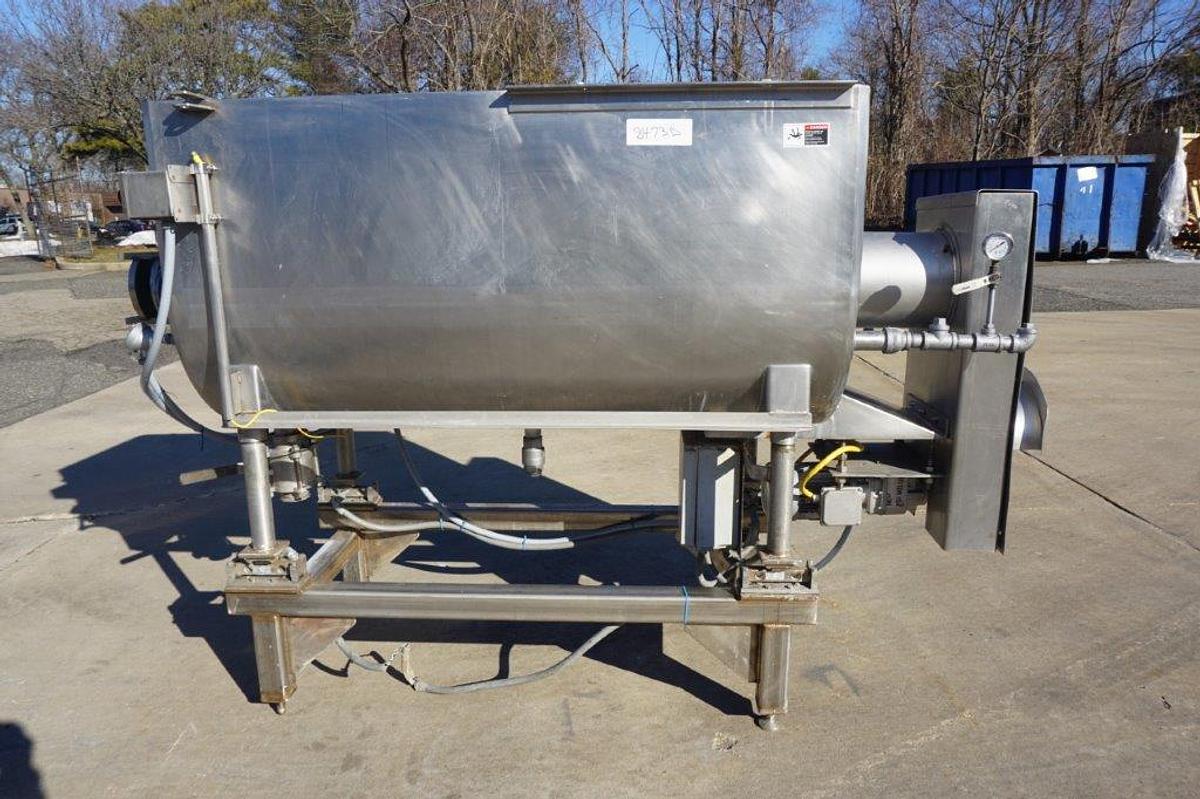
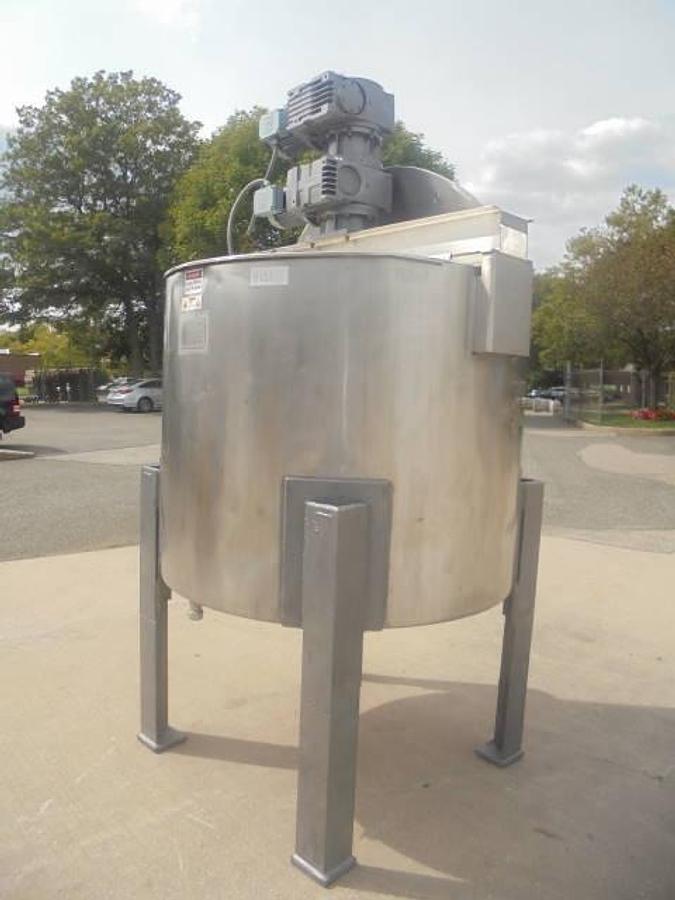
Will-Flow produces a range of industrial mixing and blending equipment used across food processing, chemical manufacturing, and related industries. On the used market, buyers can find horizontal paddle blenders, scraper agitated mixers, and dual-action scraper kettles, among other configurations. These machines are built in stainless steel construction and are rated for jacketed operation, meaning they can handle heated or cooled processing applications. Specific examples of equipment that surfaces on the used market include 20 cubic foot horizontal paddle blenders with scrapers rated to 135 PSI jacket pressure, 20 cubic foot horizontal scraper agitated mixers with 130 PSI jacket ratings, and 500-gallon 316 stainless steel dual-action scraper kettles rated to 55 PSI jacket pressure.
The availability of any specific model or configuration will vary depending on what has recently come off production lines or been decommissioned from facilities. Used equipment inventories are not static, so buyers looking for a particular size or spec should check with dealers regularly or ask to be notified when matching equipment becomes available. Because Will-Flow machines are built for demanding industrial environments, they tend to hold up well over time, which is part of why they remain sought-after on the secondary market.
What should I look for when buying used Will-Flow mixing or blending equipment?
Condition assessment is the most critical step when purchasing any used industrial mixer or blender. For Will-Flow equipment specifically, buyers should pay close attention to the condition of the scraper blades and paddle assemblies, since worn or damaged agitation components directly affect mixing performance. The integrity of the jacket is equally important, especially on units rated for high-pressure steam or chilled water service. Any signs of weld repairs, corrosion, or pitting on the stainless steel interior should be documented and evaluated before purchase. Pressure ratings on the jacket should be verified against any available documentation, and buyers should ask whether the vessel has been pressure-tested recently.
Beyond the mechanical components, it is worth understanding the machine's history. How long was it in service? What product was being processed? Equipment that handled abrasive or corrosive materials may show more internal wear than a unit used for gentler applications. Buyers should request an inspection, either in person or via video, to get a clear picture of the machine's current condition. Reputable used equipment dealers will typically accommodate both options. Consulting directly with Will-Flow or an authorized service technician can also help buyers understand what parts may be needed and whether support is available for the specific model being considered.
What does a jacketed mixer or kettle do, and why does the PSI rating matter?
A jacketed mixer or kettle is a vessel with a double-wall construction where a heating or cooling medium, such as steam, hot water, or chilled glycol, circulates through the space between the inner and outer walls. This allows the product inside the vessel to be heated or cooled while being agitated, which is essential in food processing, pharmaceutical manufacturing, chemical blending, and similar industries. The jacket essentially acts as a heat exchanger built directly into the mixing vessel, giving processors precise temperature control without exposing the product to direct flame or external heat sources.
The PSI rating on a jacketed vessel refers to the maximum allowable working pressure of the jacket itself, not the interior product chamber. A unit rated at 55 PSI jacket pressure is designed for lower-pressure hot water or mild steam service, while a unit rated at 130 or 135 PSI can handle higher-pressure steam, which reaches higher temperatures and transfers heat more efficiently. Choosing the right pressure rating is important for both process performance and safety compliance. When evaluating used jacketed equipment, buyers should verify that the jacket has not been compromised and ideally confirm that it has been inspected or tested within a reasonable timeframe. The age of the vessel and any repair history are relevant factors in that assessment.
What is the difference between a scraper agitated mixer and a paddle blender?
A paddle blender uses a set of paddles or ribbons mounted on a central shaft to move product through the vessel in a controlled pattern. The paddles push material in opposing directions, creating a folding or tumbling action that produces thorough mixing without excessive shear. This design works well for dry blending, granular materials, and some wet applications where gentle but thorough mixing is needed. Horizontal paddle blenders are common in food processing, spice blending, pet food manufacturing, and chemical applications.
A scraper agitated mixer adds a layer of functionality by incorporating scraper blades that maintain contact with the vessel walls during operation. This serves two purposes: it prevents product from building up and burning or sticking to the heated jacket surface, and it continuously moves product from the walls back into the mix, improving heat transfer efficiency and blend uniformity. Scraper mixers are particularly well-suited for viscous, sticky, or heat-sensitive products where wall adhesion would otherwise be a problem. For jacketed applications where temperature control is central to the process, a scraper agitated design generally outperforms a standard paddle blender. The choice between the two depends on the viscosity and thermal sensitivity of the product being processed, as well as the desired throughput and batch consistency.
Why is 316 stainless steel significant in used mixing and kettle equipment?
Stainless steel grades are not interchangeable in industrial processing equipment, and the distinction between 304 and 316 stainless steel matters considerably depending on the application. Grade 316 stainless steel contains molybdenum, which significantly improves its resistance to chlorides, acids, and corrosive chemicals compared to 304. In food and beverage processing, pharmaceutical manufacturing, and chemical applications, 316 stainless is often specified because it can withstand cleaning agents, sanitizers, and certain product formulations that would eventually corrode lower grades of stainless steel.
For buyers evaluating used equipment, the grade of stainless steel is a key specification to confirm. A 500-gallon dual-action scraper kettle built from 316 stainless steel represents a higher-grade construction that is suitable for a wider range of product types and cleaning protocols than a comparable unit built from 304. When inspecting used equipment, buyers should look for any areas where the stainless has been repaired or patched, since weld quality and filler material compatibility can affect corrosion resistance at those points. Asking for any available documentation on the original material certification or mill test reports, if they exist, can help confirm the grade. In the absence of documentation, a reputable dealer should be able to provide what information is available about the equipment's construction.
How does the inspection process work for used industrial mixing equipment?
Used industrial equipment dealers generally offer buyers several ways to evaluate a machine before committing to a purchase. In-person inspections are the most thorough option and allow a buyer or their technician to physically examine the equipment, check mechanical components, review the condition of seals and bearings, and assess the overall state of the machine. Some equipment may still be installed and operating at the facility where it was originally used, which gives buyers the opportunity to see it running under actual production conditions. In other cases, the machine has already been decommissioned and may be sitting in a warehouse or storage area.
For buyers who cannot travel, video inspections and detailed photo documentation are commonly offered as alternatives. A thorough video walkthrough conducted by the dealer can capture the condition of agitator assemblies, jacket connections, interior surfaces, drive components, and control panels. It is worth noting that most used equipment dealers do not have the permits or infrastructure to run full production trials, so functional testing is typically limited to powering up motors and demonstrating that mechanical components move freely. Buyers with specific performance requirements should factor this limitation into their evaluation process and may want to involve a qualified technician or engineer in reviewing the inspection footage before making a final decision.
What are typical shipping and logistics considerations for used mixing and blending equipment?
Shipping large industrial mixing equipment involves more planning than standard freight. Machines like horizontal paddle blenders and scraper kettles are heavy, often irregularly shaped, and require proper preparation before transport to prevent damage. Depending on the size and weight of the unit, packaging requirements can range from basic skidding and stretch-wrapping to full custom crating. The level of packaging directly affects shipping costs, and buyers should ask dealers upfront about what preparation is included in the quoted price versus what will be billed separately.
For larger or heavier equipment, specialized rigging is typically required for both loading at the origin and unloading at the destination. This involves forklifts, cranes, or rigging crews depending on the machine's dimensions and weight, and those services carry additional costs that should be factored into the total landed price. Freight mode will also vary based on equipment size. Some units ship via flatbed truck, while others may require LTL freight with appropriate blocking and bracing. Buyers should confirm the full scope of shipping costs, including packaging, rigging, freight, and any delivery-specific requirements at their facility, before finalizing the purchase. Getting clarity on these logistics early avoids surprises and helps ensure the equipment arrives safely.
What payment terms should buyers expect when purchasing used industrial equipment?
The standard practice in the used industrial equipment industry is full payment prior to shipment. This is the norm across most dealers, regardless of the size or value of the transaction. The rationale is straightforward: once a machine leaves the dealer's facility, the transaction is effectively complete, and collecting payment after the fact introduces significant risk for the seller. Buyers should be prepared to wire funds or arrange payment through an agreed-upon method before the equipment is released for shipping.
Some dealers do offer extended terms or financing arrangements, but these are typically reserved for established customers with a track record of previous purchases or for buyers who can demonstrate creditworthiness through a formal application process. First-time buyers should not assume that terms will be available and should plan for full upfront payment. For large purchases, buyers may want to work with a third-party equipment financing company, which can provide a loan or lease structure while the dealer still receives full payment at the time of sale. Confirming payment expectations early in the conversation with any dealer prevents delays and keeps the transaction moving smoothly.
How do buyers assess whether used Will-Flow equipment is compatible with their existing process setup?
Compatibility evaluation starts with the technical specifications of the machine. For mixing and blending equipment, the key parameters include vessel capacity, agitator configuration, drive motor horsepower and speed, jacket pressure rating, inlet and outlet connection sizes, and overall footprint dimensions. Buyers should compare these specifications against the requirements of their process, including the volume of product per batch, the viscosity and density of the material being processed, the temperature range needed, and the available utilities at their facility such as steam pressure, electrical supply phase and voltage, and cooling water capacity.
Beyond the specs on paper, it helps to understand what the equipment was originally designed for and how it was used in its previous application. A machine that processed a similar product type in a comparable environment is generally a lower-risk fit than one that was used for a very different application. Buyers should also consider whether the machine's connections and controls are compatible with their existing infrastructure or whether modifications will be needed. Consulting with a process engineer or equipment specialist before purchasing can help identify any gaps between the machine's capabilities and the buyer's requirements, and can inform decisions about what modifications or upgrades might be needed after acquisition.
What should buyers know about parts availability and long-term support for used Will-Flow equipment?
Parts availability is one of the most practical concerns for any buyer of used industrial equipment, and it varies considerably depending on the age and model of the machine. For Will-Flow equipment, buyers should contact the manufacturer directly to understand what level of support is available for the specific model they are considering. Manufacturers can typically advise on whether replacement parts such as scraper blades, seals, bearings, and agitator components are still being produced or stocked, and whether their service network can support the machine.
For older models, some parts may need to be fabricated by a third-party machine shop rather than sourced directly from the manufacturer. This is not necessarily a dealbreaker, but it does affect lead times and costs for future maintenance. Buyers should factor this into their total cost of ownership calculation. Requesting any available documentation with the machine, including manuals, parts lists, and maintenance records, can significantly simplify future servicing. Dealers who specialize in a particular type of equipment are often a useful resource for identifying common wear parts and pointing buyers toward reliable sources. Selecting a dealer with deep experience in industrial mixing and processing equipment tends to result in better access to this kind of practical knowledge.