Category
Manufacturer
Model
White Cap
White Cap is a leading distributor of construction and industrial supplies, catering mainly to contractors in the construction industry. They offer a wide variety of products, including concrete tools and safety equipment, known for their durability and reliability on worksites.
FAQ:
What types of White Cap cappers are available on the used equipment market?
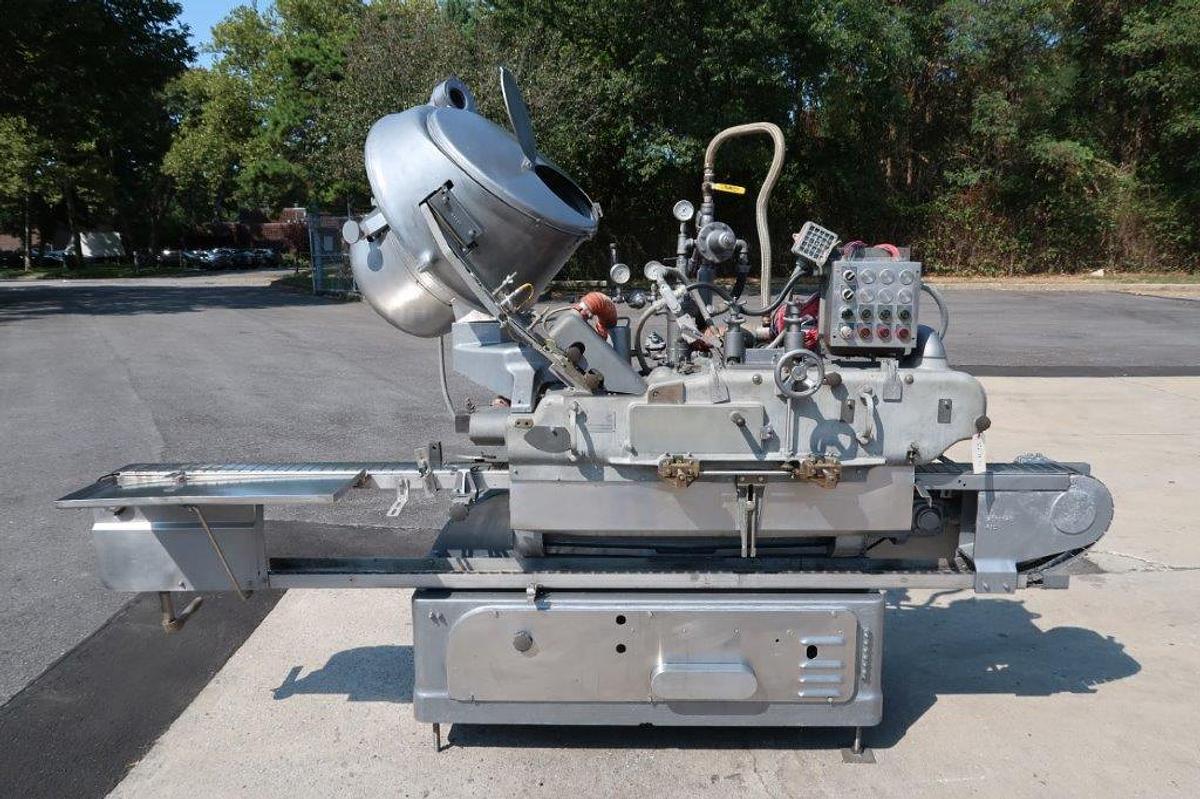
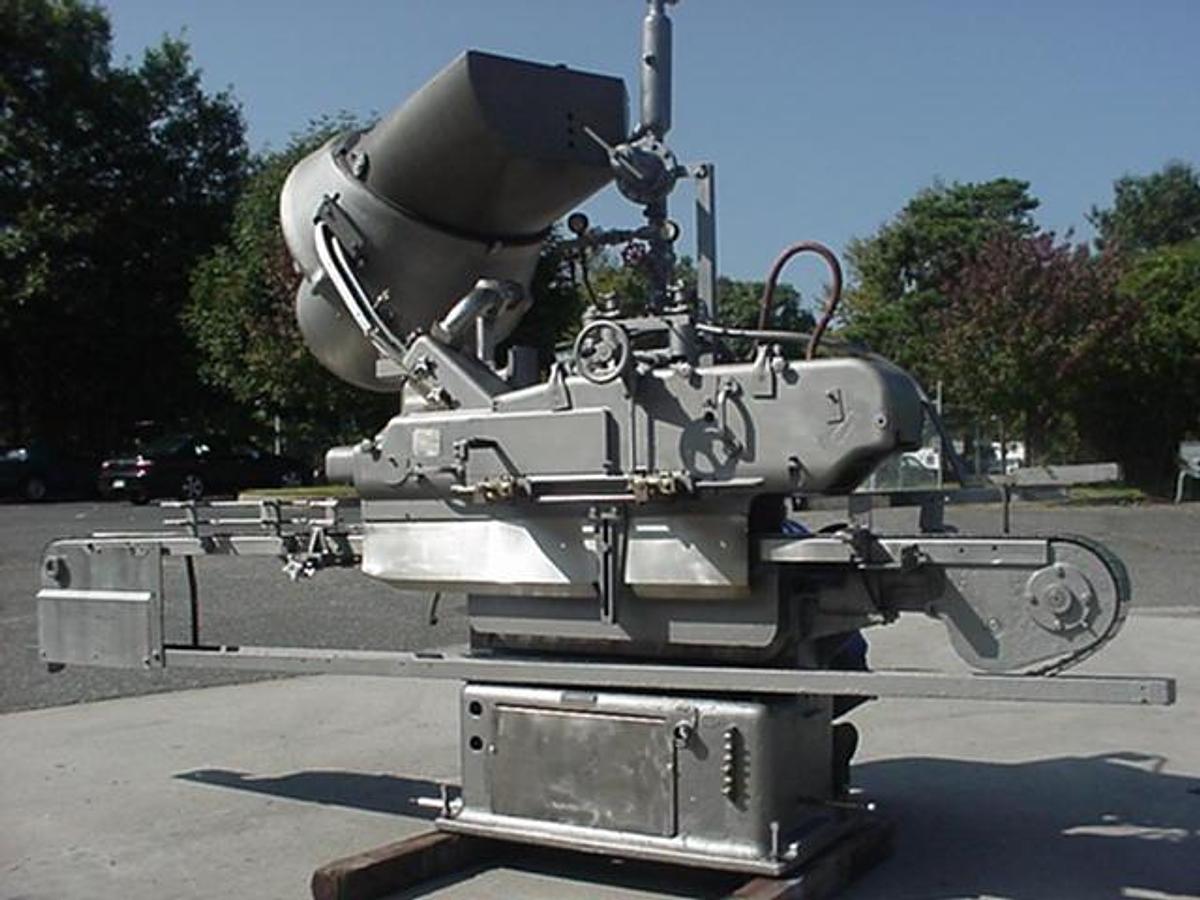
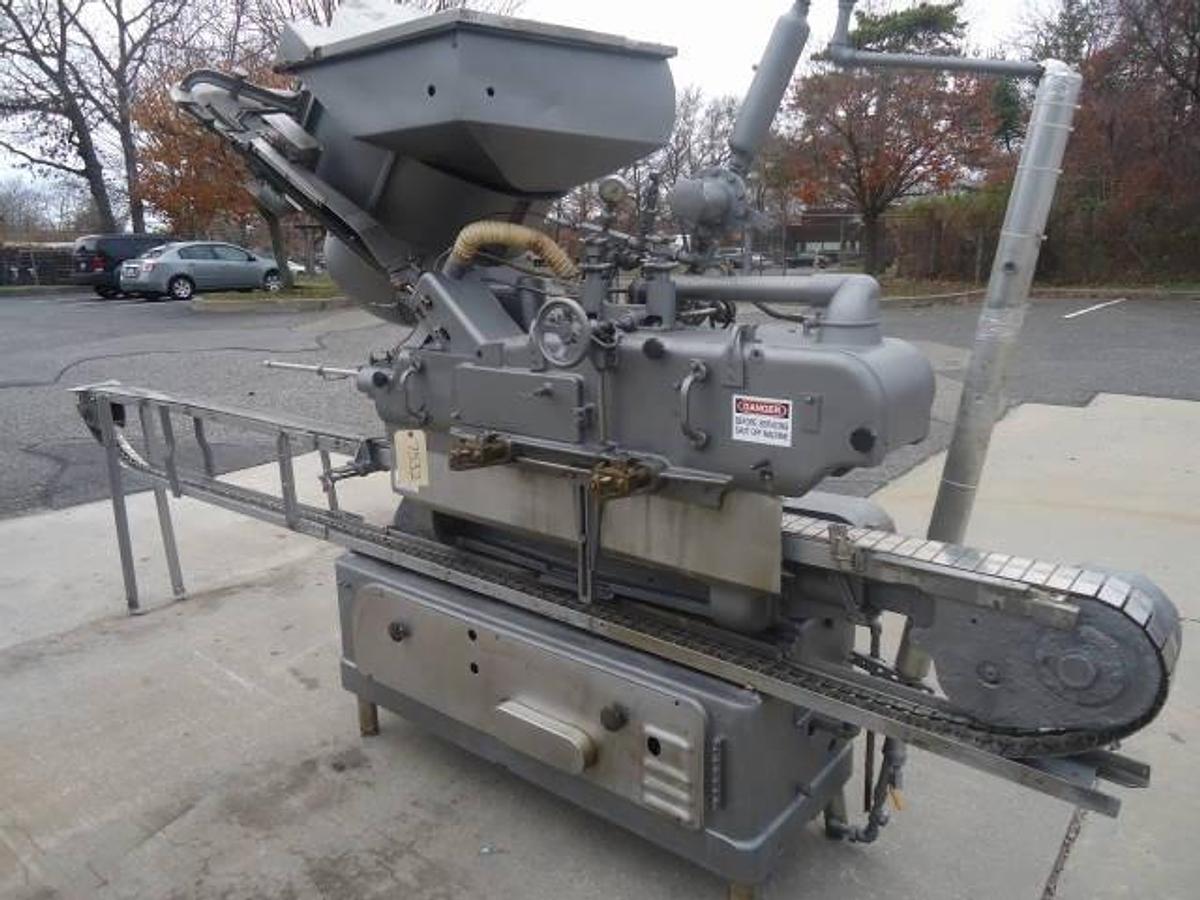
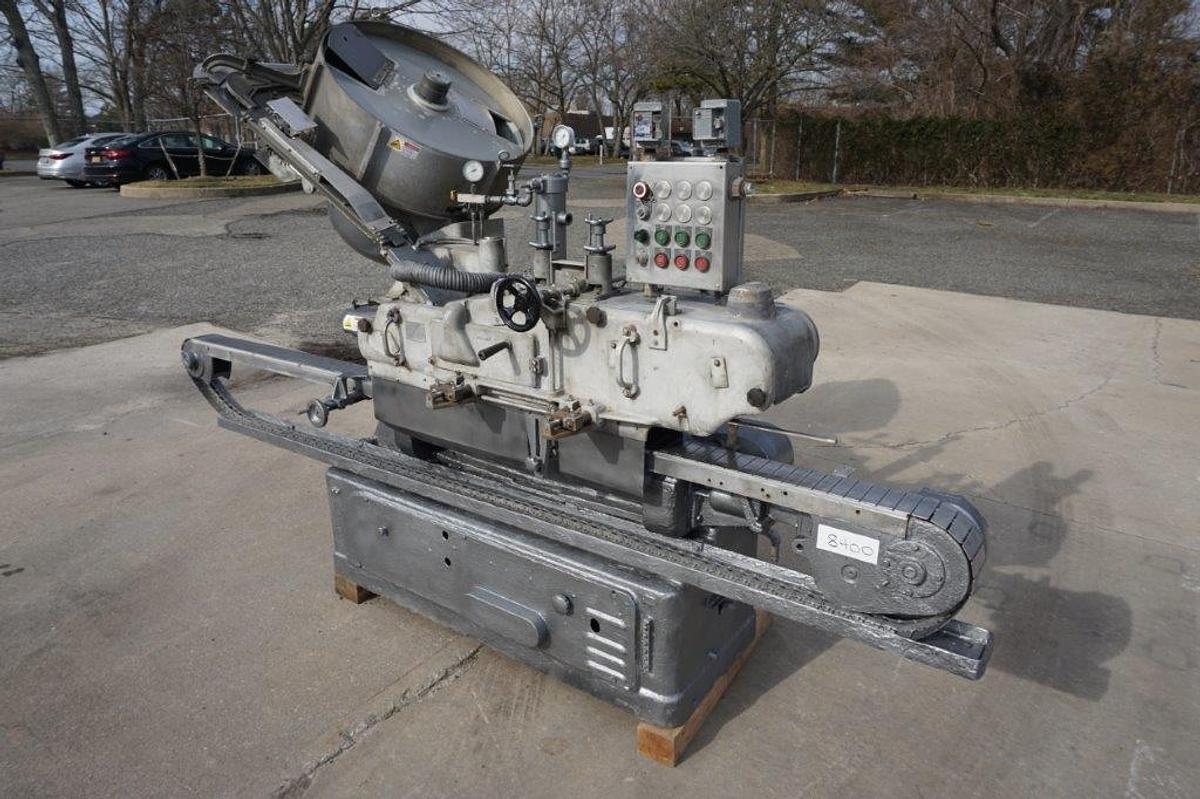
White Cap produced several models of steam and vapor vacuum cappers for commercial beverage packaging lines. The models most commonly found on the used market include the White Cap Model VG Automatic Steam Capper, the White Cap Model VE Steam Capper, and White Cap Vapor Vacuum Cappers in various sizes such as 63mm and 82mm diameter configurations. Each model was designed for a specific production environment, with automatic models suited to higher-volume continuous lines and semi-automatic versions fitting smaller or mid-scale operations.
When shopping for used White Cap cappers, it helps to know which model fits your production requirements before reaching out to a dealer. The VG automatic model, for example, is built for higher throughput and integrates into a conveyor-based line, while the vapor vacuum models use steam to purge oxygen from the headspace before sealing, making them popular for glass-packed food and beverage products. A reputable used machinery dealer specializing in packaging equipment will typically have specifications and photos available so buyers can identify the right model for their application.
What is a vapor vacuum capper and how does it work?
A vapor vacuum capper uses a controlled burst of steam injected into the headspace of a filled container just before the cap is applied. As the steam condenses after sealing, it creates a partial vacuum inside the container. This vacuum serves two purposes: it extends shelf life by reducing the oxygen content inside the jar or bottle, and it provides a visible safety indicator on the lid, which flexes inward when a proper vacuum is present and pops outward if the seal has been compromised.
This technology was widely adopted in commercial food and beverage canning and bottling operations throughout the mid-to-late twentieth century, and White Cap was one of the prominent manufacturers of this type of equipment. Used vapor vacuum cappers are sought after by specialty food producers, small-batch beverage companies, and contract packagers who need reliable vacuum sealing without the capital cost of purchasing equipment directly from a manufacturer. The 63mm and 82mm diameter models correspond to common jar and bottle finish sizes, so buyers should confirm which closure diameter their containers require before selecting a machine.
What should I inspect when buying a used White Cap capper?
Buying used packaging machinery requires a more hands-on due diligence process than purchasing off-the-shelf equipment. For a used White Cap capper, the key areas to examine include the condition of the sealing head and chuck, the integrity of any steam delivery components such as nozzles and valves, the overall frame and base for signs of corrosion or structural wear, and the mechanical drive components for excessive play or damage. Steam-based equipment in particular can show wear in the form of mineral deposits, corroded fittings, or degraded seals that affect performance.
Most reputable used equipment dealers will accommodate in-person inspections at their facility, or they can provide detailed video walkthroughs and photographs of the machine. In some cases, equipment that is still installed at a production facility may be available for inspection at that location, either running in production or decommissioned. Keep in mind that dealers generally do not have the permitting or production setup required to run actual product through a machine during an inspection, so functional testing is typically limited to dry cycling the mechanical components. Consulting with the original manufacturer about parts availability and support for the specific model and serial number is also a smart step before committing to a purchase.
What size closures do White Cap vapor vacuum cappers handle?
White Cap vapor vacuum cappers were manufactured in configurations to handle specific closure diameters, with 63mm and 82mm being two of the most commonly referenced sizes found on the used market. The 63mm finish is standard for many glass food jars, including a wide range of sauce, condiment, and preserve containers, while the 82mm finish accommodates wider-mouth jars used for products like pickles, salsa, and nut butters. Matching the capper to the correct closure diameter is critical, as these machines are not universally adjustable across a wide range of sizes.
Buyers should verify the exact finish diameter of their containers and closures before purchasing a used White Cap capper. Some machines may include tooling or change parts that allow a limited range of size adjustments, but this varies by model and configuration. When contacting a dealer, ask specifically whether the machine comes with its original tooling and whether any additional change parts are included. Getting this detail confirmed upfront avoids costly surprises after the machine arrives.
How does a steam capper differ from other types of cappers?
A steam capper applies a cap to a container while simultaneously injecting a small amount of steam into the headspace. The steam displaces oxygen before the seal is made, which is the defining functional difference between steam cappers and standard mechanical cappers that simply crimp or press a closure onto a container without any atmospheric modification. This makes steam cappers particularly valuable for oxygen-sensitive products like tomato-based sauces, jams, juices, and certain beverages where oxidation would degrade flavor, color, or shelf stability.
Standard mechanical cappers, by contrast, are simpler machines with fewer components and lower maintenance requirements, but they do not provide the same shelf-life benefits for oxygen-sensitive products. Automatic steam cappers like the White Cap Model VG are designed to integrate into a continuous production line, handling capping at speed while maintaining consistent vacuum levels across every container. For food and beverage producers evaluating used equipment options, the choice between a steam capper and a conventional capper should be driven by the product's sensitivity to oxygen and the required production throughput rather than by price alone.
What industries commonly use White Cap steam and vapor vacuum cappers?
White Cap steam and vapor vacuum cappers were built primarily for commercial food and beverage packaging operations. They are most commonly associated with glass jar packaging lines producing shelf-stable products such as pasta sauces, fruit preserves, pickles, relishes, condiments, and juices. The vacuum seal created by the steam capping process is essential for these products because it inhibits microbial growth, extends shelf life without refrigeration, and provides consumers with a tamper-evident indicator.
Beyond traditional food processing, these machines have also been used in beverage bottling, nutraceutical packaging, and specialty chemical filling operations where a hermetic seal is required. On the used market, buyers tend to come from small and mid-size food manufacturers, co-packers, and start-up specialty food brands that need production-grade capping capability but cannot justify the cost of new equipment. Used White Cap cappers offer a practical path to reliable, commercially proven sealing technology at a fraction of the cost of comparable modern equipment.
What is the typical price range for used White Cap cappers?
Pricing for used White Cap cappers varies considerably based on model, condition, age, included tooling, and current market supply. Simpler semi-automatic vapor vacuum models in working condition can fall in a lower price tier, while fully automatic models like the White Cap VG, which are designed for high-speed continuous line integration, typically command higher prices due to their greater mechanical complexity and production capacity. The inclusion of original change parts, tooling sets, and documentation can also add meaningful value to a used machine.
Because these are used machines sold as-is, buyers should factor in potential refurbishment costs when evaluating total acquisition cost. Parts availability for older White Cap models should be confirmed with the manufacturer or a qualified packaging equipment technician before purchase, as this can affect both the cost and feasibility of getting a machine into reliable production. Requesting a detailed condition report and inspection opportunity from the dealer is the best way to assess whether the asking price reflects the machine's actual working state.
How should a used White Cap capper be shipped, and what are the logistics considerations?
Shipping used packaging machinery like a White Cap capper requires careful planning to prevent damage in transit. Dealers will typically palletize or crate the machine depending on its size and weight, and the level of packaging directly affects freight costs. Heavier or larger machines, particularly automatic inline cappers, may require specialized rigging equipment for loading at the origin and unloading at the destination, which adds to the total landed cost. Buyers should ask the dealer for a detailed breakdown of packaging, rigging, and freight charges before finalizing a purchase so there are no surprises.
For larger machines, a liftgate delivery or forklift at the receiving location may be necessary, and buyers should confirm their facility is equipped to handle the unloading. Some dealers work with freight brokers who specialize in machinery shipments, which can simplify the logistics process. International buyers face additional considerations including customs documentation, import duties, and compliance with local electrical standards if the machine has powered components. Getting all shipping and logistics details confirmed in writing before payment is a standard practice when purchasing used industrial equipment.
What payment terms should buyers expect when purchasing used packaging equipment?
The standard practice among used equipment dealers is to require full payment before a machine is shipped. This policy protects dealers against the risks associated with releasing high-value machinery before funds are confirmed, and it is the norm across the used industrial equipment industry rather than an exception. Buyers who have an established purchasing history with a particular dealer may occasionally be offered extended terms, but first-time buyers should plan on paying in full prior to shipment.
Accepted payment methods vary by dealer but commonly include wire transfer, ACH, and in some cases credit cards for smaller transactions. Buyers should clarify payment method options early in the negotiation process, as some methods may carry processing fees. Given that used equipment is typically sold as-is without warranty coverage, it is also worth considering whether an escrow arrangement or staged payment tied to inspection milestones is an option the dealer will accommodate, particularly for higher-value purchases.
How can buyers verify the working condition of a used White Cap capper before purchasing?
Verifying the condition of used packaging machinery before committing to a purchase is one of the most important steps in the buying process. Reputable dealers will typically offer in-person inspections at their warehouse, or they can conduct video walkthroughs that show the machine's mechanical components, overall condition, and any visible wear or damage. For equipment that is still installed at a production facility, some dealers can arrange for an inspection at the plant where the machine is currently or was recently in use.
It is worth understanding that most equipment dealers are not set up to run actual production during an inspection, as operating a food or beverage packaging line requires permitting and infrastructure that a machinery dealer typically does not maintain. Inspections are therefore focused on the mechanical condition of the machine, including dry cycling of moving parts, visual assessment of wear components, and verification that the machine matches its listed specifications. Buyers with specific technical requirements may want to bring a qualified packaging equipment technician to an in-person inspection, or have a technician review inspection video footage before finalizing the purchase decision.