Category
Manufacturer
Model
Votator
Votator is known for its innovative food processing equipment, particularly in the frying and cooking sectors. Their machines help optimize production processes while ensuring product quality.
FAQ:
What is a Votator and what is it used for in food processing?
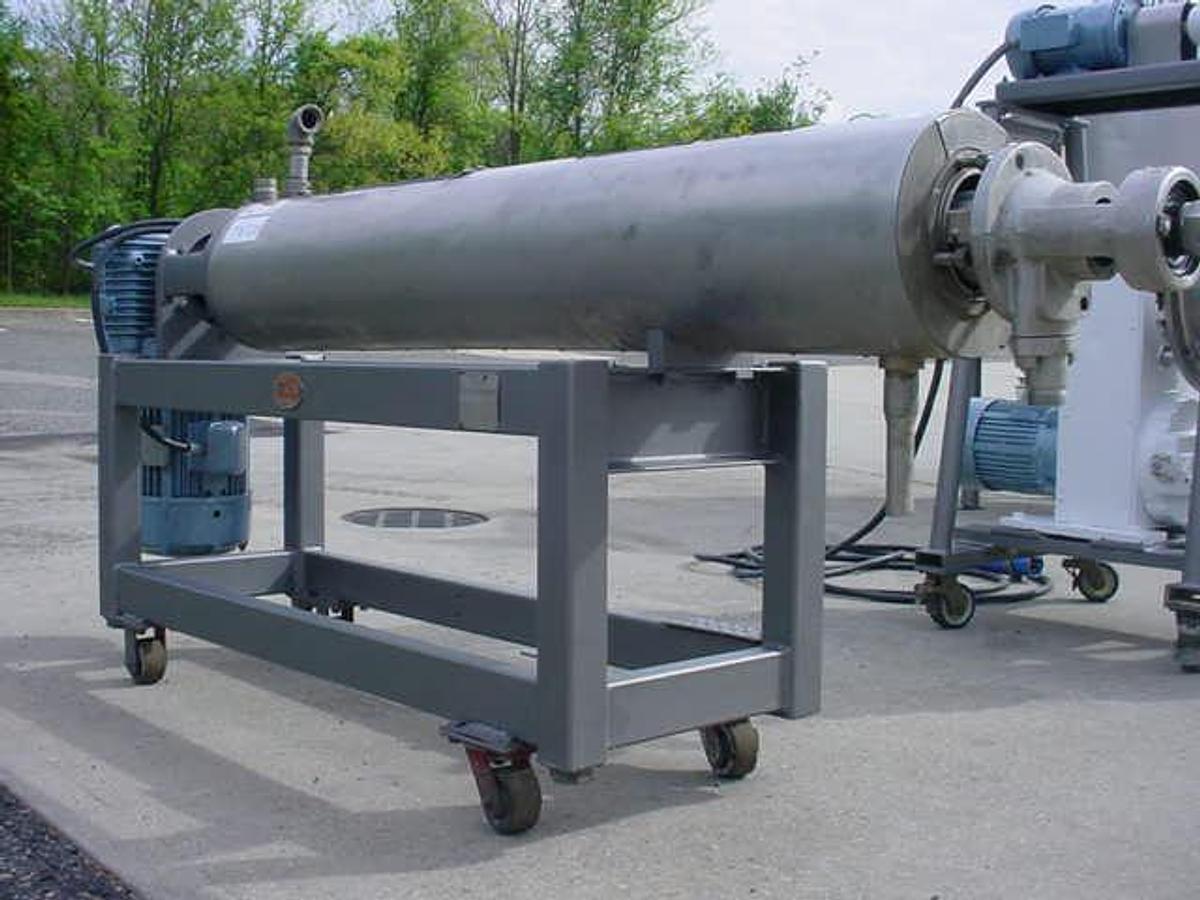
A Votator is a type of scraped surface heat exchanger designed for the continuous processing of viscous, sticky, or particulate-laden food products. The core mechanism consists of rotating blades mounted inside a jacketed cylinder. As product flows through the cylinder, the blades continuously scrape the heat transfer surface, preventing fouling, burning, or uneven temperature distribution. This makes Votators especially well-suited for products that would scorch or stick if processed in conventional heat exchangers.
Votators are widely used across the food manufacturing industry for products such as margarine, shortening, peanut butter, cheese spreads, ice cream, and a range of other emulsions and semi-solid foods. Beyond heating and cooling, Votator equipment also appears in mixing, whipping, and emulsifying applications. The Votator CR Mixer Whipper-Emulsifier, for example, is a distinct machine type used to aerate and emulsify products rather than simply transfer heat. This versatility across processing tasks is one reason Votator equipment remains a staple in food production facilities that handle high-viscosity or heat-sensitive materials.
What sizes and configurations of used Votator equipment are typically available?
Used Votator equipment comes in a range of tube sizes, lengths, and configurations depending on what was originally specified for a given production line. Tube diameters commonly seen in the market include 3-inch and 6-inch units, with tube lengths varying from 48 inches up to 72 inches or more. A 6 x 72 scraped surface heat exchanger, for instance, refers to a 6-inch diameter tube that is 72 inches long, while a 6x48 twin tube unit pairs two shorter tubes in a single assembly. These dimensional differences directly affect the available heat transfer surface area and the throughput capacity of the machine.
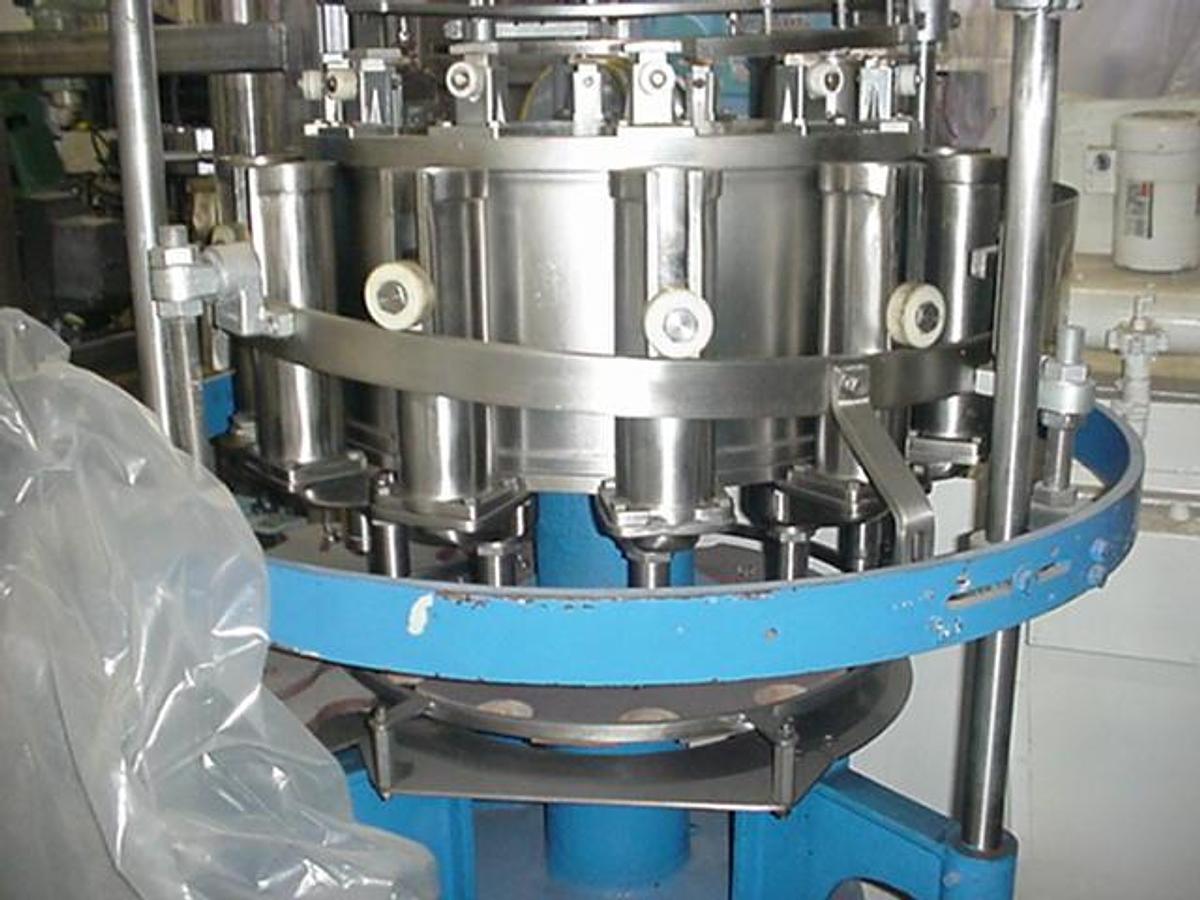
Beyond single-tube units, Votator systems can be configured with multiple tubes arranged in series or parallel to achieve specific temperature profiles or higher production volumes. Buyers evaluating used equipment should pay close attention to tube diameter, tube length, number of tubes, total surface area in square feet, horsepower of the drive motor, and the condition of the internal blades and shaft. The listings for used Votator equipment also include specialized machines like the P12L 12-piston stainless steel filler and the CR Mixer Whipper-Emulsifier at 15 HP, which serve different processing functions entirely. Understanding which machine type fits the intended application is the first step before evaluating any specific unit.
What industries and applications commonly use Votator scraped surface heat exchangers?
Scraped surface heat exchangers like the Votator are most heavily concentrated in the food and beverage manufacturing sector, where processing viscous or heat-sensitive products at scale requires precise temperature control without product degradation. Margarine and shortening production has historically been one of the most prominent uses, as these products require controlled crystallization during cooling that a standard heat exchanger cannot achieve. Ice cream and frozen dessert manufacturers rely on scraped surface units for continuous freezing and texturizing, and peanut butter processors use them for controlled cooling after roasting and grinding.
Beyond those core applications, Votator-style equipment also appears in cheese and dairy spread production, salad dressing manufacturing, pet food processing, and the production of certain pharmaceutical or cosmetic emulsions. Any process that involves a product too thick, too sticky, or too prone to fouling for a standard tubular or plate heat exchanger is a candidate for scraped surface technology. The mixing and whipping variants, such as the Votator CR Mixer Whipper-Emulsifier, are used specifically where aeration or emulsification is required in addition to temperature adjustment, making them common in the production of whipped toppings, spreads, and aerated dairy products.
How does a scraped surface heat exchanger differ from a standard tubular or plate heat exchanger?
A standard tubular or plate heat exchanger relies on product flowing across a fixed surface while a heating or cooling medium flows on the other side. This works well for low-viscosity, non-fouling fluids, but breaks down quickly with thick, sticky, or particulate-containing products. When viscous material contacts a stationary heat transfer surface, it tends to adhere, creating an insulating layer that dramatically reduces heat transfer efficiency and can cause burning or product degradation. Plate heat exchangers face the same limitation and are also prone to clogging with any product that contains solid particles or high fat content.
A scraped surface heat exchanger solves this by incorporating a rotating shaft fitted with blades or mutators inside the jacketed processing cylinder. These blades continuously wipe the inner surface, removing the boundary layer of product and exposing fresh material to the heat transfer surface. The result is consistently efficient heat exchange even with products that would foul or scorch in any other equipment type. This mechanical action also contributes to mixing and texturizing the product as it moves through the unit, which is why scraped surface heat exchangers are often integral to the crystallization and emulsification steps in margarine, shortening, and ice cream production rather than simply serving as a heating or cooling step.
What materials are Votator scraped surface heat exchangers constructed from, and are they food-grade compliant?
Votator equipment designed for food processing is typically constructed with stainless steel product-contact surfaces, with 304 and 316 stainless steel being the most common grades. The choice between 304 and 316 SS often depends on the corrosiveness of the product being processed, with 316 SS offering better resistance to chlorides and acidic products. The jacketed outer cylinder, which carries the heating or cooling medium, may use different materials depending on the original design specification, but all surfaces that contact food product should be stainless steel in a properly specified unit.
For buyers sourcing used Votator equipment, compliance with 3-A Sanitary Standards is an important consideration. These standards govern the design and surface finish requirements for dairy and food processing equipment, including criteria for surface roughness, crevice-free construction, and cleanability. When evaluating a used machine, buyers should verify the original design specification and inspect the condition of product-contact surfaces, seals, and blade assemblies, as wear or corrosion on these components can affect both sanitary compliance and processing performance. The Votator P12L piston filler, for example, is built with stainless steel construction specifically for food-grade filling applications, reflecting the material standards expected across the Votator product line.
What should buyers look for when inspecting used Votator equipment before purchase?
Inspecting used Votator equipment requires attention to both the mechanical condition of the drive components and the sanitary condition of all product-contact surfaces. On the mechanical side, buyers should assess the condition of the drive motor, gearbox, and shaft bearings, as these components bear the load of continuous operation and are expensive to replace. The rotating blade or mutator assembly inside the heat exchanger cylinder is a wear item that should be examined closely for erosion, deformation, or missing segments. Shaft alignment and seal condition are also worth checking, since a worn shaft seal can allow product to migrate into the drive assembly or allow lubricants to contaminate the product stream.
On the sanitary side, the inner surface of the processing cylinder should be examined for pitting, corrosion, or scoring that could harbor bacteria or compromise cleanability. The jacket connections, inlet and outlet ports, and any instrumentation ports should be checked for integrity. Buyers should ask the seller whether an in-person inspection can be arranged, or request a detailed video walkthrough of the machine in its current state. Some used machines may still be installed in an active production facility, in which case the seller can often coordinate access for inspection. Keep in mind that most used equipment dealers are not set up to run actual product through the machine during an inspection, so the evaluation will focus on physical and mechanical condition rather than live performance testing.
Are used Votator machines reliable, and what should buyers understand about purchasing them without a warranty?
Used Votator equipment can be a reliable and cost-effective option for food processors, particularly given the robust construction standards these machines were built to originally. Scraped surface heat exchangers are mechanically straightforward, with the main moving components being the drive motor, gearbox, and rotating blade shaft. When these components are in sound condition and the product-contact surfaces are intact, a used Votator can deliver many years of continued service. The age of the machine, how it was maintained, and whether it was decommissioned from a well-run facility are all factors that influence what a buyer can expect.
Used equipment is sold as-is, which places the responsibility for evaluating condition squarely on the buyer. There are no manufacturer warranties on used machines, and dealers typically do not offer guarantees on performance. This makes the selection of a reputable dealer with a long track record in food processing equipment particularly important. Buyers should also contact the manufacturer directly to understand what level of technical support, spare parts availability, and documentation can be expected for a specific model and age of machine. Older or discontinued models may have limited parts availability, which is worth factoring into the total cost of ownership before committing to a purchase.
What maintenance does a Votator scraped surface heat exchanger require?
Regular maintenance on a Votator scraped surface heat exchanger centers on the mechanical drive components and the internal blade assembly. The rotating shaft and blade system experience continuous wear during operation, so periodic inspection of blade condition is necessary to ensure consistent product contact with the heat transfer surface. Worn or damaged blades reduce scraping efficiency, which leads to fouling and uneven heat exchange. Replacement blade sets and mutator assemblies are available from the manufacturer and from aftermarket suppliers, though availability can vary by model age.
Beyond the blade assembly, routine maintenance includes checking shaft seals for leakage, inspecting and lubricating gearbox and bearing assemblies according to the manufacturer's service schedule, and monitoring the heating or cooling jacket for scale buildup or fouling on the utility side. Clean-in-place (CIP) procedures are standard practice in food processing facilities and should be followed consistently to maintain sanitary conditions and prevent product residue from degrading internal surfaces. Buyers acquiring used equipment should request any available service history or maintenance records from the seller, as this documentation can reveal how consistently the machine was maintained and flag any recurring issues that may require attention before the unit is put back into production.
How difficult is it to integrate used Votator equipment into an existing production line?
Integrating a used Votator unit into an existing production line is a manageable process for facilities with experienced process engineers, but it does require careful planning around utility connections, product piping, and control systems. Scraped surface heat exchangers require connections for the heating or cooling medium on the jacket side, typically steam, hot water, chilled water, or refrigerant depending on the application. The product-side connections need to match the existing piping in terms of size, material, and fitting type. Drive power requirements also need to be confirmed against the available electrical supply at the installation point.
For multi-tube or multi-stage systems, the configuration of units in series or parallel adds another layer of planning, as the sequence and arrangement affect the temperature profile the product experiences through the system. Buyers should obtain full dimensional drawings and specifications for any used unit before purchase to confirm it will physically fit the intended space and connect to existing utilities without major modifications. It is also worth consulting with the manufacturer or a qualified process engineer to verify that the specific tube size, surface area, and drive configuration of the used machine are appropriate for the target product and throughput requirements. Mismatching equipment capacity to process needs is one of the more common and avoidable integration challenges.
What should buyers expect regarding shipping and payment when purchasing used Votator equipment?
Votator scraped surface heat exchangers and related processing equipment are industrial machines that require careful handling during transit. Smaller units may be palletized and shrink-wrapped, while larger multi-tube assemblies or complete systems typically require custom crating to prevent damage to the cylinder, shaft assembly, and external connections. Rigging costs for loading at the seller's location and unloading at the buyer's facility can be significant for heavier equipment and should be factored into the total landed cost before finalizing a purchase. Buyers should ask the seller for a detailed breakdown of packaging, rigging, and freight charges to avoid surprises.
Payment terms for used equipment purchases are generally straightforward: most dealers require full payment before the equipment ships. Some dealers may offer payment terms to established customers with a prior purchase history, but buyers should not assume this is available. It is standard practice to confirm payment terms, accepted payment methods, and the timing of shipment relative to payment clearance before completing a transaction. For high-value equipment like a complete Votator system, buyers may also want to confirm the seller's process for providing documentation such as bills of sale, any available technical manuals, and shipping insurance options to protect against transit damage.