Category
Manufacturer
Model
Volpak
Volpak is a leader in the flexible packaging sector, offering a range of machines for filling and sealing pouches. Their equipment is widely used in food, pharmaceuticals, and personal care industries.
FAQ:
What types of pouches can Volpak machines handle?
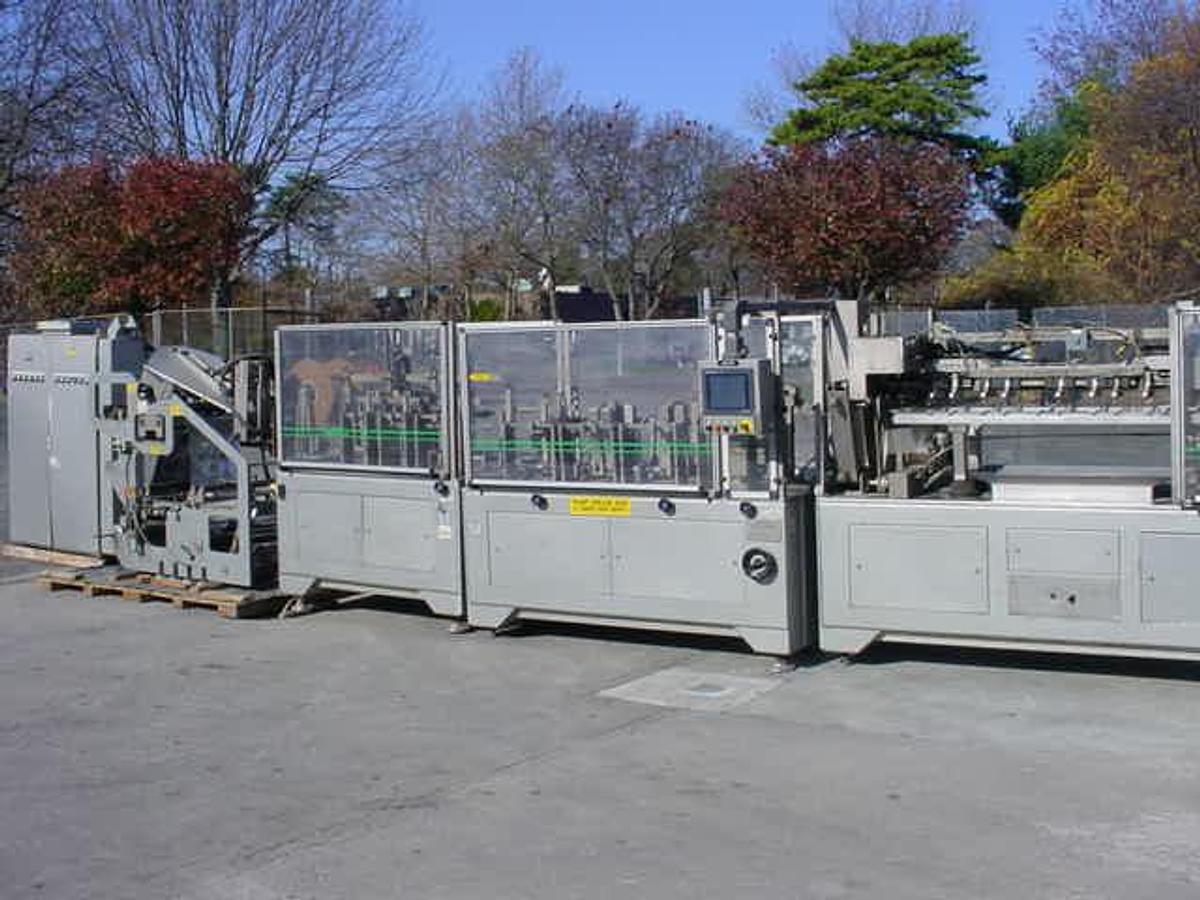
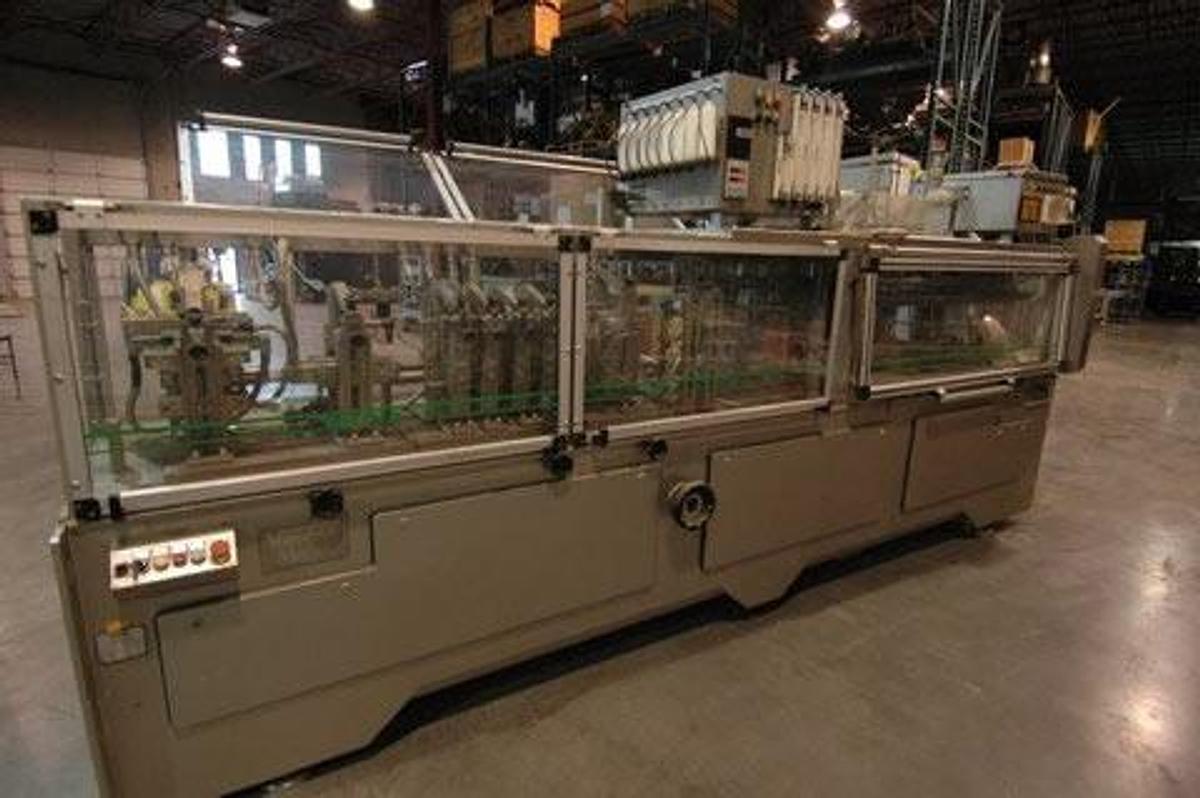
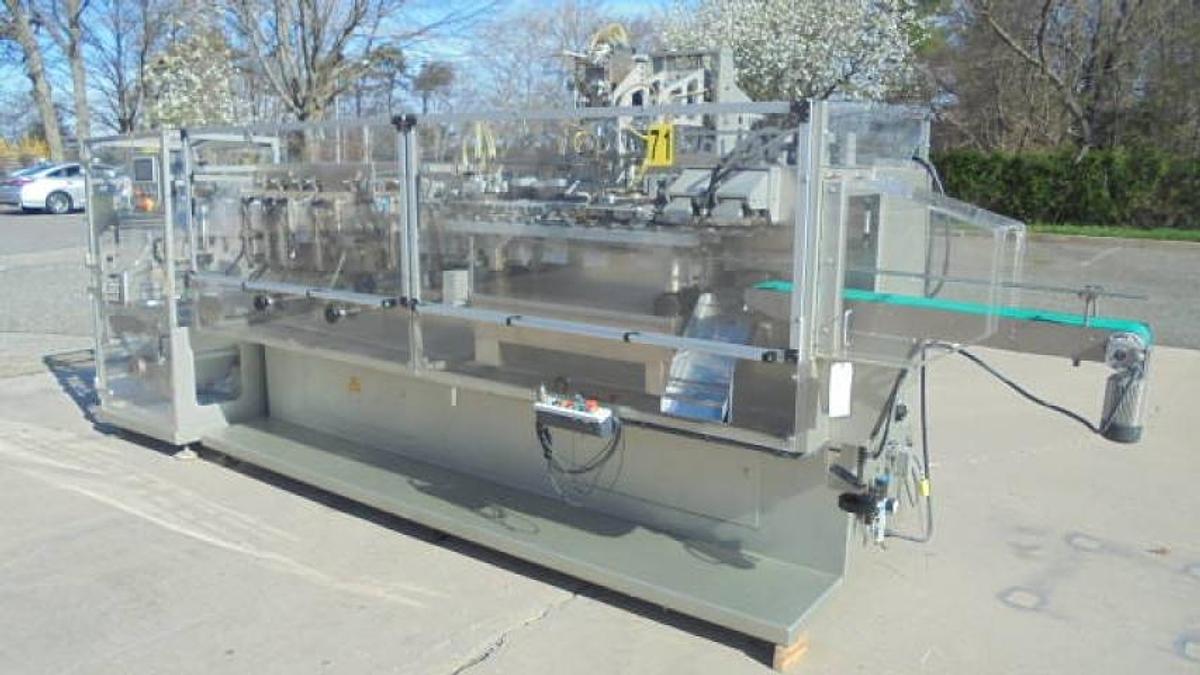
Volpak machines are built to handle a wide range of pouch formats, which is one of the main reasons they remain popular across so many industries. Depending on the model, a Volpak machine can process stand-up pouches, flat bottom pouches, zip-lock pouches, spouted pouches, and quad-seal pouches. The S-270-Df, for example, is specifically designed for stand-up bags with zip-lock closures, while the 240DS handles flat bottom pouches. The SP-170L1F is a horizontal form/fill/seal machine capable of producing a variety of sealed pouch styles from roll stock film.
This format flexibility makes Volpak equipment attractive to operations that package multiple product types or plan to expand their product lines. Buyers shopping for used Volpak machines should identify the exact pouch styles they need before selecting a model, since each machine in the lineup is optimized for specific formats. Confirming the pouch dimensions and closure types supported by a particular unit is an important step during the inspection and evaluation process.
What industries use Volpak pouch packaging machines?
Volpak machines have a strong track record across several industries, largely because horizontal form/fill/seal technology suits both liquid and solid products in flexible packaging. The food and beverage sector is the largest user base, with applications in dairy products, sauces, soups, condiments, snacks, and pet food. Pharmaceutical and nutraceutical manufacturers also rely on Volpak equipment for hygienic, tamper-evident pouch packaging. Personal care and cosmetics companies use these machines for products like shampoo sachets, lotions, and single-use wipes.
The hygienic design standards built into Volpak machines make them particularly well-suited for regulated industries where sanitation and product integrity are non-negotiable. Buyers from the pharma or food sectors should verify that the specific used unit they are considering meets the sanitary requirements of their facility, since configuration and condition can vary from one machine to the next. Consulting with the equipment dealer about prior use history can help determine whether a particular machine is appropriate for a given application.
What is the typical production speed of a Volpak pouch packaging machine?
Volpak machines are known for high-speed output, which is a key reason they are specified for high-volume production environments. Depending on the model and the pouch format being run, output can range from roughly 100 pouches per minute on the lower end to over 300 pouches per minute on higher-capacity models. Actual throughput in a real production setting depends on factors like pouch size, fill weight, film type, and the complexity of the closure being applied.
When evaluating a used Volpak machine, buyers should ask the dealer about the machine's rated speed as well as any known limitations that may affect current output. A machine that has been well-maintained and properly serviced can still perform close to its rated capacity, but age, wear, and prior usage patterns all play a role. Requesting a video demonstration or arranging an in-person inspection where the machine is running is the best way to get a realistic picture of current performance before committing to a purchase.
Are used Volpak machines reliable, and what should buyers look for?
Volpak has built a strong reputation for mechanical durability and consistent performance, which is why used units retain their value and remain in demand on the secondary market. The brand is part of the Coesia Group, a well-regarded packaging machinery group with a global service network, which also means parts and technical knowledge are generally accessible. A used Volpak machine that has been properly maintained can deliver years of additional service life, making it a practical option for operations looking to reduce capital expenditure compared to purchasing a machine at full price.
That said, reliability on the secondary market depends heavily on the condition of the specific unit and the reputation of the dealer selling it. Buyers should prioritize dealers who specialize in packaging machinery and have a verifiable track record. Since used equipment is sold as-is, a thorough inspection is essential. Requesting detailed photos, a video walkthrough, or an in-person visit to see the machine operating gives buyers the clearest picture of its current condition. Checking with the manufacturer about parts availability and support for the specific model and age of the machine is also a smart step before finalizing any purchase.
What is the difference between the Volpak SP series and other Volpak models?
Volpak's machine lineup covers several distinct design configurations, each suited to different packaging requirements. The SP series, such as the SP-170L1F, is a horizontal form/fill/seal platform that produces pouches directly from roll stock film, making it a flexible choice for operations that want control over pouch dimensions and film selection. The S-270-Df is configured specifically for pre-made stand-up pouches with zip-lock closures, which suits products where resealability is a selling point. The 240DS is oriented toward flat bottom pouches, a format that has grown in popularity for premium retail packaging because of its shelf-stability and visual appeal.
For buyers evaluating used Volpak machines, understanding these distinctions matters because the right model depends entirely on the pouch style and filling method the operation requires. A form/fill/seal machine and a pre-made pouch filler involve different tooling, film handling systems, and changeover procedures. Buyers should map their production requirements to the specific machine configuration before inquiring with a dealer, and they should confirm that any tooling or format parts needed for their specific pouch size are included with the machine.
What should buyers expect during the inspection process for a used Volpak machine?
Inspections are a critical part of purchasing any used packaging machine, and reputable dealers typically offer several options to accommodate buyers. In-person inspections allow a buyer or their technician to physically examine the machine, check wear on mechanical components, review electrical systems, and assess overall condition firsthand. Virtual inspections via video call are a practical alternative for buyers who cannot travel, and many dealers can also provide recorded video walkthroughs that show the machine in detail. In some cases, a machine may still be installed and running at a facility, allowing for an inspection under actual production conditions.
Buyers should keep in mind that most used equipment dealers do not have the permitting or infrastructure to run full production trials with actual product. The inspection is therefore focused on mechanical condition, completeness of parts, and general operability rather than a full production run. Buyers are encouraged to bring or consult with a qualified packaging machinery technician during the inspection to identify any components that may need attention before the machine goes back into production. Asking the dealer specific questions about the machine's service history, the reason for its sale, and whether any known issues exist will help form a complete picture of what is being purchased.
How does shipping and delivery work for a used Volpak machine?
Shipping a large piece of packaging machinery like a Volpak horizontal bagger requires careful planning and proper packaging to prevent damage in transit. Dealers will typically palletize or crate the machine depending on its size, weight, and the distance it needs to travel. Larger models may require specialized rigging equipment for loading at the dealer's facility and unloading at the buyer's location, and those rigging costs are generally separate from the base freight charge. Buyers should request a full breakdown of packaging, rigging, and shipping costs upfront so they understand the complete landed cost before finalizing the purchase.
Transit times vary depending on the origin and destination, the freight carrier selected, and whether the shipment crosses international borders. International shipments involve additional considerations like customs documentation, import duties, and compliance with destination country regulations. Buyers should discuss all of these logistics with the dealer early in the process to avoid surprises. Confirming the machine's dimensions and weight with the dealer is also important for buyers who need to plan for installation, since floor space, ceiling height, and forklift capacity at the receiving facility all need to be accounted for in advance.
What are the typical payment terms for purchasing a used Volpak machine?
Payment practices in the used machinery market are fairly standardized. Most dealers require full payment before the machine is released for shipping. This protects the seller given the nature of high-value capital equipment transactions, and it is a normal expectation buyers should plan for. Some dealers may offer payment terms to established customers with whom they have a prior purchase history, but buyers approaching a dealer for the first time should generally expect to pay in full upfront.
Accepted payment methods vary by dealer but commonly include wire transfer for domestic and international transactions. Buyers making a significant capital investment in a used Volpak machine are well-served by working with dealers who have a long track record in the packaging machinery sector, since the dealer's reputation is one of the primary protections available to the buyer in an as-is transaction. Conducting due diligence on the dealer, including reviewing their history and asking for references from past customers, is a reasonable step before transferring funds for a high-value machine purchase.
Can a used Volpak machine be integrated with an existing production line?
Volpak machines are designed as industrial packaging platforms, and most models can be integrated into broader production lines with the right planning and auxiliary equipment. Common integration points include upstream filling systems, conveyors, checkweighers, metal detectors, labelers, and downstream case packing or cartoning equipment. The horizontal form/fill/seal design used across much of the Volpak lineup lends itself to inline production environments where the machine receives product from one direction and discharges finished pouches in a continuous flow.
For buyers integrating a used machine, it is worth noting that older units may require interface work to communicate with modern control systems or PLCs. Electrical standards can also differ between machines built for different markets, particularly for international buyers who may need to address voltage and frequency compatibility. Consulting with a packaging machinery technician or systems integrator before purchase is a practical way to identify any integration requirements and budget for them appropriately. Asking the dealer about the machine's control system, electrical specifications, and any automation features already installed can help buyers assess how straightforward the integration process will be.
What are the maintenance requirements for Volpak pouch packaging machines?
Like any high-speed packaging machine, Volpak equipment requires a consistent preventive maintenance program to stay in reliable operating condition. Routine maintenance tasks typically include lubrication of moving components, inspection and replacement of sealing jaws and heating elements, tension adjustment on film drive systems, cleaning of sensors and photocells, and periodic checks of pneumatic systems for leaks or pressure inconsistencies. The frequency of these tasks depends on how many shifts the machine runs and the types of products and films being processed.
For buyers purchasing a used Volpak machine, understanding the maintenance history of the specific unit is important. A machine that has had regular preventive maintenance performed and documented is a lower-risk purchase than one with an unknown service history. Parts availability is another key consideration. Buyers should contact the manufacturer directly to confirm what parts are still available for the specific model they are considering, since older machines may have components that are no longer in production. Establishing a relationship with a qualified service technician familiar with Volpak equipment before the machine arrives at the facility is a smart way to prepare for a smooth startup and ongoing operation.