Category
Manufacturer
Model
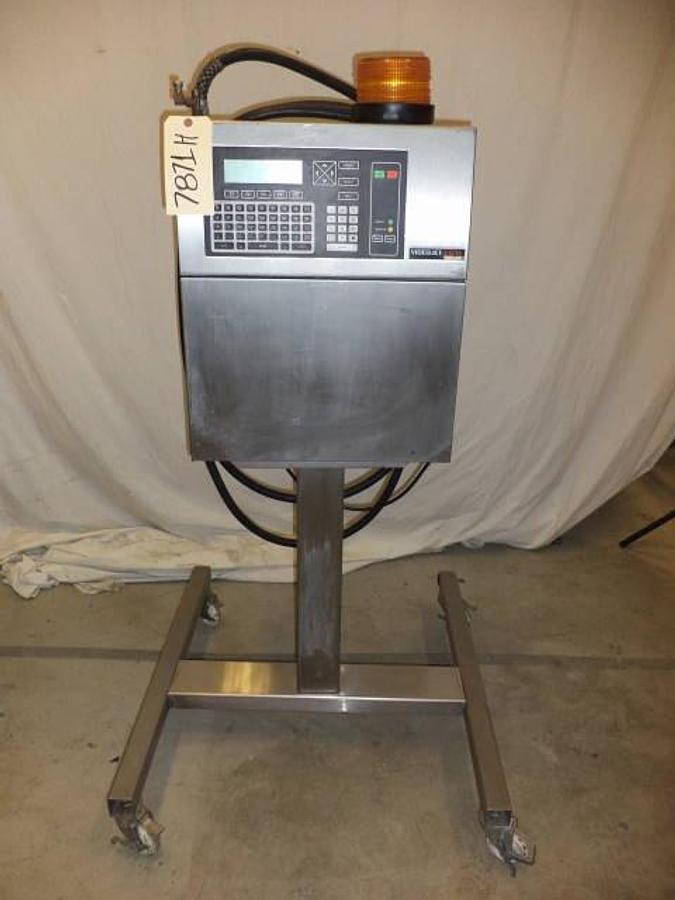
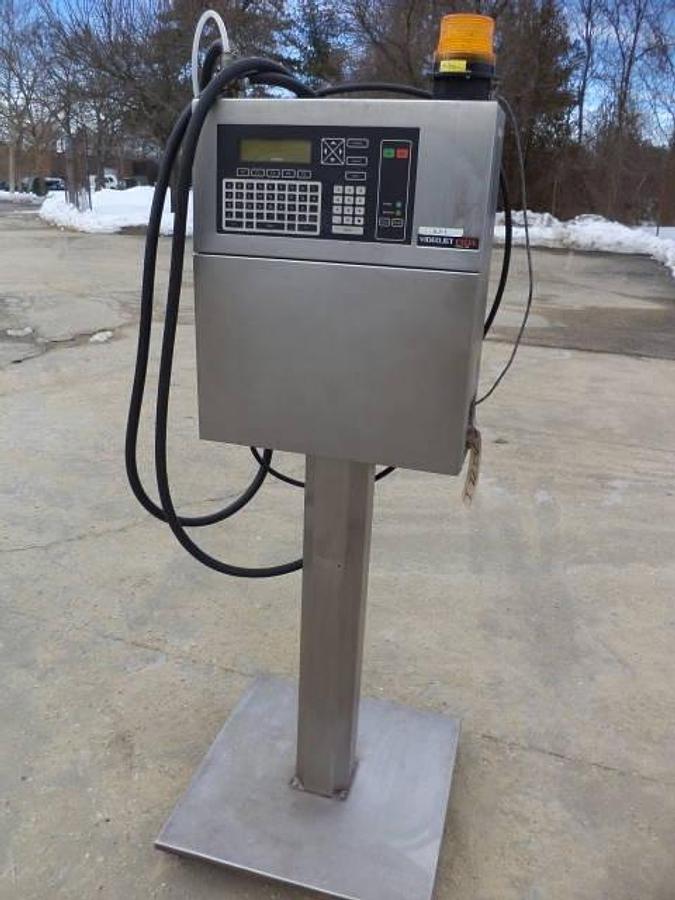
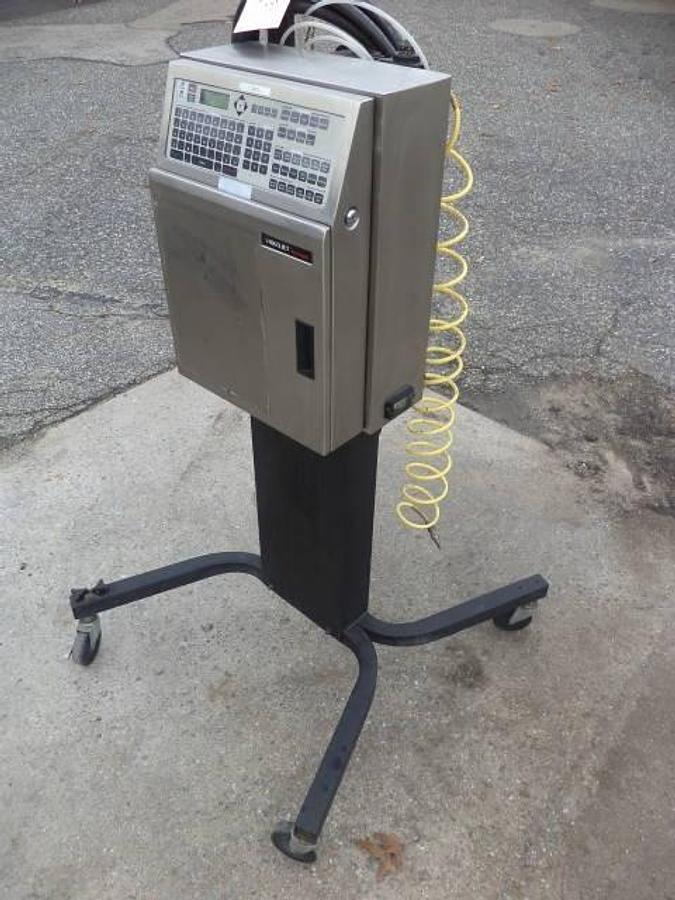
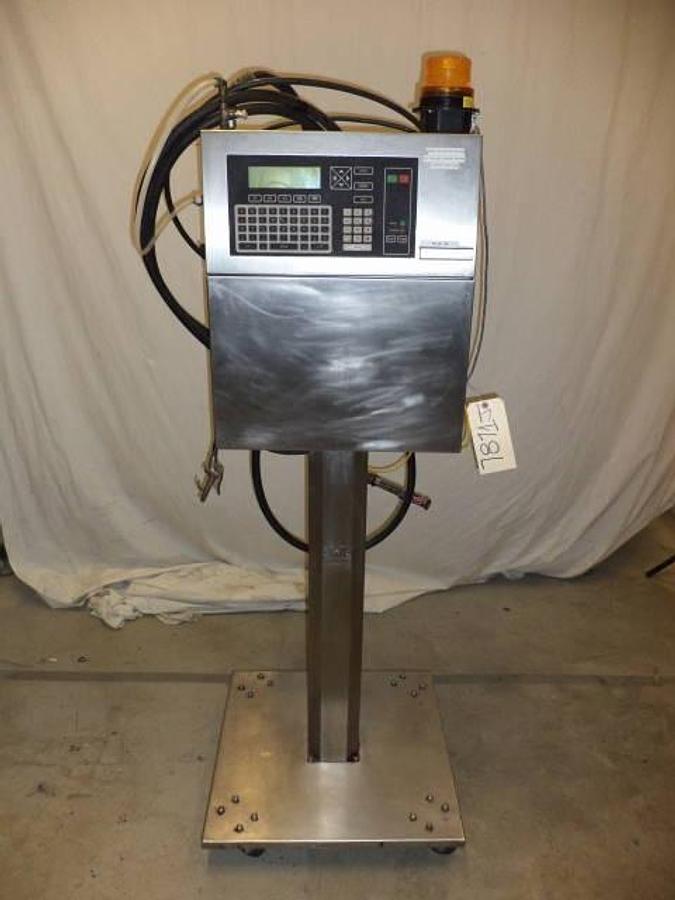
Videojet
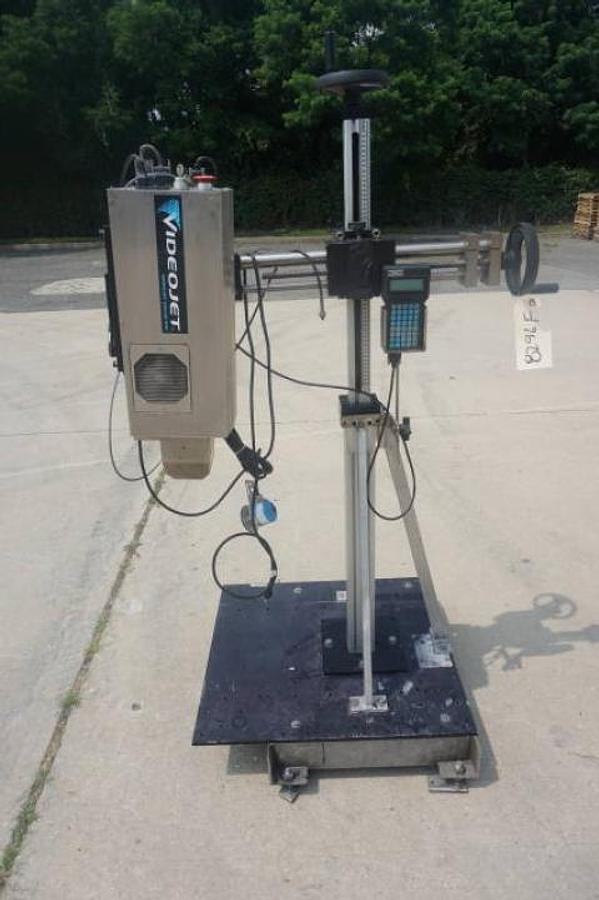
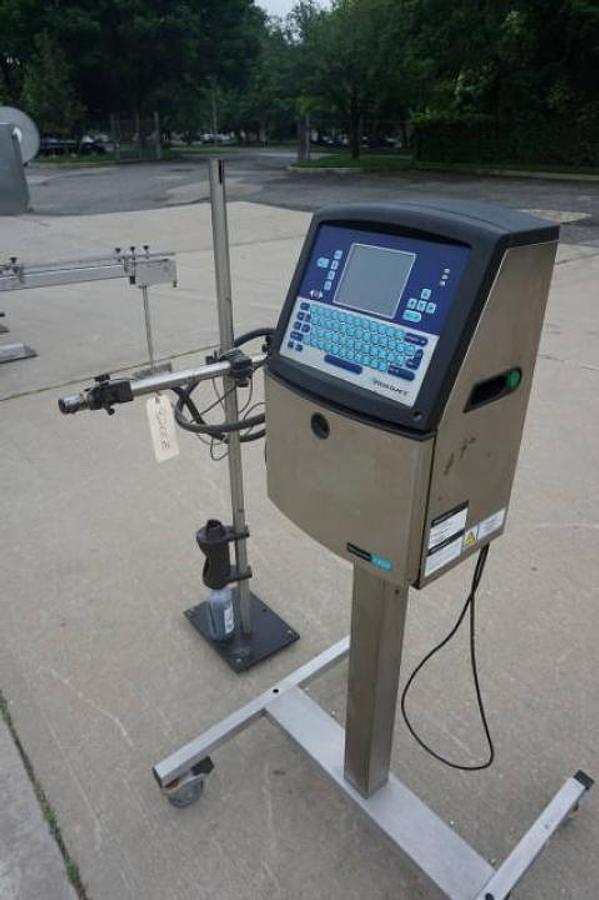
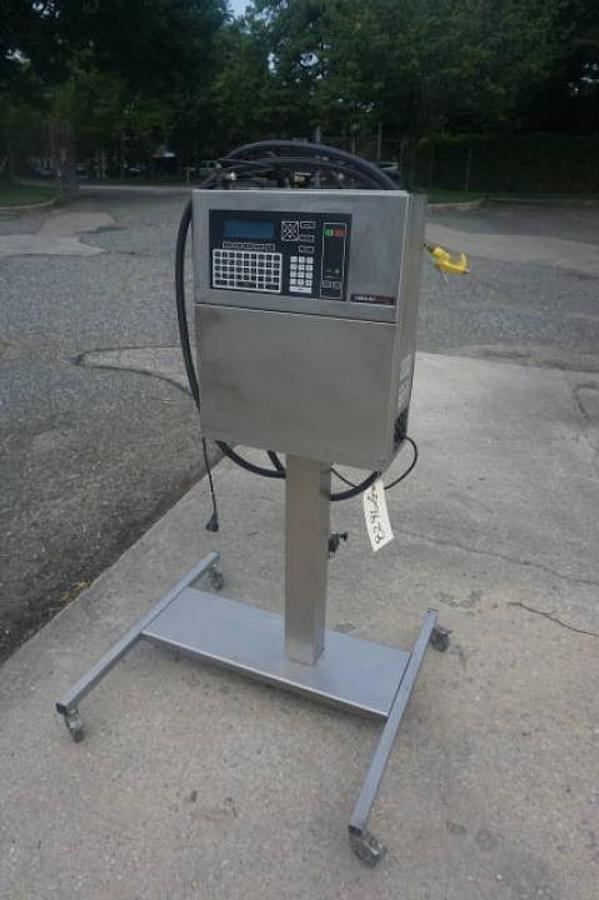
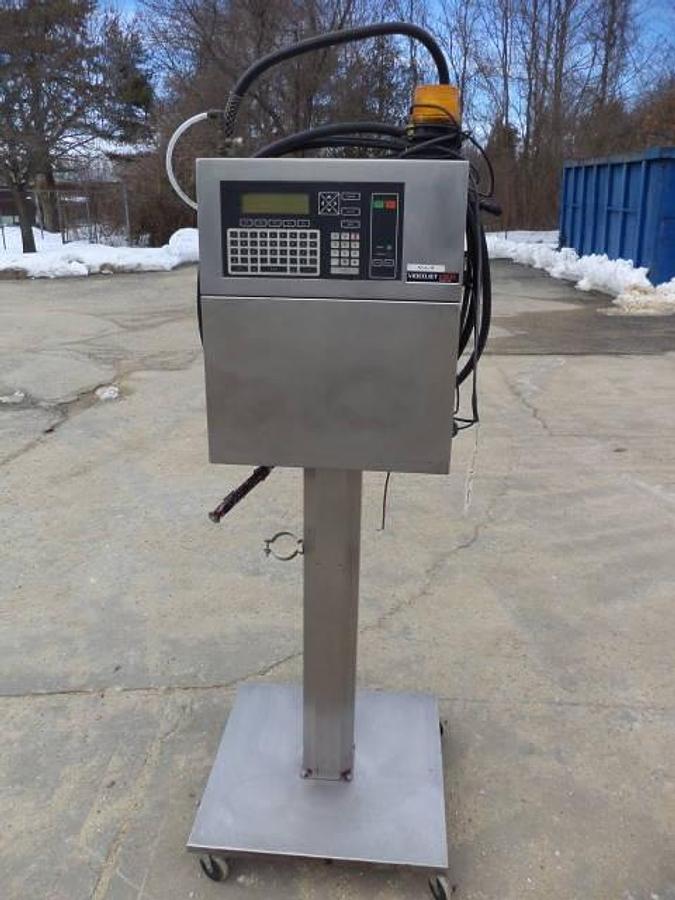
Videojet Technologies is known for its advanced inkjet and laser marking systems used in packaging and labeling across multiple industries. Their equipment helps manufacturers maintain high standards of quality and compliance.
FAQ:
What types of Videojet equipment are commonly available on the used market?
Videojet produces a broad range of industrial coding and marking equipment, and most of these product categories show up regularly in the used equipment market. The most common types include continuous inkjet (CIJ) printers, thermal inkjet (TIJ) printers, laser coders, thermal transfer overprinters (TTO), and large character inkjet systems. Within the CIJ category alone, popular models that surface frequently include the Videojet 1000, 1210, 1220, 1520, 1550, and 1580 series, each designed for different line speeds and substrate types. Portable coders like the Excel 170i-AF and the Triumph inkjet coder also appear on the used market and are well-suited for operations that need flexible, movable printing solutions.
Beyond CIJ, Videojet laser markers and thermal transfer systems are available through used equipment dealers, though they tend to move faster given their durability and lower consumable costs over time. Buyers shopping for used Videojet equipment should have a clear picture of their production line requirements before purchasing, including substrate type, line speed, print resolution needs, and whether portability is a factor. A used equipment dealer who specializes in coding and marking machinery will typically carry a rotating inventory of Videojet models across multiple product families, making it easier to find a machine that fits a specific application without paying the premium associated with purchasing directly from the manufacturer.
What is the price range for used Videojet coding and marking equipment?
Pricing on used Videojet equipment varies considerably depending on the model, age, condition, and features of the machine. Entry-level portable CIJ coders and older Excel series printers can be found in the low thousands of dollars, making them accessible for small manufacturers or operations with tight capital budgets. Mid-range CIJ systems like the Videojet 1220 or 1520 typically fall in a broader price band depending on hours of use, condition of the printhead, and whether the machine comes with ancillary components like casters, mounting hardware, or remaining consumables. Higher-end laser marking systems and thermal transfer overprinters generally command higher prices on the used market, though they still represent significant savings compared to purchasing equivalent equipment elsewhere.
Buyers should also factor in the total landed cost of the equipment, not just the sticker price. Shipping, rigging, and crating costs can add meaningfully to the final number, particularly for heavier or larger systems that require specialized loading equipment. Consumables such as inks, solvents, and make-up fluids are a recurring cost that should be built into any total cost of ownership calculation. Requesting a detailed quote from the dealer that breaks out equipment price, packaging, freight, and any applicable rigging fees gives buyers a complete picture before committing to a purchase.
What industries use Videojet coding and marking equipment?
Videojet equipment is used across a wide range of manufacturing and packaging industries, which is a big part of why the brand has such strong recognition in the used equipment market. Food and beverage is the single largest application area, where Videojet printers are used to apply expiration dates, lot codes, best-by dates, and nutritional information directly onto packaging, bottles, cans, and cartons at high line speeds. Pharmaceutical manufacturers rely on Videojet systems for printing batch numbers, serialization codes, and regulatory compliance information on labels, blister packs, and secondary packaging. The precision and reliability of these systems makes them a practical choice in regulated industries where print quality and traceability are non-negotiable.
Beyond food, beverage, and pharma, Videojet equipment is commonly found in cosmetics and personal care manufacturing, automotive parts production, electronics assembly, and general industrial packaging operations. In automotive and electronics, laser coders and CIJ systems are used to mark parts with identification codes, serial numbers, and manufacturing data directly onto metal, plastic, or composite surfaces. The versatility of Videojet's product line, which spans inkjet, laser, and thermal transfer technologies, means the equipment can be adapted to a wide variety of substrates, line configurations, and print requirements across virtually any manufacturing environment.
What is the difference between Videojet continuous inkjet (CIJ) and thermal inkjet (TIJ) printers?
Continuous inkjet and thermal inkjet are two distinct printing technologies with different strengths, and understanding the difference helps buyers choose the right used Videojet system for their application. CIJ printers work by generating a continuous stream of ink droplets, electrically charging and deflecting them to form characters on a moving substrate without any contact between the printhead and the surface being marked. This makes CIJ ideal for high-speed production lines where the product is moving quickly and the printing surface may be irregular, curved, or difficult to access. CIJ systems can print on a wide variety of substrates including glass, metal, plastic, and cardboard, and they are well-suited for printing small characters like date codes, lot numbers, and barcodes. The Videojet 1220 and similar models are classic examples of CIJ technology built for continuous, high-volume production.
Thermal inkjet printers operate differently, using heat to vaporize ink and propel droplets onto a surface. TIJ systems generally produce higher print resolution than CIJ, making them a better fit for applications that require crisp barcodes, 2D codes, or detailed graphics. They tend to be simpler mechanically, with fewer moving parts and lower maintenance demands, but they are typically limited to lower line speeds and porous or semi-porous substrates. For buyers evaluating used Videojet equipment, the choice between CIJ and TIJ often comes down to line speed requirements, substrate type, and the complexity of the print content needed. A used equipment specialist familiar with Videojet's product line can help match the right technology to a specific production environment.
Does used Videojet equipment come with a warranty?
Used equipment is typically sold on an as-is basis, which is standard practice across the used machinery industry. Unlike purchases made directly through a manufacturer's authorized channel, used Videojet equipment sold through third-party dealers does not come with a manufacturer warranty. This places the responsibility of evaluating the machine's condition squarely on the buyer before the transaction is finalized. That reality makes it especially important to work with a reputable used equipment dealer who has a verifiable track record in the coding and marking space, since their expertise and transparency during the sales process is essentially the buyer's primary safeguard.
Buyers should take full advantage of inspection opportunities before committing to a purchase. Most established dealers will accommodate in-person inspections, video walkthroughs, or recorded video captures of the machine in its current state. Some equipment may still be installed and running at a production facility, which offers the added benefit of seeing the machine operate under real conditions. It is also worth contacting Videojet directly to understand what level of manufacturer support, parts availability, and technical assistance can be expected for a specific model and age of machine, since older or discontinued models may have limited parts availability through official channels. Consulting with the manufacturer ahead of time helps buyers set realistic expectations for ongoing serviceability.
What consumables and replacement parts are needed to operate Videojet printers?
Videojet CIJ printers are the most consumable-intensive of the brand's product lines. These systems require ink, solvent, and make-up fluid to operate continuously. The ink formulation is specific to the substrate and application, with different inks available for porous surfaces, non-porous surfaces, high-temperature environments, and food-safe applications. Solvent and make-up fluid are used to maintain the proper ink viscosity and to flush and clean the printhead and ink system. Buyers of used CIJ equipment should confirm which specific ink and fluid types the machine requires, since these are ongoing costs that add up over the life of the equipment and should be factored into any total cost of ownership analysis.
Beyond fluids, Videojet printers require periodic replacement of wear parts including filters, printhead components, and in some cases pump assemblies. Availability of these parts varies by model and age, which is one reason it is worth checking with Videojet directly before purchasing a used machine to confirm that parts are still being produced or can be sourced through aftermarket suppliers. For laser coders and thermal transfer overprinters, consumable needs are different. TTO systems use ribbon rather than liquid ink, and laser systems have virtually no consumables beyond the laser source itself, which has a finite service life. Understanding the consumable profile of the specific Videojet model under consideration helps buyers build a realistic operating budget before the machine ever hits the production floor.
How difficult is it to install and set up used Videojet equipment?
The installation complexity of a used Videojet system depends largely on the type of machine and the production environment it is going into. Portable CIJ coders like the Videojet Excel 170i-AF or the Triumph inkjet coder are relatively straightforward to set up, since they are designed to be moved and repositioned as needed. These units typically require a power connection, ink and solvent loading, and basic configuration of print parameters through the machine's interface. For experienced production or maintenance staff, getting a portable Videojet CIJ printer operational is generally a manageable process, particularly if the team has prior experience with inkjet coding equipment.
Line-integrated systems require more planning. Mounting the printhead in the correct position relative to the product, synchronizing the printer with line speed, and integrating the system with upstream or downstream equipment all add complexity to the installation. For buyers without in-house technical expertise, it is worth budgeting for professional installation support, either through an independent Videojet service technician or a qualified integrator familiar with the brand. One practical consideration when buying used equipment is that the machine may not come with its original documentation or setup guides. Buyers should ask the dealer whether manuals or configuration files are included, and if not, check whether Videojet makes documentation available for the specific model through their support channels. Having access to proper documentation makes initial setup and future troubleshooting significantly easier.
What ongoing maintenance does Videojet coding equipment require?
Maintenance requirements vary by technology type, but all Videojet coding equipment benefits from a consistent preventive maintenance routine. CIJ printers are the most maintenance-intensive, requiring regular printhead cleaning, filter changes, and monitoring of ink viscosity and fluid levels. The ink system in a CIJ printer circulates fluid continuously, and if the machine sits idle for extended periods without proper shutdown procedures, ink can dry in the lines and printhead, leading to clogs that require more involved cleaning or component replacement. Operators should follow the manufacturer's recommended shutdown and startup procedures carefully, particularly on used machines where the condition of internal components may not be fully known at the time of purchase.
Laser coders and thermal transfer overprinters generally have lower day-to-day maintenance demands. Laser systems require periodic lens cleaning and occasional checks on the laser source and beam delivery components, while TTO printers need ribbon path cleaning and printhead inspection to maintain print quality. Regardless of technology type, keeping a log of maintenance activities and tracking consumable usage helps identify patterns that may indicate developing mechanical issues before they cause unplanned downtime. For used equipment specifically, it is a good practice to perform a thorough inspection and cleaning of the machine before putting it into production, since the service history of a used machine may be incomplete or unavailable. Establishing a baseline condition at the outset makes it easier to manage the equipment effectively over time.
What should buyers look for when inspecting used Videojet equipment before purchase?
A thorough inspection of used Videojet equipment before purchase can reveal a lot about the machine's actual condition and remaining service life. For CIJ printers, the printhead is the most critical component to evaluate. Buyers should look for signs of ink buildup, corrosion, or damage around the printhead and gutter area, and if possible, observe the machine producing a print sample to assess print quality, character formation, and consistency. The condition of the ink system, including filters, tubing, and the main ink cabinet, should also be examined for leaks, discoloration, or signs of poor maintenance. Asking the dealer about the machine's service history and whether any major components have been replaced can provide useful context.
For laser coders and thermal transfer systems, the inspection focus shifts to the condition of the laser source or printhead, the mechanical components of the drive system, and the overall cleanliness of the machine. Most reputable used equipment dealers will accommodate in-person inspections, virtual walkthroughs, or detailed video captures of the machine. Some equipment may still be installed at a production facility where it can be observed running under actual production conditions, which is the most informative inspection scenario available. Buyers who cannot inspect in person should request as much video documentation as possible, including footage of the machine powering on, running, and producing output. The goal is to get an honest, accurate picture of the machine's current working order so there are no surprises after delivery.
What should buyers know about shipping and payment when purchasing used Videojet equipment?
Shipping costs for used Videojet equipment are not one-size-fits-all. Portable inkjet coders and smaller bench-top units are relatively straightforward to package and ship, typically requiring palletization and appropriate cushioning to prevent transit damage. Larger, line-integrated systems may need custom crating, and some heavier equipment requires professional rigging for safe loading and unloading. Rigging services add to the total cost and should be discussed with the dealer upfront. Buyers should ask for a detailed breakdown of packaging, freight, and any rigging fees before finalizing a purchase so the full landed cost of the equipment is clearly understood before any money changes hands.
On the payment side, most used equipment dealers require full payment prior to shipping, which is standard practice in the industry. Some dealers extend payment terms to repeat customers or established buyers, but first-time purchases are almost always cash in advance or wire transfer before the machine leaves the facility. Buyers should also confirm with the dealer whether the equipment will be tested or inspected before it is packaged for shipment, and whether any photos or video will be provided at that stage to document the machine's condition prior to loading. Clear communication about shipping timelines, carrier selection, and delivery logistics helps avoid misunderstandings and ensures the buyer knows what to expect from the point of purchase through to delivery at their facility.