Category
Manufacturer
Model
Vector
Vector is recognized for its innovative solutions in the packaging sector, particularly for the food and beverage industries. They offer a range of machines including vertical form-fill-seal machines, which are popular for their efficiency and reliability in packaging various products.
FAQ:
What types of equipment does Vector manufacture for packaging and pharmaceutical applications?
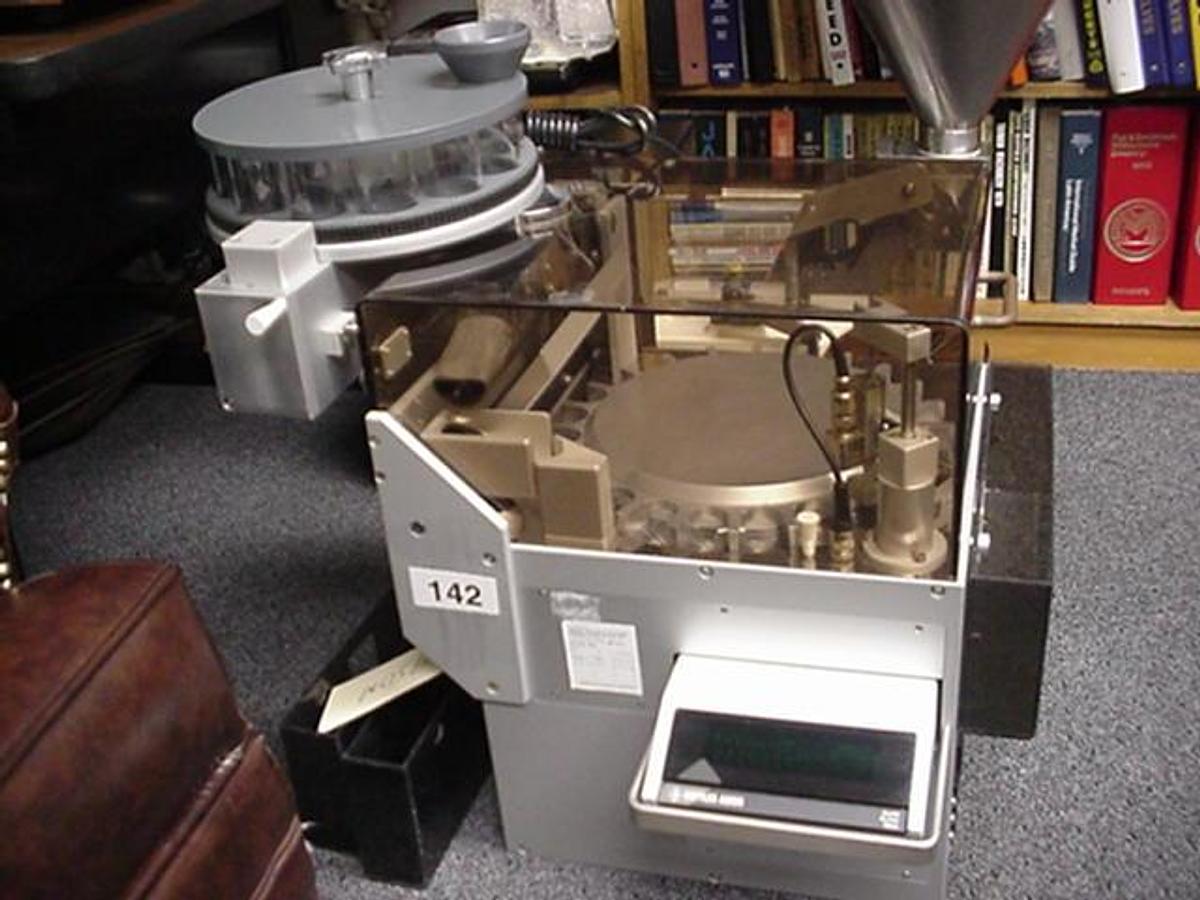
Vector is a well-regarded manufacturer in both the packaging and pharmaceutical processing sectors. Their product line spans vertical form-fill-seal machines used in food and beverage packaging, as well as more specialized pharmaceutical equipment such as roller compactors, rotary tablet presses, coating pans, and tablet stress testing systems. The vertical form-fill-seal machines are particularly known for their efficiency and reliability across a wide range of product types, while the pharmaceutical side of their lineup addresses granulation, compression, and coating processes that are critical in drug manufacturing and nutraceutical production.
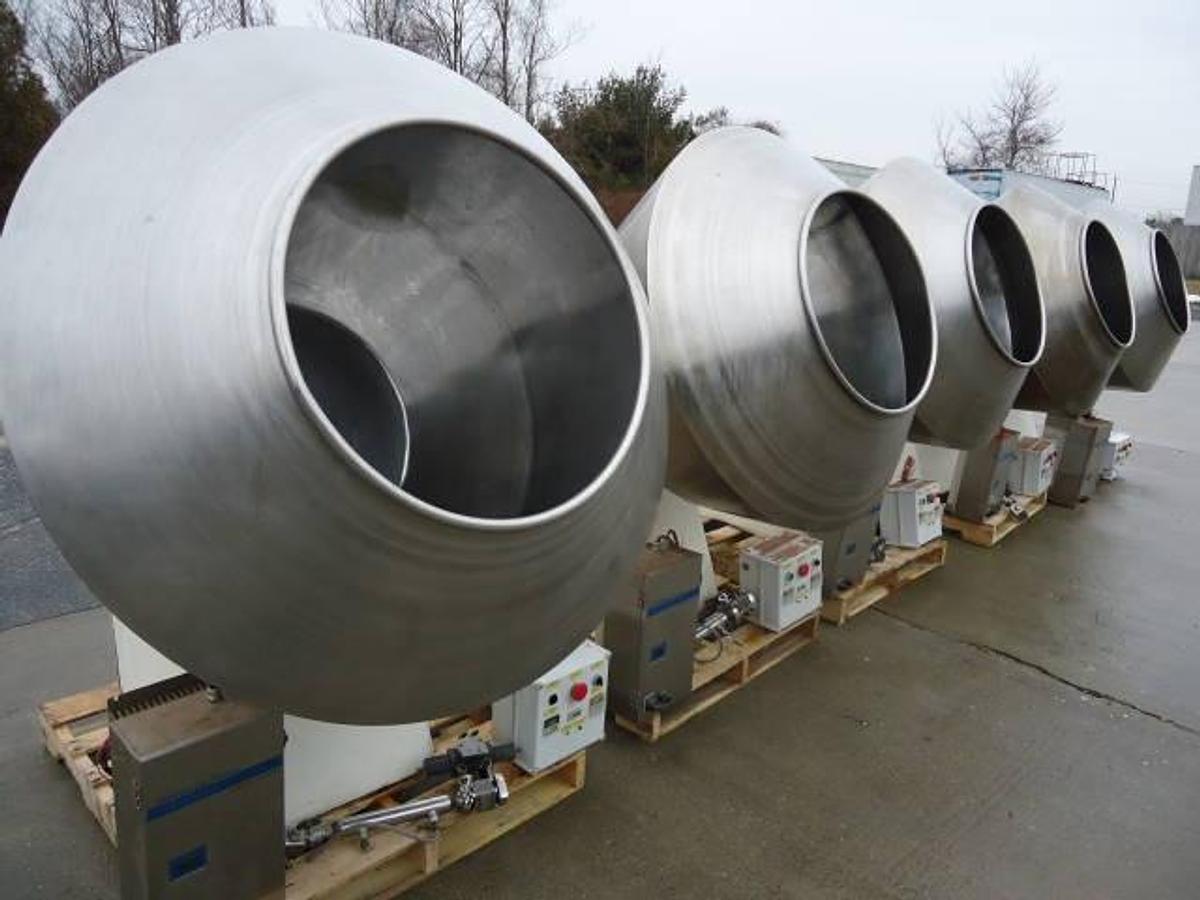
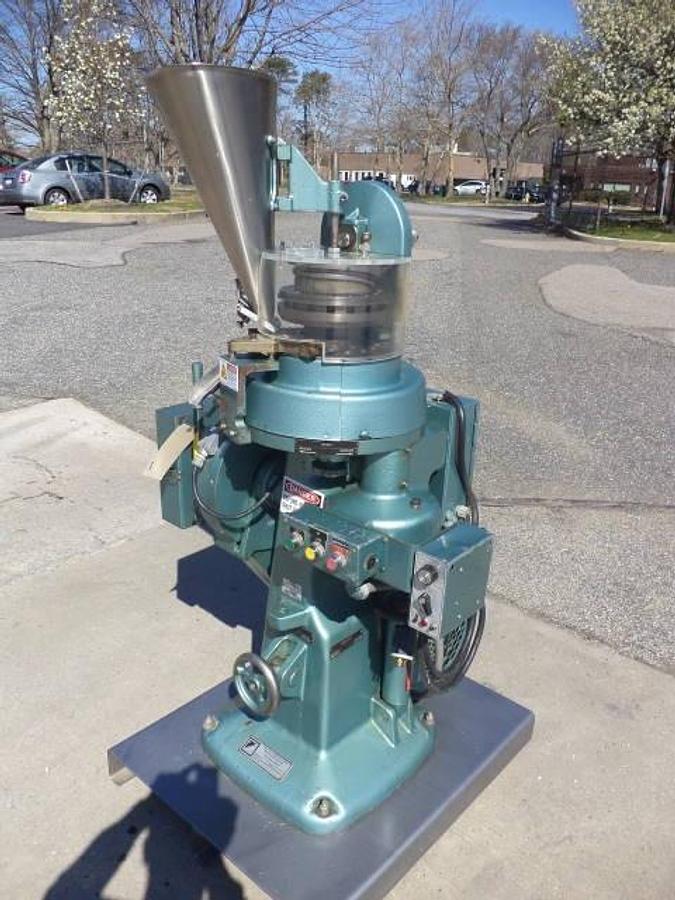
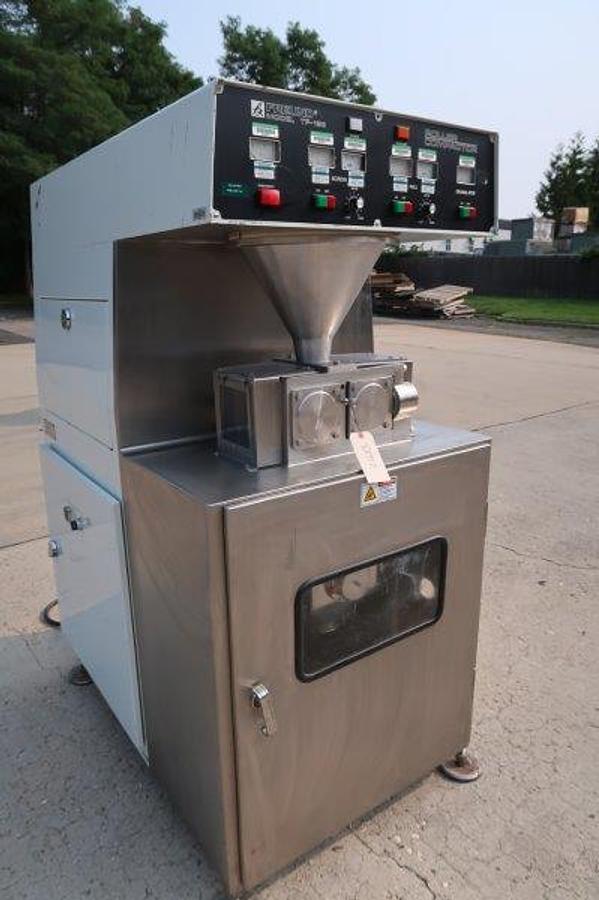
Buyers researching used Vector equipment will often encounter machines from both sides of this product range. A roller compactor with granulator, for example, is used to convert powders into granules for tablet production, while a rotary tablet press handles the compression stage. Stainless steel coating pans with variable frequency drives are used to apply coatings to tablets or confectionery products. Understanding which segment of the Vector lineup applies to your operation is an important first step before evaluating specific listings.
What industries commonly use Vector packaging and processing equipment?
Vector equipment serves a broad range of industries, with particularly strong adoption in food and beverage, pharmaceutical, and nutraceutical manufacturing. In food and beverage, vertical form-fill-seal machines are a staple for packaging snacks, frozen goods, coffee, and other bulk or granular products into pouches or bags at high throughput. The efficiency of these machines makes them attractive for both mid-scale and large-scale production environments where consistent output and minimal downtime are priorities.
On the pharmaceutical and nutraceutical side, Vector's processing equipment addresses key stages of solid dosage manufacturing. Roller compactors are used for dry granulation, rotary tablet presses handle high-volume tablet compression, and coating pans apply functional or aesthetic coatings to finished tablets or capsules. Buyers in these regulated industries also need to consider whether a used machine meets applicable compliance standards such as GMP or FDA requirements, and it is worth consulting with the manufacturer directly to understand what documentation or validation support may still be available for older models.
What should buyers look for when purchasing used Vector equipment?
Buying used packaging or processing equipment requires a more careful evaluation process than purchasing from a manufacturer, since machines arrive without the backing of a factory condition assurance. The most important step is a thorough inspection, which reputable used equipment dealers will accommodate either in person, through a live video walkthrough, or via detailed video captures of the machine in its current state. For machines that are still installed at a production facility, it may be possible to observe the equipment running under actual operating conditions, which gives the most accurate picture of mechanical health.
Beyond the physical condition of the machine, buyers should research the specific model to understand parts availability and manufacturer support. Older models or discontinued lines may have limited spare parts in circulation, which can affect long-term serviceability. Contacting Vector directly to ask about support for a specific model and serial number is a practical step that many buyers overlook. It is also worth factoring in the cost of any refurbishment, electrical updates, or compliance documentation that may be needed before the machine can be put back into production.
Does used Vector equipment come with a warranty?
Warranties on used machinery are handled very differently than on equipment purchased directly from a manufacturer. Manufacturers typically provide warranty coverage on machines they sell, but once equipment enters the secondary market, that coverage generally does not transfer. Used equipment dealers most commonly sell machinery on an as-is basis, which places the responsibility for evaluating condition squarely on the buyer. This is standard practice in the industry and is precisely why pre-purchase inspections are so important.
Because there is no warranty safety net, buyers should focus their due diligence on selecting a dealer with a demonstrated track record in the specific type of equipment they are purchasing. A dealer who specializes in pharmaceutical or packaging machinery will have more relevant knowledge about a Vector coating pan or tablet press than a general industrial reseller. Asking detailed questions about the machine's service history, reason for decommissioning, and any known issues is reasonable and expected. Buyers should also consult with Vector directly to understand what level of technical support, parts, and documentation is realistically available for the specific model they are considering.
What is the typical price range for used Vector packaging and processing equipment?
Pricing for used Vector equipment varies considerably depending on the type of machine, its age, condition, configuration, and how recently comparable units have traded on the secondary market. Entry-level or older models of vertical form-fill-seal machines can be found at lower price points, while more complex pharmaceutical processing equipment such as multi-station rotary tablet presses or instrumented coating pans typically commands higher prices due to the precision engineering involved and the cost of equivalent new units from the manufacturer.
Beyond the sticker price, buyers should calculate the full landed cost before committing to a purchase. This includes freight and shipping, any crating or rigging fees required to safely move the machine, installation at the destination facility, and any refurbishment or parts replacement needed to bring the machine to operating condition. For regulated industries, validation and documentation costs can also be significant. Getting a complete picture of these additional expenses upfront prevents surprises and allows for a more accurate comparison between available listings.
What are the shipping and logistics considerations for used Vector equipment?
Shipping used industrial machinery requires more planning than standard freight. Packaging equipment and pharmaceutical processing machines like coating pans, tablet presses, and roller compactors are heavy, often have fragile mechanical components, and can be damaged if not properly secured during transit. Dealers will typically offer varying levels of packaging, from basic palletization to full custom crating, and the cost will reflect the level of protection required. Buyers should ask specifically what packaging method will be used and whether it is appropriate for the size and fragility of the machine being purchased.
For larger or heavier equipment, professional rigging is often necessary for both loading at the origin and unloading at the destination. Rigging involves specialized lifting equipment and trained crews, and it adds to the overall cost of acquisition. Buyers should request a detailed breakdown of all shipping-related charges, including freight, fuel surcharges, rigging, and any permits required for oversized loads, so the full landed cost is understood before finalizing the purchase. Some dealers will coordinate all logistics, while others may require the buyer to arrange their own freight, so clarifying responsibilities upfront avoids delays.
What are the maintenance requirements for Vector packaging and processing equipment?
Like most industrial machinery, Vector equipment requires a consistent preventive maintenance program to operate reliably over time. For vertical form-fill-seal machines, this typically includes regular inspection and replacement of forming tubes, sealing jaws, film tracking components, and drive belts. Lubrication schedules, sensor calibration, and cleaning protocols are also part of routine upkeep, particularly in food-grade environments where contamination control is a regulatory requirement. Neglecting scheduled maintenance on any packaging machine accelerates wear and increases the likelihood of unplanned downtime.
For pharmaceutical processing equipment such as tablet presses and coating pans, maintenance requirements are more stringent due to the precision tolerances involved and the regulatory environment in which these machines operate. Punch and die sets on tablet presses wear over time and require inspection or replacement on a defined schedule. Coating pan seals, spray systems, and airflow components also need periodic attention. When purchasing used equipment, it is worth asking the seller for any available maintenance records, as a well-documented service history is a strong indicator of how the machine was treated during its previous service life. Buyers should also verify parts availability with the manufacturer before committing to a purchase.
How do buyers inspect used Vector equipment before purchasing?
Inspection options for used industrial equipment generally fall into three categories: in-person visits, live video calls, and pre-recorded video walkthroughs. An in-person inspection is the most thorough option and is especially worthwhile for higher-value machines or equipment that will be difficult to return or resell if problems are discovered after delivery. Some machines being sold through dealers are still installed at a production facility, which means an in-person inspection can be arranged at the plant where the equipment is currently located, sometimes even while it is still in active use.
Video inspections have become a practical alternative for buyers who are geographically distant from the equipment. A live video call allows the buyer to direct the camera to specific areas of interest, ask questions in real time, and get a feel for the machine's condition. Pre-recorded videos are also useful for initial screening, though they offer less flexibility. One limitation to be aware of is that most used equipment dealers are not set up to run production trials, since operating production equipment requires different permitting and infrastructure than a resale facility typically maintains. Buyers should factor this into their expectations and focus inspections on visual condition, completeness of components, and any available operational documentation.
What payment terms are typical when buying used Vector equipment from a dealer?
Payment practices in the used equipment industry are fairly consistent across most dealers. The standard expectation is full payment prior to the machine being released for shipment. This protects the seller from situations where equipment has been prepared for shipping but payment falls through, and it is a widely accepted norm that experienced buyers in this market are accustomed to. Buyers who are unfamiliar with this practice should treat it as standard rather than a red flag, provided they are dealing with a reputable dealer.
Some dealers will consider extended payment terms or financing arrangements for established customers with a prior purchase history, but this is not the norm for first-time transactions. Buyers who need financing should explore equipment lending options through third-party lenders who specialize in industrial machinery before approaching the dealer, as this keeps the transaction cleaner and avoids delays. Wire transfers are the most common payment method for transactions of this size, though some dealers accept other forms depending on the deal structure. Clarifying payment expectations early in the negotiation process prevents misunderstandings at the close of a deal.
What compliance and regulatory factors should buyers consider when purchasing used Vector pharmaceutical equipment?
Pharmaceutical and nutraceutical manufacturers purchasing used processing equipment face a layer of regulatory complexity that buyers in other industries do not. Equipment used in drug or supplement manufacturing typically needs to meet Good Manufacturing Practice standards, and in many cases must be validated before it can be used in a regulated production environment. Validation documentation, installation qualification records, and prior calibration certificates can significantly reduce the time and cost of bringing a used machine into compliance, so buyers should ask sellers whether any of this documentation is available for the specific unit being sold.
The age and model of the equipment also matters from a regulatory standpoint. Older machines may lack the data logging, audit trail, or electronic record-keeping capabilities required under current regulations, which could necessitate upgrades or workarounds. Contacting Vector directly to ask about the compliance history of a specific model, as well as the availability of technical documentation and spare parts, is a practical step that can prevent costly surprises after purchase. Buyers should also involve their own quality and regulatory teams early in the evaluation process rather than treating compliance as an afterthought once the machine has already been acquired.