Category
Manufacturer
Model
Vanguard
Vanguard specializes in manufacturing equipment for the food processing and packaging industries. They are known for their high-quality machines that enhance production efficiency and product quality. Vanguard focuses on delivering reliable solutions tailored to the specific needs of their clients.
FAQ:
What types of equipment does Vanguard manufacture for food processing and packaging?
Vanguard produces a range of machines designed for food processing and pharmaceutical-adjacent packaging applications, with a focus on tablet pressing, capsule filling, capsule polishing, and blending. Specific equipment lines include rotary tablet presses, encapsulators, capsule counters, semi-automatic capsule fillers, and twin shell blenders. The company is recognized for building machines that support high-volume production while maintaining product consistency and quality.
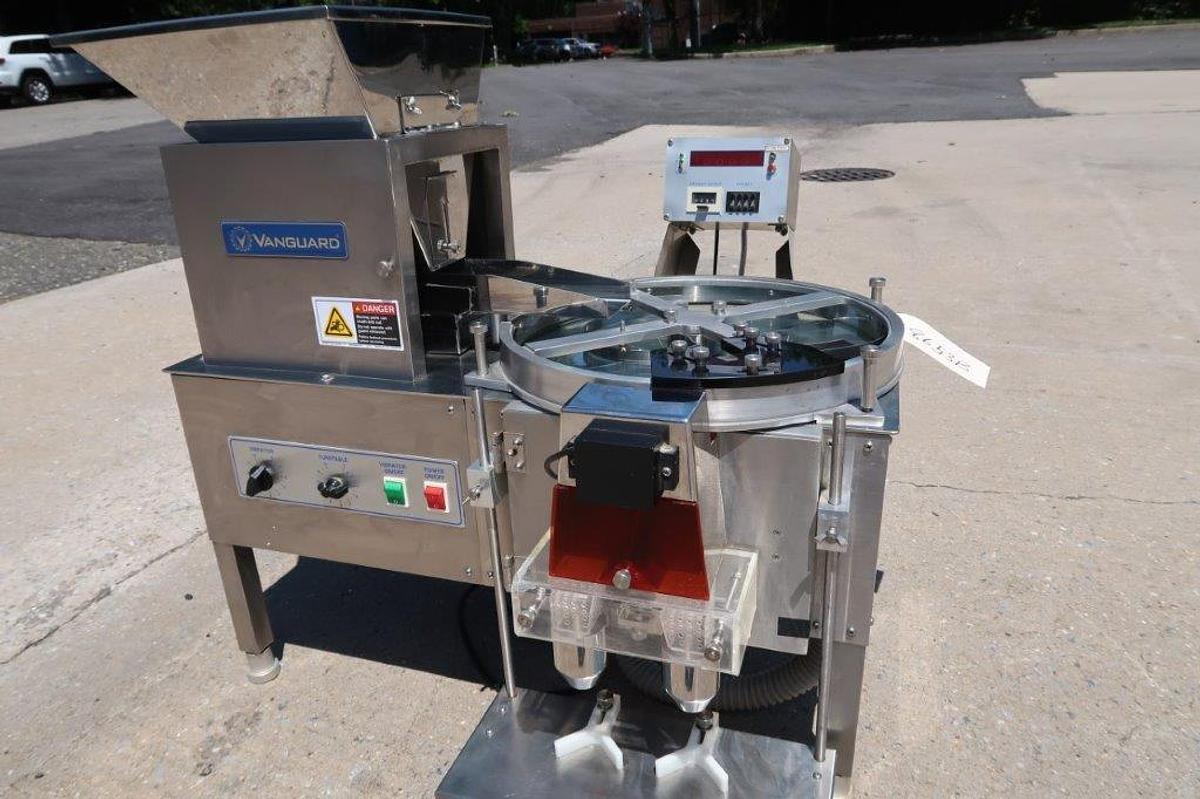
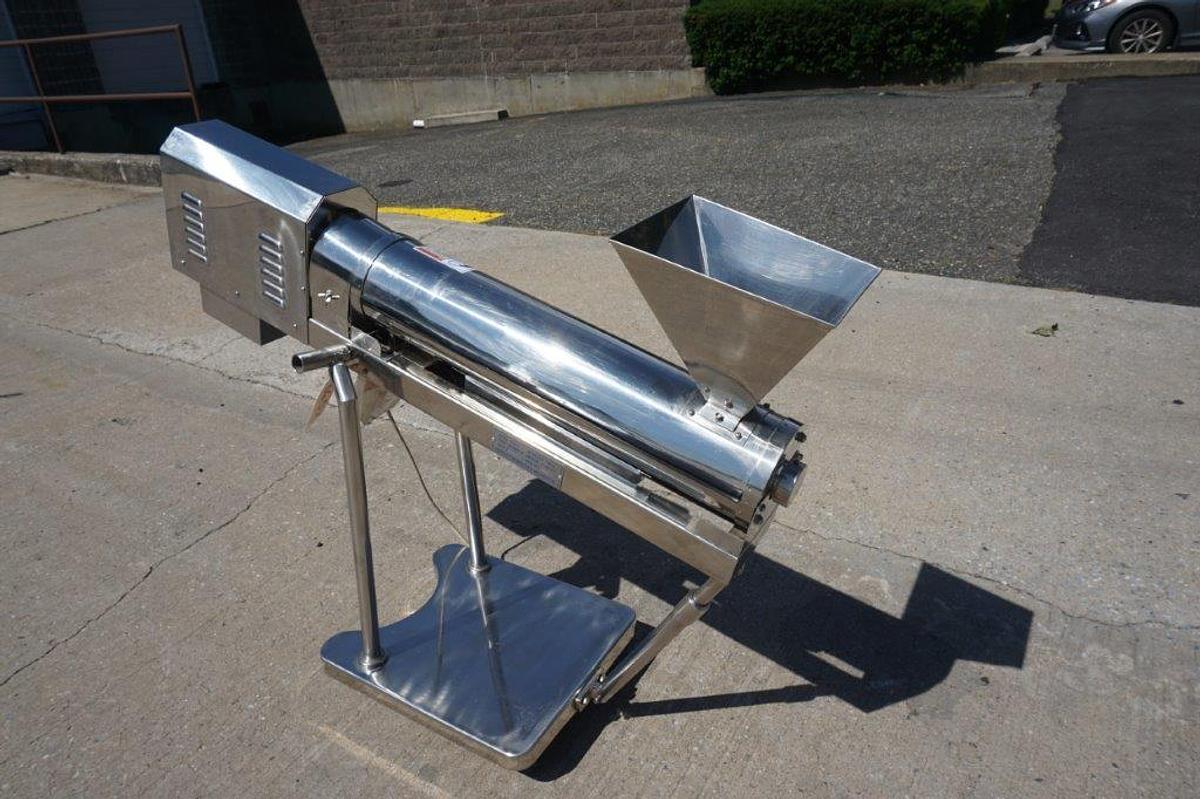
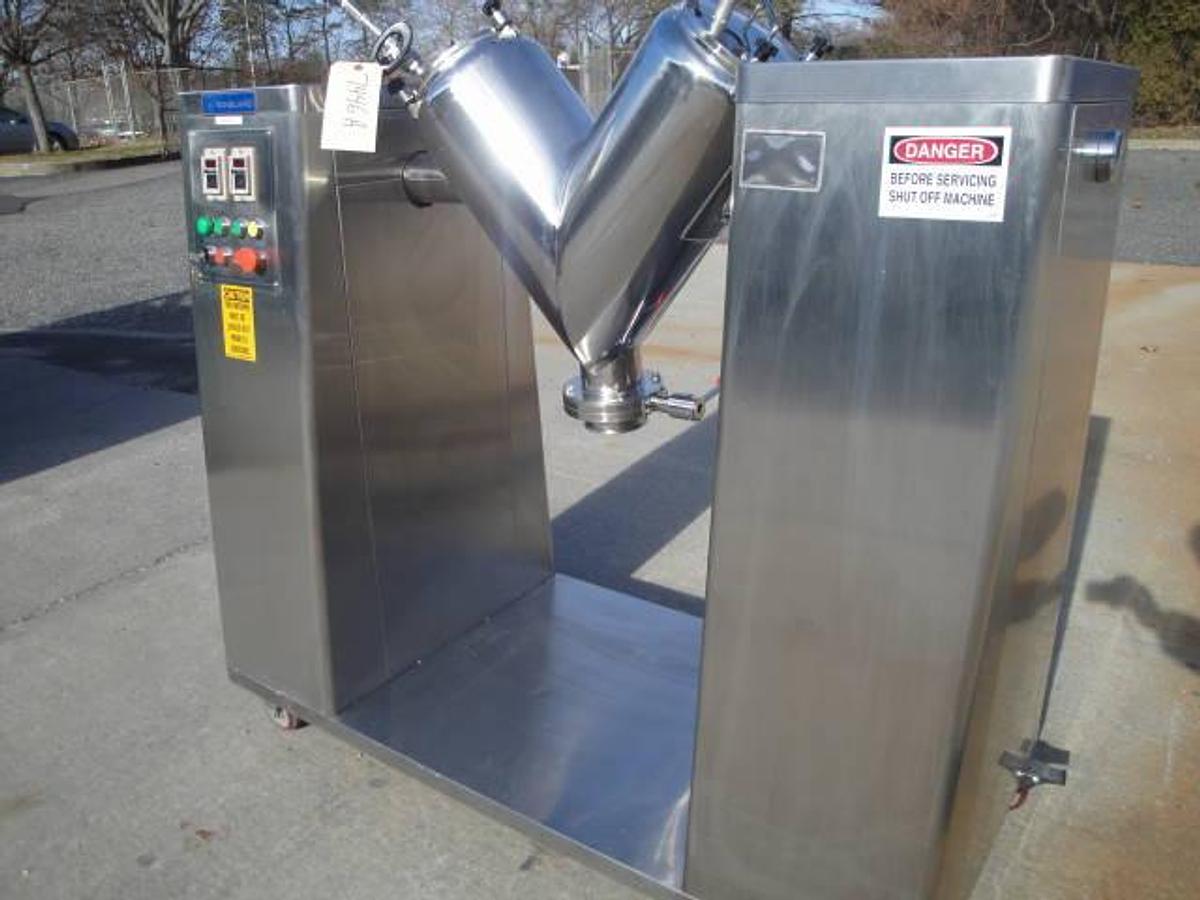
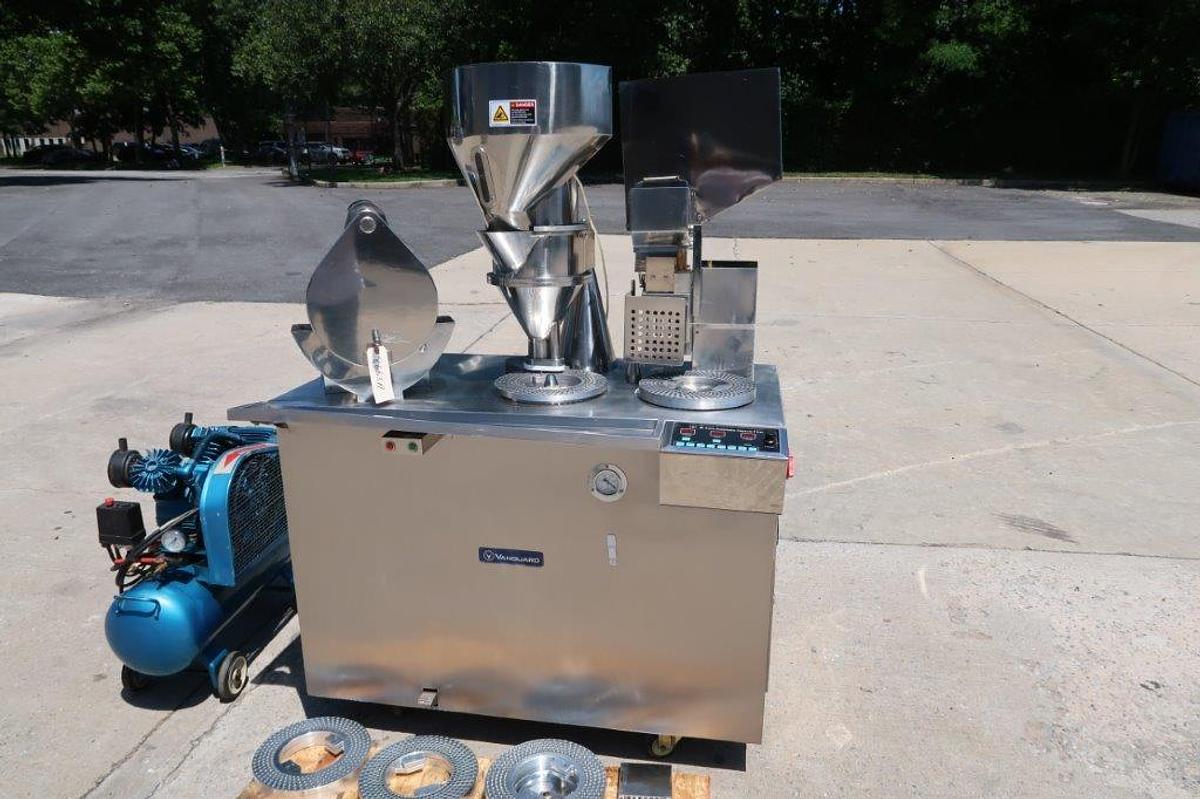
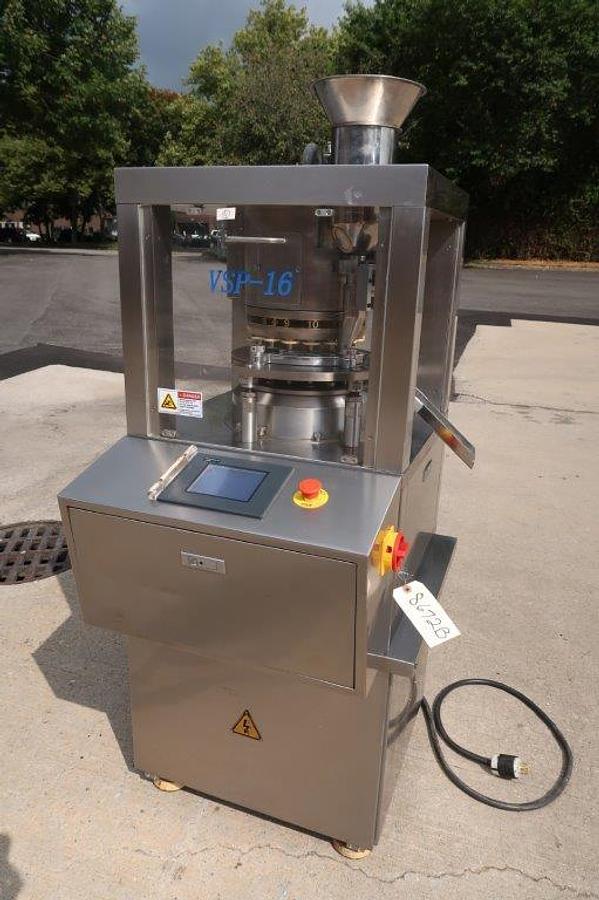
On the used market, buyers can find models like the Vanguard 16 Station Pre-Compression Rotary Tablet Press (GMP-compliant), the VAF-1200C Encapsulator with 0 and 1 tooling, the PCX-11 Capsule Polisher, the SC202 Tabletop Tablet/Capsule Counter, and stainless sanitary twin shell V-blenders with intensifier bars. These machines serve nutraceutical, supplement, and food processing facilities where precision dosing, filling, and blending are critical to production output.
What should buyers know about purchasing used Vanguard food processing equipment?
Buying used Vanguard equipment is a practical way to access reliable, well-built machinery at a lower cost than purchasing from a manufacturer. However, because used equipment is sold as-is, the responsibility for evaluating condition falls entirely on the buyer. Selecting a dealer with a long track record of selling food processing and packaging machinery is one of the most important steps in reducing risk. A reputable dealer will have direct knowledge of the equipment categories they carry and can provide accurate information about the machine's history and current condition.
Before committing to a purchase, buyers should request an inspection, either in person, via video call, or through recorded video footage of the machine. Some equipment may still be in active production at a facility, in which case the dealer can often coordinate a plant visit. Keep in mind that most used equipment dealers are not permitted to run actual production tests, since that requires food-grade production permitting. Buyers should also contact Vanguard directly to understand what level of technical support, documentation, and parts availability they can expect for the specific model and age of machine they are considering.
How is used Vanguard food processing equipment typically inspected before purchase?
Dealers selling used Vanguard equipment generally offer three forms of inspection: in-person visits to the dealer's facility, live video walkthroughs conducted via phone or video conferencing, and pre-recorded video documentation of the machine. Each option gives the buyer a look at the physical condition of the equipment, including wear on contact parts, condition of seals and gaskets, integrity of the frame and housing, and the state of any electrical or pneumatic components.
For machines that are still installed and running at a production facility, dealers can sometimes arrange a visit to the plant so the buyer can see the equipment operating under real conditions. This is one of the most informative inspection scenarios available in the used machinery market. Regardless of inspection method, buyers should come prepared with a checklist of specific components they want examined, and should ask the dealer pointed questions about the machine's service history, any known repairs, and how long it has been out of production if it has been decommissioned.
What does GMP compliance mean for a used rotary tablet press like the Vanguard 16 Station model?
GMP stands for Good Manufacturing Practice, a set of standards enforced by regulatory bodies like the FDA to ensure that equipment used in pharmaceutical, nutraceutical, and food supplement production is designed and maintained in a way that prevents contamination and ensures product consistency. A GMP-compliant tablet press is built with materials and design features that support cleanability, documentation, and process control. This typically includes stainless steel product-contact surfaces, enclosed dust containment, and tooling that meets standard sizing specifications.
For a used machine like the Vanguard 16 Station Pre-Compression Rotary Tablet Press, GMP compliance refers to how the machine was designed and built, not necessarily its current condition after years of use. Buyers should inspect the machine carefully to confirm that GMP-relevant components are intact and that no modifications have been made that would compromise compliance. It is also worth consulting with a qualified equipment technician or your own quality assurance team to assess whether the machine meets your facility's specific regulatory requirements before putting it back into production.
What is the Vanguard VAF-1200C Encapsulator and what does it do?
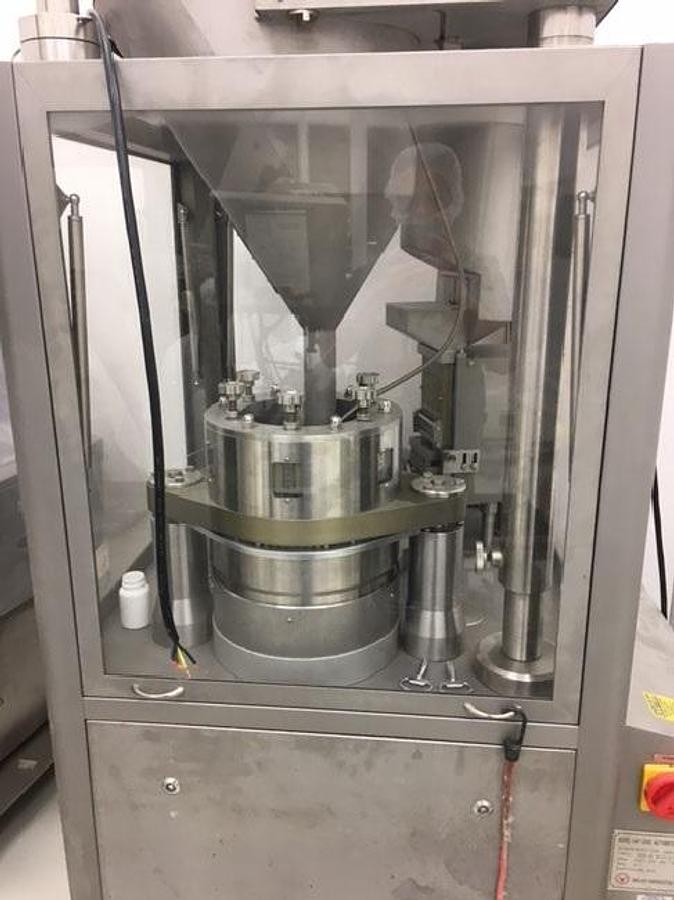
The Vanguard VAF-1200C is an encapsulation machine designed to fill hard gelatin or vegetarian capsules with powder, granules, or pellets at production-grade speeds. The model listed with 0 and 1 tooling refers to the capsule size tooling included with the machine, as capsule encapsulators use interchangeable tooling sets to accommodate different capsule sizes. Size 0 and size 1 are among the most commonly used capsule sizes in the supplement and nutraceutical industry, making this configuration versatile for a wide range of products.
Encapsulators like the VAF-1200C are used in facilities producing dietary supplements, herbal products, pharmaceuticals, and certain food-grade applications where precise dosing is required. When buying a used encapsulator, buyers should pay close attention to the condition of the tooling, the dosing discs, and the capsule separation and closing mechanisms, as these components directly affect fill accuracy and capsule integrity. Asking the dealer about the fill weight accuracy and the last production run the machine was used for can provide useful context about its current working condition.
What is a twin shell V-blender with an intensifier bar, and why is it used in food processing?
A twin shell V-blender is a type of tumble blender shaped like the letter V, with two cylindrical shells joined at an angle. As the blender rotates, the material inside is repeatedly split and recombined, producing a thorough, gentle blend without generating excessive heat or shear. This makes it well-suited for dry blending applications in food processing, nutraceuticals, and pharmaceuticals, where maintaining ingredient integrity is important. The stainless steel sanitary construction of units like the 1 cubic foot model ensures the blender meets food-grade hygiene standards and can be cleaned between product runs.
The intensifier bar is an internal high-speed agitator mounted inside the shell that breaks up agglomerates and improves the blending of ingredients that differ significantly in particle size or density. Without an intensifier bar, certain formulations with fine powders or cohesive ingredients can resist uniform blending. The combination of the V-shell tumbling action and the intensifier bar makes this type of blender one of the more versatile options for powder blending in food and supplement manufacturing. When evaluating a used unit, buyers should inspect the seals, the intensifier bar drive mechanism, and the interior surface finish to confirm the unit is still suitable for sanitary production.
Is used Vanguard equipment suitable for small-scale food and supplement manufacturers?
Used Vanguard equipment can be a practical fit for smaller manufacturers, particularly because the used market offers access to well-built machines at price points that are more accessible than buying directly from a manufacturer. A tabletop unit like the Vanguard SC202 Tablet/Capsule Counter, for example, is designed for bench-top use and does not require significant floor space or infrastructure, making it a reasonable option for a startup or small-batch operation. Similarly, a 1 cubic foot twin shell blender is a relatively compact unit that suits pilot-scale or small production runs.
That said, smaller operations should carefully match equipment capacity to their actual production needs. A semi-automatic capsule filler rated at 25,000 capsules per hour represents meaningful throughput, and if a facility cannot keep that machine running consistently, the investment may not be justified. Buyers should also factor in the cost of installation, any required regulatory validation, and ongoing maintenance when calculating the true cost of ownership for used equipment, regardless of the purchase price.
Are replacement parts available for used Vanguard food processing and packaging machines?
Parts availability for used Vanguard equipment depends on the age of the machine and the specific model. Vanguard, like most equipment manufacturers, maintains parts support for machines within a certain age range, but older or discontinued models may have limited availability through the manufacturer directly. Buyers should contact Vanguard before purchasing a used machine to ask specifically about parts availability, lead times, and whether technical documentation like manuals and schematics can be provided for the model in question.
In some cases, wear parts like seals, gaskets, tooling, and dosing components can be sourced from third-party suppliers or fabricated by a qualified machinist if manufacturer-supplied parts are no longer available. This is a common reality in the used equipment market and is not unique to Vanguard machinery. Asking the dealer whether any spare parts are included with the machine is also worthwhile, since sellers sometimes have additional tooling or consumables on hand that were used during the machine's production life. Building a small inventory of critical wear parts at the time of purchase is a practical way to reduce downtime risk.
What are the typical shipping and rigging considerations when buying used Vanguard equipment?
Shipping costs for used food processing and packaging equipment vary based on the size and weight of the machine, the origin and destination, and the level of packaging required to protect the equipment in transit. Smaller bench-top units like a capsule counter or portable capsule polisher can often be palletized and shipped via standard freight carriers. Larger machines such as rotary tablet presses or encapsulators may require custom crating to prevent damage during handling, which adds to the total cost. Buyers should ask the dealer for a detailed breakdown of packaging, crating, and freight charges before finalizing a purchase so there are no surprises in the landed cost.
For heavier or more complex machines, rigging costs for loading at the origin and unloading at the destination need to be factored in. Rigging involves the use of forklifts, cranes, or specialized equipment to safely move heavy machinery, and it is typically handled by a third-party rigging company. The buyer is usually responsible for arranging and paying for unloading and installation at their facility. Coordinating with the dealer early about these logistics helps avoid delays and ensures the equipment arrives in the condition it was inspected in.
What payment terms are standard when purchasing used food processing equipment from a dealer?
Most used equipment dealers require full payment before a machine is released for shipping. This is standard practice across the industry and reflects the nature of used machinery transactions, where the dealer needs to confirm cleared funds before coordinating logistics. Payment is typically accepted by wire transfer, and some dealers may accept other forms of verified payment depending on the transaction size and the buyer's relationship with the dealer. Buyers who have an established purchasing history with a particular dealer may be able to negotiate different terms, but this is at the dealer's discretion and not a standard offering.
For buyers who need financing, equipment financing through third-party lenders is an option worth exploring independently. Some lenders specialize in used machinery and can provide loans or lease structures based on the appraised value of the equipment. This is separate from anything the dealer arranges and requires the buyer to work directly with a lender. Before finalizing any purchase, buyers should confirm the total cost including shipping, rigging, and any applicable taxes, so that financing amounts are accurate from the start.