Category
Manufacturer
Model
Vac-U-Max
Vac-U-Max is a leader in bulk material handling equipment, primarily serving the food, pharmaceutical, and chemical industries. They are known for their vacuum conveying systems that ensure safe and efficient transport of materials. Vac-U-Max focuses on innovation to improve the efficiency of manufacturing processes.
FAQ:
What types of Vac-U-Max equipment are commonly available on the used market?
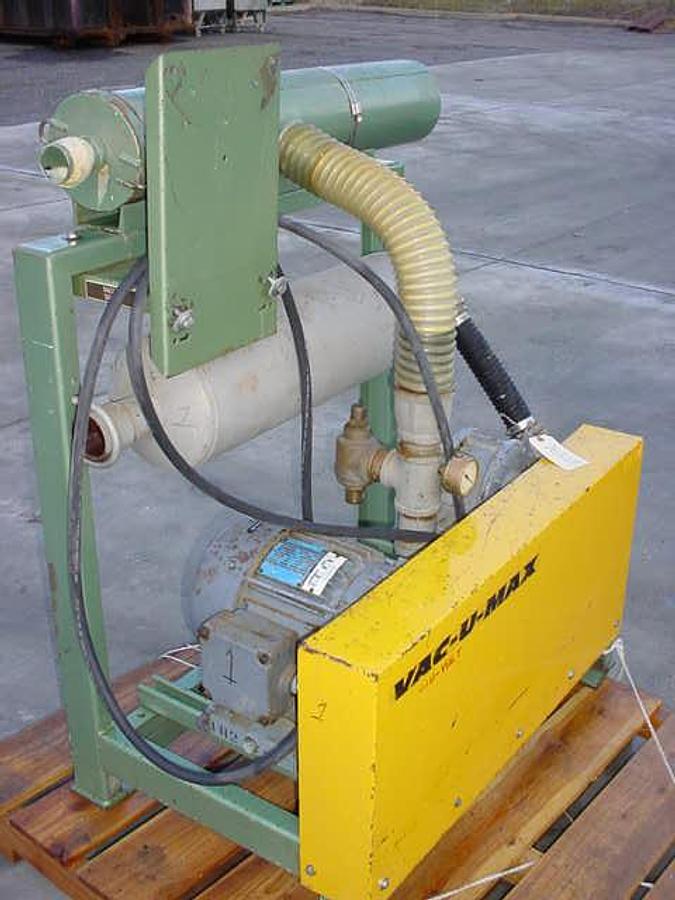
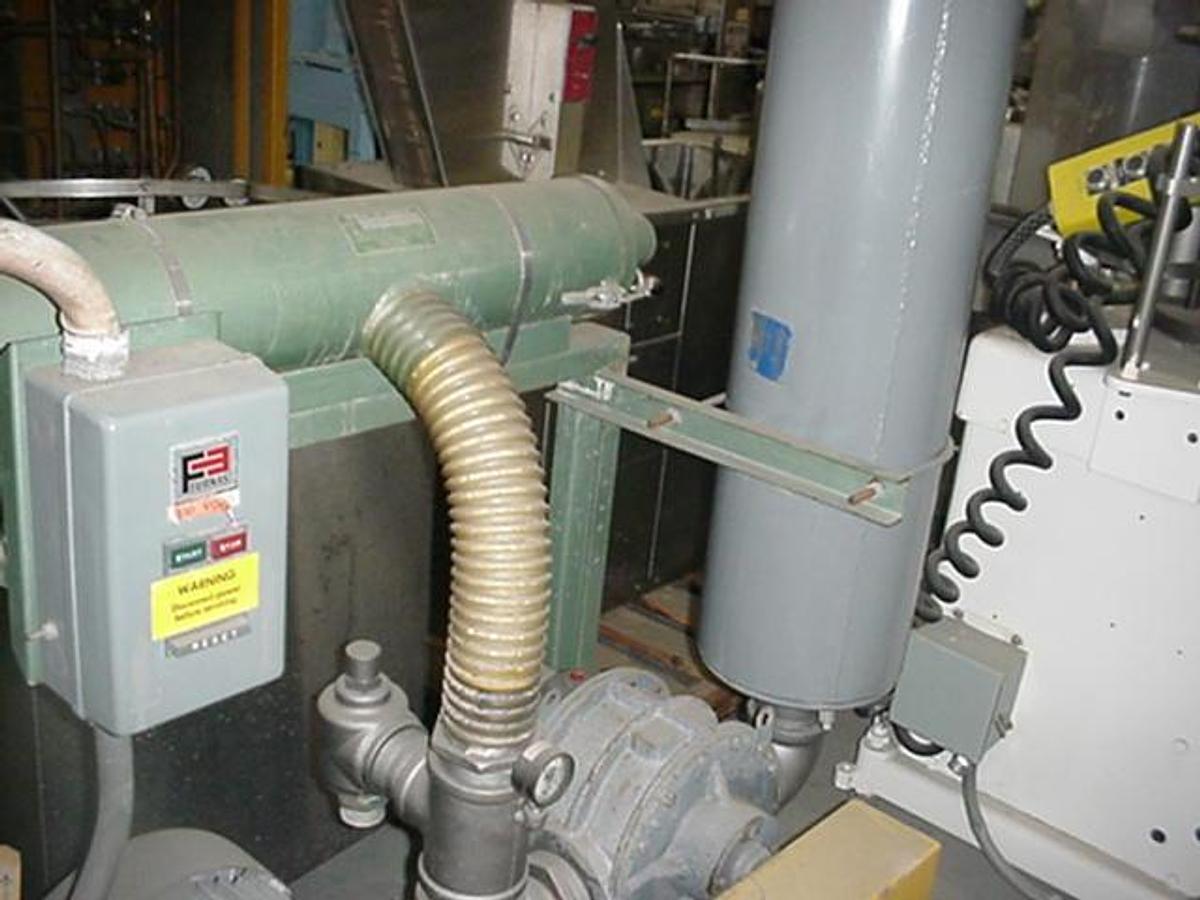
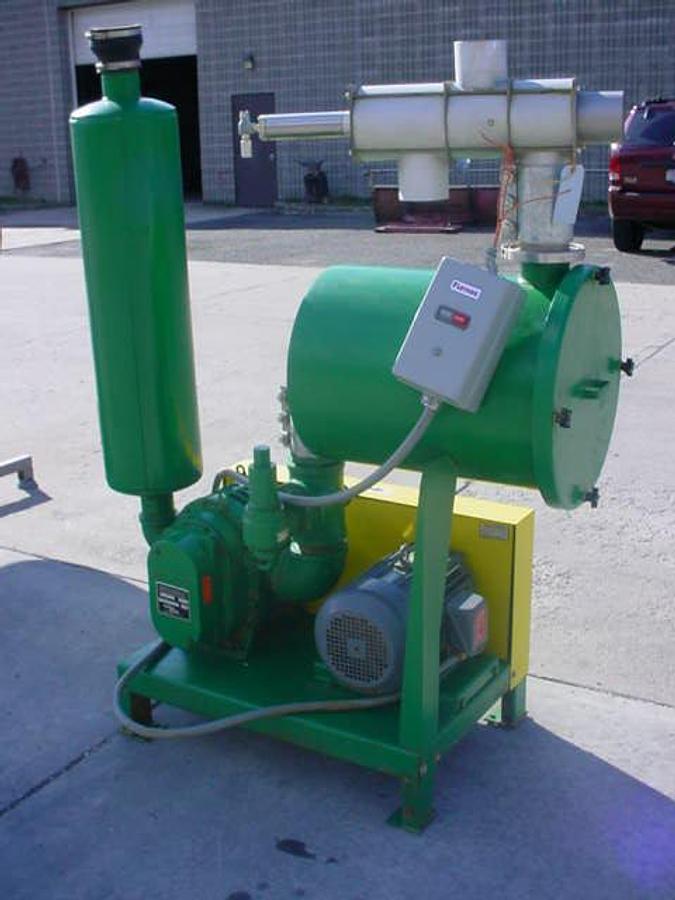
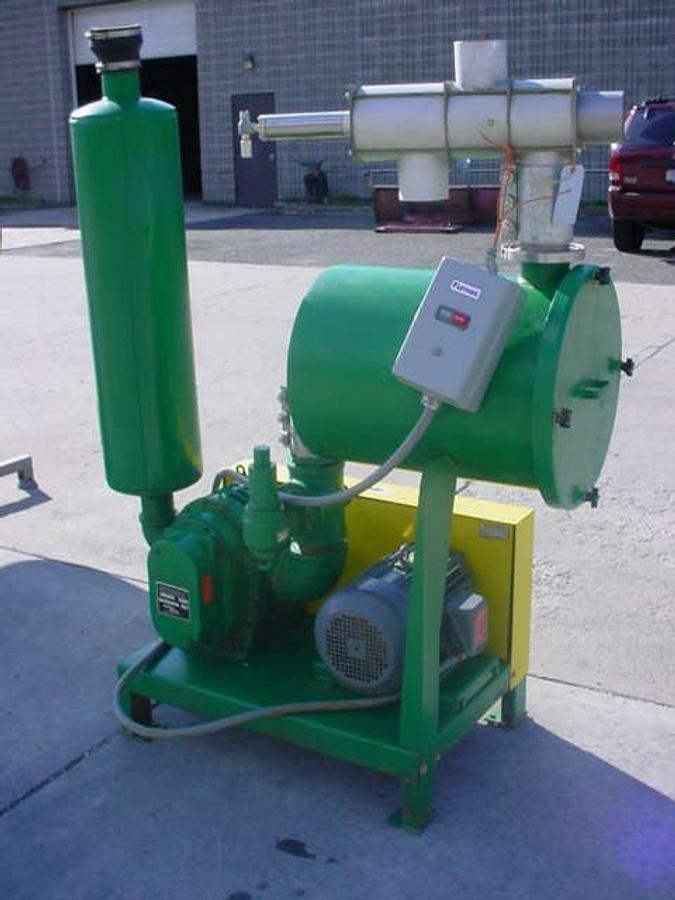
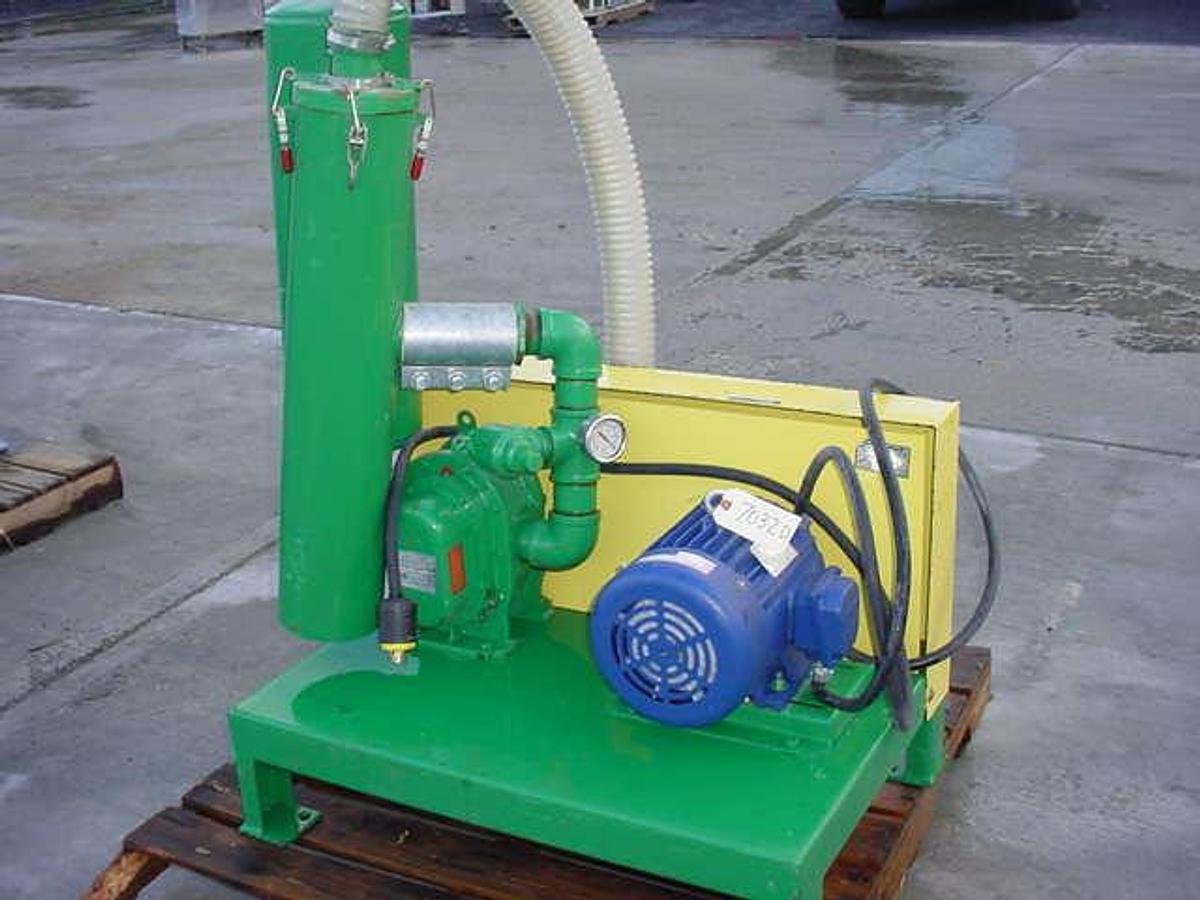
Vac-U-Max produces a broad range of bulk material handling equipment, and several categories show up regularly in the used equipment market. The most common listings include pneumatic conveying systems (often called powder units or vacuum conveying systems), industrial vacuum cleaners, bulk bag unloading systems, and drum and container unloading systems. Powder units with blowers in the 3 hp and 10 hp range are particularly common finds, as these were widely deployed across food processing, pharmaceutical, and chemical manufacturing facilities.
Beyond the core conveying systems, buyers sometimes find ancillary components such as filter receivers, vacuum producers, and material pick-up wands sold separately or as part of a larger system lot. Because Vac-U-Max has been manufacturing equipment since 1954, there is a substantial installed base across North American industry, which means used units surface with reasonable frequency. Buyers should pay close attention to the specific model, horsepower, and configuration when evaluating a listing, since Vac-U-Max has produced many variants over the decades and the differences in capacity and material compatibility can be significant from one model to the next.
What industries use Vac-U-Max pneumatic conveying systems?
Vac-U-Max equipment was designed from the ground up to serve industries that handle dry bulk materials in powder, granule, pellet, or flake form. The food processing industry is one of the largest users, relying on these systems to move ingredients like flour, sugar, spices, and nutritional powders in a contained and sanitary manner. Pharmaceutical manufacturers depend on Vac-U-Max conveying systems because the enclosed vacuum transfer process minimizes dust exposure, cross-contamination risk, and product loss, all of which are critical concerns in regulated production environments. Chemical and plastics manufacturers also make heavy use of these systems for moving abrasive or hazardous bulk solids safely.
Beyond those core sectors, Vac-U-Max equipment appears in cosmetics manufacturing, nutraceutical production, and specialty chemical processing. The common thread across all these industries is the need to move dry bulk materials reliably without generating airborne dust or exposing workers to potentially harmful particulates. Buyers sourcing used Vac-U-Max equipment from one industry for use in another should verify that the unit's construction materials (gaskets, filters, contact surfaces) are compatible with their specific product and any applicable regulatory standards, since food-grade and pharmaceutical-grade configurations differ from standard industrial builds.
What materials can Vac-U-Max vacuum conveying systems handle?
Vac-U-Max pneumatic conveying systems are engineered to handle a wide spectrum of dry bulk solids. Standard applications include free-flowing powders, granules, pellets, and flakes across a broad range of particle sizes and bulk densities. The systems are also used with more challenging materials such as fragile granules that require gentle handling to prevent breakage, fine cohesive powders that tend to pack or bridge, and abrasive materials that can wear conventional conveying equipment prematurely. The specific configuration of the system, including the vacuum producer type, conveying line diameter, and filter media, determines which materials it can handle effectively.
When evaluating a used Vac-U-Max unit for a particular application, it is worth consulting with the manufacturer to understand how a given model was originally configured and whether it is suited to your material. Factors like moisture sensitivity, bulk density, particle shape, and any regulatory requirements (food contact, explosion risk) all influence whether a specific used unit is a good match. Buyers should request as much documentation as possible from the seller, including any original spec sheets or process data, to make an informed assessment before purchase.
What should buyers inspect when purchasing used Vac-U-Max equipment?
Buying used industrial equipment requires a more hands-on evaluation than buying new, and Vac-U-Max systems are no exception. The most important areas to examine are the condition of the filter receiver and filter media, the integrity of the vacuum producer or blower (listening for unusual noise, checking for vibration), the state of all gaskets and seals, and the condition of any conveying tubing or hose included with the unit. Blower condition is especially critical on powder units, since worn or damaged blowers directly affect conveying performance and can be expensive to rebuild or replace. Any signs of material buildup inside the system that was not properly cleaned out can also indicate how the equipment was maintained during its service life.
Reputable used equipment dealers will typically accommodate in-person inspections at their facility, or provide detailed video walkthroughs of the machine if an in-person visit is not practical. Some equipment may still be installed and running at the plant where it was originally used, in which case an inspection can sometimes be arranged at that location. Keep in mind that most dealers do not have the permits or production setups required to run actual product through the machine during an inspection, so functional testing is generally limited to powering the unit on and observing mechanical operation. Buyers should factor this limitation into their risk assessment and ask the dealer for any available service history or prior inspection records.
How does the used equipment buying process work for Vac-U-Max systems?
The process for purchasing a used Vac-U-Max system typically begins with identifying a listing that matches your capacity and configuration requirements, then reaching out to the dealer to request additional photos, specifications, and inspection options. Dealers who specialize in industrial powder handling and bulk material equipment will generally have more detailed knowledge of Vac-U-Max products than general machinery resellers, which matters when you need accurate technical information to evaluate a unit. After reviewing available documentation and completing any inspection, buyers submit a purchase offer or agree to the asking price.
Payment terms in the used equipment market almost universally require payment in full before the machine ships. Some dealers extend terms to repeat customers, but first-time buyers should plan to pay upfront. Once payment clears, the dealer coordinates packaging, rigging, and freight. Buyers should request a full breakdown of shipping costs before finalizing the purchase, since crating, rigging for loading, and freight charges can add meaningfully to the total landed cost of the equipment. Larger Vac-U-Max systems with heavy blower assemblies may require specialized rigging equipment for loading and unloading, which adds to the logistics cost.
What are typical shipping and logistics considerations for used Vac-U-Max equipment?
Vac-U-Max powder units and conveying systems vary considerably in size and weight depending on the model and blower configuration. Smaller 3 hp units may ship on a standard pallet with appropriate blocking and bracing, while larger 10 hp systems with full filter receiver assemblies may require custom crating to prevent damage in transit. The level of packaging required directly affects shipping cost, so buyers should ask the dealer specifically how the equipment will be prepared for shipment and what that preparation adds to the total price. Inadequate packaging is one of the most common causes of damage to used industrial equipment during transit, so this is not a detail to overlook.
For larger or heavier systems, a forklift or crane may be needed to load the equipment at the dealer's facility and unload it at the destination. Buyers who do not have rigging equipment on site should arrange for a local rigging contractor or freight company that offers liftgate service. Freight costs for industrial equipment are typically quoted based on weight, dimensions, freight class, and distance, and can range from a few hundred dollars for a small palletized unit to several thousand for a large crated system requiring specialized handling. Getting a firm freight quote before finalizing the purchase is the best way to avoid surprises.
What warranty or support should buyers expect when purchasing used Vac-U-Max equipment?
Used industrial equipment is typically sold as-is, meaning the seller does not provide a warranty covering future performance or mechanical failure. This is standard practice across the used machinery market and applies to Vac-U-Max equipment just as it does to any other brand. Because no warranty protection transfers with a used machine, the burden falls on the buyer to thoroughly evaluate the equipment's condition before purchase. Choosing a dealer with a long track record in the industry and a specialization in powder handling or bulk material equipment reduces the risk that comes with buying as-is, since experienced dealers are more likely to accurately represent what they are selling.
For ongoing support, buyers should contact Vac-U-Max directly to discuss the specific model they are considering. The manufacturer can advise on parts availability, the level of technical support they offer for older models, and whether service documentation is still available. Vac-U-Max has been in operation since 1954, so the company has deep institutional knowledge of its product history, though support and parts availability can vary depending on the age and model of the unit. Getting that information from the manufacturer before buying is a smart step that can prevent costly surprises after the equipment arrives.
Are replacement parts available for older Vac-U-Max models?
Parts availability for used Vac-U-Max equipment depends significantly on the age and model of the unit. For relatively recent models, Vac-U-Max typically maintains a supply of replacement filters, gaskets, seals, and blower components, and the company's long operating history means it has deep familiarity with its own product line. Consumable components like filter bags or cartridges are often the first items buyers need to replace after acquiring a used system, and these are generally available either directly from the manufacturer or through industrial filtration suppliers who carry compatible aftermarket alternatives.
For older or discontinued models, parts sourcing can be more challenging. In some cases, blower components can be sourced from the blower manufacturer directly, since Vac-U-Max systems use blowers from third-party suppliers whose parts may still be in production even if the Vac-U-Max unit itself is older. Buyers should reach out to Vac-U-Max before purchasing a used unit to confirm what parts are still stocked or available to order, and to understand lead times for anything that may need to be specially sourced. This due diligence step is particularly important for buyers who depend on fast turnaround if a component fails during production.
What is the difference between a Vac-U-Max 3 hp and 10 hp powder unit?
The horsepower rating on a Vac-U-Max powder unit refers to the size of the blower or vacuum producer that drives the system, and it has a direct relationship to conveying capacity and the distances over which material can be moved. A 3 hp unit is suited to lower-volume applications with shorter conveying distances, making it a practical choice for smaller batch operations, lab-scale production, or situations where material only needs to travel a relatively short distance between pick-up and discharge points. These smaller units are also more compact and easier to integrate into tight production spaces.
A 10 hp unit delivers significantly more vacuum and airflow, which translates to higher throughput, longer conveying runs, and the ability to handle denser or more difficult-to-convey materials. In a production environment moving large volumes of powder or granules continuously, the larger blower is often necessary to maintain the conveying velocity needed to keep material moving through the line without plugging. When evaluating a used unit, buyers should match the blower size to their actual process requirements rather than simply opting for the largest available unit, since oversized systems can cause product degradation through excessive velocity and consume more energy than necessary.
How should buyers evaluate whether a used Vac-U-Max system is the right fit for their application?
Matching a used Vac-U-Max system to a specific application requires looking at several variables in combination: the material being conveyed (bulk density, particle size, flowability, abrasiveness), the required throughput in pounds or kilograms per hour, the conveying distance and number of direction changes in the line, and any regulatory requirements that apply to the production environment. A system that worked well in a food ingredient facility may or may not be appropriate for a pharmaceutical application without modifications to contact surfaces and filtration. Buyers should document their process requirements clearly before shopping, so they can make meaningful comparisons between available units.
Dealers who specialize in powder handling equipment can be a useful resource in this evaluation, since they often have enough product knowledge to flag obvious mismatches between a listed unit and a buyer's stated requirements. That said, the most authoritative source for application guidance is Vac-U-Max itself. The manufacturer can review a specific model's original design parameters and advise whether it is suited to a given material and throughput target. Combining dealer knowledge with direct manufacturer input gives buyers the most complete picture before committing to a purchase, which is especially important given that used equipment is sold without performance guarantees.