Category
Manufacturer
Model
Urschel
Urschel is a leading manufacturer of food processing equipment, particularly known for their cutting and dicing machines. They serve a wide range of industries including food service and snack food production. Urschel’s equipment is designed for efficiency and precision, ensuring consistent product quality.
FAQ:
What types of Urschel food processing equipment are commonly available on the used market?
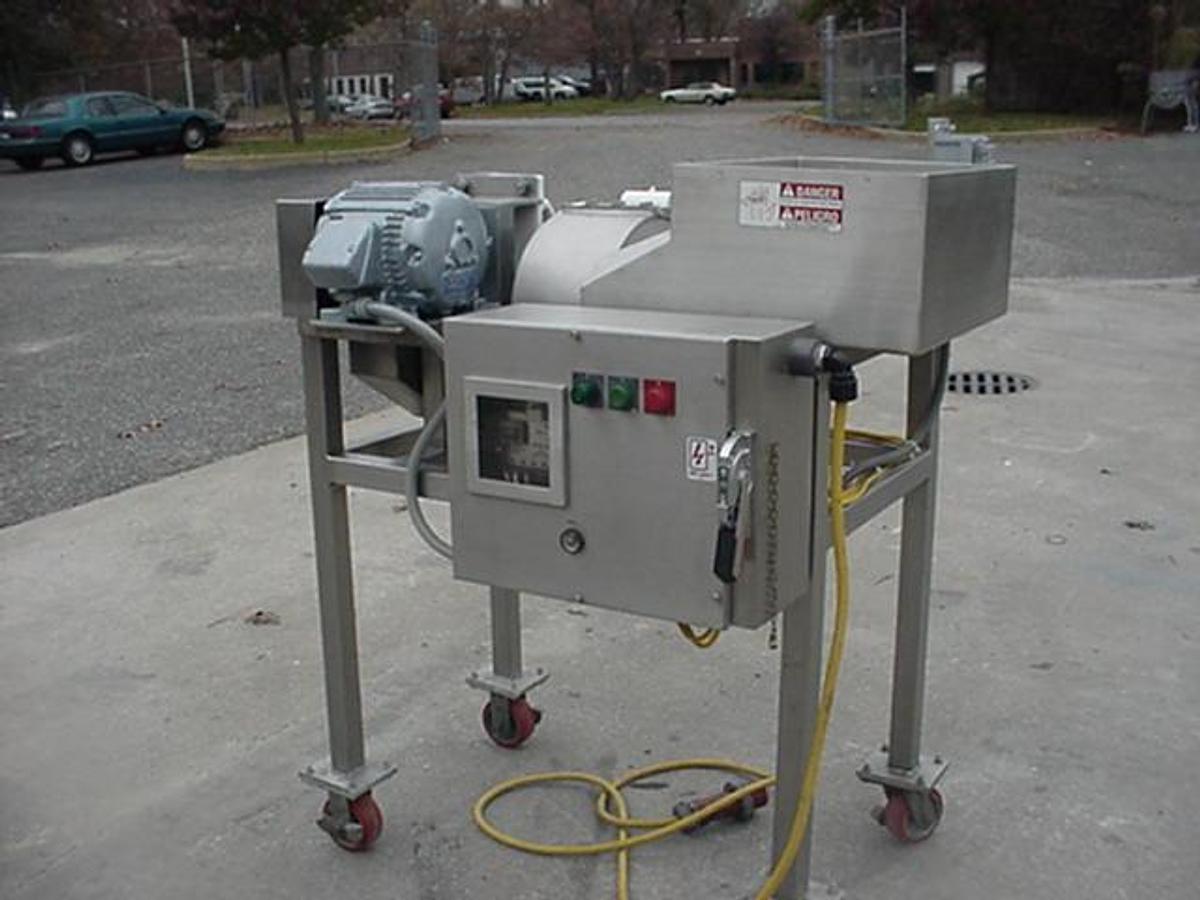
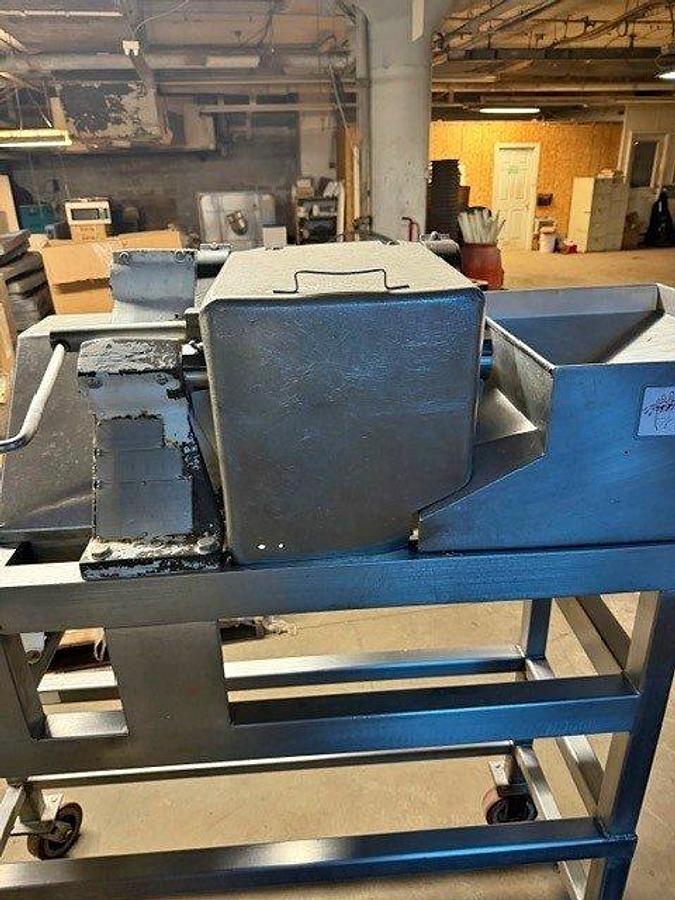
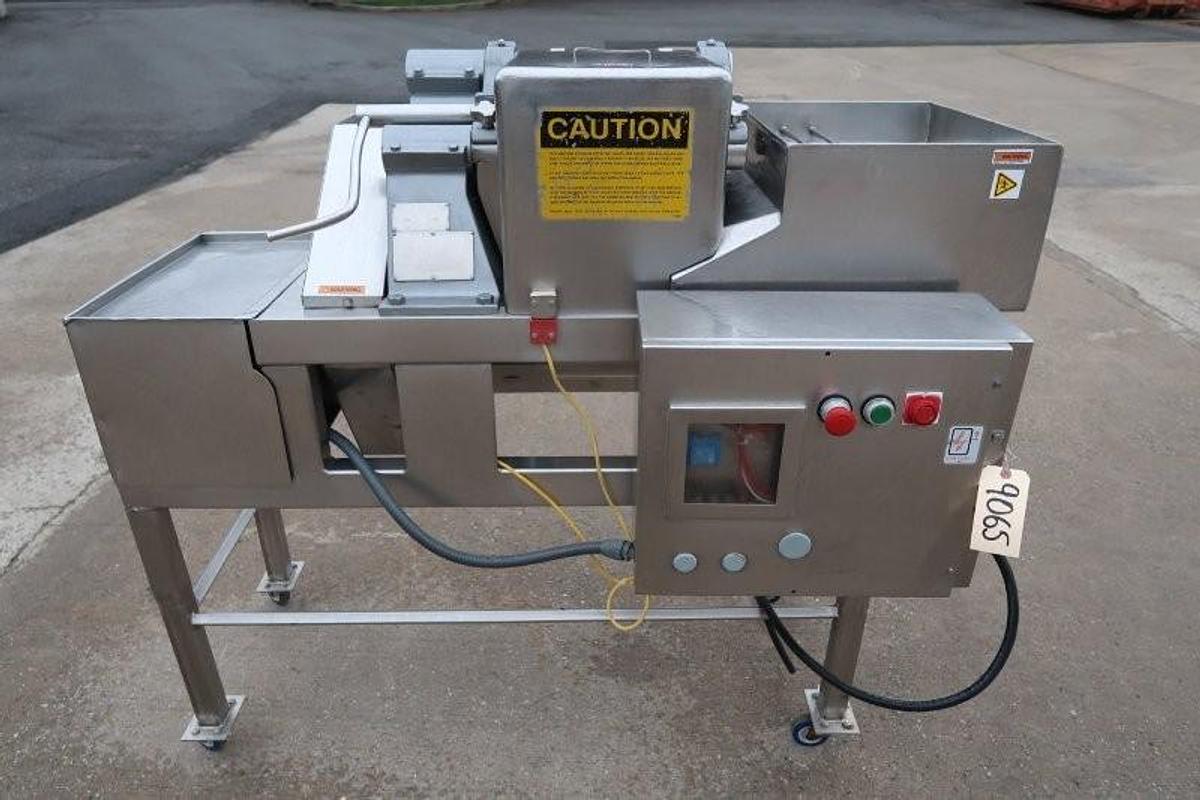
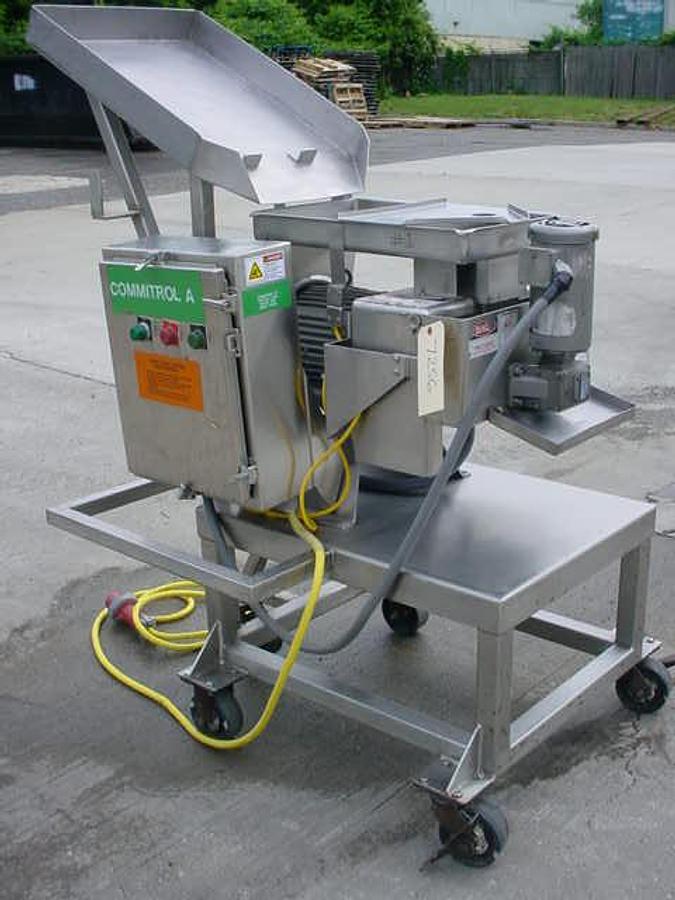
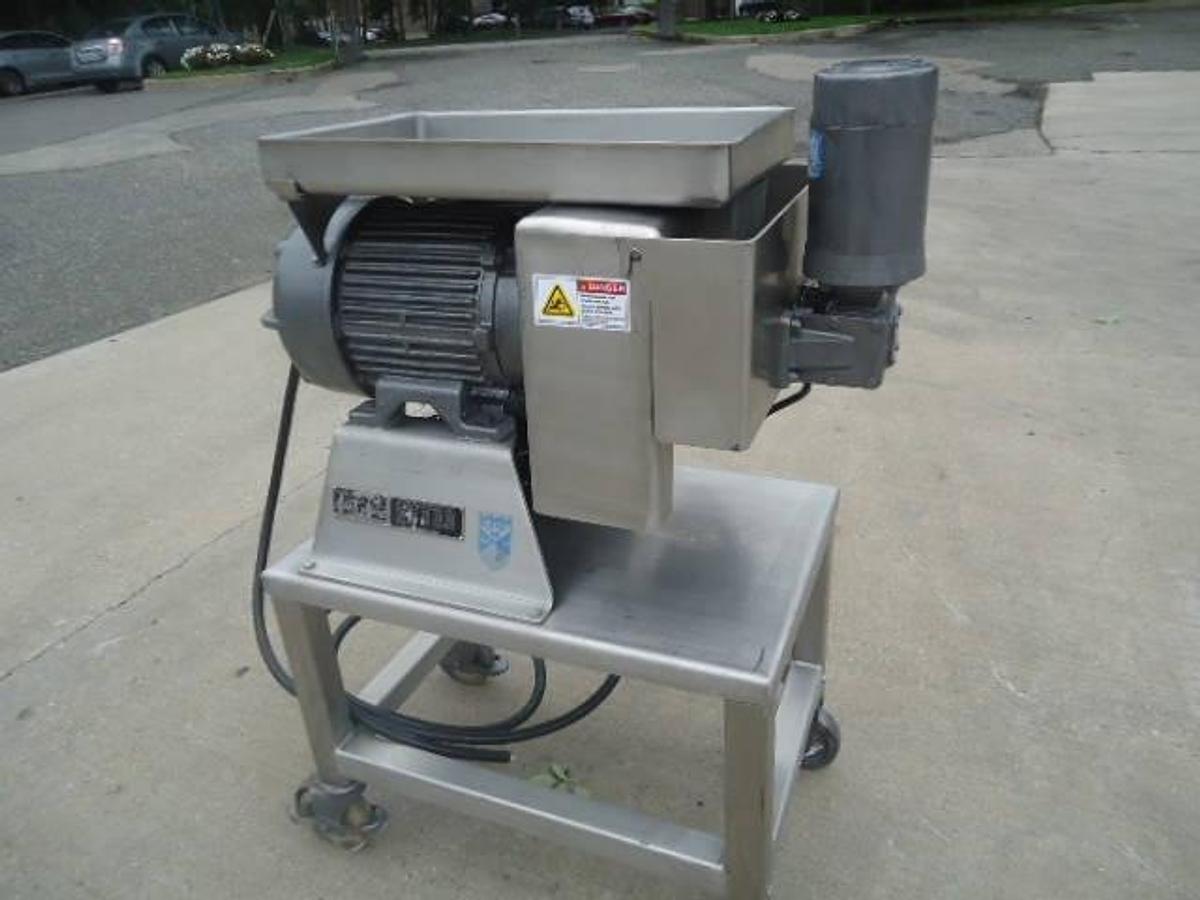
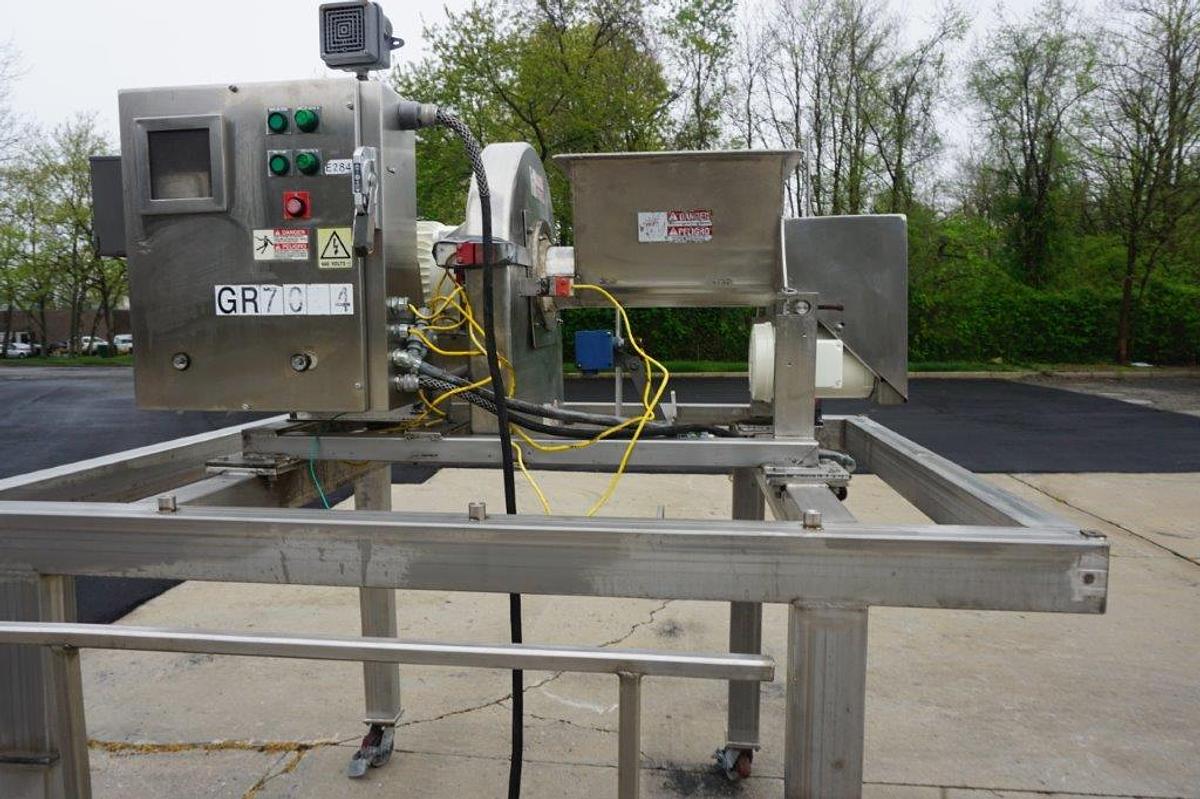
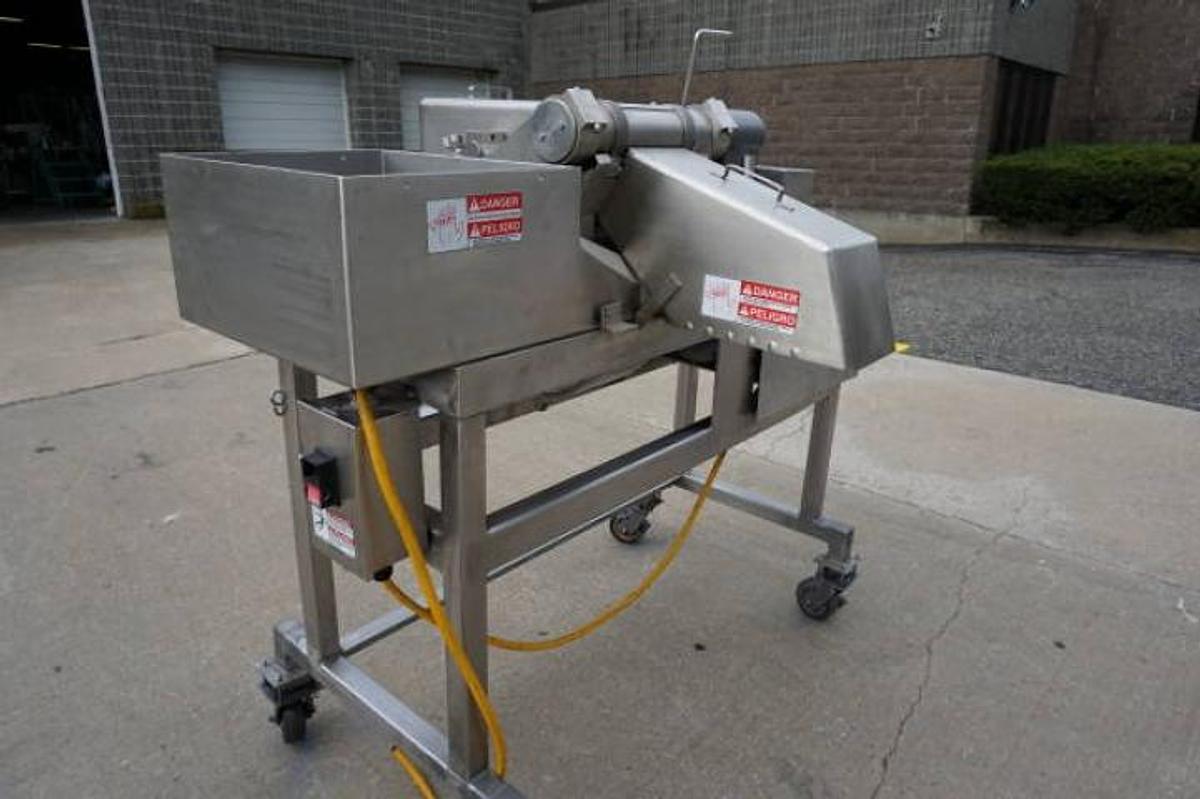
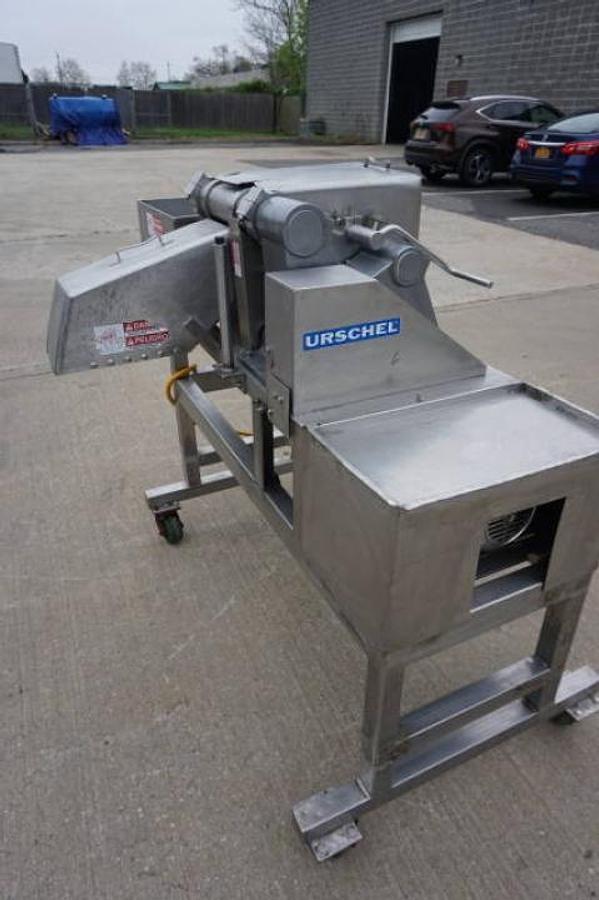
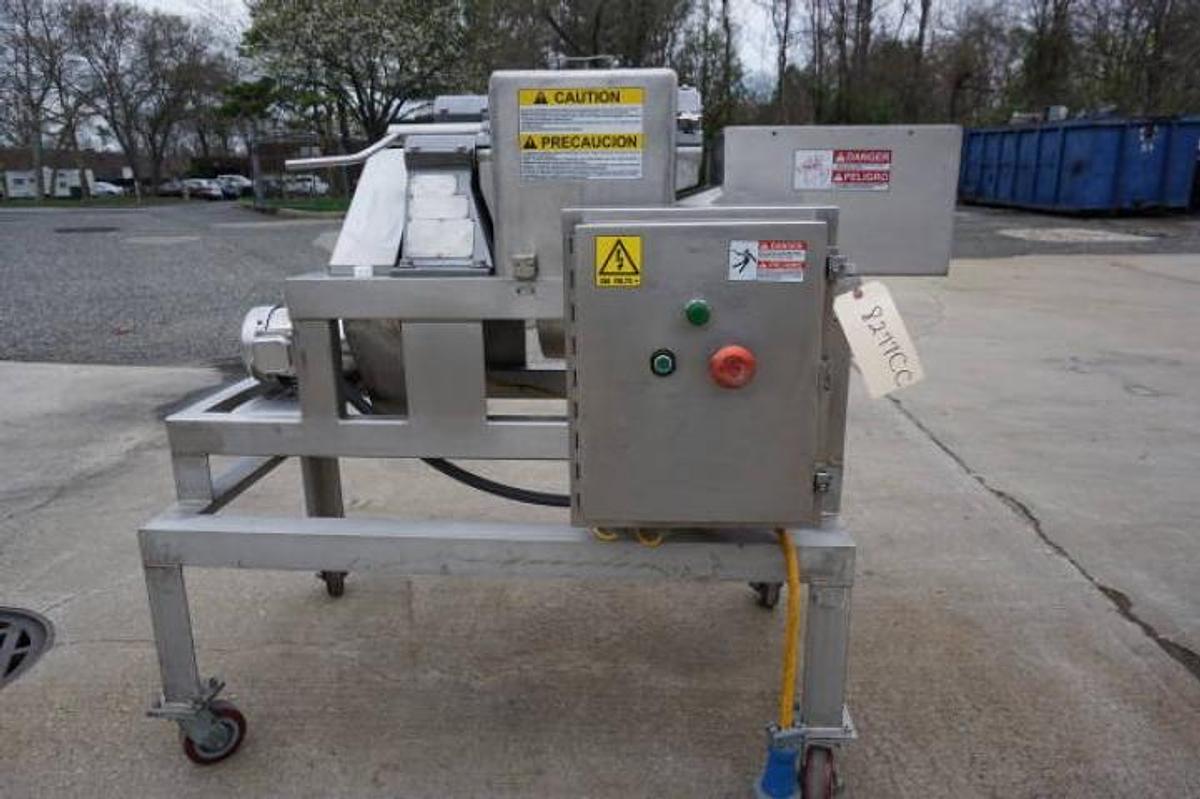
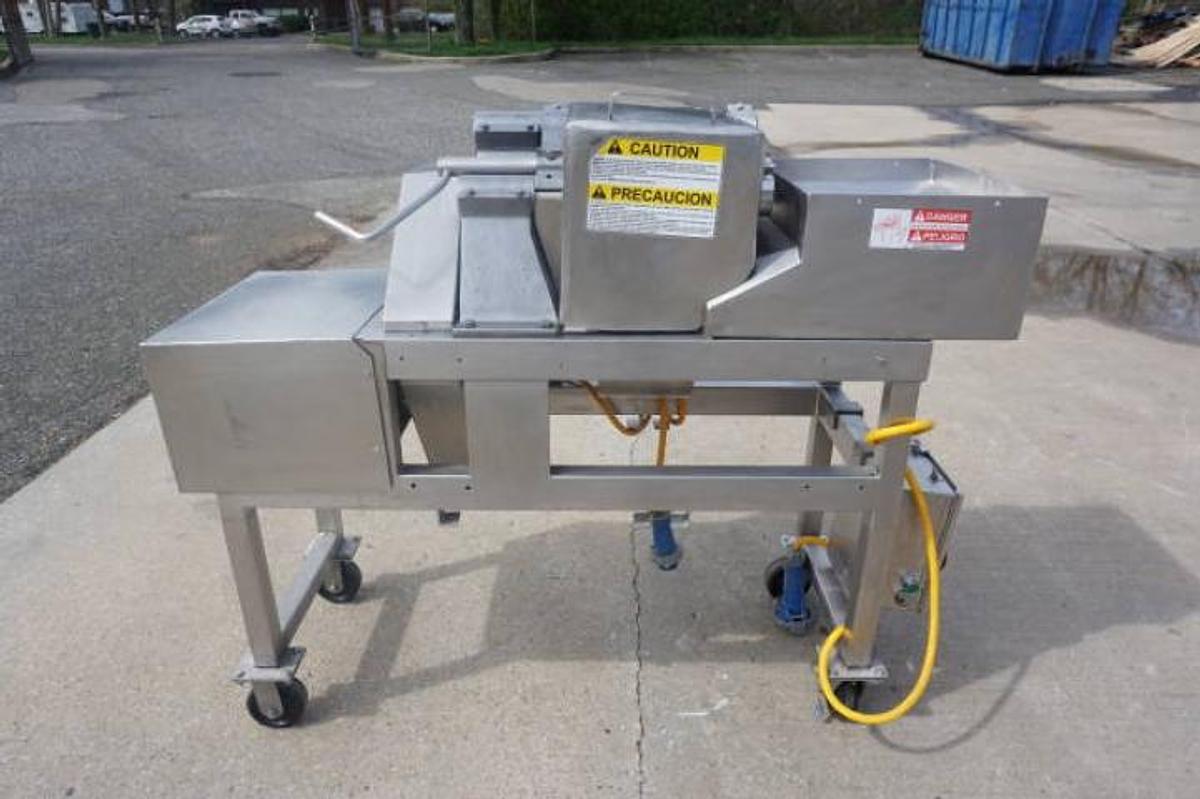
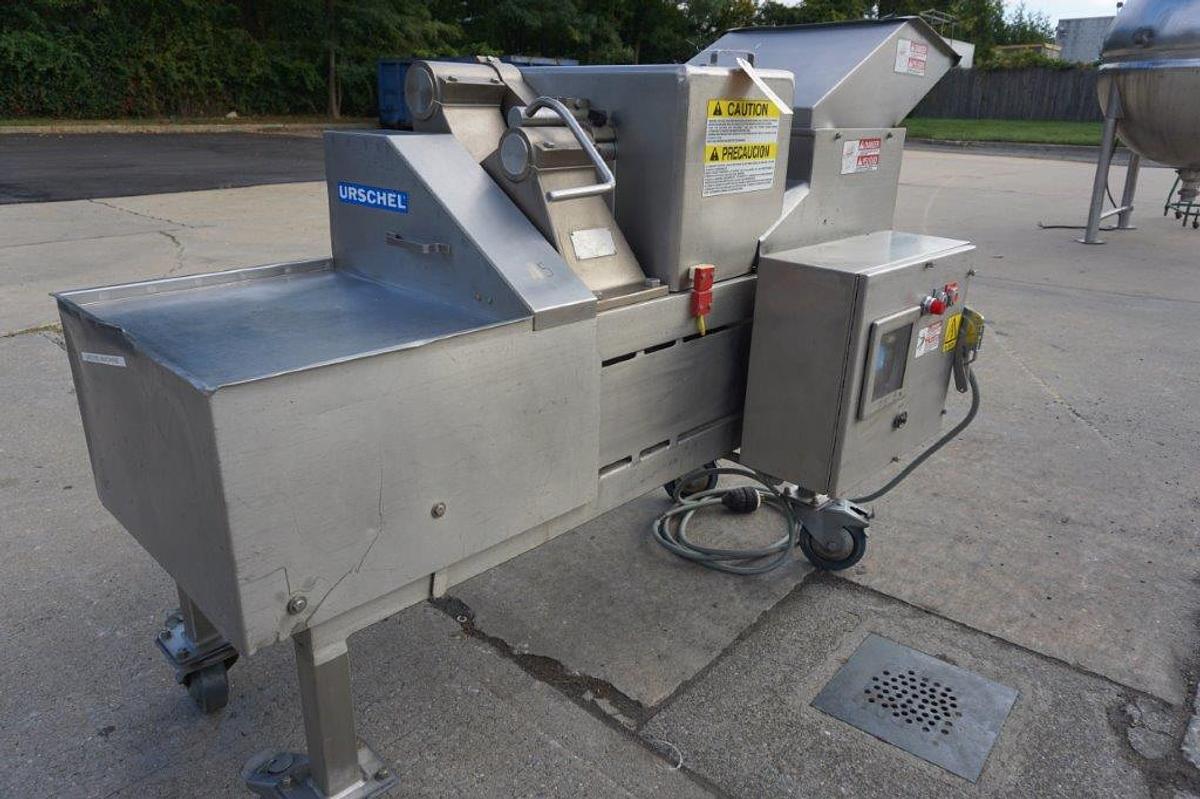
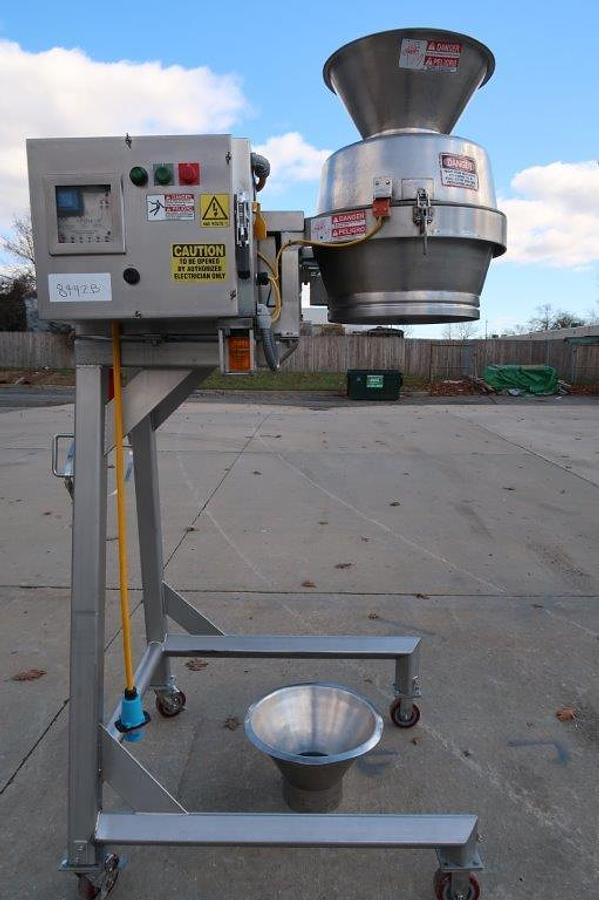
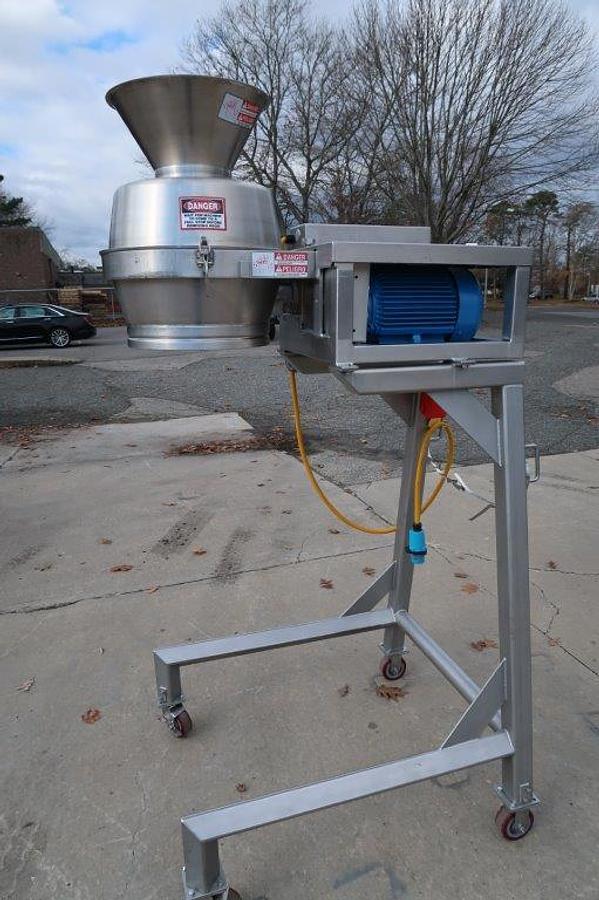
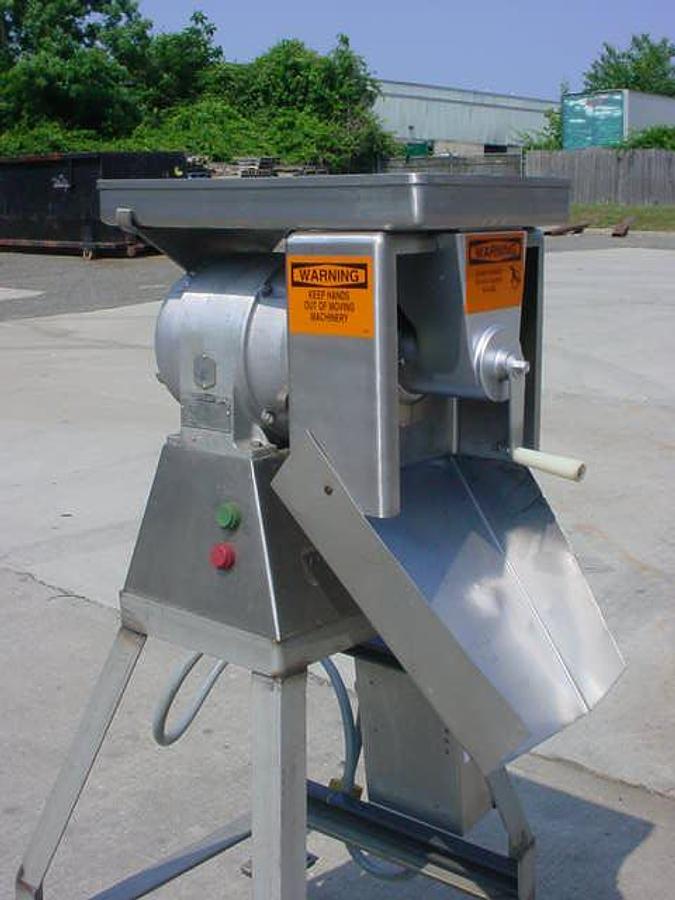
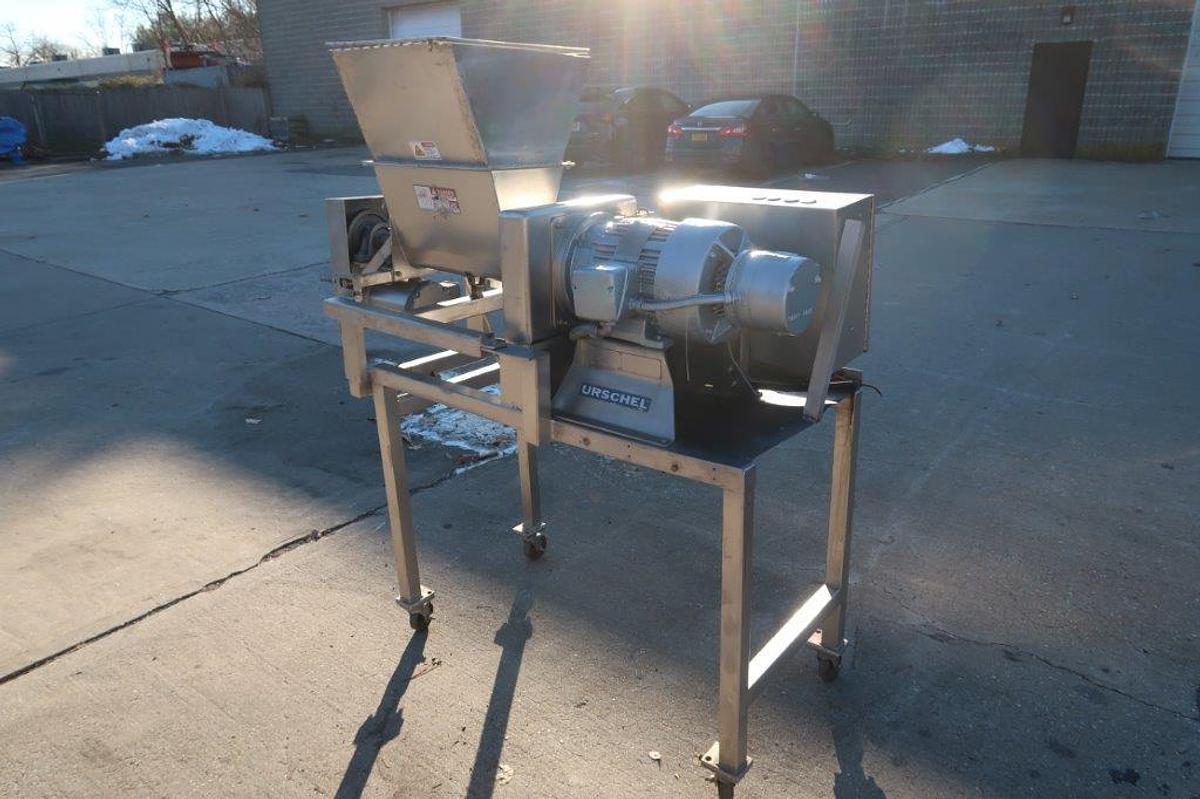
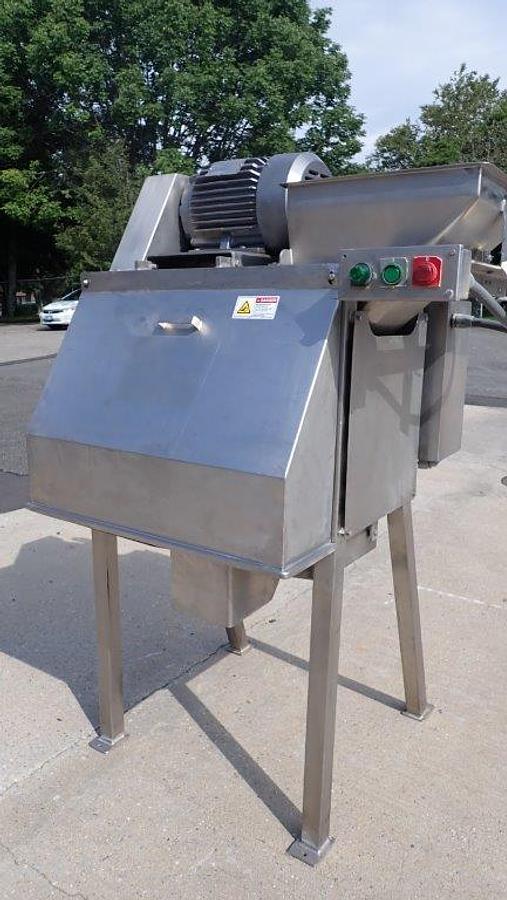
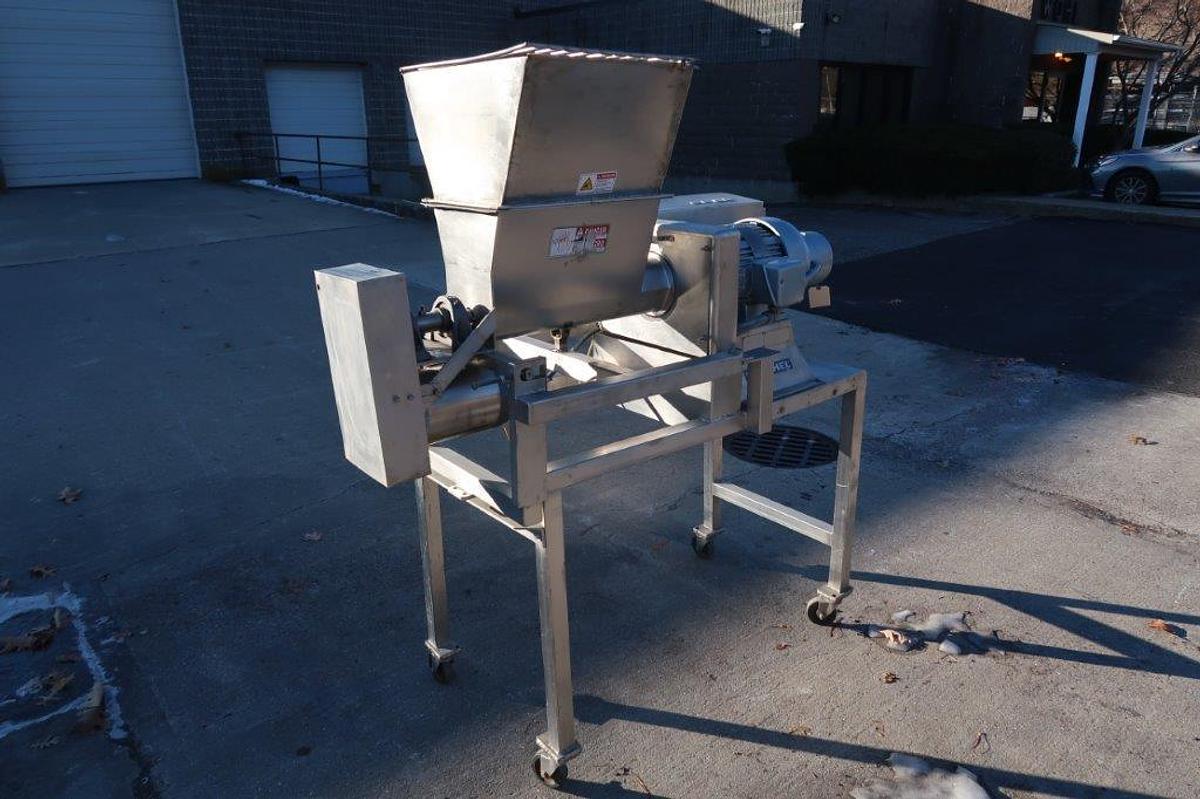
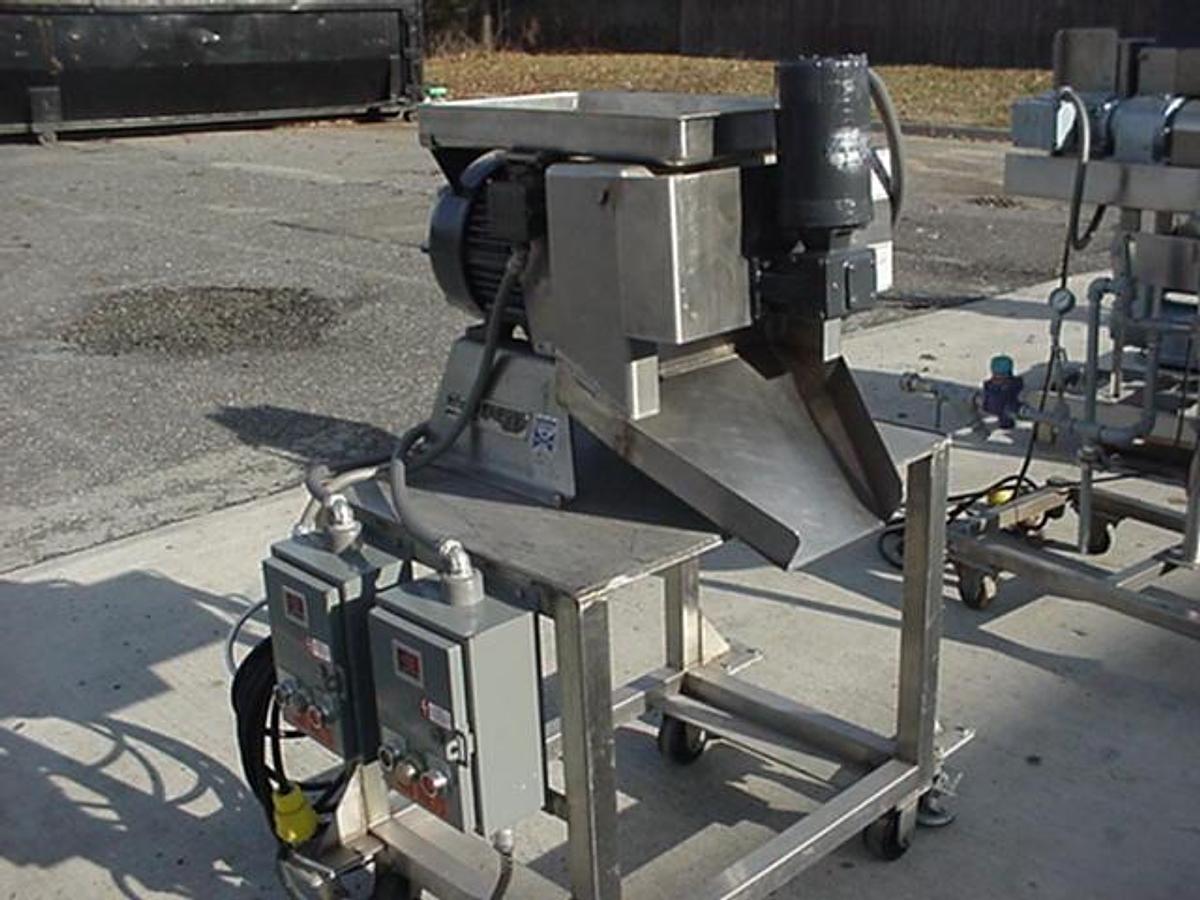
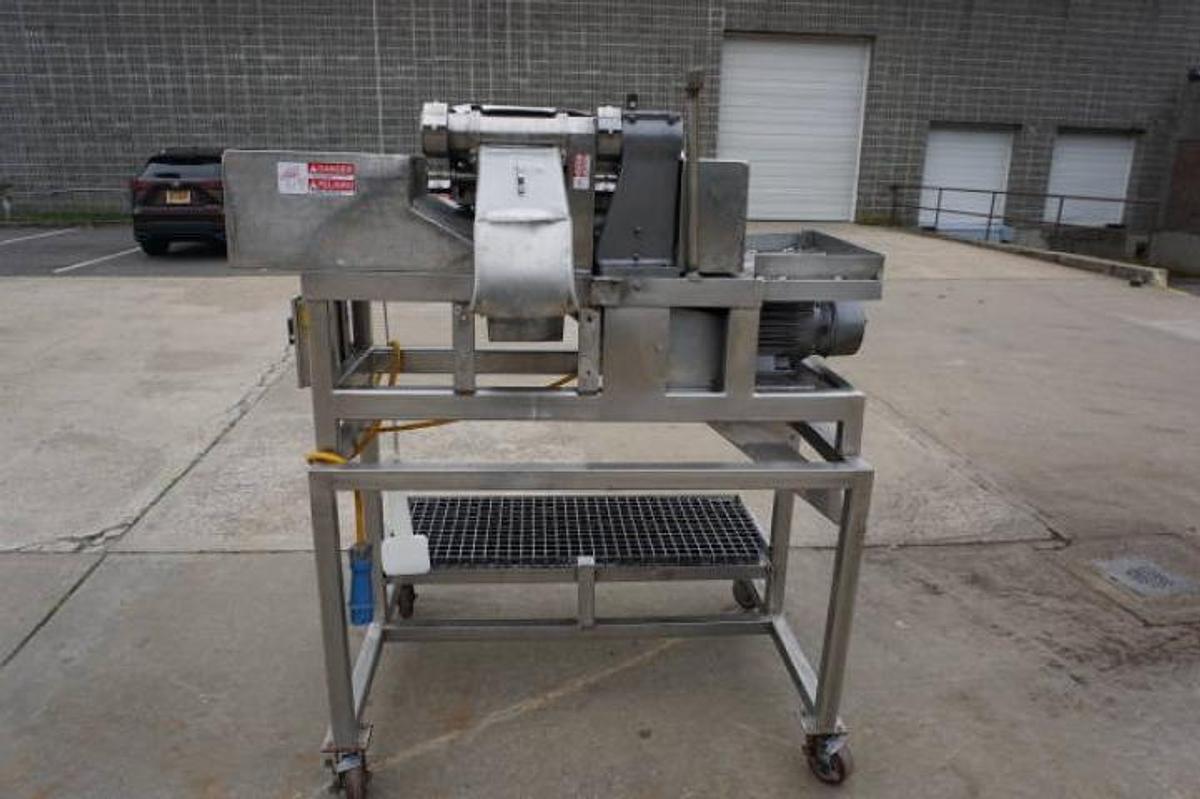
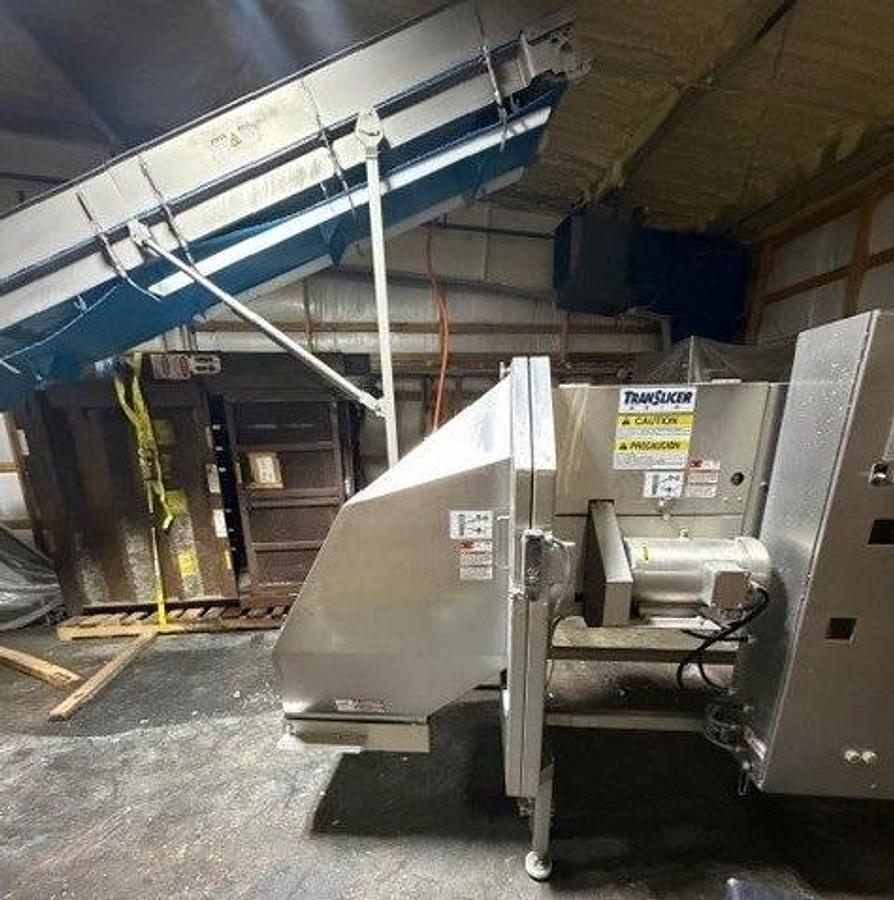
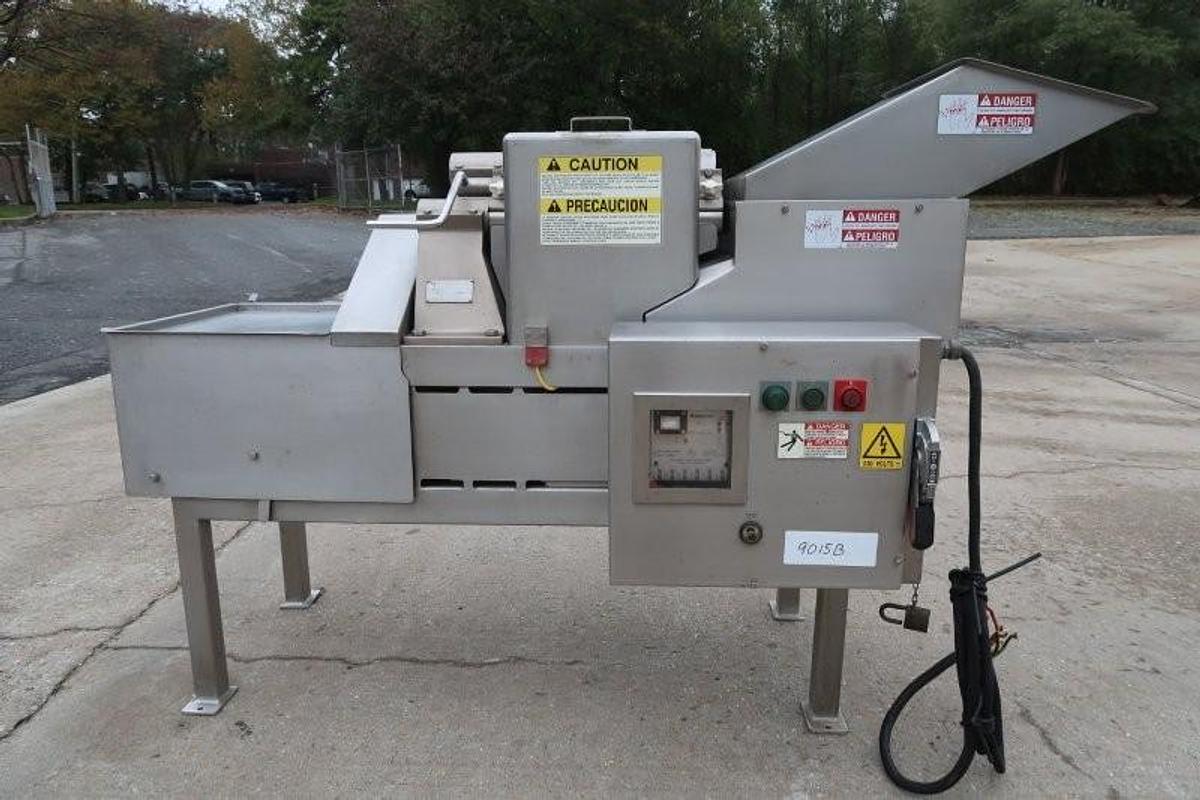
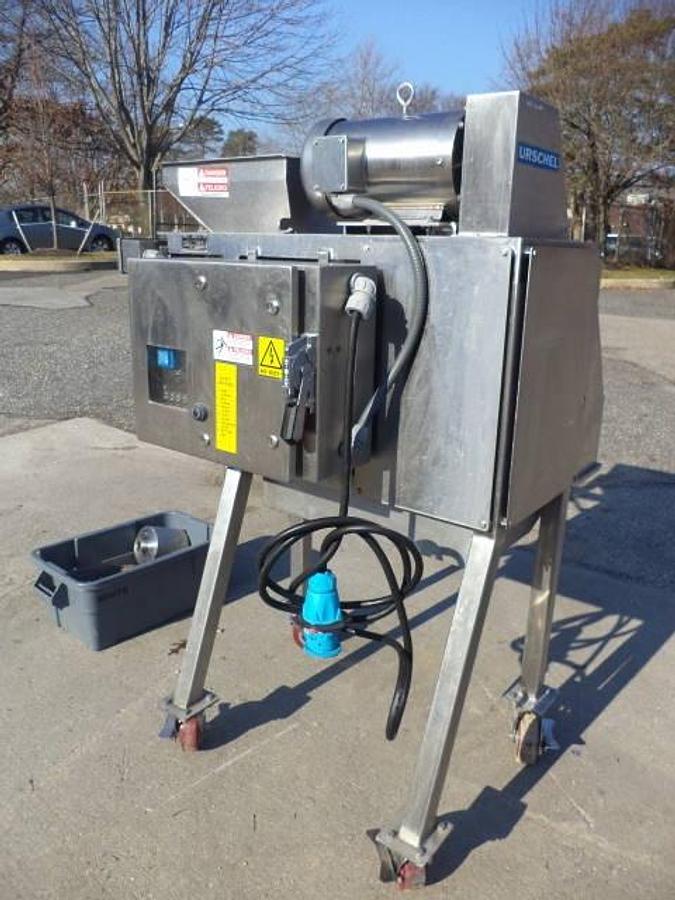
The used Urschel equipment market covers a wide range of cutting and processing machines, with the most frequently available models including the Comitrol Processor (models 1700 and 3600), the CC-D Shredder/Slicer/Strip Cutter, the G and G-A Dicer/Slicer, the RA-A and RA-D Dicer/Slicer, the TRS 2510 Transverse Slicer, and the GK Dicer/Slicer with crinkle cut capability. Many of these machines are offered in portable configurations mounted on stainless steel stands, making them easier to reposition within a production facility. Voltage configurations vary as well, with some units wired for 460V washdown motors and others set up for standard production environments.
Beyond those specific models, Urschel's broader lineup spans strip cutters, shredders, and high-speed slicers suited to different throughput and product requirements. Because Urschel machines are built with stainless steel construction and engineered for continuous-duty use, they tend to hold up well over years of production, which is a big part of why the secondary market for this brand stays active. Buyers looking for a specific model or configuration should check with dealers regularly, as inventory turns over frequently and availability changes.
What is the Urschel Comitrol Processor and what is it used for?
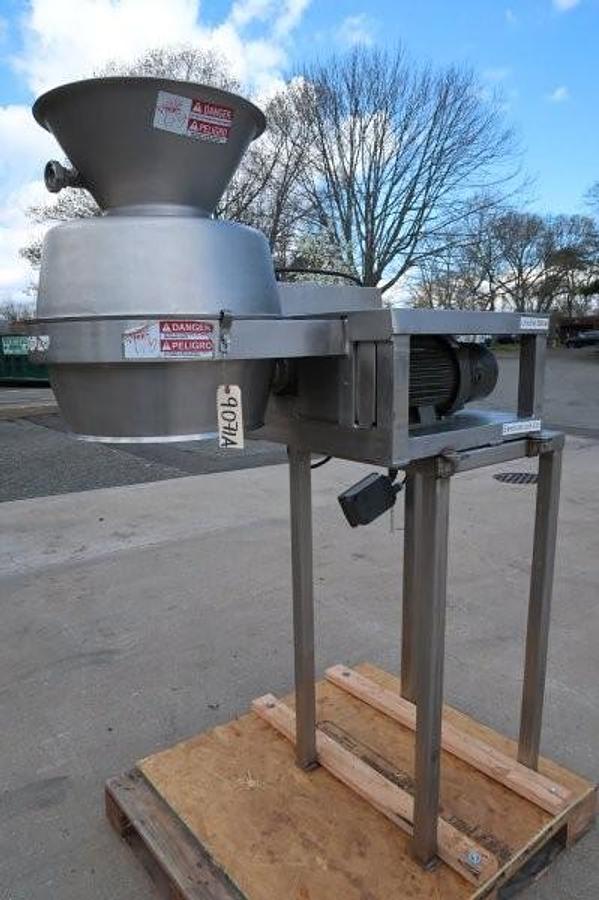
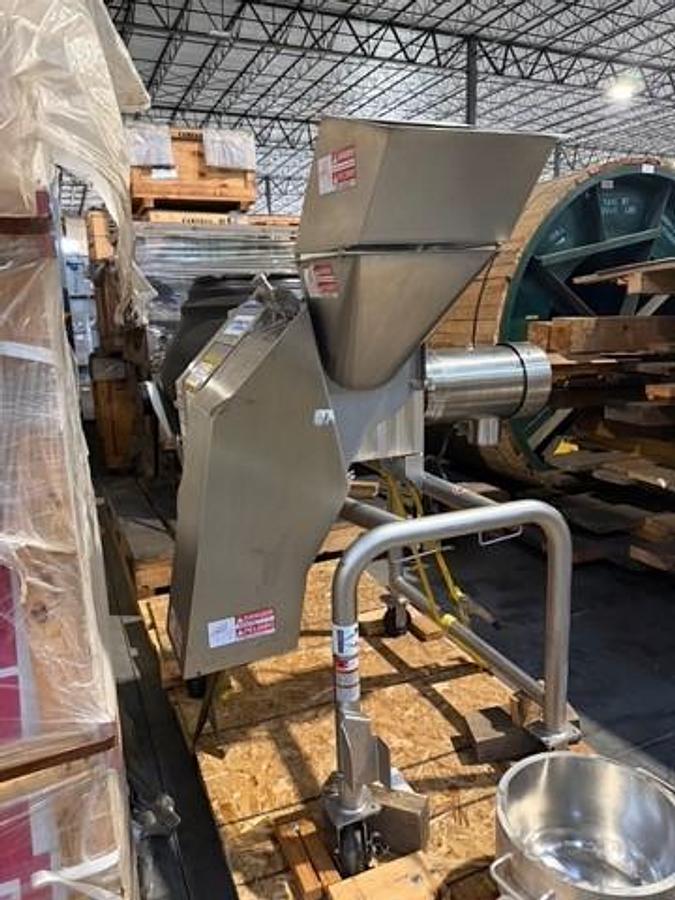
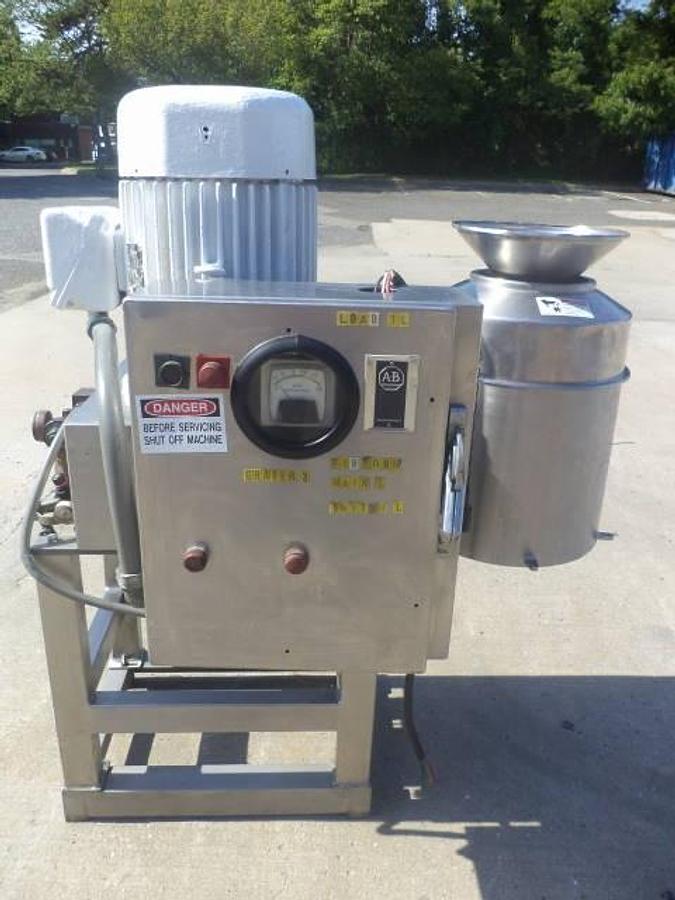
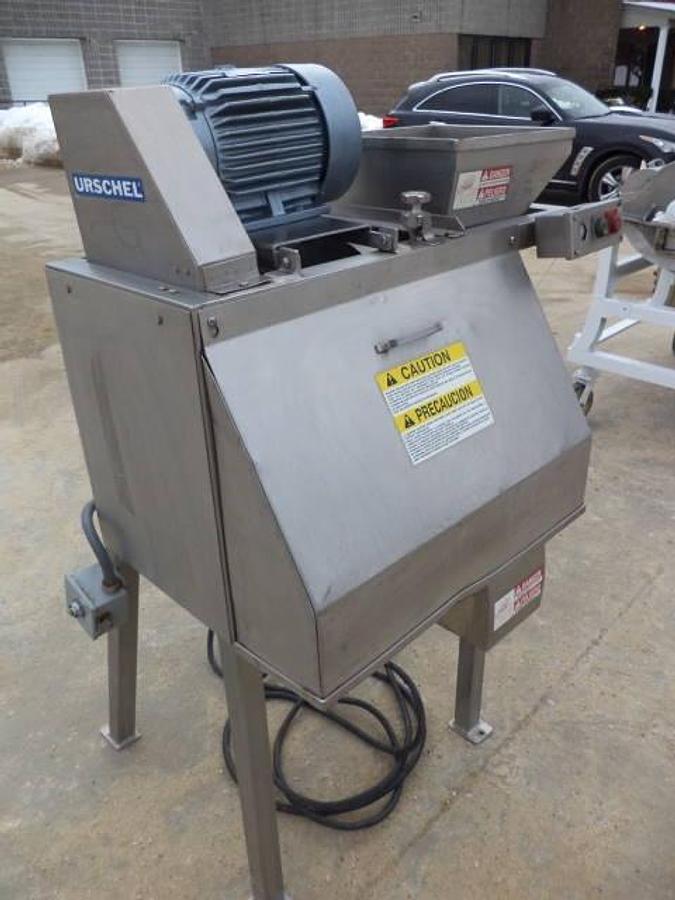
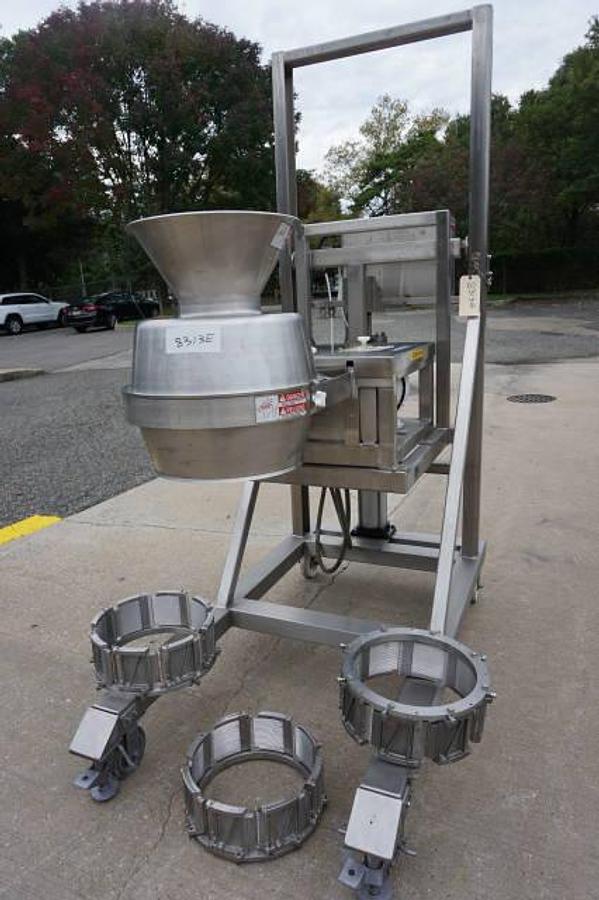
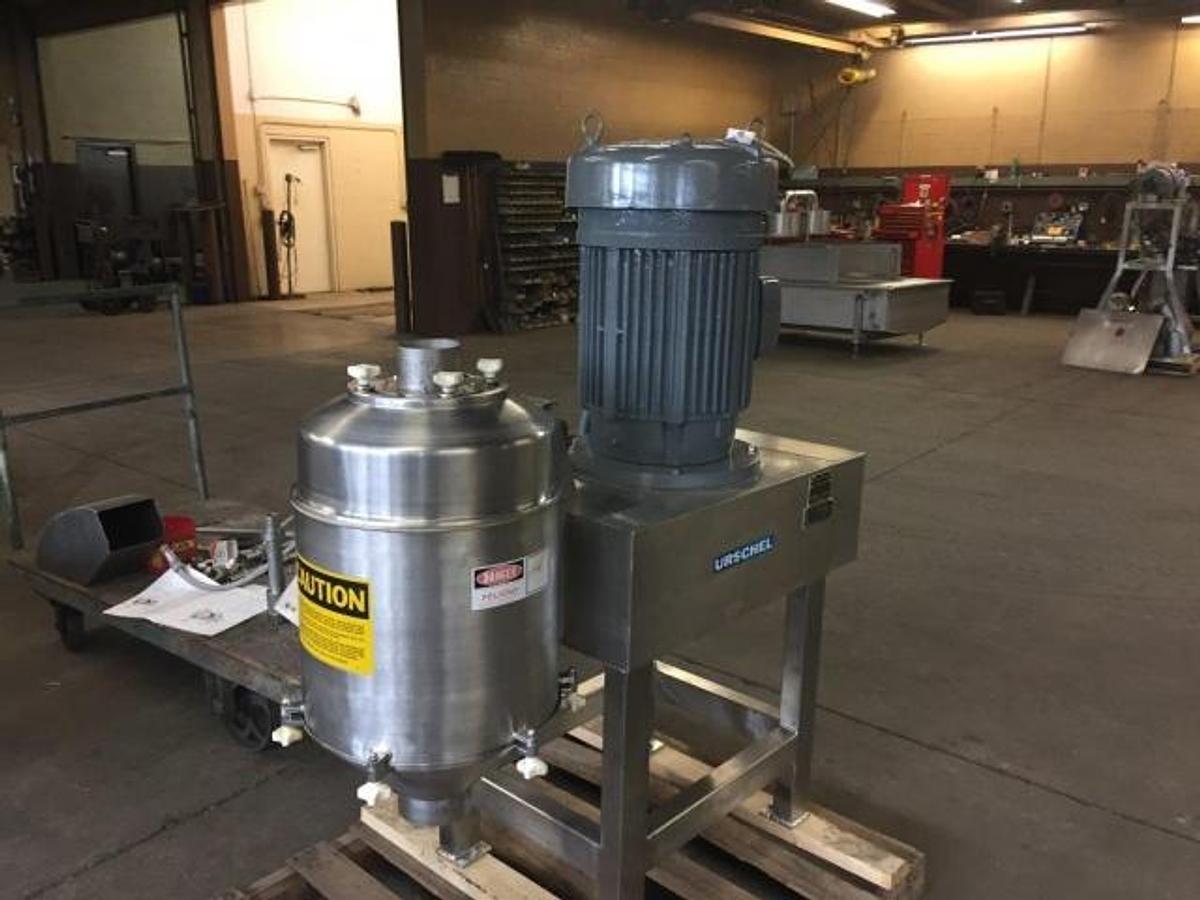
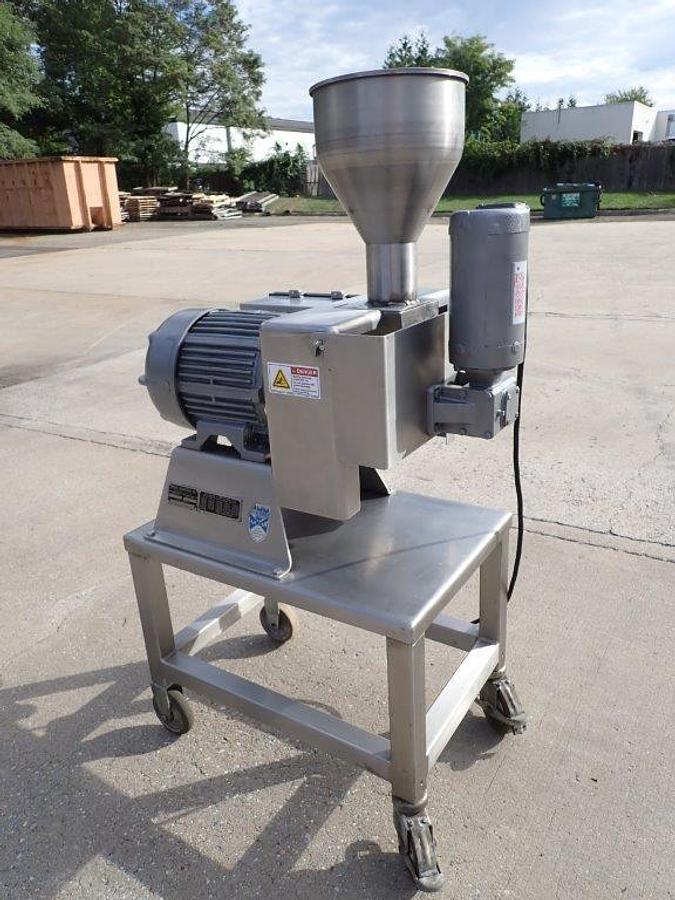
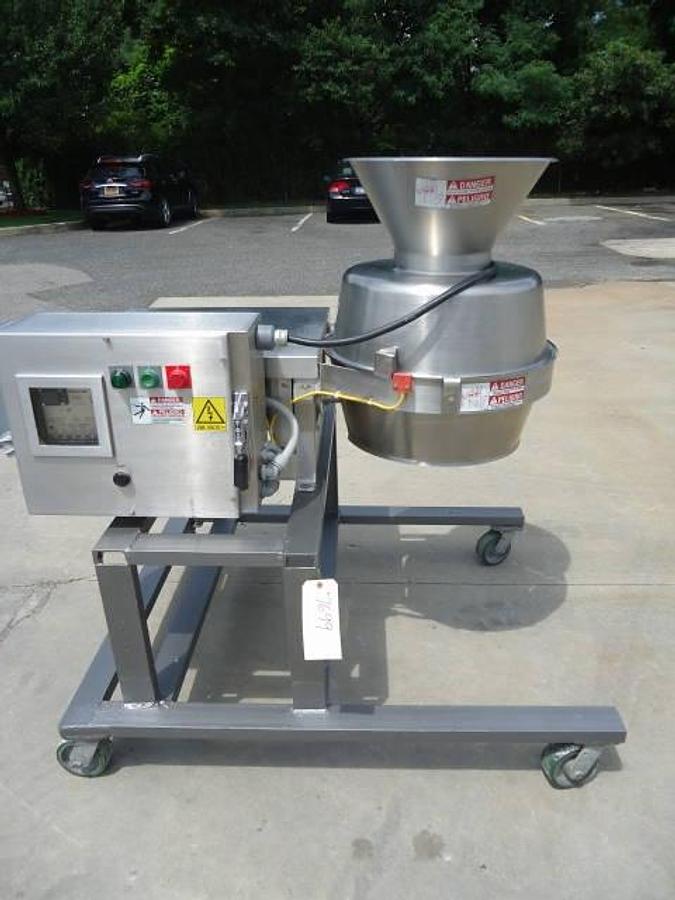
The Urschel Comitrol Processor is a high-speed size reduction machine designed to cut, shred, granulate, or puree a broad range of food products with a high degree of consistency. It works by feeding product through a rotating impeller head fitted with cutting edges, producing uniform particle sizes at production-line speeds. The Comitrol is widely used in applications involving meat, poultry, vegetables, fruits, cheese, and cooked or processed ingredients where consistent texture and particle size are critical to the finished product.
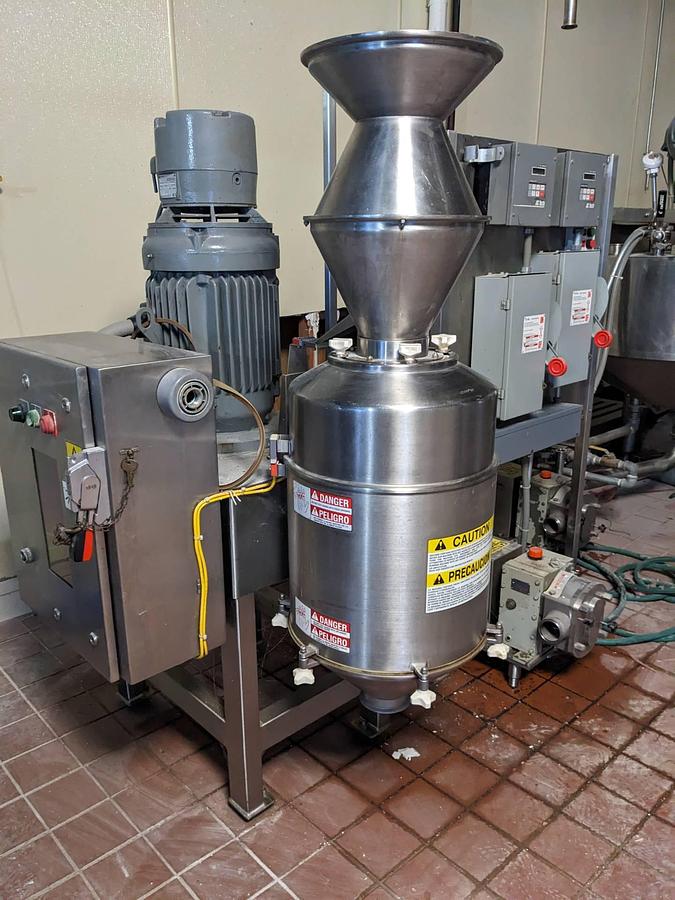
Two of the most commonly encountered Comitrol models on the used market are the 1700 and the 3600. The 3600 is a larger, higher-capacity machine and is frequently found with optional screw feed attachments that help meter product into the cutting chamber at a controlled rate. Motor configurations range from around 10 HP on smaller units to 30 HP or more on heavy-duty production models. Because the Comitrol handles such a variety of products and cutting heads are interchangeable, it is one of the more versatile pieces of equipment in a food processing facility, which contributes to its strong demand on the secondary market.
What industries and food products is Urschel equipment best suited for?
Urschel equipment is used across a wide range of food manufacturing sectors, with particularly strong adoption in snack food production, meat and poultry processing, dairy, fresh-cut produce, and prepared foods. Snack manufacturers rely on Urschel slicers and dicers to produce consistent chip, strip, and cube cuts from potatoes, tortillas, and other substrates. Meat processors use shredding and strip-cutting models for pulled pork, deli meats, and formed products. Dairy applications often call for specialized configurations, such as the RA-D model, which is built specifically for cheese dicing and slicing.
Beyond those core sectors, Urschel machines are also found in facilities processing fruits and vegetables for frozen or canned goods, bakery ingredient preparation, pet food manufacturing, and industrial food ingredient production. The equipment's stainless steel construction and washdown-capable motor options make it compatible with the sanitation requirements of most regulated food environments. Because the machines are built for high-volume, continuous-duty production, they tend to be a fit for mid-size to large commercial operations rather than small-batch or artisan settings.
How do I evaluate the condition of a used Urschel machine before buying?
Evaluating a used Urschel machine starts with requesting as much documentation as possible, including any available maintenance records, hours of operation logs, and service history. Knowing whether the machine has been regularly serviced, whether blades and cutting heads have been replaced on schedule, and whether any major components have been rebuilt gives a clearer picture of remaining service life. Reputable dealers will typically accommodate in-person inspections at their facility or, if the machine is still located at the selling plant, can arrange access for a buyer or their representative to view it there.
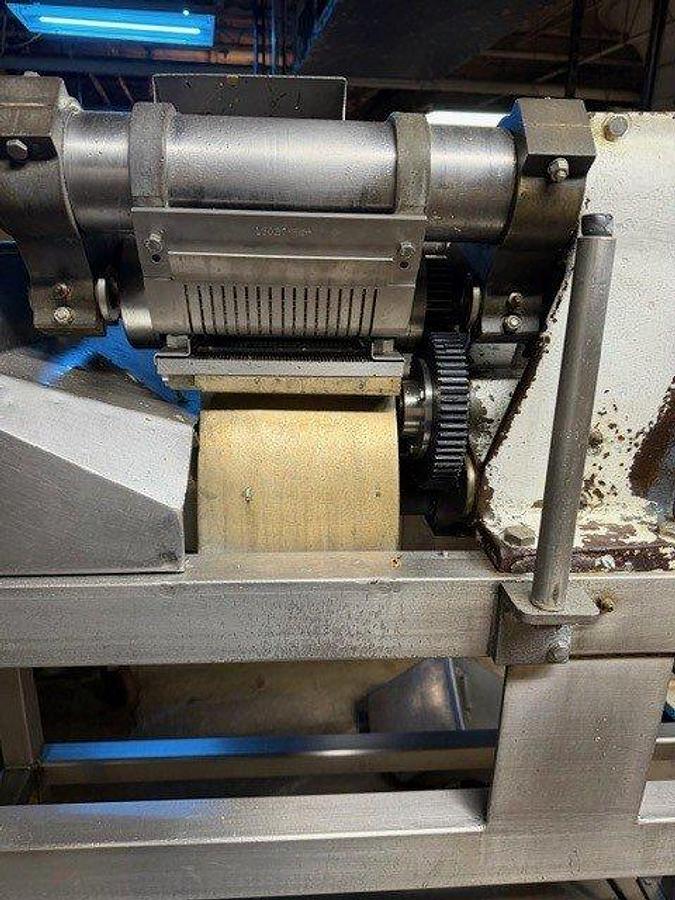
For buyers who cannot travel, video inspections have become a practical alternative. A thorough video walkthrough should cover the cutting chamber, impeller or blade assembly, motor, frame condition, and any visible wear points. Keep in mind that most dealers do not have the permitting or production setup to run actual food product through the machine during an inspection, so the assessment is based on visual and mechanical condition rather than a live production test. Consulting directly with Urschel Laboratories about a specific model and serial number can also help determine what level of parts and technical support is available for that unit, since age and production run can affect parts availability.
Are replacement parts and technical support available for older Urschel models?
Urschel Laboratories has a long-standing reputation for supporting its equipment well beyond the production life of individual models, and the company maintains an extensive parts inventory for many machines that have been in service for decades. Cutting heads, impeller assemblies, blades, and wear parts are generally available through the manufacturer directly, and third-party suppliers also produce compatible components for some of the more widely used models. That said, the level of support can vary depending on how old the machine is and whether a particular model has been discontinued, so it is worth contacting Urschel directly with the model number and serial number before purchasing a used unit.
Beyond parts, Urschel provides technical documentation and service support that can be valuable when bringing a used machine back into production. Many food processing equipment dealers who specialize in Urschel machinery also carry commonly needed wear parts or can source them on behalf of buyers. When evaluating a used Urschel machine, factoring in the cost and availability of consumable parts like blades and cutting heads is an important part of understanding the true cost of ownership over time.
How does Urschel equipment handle food safety and sanitation requirements?
Urschel machines are engineered with sanitation as a core design consideration. Most models feature stainless steel construction throughout the product contact zones, and many are available in configurations with washdown motors that allow for more aggressive cleaning procedures without damaging electrical components. The open frame designs on portable models make it easier to access all surfaces for cleaning, and cutting heads on machines like the Comitrol and CC-D are typically removable for thorough sanitation between production runs.
For buyers sourcing used equipment, it is worth noting that sanitation compliance depends not only on the machine's design but also on its current condition. Worn seals, pitted surfaces, or damaged gaskets on a used unit can create harborage points that complicate cleaning. A thorough inspection should include a close look at all product contact surfaces, seals, and any areas where product could accumulate. Buyers operating in facilities subject to USDA, FDA, or third-party food safety audits should verify that the specific model and configuration they are considering meets the standards applicable to their operation before purchase.
What should buyers understand about shipping and rigging costs for used Urschel equipment?
Shipping costs for used Urschel equipment vary considerably depending on the size and weight of the machine, its current location, and the level of packaging or crating required to protect it in transit. Smaller portable models on stainless steel stands can often be palletized and shipped via freight carrier at relatively modest cost, while larger units like the 3600 Comitrol with screw feed attachments may require custom crating and heavier-duty rigging for loading and unloading. Buyers should ask dealers specifically about how the machine will be packaged and what rigging services will be needed at both the origin and destination points.
Understanding the full landed cost of the equipment before committing to a purchase is important. The price listed for a used machine is typically the price at the dealer's location, and freight, rigging, crating, and any applicable import or export fees are separate. For large or heavy machines, professional riggers are often required at the receiving facility to safely unload and position the equipment, which adds to the total acquisition cost. Getting quotes for all of these components upfront helps avoid surprises and allows for a more accurate comparison between machines priced at different locations.
What payment terms do used food processing equipment dealers typically offer?
Most used food processing equipment dealers require payment in full before a machine is released for shipping. This is standard practice in the industry and applies to the majority of transactions, particularly for first-time buyers or buyers without an established relationship with the dealer. Accepted payment methods vary by dealer but commonly include wire transfer, certified funds, and in some cases credit card for smaller purchases. Buyers should confirm accepted payment methods and any associated fees before finalizing a purchase.
Some dealers extend payment terms to repeat customers or for larger transactions, but this is handled on a case-by-case basis rather than as a standard offering. Buyers who need financing for equipment purchases may want to explore third-party equipment financing options, as some lenders specialize in used food processing machinery. Understanding the payment requirements upfront, along with the full landed cost including shipping and rigging, gives buyers a complete picture of what they need to have in place before a machine can be delivered and installed.
Why does used Urschel equipment hold its value so well compared to other food processing brands?
Several factors contribute to Urschel's strong resale value. The machines are built with heavy-duty stainless steel frames and precision-engineered cutting systems that are designed for years of continuous production use. That durability means a well-maintained Urschel machine can remain productive long after it has been removed from its first production environment, which sustains demand on the secondary market. The brand is also widely recognized across the food processing industry, so buyers are generally comfortable with the equipment and familiar with how to operate and maintain it.
Parts availability is another factor. Because Urschel supports many of its models with ongoing parts supply, buyers of used equipment are less concerned about being stranded without service support down the road. The breadth of the product line also plays a role: Urschel makes machines for a wide range of cutting applications, so there is demand for used units across many different food processing segments. All of these factors combined mean that Urschel equipment tends to command higher prices on the secondary market than comparable machines from less established brands, but buyers often find the investment justified by the reliability and longevity of the equipment.
Can used Urschel machines be configured or adapted for different cutting applications?
One of the practical advantages of Urschel equipment is that many models are designed around interchangeable tooling, which means a single machine can be reconfigured for different cuts by swapping out cutting heads, blades, or impeller assemblies. The Comitrol Processor, for example, accepts a range of impeller heads that produce different particle sizes and textures, allowing the same base machine to handle everything from coarse shredding to fine granulation depending on which head is installed. Similarly, models like the CC-D can be set up for slicing, shredding, or strip cutting depending on the blade configuration.
For buyers purchasing used equipment, it is worth asking the dealer exactly which tooling and accessories are included with the machine, since cutting heads and blade sets represent a meaningful portion of the machine's total utility. A used Comitrol sold without its impeller heads, for instance, would require additional investment to become fully operational for a specific application. Buyers should also verify with Urschel or a knowledgeable dealer whether the tooling configurations they need are compatible with the specific model and vintage of the machine they are considering, as design changes over the years can affect interchangeability between older and more recent tooling.