Category
Manufacturer
Model
Universal
Universal is a prominent manufacturer of packaging machinery, serving multiple industries such as food, pharmaceuticals, and cosmetics. They are particularly recognized for their versatile case packing and palletizing solutions that enhance productivity. Universal’s commitment to innovation ensures they remain at the forefront of the packaging industry.
FAQ:
What types of packaging machinery does Universal manufacture?
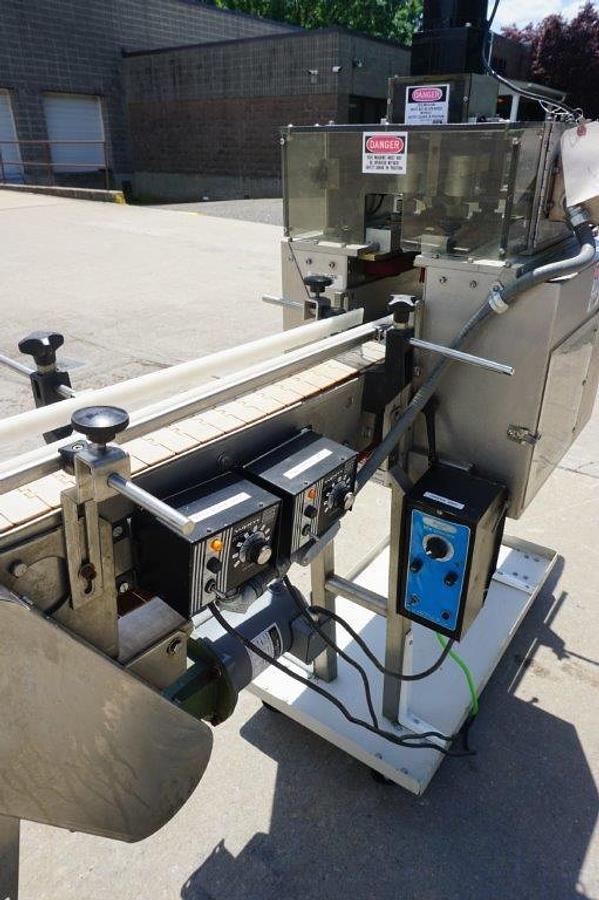
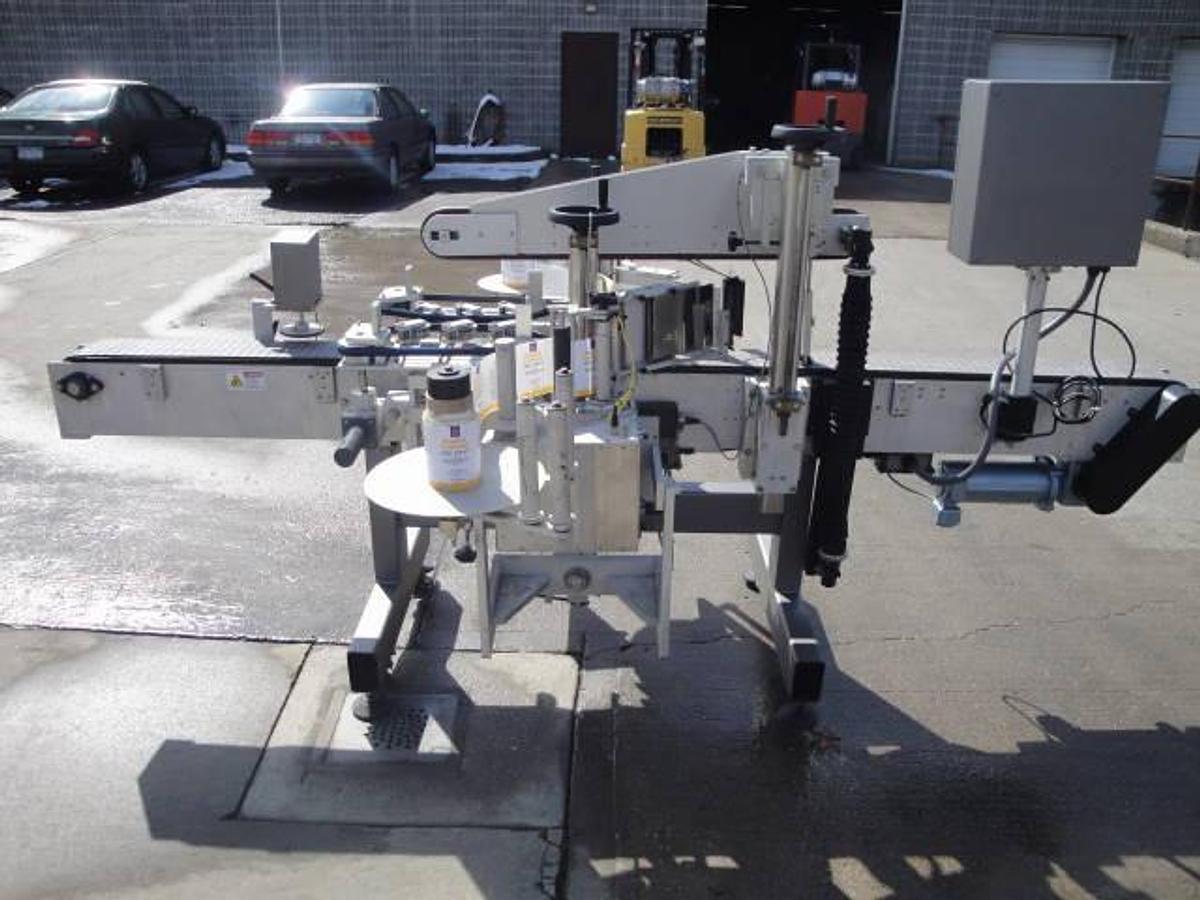
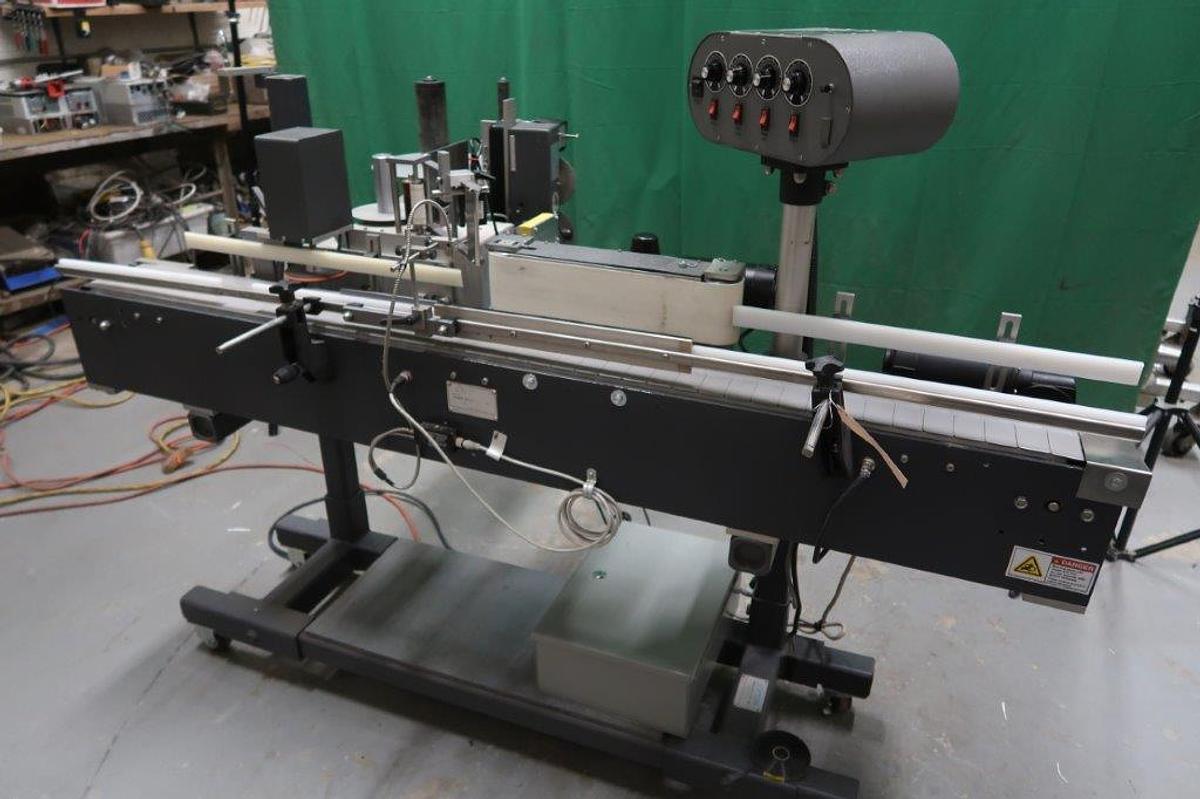
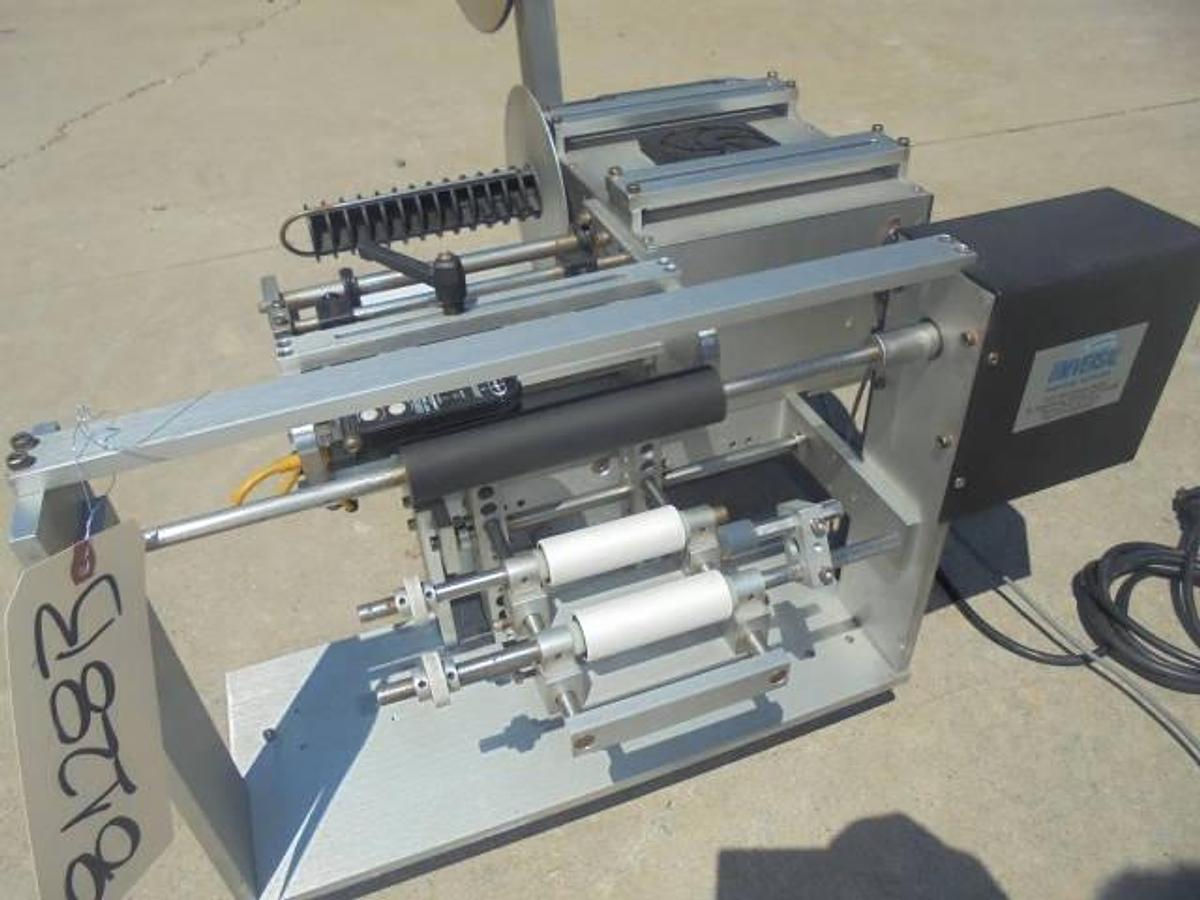
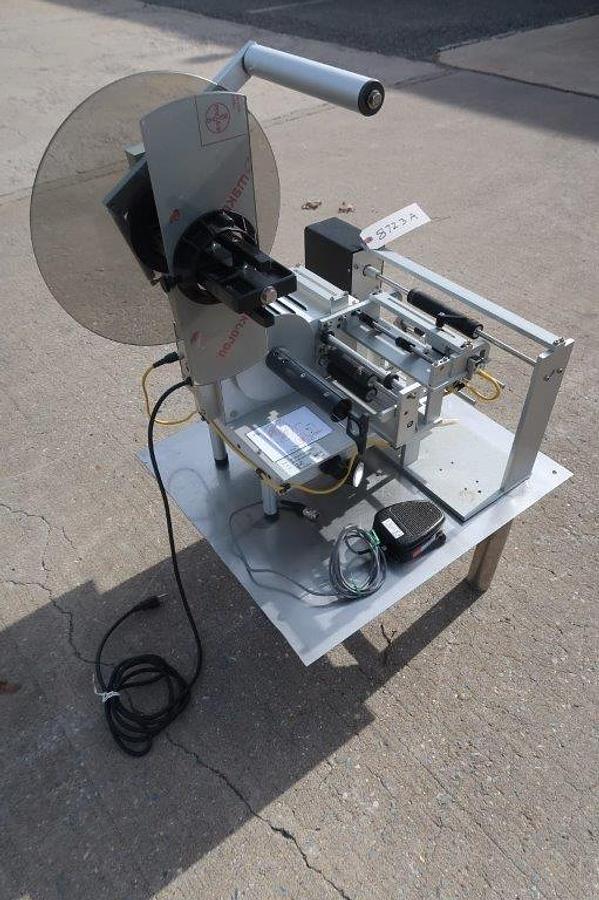
Universal is a well-established manufacturer of packaging equipment serving industries including food, pharmaceuticals, cosmetics, and consumer goods. Their product lineup is particularly recognized for case packing and palletizing solutions, but they also produce a range of labeling equipment. This includes tabletop semi-automatic pressure sensitive labelers, fully automatic pressure sensitive labeling machines, front and back labelers, and cap tightening and retorquing systems with integrated conveyors.
The breadth of Universal's catalog makes their equipment appealing to production facilities that need reliable, repeatable packaging processes across different product types. Their labeling machines, for example, handle both spot and wraparound label applications, which covers a wide range of container shapes and sizes. Buyers looking at used Universal equipment will typically find machines that were originally deployed in mid-to-large scale production environments, which means the units have been engineered for durability and consistent throughput.
What is the price range for used Universal packaging machinery?
Pricing for used Universal packaging machinery varies considerably depending on the machine type, age, condition, and level of automation. Entry-level semi-automatic units, such as tabletop labelers, can be found in the range of $5,000 to $20,000. More complex systems like automatic labeling machines, cap tighteners with conveyors, or palletizing equipment can range from $25,000 to well over $100,000 depending on the configuration and how recently the machine was in active production.
Buyers should factor in more than just the purchase price. Shipping, rigging, and any reconditioning or spare parts needed to bring a machine up to operational standards all contribute to the true landed cost. It is worth getting a detailed quote from the dealer that breaks out packaging, freight, and any applicable rigging charges before committing to a purchase. Used equipment pricing reflects market conditions, machine history, and availability, so comparable models can vary significantly from one listing to the next.
What industries commonly use Universal packaging machinery?
Universal packaging machinery has been widely adopted across several industries where consistent, high-volume packaging is a core operational requirement. The food and beverage sector relies on Universal equipment for labeling, capping, and case packing applications. Pharmaceutical manufacturers use their machinery for precise label placement and tamper-evident packaging processes. Cosmetics and personal care companies also represent a significant portion of Universal's customer base, given the need for clean, accurate labeling on bottles, tubes, and containers of varying shapes.
Beyond those primary sectors, Universal equipment appears in facilities producing household products, nutraceuticals, and industrial goods. The versatility of their machines, particularly the ability to handle different container geometries and label formats, makes them a practical choice for contract packagers who run multiple product lines. When purchasing used Universal equipment, buyers from any of these industries should verify that the specific model they are considering was designed for their product type, as some machines are optimized for particular container materials or label substrates.
Is used Universal packaging machinery suitable for small businesses?
Used Universal packaging machinery can be a practical option for small and mid-sized businesses, particularly because the secondary market offers access to equipment that would otherwise be cost-prohibitive to purchase directly from a manufacturer. A small beverage company or a startup supplement brand, for example, might find that a used tabletop semi-automatic labeler gives them the throughput they need at a fraction of the cost of a comparable machine purchased elsewhere. The key is matching the machine's original production speed and format range to the buyer's actual volume requirements.
That said, small businesses should go into the process with realistic expectations. Used industrial machinery was typically designed for continuous production environments, which means some units may have higher power requirements or a physical footprint that does not suit a smaller facility. Buyers should also consider the availability of replacement parts and technical support for older models before purchasing. Consulting with the equipment dealer about the machine's history, the manufacturer's current support posture for that model, and the realistic cost of any needed servicing will help small business buyers avoid surprises after delivery.
How should buyers inspect used Universal packaging machinery before purchasing?
Inspection is one of the most important steps in buying used packaging equipment, and reputable dealers will typically offer several options to accommodate buyers who cannot visit in person. In-person inspections allow a buyer or their technician to physically examine the machine, check wear on mechanical components, review electrical panels, and assess the overall condition of belts, sensors, and tooling. Some machines may still be installed at the facility where they were last in production, which gives buyers a chance to see the equipment in its working environment.
For buyers who cannot travel, video inspections and detailed photo documentation are commonly available. The goal in any inspection is to get an accurate picture of the machine's current working condition, including any visible wear, missing parts, or components that may need replacement. Keep in mind that most used equipment dealers do not have the production permits or product handling capabilities to run a full operational test with actual product. Buyers should also contact Universal directly to understand what level of technical support, documentation, and parts availability they can expect for the specific model and age of machine they are considering.
What are the typical power and utility requirements for Universal packaging machinery?
Power requirements for Universal packaging machinery vary depending on the machine type and level of automation. Tabletop semi-automatic labelers like the Universal R-310 and R-320 models generally operate on standard single-phase power, often 110V or 220V, making them relatively easy to integrate into most facilities without significant electrical infrastructure changes. Larger automated systems, including conveyor-integrated cap tighteners and high-speed labeling lines, typically require three-phase power and may have compressed air requirements for pneumatic components.
Buyers purchasing used equipment should request the original technical specifications or operator manual for the specific model they are considering, as these documents will outline voltage, amperage, air pressure, and any other utility requirements. If those documents are not available, the dealer may be able to provide the manufacturer's spec sheet or direct buyers to Universal's technical resources. Confirming utility compatibility before purchase avoids costly facility modifications after delivery. For older machines, it is also worth checking whether any electrical components have been modified from the factory configuration, as this can affect both performance and safety compliance.
What is the typical lead time for delivery after purchasing used Universal packaging machinery?
Lead times for used packaging equipment depend on several variables, including the machine's current location, the level of packaging or crating required for safe transit, and the shipping method selected. Smaller tabletop machines that can be palletized and shipped via freight carrier are often delivered within one to two weeks of payment clearing. Larger, heavier equipment that requires custom crating, rigging, or flatbed transport may take three to six weeks or longer from the time of purchase to arrival at the buyer's facility.
Buyers should ask the dealer for a specific timeline estimate that accounts for preparation, packaging, and transit. Machines that are still installed at a production facility may require coordination between the dealer and the facility owner for deinstallation and loading, which can add time to the process. International shipments introduce additional lead time for customs clearance and documentation. Getting a clear picture of the full logistics process upfront, including who is responsible for rigging at both the origin and destination, helps avoid delays and unexpected costs.
What should buyers know about payment terms for used packaging machinery?
Payment practices in the used industrial equipment market differ from what buyers might expect in other purchasing contexts. Most used equipment dealers require full payment before the machine is released for shipping. This is standard practice in the industry and applies regardless of the purchase price. Some dealers may offer payment terms to customers with whom they have an established purchasing history, but first-time buyers should generally plan for payment in full upfront.
Accepted payment methods vary by dealer but commonly include wire transfer, ACH, and in some cases credit card for smaller transactions. Buyers should confirm accepted payment methods and any associated fees before finalizing a purchase. Because payment is typically required before shipment, it is especially important to complete a thorough inspection prior to paying, whether that is done in person, via video, or through detailed documentation provided by the dealer. Selecting a dealer with a verifiable track record in the packaging machinery sector adds an important layer of confidence to the transaction.
Are replacement parts and technical support available for used Universal packaging machinery?
Parts availability and technical support for used Universal packaging machinery depend significantly on the age and model of the machine in question. Universal, like most established packaging equipment manufacturers, maintains support for many of their product lines, but older or discontinued models may have limited parts availability through the manufacturer's official channels. Buyers should contact Universal directly before purchasing a used machine to ask specifically about parts support, documentation availability, and whether the model is still serviced by their technical team.
In cases where manufacturer support is limited, third-party parts suppliers and independent service technicians who specialize in packaging equipment can often fill the gap. Many mechanical and electrical components used in labeling and capping machinery are sourced from common industrial suppliers, which means wear items like belts, sensors, and motors may be available through standard industrial distribution channels even if the machine itself is older. Buyers should budget for the possibility of sourcing parts independently and factor that into their total cost of ownership calculations when evaluating a used machine purchase.
What are the key features to evaluate when buying used Universal labeling or capping equipment?
When evaluating used Universal labeling machines, buyers should pay close attention to the condition of the label dispensing mechanism, the accuracy of the label placement sensor, and the state of the drive belts and rollers. On models like the R-310 and R-320, the pressure sensitive applicator head and the product handling conveyor or turntable are the components most subject to wear. Any signs of misalignment, excessive belt wear, or damaged sensors should be factored into the offer price or addressed with the dealer before purchase. For cap tightening equipment, the spindle assemblies and torque settings are the primary functional elements to assess.
Beyond mechanical condition, buyers should consider whether the machine's format range matches their production needs. Universal labeling equipment is designed to handle various container sizes and label configurations, but the specific adjustment range of a given machine may not cover every application. Asking the dealer for the machine's adjustment specifications and, if possible, reviewing the original operator manual will clarify what container diameters, label widths, and production speeds the unit supports. Machines that include PLC controls or HMI touchscreen interfaces may also require software documentation to operate and troubleshoot effectively.