Category
Manufacturer
Model
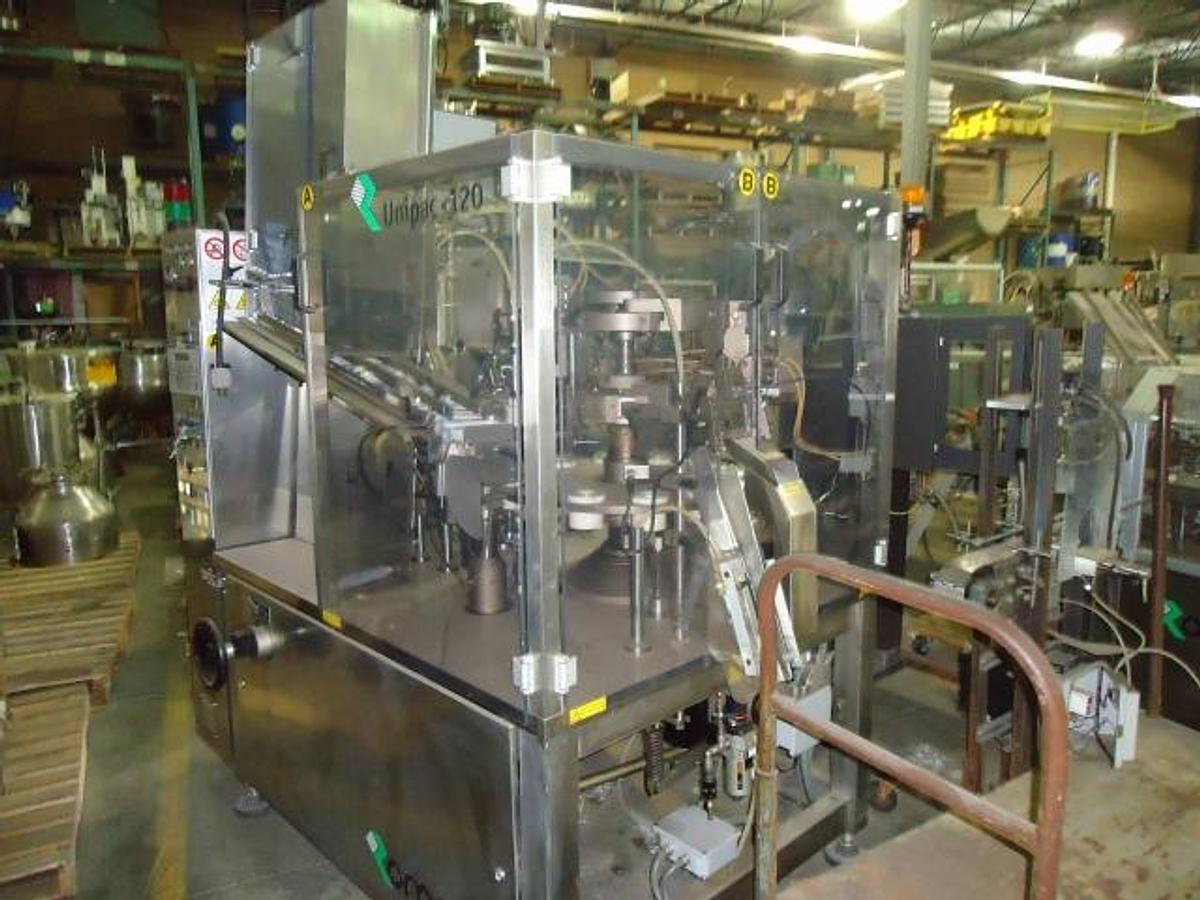
Unipac
Unipac provides packaging solutions with a focus on the food and beverage sectors. They are known for their innovative packaging machines that enhance product freshness and shelf appeal. Unipac’s technology is designed to meet the evolving needs of the market while ensuring compliance with industry standards.
FAQ:
What types of tubes can a Unipac tube filling and sealing machine handle?
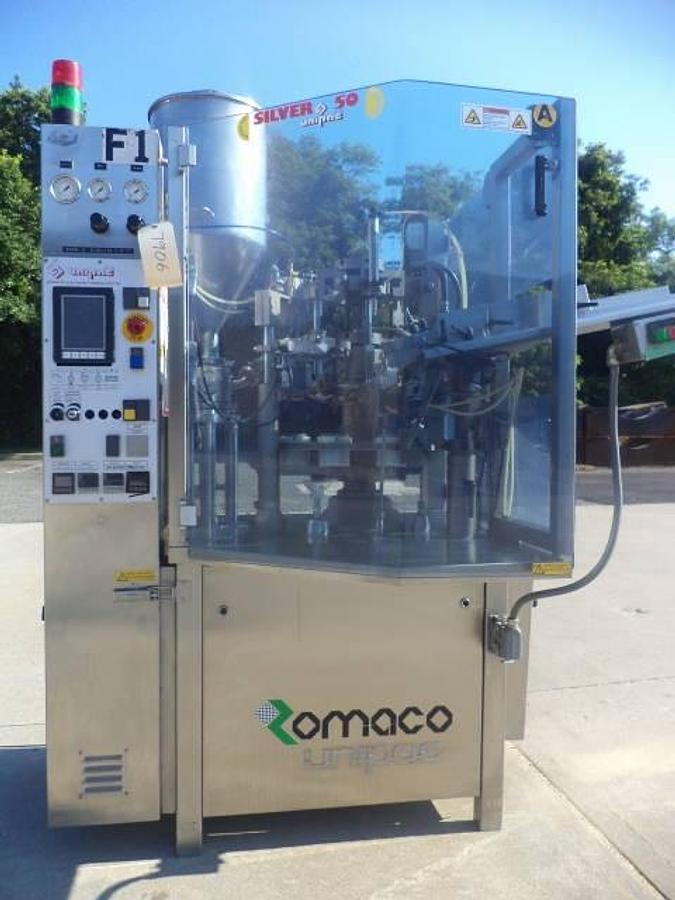
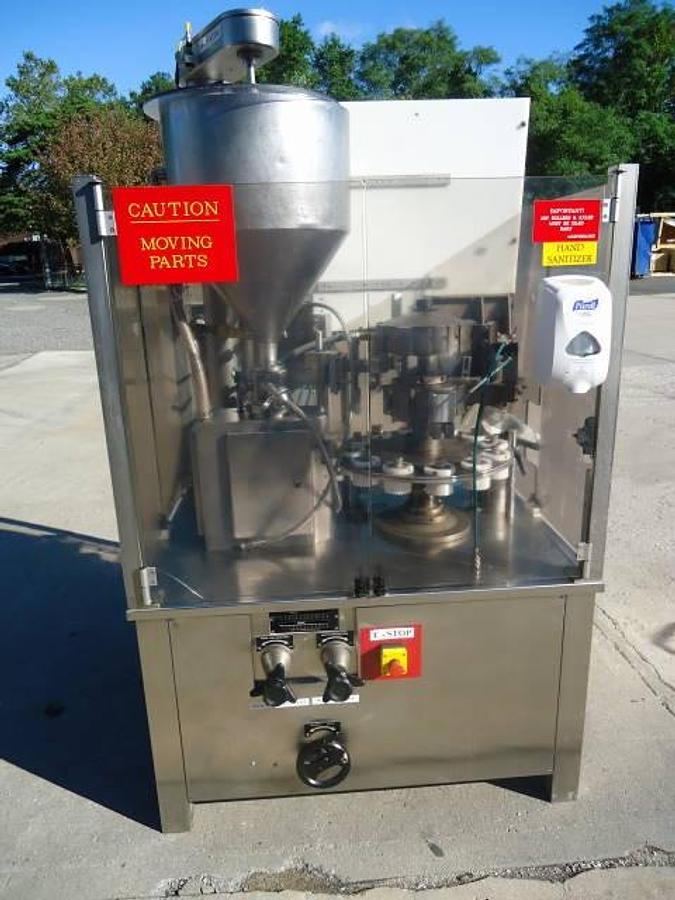
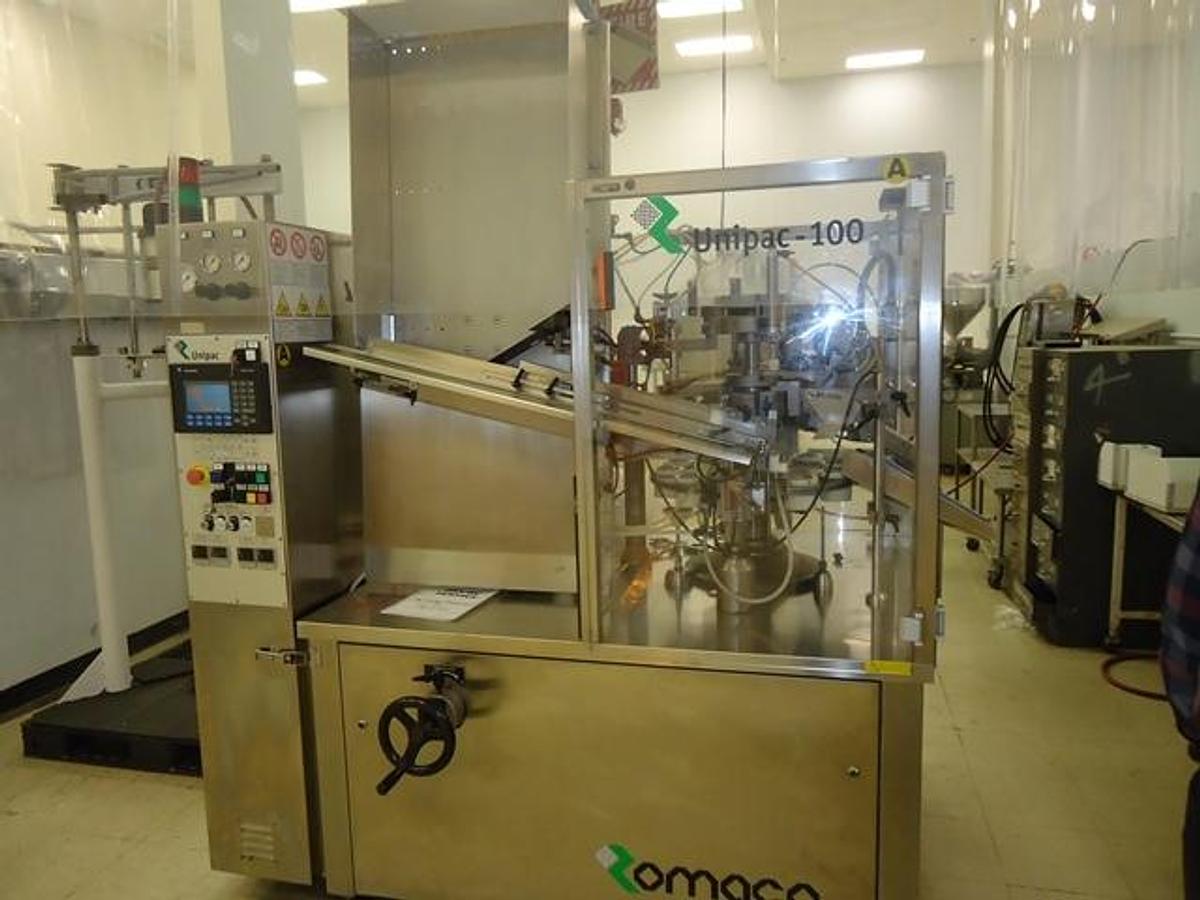
Unipac tube filling and sealing machines are designed to work with a broad range of tube materials, including plastic tubes made from LDPE and HDPE, laminate tubes, and aluminum tubes. This material versatility makes them a practical choice across multiple industries, from cosmetics and personal care to food, beverage, and pharmaceutical production. The specific models available on the used market reflect this range, with machines like the Unipac Jolly 50 listed specifically for plastic and laminate tubes, while higher-capacity models such as the Silver 100 and Silver 80e are built for more demanding production environments.
When buying a used Unipac machine, it is worth confirming with the seller which tube materials the specific unit has been configured and used for, since tooling and sealing heads can sometimes be set up for one material type over another. Tube diameter compatibility also varies by model, so buyers should verify the tube size range against their production requirements before purchasing. Inspecting the machine, either in person or through a detailed video walkthrough, is the best way to assess the current condition of tube holders, filling nozzles, and sealing components.
What is the typical filling speed of Unipac tube filling machines?
Unipac machines span a wide range of output capacities depending on the model. Semi-automatic models like the Jolly 50 are suited to lower-volume production runs, while fully automatic models such as the Silver 100 are rated at up to 80 tubes per minute. The Silver 80e is similarly positioned at around 80 tubes per minute, making these machines well-suited to mid-to-high volume production environments in cosmetics, pharmaceuticals, and food packaging.
On the used equipment market, actual throughput can depend on the condition of the machine, the viscosity of the product being filled, and the tube size being run. Buyers should ask sellers about the production history of the specific unit, including what products it was used for and at what speeds it was typically operated. A machine that has been well-maintained and recently serviced will generally perform closer to its rated capacity than one that has been sitting idle for an extended period. Video inspections or live run demonstrations, where available, can give a clearer picture of real-world output.
What sealing methods do Unipac tube filling machines use?
Unipac machines use different sealing technologies depending on the tube material and model configuration. Hot jaw sealing is common for plastic tubes and works by applying heated metal jaws to crimp and seal the end of the tube. Hot air sealing is another method used for plastic and laminate tubes, where a stream of hot air softens the tube material before it is pressed and folded. Ultrasonic sealing is also used in certain configurations, particularly for laminate tubes, and works by generating high-frequency vibrations that create a clean, precise bond without the need for external heat sources.
For buyers sourcing used Unipac equipment, it is important to identify which sealing method the machine uses and whether that method is compatible with the tube materials they plan to run. The sealing components, including jaws, heating elements, and ultrasonic transducers, are subject to wear over time, so their condition should be assessed during inspection. Replacement parts for sealing components may be available through the manufacturer or third-party suppliers, though availability can vary depending on the age and model of the machine.
What products can be filled using a Unipac tube filling machine?
Unipac tube filling machines are capable of handling a wide variety of product consistencies, including creams, gels, pastes, lotions, ointments, and thick liquids. This makes them a common choice in industries such as cosmetics (lip gloss, mascara, moisturizers), pharmaceuticals (topical creams and ointments), personal care (toothpaste, hair products), and food (condiments, sauces, and similar products). The Unipac Silver 80 mascara and lip gloss filling machine listed on the used market is a specific example of a model configured for high-viscosity cosmetic products.
Filling accuracy is one of the key engineering priorities in Unipac machines. Volumetric filling systems are designed to minimize product waste and maintain consistent fill weights across a production run. That said, when purchasing a used machine, buyers should confirm that the filling system components, including pistons, cylinders, and product contact parts, are in good condition and have been properly cleaned. Product residue or worn seals can affect fill accuracy and may require servicing before the machine is put back into production.
Are Unipac tube filling machines suitable for small-scale production or only large manufacturers?
Unipac produces both semi-automatic and fully automatic tube filling machines, which means the brand covers a fairly wide range of production scales. Semi-automatic models require more operator involvement during the filling and sealing cycle, which makes them better suited to smaller batch sizes, contract manufacturers, or businesses that run multiple product SKUs with frequent changeovers. Fully automatic models like the Silver 100 are built for continuous, high-volume production with minimal manual intervention.
On the used equipment market, smaller or older Unipac models can be a cost-effective entry point for businesses that need reliable tube filling capability without the capital outlay of purchasing a new machine. The Unipac Jolly 50, for example, is a compact model that suits lower-volume operations. Buyers at any production scale should factor in the cost of any necessary refurbishment, spare parts, and setup when evaluating the total investment. Consulting with the seller about the machine's history and current operational status will help set realistic expectations about what it will take to get the equipment running in a new facility.
Does a Unipac tube filling machine handle both filling and sealing in a single automated process?
Yes, Unipac tube filling and sealing machines are designed to perform both filling and sealing as part of a single integrated process. Tubes are loaded into the machine, filled with the product through a volumetric dispensing system, and then sealed at the tail end, all within the same equipment cycle. On fully automatic models, this process runs continuously with minimal operator involvement, while semi-automatic models may require the operator to load or position tubes manually at one or more stages.
This combined filling and sealing capability is one of the main reasons Unipac machines are widely used in cosmetic, pharmaceutical, and food packaging lines. Having both functions in one machine reduces the footprint required on the production floor and eliminates the need to transfer tubes between separate pieces of equipment. When evaluating a used Unipac machine, buyers should confirm that both the filling and sealing stations are fully functional, as issues with either system will affect the entire production process. Inspections should cover both the product-side components (nozzles, pistons, hoppers) and the sealing components (jaws, heating elements, or ultrasonic units) to get a complete picture of the machine's condition.
What industries commonly use Unipac tube filling and sealing equipment?
Unipac tube filling and sealing machines are used across several industries where products are packaged in flexible tubes. The cosmetics and personal care industry is one of the largest users, with applications including lip gloss, mascara, moisturizers, sunscreen, and hair care products. The pharmaceutical industry uses these machines for topical creams, ointments, and gels. Food and beverage manufacturers use tube filling equipment for condiments, sauces, and specialty food products. Oral care products like toothpaste are another common application.
Because tube packaging is used across such a broad range of product categories, used Unipac machines can often be repurposed from one industry to another with the right cleaning, tooling changes, and regulatory compliance checks. However, buyers moving a machine from a food or pharmaceutical application into a new production context should be aware that sanitation standards, material certifications for product-contact parts, and regulatory requirements may differ between industries. It is advisable to consult with the manufacturer or a qualified equipment technician to assess what modifications or certifications may be needed before putting the machine into service in a new application.
What should buyers look for when inspecting a used Unipac tube filling machine?
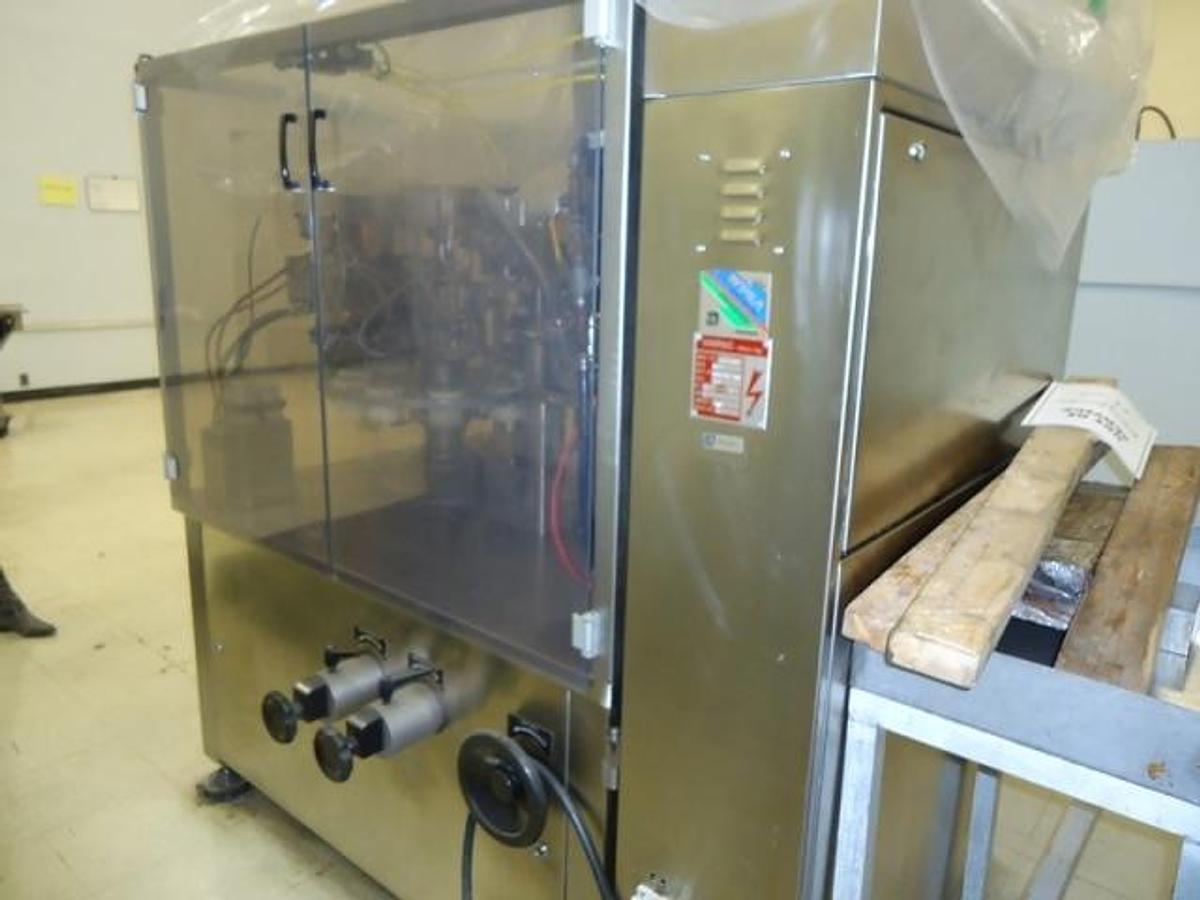
A thorough inspection of a used Unipac tube filling machine should cover both mechanical and product-contact components. On the mechanical side, buyers should check the condition of the drive systems, cam mechanisms, indexing systems, and any pneumatic or electrical components. Wear on these parts can affect machine timing and output consistency. The sealing station deserves particular attention, since sealing jaws, heating elements, and ultrasonic transducers are subject to wear and can be costly to replace.
Product-contact components including filling nozzles, pistons, cylinders, and hoppers should be inspected for wear, corrosion, or residue from previous production runs. Buyers should also ask about the machine's maintenance history and whether any parts have been replaced. Most used equipment dealers will accommodate in-person inspections or provide detailed video walkthroughs of the machine in its current state. Keep in mind that most dealers do not have the permits or setup to run actual production tests with product, so inspections typically focus on mechanical operation rather than a full production trial. Consulting the manufacturer about parts availability for the specific model and serial number is also a smart step before committing to a purchase.
How does buying a used Unipac machine differ from buying one directly from the manufacturer?
Purchasing a used Unipac tube filling machine from a secondary market dealer is fundamentally different from buying through the manufacturer's sales channel. Used machines are sold as-is, meaning the buyer takes on responsibility for assessing the equipment's condition prior to purchase. There are no manufacturer warranties on used equipment, and the price reflects the machine's age, condition, and configuration rather than the cost of a factory-built unit. The trade-off is a significantly lower acquisition cost, which can make professional-grade tube filling equipment accessible to businesses that could not otherwise afford it.
To reduce risk when buying used, buyers should prioritize dealers who specialize in packaging machinery and have a verifiable track record in the industry. Reputable dealers will provide honest descriptions of machine condition, accommodate inspections, and be transparent about any known issues. It is also worth contacting the manufacturer directly to ask about technical support, parts availability, and service documentation for the specific model being considered, since older or discontinued models may have limited support. The age of the machine and its production history are important variables in evaluating long-term reliability and total cost of ownership.
What are the typical shipping and logistics considerations for a used Unipac tube filling machine?
Tube filling and sealing machines are industrial equipment with significant weight and dimensional requirements, which means shipping logistics deserve careful planning. Smaller models may be palletized and shipped via freight carrier, while larger, heavier machines like the Silver 100 may require professional rigging for loading and unloading. Rigging services involve specialized equipment and trained operators and will add to the total landed cost of the purchase.
Packaging quality is critical to prevent damage in transit. Buyers should ask the seller specifically how the machine will be prepared for shipping, whether that involves standard palletization, custom crating, or foam protection for sensitive components. Shipping costs will vary based on the packaging method, the origin and destination, and the freight carrier selected. Buyers should request a fully itemized breakdown of packaging, rigging, and freight costs before finalizing a purchase so there are no surprises in the total cost. For international shipments, customs duties, import permits, and compliance with destination-country electrical standards (voltage and frequency) are additional factors to address in advance.