Category
Manufacturer
Model
FAQ:
What is a TUCS filling machine and what industries use them?
TUCS filling machines are specialized packaging equipment designed primarily for filling and sealing flexible tubes and pouches. They are widely used across industries where precise, contained filling of viscous or semi-viscous products is required, including cosmetics, personal care, pharmaceuticals, nutraceuticals, and food manufacturing. The machines are built to handle a broad range of product viscosities, from thin lotions and serums to thick creams, gels, ointments, and pastes, making them versatile across production environments.
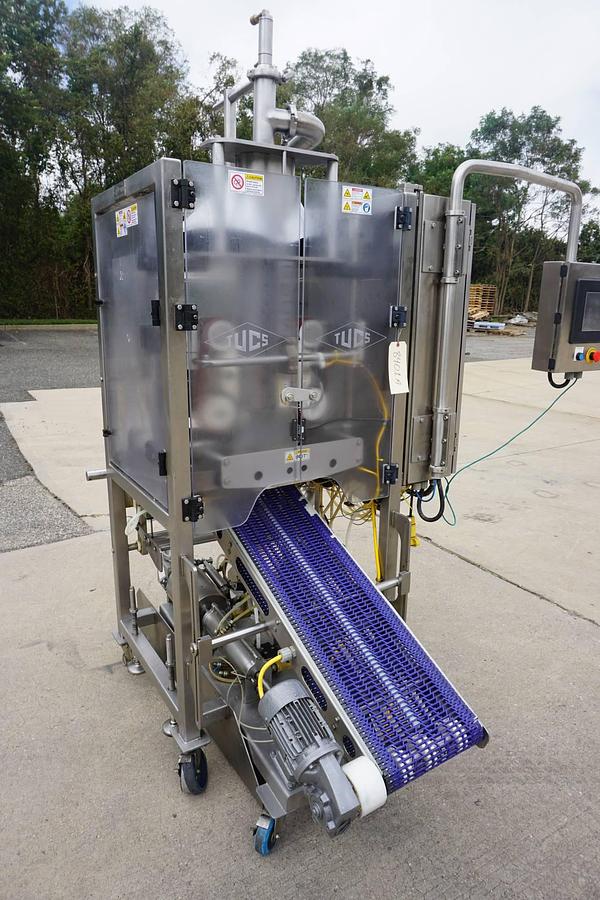
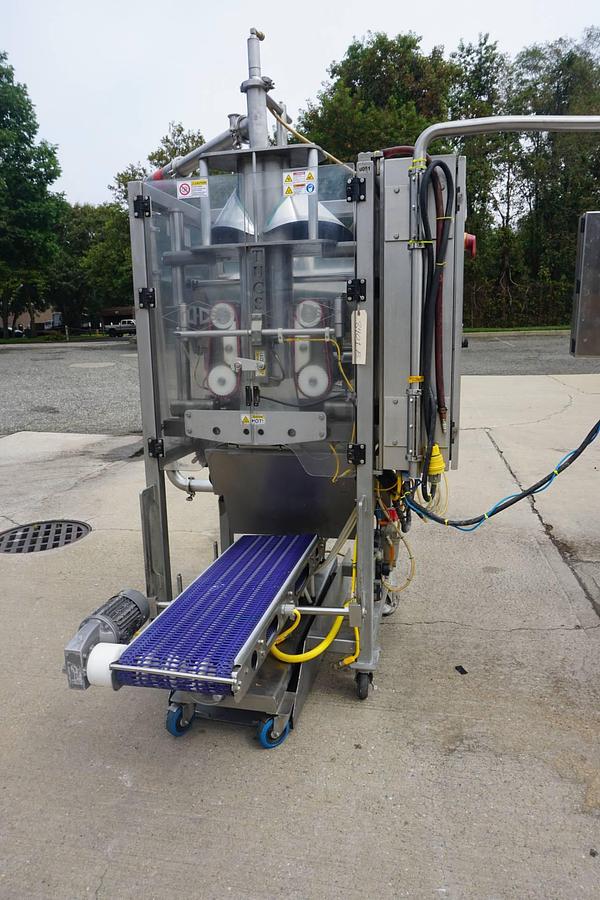
Within these industries, TUCS equipment is valued for its ability to maintain fill accuracy, reduce product waste, and support sanitary production standards. Models like the TUCS TEVFF-10S, for example, are stainless steel form/fill/seal machines that combine tube forming, product filling via piston, and sealing into a single integrated process. This kind of all-in-one functionality is particularly attractive to manufacturers looking to minimize floor space and labor while maintaining consistent output quality. Buyers in regulated industries also tend to prioritize TUCS machines because the stainless steel construction supports GMP-compliant cleaning and sanitation protocols.
What types of TUCS filling machines are available on the used equipment market?
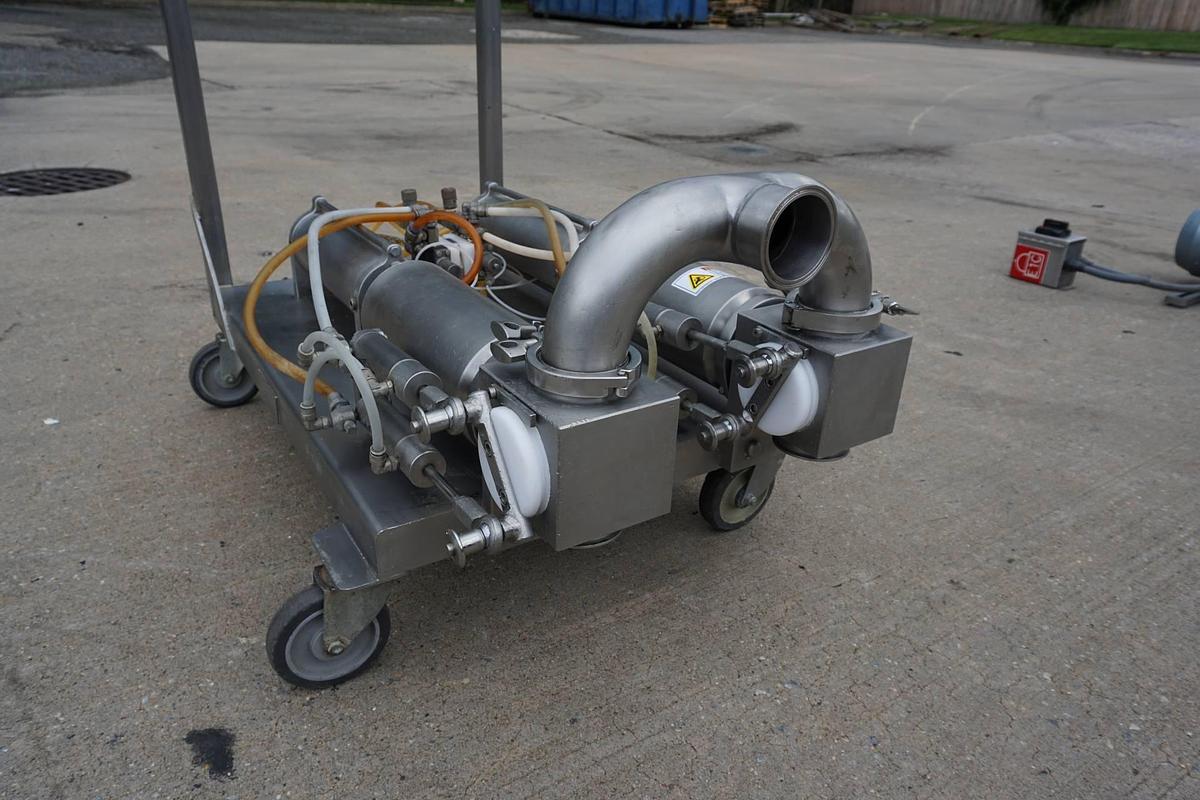
The used market for TUCS filling machines typically includes a few distinct categories of equipment. Form/fill/seal machines, like the TUCS TEVFF-10S, are among the most commonly listed units. These machines take flat roll stock, form it into a tube or pouch shape, fill it with product using a piston mechanism, and then seal the package, all in one continuous process. Piston filling stations are another category, which focus specifically on the filling function and are sometimes mounted on portable carts for added flexibility on the production floor.
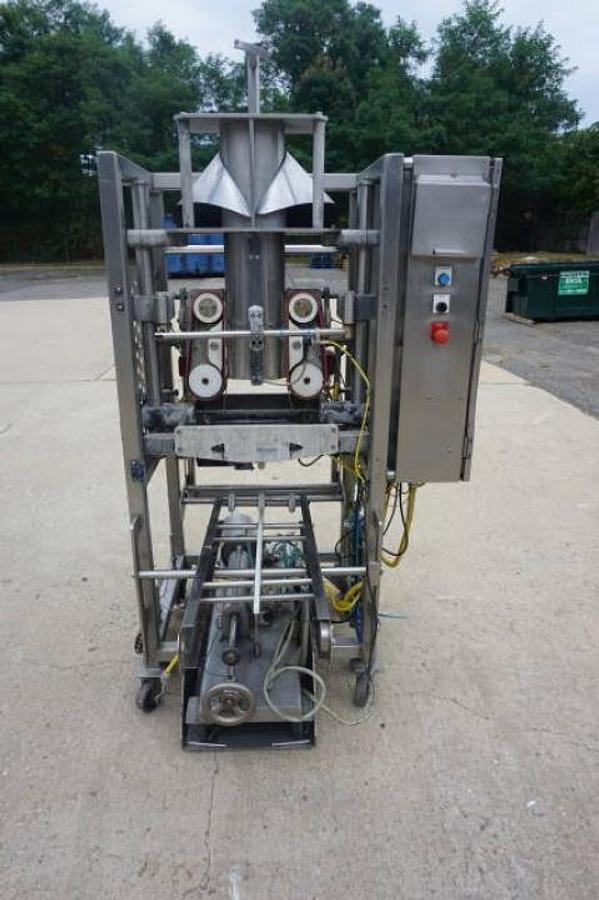
Buyers will also occasionally find incomplete or partial machines listed, such as the Tucs TVF-10-25C Form/Fill/Seal Machine listed as incomplete. These units can be a cost-effective option for operations that already have complementary equipment or are looking to source specific components. It is important for buyers to carefully review the listed specifications and condition notes for any used TUCS machine, and to arrange an inspection before purchase to confirm what components are present and functional. Incomplete machines may require additional parts sourcing or fabrication to reach full operational status.
What fill volumes or capacities do TUCS filling machines typically support?
TUCS filling machines are generally designed to accommodate a range of fill volumes, making them adaptable to different product formats and container sizes. Piston-based filling systems, which are common across the TUCS product line, allow operators to adjust fill volume by modifying the piston stroke length. This gives production teams the ability to dial in precise fill weights or volumes and to change between different container sizes without replacing core machine components. Depending on the specific model, fill ranges can span from just a few milliliters up to several hundred milliliters per cycle.
The TEVFF-10S models, for instance, are piston fill machines built in stainless steel and designed for form/fill/seal applications, which typically target small to mid-range tube or pouch formats common in cosmetics and pharmaceutical packaging. Buyers evaluating a specific used TUCS machine should request full specifications from the seller, including the fill range, piston size, and any tooling that is included with the machine. Tooling for different tube diameters or pouch widths may or may not be included with a used unit, and sourcing replacement or additional tooling is a factor worth investigating before finalizing a purchase.
Are TUCS filling machines fully automatic, semi-automatic, or manual?
TUCS offers equipment across different automation levels, and the used market reflects this variety. Semi-automatic machines, including standalone piston filling stations, require an operator to position containers and initiate fill cycles, but handle the metering and dispensing automatically. These are well-suited to smaller production runs, startups, or operations that produce multiple SKUs with frequent changeovers, since they offer more hands-on control without requiring the capital investment of a fully automated line.
Fully automatic form/fill/seal machines, like the TUCS TEVFF-10S, integrate multiple packaging steps into a single automated sequence with minimal operator intervention once the machine is running. These are better suited to higher-volume production environments where throughput consistency and labor efficiency are priorities. Buyers should clarify the automation level of any specific used machine they are evaluating, since the production speed, labor requirements, and integration needs will vary significantly between a portable piston filling station and a full form/fill/seal system. The listings available on any given used equipment platform will reflect whichever units have come off production lines and entered the secondary market.
What production speeds can be expected from a used TUCS filling machine?
Production speed on TUCS filling machines depends heavily on the model, automation level, product viscosity, and the condition of the specific used unit. Form/fill/seal machines in the TUCS line are designed for continuous or indexed production and can typically cycle at rates measured in units per minute, with output varying based on fill volume, sealing time, and how well the machine has been maintained. Semi-automatic piston filling stations have lower throughput by design, since each cycle depends in part on operator interaction.
When evaluating a used TUCS machine, buyers should be cautious about assuming the machine will perform at its rated speed without first understanding its service history and current mechanical condition. Used equipment that has been well-maintained and recently serviced may perform close to its design specifications, while machines that have been sitting idle or were decommissioned due to wear may require reconditioning before reaching consistent production speeds. Requesting an inspection, either in person or via video, is the most reliable way to assess whether a specific machine is likely to meet production throughput requirements before committing to a purchase.
Is a used TUCS filling machine a good option for small businesses or startups?
For small businesses and startups in cosmetics, personal care, or food production, a used TUCS filling machine can represent a practical path to professional-grade packaging without the cost of buying equipment direct from the manufacturer. Semi-automatic piston filling stations in particular, including portable cart-mounted units, are designed for lower-volume environments and give smaller operations the ability to fill tubes or pouches with a level of consistency and hygiene that manual methods cannot reliably deliver. The used market also means acquisition costs are typically a fraction of what comparable equipment would cost when sourced through a manufacturer's sales channel.
That said, small businesses should go in with realistic expectations about used equipment. Machines sold on the secondary market are offered as-is, meaning the buyer takes on responsibility for verifying condition, sourcing any needed parts, and handling any necessary repairs or recalibration. Startups with limited technical staff or maintenance budgets should factor in the potential cost of getting a used machine into reliable running order. Choosing a reputable used equipment dealer with experience in packaging machinery, and taking full advantage of any inspection opportunities offered before purchase, will significantly reduce the risk of acquiring a machine that requires more investment than anticipated.
What should buyers inspect before purchasing a used TUCS filling machine?
A thorough inspection is one of the most important steps in buying any used filling machine. For TUCS equipment, buyers should look closely at the condition of the piston and cylinder assembly, since these are the core fill components and wear in this area directly affects fill accuracy. The sealing jaws or heat sealing elements on form/fill/seal models should be examined for wear, pitting, or damage, as replacement sealing components can be costly. Stainless steel surfaces should be checked for corrosion, deep scratches, or weld repairs that might compromise sanitary performance or structural integrity.
Beyond the mechanical components, buyers should ask whether the machine is still connected to a production line where it can be observed running, or whether it has been decommissioned. Most used equipment dealers can facilitate in-person inspections, virtual walkthroughs, or video captures of the machine to give buyers a clear picture of its current condition. Keep in mind that dealers typically do not have the permitting required to run actual product through a machine, so testing will generally be limited to dry cycling or observing mechanical function without live production. Buyers should also ask about the serial number and model specifics so they can contact the manufacturer directly to understand parts availability and what level of technical support might still be available for that particular unit.
How does the buying process work for used TUCS filling machines?
Purchasing a used TUCS filling machine generally follows a straightforward process, though there are several steps buyers should take to protect themselves. After identifying a machine of interest, the buyer should review all available specifications and photos, then request an inspection. Reputable used equipment dealers will accommodate in-person visits, virtual video calls, or provide detailed video documentation of the machine's condition. For machines still installed at a production facility, the dealer may coordinate access to the site so the buyer can see the equipment in its operating environment.
Payment terms in the used equipment market typically require payment in full prior to shipment. Some dealers extend terms to buyers with an established purchasing history, but first-time buyers should expect to pay upfront. After payment, the dealer will coordinate packaging and shipping. Buyers should ask specifically about how the machine will be packaged or crated, what rigging is required for loading and unloading, and what the total landed cost will be including freight. Larger machines like form/fill/seal systems may require specialized rigging equipment for safe loading and unloading, which adds to the overall cost. Getting a clear picture of all these logistics costs before finalizing the purchase will prevent surprises once the machine is in transit.
What are the shipping and logistics considerations for used TUCS filling machines?
Shipping a used filling machine requires more planning than typical freight because of the size, weight, and precision components involved. Machines should be properly palletized or crated before transport to prevent damage to sensitive components like piston assemblies, sealing heads, and control panels. The level of packaging required will affect the overall shipping cost, and buyers should ask the dealer upfront what packaging method will be used and whether crating is included in the quoted price or billed separately.
For larger TUCS form/fill/seal systems, specialized rigging equipment may be needed to safely load the machine onto a truck at the origin and unload it at the destination. This is particularly relevant if the buyer's facility does not have a loading dock or forklift available. Buyers should confirm their own unloading capabilities before the machine ships to avoid delays or damage at delivery. International buyers face additional considerations including export documentation, customs clearance, and import duties, all of which should be factored into the total cost of acquisition. Asking the dealer for a detailed quote that breaks out machine price, packaging, rigging, domestic freight, and any applicable export fees gives buyers the clearest picture of what they will actually spend to get the equipment operational.
What does it mean when a used TUCS filling machine is listed as 'incomplete'?
An incomplete machine listing means the unit being sold is missing one or more components required for full operation. In the case of something like the Tucs TVF-10-25C Form/Fill/Seal Machine listed as incomplete, this could mean missing tooling, absent control panels, removed sealing components, or other parts that were stripped before or after decommissioning. Incomplete machines are typically priced lower than fully intact units to reflect the additional investment required to bring them to operational status.
Buyers considering an incomplete machine should approach the purchase with a clear understanding of exactly what is and is not included. Before buying, it is worth contacting the manufacturer to determine whether the missing parts are still available for purchase and what they would cost. In some cases, parts for older models may be difficult to source, which could make an incomplete machine a risky investment. In other cases, a buyer who already has compatible tooling or spare components from another machine of the same model may find an incomplete unit represents excellent value. The key is doing the homework upfront rather than discovering the gaps after the machine has already been shipped and paid for.