Category
Manufacturer
Model
Toresani
Toresani is known for its high-quality packaging machinery, primarily serving the food and beverage industries. They are particularly recognized for their filling and sealing systems that enhance production efficiency. Toresani’s focus on reliability and performance makes them a preferred choice for manufacturers.
FAQ:
What types of pasta machines does Toresani make?
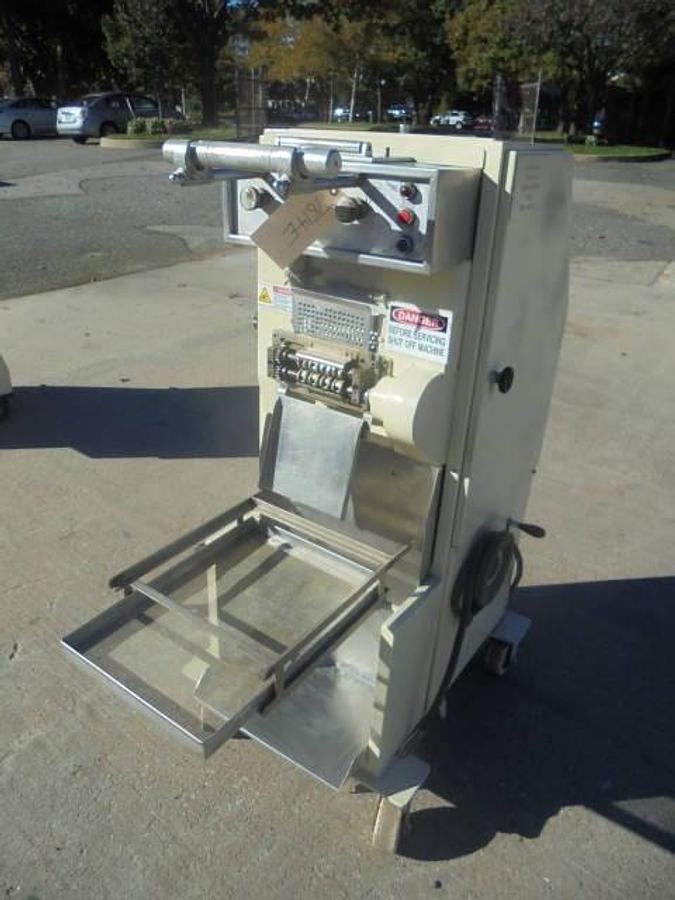
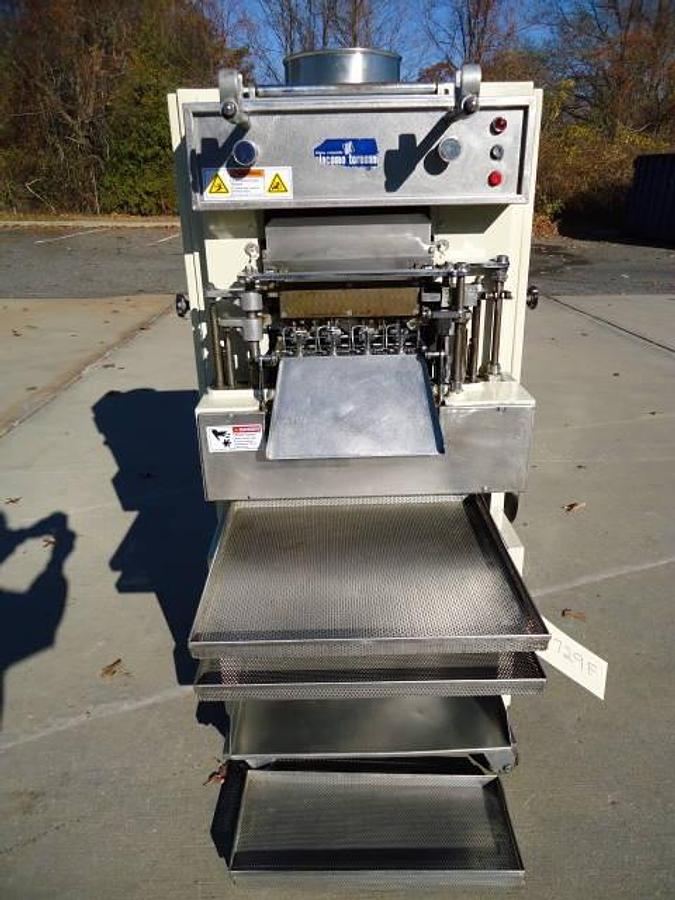
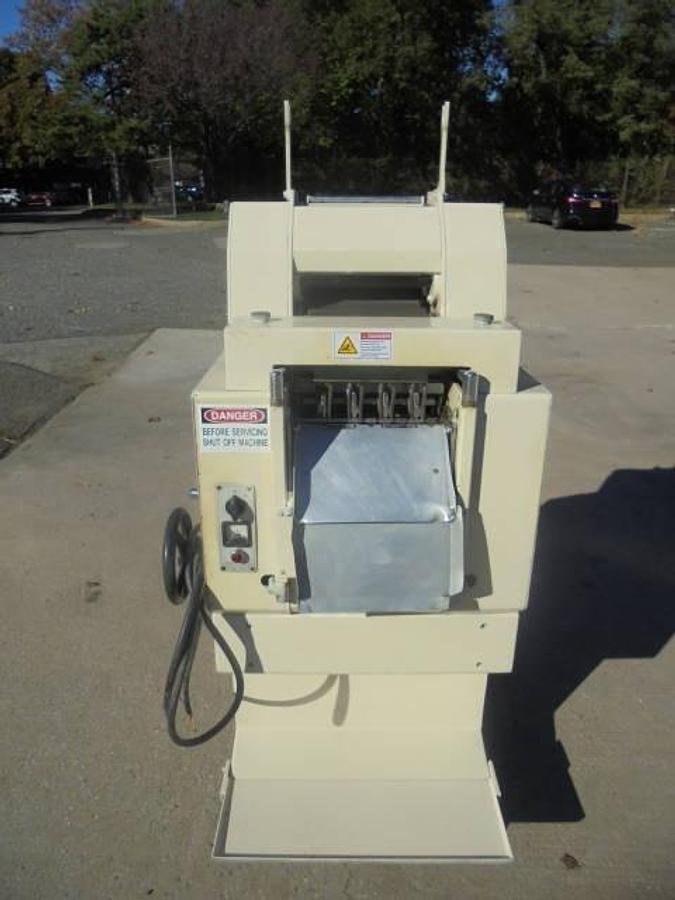
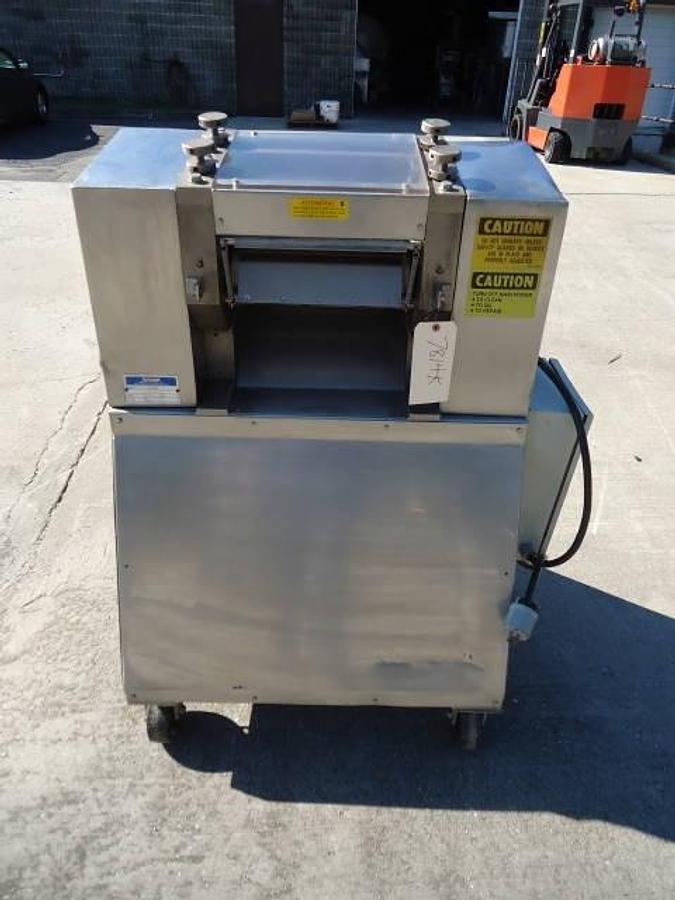
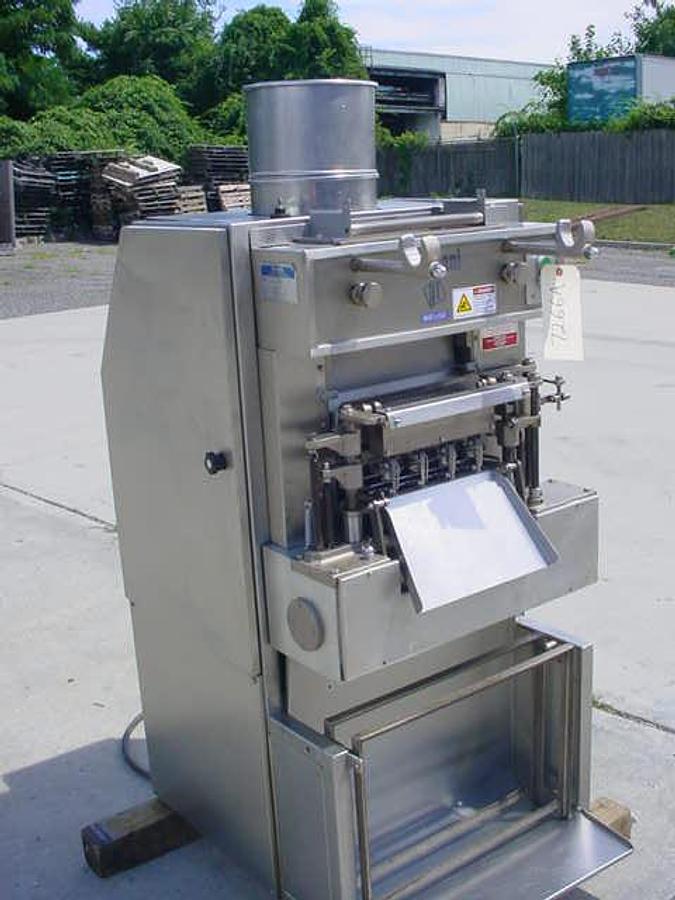
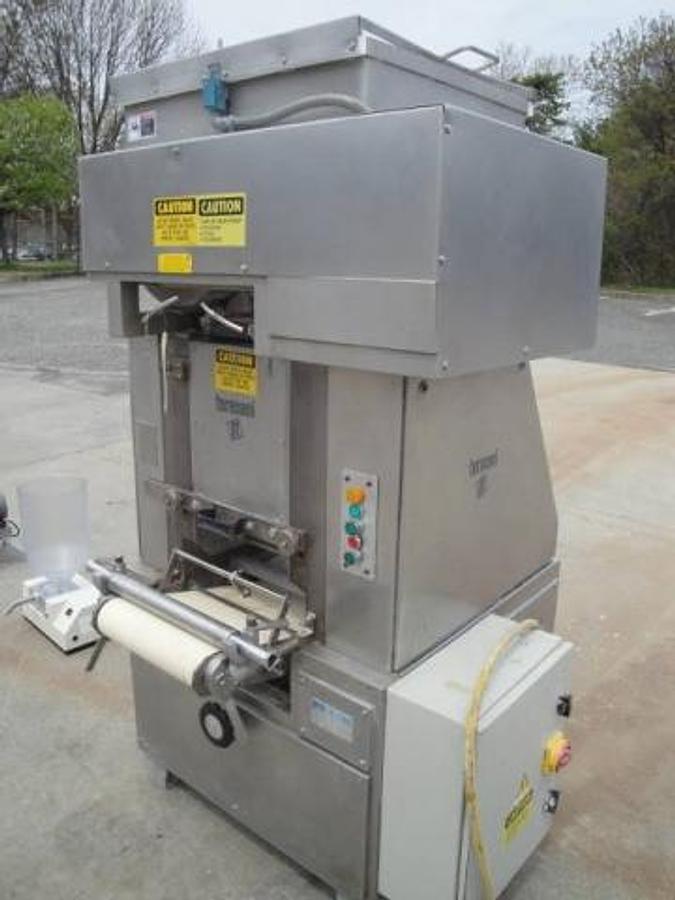
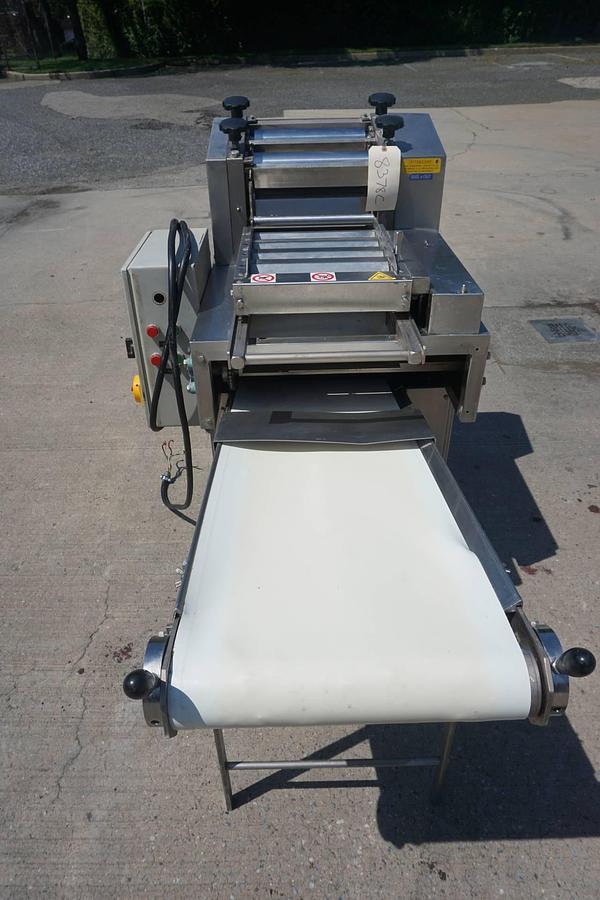
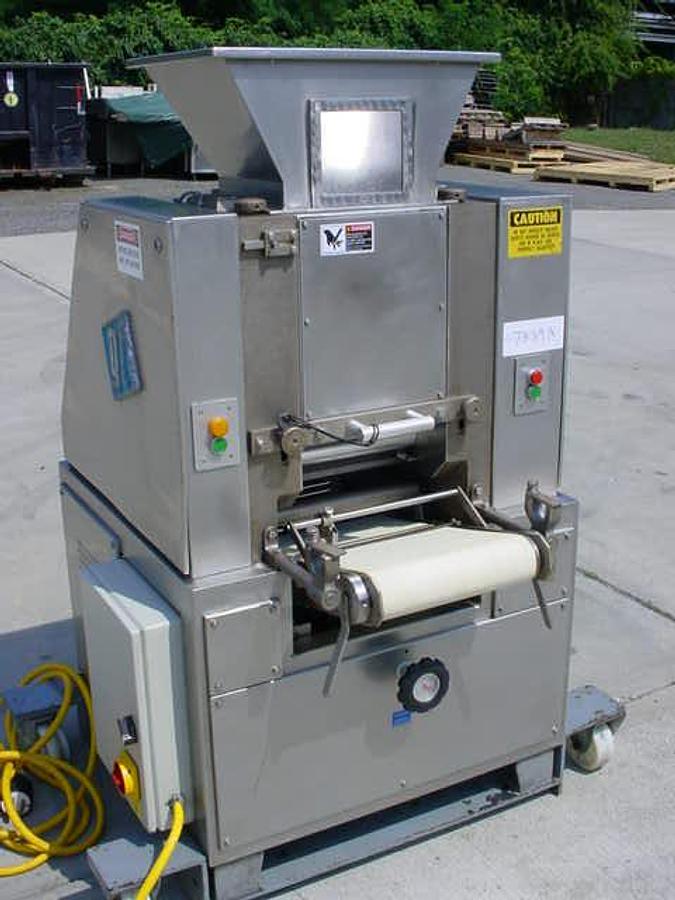
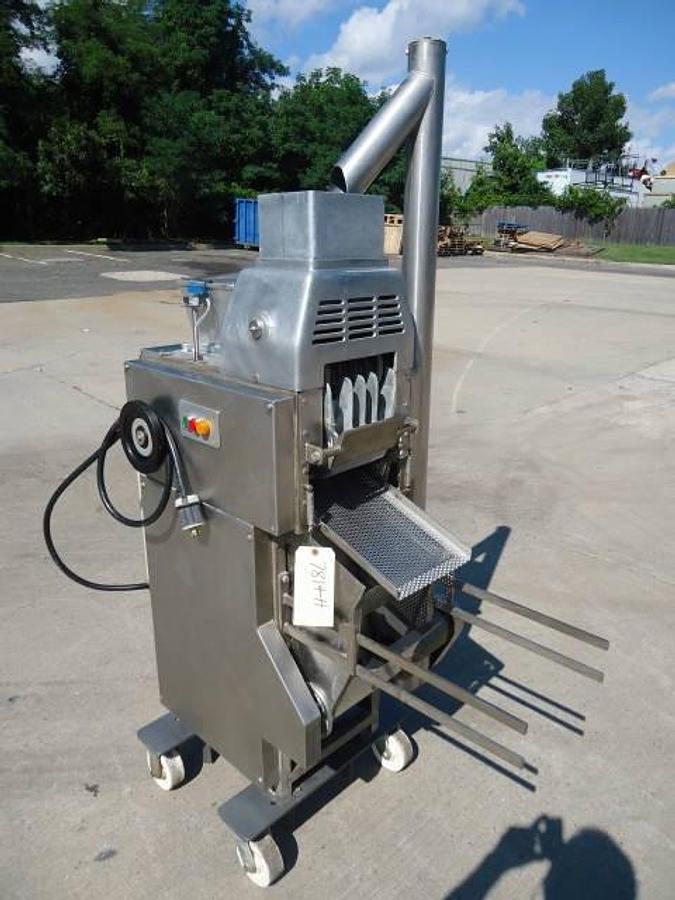
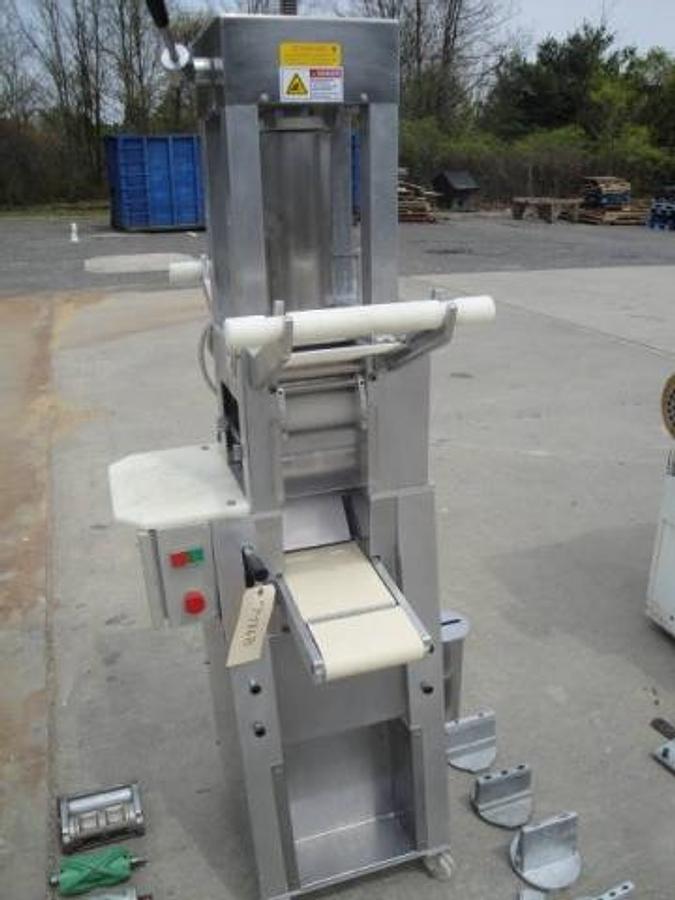
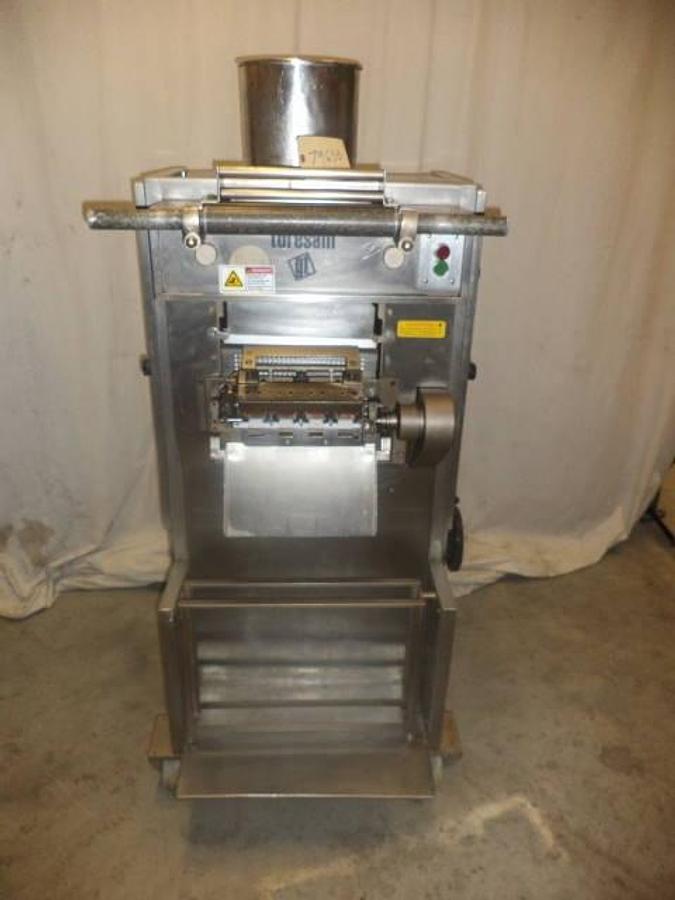
Toresani produces a wide range of pasta production equipment covering most stages of the pasta-making process. Their lineup includes pasta sheeters and cutters (such as the CISF-300A and LDC-300 fine pasta sheeter), filled pasta machines for tortellini, tortelloni, cappelletti, ravioli, agnoletti, and half-moon shapes, as well as mixers, gnocchi machines, and complete pasta sheeting and cutting lines. Many of their machines are available in portable configurations, which makes them practical for smaller production environments or facilities with limited floor space.
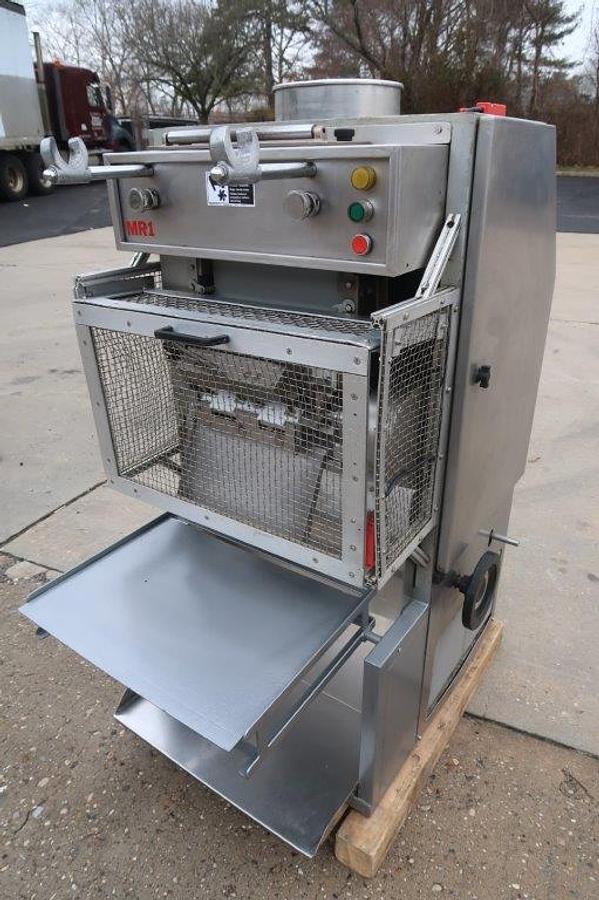
The brand is particularly well regarded for its filled pasta machinery. Models like the MR-265A, MR1, and MT-265A handle high-volume tortellini and tortelloni production with multiple punch heads, while machines like the RR-160 two-up ravioli machine cater to operations that need consistent, repeatable results across different pasta shapes. This breadth of product means a single manufacturer can supply equipment for nearly every step of a fresh pasta operation, from mixing dough to cutting finished shapes.
Who typically uses Toresani pasta machinery?
Toresani equipment is built for commercial and semi-industrial pasta production rather than home use. The machines are commonly found in fresh pasta shops, Italian delicatessens, restaurant commissaries, and small to mid-scale food manufacturing facilities. Their portability options and range of output capacities make them accessible to operations that are scaling up from artisan production without yet needing full industrial throughput.
The equipment is Italian-made and carries a reputation for precision engineering and durability, which has made it a preferred choice among producers who prioritize consistent pasta quality over purely low-cost output. Buyers running high-volume catering operations, specialty food brands, or contract pasta production facilities also frequently seek out Toresani machines because the equipment can handle extended production runs while maintaining shape accuracy, which matters especially for filled pasta like tortellini and ravioli where seal integrity directly affects product quality and shelf life.
What are the advantages of buying used Toresani pasta machinery instead of purchasing new equipment?
Used Toresani machinery offers a significant cost advantage for buyers who want Italian-made, commercial-grade pasta production equipment without the capital outlay of purchasing from the manufacturer. Italian pasta machinery in this category commands premium pricing due to craftsmanship and engineering quality, so the used market gives smaller producers and startups access to equipment that would otherwise be out of budget. A used Toresani sheeter or filled pasta machine that has been well maintained can deliver the same output quality as it did when first put into service, since these machines are built for long service lives in demanding production environments.
There are practical considerations to keep in mind. Used equipment is typically sold as-is, so buyers carry the responsibility of thoroughly evaluating condition before purchase. Requesting an in-person or video inspection is strongly advisable, and consulting with Toresani or an authorized service technician beforehand can help determine whether parts and technical support are available for the specific model and age of machine being considered. Dealers who specialize in food production equipment and have a long track record in the industry are generally the most reliable source for used Toresani machinery, as they are better positioned to provide accurate condition assessments and facilitate proper inspections.
What should I inspect when evaluating a used Toresani pasta machine before buying?
A thorough inspection of a used Toresani pasta machine should cover mechanical condition, wear on key components, and the overall state of the frame and food-contact surfaces. For filled pasta machines like tortellini or ravioli models, pay close attention to the punch heads, dies, and sealing mechanisms, since these parts experience the most stress during production and are critical to consistent shape and seal quality. On sheeters and cutters, check the rollers for scoring, uneven wear, or surface pitting that could affect dough consistency. Stainless steel cabinetry should be inspected for corrosion, dents, or damage that might indicate the machine was not properly maintained or cleaned.
Most reputable used equipment dealers will accommodate in-person inspections at their facility or, where the machine is still at a production site, can arrange access through the seller. Video inspections and photo documentation are also commonly offered and can provide a reasonable assessment of condition when travel is not practical. Keep in mind that dealers generally do not have the permitting or setup required to run live production tests, so buyers should factor that limitation into their evaluation process. Asking about the machine's production history, the reason for decommissioning, and whether any components have been replaced can also provide useful context for assessing remaining service life.
Are spare parts and technical support available for used Toresani pasta machines?
Parts availability for Toresani machines varies depending on the model and how long ago it was manufactured. As a general rule with used Italian pasta machinery, buyers should contact Toresani directly before purchasing a specific machine to confirm whether replacement parts, dies, and consumables are still stocked or can be fabricated for that particular model. Older or discontinued models may have limited manufacturer support, while more recent models are more likely to have an active parts supply chain. This is one of the most important due-diligence steps a buyer can take before committing to a used machine purchase.
Beyond the manufacturer, some specialized pasta equipment service technicians and third-party parts suppliers stock common wear items for Toresani machines, particularly dies and cutting components that see regular replacement in active production environments. When evaluating a used machine, it is worth asking the seller whether any spare parts or additional dies are included in the sale, as these can add meaningful value and reduce downtime risk after installation. Dealers who have been active in the food production equipment market for many years are often a useful resource for identifying service contacts and parts sources for specific Toresani models.
What pasta shapes can Toresani filled pasta machines produce?
Toresani filled pasta machines are designed to produce a range of classic Italian filled pasta shapes, with different models configured for specific formats. Common shapes produced by Toresani equipment include tortellini, tortelloni, cappelletti, ravioli, agnoletti, and half-moon pasta. Some machines, like the MT-265A and MR-265A, are four-punch designs that produce multiple pieces per cycle, which increases output rate without requiring a larger footprint. The MR1 tortelloni machine accepts interchangeable dies, allowing operators to switch between shapes without replacing the entire machine.
The specific shapes a machine can produce are largely determined by the dies included with it. When purchasing a used Toresani filled pasta machine, it is worth confirming exactly which dies are included in the sale, as additional dies represent a separate cost and may need to be sourced independently. Some used machines come with assorted die sets that expand production flexibility considerably. Buyers with specific shape requirements should verify die compatibility with the model they are considering, particularly if they plan to produce less common formats like agnoletti or specific regional variations of cappelletti.
How does Toresani pasta machinery compare to other Italian pasta equipment brands?
Toresani sits alongside other well-regarded Italian pasta machinery manufacturers and is generally considered a quality mid-to-upper tier option in the commercial pasta equipment market. Italian-made pasta machines as a category are valued for their engineering precision, food-grade construction, and longevity in production environments. Toresani's particular strength is in filled pasta machinery, where consistent dough sheeting, accurate portioning, and reliable sealing are critical to product quality and yield. Their machines are built with these requirements in mind, which is why they are found in professional pasta production settings rather than hobbyist or low-volume applications.
In the used equipment market, Toresani machines tend to hold their value reasonably well compared to less specialized or lower-tier brands, partly because of their reputation for durability and partly because demand from fresh pasta producers remains steady. Buyers comparing brands should consider not just the machine's condition and price but also parts availability, manufacturer support for the specific model, and whether the dealer selling the equipment has genuine expertise in pasta production machinery. A used Toresani machine from a specialized dealer is generally a safer purchase than the same machine sourced through a general industrial auction where condition history and parts availability are unknown.
What are the shipping and logistics considerations when buying a used Toresani pasta machine?
Shipping used pasta machinery requires careful planning, particularly for larger or heavier equipment like complete sheeting and cutting lines or multi-head filled pasta machines. Packaging requirements vary based on the size and fragility of the machine. Smaller portable units may ship on a pallet with appropriate protective wrapping, while larger machines typically require custom crating to prevent damage in transit. Buyers should ask the dealer specifically what packaging is included in the quoted price and what the total landed cost will be, including any rigging fees for loading and unloading at either end of the shipment.
For heavy equipment, professional rigging is often required to safely load the machine onto a freight carrier and unload it at the destination. This is an added cost that buyers sometimes overlook when budgeting for a purchase. International shipments of Italian-made machinery may also involve customs clearance, import duties, and compliance documentation that add time and cost to the process. Getting a clear breakdown of all logistics costs before finalizing a purchase avoids surprises and allows for accurate total cost comparisons between machines that may be priced differently but located at varying distances from the buyer's facility.
What payment terms should I expect when purchasing used Toresani pasta equipment?
Used equipment dealers in the pasta machinery market typically require full payment before a machine is released for shipping. This is standard practice in the industry and reflects the fact that used equipment transactions do not carry the same financing infrastructure as purchases from manufacturers or authorized distributors. Buyers should expect to pay in full prior to shipment, and should factor this into their cash flow planning, particularly for higher-value machines like complete pasta lines or multi-head filled pasta systems.
Some dealers may offer payment terms to established customers with a prior purchase history, but this is the exception rather than the rule for first-time buyers. When purchasing a used machine at a significant price point, it is reasonable to ask the dealer about payment options and whether any escrow or staged payment arrangements are possible. Buyers should also confirm exactly what is included in the purchase price, such as dies, spare parts, documentation, and any agreed-upon inspection or testing, so that the full scope of the transaction is clearly understood before funds are transferred.
What production capacity can I expect from a Toresani pasta machine?
Production capacity varies considerably across Toresani's range depending on the machine type, model, and configuration. Filled pasta machines with four punch heads, such as the MT-265A tortellini machine or the MR-265 four-punch model, are designed for higher output than two-head or single-head alternatives, producing multiple pieces per machine cycle. For reference, commercial tortellini machines in this category can typically produce several hundred to several thousand pieces per hour depending on pasta size, dough consistency, and machine speed settings. Sheeters and cutters like the CISF-300 and LDC-300 are sized for continuous production and are matched to the throughput requirements of small to mid-scale fresh pasta operations.
When evaluating a used machine, actual output capacity depends not only on the model specifications but also on the condition of the equipment. Worn dies, degraded drive components, or improperly calibrated sealing mechanisms can reduce effective output and increase waste. Buyers should ask dealers for the machine's rated capacity and, where possible, any available production history. If the machine is still in active use at a production facility, an in-person inspection may allow observation of the equipment running, which provides a more reliable picture of real-world throughput than specifications alone.