Category
Manufacturer
Model
Terco
Terco specializes in manufacturing equipment for the food and beverage industry, particularly known for their high-quality packaging solutions. They provide a range of machines including shrink wrappers and case packers that enhance production line efficiency. Their commitment to innovation allows them to meet the changing needs of their customers in a competitive market.
FAQ:
What types of packaging equipment does Terco manufacture?
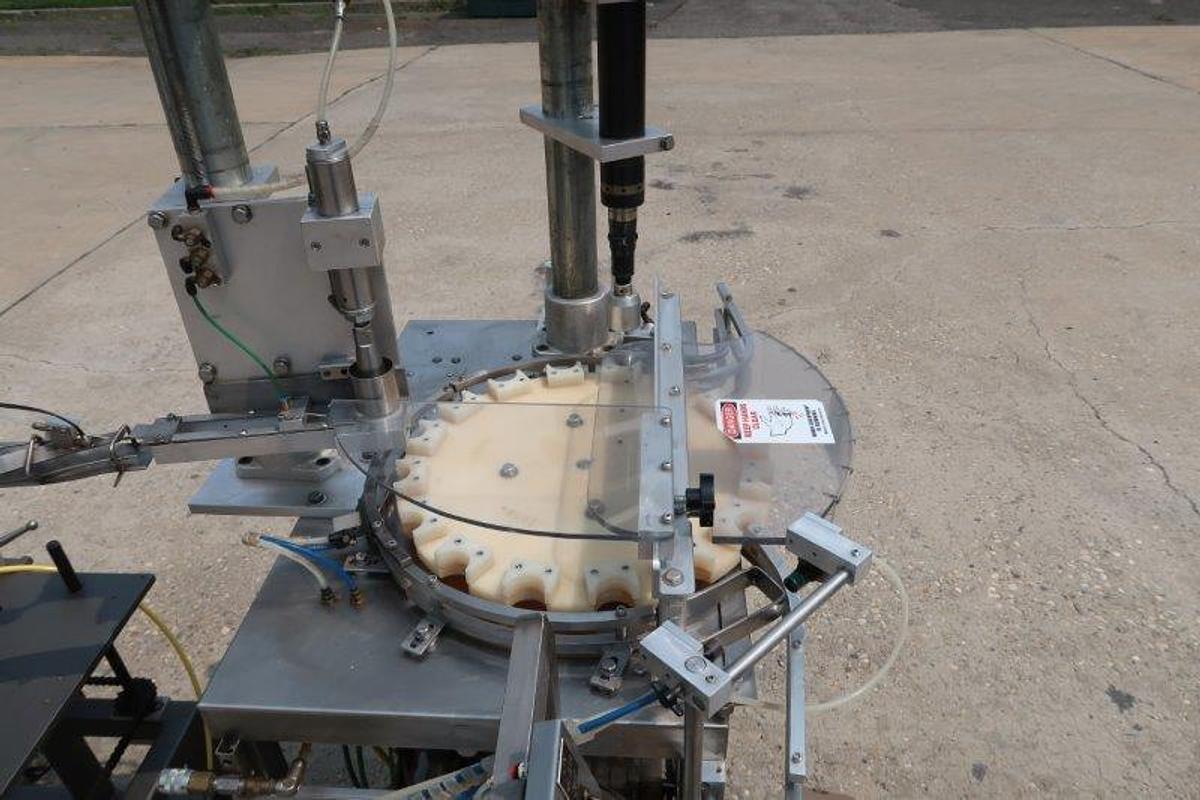
Terco is primarily known for producing packaging machinery designed for the food and beverage industry. Their product lineup includes shrink wrappers, case packers, and capping equipment such as air-operated chuck cappers. These machines are built to handle the demands of production environments where speed, consistency, and hygiene are critical. Shrink wrappers are used to apply a tight plastic film around products or grouped containers, while case packers automate the process of placing products into shipping cases, reducing labor costs and improving throughput.
Beyond those core categories, Terco-style packaging equipment is associated with a broader range of solutions including strapping machines, wrapping systems, sealing equipment, and filling machines. This variety makes Terco a practical option for small to mid-size manufacturers looking to automate multiple stages of their packaging line without sourcing machinery from a dozen different suppliers. When buying used Terco equipment, it is worth confirming the exact model and its intended application, since some machines are configured for specific container types, speeds, or product formats that may not be immediately obvious from the model name alone.
What industries use Terco packaging equipment?
Terco has a strong foothold in the food and beverage sector, where their shrink wrappers and case packers are used to package everything from bottled beverages to canned goods and boxed food products. The food industry demands packaging equipment that can handle high-volume runs while meeting sanitation standards, and Terco machines are designed with those requirements in mind. Their capping equipment, such as the air-operated chuck capper, is particularly relevant for beverage and condiment producers who need reliable, repeatable torque application on bottles and jars.
While food and beverage is the primary market, the secondary market for used Terco equipment shows buyers from a wider range of industries. Pharmaceutical, personal care, and household products manufacturers have been known to adopt Terco capping and sealing equipment where their container formats are compatible. Small to mid-size manufacturers across these sectors often turn to the used equipment market specifically because it allows them to access well-built industrial machinery at a fraction of the cost of purchasing comparable equipment elsewhere. Confirming that a specific Terco model fits your product type and production speed before purchasing is always a smart step.
Where can I find used Terco packaging equipment for sale?
Used Terco packaging equipment appears regularly in the secondary market through specialized used machinery dealers who focus on packaging and food processing equipment. These dealers typically carry a rotating inventory of machines sourced from plant closures, production line upgrades, and equipment auctions. Buying from a dealer that specializes in packaging machinery is generally preferable to purchasing from a general auction platform, because specialized dealers are more likely to have technical knowledge of the equipment, can provide better condition assessments, and are more likely to accommodate inspection requests before purchase.
When evaluating where to buy, it pays to look for dealers with a long track record in the packaging equipment space. A dealer who has been selling this category of machinery for many years will have a better sense of what to look for when sourcing machines, and they are more likely to have connections to parts suppliers and service technicians. Asking a dealer how long they have been in business, what their inspection process looks like, and whether they can provide photos, video walkthroughs, or in-person inspections of a specific machine will tell you a lot about the quality of their operation before any money changes hands.
What should I inspect before buying used Terco packaging equipment?
Before committing to a purchase, buyers should request a thorough inspection of the machine. Reputable used equipment dealers will typically accommodate in-person visits, virtual walkthroughs, or video recordings that show the machine's current condition. During an inspection, pay close attention to wear on mechanical components such as belts, chains, sealing jaws, and drive systems. For capping equipment like the Terco air-operated chuck capper, check the condition of the chucks themselves, the air supply components, and the torque adjustment mechanisms. For shrink wrappers and case packers, look at the conveyor systems, film feed mechanisms, and heat elements.
Keep in mind that most used equipment dealers do not have the permits or facilities to run full production tests with actual product. What they can typically do is demonstrate that the machine powers on, that mechanical systems move freely, and that there are no obvious signs of damage or heavy corrosion. If the machine is still in active use at a production facility, it may be possible to arrange an inspection at that location where the equipment can be observed running. Buyers should also contact Terco or their authorized service network to ask about parts availability and technical support for the specific model they are considering, since older models may have limited support options.
What is the typical price range for used Terco packaging machines?
Pricing for used Terco packaging equipment varies considerably depending on the machine type, age, condition, and included accessories. Entry-level or older individual units such as a standalone capper or a basic shrink wrapper can sometimes be found in the range of a few thousand dollars, while more complex systems like fully configured case packers or integrated packaging lines can run significantly higher. The secondary market for industrial packaging equipment is not as standardized as consumer goods pricing, so two machines with the same model number can carry very different price tags based on how well they were maintained and what condition they are in.
The best way to get an accurate sense of market pricing is to compare listings across multiple reputable used equipment dealers and to ask dealers directly for a quote on specific machines. Beyond the purchase price, buyers should factor in additional costs including rigging, crating or palletizing for shipment, freight, and any reconditioning or parts replacement needed after arrival. These costs can add up quickly, particularly for larger machines that require heavy-duty rigging equipment for loading and unloading. Getting a full landed cost estimate before agreeing to a purchase will prevent surprises and make it easier to compare options accurately.
How does buying used Terco equipment compare to buying comparable machinery from other sources?
Buying used Terco packaging equipment from a specialized dealer offers a middle ground between purchasing surplus machinery at auction and sourcing equipment directly from a manufacturer. Auction purchases can be very low cost but typically come with minimal information about machine condition and no recourse if problems arise after the sale. A specialized used equipment dealer, by contrast, has a business reputation to protect and is more likely to provide honest condition assessments, inspection access, and some level of responsiveness if questions come up after the sale. For small to mid-size manufacturers who cannot absorb the risk of a machine that arrives in poor condition, working with an established dealer is generally the safer choice.
Compared to purchasing comparable packaging machinery from other brands on the used market, Terco equipment has a recognized reputation in the food and beverage space. Buyers who are already familiar with Terco machines from previous production environments often seek them out specifically because their maintenance teams already know how to service them. That institutional knowledge has real value. The main variable to assess is parts availability, since a machine that is difficult to source parts for can become a liability regardless of how well-built it is. Checking with Terco's service network about parts support for a specific model before purchasing is a step that experienced buyers rarely skip.
Are used Terco packaging machines compatible with existing production lines?
Compatibility depends on several factors including the machine's speed rating, container format, conveyor height, and utility requirements such as air pressure, voltage, and phase. Terco machines are generally designed for industrial production environments, so they are built to integrate with standard conveyor systems and utility supplies common in food and beverage plants. However, used equipment does not always come with complete documentation, so buyers may need to do some research to confirm exact specifications before assuming a machine will drop into their line without modification.
The best approach is to gather as much technical information as possible before purchasing. Ask the dealer for any available manuals, specification sheets, or photos of the machine's electrical panel and utility connections. If the dealer does not have documentation, the machine's model number can sometimes be used to locate spec sheets through Terco's service network or through industry contacts familiar with the brand. It is also worth having your maintenance team or a packaging equipment technician review the specs before finalizing a purchase, particularly if your production line runs at a specific speed or handles containers with unusual dimensions. A small investment in due diligence at this stage can prevent a much larger headache after the machine arrives.
What should I know about shipping and rigging costs for used Terco packaging equipment?
Shipping costs for used packaging machinery are rarely straightforward, and buyers should request a detailed breakdown before agreeing to a purchase. The total cost depends on the size and weight of the machine, the distance it needs to travel, and the level of packaging required to protect it in transit. Smaller machines like a standalone capper may ship on a standard pallet, while larger case packers or integrated systems may require custom crating to prevent damage. Dealers will typically charge for palletizing or crating as a separate line item, and the quality of that packaging matters, since inadequate protection can result in damage that is difficult to resolve after the fact.
For heavier machines, rigging costs are another factor to account for. Loading a large packaging machine onto a truck and unloading it at the destination often requires a forklift or crane, and if the buyer's facility does not have that equipment on-site, arranging a rigging crew adds to the total landed cost. Some dealers include basic loading in their pricing while others charge separately, so it is worth asking explicitly what is and is not included. Getting a full landed cost estimate that covers the machine price, crating, freight, and any destination rigging gives a much more accurate picture of the true investment before committing to a purchase.
What payment terms are typical when purchasing used Terco packaging equipment?
The standard practice among used equipment dealers is to require full payment before a machine is released for shipping. This applies to most transactions, particularly for first-time buyers who do not have an established relationship with the dealer. Payment is typically accepted by wire transfer, though some dealers may accept other forms depending on the transaction size and buyer history. Buyers should confirm accepted payment methods early in the process to avoid delays once a purchase decision is made.
Some dealers extend payment terms to repeat customers or in cases where a long-standing business relationship has been established, but this is the exception rather than the rule. For buyers who are unfamiliar with a particular dealer, paying in full prior to shipment is standard, which makes it all the more important to do thorough due diligence on the machine's condition before completing the transaction. Requesting an inspection, reviewing any available documentation, and confirming shipping and rigging details should all happen before payment is submitted. Once a machine ships, the ability to raise concerns or negotiate adjustments is significantly reduced.
How do I find replacement parts and technical support for used Terco packaging equipment?
Sourcing replacement parts for used Terco packaging equipment starts with contacting Terco directly or reaching out to their authorized service network. The availability of parts and the level of technical support a buyer can expect will depend heavily on the age and model of the machine. Newer models are more likely to have parts readily available through official channels, while older machines may require sourcing components from third-party suppliers or fabricating certain parts. Before purchasing a used Terco machine, it is a smart practice to contact the manufacturer or their service representatives to ask specifically about parts availability for that model, since this information can significantly affect the long-term cost of ownership.
Beyond the manufacturer, experienced packaging equipment technicians who have worked on Terco machinery in production environments can be a valuable resource for both parts sourcing and troubleshooting. Industry forums, packaging trade associations, and used equipment dealers who specialize in food and beverage machinery often have contacts who can point buyers toward parts suppliers or service technicians familiar with specific Terco models. Keeping a record of the machine's model number, serial number, and any documentation that comes with it will make every future service or parts inquiry faster and more productive.