Category
Manufacturer
Model
Stokes
Stokes manufactures a variety of processing equipment for the pharmaceutical and food industries. They are particularly known for their tablet compression machines and filling systems that ensure high-quality product output.
FAQ:
What types of Stokes pharmaceutical equipment are available on the used market?
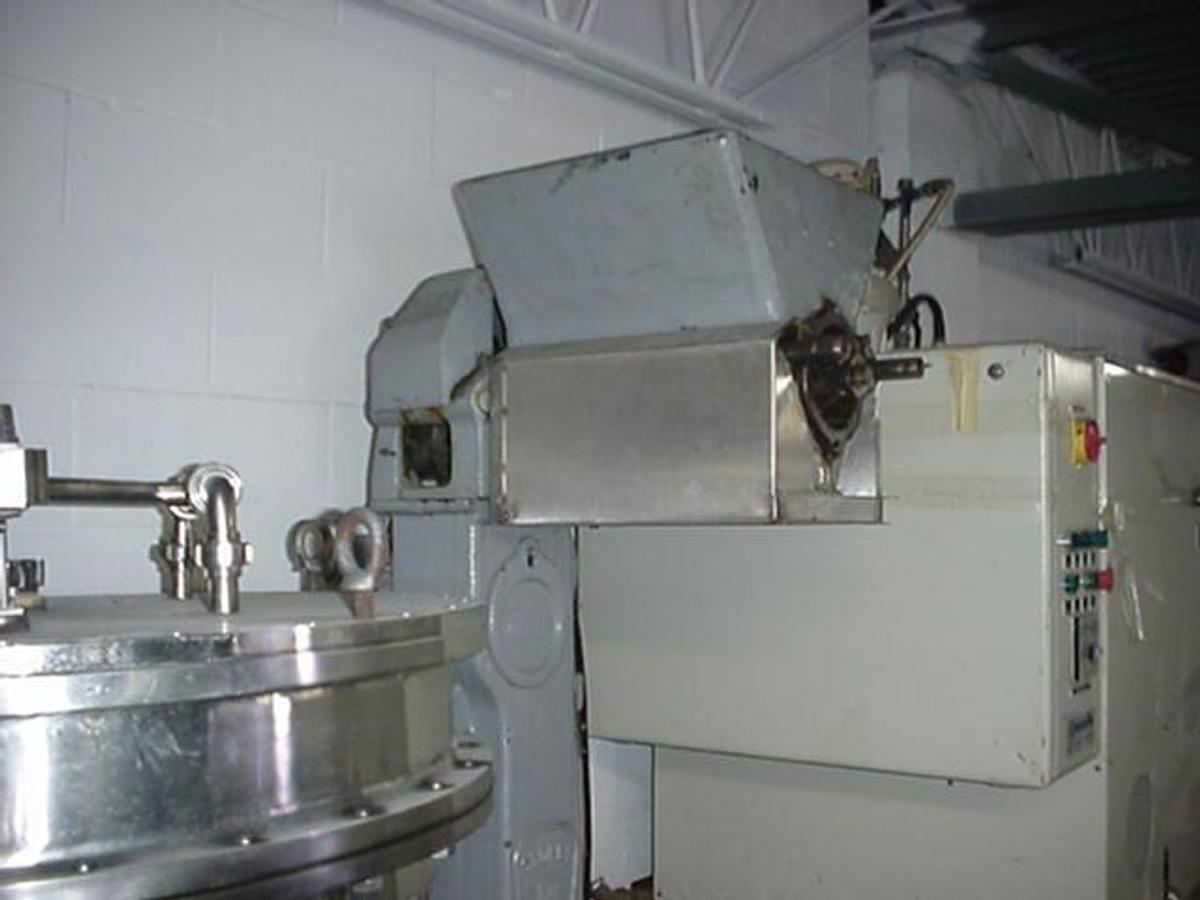
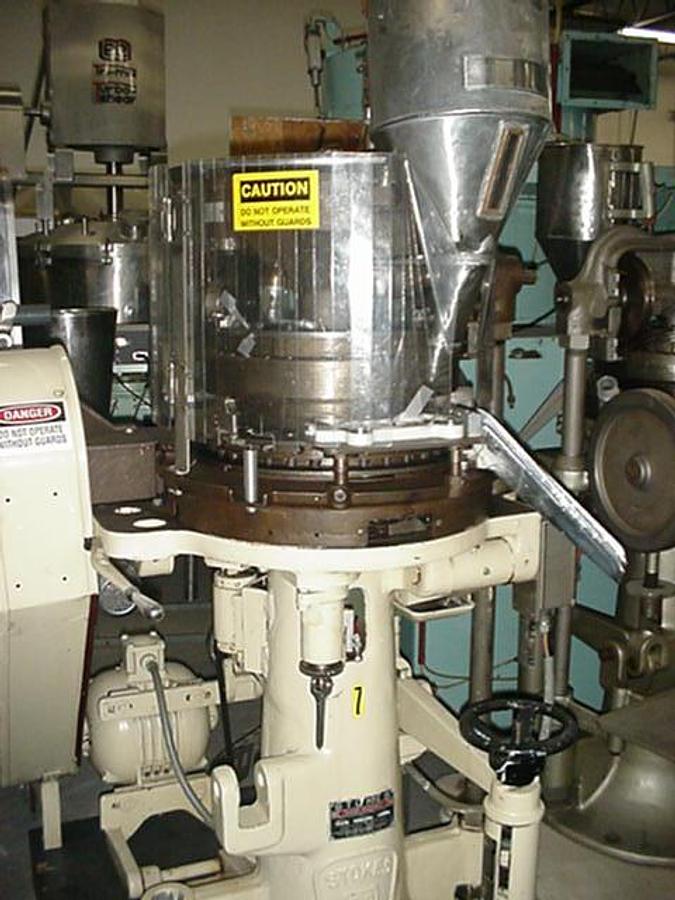
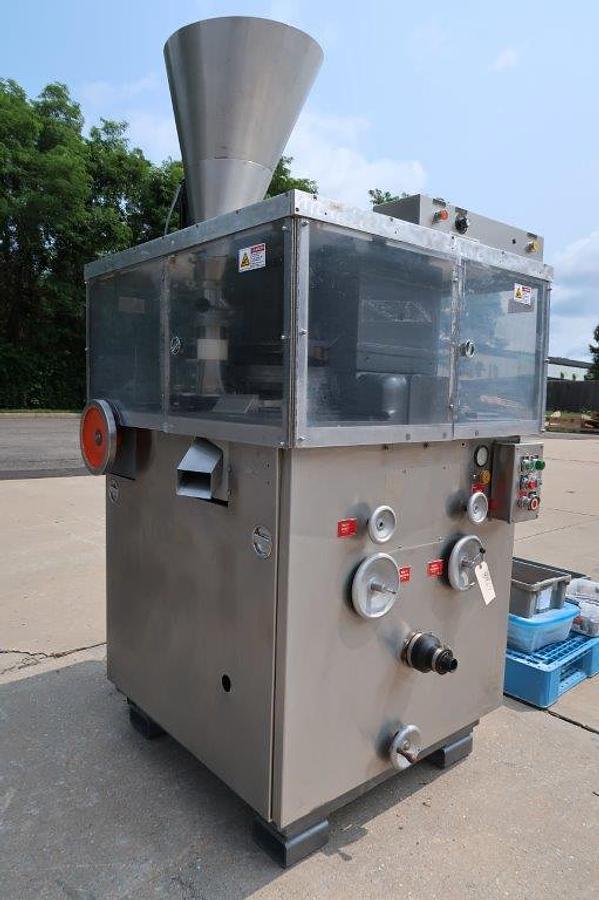
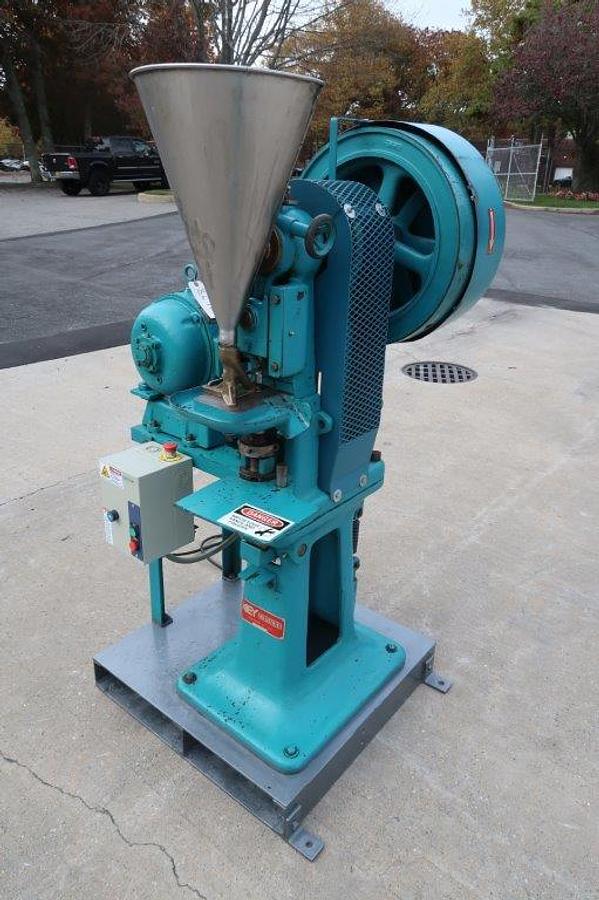
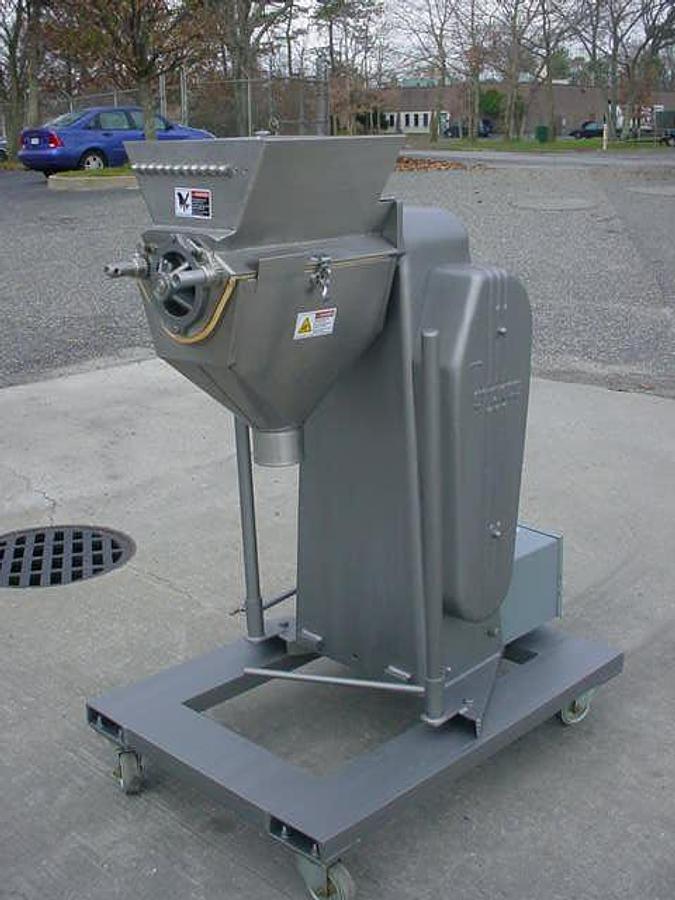
Stokes produces a wide range of processing equipment for pharmaceutical and food manufacturing, and most major categories show up regularly on the secondary market. The most commonly available machines include rotary tablet presses (such as the BB2, D3, and Genesis series), single-punch tablet presses, oscillating granulators, granulizing mixers, tablet dedusters, coating pans, and vacuum pumps. Stokes is particularly well known for its tablet compression machines and filling systems, and those tend to make up the bulk of what circulates through used equipment dealers.
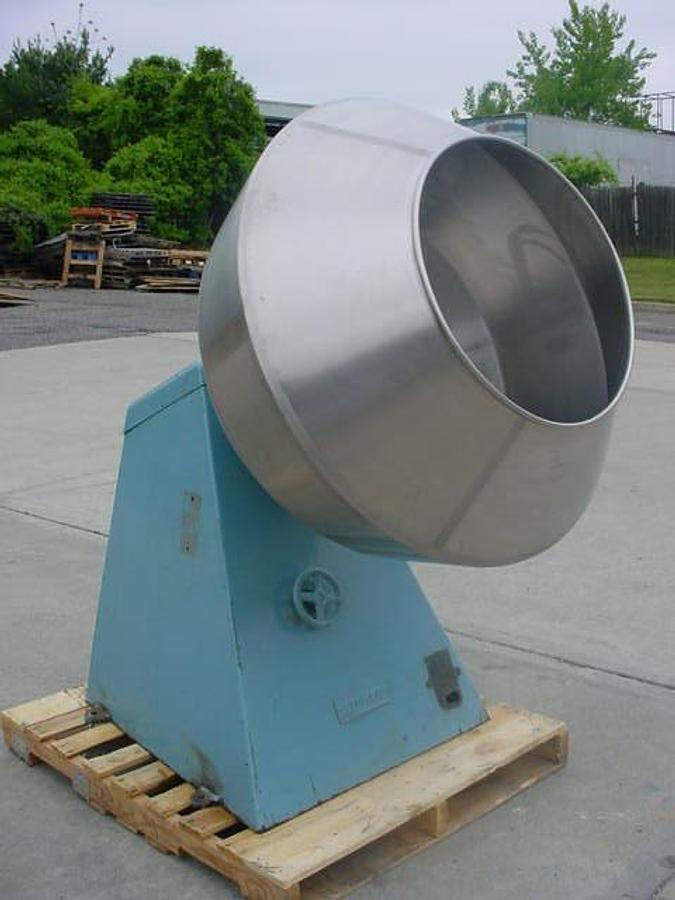
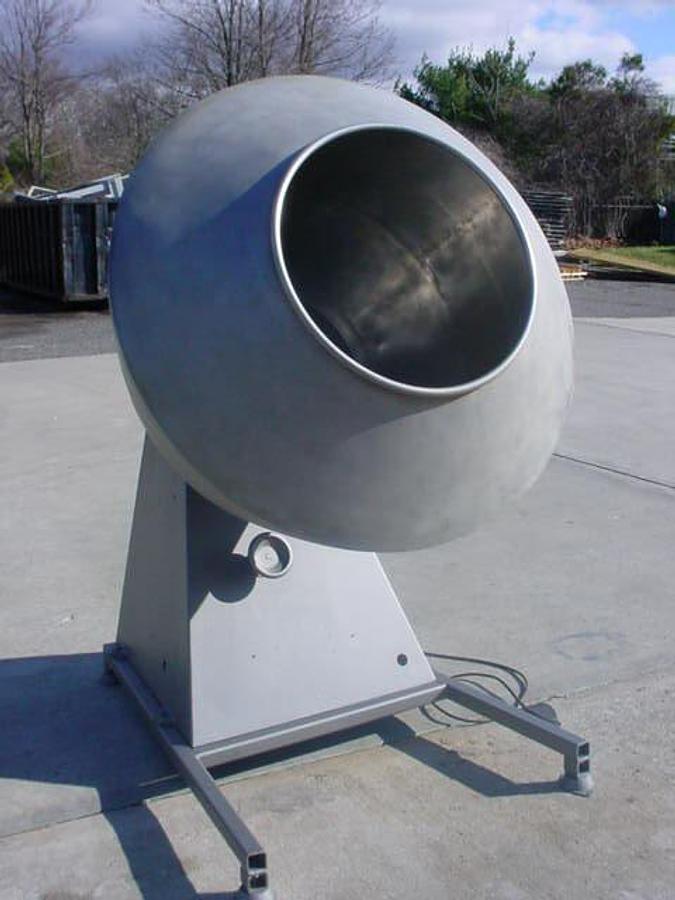
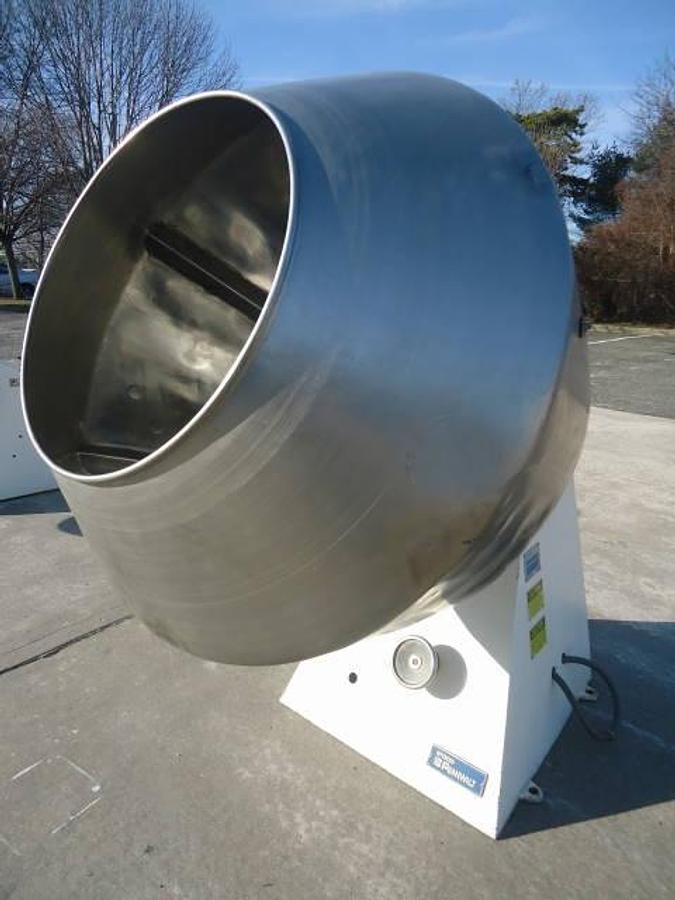
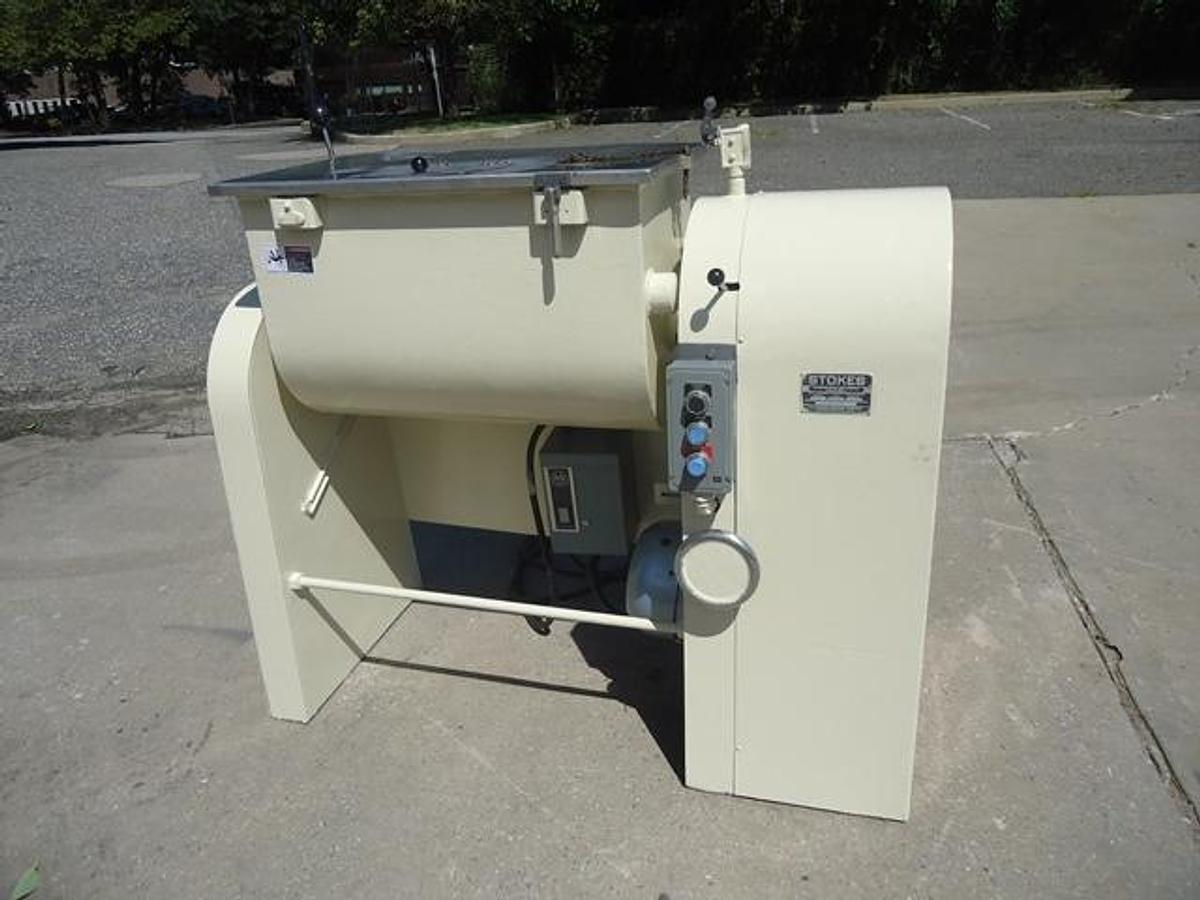
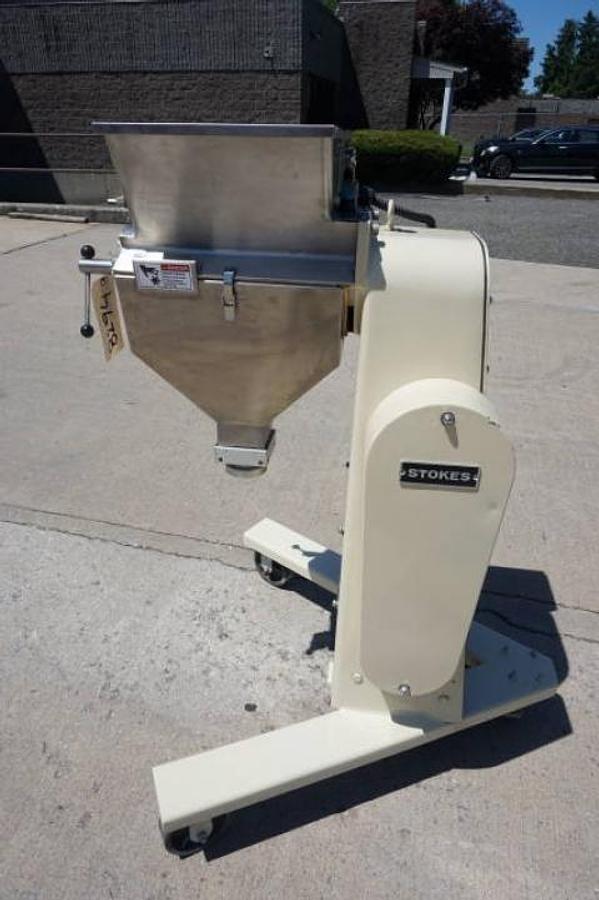
Beyond tablet presses, buyers will also find ancillary equipment like stainless steel coating pans in various diameters (24", 42", and 48" are common), portable oscillating granulators, and tilt-discharge granulizing mixers. Some listings include variable frequency drives and explosion-proof configurations, which can be valuable for specific facility requirements. Because Stokes equipment has a reputation for longevity, machines from older production runs still appear frequently and remain serviceable with proper maintenance.
What Stokes tablet press models are most commonly found on the secondary market?
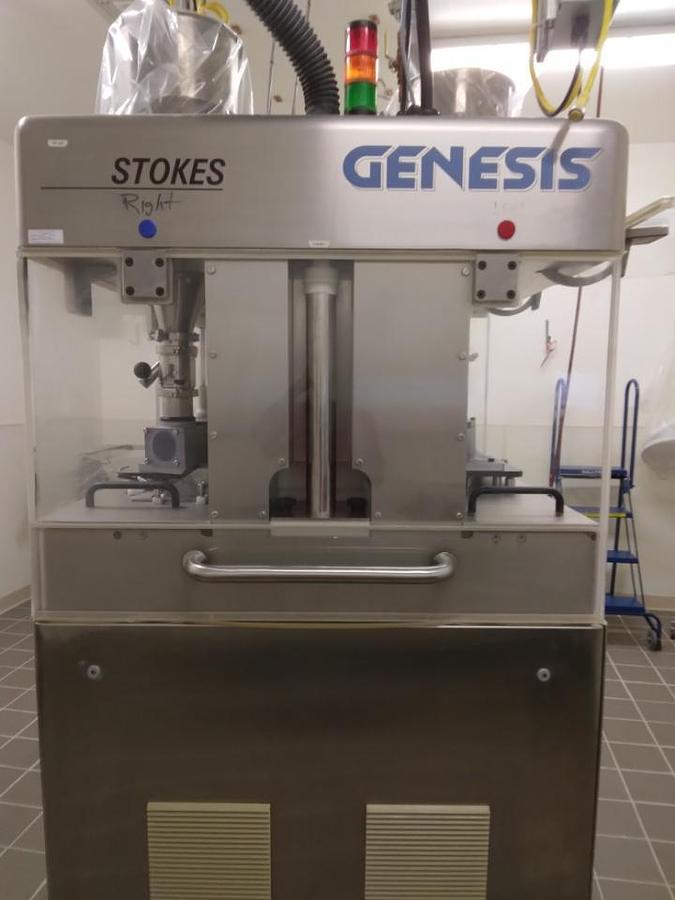
The BB2 33-station rotary tablet press, the D3 16-station press, and the Genesis 41-station double-sided rotary tablet press are among the most frequently traded Stokes models. The Model 328 "D" tooled 45-station rotary press also appears with some regularity, as does the single-punch press rated at approximately 95 tablets per minute. These models have been produced in large quantities over the years, which is part of why they remain available and why parts and tooling are easier to source compared to more obscure configurations.
The BB2 and D3 series in particular have built strong reputations for durability in regulated pharmaceutical environments, which drives consistent demand on the secondary market. Buyers looking for high-output compression should focus on the multi-station rotary models, while smaller-scale or R&D operations often find single-punch presses more appropriate. Station count, tooling format ("B" or "D" type), and overall mechanical condition are the key variables that affect both availability and pricing for any specific model.
What is the typical price range for used Stokes tablet press machines?
Pricing for used Stokes rotary tablet presses generally falls somewhere between $5,000 and $50,000 or more, depending on several factors. The model, station count, mechanical condition, age, and whether documentation such as maintenance logs or validation records are included all play a significant role in where a specific machine lands in that range. A well-maintained BB2 or Genesis press with supporting paperwork will command considerably more than a bare machine with no documentation history. Single-punch presses and smaller ancillary equipment like granulators and dedusters typically come in at the lower end of the spectrum.
Buyers should also factor in the full landed cost, not just the listed price. Shipping, rigging, and any crating or palletization required to move the machine safely can add meaningfully to the total. Larger presses may require specialized freight handling and forklift or crane rigging at both origin and destination, which dealers can typically provide estimates for in advance. Getting a clear picture of all costs before committing to a purchase helps avoid surprises.
Is used Stokes equipment reliable enough for GMP-compliant pharmaceutical manufacturing?
Used Stokes equipment can absolutely be used in GMP-compliant manufacturing environments, but reliability in that context depends heavily on the condition of the specific machine and the documentation that accompanies it. Stokes presses are well regarded for mechanical durability, and many units remain operational for decades with routine maintenance. That said, a machine's fitness for regulated production is not determined by brand reputation alone. Buyers intending to use equipment in FDA-regulated facilities should request maintenance logs, any available IQ/OQ (Installation Qualification/Operational Qualification) documentation, and a full inspection prior to purchase.
It is also worth consulting directly with Stokes (or the current manufacturer that supports the line) to understand what level of technical support is available for a given model and age of machine. Older models may have limited factory support, which shifts more responsibility to the buyer's in-house engineering team or third-party service providers. Selecting a used equipment dealer who specializes in pharmaceutical machinery and has a track record in the industry is an important part of managing that risk. Dealers who can accommodate in-person or video inspections give buyers a much clearer picture of what they are actually getting.
What should I inspect before buying used Stokes pharmaceutical equipment?
Before committing to a purchase, buyers should request a thorough inspection of the machine's mechanical condition, focusing on wear points specific to the equipment type. For tablet presses, that means examining the turret, cam tracks, punch guides, and compression rollers for wear or damage. Coating pans should be checked for structural integrity, drive condition, and any corrosion on interior surfaces. Granulators warrant close attention to the screen holder, impeller, and seals. Reputable dealers will typically accommodate in-person inspections at their facility, or provide video walkthroughs and photo documentation if travel is not practical. Some equipment may still be installed at the original production facility, in which case an inspection can often be arranged on-site.
Beyond the physical condition of the machine, buyers should ask for any available maintenance records, prior calibration history, and documentation of past repairs or part replacements. For pharmaceutical applications, IQ/OQ documentation is particularly valuable because it reduces the validation burden when requalifying the equipment at a new facility. Keep in mind that most used equipment dealers are not set up to run actual product through machines during inspections, since pharmaceutical production requires specific permitting that dealers generally do not hold. The inspection is about assessing mechanical function and condition, not a full production trial.
Are replacement parts and tooling still available for older Stokes tablet press models?
Tooling availability is generally not a major concern for Stokes tablet presses because most models use punch and die dimensions that conform to TSM (Tablet Specification Manual) standards. TSM is an industry-wide specification, which means replacement punches and dies can be sourced from a wide range of third-party tooling suppliers, not just through the original equipment manufacturer. This is a meaningful advantage for buyers of used Stokes presses, since tooling wear is a routine maintenance item and having multiple supplier options keeps costs competitive and lead times manageable.
For mechanical spare parts (cams, rollers, guides, and similar components), availability depends more on the specific model and its age. Buyers should consult with the manufacturer or authorized service providers before purchasing to understand what parts are still catalogued and what might require custom fabrication or sourcing from other used machines. Dealers who specialize in pharmaceutical equipment often maintain parts inventory or can point buyers toward reliable sources. Factoring potential parts availability into the purchase decision is especially important for older or discontinued models.
Can used Stokes tablet presses be validated for FDA-regulated production?
Used Stokes tablet presses can be validated for FDA-regulated production, but the process requires planning and documentation. Validation of used equipment typically involves Installation Qualification (IQ), Operational Qualification (OQ), and Performance Qualification (PQ) protocols, just as it would for any equipment entering a regulated manufacturing environment. If the machine comes with prior IQ/OQ documentation from its previous facility, that paperwork can sometimes reduce the scope of requalification work, though the new facility's quality team will need to assess what carries over and what needs to be repeated under their specific conditions.
The age and model of the machine can affect how straightforward validation is. Older presses may lack certain features or electronic controls that simplify data collection during OQ and PQ, and the level of manufacturer support available for documentation requests may be limited for discontinued models. Buyers are well advised to loop in their quality and validation teams early in the purchasing process, before the machine ships, so that any documentation gaps can be identified and addressed while the dealer still has access to the equipment. Selecting a dealer with pharmaceutical industry experience is useful here, as they tend to understand what documentation buyers in regulated environments actually need.
Does used Stokes equipment come with a warranty when purchased from a reseller?
Used pharmaceutical equipment, including Stokes machines, is typically sold "as is" by secondary market dealers. Warranties in the traditional sense are generally offered only by original manufacturers on new production, and that coverage does not transfer through the used market. This puts the responsibility for evaluating condition squarely on the buyer, which is why thorough pre-purchase inspection is so important. Buyers should treat the inspection process as their primary protection, rather than relying on post-sale recourse.
Choosing a reputable dealer with a long track record in pharmaceutical equipment is the most practical way to manage this risk. Established dealers have reputations to protect and are more likely to represent equipment condition accurately, accommodate inspections, and provide honest answers about a machine's history. It is also worth contacting the manufacturer directly to understand what technical support and parts availability look like for the specific model being considered, since that will affect long-term serviceability regardless of what the dealer can offer at the point of sale.
What ancillary Stokes equipment is commonly available alongside tablet presses?
Stokes produces more than just tablet presses, and a number of related machines appear regularly on the used market to support broader solid-dose manufacturing lines. Tablet dedusters are a common find, used to remove dust and fines from compressed tablets as they exit the press. Stainless steel coating pans in multiple sizes (24", 42", and 48" diameters are typical) are used for film or sugar coating of tablets, and used listings often include variable-speed drives and baffles as part of the package. Oscillating granulators and granulizing mixers round out the granulation side of the process.
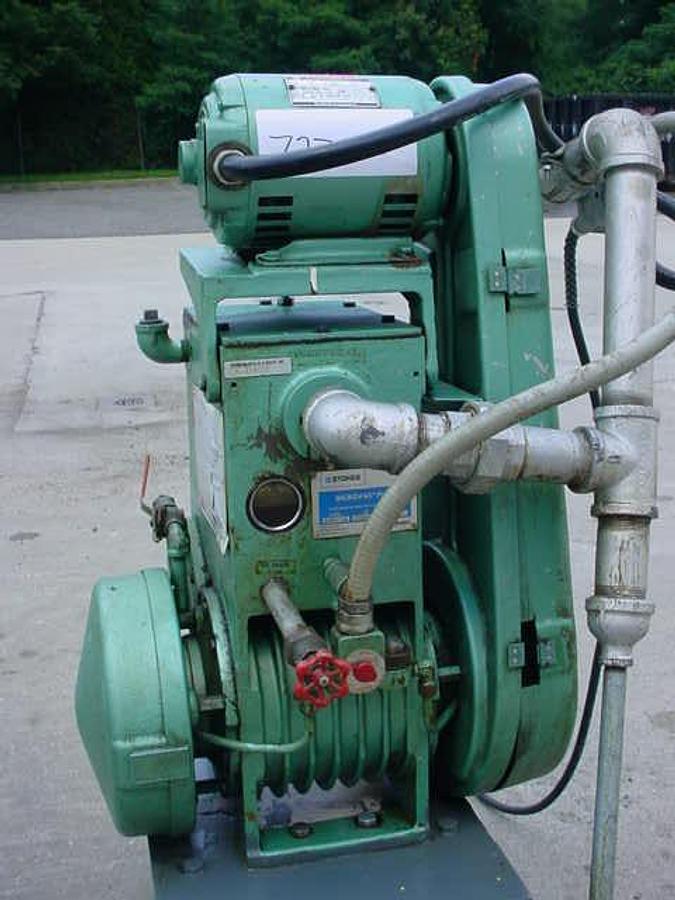
For facilities building out or expanding a solid-dose line, sourcing complementary used Stokes equipment can be a cost-effective approach, particularly when machines can be matched to compatible production capacities. Vacuum pumps, such as the Pennwalt/Stokes Microvac series, also appear on the secondary market and are used in various pharmaceutical processing applications. Buyers assembling a full line from used equipment should pay attention to throughput compatibility between machines to avoid bottlenecks, and should inspect each piece individually since condition can vary significantly even within the same brand and product category.
What should buyers expect regarding shipping and logistics for used Stokes pharmaceutical equipment?
Shipping used pharmaceutical equipment involves more complexity than standard freight, and buyers should get a full breakdown of logistics costs before finalizing a purchase. Tablet presses and coating pans are heavy, precision machines that require careful packaging to prevent damage in transit. Depending on the size and weight of the equipment, the dealer may need to crate or palletize the machine to a specific standard, and that packaging work is typically an added cost on top of the freight charge itself. Buyers should ask specifically what level of preparation is included in any quoted price.
Larger machines, such as full-size rotary tablet presses and 48" coating pans, often require rigging equipment for loading at the origin and unloading at the destination. Forklift or crane services at both ends of the shipment are common requirements and represent additional costs that can be significant for heavy equipment. Getting itemized estimates for packaging, rigging, freight, and any required permits for oversized loads gives buyers a realistic picture of the total landed cost. Most used equipment dealers will require full payment prior to shipment, though some may offer different terms to established customers with a prior purchasing history.