Category
Manufacturer
Model
Stephan
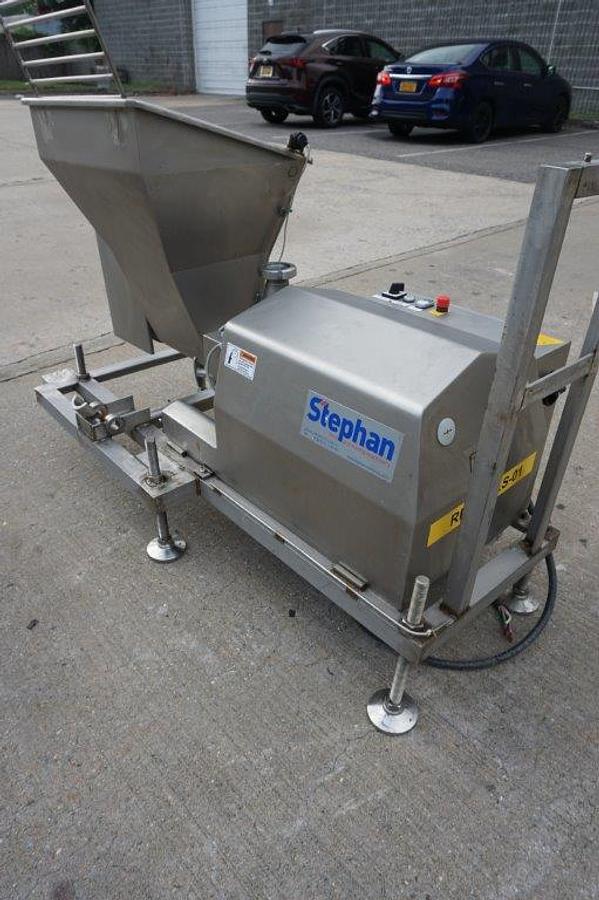
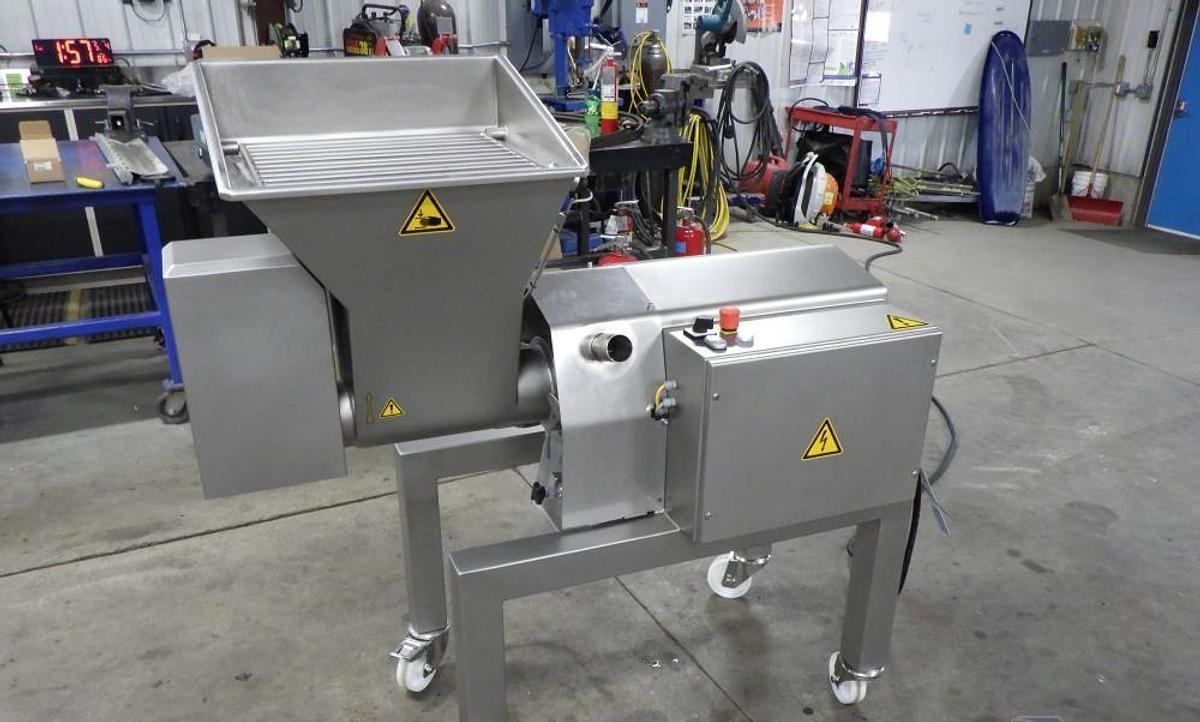
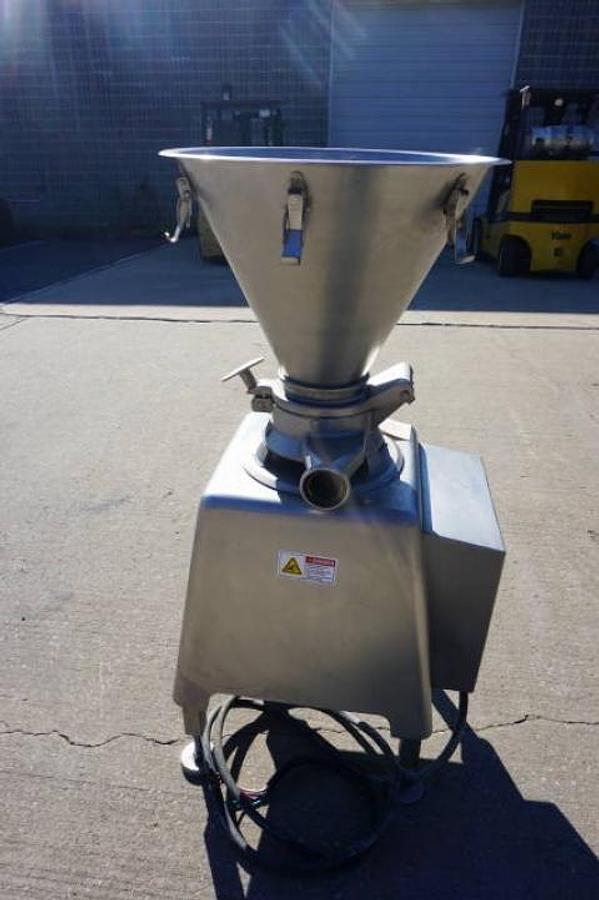
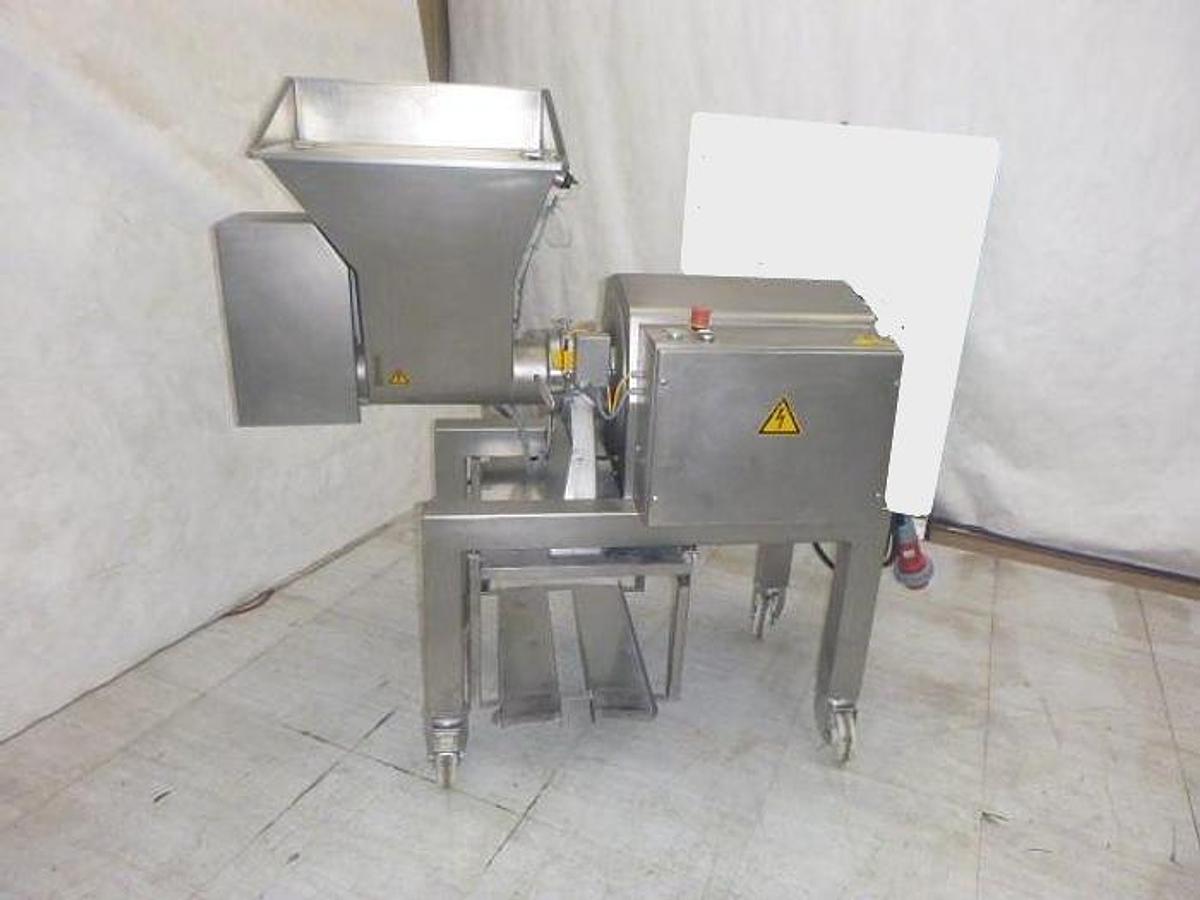
Stephan is a leader in the development of food processing equipment, particularly for the dairy and bakery industries. They are known for their innovative mixing and cooking technologies that enhance production efficiency.
FAQ:
What types of Stephan food processing equipment are commonly available on the used market?
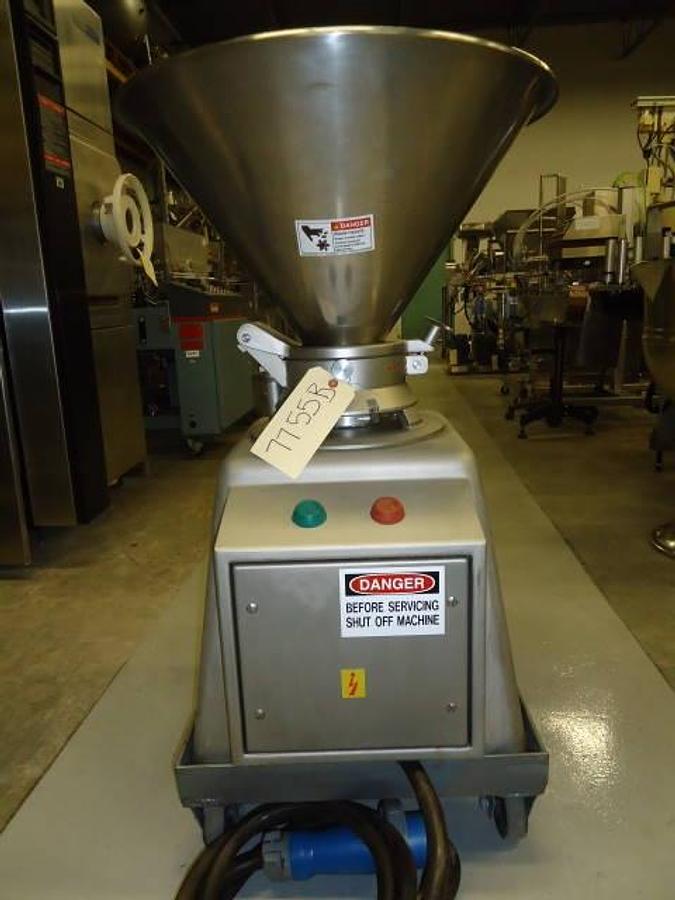
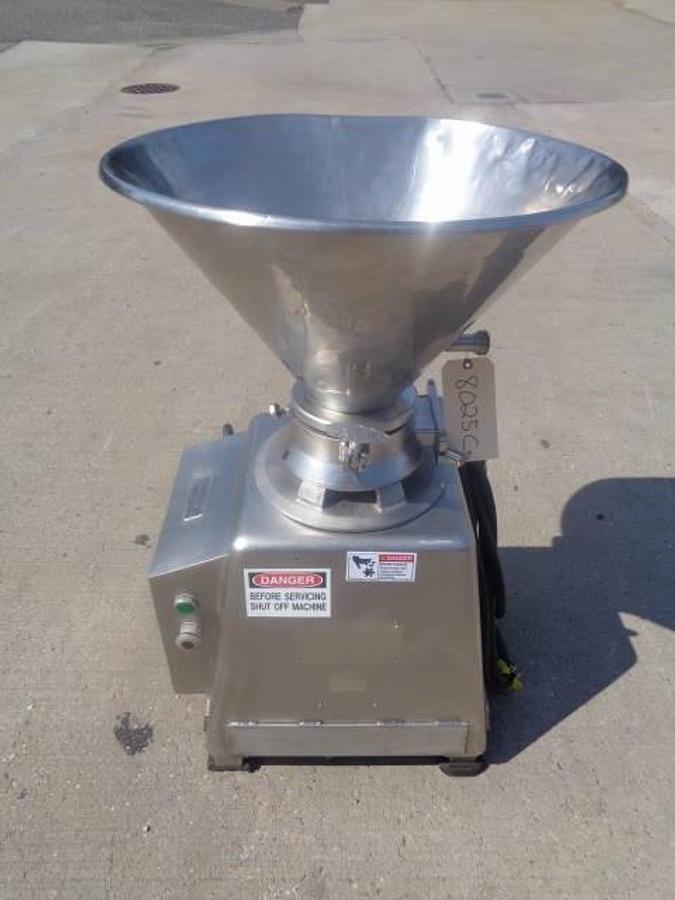
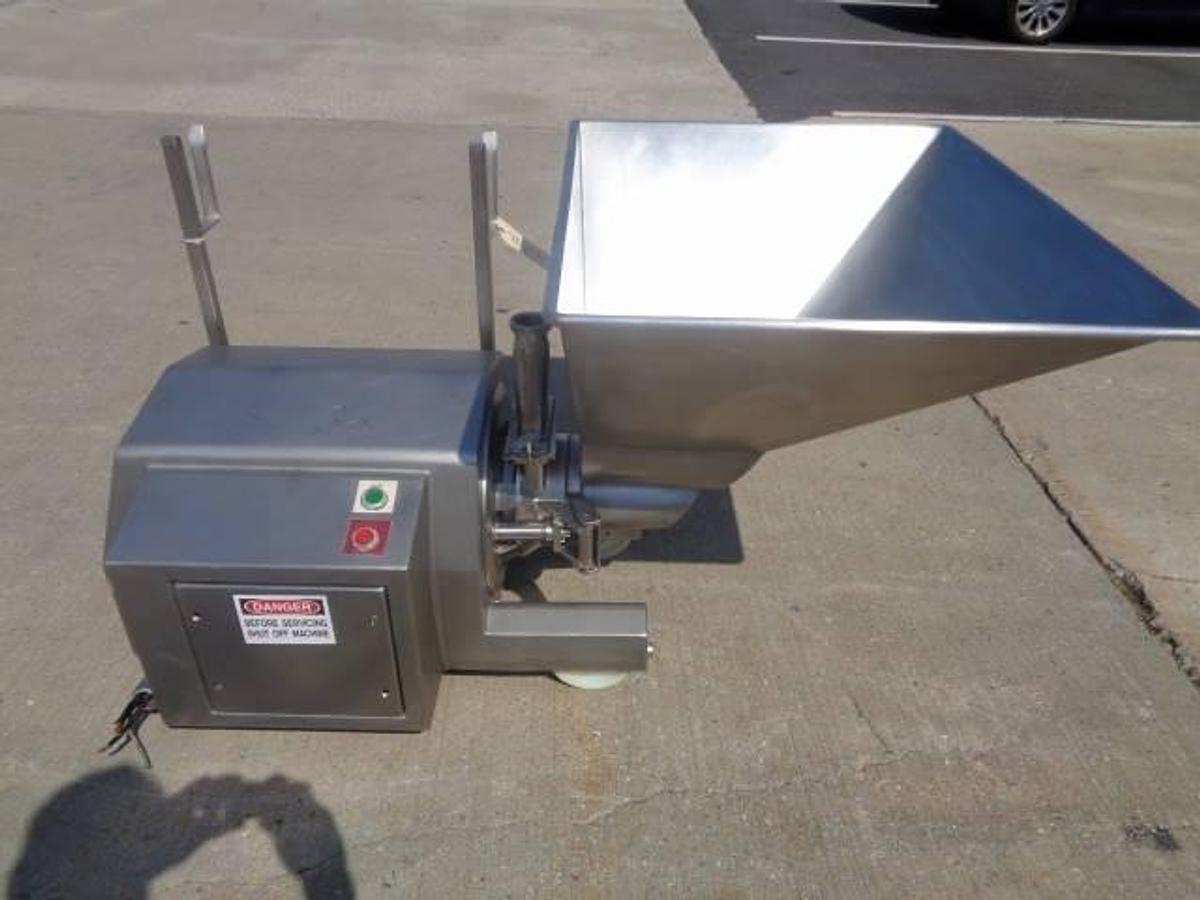
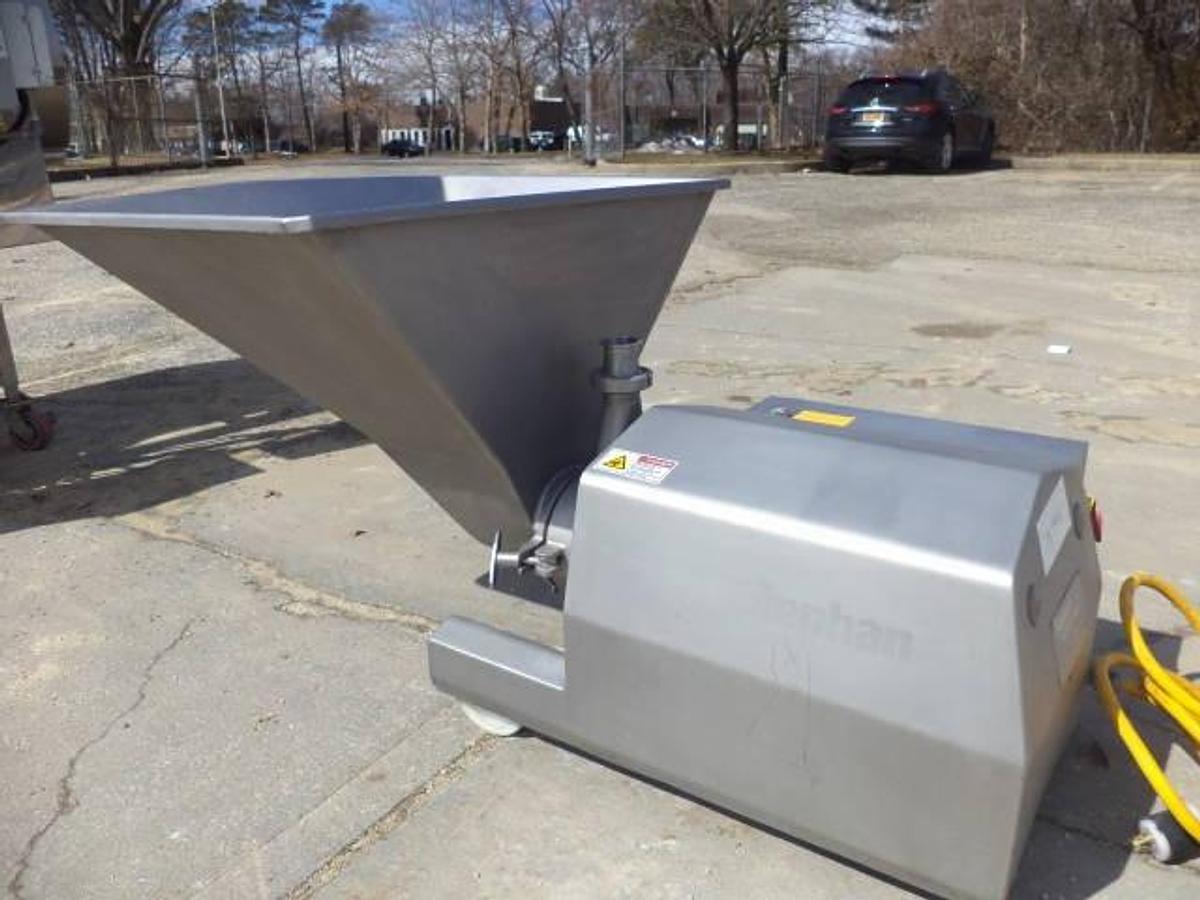
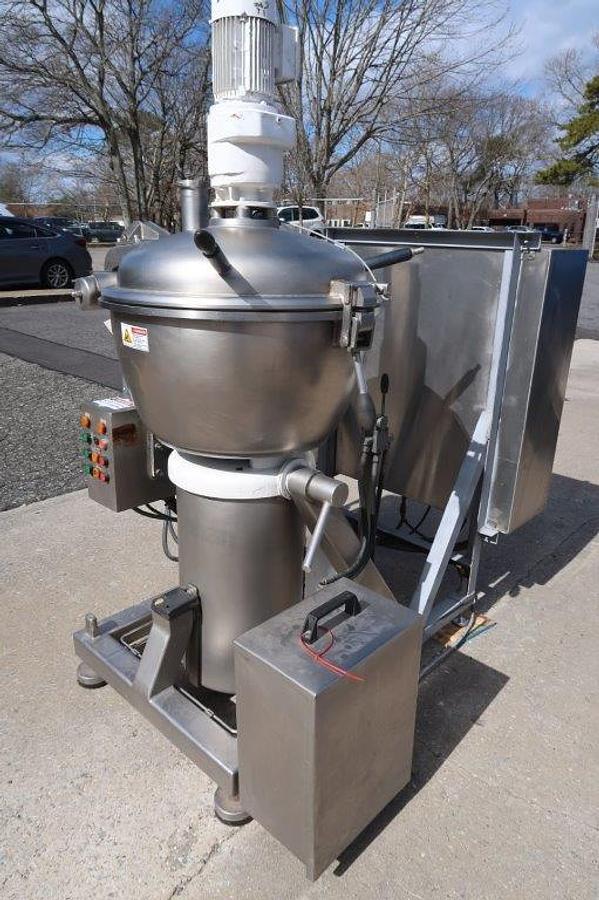
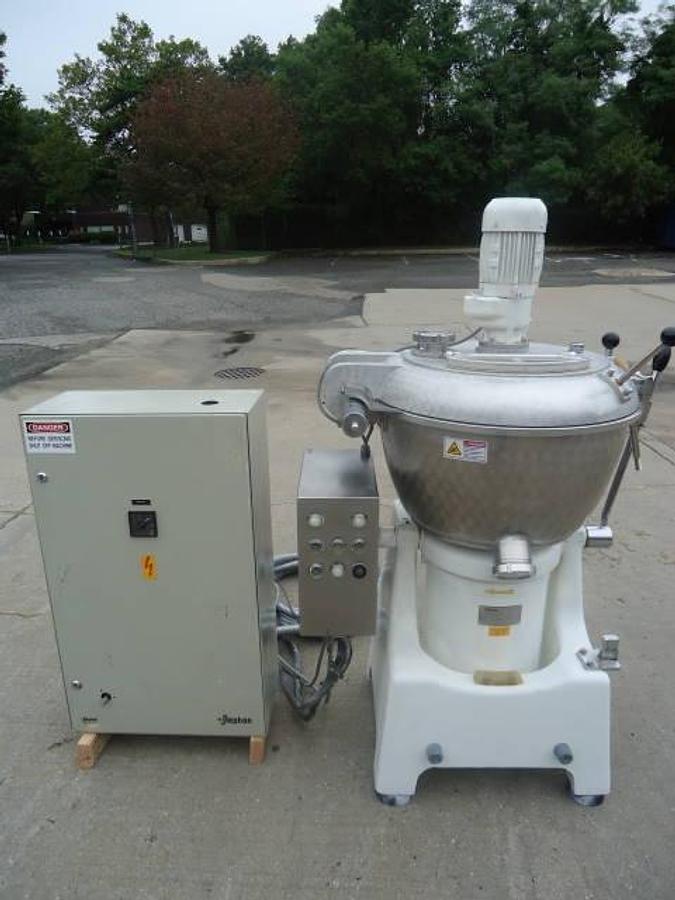
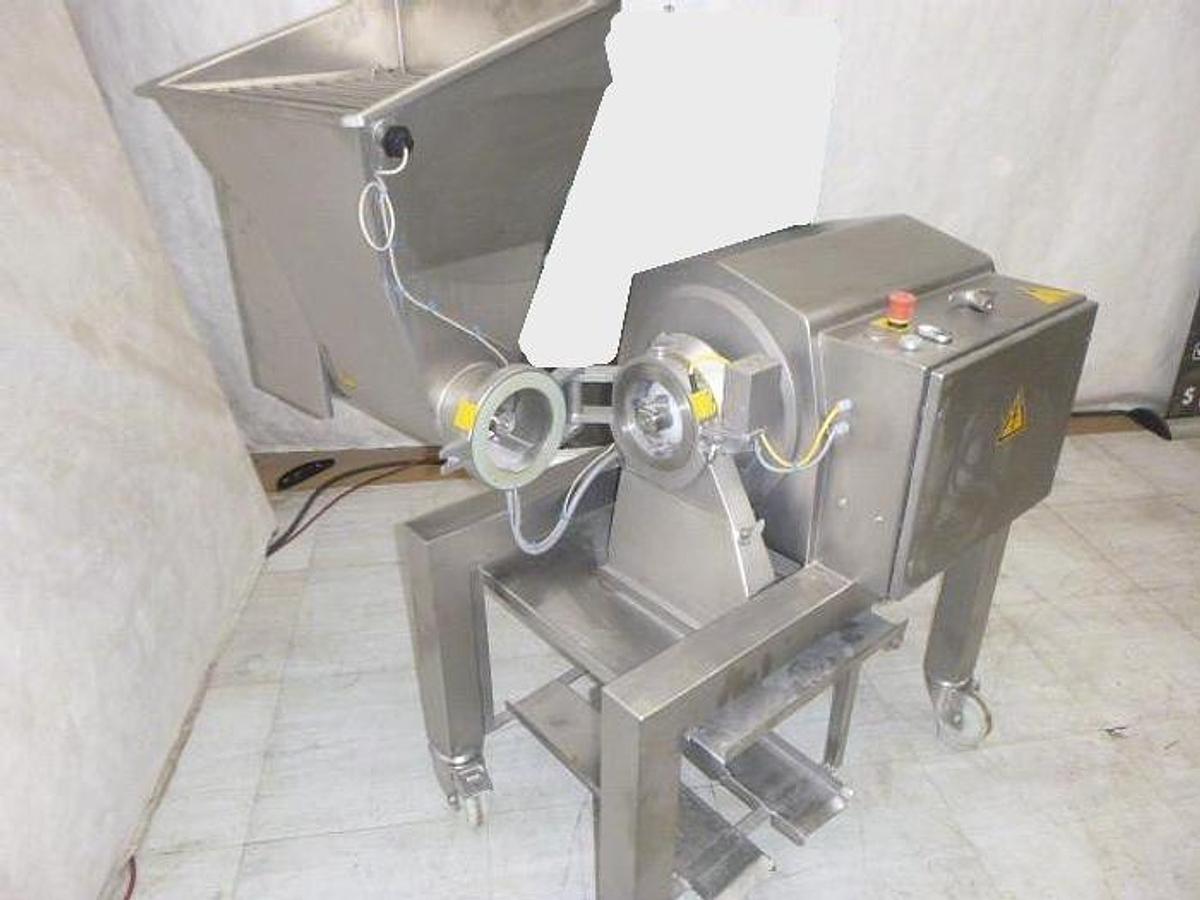
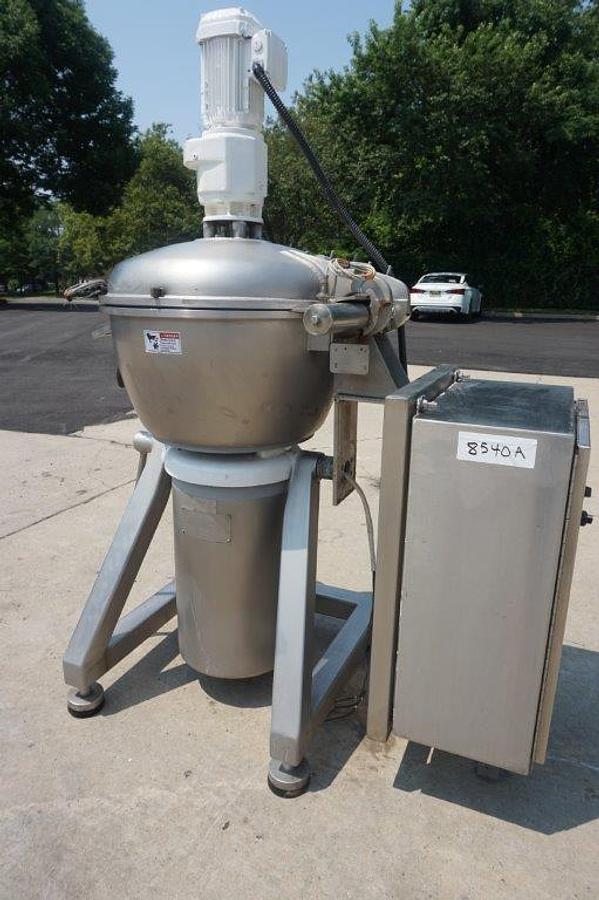
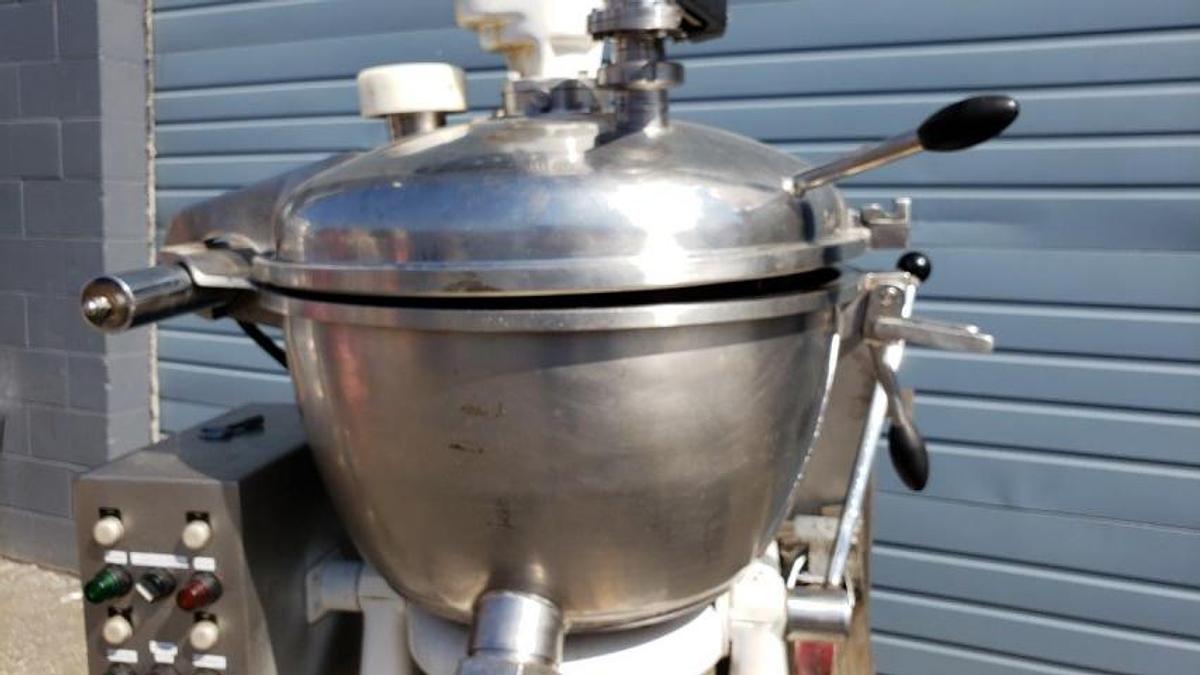
Stephan produces several distinct product lines, and most of them appear regularly in the used equipment market. The most frequently available machines include the Microcut series (such as the MCH-20 and MC-15 cutter/emulsifiers), the Universal Machine (UM series) vertical cutter/mixers, and the VCM series vertical cutter/mixers. These machines cover a wide range of food processing tasks, from high-speed emulsification to batch mixing and cutting. Capacity sizes vary considerably across listings, with bowl volumes ranging from compact 15-liter units up to 80-liter and larger configurations suited for high-volume production.
Beyond the cutter and mixer lines, Stephan also manufactured Thermix cooking mixers and vacuum bowl cutters, which appear less frequently but are still sought after by processors working with cooked or temperature-sensitive formulations. When browsing used listings, buyers will often find machines described by their model designation along with key specifications like motor horsepower or kilowatts, lid type (standard or hydraulic), and whether the unit is stainless steel construction throughout. Paying attention to these details helps narrow down which machine fits a specific production environment before reaching out to a dealer for further inspection details.
What industries use Stephan food processing equipment?
Stephan equipment has a long history of use across several food manufacturing sectors, but the dairy and bakery industries are among the most prominent. In dairy processing, Stephan machines are used for producing processed cheese, cheese spreads, cream fillings, and similar emulsified products where precise temperature control and high-speed mixing are critical. In bakery applications, they handle dough preparation, cream mixing, and filling production. The machines are engineered for the kind of consistent, repeatable results that high-volume food manufacturers depend on.
Meat processing is another significant application area. Stephan cutter/emulsifiers are well suited for producing fine-cut meat emulsions used in sausages, hot dogs, and other processed meat products. Ready-meal manufacturers also rely on Stephan equipment for cooking, mixing, and portioning a wide variety of prepared foods. The stainless steel construction and precision engineering of these machines make them appropriate for any environment where sanitation standards are strict and production volumes are high. This cross-industry versatility is one reason used Stephan machines hold their value and remain in demand long after their initial production runs.
What should buyers know about inspecting used Stephan equipment before purchasing?
Inspection is one of the most important steps in buying any used food processing machine, and Stephan equipment is no exception. Reputable used equipment dealers will typically offer in-person inspections, virtual walkthroughs, or video documentation of a machine's current condition. Some equipment may still be installed and operating at a production facility, which gives buyers an opportunity to see the machine running under real conditions. Other units may be decommissioned and in storage, in which case a thorough visual and mechanical inspection becomes even more important.
Buyers should pay close attention to the condition of the bowl, cutting blades or mixing tools, seals, and motor components. Asking for video of the machine powered on, with the motor running and the lid operating correctly, can reveal issues that photos alone won't show. Keep in mind that most used equipment dealers are not licensed food production facilities, so actual product testing with food ingredients is generally not feasible. The inspection goal is to get an accurate picture of the machine's mechanical working order, wear level, and overall condition. Buyers who are not experienced with this type of equipment may benefit from bringing in a qualified technician or consulting with the manufacturer to understand what to look for on a specific model.
Are parts and technical support available for used Stephan machines?
Parts availability for Stephan equipment depends heavily on the model and its age. Stephan, the German brand historically known for these machines, was acquired by Admix Inc., and some product lines were rebranded or integrated into the new parent company's lineup. This transition can create confusion for buyers trying to source replacement parts or get technical support, particularly for older models that predate the acquisition. Before purchasing a used Stephan machine, it is worth contacting the current manufacturer or authorized service network directly to ask about parts availability and support for the specific model and serial number you are considering.
For more recent models, such as the MCH-20 machines manufactured in the 2010s or later, parts are generally more accessible. Wear items like cutting blades, seals, gaskets, and bowl components are the most commonly needed replacements and are often available through the manufacturer or specialized food equipment parts suppliers. For older or discontinued models, buyers may need to rely on aftermarket fabrication or sourcing from other used machine donors. Understanding the parts situation before committing to a purchase helps avoid unexpected downtime costs after the machine is installed and production begins.
What is the difference between the Stephan Microcut and the Stephan Universal Machine (UM) series?
The Stephan Microcut series, which includes models like the MCH-20 and MC-15, is designed primarily for continuous high-speed cutting and emulsification. These machines process product through a cutting chamber at high throughput rates, making them well suited for applications that require fine particle reduction, smooth emulsions, or consistent texture in liquid or semi-liquid products. They are commonly used in dairy processing, sauce production, and meat emulsification where the end product needs to meet tight particle size specifications.
The Universal Machine (UM) series, such as the UM 80E, is a batch processor that combines cutting, mixing, cooking, and emulsifying functions in a single bowl. The UM series is more versatile in the sense that it can handle a wider variety of product types and processing steps within one unit, which makes it popular in smaller production environments or facilities that produce many different product formulations. The vertical cutter/mixer design allows operators to heat, cool, and process product in the same bowl, reducing the need for multiple pieces of equipment. Choosing between the two depends on whether a facility needs high-volume continuous throughput (Microcut) or flexible multi-function batch processing (UM series).
What electrical and voltage considerations apply to used Stephan equipment?
Stephan equipment is manufactured in Germany, which means machines built for the European market are typically configured for 50Hz electrical systems running at 380-400V three-phase power. Buyers in North America, where the standard is 60Hz and 460V three-phase, need to verify whether a specific machine is compatible with their facility's electrical supply before purchasing. Some machines can be adapted with a variable frequency drive (VFD) or by rewinding the motor, but this adds cost and complexity to the installation. Other machines may already have been converted for North American use, especially if they were previously operated at a facility in the United States or Canada.
This voltage and frequency mismatch is a common issue with imported European food processing equipment and should not be overlooked during the evaluation process. Buyers should request the electrical specifications from the dealer and, if possible, have an electrician or qualified technician review them before finalizing a purchase. Motor speed is also affected by frequency differences, which can impact the performance characteristics of cutting and mixing operations if the machine is not properly adapted. Clarifying these details upfront prevents costly surprises during installation.
How does the capacity of Stephan food processing equipment vary across models?
Stephan machines are available across a fairly wide range of processing capacities, which is one reason they appear in both mid-scale and large industrial production environments. The MC-15 Microcut, for example, is a smaller cutter/emulsifier with an 11kW to 15HP motor range, suited for facilities with moderate throughput requirements. The MCH-20 and MCH-20FSH models step up in capacity and speed, with the FSH designation indicating a high-speed configuration. On the batch mixing side, the UM 80E and VCM-80E both feature 80-liter bowls, while the VCM-40E offers a 40-liter bowl for smaller batch sizes.
For very high-volume applications, Stephan also produced larger Microcut configurations such as the MCH-D150, which is described as a high-volume emulsifier. When evaluating capacity, buyers should consider not just the bowl size or throughput rating but also the motor power, as higher-power motors allow the machine to handle denser or more viscous products without performance degradation. Matching the machine's capacity to actual production requirements, with some headroom for growth, tends to produce better long-term results than buying the smallest unit that technically meets current needs.
What should buyers expect when it comes to shipping and rigging used Stephan equipment?
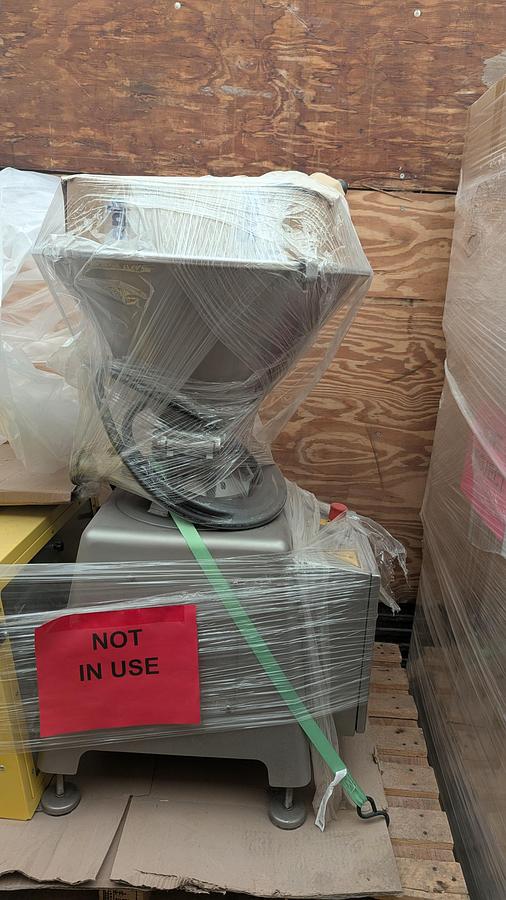
Stephan food processing machines are industrial-grade equipment, and even smaller models like the MC-15 carry significant weight due to their stainless steel construction and heavy-duty motors. Shipping costs for used equipment of this type depend on several factors, including the size and weight of the machine, the level of packaging or crating required, and the distance between the seller's location and the buyer's facility. Machines should be properly palletized or crated to prevent damage during transit, and the level of preparation required will affect the total cost. Buyers should ask the dealer specifically about how the machine will be packaged and what those charges will be.
Larger machines, particularly 80-liter vertical cutter/mixers or high-volume Microcut emulsifiers, may require professional rigging services for both loading at the origin and unloading at the destination. Rigging involves specialized equipment like forklifts, cranes, or pallet jacks rated for the machine's weight, and it is typically an additional cost beyond standard freight. Getting a clear picture of the full landed cost, including freight, packaging, and rigging, before agreeing to a purchase helps avoid budget surprises. Buyers should also confirm whether the dealer handles export documentation if the machine is being shipped internationally.
What payment terms are typical when buying used food processing equipment?
Most used equipment dealers require full payment before a machine is shipped. This is standard practice in the industry and reflects the nature of used machinery transactions, where the seller needs to confirm cleared funds before releasing equipment that may have been held or removed from inventory specifically for a buyer. Payment is typically made by wire transfer, though some dealers may accept other forms of verified payment. Buyers who are working with a dealer for the first time should expect to pay in full upfront, regardless of the purchase amount.
For buyers with an established relationship with a particular dealer, some sellers will offer payment terms on a case-by-case basis. This is more common with repeat customers who have a track record of completed transactions with that dealer. If financing is needed, buyers can also explore equipment financing through third-party lenders who specialize in used industrial machinery, as this can allow a facility to spread the cost over time while still meeting the dealer's requirement for full payment at the time of sale. Clarifying payment expectations early in the conversation with a dealer avoids delays once a purchase decision is made.
How should buyers evaluate the reputation and reliability of a used Stephan equipment dealer?
Buying used food processing equipment without a manufacturer's warranty puts the responsibility for due diligence squarely on the buyer, which makes choosing the right dealer critically important. A dealer's track record is one of the most telling indicators of reliability. Dealers who have been operating for many years, specialize in food processing machinery, and maintain a substantial inventory of industry-specific equipment are generally better positioned to accurately represent what they are selling. Specialization matters because a dealer who understands food processing equipment can provide more accurate condition assessments and more useful guidance than a generalist machinery reseller.
Buyers should look for dealers who are transparent about a machine's condition, willing to provide detailed photos and video documentation, and open to accommodating inspection requests, whether in person or virtually. A dealer who resists inspection requests or is vague about a machine's history and condition is a red flag. Checking for verifiable business history, references from past buyers, and responsiveness during the inquiry process all help build a picture of how a dealer operates. Since used equipment is sold as-is, the dealer's honesty and willingness to share accurate information before the sale is essentially the buyer's primary protection.