Category
Manufacturer
Model
Stein
Stein manufactures advanced cooking and processing equipment primarily for the food industry. Their innovative solutions, including steam cooking systems, help improve efficiency and product quality in food production.
FAQ:
What types of Stein food processing equipment are commonly available on the used market?
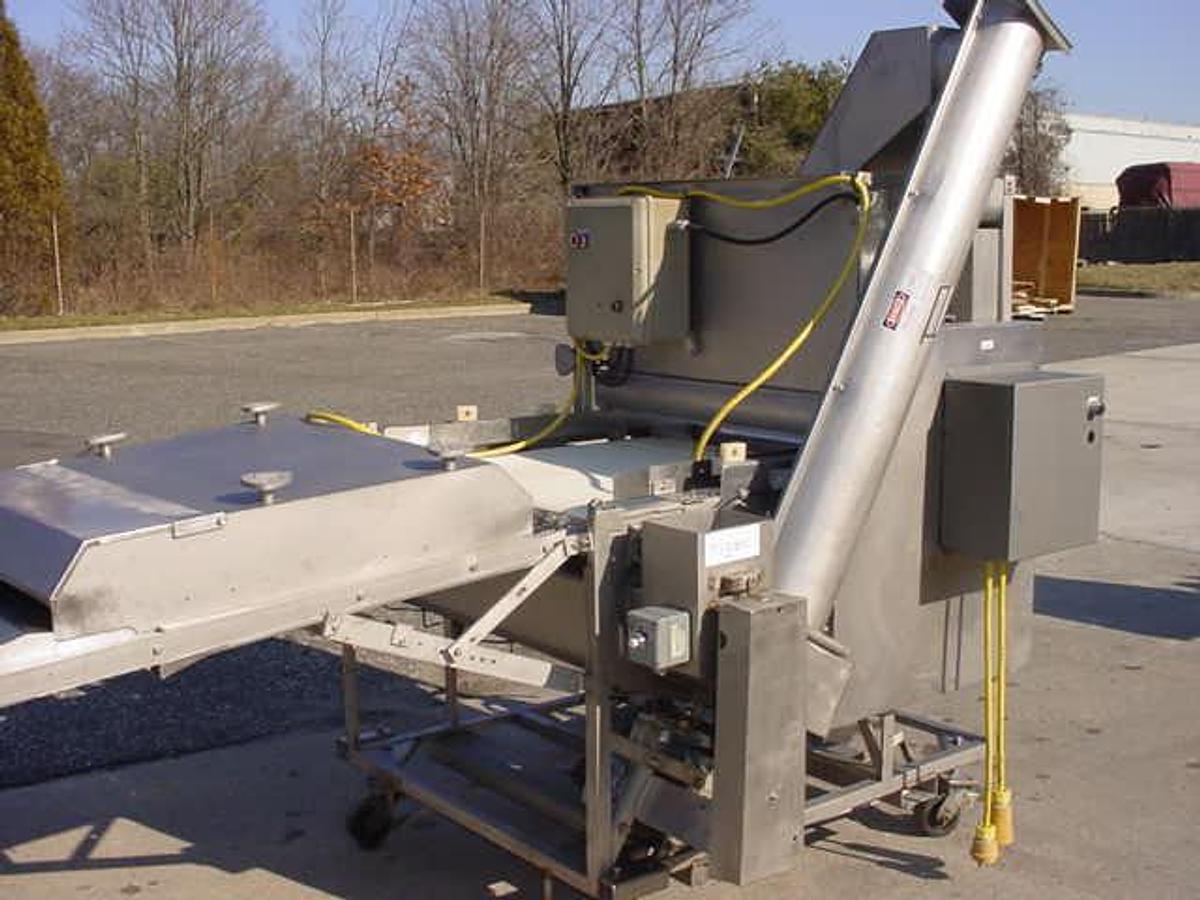
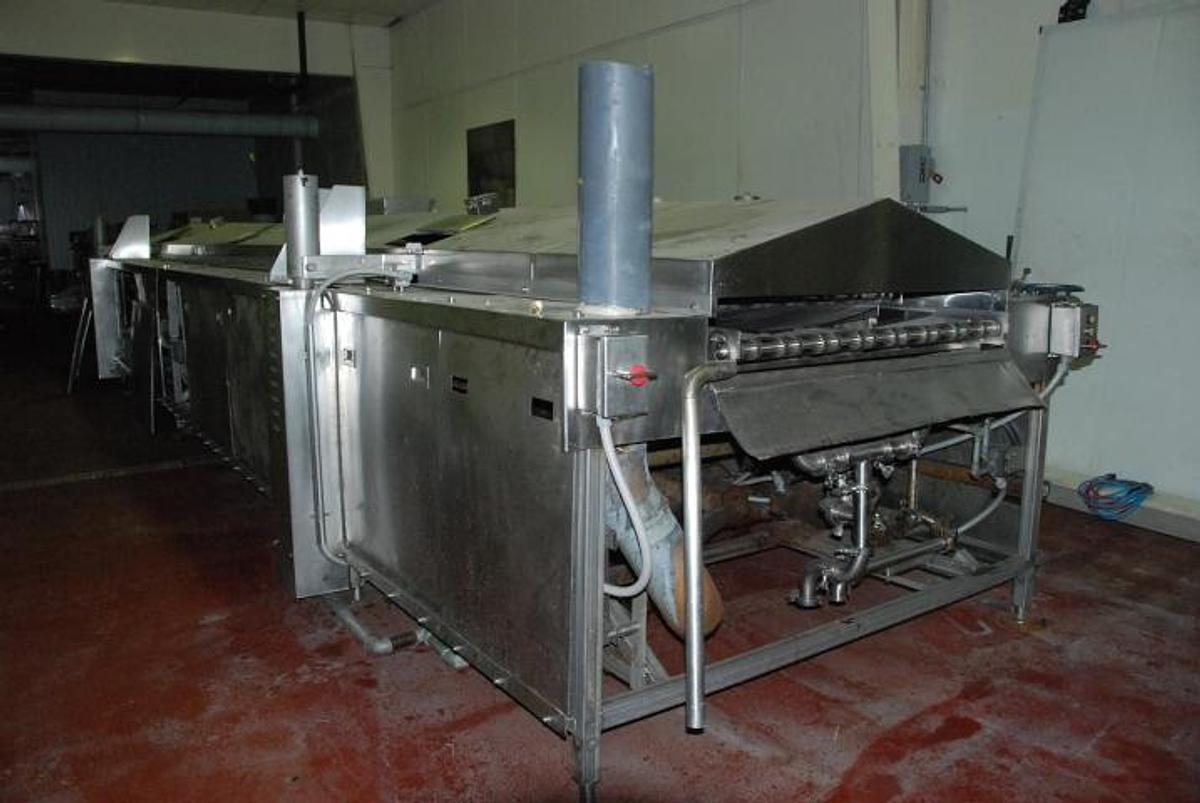
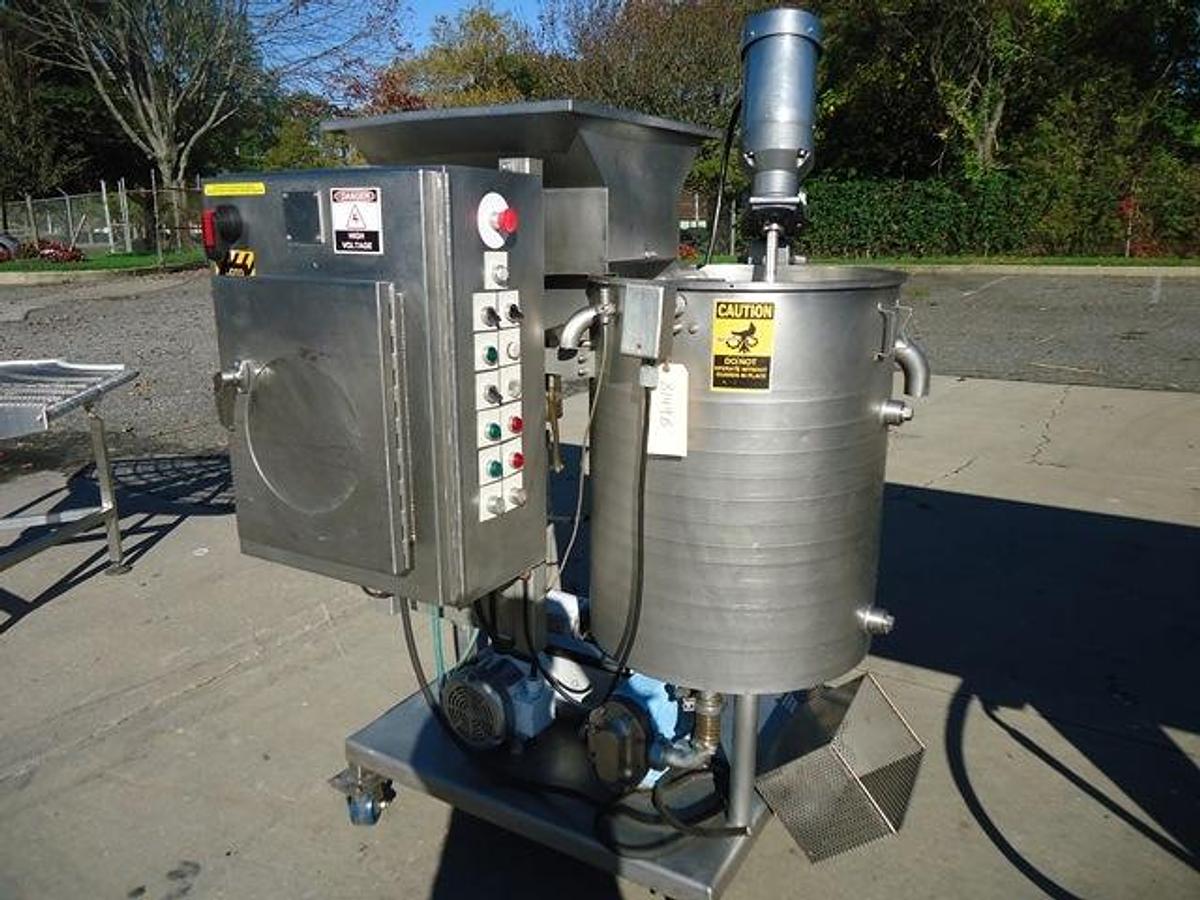
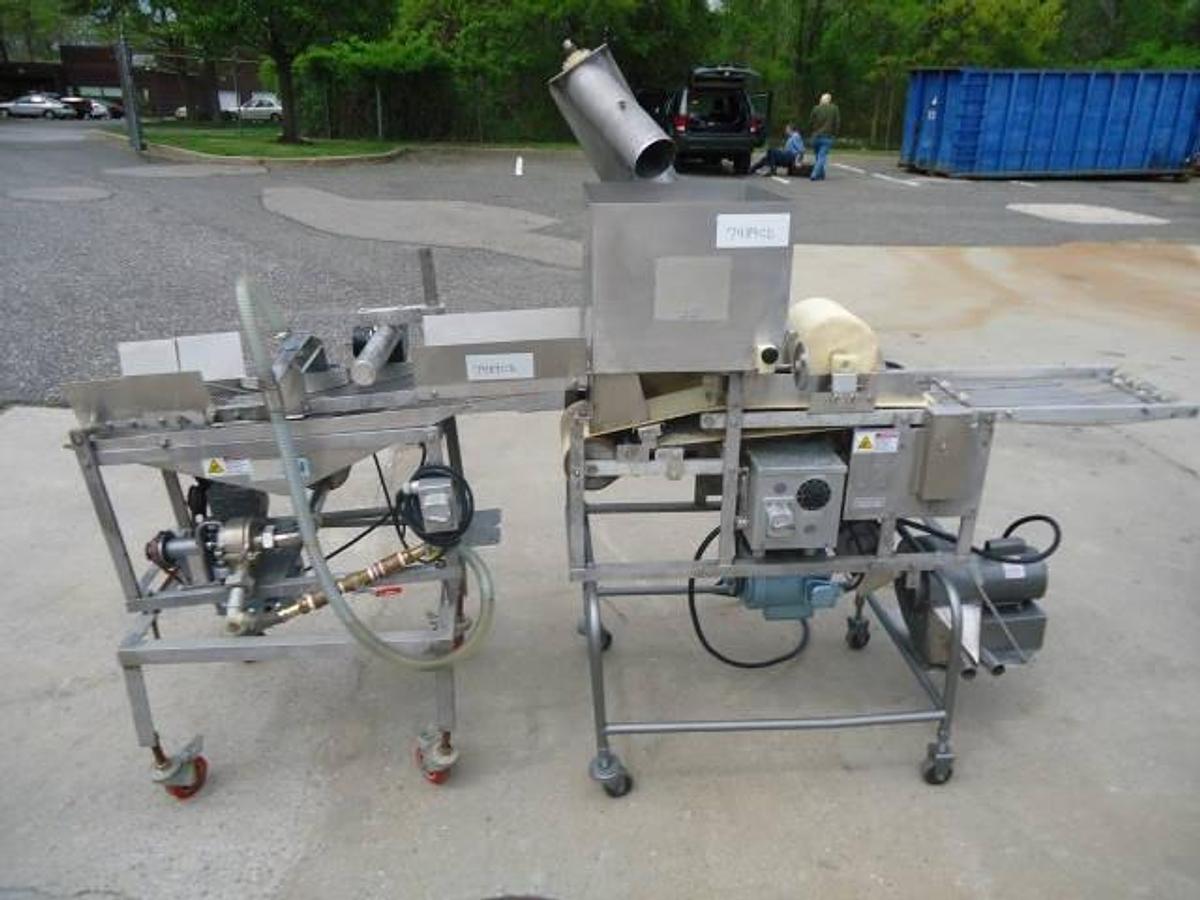
Stein produces a wide range of industrial food processing machinery, and used examples of most major product lines tend to surface regularly through specialized equipment dealers. The most frequently available machines include continuous gas-fired fryers (such as the Stein Turbo-Flo line), batter and breading systems, batter mixers, steam cooking systems, and spiral freezers. Specific models like the Stein HPF-11 continuous gas-fired fryer, the Stein Series II stainless continuous fryer with 20-inch wide belt, the Stein S-2 Batter and Breading Line, the Stein L5-2 Batterer/Breading Machine, and the Stein ABC II Stainless Steel Batter Mixer with pumps are examples of the kinds of units that appear on the used market. Belt widths, throughput capacities, and fuel configurations vary significantly between models, so buyers should review detailed specifications carefully.
Beyond fryers and coating systems, Stein's product history also includes DSI (Direct Steam Injection) ovens and spiral freezers, which are commonly used in large-scale protein and vegetable processing. Because Stein is a brand under the JBT Corporation umbrella, the equipment is built to industrial-grade standards, which means well-maintained used machines can still deliver strong performance years after their manufacture date. Buyers sourcing used Stein equipment should ask dealers for full specifications sheets, model numbers, and any available documentation on the machine's production history to ensure the unit fits their processing line requirements.
What food products and industries is Stein processing equipment best suited for?
Stein equipment has a strong track record in high-volume protein processing, particularly for chicken, fish, and pork products that go through battering, breading, frying, or steam cooking before packaging. The brand's fryers and coating systems are a staple in facilities producing breaded chicken tenders, fish fillets, onion rings, and similar battered snack or entree products. Stein's steam cooking and oven systems are also used for fully cooked poultry and meat products where precise moisture retention and yield are critical to profitability.
Beyond proteins, Stein equipment sees use in vegetable processing, snack food manufacturing, and par-fry applications for frozen food producers. The continuous, belt-driven design of most Stein fryers and ovens makes them best suited for large-scale, high-throughput operations rather than small batch production. That said, some smaller Stein models and portable batter/breading units can be adapted for mid-scale operations. Food manufacturers evaluating used Stein equipment should match the machine's belt width, capacity rating, and heating system to their specific product and production volume requirements before purchasing.
What is the typical price range for used Stein food processing equipment?
Pricing on used Stein equipment varies considerably depending on the machine type, model, age, condition, and current market demand. Entry-level or smaller units such as portable batter and breading machines tend to be priced lower than large continuous fryers or full cooking systems. A used Stein continuous gas-fired fryer, for example, can range from tens of thousands of dollars for older or higher-hour machines to well over six figures for a more recent, lower-use unit in good mechanical condition. Batter mixers and smaller coating machines generally fall at the lower end of the pricing spectrum.
Buyers should keep in mind that the listed price is rarely the full cost of acquisition. Rigging, crating, freight, and any reconditioning work needed after delivery can add meaningfully to the total landed cost. It is worth requesting a detailed breakdown of all associated costs from the dealer before committing to a purchase. Comparing prices across multiple reputable dealers who specialize in food processing equipment is a sound practice, as pricing can vary based on each dealer's assessment of condition and their reconditioning investment in the machine.
How do I verify the condition of used Stein equipment before buying?
Inspecting used food processing machinery before purchase is one of the most important steps a buyer can take, and reputable dealers will typically accommodate in-person inspections, video walkthroughs, or detailed photo documentation of the machine. For Stein fryers and cooking systems in particular, a thorough inspection should cover the condition of the belt and drive components, the state of the heating elements or burner assemblies, the integrity of stainless steel surfaces and welds, and the functionality of controls and safety systems. If the machine is still installed at a production facility, some dealers can arrange access to view it in its current environment, which gives a clearer picture of how it has been maintained.
Buyers should also request the machine's maintenance records, any available service logs, and information about its operational history, including how many hours or shifts it has run and what products it processed. Keep in mind that most equipment dealers are not set up to run full production trials, as doing so requires food-grade permitting and a functioning production environment. The inspection goal is to get an accurate, honest picture of the machine's mechanical condition and remaining service life, not a live production demonstration. Consulting with a qualified food equipment technician or millwright who can evaluate the machine during an inspection adds another layer of confidence for high-value purchases.
Does used Stein equipment come with a warranty?
Warranties on used food processing equipment work differently than they do for factory-direct purchases. Manufacturer warranties are typically tied to the sale of new equipment and do not transfer to subsequent owners or persist through years of use. When buying used Stein machinery through a third-party dealer, buyers should expect equipment to be sold on an as-is basis, which is standard practice across the used industrial equipment market. This makes the pre-purchase inspection process critically important, as the buyer takes on responsibility for the machine's condition once the transaction is complete.
The best protection a buyer has is selecting a dealer with a long, verifiable track record of selling food processing equipment specifically, not just general industrial machinery. Experienced dealers who specialize in food processing equipment tend to have a more accurate understanding of what to look for in a used Stein machine and are more likely to represent the equipment's condition honestly. Buyers should also contact JBT Corporation directly to ask about the level of technical support and parts availability they can expect for the specific model and age of machine they are considering, as this varies by model generation and can affect long-term serviceability.
Are replacement parts available for used Stein food processing machines?
Parts availability is a practical concern for any used industrial equipment purchase, and Stein is in a relatively favorable position on this front. Because Stein operates under the JBT Corporation umbrella, OEM replacement parts for many Stein models can be sourced directly through JBT or their authorized service network. This is worth confirming before purchase, particularly for older or discontinued models where parts support may be more limited. Contacting JBT directly with the machine's model number and serial number is the most reliable way to get an accurate picture of what parts are stocked and what lead times look like.
For some older Stein equipment, third-party fabricators and aftermarket parts suppliers can manufacture wear components such as belts, chain drives, and certain mechanical parts. The availability of these alternatives varies by component and machine type. Buyers should factor parts availability into their total cost of ownership assessment, since a machine that is inexpensive to acquire but difficult to maintain can end up costing more over time than a higher-priced unit with strong parts support. Asking a dealer about known wear items for a specific Stein model and where those parts are typically sourced is a reasonable part of the due diligence process.
What are the installation and utility requirements for Stein fryers and ovens?
Stein continuous fryers and cooking systems are industrial-grade machines designed for permanent or semi-permanent installation in food manufacturing environments. Gas-fired fryers require connection to a natural gas or propane supply line rated for the machine's BTU demand, which can be substantial for large continuous fryers. Electrical connections are needed for controls, drives, and conveyor motors, and the specific voltage and amperage requirements vary by model. Buyers should obtain the full electrical and utility specifications from the dealer before planning installation, and should have a licensed electrician and gas contractor involved in the hookup process.
Beyond utilities, Stein fryers and ovens typically require adequate ventilation and exhaust hood systems to manage heat, steam, and cooking vapors in compliance with local fire and safety codes. The physical footprint of continuous processing equipment can be significant, and facility layout planning should account for clearance around the machine for operation and maintenance access. For larger machines, professional rigging is required both for unloading at the facility and for positioning within the production space. Buyers should coordinate with the dealer on the machine's weight and dimensional specifications early in the planning process to avoid surprises during installation.
Is used Stein food processing equipment practical for mid-scale or smaller operations?
Stein's product line was designed with high-volume, continuous food production in mind, and most of the brand's signature equipment, including large continuous fryers and cooking tunnels, is best matched to operations running significant daily throughput. For a small artisan or low-volume producer, the capacity, utility demands, and physical scale of a full-size Stein continuous fryer would likely be impractical. That said, the used market does occasionally surface smaller or more compact Stein models, such as portable batter and breading lines, that can work in a wider range of production environments.
Mid-scale processors, co-packers, or contract manufacturers who are scaling up production often find used Stein equipment to be a cost-effective way to access industrial-grade processing capability without the capital outlay of purchasing comparable equipment at current market prices. The key is matching the specific machine's rated capacity and belt width to actual production needs. A dealer who specializes in food processing equipment can help a buyer assess whether a particular Stein unit is appropriately sized for their operation, and in some cases a machine that is larger than current needs can be run at lower throughput while leaving room for future growth.
What should I ask a dealer before purchasing used Stein equipment?
Going into a used equipment purchase with a clear list of questions saves time and reduces the risk of a costly mismatch. At a minimum, buyers should ask for the machine's full model number and serial number, its approximate age, and any documentation available on its service and maintenance history. Knowing what product it was used to process, how many shifts per day it ran, and whether it has had any major repairs or component replacements gives a much clearer picture of remaining service life than visual inspection alone. Buyers should also ask whether the machine is currently installed and operational, decommissioned in place, or in storage, as each situation affects what can be verified during an inspection.
On the logistics side, buyers should ask for a detailed breakdown of packaging, rigging, and freight costs to understand the full landed price of the equipment. Questions about how the machine will be prepared for shipment, what level of crating or palletization is included, and whether the dealer has experience shipping equipment of that size and weight are all worth raising. For high-value Stein systems, asking whether the dealer can facilitate an in-person or video inspection before finalizing the purchase is entirely reasonable, and any reputable dealer should be willing to accommodate that request.
What are typical shipping and freight considerations for used Stein processing equipment?
Stein food processing equipment ranges from relatively compact batter mixers to large continuous fryers and cooking tunnels that can span 13 feet or more in length and weigh thousands of pounds. Shipping costs and logistics vary significantly based on the machine's size, weight, and the level of packaging required to protect it in transit. Smaller units may be palletized and shipped via standard LTL freight, while larger fryers and cooking systems typically require flatbed trucking, custom crating, and professional rigging for both loading at the origin and unloading at the destination. Buyers should get a detailed freight quote that accounts for all of these variables before finalizing a purchase.
Rigging costs are often underestimated by first-time buyers of large processing equipment. Moving a heavy continuous fryer within a facility, loading it onto a truck, and then unloading and positioning it at the destination all require specialized equipment and trained riggers. These costs are separate from freight and can add meaningfully to the total acquisition cost. Most dealers require full payment prior to shipping, and some may offer payment terms to established repeat customers. Clarifying payment expectations and the full scope of shipping costs early in the conversation with a dealer helps avoid surprises and allows for accurate budgeting of the total project.