Category
Manufacturer
Model
Stainless Steel&Quot;
Stainless Steel&Quot; manufactures a variety of stainless steel equipment for food processing applications. They are particularly recognized for their durable and hygienic designs that comply with industry standards.
FAQ:
What grade of stainless steel is best for food processing equipment?
Grade 304 stainless steel, sometimes called 18/8 stainless, is the most widely used alloy in food processing equipment. It offers a strong balance of corrosion resistance, durability, and cost-effectiveness, making it suitable for the majority of food contact applications including conveyors, tanks, hoppers, and processing tables. Its non-porous surface resists bacterial growth and does not react with most food products, which is why it has become the default standard across the industry.
Grade 316 stainless steel steps up from 304 by adding molybdenum to the alloy, which significantly improves resistance to chlorides, salt brines, and acidic foods like citrus, tomatoes, and vinegars. Facilities that process highly acidic products, work in coastal environments, or use aggressive chlorine-based sanitizers frequently will often find that 316 is worth the added cost. When evaluating used food processing equipment, confirming the steel grade is an important part of the inspection process, as it directly affects how well the machine will hold up in your specific production environment.
What is the difference between 304 and 316 stainless steel in food processing applications?
The core difference between 304 and 316 stainless steel comes down to chemical composition and what that means for corrosion resistance. Grade 304 contains roughly 18% chromium and 8% nickel, which gives it excellent general corrosion resistance and makes it appropriate for most food processing environments. Grade 316 adds approximately 2-3% molybdenum, which dramatically improves its ability to resist pitting and crevice corrosion caused by chlorides and acidic compounds. In practical terms, this makes 316 the preferred choice for seafood processing, dairy applications with frequent acid washes, and any facility that uses high-concentration sanitizing chemicals regularly.
For buyers sourcing used food processing equipment, understanding this distinction matters beyond just the material itself. A piece of 316 stainless equipment that has been properly maintained in a moderate environment may actually be in better long-term condition than a 304 piece that was used in a harsh one. During any inspection, it is worth asking about the previous application the machine was used in, since that context helps you assess surface condition, potential pitting, and overall remaining service life. Both grades meet food safety standards when properly maintained, but matching the grade to your specific process conditions is the smarter long-term decision.
Does stainless steel food processing equipment meet FDA and NSF food safety standards?
Stainless steel is widely accepted by both the FDA and NSF International as a food-safe material, but the equipment itself still needs to be designed and fabricated in a way that meets those standards. NSF International certification, particularly NSF/ANSI 2 for food equipment, confirms that a piece of equipment has been independently tested and verified to meet specific sanitation and safety criteria. This includes factors like surface finish, absence of crevices where bacteria can accumulate, and the use of food-safe seals and gaskets. FDA compliance, on the other hand, generally refers to whether the materials used in the equipment are approved for food contact under FDA regulations.
For buyers purchasing used food processing equipment, it is worth verifying the original certification status of a machine and whether that certification is still applicable given the equipment's current condition. Certifications are issued to specific equipment configurations, so modifications made after the fact can affect compliance status. Buyers should also check with the equipment manufacturer to understand what support and documentation may still be available for older models, since some manufacturers maintain records that can confirm the original specifications and certifications of machines even after many years of use. Consulting with a food safety compliance specialist before commissioning used equipment is a practical step many processors take.
How long does stainless steel food processing equipment typically last?
Stainless steel food processing equipment is known for its exceptional longevity compared to alternatives made from plastic, coated carbon steel, or aluminum. With proper maintenance, most stainless steel processing equipment can remain in service for 15 to 30 years or more. The material itself resists corrosion, does not degrade from repeated sanitation cycles, and holds up well under the mechanical stresses of continuous production. This durability is a major reason why stainless steel equipment retains meaningful value on the used market long after its initial purchase.
Actual lifespan depends heavily on several variables: the grade of stainless used, the harshness of the processing environment, how consistently the equipment was cleaned and maintained, and whether it was used within its designed capacity. Equipment that was well-maintained in a moderate environment can still be performing reliably decades after manufacture. This is part of what makes used stainless steel food processing equipment a practical option for many operations. A thorough inspection of welds, seams, surface condition, and mechanical components gives buyers a reliable picture of remaining service life before committing to a purchase.
Why is stainless steel preferred over other materials for food processing equipment?
Stainless steel has become the dominant material in food processing equipment for several interconnected reasons. Its non-porous surface does not harbor bacteria, mold, or pathogens the way that plastic or porous materials can, which is a critical advantage in any food safety program. It is also chemically inert in most food contact scenarios, meaning it does not leach compounds into food or alter taste, odor, or color. This matters enormously in quality-sensitive production environments like dairy, confectionery, beverage, and pharmaceutical-adjacent food manufacturing.
Beyond hygiene, stainless steel is mechanically strong, tolerates the thermal cycling of cooking and cooling processes, and withstands the caustic cleaning agents and sanitizers that food facilities use routinely. Aluminum and plastic alternatives may cost less upfront but tend to degrade faster under repeated chemical exposure and can develop surface damage that creates harborage points for contamination. Carbon steel requires coatings that can chip and flake into product. Stainless steel avoids all of these failure modes, which is why it is specified in virtually every food safety regulation and industry standard globally. These same qualities also make well-maintained used stainless steel equipment a sound investment, since the material's integrity can remain intact for decades.
How do you properly clean and sanitize stainless steel food processing equipment?
Cleaning stainless steel food processing equipment typically follows a defined sequence to ensure both food safety and material preservation. The process generally starts with a dry pre-clean to remove bulk food debris, followed by a rinse with warm water. A detergent or alkaline cleaner is then applied, either manually or through a clean-in-place (CIP) system, to break down fats, proteins, and sugars. After thorough rinsing to remove all detergent residue, a food-approved sanitizer is applied at the correct concentration and contact time. The equipment is then either air-dried or rinsed depending on the sanitizer type and facility protocol.
A few practices help protect the stainless surface during cleaning. Abrasive scrubbing pads and steel wool should be avoided, as they scratch the surface and can introduce iron particles that cause rust spots over time. Chlorine-based sanitizers are effective but should be rinsed off promptly and not left sitting on the surface, especially on 304 grade stainless, since prolonged chloride contact can cause pitting. When evaluating used stainless steel equipment, inspecting the surface for pitting, discoloration, or weld corrosion gives a clear indication of how well previous operators maintained their cleaning protocols. Properly cleaned and maintained stainless equipment can serve reliably through many years of production.
Can stainless steel food processing equipment handle acidic foods without corroding?
Stainless steel handles most acidic food products well, but the level of resistance depends on the grade of steel and the concentration and temperature of the acid involved. Grade 304 stainless performs adequately with mildly acidic products like many fruits, sauces, and fermented foods under normal processing conditions. However, highly acidic products such as citrus juices, vinegars, or tomato-based products processed at elevated temperatures can begin to challenge 304 stainless over time, particularly at welds and crevices where the protective chromium oxide layer may be thinner or compromised.
Grade 316 stainless steel is the more appropriate choice for consistently acidic applications, as its molybdenum content provides meaningfully better resistance to acid-induced pitting and crevice corrosion. When sourcing used equipment for acidic food applications, buyers should pay close attention to the condition of internal surfaces, especially in tanks, mixers, and conveyors that would have had prolonged contact with product. Pitting, discoloration, or rough surface texture in areas that should be smooth can indicate acid damage that has accumulated over the equipment's prior service life. A detailed inspection, either in person or via video, is the best way to assess whether a specific piece of used equipment is suitable for your intended application.
What should I look for when inspecting used stainless steel food processing equipment?
A thorough inspection of used stainless steel food processing equipment covers both the material condition and the mechanical functionality of the machine. On the material side, look closely at welds, seams, and any areas that would have had repeated food or chemical contact. Pitting, surface rust spots (which can occur if iron particles have contaminated the surface), cracks in welds, and rough or deeply scratched surfaces are all red flags. The finish on food contact surfaces should still be relatively smooth, since a heavily abraded surface is harder to sanitize effectively. Check gaskets, seals, and any non-metal components as well, since these wear faster than the steel itself.
For mechanical inspection, the goal is to understand the current working condition of the machine as accurately as possible. Reputable used equipment dealers typically offer in-person inspections, virtual walkthroughs, or detailed video captures of the equipment in its current state. Some machines may still be installed at the facility where they were last used, allowing for a more complete operational assessment. Keep in mind that most equipment dealers do not have the production permits or facilities to run actual food product through a machine, so testing is generally limited to dry runs or mechanical operation checks. Buyers should also contact the equipment manufacturer directly to determine what parts, service documentation, and technical support are still available for the specific model and age of machine being considered.
What types of food processing equipment are commonly made from stainless steel?
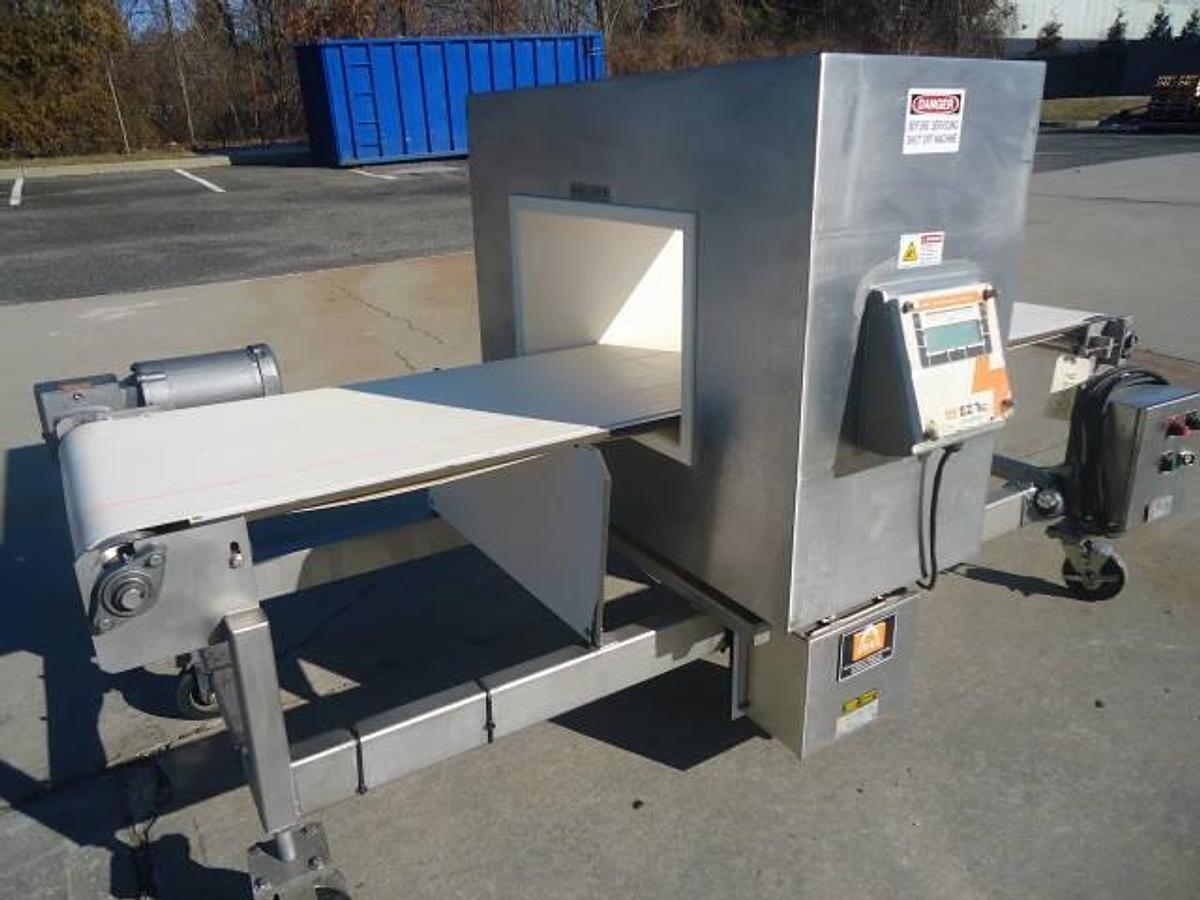
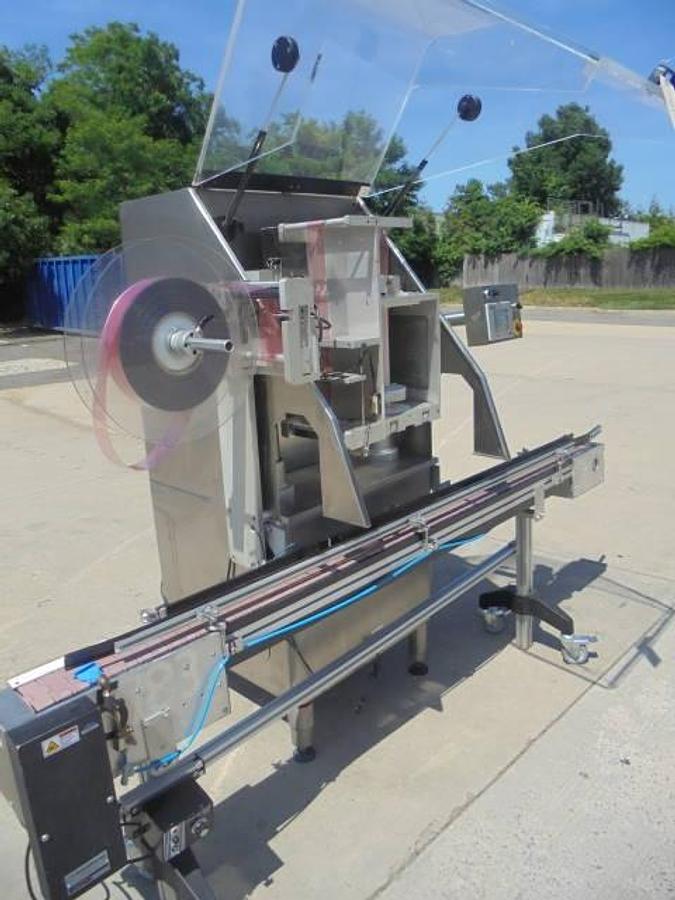
Stainless steel is used across an exceptionally wide range of food processing equipment categories because of its combination of hygiene, strength, and chemical resistance. Common examples include mixing and blending equipment, conveyors and transfer systems, tanks and vessels for holding or processing liquids, filling and packaging machinery, slicers and dicers, roasters and cookers, metal detectors with stainless housings, and banding or sleeving machines used in packaging lines. Virtually any piece of equipment that comes into direct or indirect contact with food product will be constructed with stainless steel as the primary or at least the food-contact material.
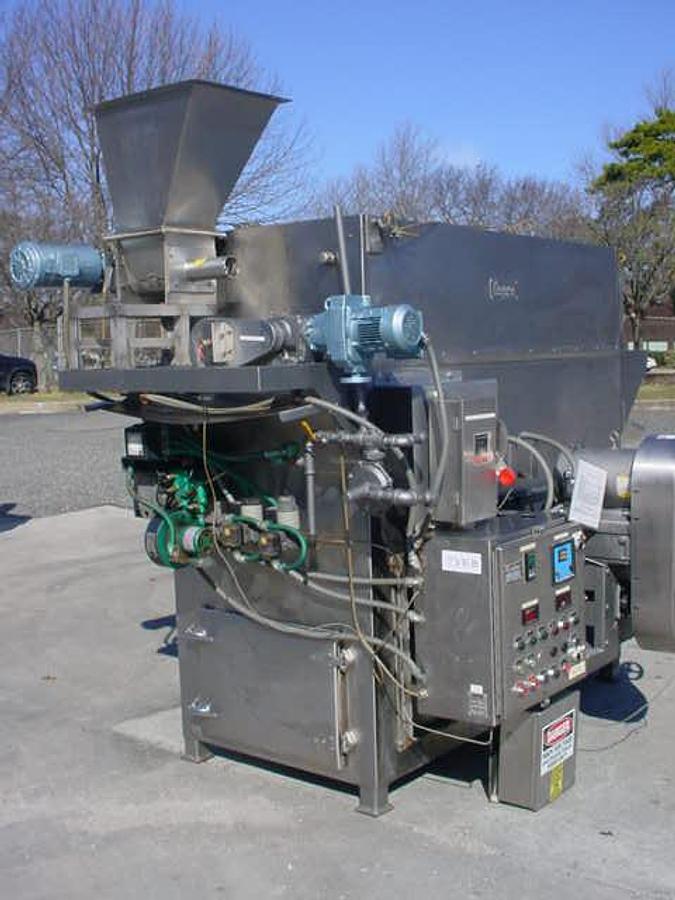
The used market for stainless steel food processing equipment is broad and includes machinery from a wide variety of manufacturers covering everything from snack food production to pharmaceutical-adjacent processing. For example, peanut roasters and corn poppers used in snack food manufacturing, automatic neck banders used in packaging operations, and inline metal detectors are all examples of equipment types that are regularly available on the used market in stainless steel construction. Buyers sourcing used equipment benefit from the material's durability, since a well-maintained stainless machine from a reputable manufacturer can offer many more years of reliable service at a fraction of the cost of comparable equipment purchased through a manufacturer's current production line.
What are the typical payment and shipping considerations when buying used food processing equipment?
Most used equipment dealers require full payment before a machine ships. Some dealers extend payment terms to repeat customers with an established purchasing history, but buyers new to a dealer should expect to pay in full upfront. This is standard practice in the used machinery industry and reflects the nature of selling pre-owned equipment on an as-is basis. Buyers should confirm accepted payment methods and any applicable transaction fees before finalizing a purchase.
Shipping costs for food processing equipment can vary significantly depending on the size and weight of the machine, its current location, and the level of packaging or crating required to protect it in transit. Smaller tabletop units may ship on standard pallets, while larger processing machines may require custom crating and heavy-duty rigging for loading and unloading at both ends of the shipment. Rigging services are typically an added cost beyond standard freight. Buyers should request a detailed breakdown of all shipping-related costs from the dealer before committing, including packaging, rigging, freight, and any destination handling fees, to get an accurate picture of the total landed cost of the equipment.