Category
Subcategory
Manufacturer
Model
Singar
Singar focuses on providing high-quality machinery for the textile industry, including weaving and finishing equipment. Their products are designed to improve efficiency and quality in textile production. Singar’s commitment to technological advancement has positioned them as a leader in the textile machinery market.
FAQ:
What types of Singar textile machinery are typically available on the used market?
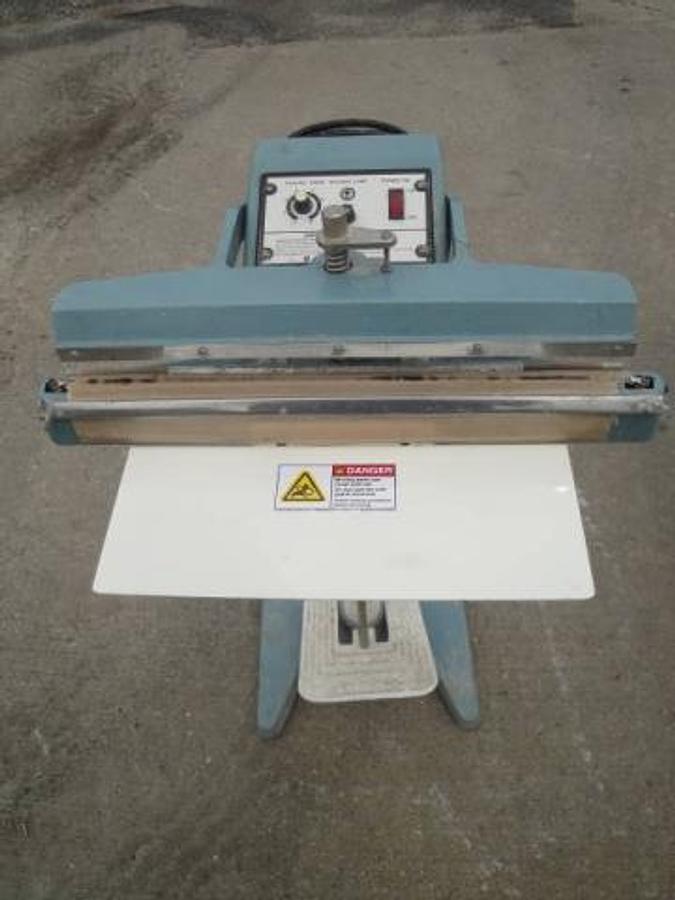
Used Singar textile machinery covers a fairly wide range of equipment across weaving, finishing, and garment production. Common machine types that appear on the used market include industrial sewing machines, overlock and flatlock machines, embroidery machines, fabric cutting equipment, and bag sealing machines. Finishing equipment such as pressing and folding machines also appears regularly. The variety reflects Singar's focus on covering multiple stages of textile production rather than a single niche.
Buyers sourcing used Singar equipment should pay attention to the specific model and its intended application, since machines built for heavy fabrics like denim, canvas, or upholstery have different specifications than those designed for lighter garment work. Key specs to compare include stitch speed measured in stitches per minute, motor power, thread compatibility, and the range of materials the machine can handle. Asking the dealer for full model details and any available documentation helps buyers match the right machine to their production requirements.
Is 'Singar' the same brand as 'Singer' sewing and textile machinery?
Singar' is widely understood to be a phonetic variation or regional spelling of the globally recognized Singer brand, used predominantly in South Asian markets including Pakistan, India, and Bangladesh. In local trade listings and spoken commerce across these regions, the two spellings are often used interchangeably, and buyers searching for one are typically looking for machinery associated with the other. This spelling variation has become common enough that it appears consistently in used equipment listings and local dealer inventories.
For practical purposes, a buyer researching Singar machinery should cross-reference Singer model numbers and specifications when evaluating a machine, since technical documentation, parts catalogs, and manufacturer support are generally published under the Singer name. If a dealer is listing a machine as Singar, it is worth confirming the exact model designation so that parts sourcing and any manufacturer support inquiries can be handled accurately. Consulting the manufacturer directly about parts availability and support for a specific model and age of machine is always a good step before committing to a purchase.
Are used Singar textile machines suitable for industrial production environments?
Industrial-grade Singar textile machines are built to handle continuous production demands and heavy materials, making them a practical option for manufacturing environments when the machines are in good working condition. These machines are capable of processing tough fabrics such as denim, leather, canvas, and upholstery materials, and they are designed for the kind of sustained duty cycles that a commercial or industrial facility requires. Many buyers in apparel manufacturing, upholstery shops, and bag production facilities source used industrial Singar equipment specifically because it delivers commercial-grade performance at a lower acquisition cost than purchasing comparable equipment.
That said, buying used machinery for industrial use requires more diligence than buying for light or occasional use. The machine's service history, current mechanical condition, and the availability of replacement parts all become more critical when the equipment is expected to run for extended hours. Buyers should request a thorough inspection, either in person or via video, and should verify with the manufacturer or an authorized service technician what level of parts and technical support is available for the specific model being considered. Age of the machine can directly affect parts availability, so this is a conversation worth having before finalizing any purchase.
What should buyers look for when inspecting used Singar textile machinery before purchase?
A thorough inspection of used Singar textile machinery should cover both mechanical and cosmetic aspects of the machine. On the mechanical side, buyers should check the condition of the motor, the accuracy and consistency of stitch formation, the smoothness of the feed mechanism, and the condition of any timing components. Wear on high-use parts such as presser feet, needle bars, feed dogs, and tension assemblies should be assessed, as these affect both performance and the cost of getting the machine into optimal working condition. If the machine is still installed at a production facility, an in-person inspection can sometimes be arranged so the buyer can observe it running under normal conditions.
For buyers who cannot travel to inspect a machine, most reputable dealers offer video inspections or recorded walkthroughs that show the machine operating. Keep in mind that dealers typically do not have the permitting required to run full production tests, so inspections will generally demonstrate the machine cycling and moving rather than processing actual product at production volume. Buyers should come prepared with a list of specific questions about the machine's history, any known issues, and what maintenance has been performed. Reviewing the machine's specifications against the manufacturer's published data for that model is also a useful way to identify anything that may have been modified or worn beyond acceptable tolerances.
How is pricing determined for used Singar textile machinery?
Pricing for used Singar textile machinery depends on several intersecting factors: the model and its original specifications, the age of the machine, its current mechanical condition, and market demand for that particular type of equipment. A well-maintained industrial sewing machine or finishing unit with low hours of use will command a meaningfully higher price than a similar model that has seen heavy production use or requires significant reconditioning. Specialized machines with features like programmable embroidery functions or high-speed automated cutting capabilities tend to hold value better than basic single-function units.
Buyers should also factor in the total landed cost of the equipment, not just the listed price. Shipping, crating or palletization, and any rigging required for loading and unloading heavier machines can add meaningfully to the final cost. If the machine requires servicing or parts replacement before it can be put into production, those costs should be estimated as part of the acquisition budget. Getting quotes on all of these elements before committing to a purchase gives a clearer picture of the true cost of ownership compared to sourcing a different machine or buying from a closer location.
What warranty or protection can buyers expect when purchasing used Singar textile machinery?
Used textile machinery is typically sold on an as-is basis, which is standard practice across the used equipment industry. Warranties are generally offered only by equipment manufacturers on newly produced machines, and used equipment dealers do not commonly extend warranty coverage. This means the responsibility for evaluating the condition of the machine sits with the buyer, making pre-purchase inspection a critical step rather than an optional one.
Because there is no warranty safety net, buyers should place significant weight on the reputation and track record of the dealer they choose to work with. Dealers who specialize in textile machinery and have a documented history of transactions in this category are better positioned to provide accurate condition assessments and honest disclosures about any known issues. Buyers should also contact the manufacturer directly to understand what technical support, service documentation, and parts availability exist for the specific model and production year of the machine they are considering, since older or discontinued models may have limited support regardless of who sells them.
Are spare parts and replacement components readily available for Singar textile machines?
Parts availability for Singar textile machinery varies depending on the model, the age of the machine, and whether the machine is a standard production model or a more specialized unit. For machines that correspond to widely produced Singer industrial models, parts such as needles, presser feet, feed dogs, bobbins, and belts are often available through textile machinery parts suppliers and, in some cases, directly through the manufacturer or its authorized service network. These consumable and wear components tend to remain available for longer periods than major mechanical assemblies.
For older or less common models, parts sourcing can be more challenging. Before purchasing a used machine, it is worth researching parts availability specifically for that model number. Contacting the manufacturer to ask about current parts support for the machine's age and model is a practical step that can prevent significant downtime after purchase. Some buyers also work with independent machine shops or textile equipment technicians who can fabricate certain components when manufacturer parts are no longer produced. Building a small stock of critical wear parts at the time of purchase is a common practice among experienced buyers of used textile equipment.
How does buying used Singar textile machinery compare to buying new equipment?
The primary advantage of buying used Singar textile machinery is cost. Used machines can be acquired at a fraction of the price of comparable equipment purchased directly from a manufacturer, which makes it possible for smaller operations, startups, or facilities expanding capacity to access industrial-grade equipment without the capital outlay that new machines require. In markets where used textile machinery is widely traded, buyers can often find machines that have useful remaining service life at prices that make economic sense even if some reconditioning is needed.
The trade-offs are real and worth understanding clearly. Used machines come without the support structure that typically accompanies a new purchase, including manufacturer setup assistance, training, and warranty coverage. The buyer takes on more risk related to the machine's condition and history, and parts sourcing may require more effort depending on the model. Buyers who approach used equipment purchases with thorough inspections, realistic cost-of-ownership estimates, and a clear understanding of the machine's specifications relative to their production needs tend to get good results. Those who skip due diligence steps can end up with machines that require expensive repairs before they can be put into service.
What does the shipping and delivery process look like for used Singar textile machinery?
Shipping used textile machinery involves more planning than standard freight because these machines are heavy, sometimes awkward in dimension, and sensitive to rough handling. Machines need to be properly secured, palletized, or crated before shipment to prevent damage in transit, and the level of packaging required will affect the shipping cost. Smaller machines may ship on standard pallets, while larger industrial units often require custom crating or skidding to protect them adequately. Buyers should ask dealers specifically what packaging method will be used and whether that cost is included in the quoted price or billed separately.
For heavier machines, rigging is typically required for both loading at the origin and unloading at the destination. This involves specialized equipment and labor to safely move machines that cannot be handled by standard forklifts or dock equipment, and it represents an added cost that buyers should account for when calculating total landed cost. Freight rates also vary based on distance, carrier, and whether the shipment is domestic or international. Getting a complete breakdown of packaging, rigging, and freight costs from the dealer before agreeing to purchase is the best way to avoid surprises and make an accurate comparison between machines available from different locations.
What payment terms do used textile machinery dealers typically offer?
Most used textile machinery dealers require full payment before a machine is shipped. This is standard practice in the industry and reflects the nature of used equipment transactions, where the dealer needs to confirm funds before releasing inventory. Payment is typically accepted by wire transfer, and buyers should confirm accepted payment methods with the dealer early in the process. In some cases, dealers may offer payment terms or installment arrangements to repeat customers with whom they have an established relationship, but this is not the norm for first-time buyers.
Buyers should treat the payment process as part of their overall due diligence. Paying in full before shipment means the inspection phase is especially important, since there is limited recourse once payment has been made and the machine is in transit. Working with dealers who have a verifiable track record in textile machinery, who provide clear documentation of the machine's condition, and who are transparent about what is and is not included in the sale helps reduce the risk that comes with prepayment. Asking for detailed invoices and written confirmation of what was agreed upon before transferring funds is a basic but important step.