Category
Manufacturer
Model
Simplex
Simplex focuses on manufacturing equipment for the packaging industry, offering a diverse array of machines such as fillers, sealers, and wrappers. Their products cater to various sectors, including food, pharmaceuticals, and personal care. Simplex is known for its reliable and efficient machinery that enhances production efficiency.
FAQ:
What is a Simplex filling machine and what industries use them?
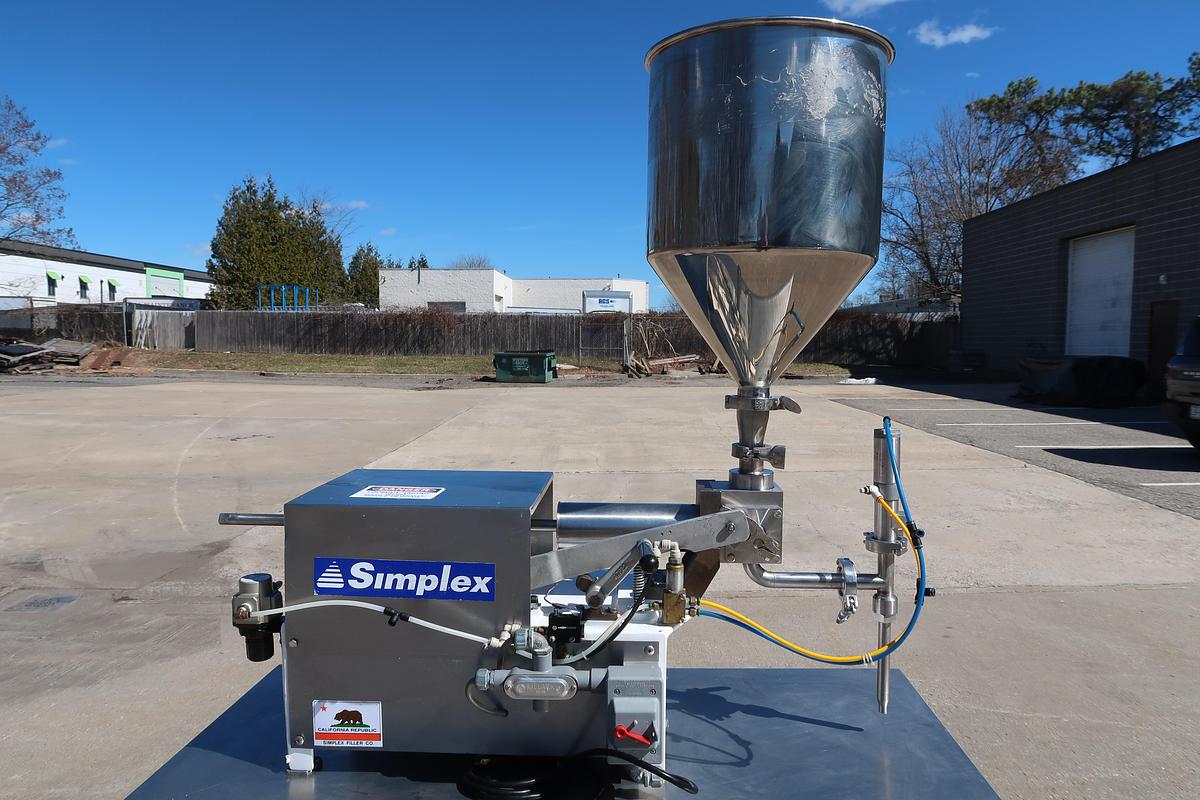
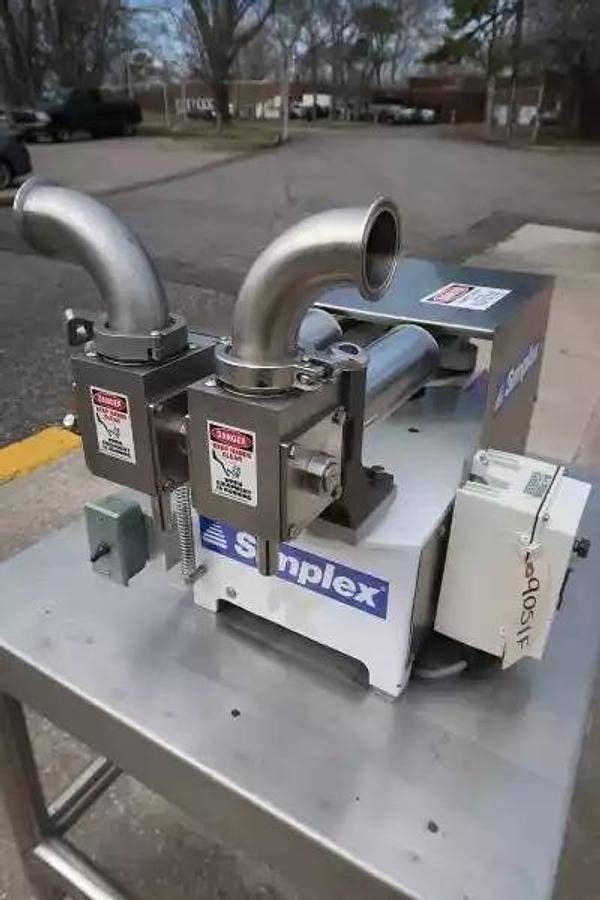
Simplex is a manufacturer focused on packaging equipment, producing a range of fillers, sealers, and wrappers designed for production environments that demand accuracy and reliability. Their filling machines are built around piston-based technology, which delivers precise volumetric fills across a wide range of product viscosities. The lineup includes single-piston, dual-piston, twin-head, and four-piston configurations, giving buyers options that scale from small-batch operations to higher-volume production lines.
Industries that commonly use Simplex filling machines include food and beverage, pharmaceuticals, personal care, and chemical manufacturing. The machines are well suited for any application where consistent fill weights or volumes are critical, whether that means filling salad dressings, lotions, cleaning products, or liquid medications. Their construction typically features stainless steel contact parts, which satisfies sanitary requirements across these regulated sectors. Used Simplex machines remain popular on the secondary market because the brand has a long track record of building durable, serviceable equipment that holds up well over time.
What fill volumes can Simplex filling machines handle?
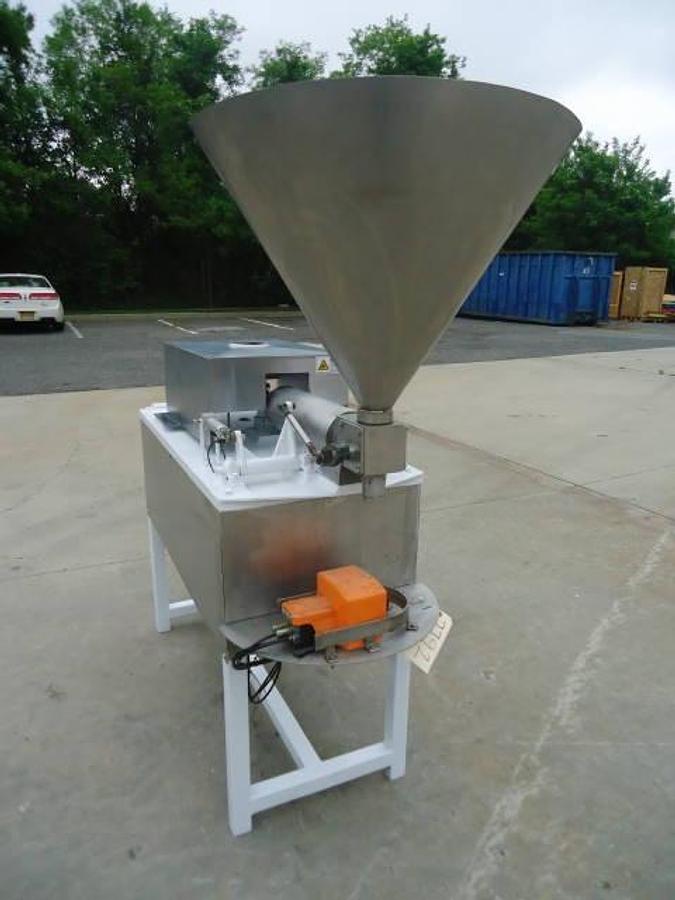
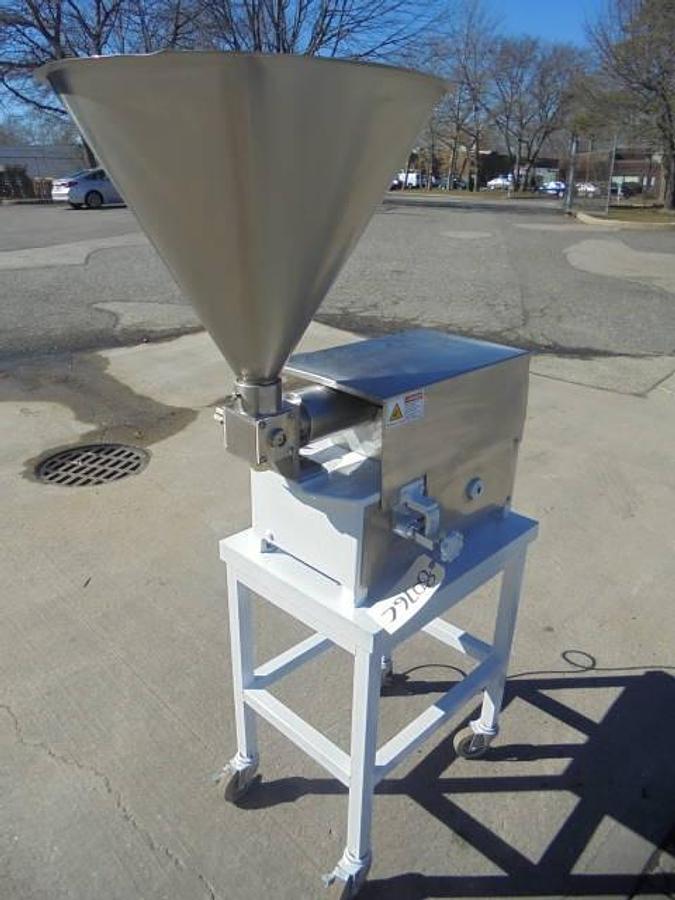
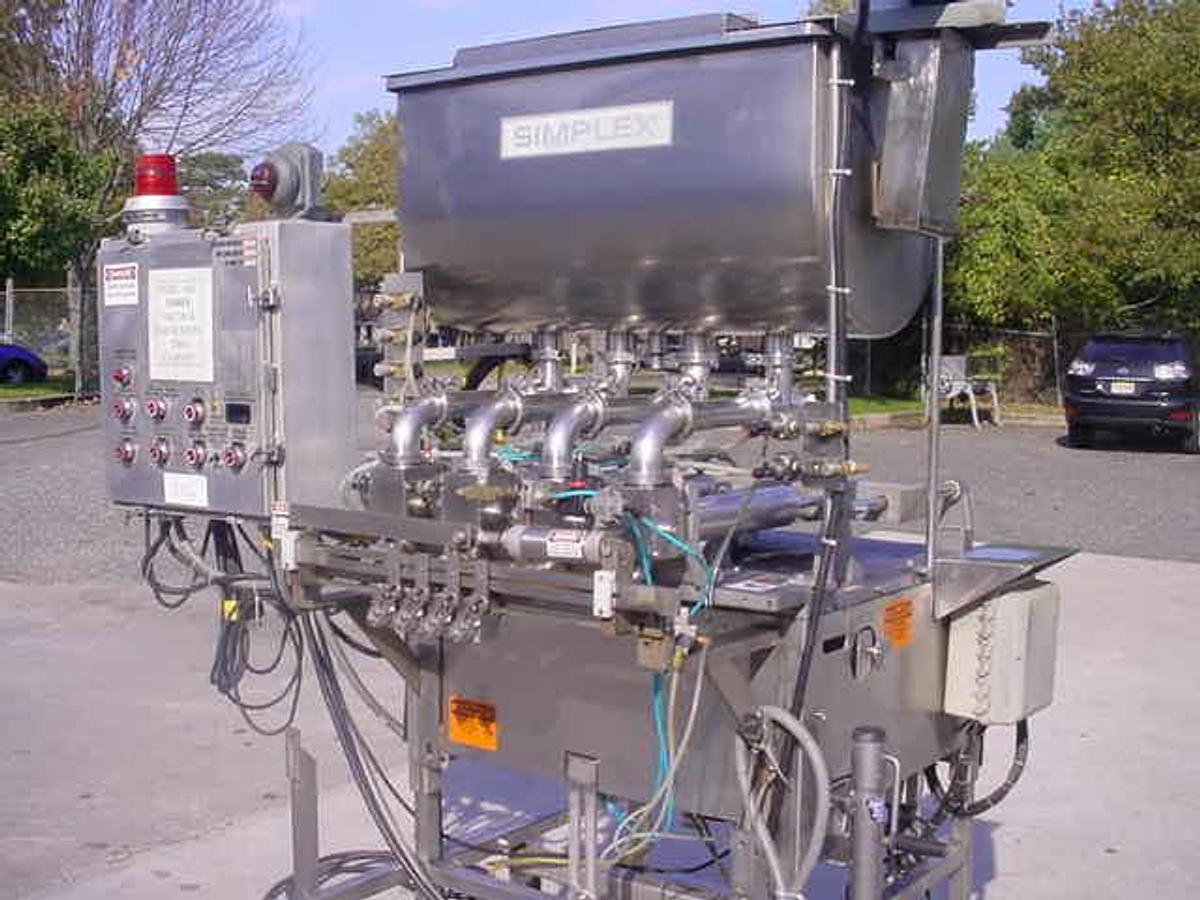
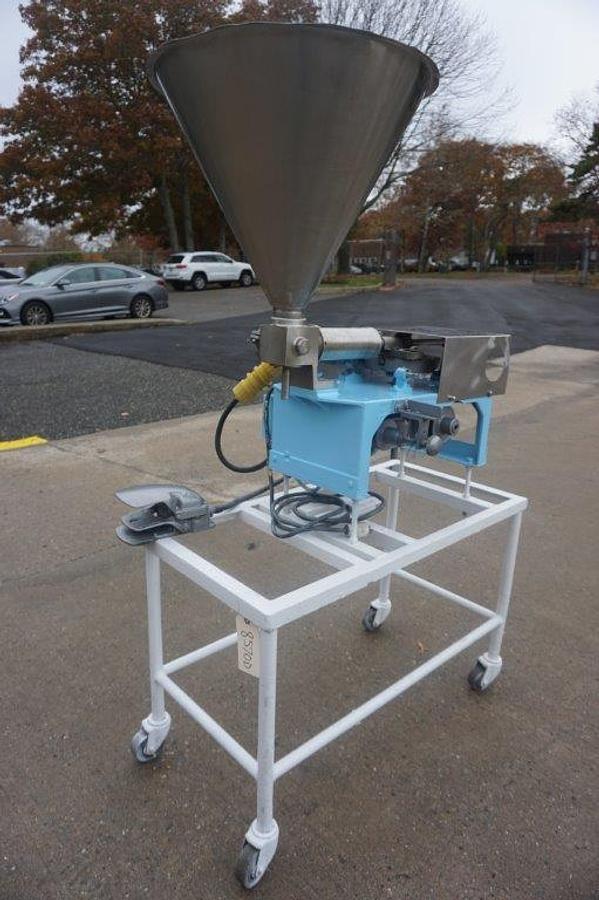
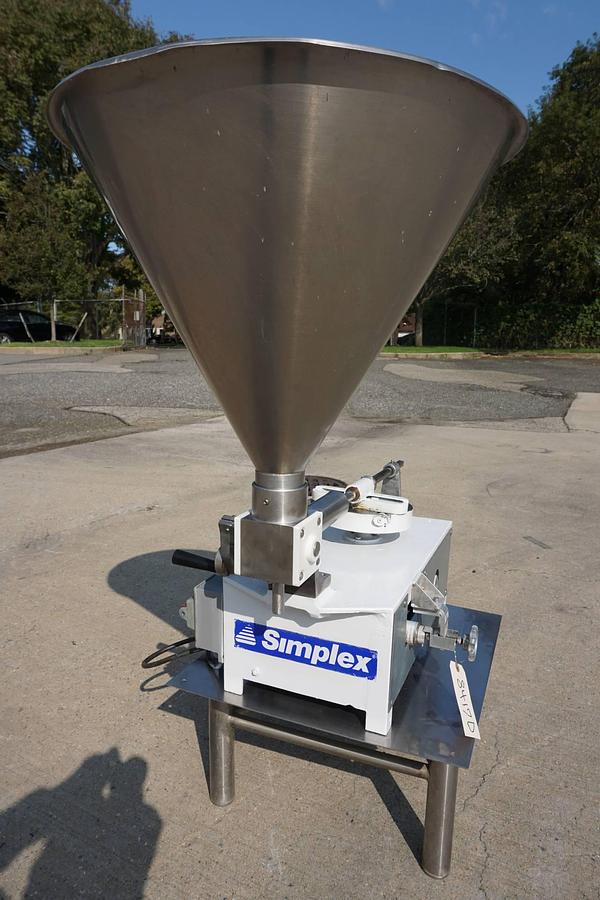
Simplex filling machines cover a broad range of fill volumes, and the specific capacity depends heavily on the model and piston size installed. Looking at machines available on the used market, piston sizes range from smaller configurations suited for a few ounces up to large-capacity pistons in the 132-ounce and 170-ounce range. The Simplex V-400, for example, is configured with 32-ounce pistons across four heads, making it appropriate for mid-range fills at higher throughput. Single-piston models like the AS-1 and AS single piston fillers are typically used for smaller to mid-size fills where precision on a single lane is the priority.
Fill volume adjustability is one of the practical advantages of piston-style filling. Operators can typically dial in the stroke length to change the fill volume without swapping out major components, which is valuable for producers running multiple SKUs on the same machine. When evaluating a used Simplex filler, buyers should confirm the piston size installed and whether the machine has been set up for the fill range they need. Some machines on the used market may have oversized or undersized pistons for a particular application, so understanding the installed configuration before purchase is important.
Are Simplex filling machines suitable for viscous products as well as thin liquids?
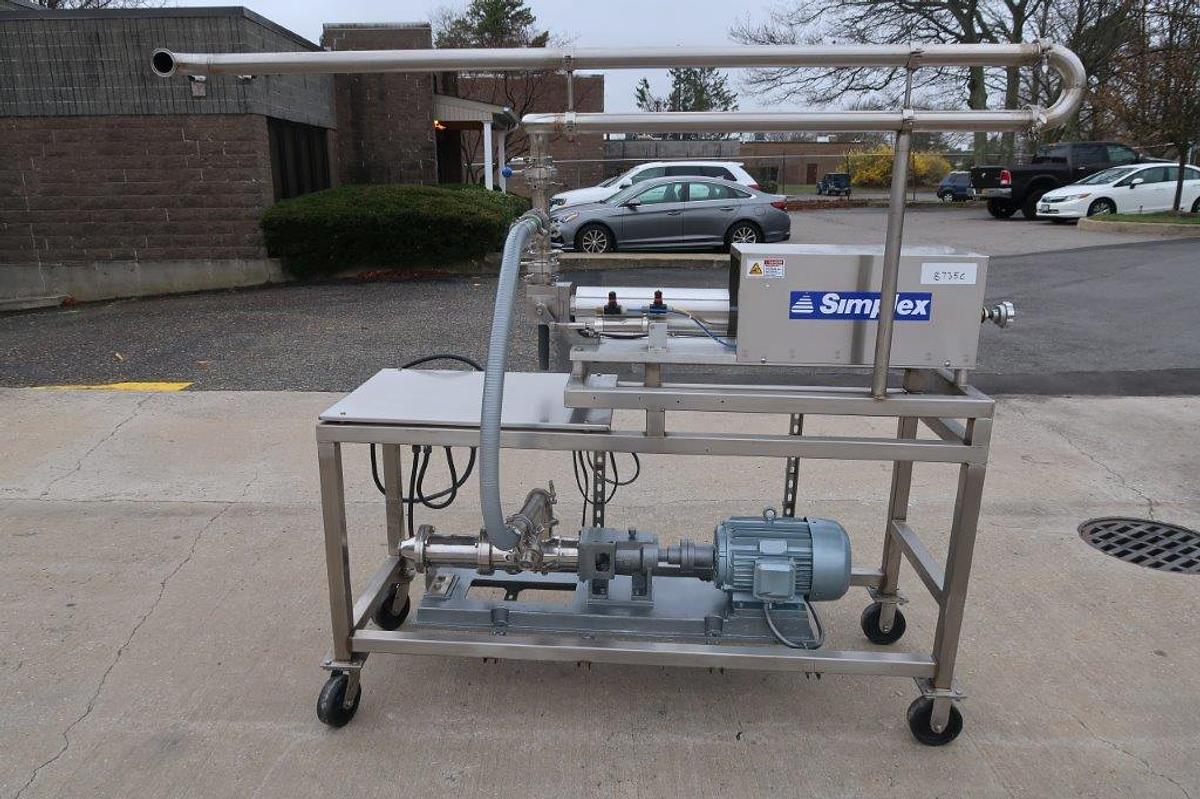
Piston-style filling machines, which make up the bulk of the Simplex product line, are well regarded for handling viscous products that gravity-fed or overflow fillers struggle with. Because the piston mechanically draws product into the cylinder and then pushes it into the container, the fill process does not rely on product flow characteristics the way pressure-gravity systems do. This makes piston fillers a practical choice for thick sauces, gels, creams, pastes, and similar products. Simplex also offers models like the AV-100 with a progressive cavity feed pump, which is specifically designed to move heavy-bodied or chunky products through the system without damaging them.
For thinner, free-flowing liquids, Simplex also produces inline pressure-gravity automatic filling machines, which use a different mechanism better suited to water-like products, beverages, and light oils. Buyers should match the machine type to their product viscosity range rather than assuming any Simplex filler will handle all product types equally well. When purchasing a used machine, it is worth asking the seller about the product the machine was previously used with, as this gives useful context about whether the configuration and seals are appropriate for the intended application. Machines used previously with food-grade products, for instance, may be better candidates for food production environments than those coming out of chemical processing.
What is the difference between semi-automatic and fully automatic Simplex filling machines?
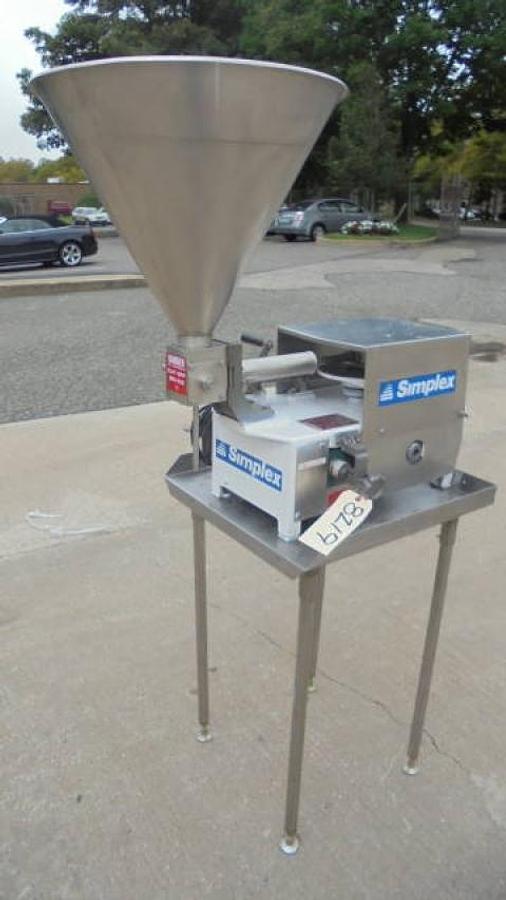
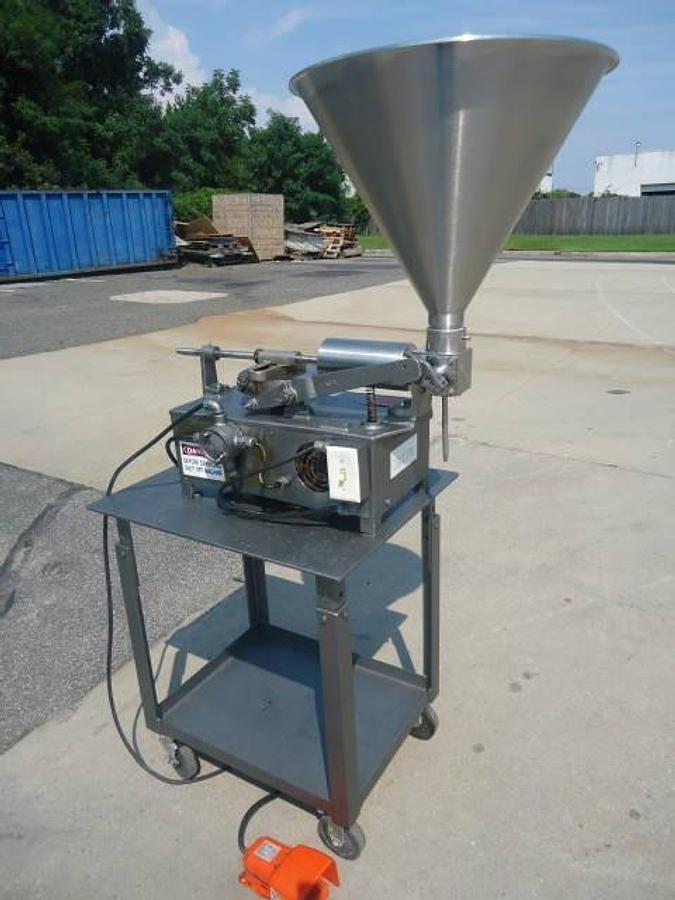
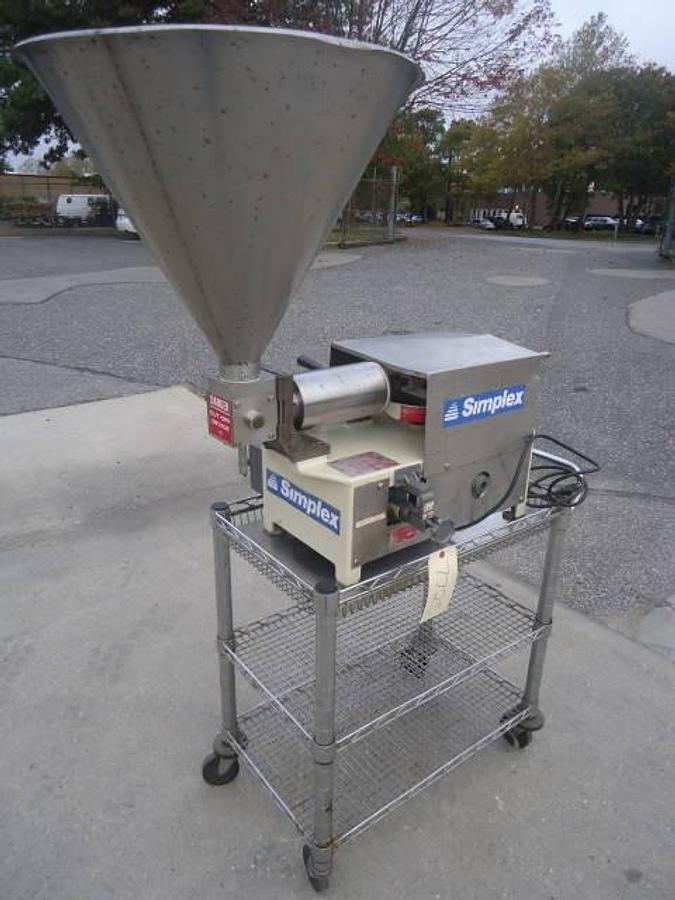
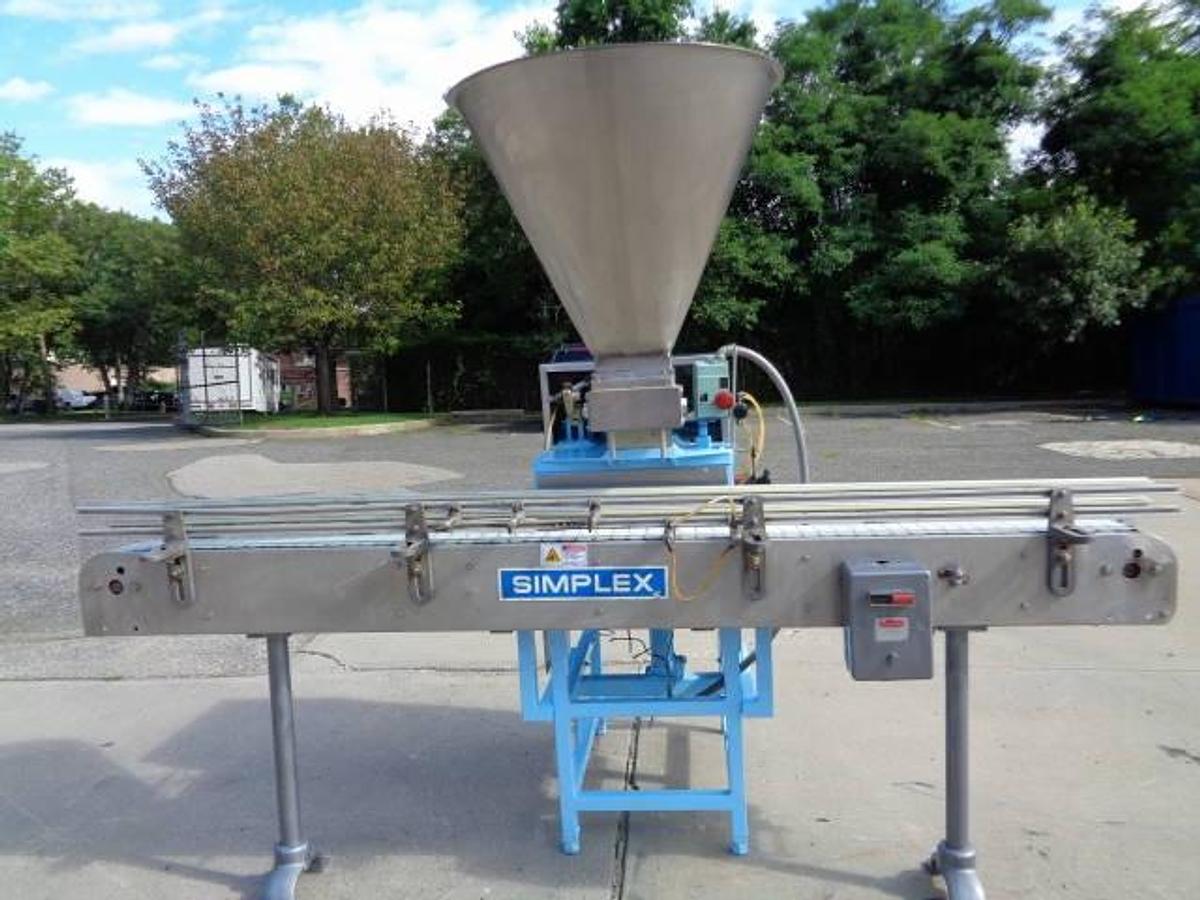
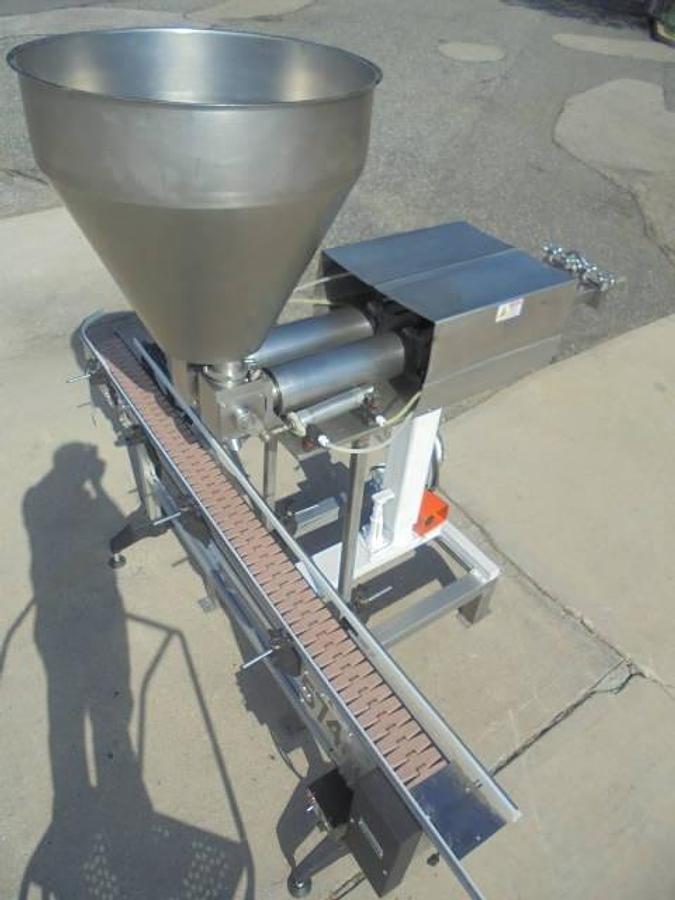
Semi-automatic Simplex filling machines require an operator to position each container under the fill head and typically trigger the fill cycle manually or with a foot pedal. These models, which include several of the single-piston tabletop configurations in the Simplex lineup, are well suited for small businesses, startups, or operations with lower production volumes where the cost of full automation is not justified. They are also easier to set up and require less floor space, making them a practical entry point for companies that are scaling up production gradually.
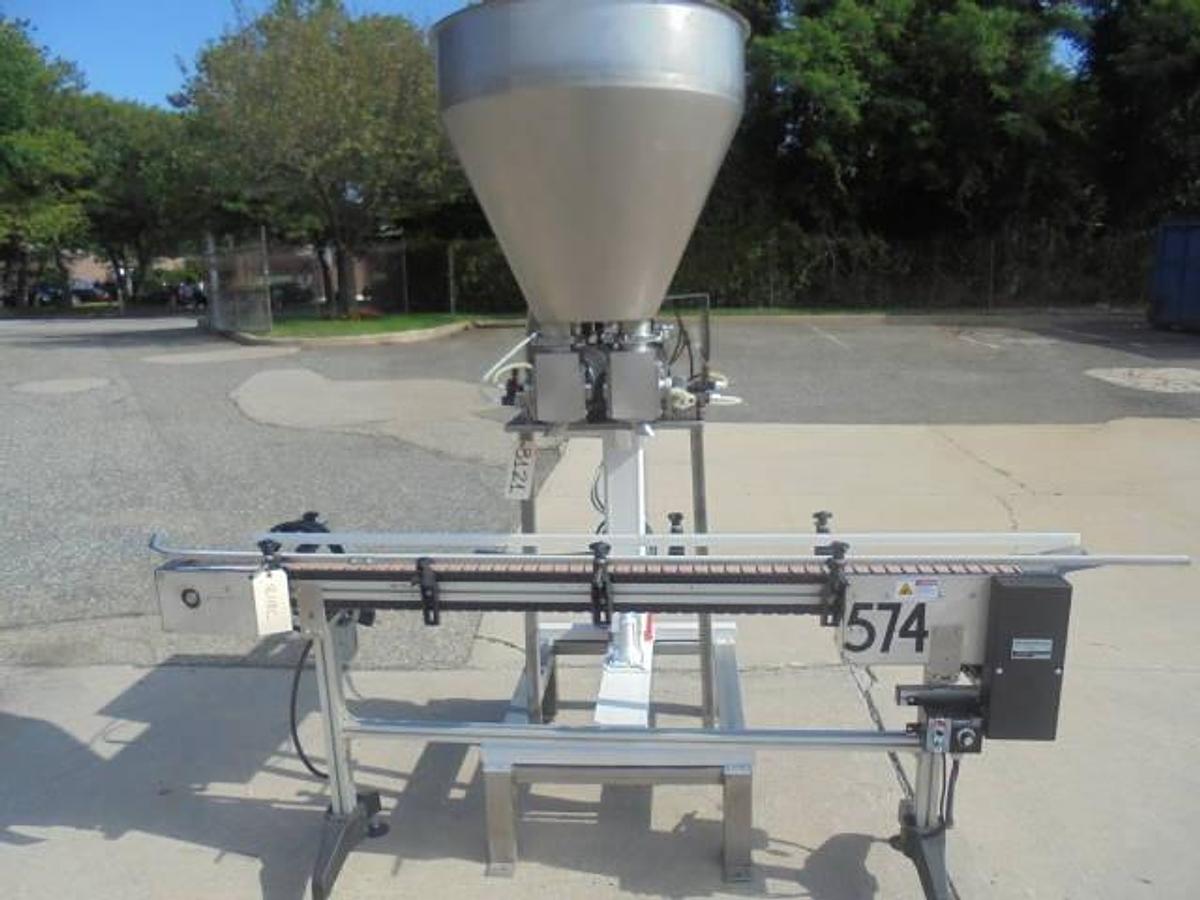
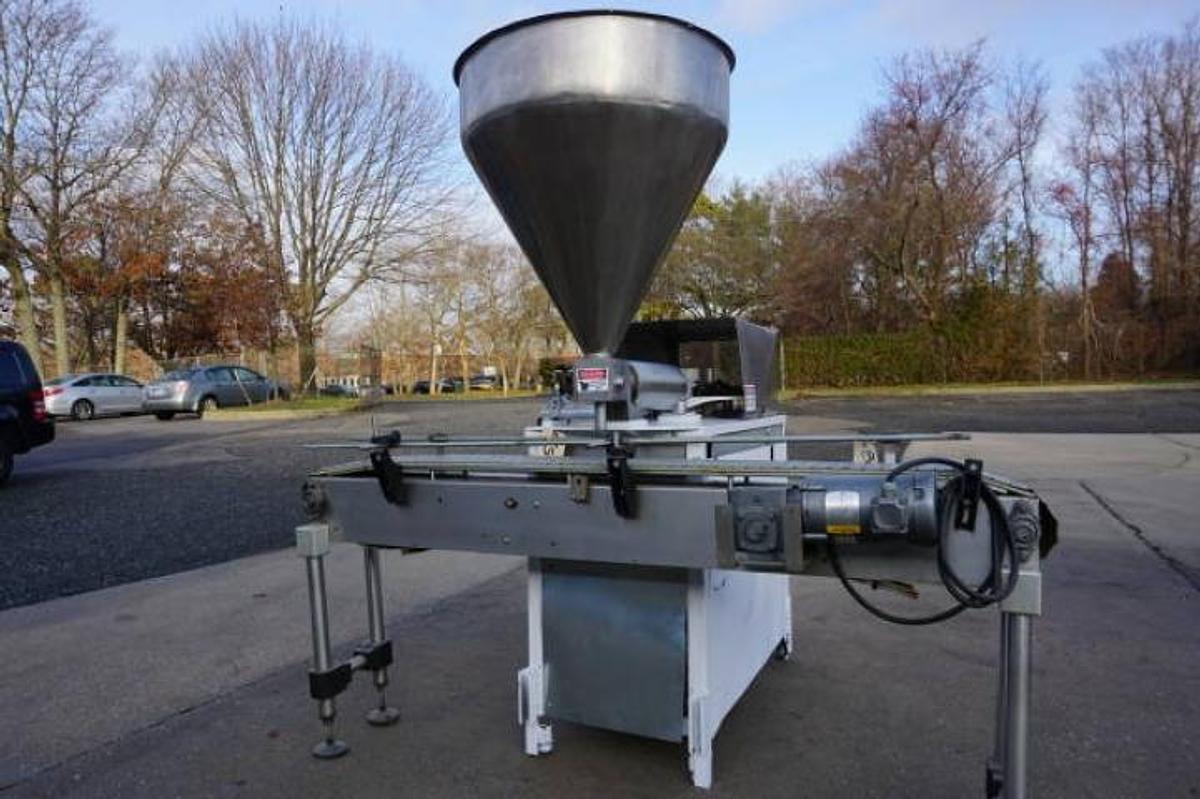
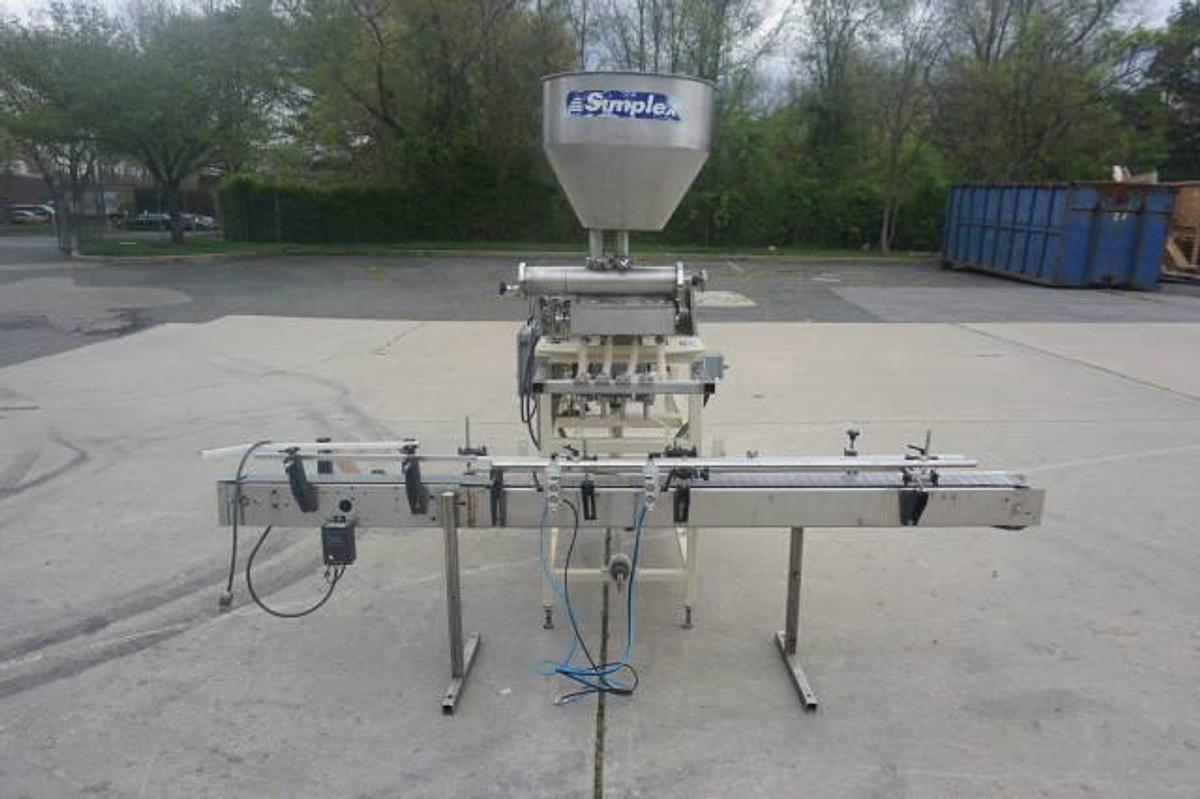
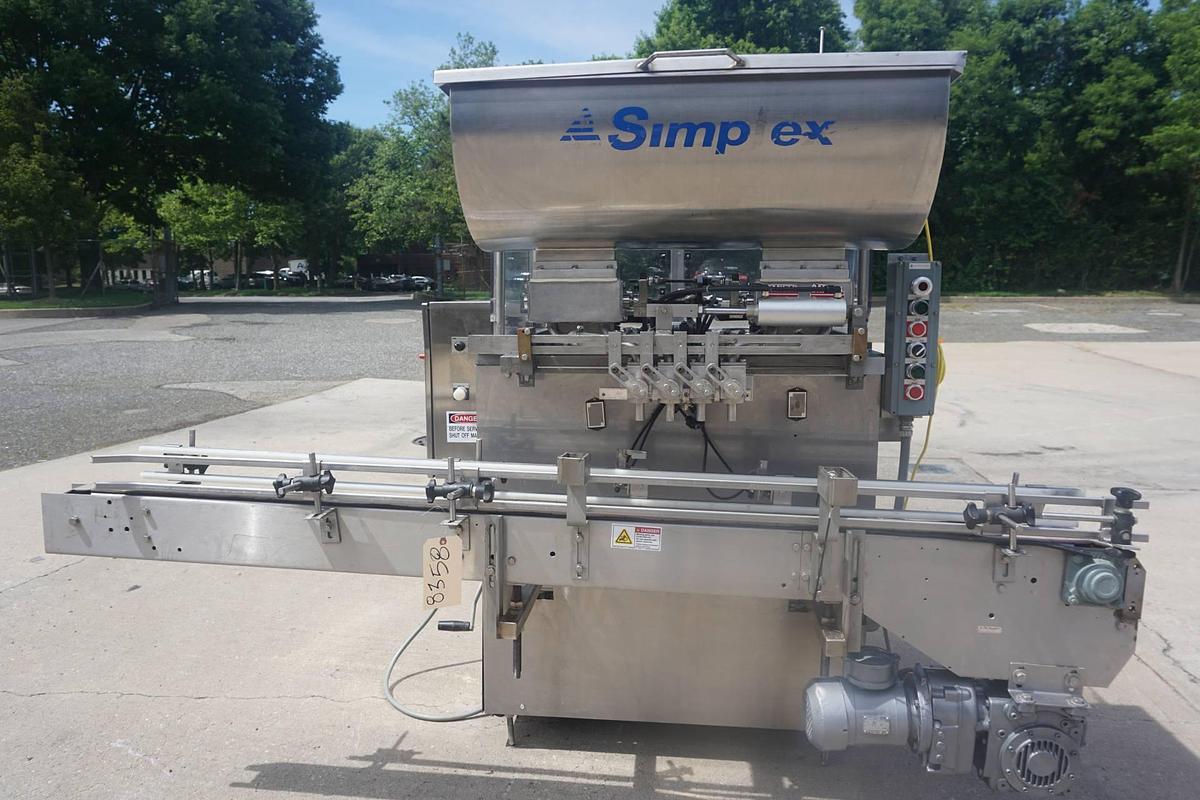
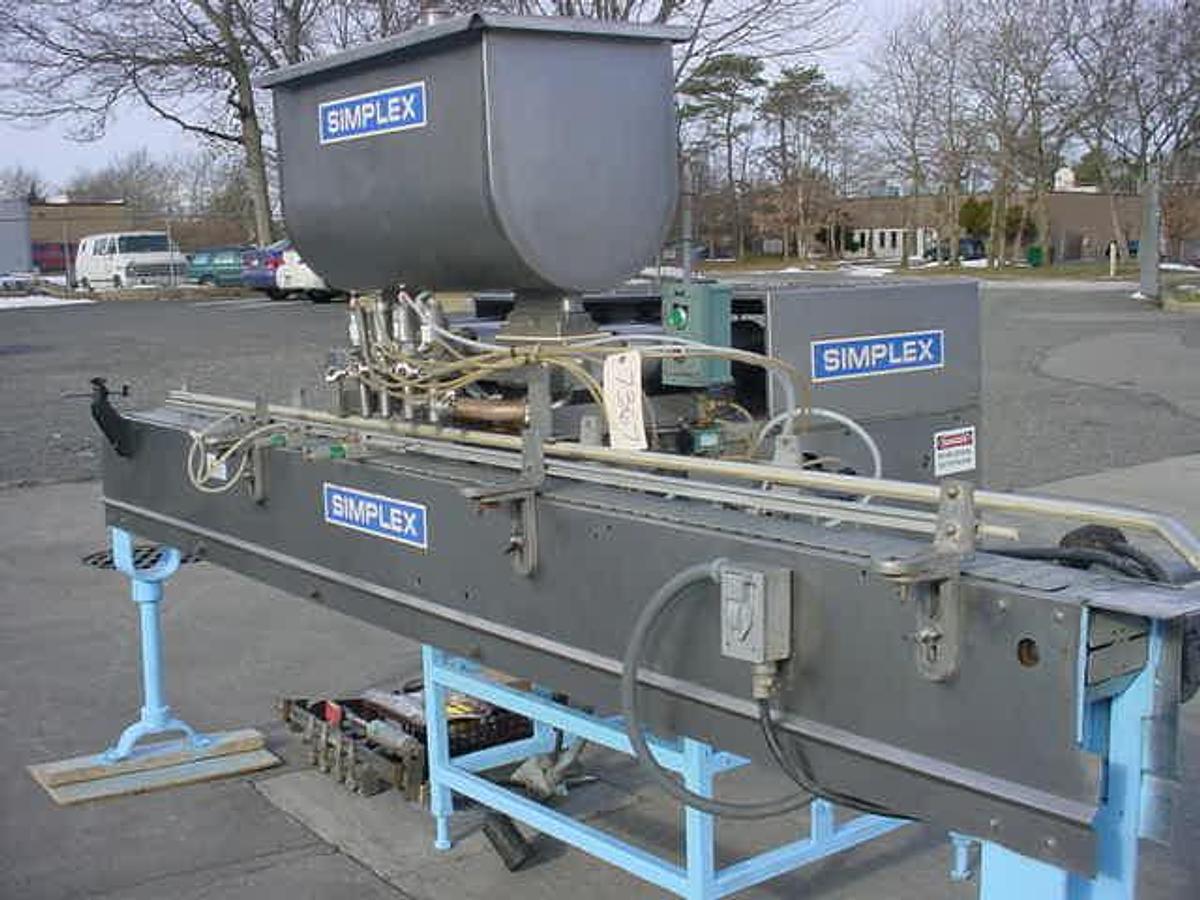
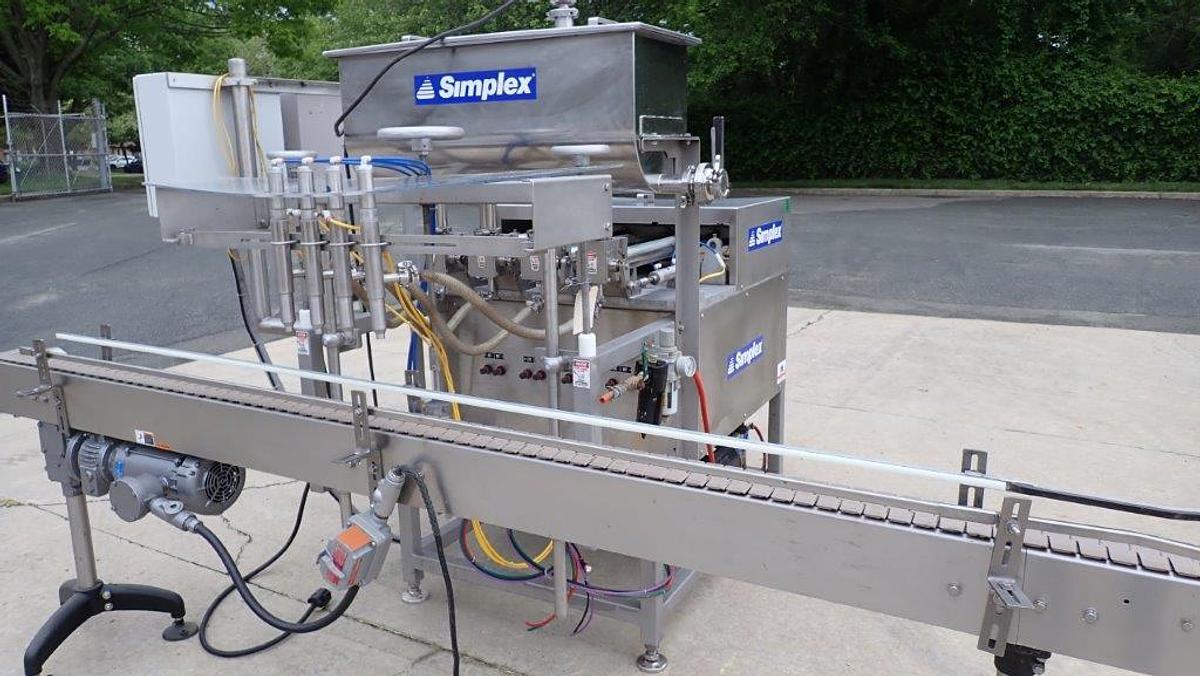
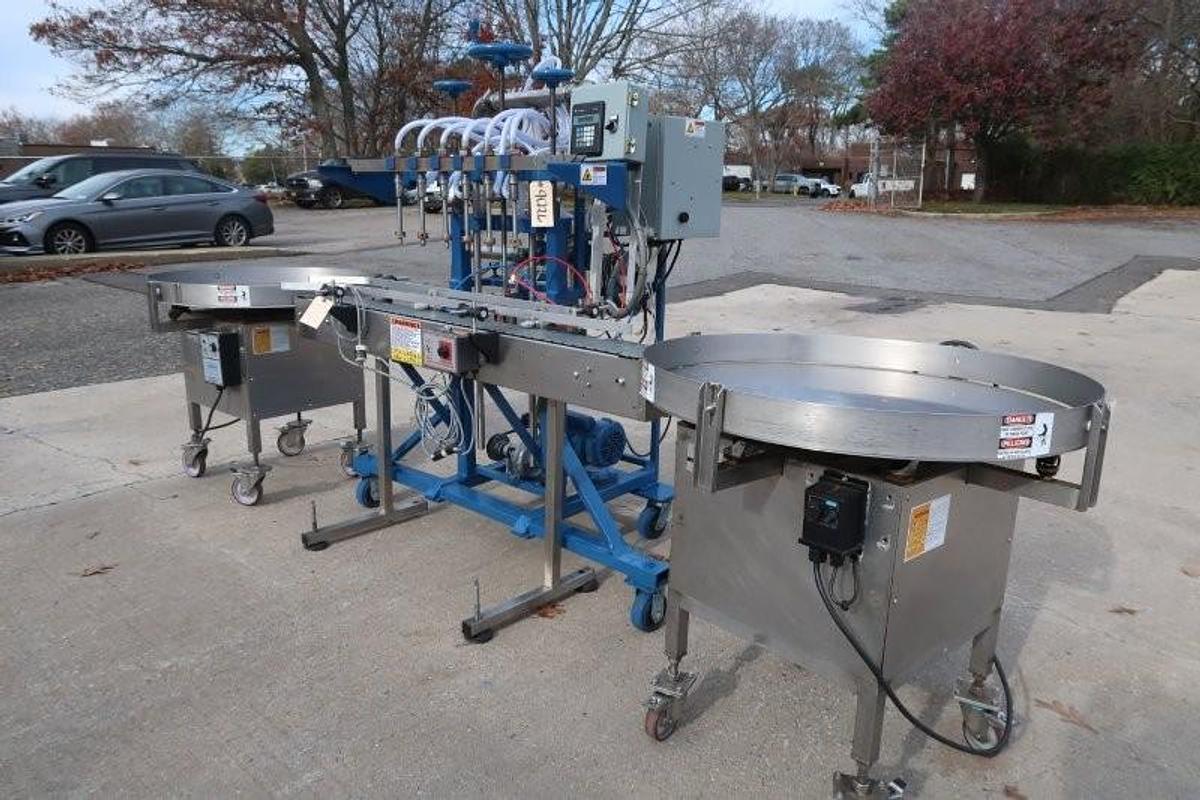
Fully automatic models, such as the Simplex four-head automatic piston fillers and the twin-head automatic filler with indexing conveyor, handle container indexing and fill cycling without constant operator intervention. These machines are designed for higher-throughput environments where labor costs and production speed are primary concerns. The indexing conveyor variant moves containers through the fill station automatically, which significantly increases output compared to manually fed machines. On the used market, fully automatic models tend to carry a higher price point than semi-automatic ones, but the throughput advantage often justifies the difference for mid-size and larger producers. Buyers should assess their current and near-term production volumes honestly before deciding which category makes sense for their operation.
What should buyers look for when inspecting a used Simplex filling machine before purchase?
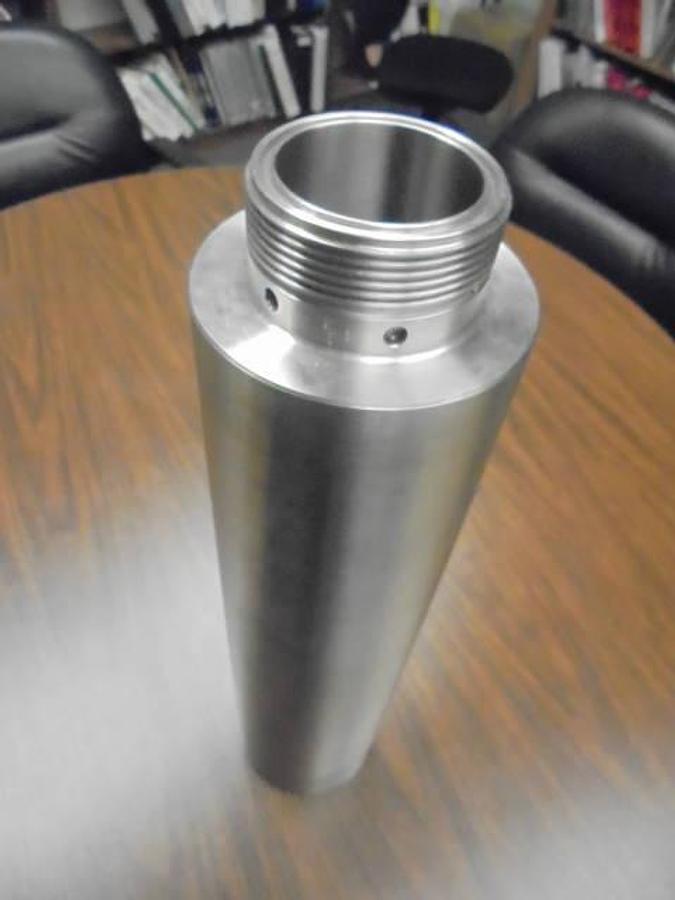
A thorough inspection of a used Simplex filling machine should focus on the condition of the piston and cylinder assembly, as these are the core components that determine fill accuracy and longevity. Wear on piston seals, scoring on cylinder walls, or leakage around the valve block are signs that the machine will need service before returning to reliable production. Stainless steel product contact surfaces should be examined for pitting, cracks, or signs of corrosion, particularly on machines that handled acidic products. Electrical components, including motors, controls, and wiring, should also be assessed for condition and whether they are compatible with the buyer's facility power supply.
Used equipment dealers will typically accommodate in-person inspections, virtual walkthroughs, or video captures of the machine so buyers can get an accurate picture of current condition. Some machines may still be installed at the facility where they were last used, making it possible to observe the equipment in a production context. Keep in mind that most dealers are not set up to run actual product through a machine during inspection, since that level of testing requires production permits they do not hold. Buyers should also consult with Simplex or a qualified service technician to understand parts availability for the specific model and age of machine they are considering, as older models may have limited manufacturer support for certain components.
Do used Simplex filling machines come with a warranty?
Warranties on filling machines are typically offered by the original manufacturer at the time of first sale. When a machine enters the used equipment market, it is generally sold on an as-is basis, meaning the seller does not extend a manufacturer-style warranty covering defects or performance. This is standard practice across the used machinery industry and applies to Simplex fillers as it does to other brands. The responsibility for verifying the machine's condition shifts to the buyer, which is why inspection before purchase is so important.
Buyers can reduce their risk by working with reputable used equipment dealers who have a long history in the packaging machinery space and who specialize in the types of equipment they are selling. Dealers who allow thorough inspections and provide accurate, detailed descriptions of machine condition are a better choice than those who offer little information. It is also worth contacting Simplex directly to ask about the level of support available for a particular model, since the manufacturer's ability to supply parts and technical guidance can vary based on the age and production status of the machine. Understanding what support exists before committing to a purchase helps buyers plan for any refurbishment or maintenance costs they may encounter after acquisition.
Can a used Simplex filling machine be integrated into an existing production line?
Simplex filling machines are designed with production line integration in mind, and many models in the lineup are built to accept upstream and downstream conveyor connections. The twin-head automatic filler with indexing conveyor, for example, is already configured for inline operation and can be positioned between container feeding and capping or labeling stations. Four-head automatic models are similarly suited for integration into continuous-flow production environments. Semi-automatic and tabletop models are more commonly used as standalone stations, though they can still fit into a broader packaging workflow with some process planning.
When integrating a used machine into an existing line, buyers should verify that the fill head height, conveyor height, and container handling specifications of the Simplex filler are compatible with the surrounding equipment. Electrical compatibility is another consideration, particularly for facilities running on specific voltage and phase configurations. Simplex machines in the used market include both single-phase and three-phase models, so confirming the power requirements against available facility power before purchase avoids costly electrical modifications. Working with a packaging line integrator or a knowledgeable used equipment dealer during the selection process can help identify potential compatibility issues early.
What power requirements do Simplex filling machines typically have?
Simplex filling machines are available in several electrical configurations depending on the model and drive system. Many of the smaller single-piston and tabletop models in the lineup operate on single-phase power, often at 110 volts, which makes them easy to deploy in facilities without dedicated three-phase electrical infrastructure. These models are particularly common in small production environments, craft manufacturing, and startup operations. Air-operated variants, such as the AV-100 single piston filler, use compressed air as the primary drive source rather than an electric motor, which simplifies electrical requirements but adds a dependency on a reliable compressed air supply.
Larger and more automated Simplex models, including multi-head automatic fillers, may require three-phase power to run the motors and controls at production speeds. Buyers evaluating used machines should confirm the voltage, phase, and amperage requirements of the specific machine they are considering and compare those against what is available at their facility. Upgrading facility electrical service is possible but adds cost and lead time, so identifying any mismatches before purchase is practical. The physical footprint of Simplex fillers varies as well, from compact tabletop units that require minimal floor space to larger inline systems that need several feet of clearance for operation and maintenance access.
How easy is it to clean and maintain a used Simplex filling machine?
Maintenance accessibility is one of the practical strengths of piston-style filling machines in general, and Simplex equipment is designed with disassembly and cleaning in mind. The piston and cylinder assembly can typically be removed without special tooling for cleaning between product runs or changeovers. Stainless steel product contact surfaces resist corrosion and are easier to sanitize than machines with more complex internal geometries. For food, pharmaceutical, and personal care applications, the ability to thoroughly clean the fill path between runs is not just a convenience but a regulatory requirement, so this design characteristic has real operational value.
For ongoing maintenance, the primary wear items on piston fillers are the piston seals and valve components. These parts are generally straightforward to replace, though availability can vary depending on the age of the machine. Buyers purchasing a used Simplex filler should ask the seller about the service history and whether any seals, valves, or other wear components have been recently replaced. Contacting Simplex directly about parts availability for a specific model and serial number is a worthwhile step before committing to a purchase, particularly for older machines that may be outside the current production range. Having a supply of common wear parts on hand after acquisition reduces the risk of unplanned downtime.
What should buyers expect regarding shipping and payment when purchasing a used Simplex filling machine?
Shipping costs for used filling machines depend on the size and weight of the equipment, the destination, and the level of packaging required to protect the machine in transit. Tabletop and single-piston models are relatively compact and may ship on a standard pallet, while larger four-head automatic fillers or machines with integrated conveyors will require more substantial crating and potentially specialized rigging for loading and unloading. Buyers should ask the seller for a detailed breakdown of packaging, rigging, and freight costs before finalizing a purchase so the full landed cost of the equipment is clear. Overlooking these costs can lead to budget surprises, particularly for heavier machines that require forklift or crane service at the destination.
Payment terms in the used machinery market typically require full payment prior to shipping. Some dealers extend credit terms to repeat customers, but first-time buyers should generally plan for payment in full before the machine leaves the seller's facility. This is standard industry practice and reflects the nature of used equipment transactions where the seller needs assurance before releasing a physical asset. Buyers should confirm accepted payment methods with the seller early in the process and factor in any wire transfer fees or processing timelines that could affect the transaction schedule.