Category
Manufacturer
Model
Silverson
Silverson is renowned for its high-shear mixing equipment, primarily serving the food, pharmaceutical, and cosmetic industries. Their machines are particularly popular for emulsifying, homogenizing, and dispersing a wide range of materials. Silverson’s innovative technology ensures efficient mixing processes, making them a preferred choice among manufacturers.
FAQ:
What models of used Silverson high shear mixers are typically available on the market?
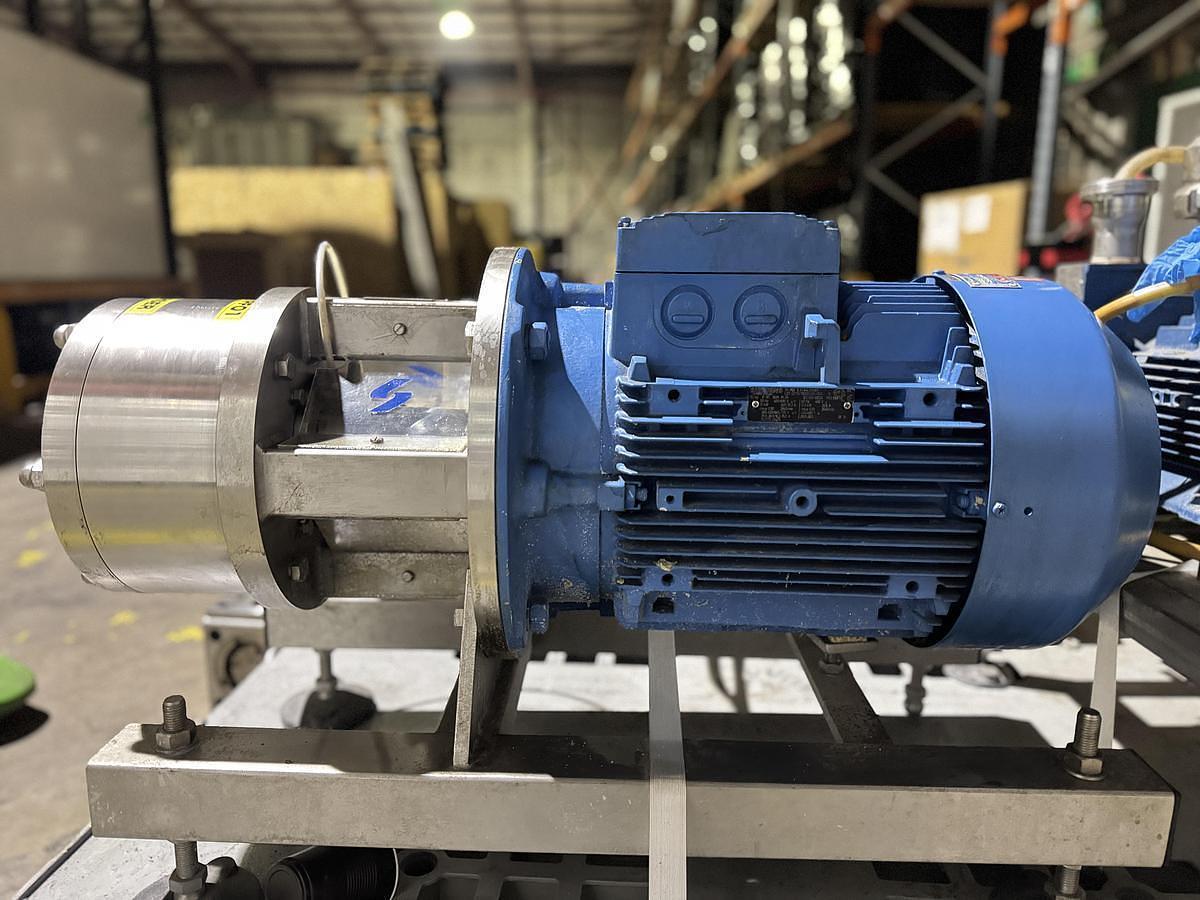
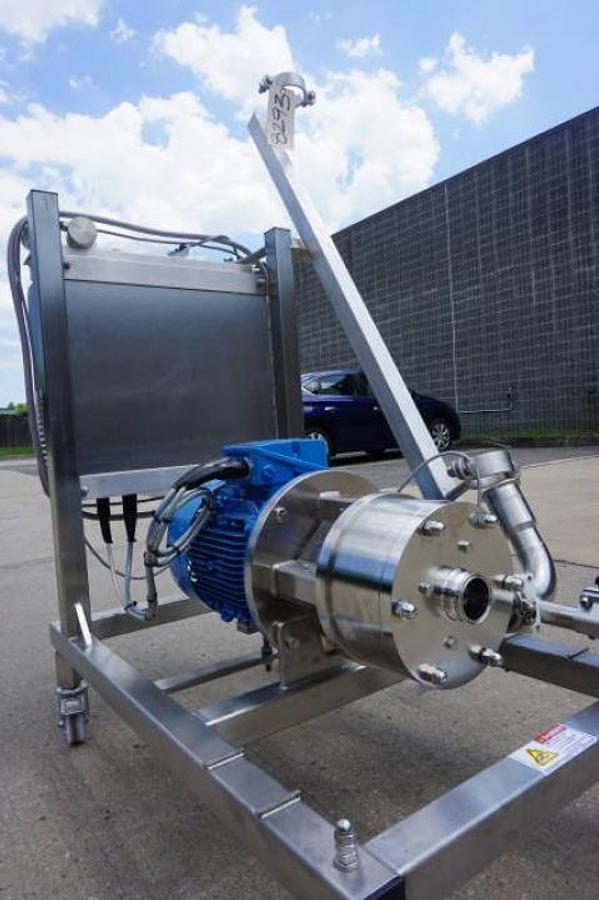
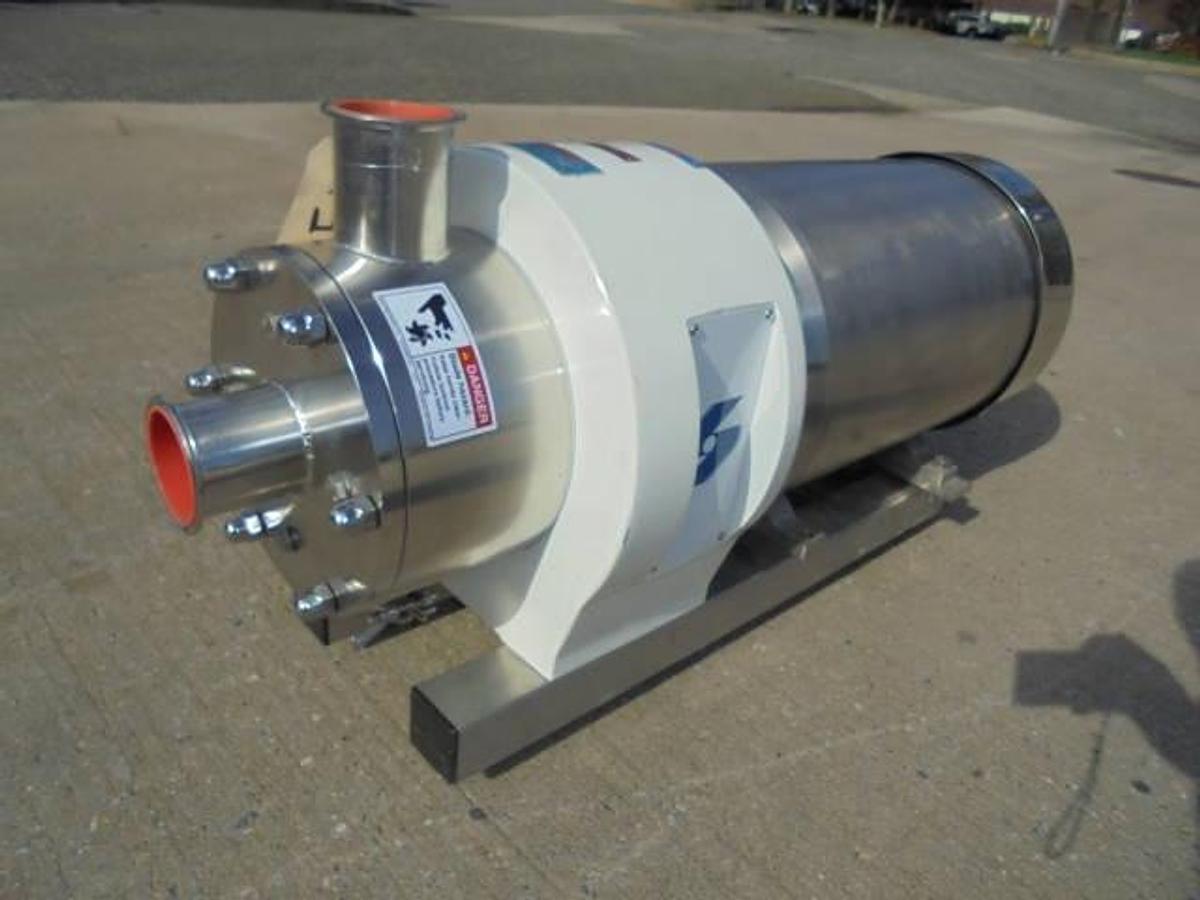
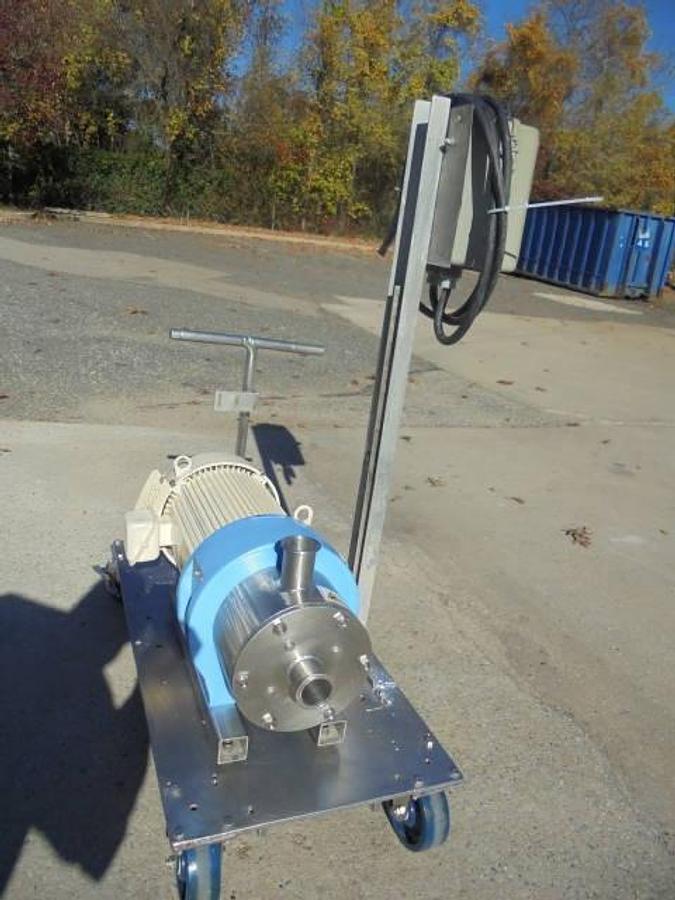
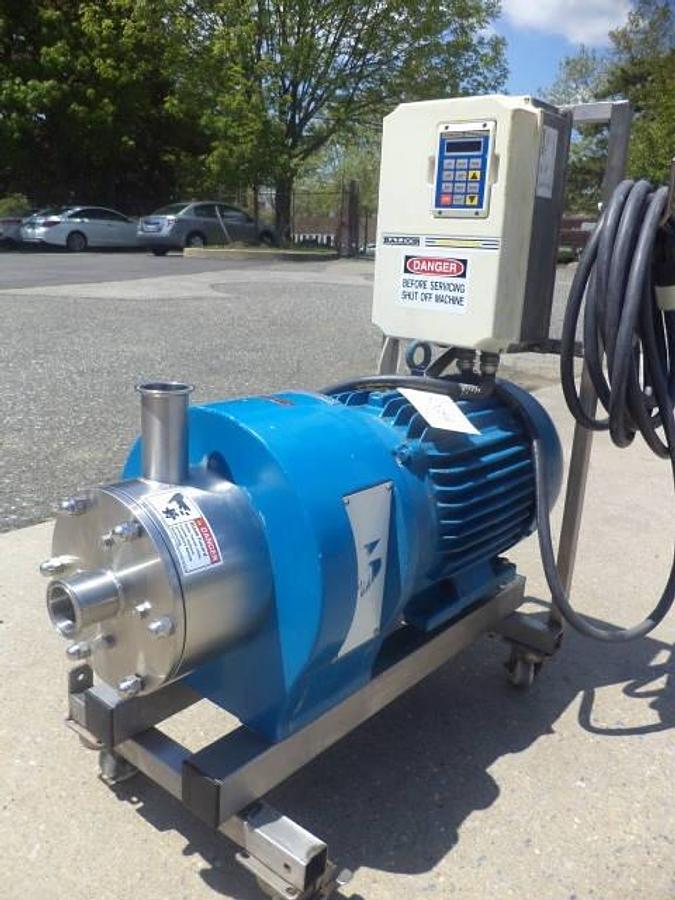
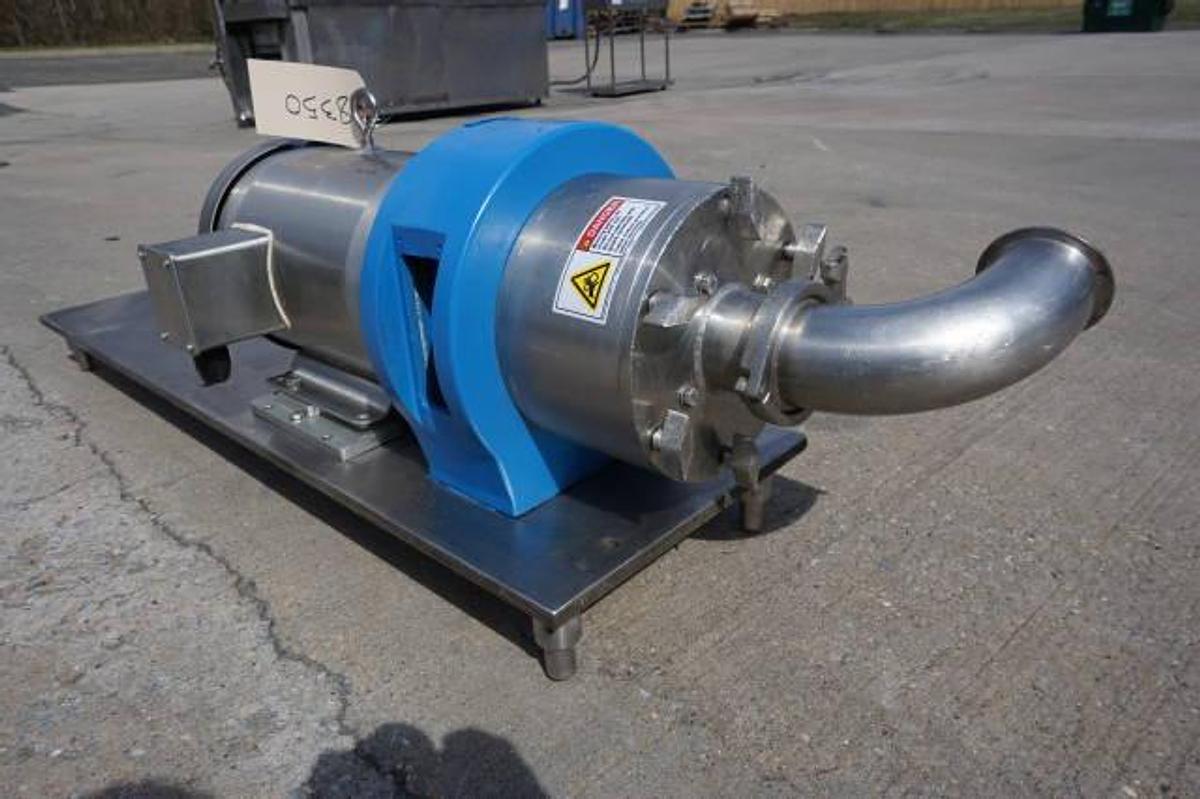
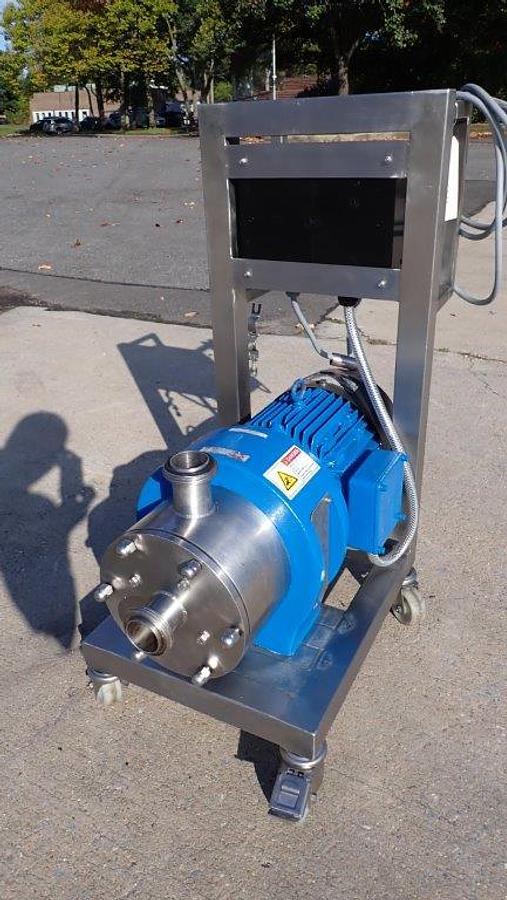
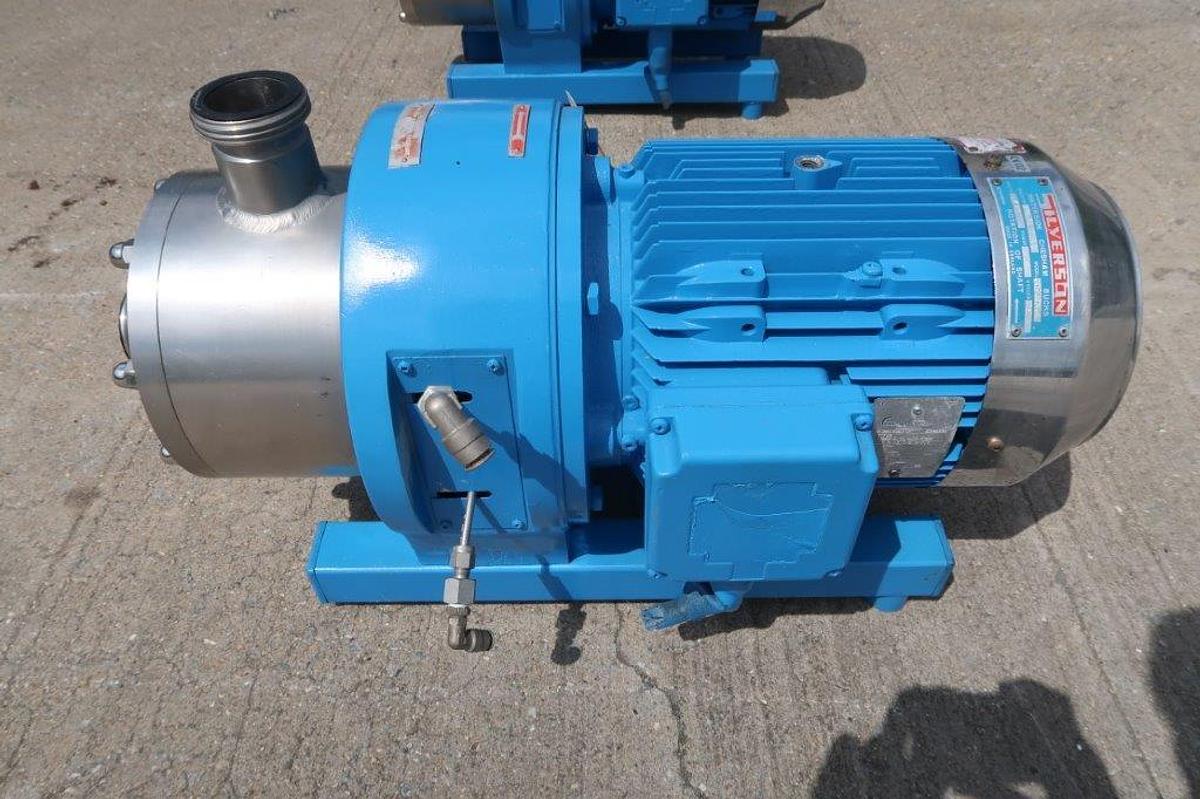
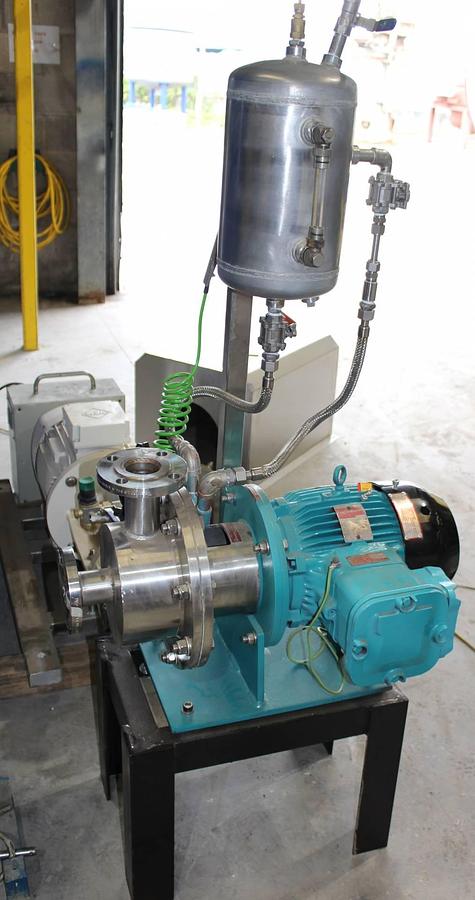
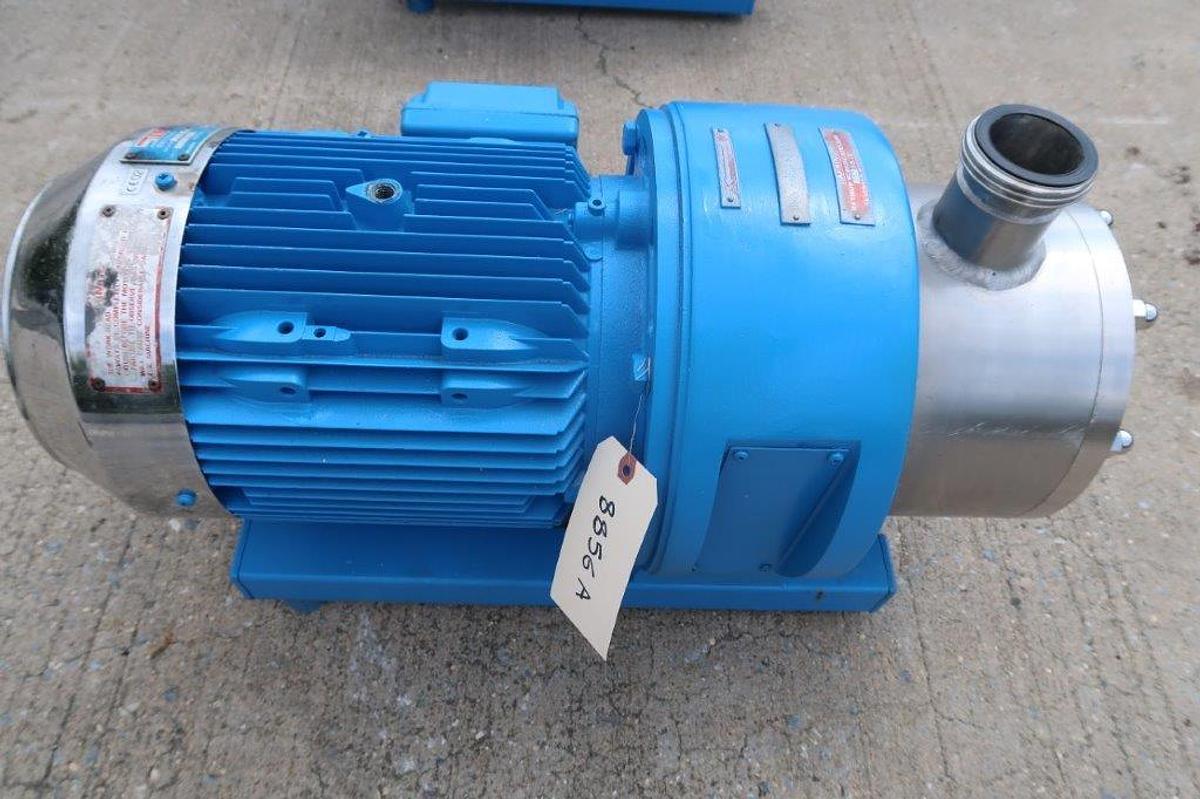
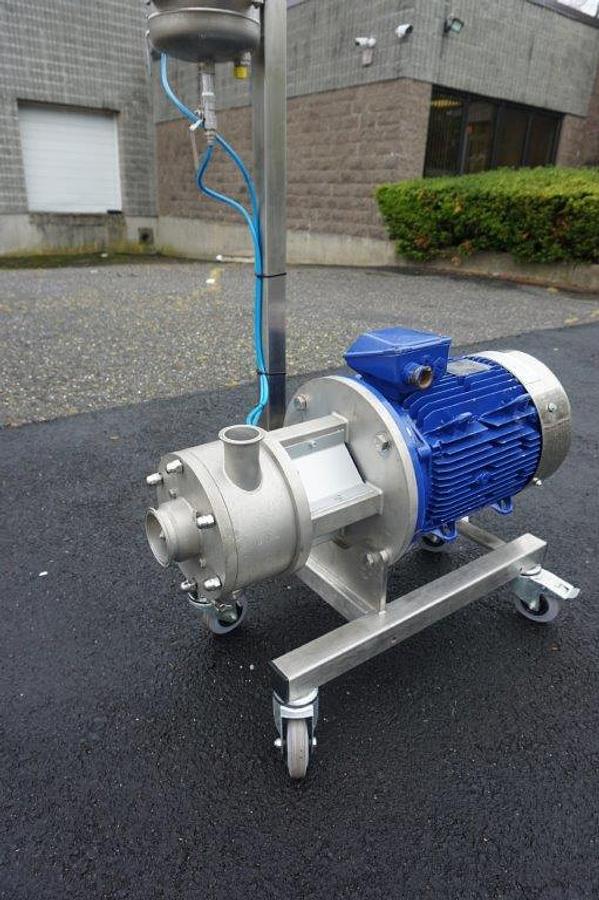
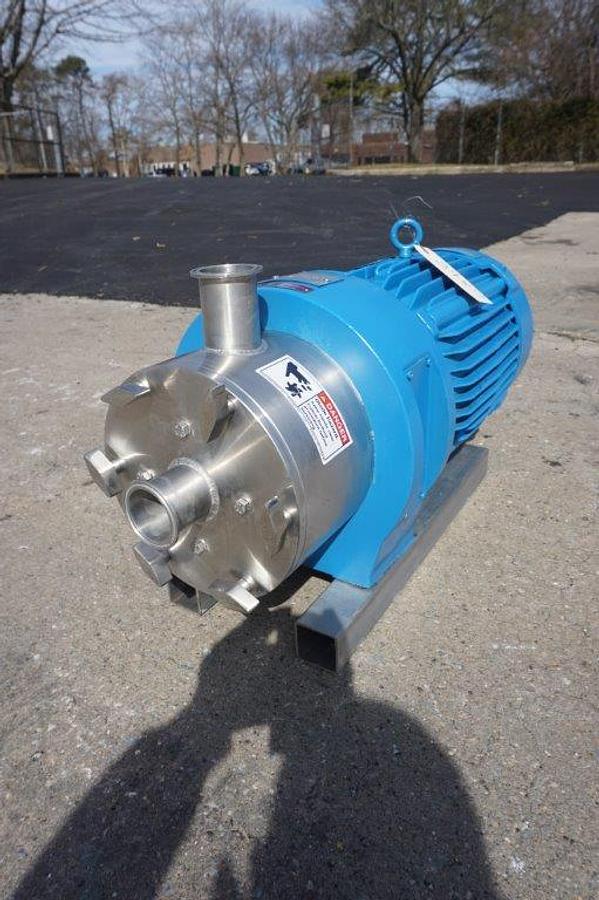
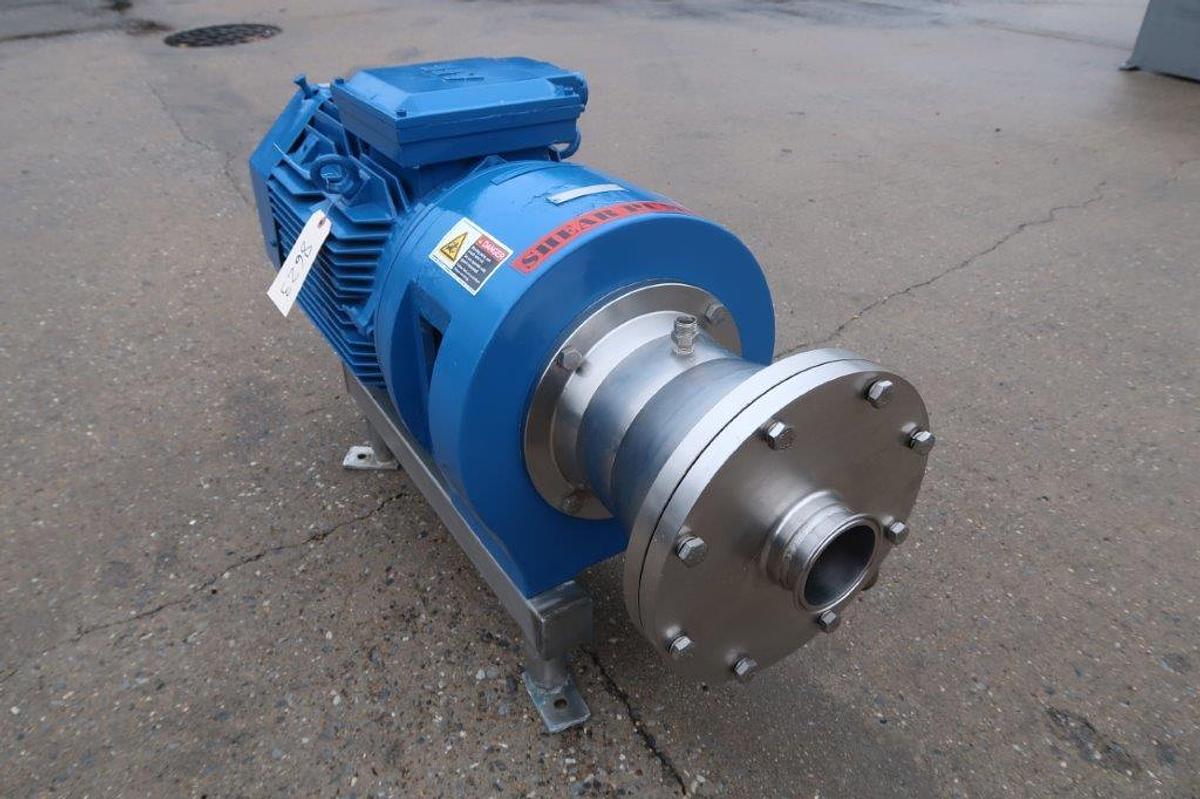
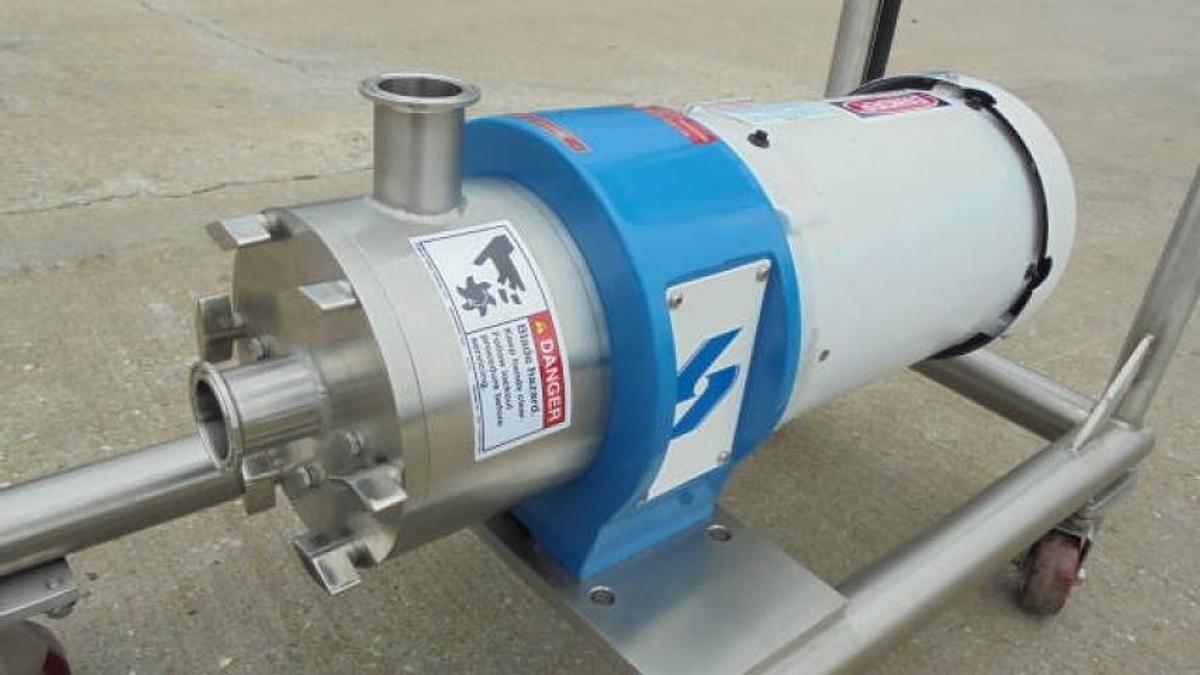
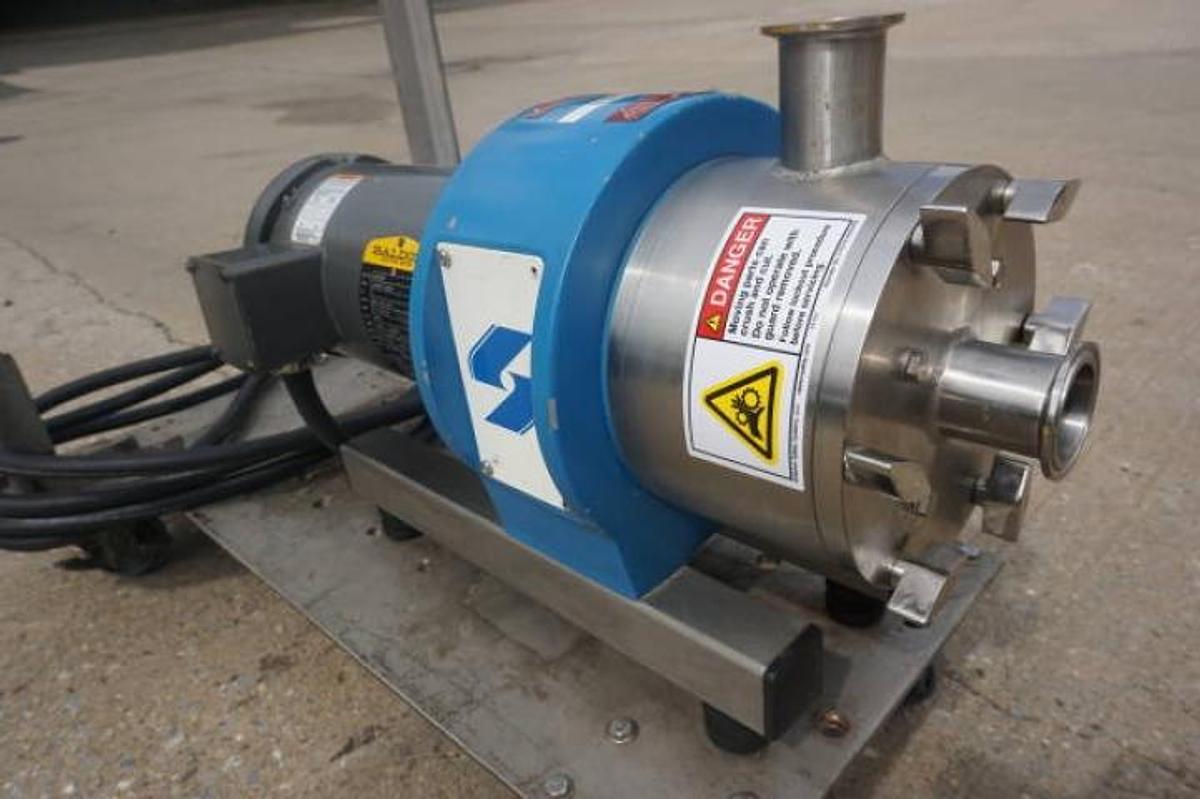
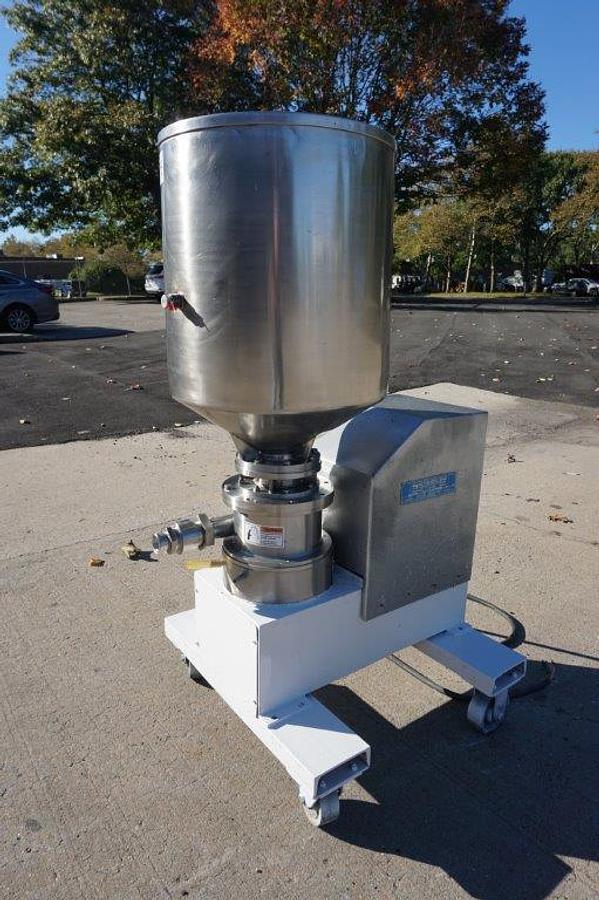
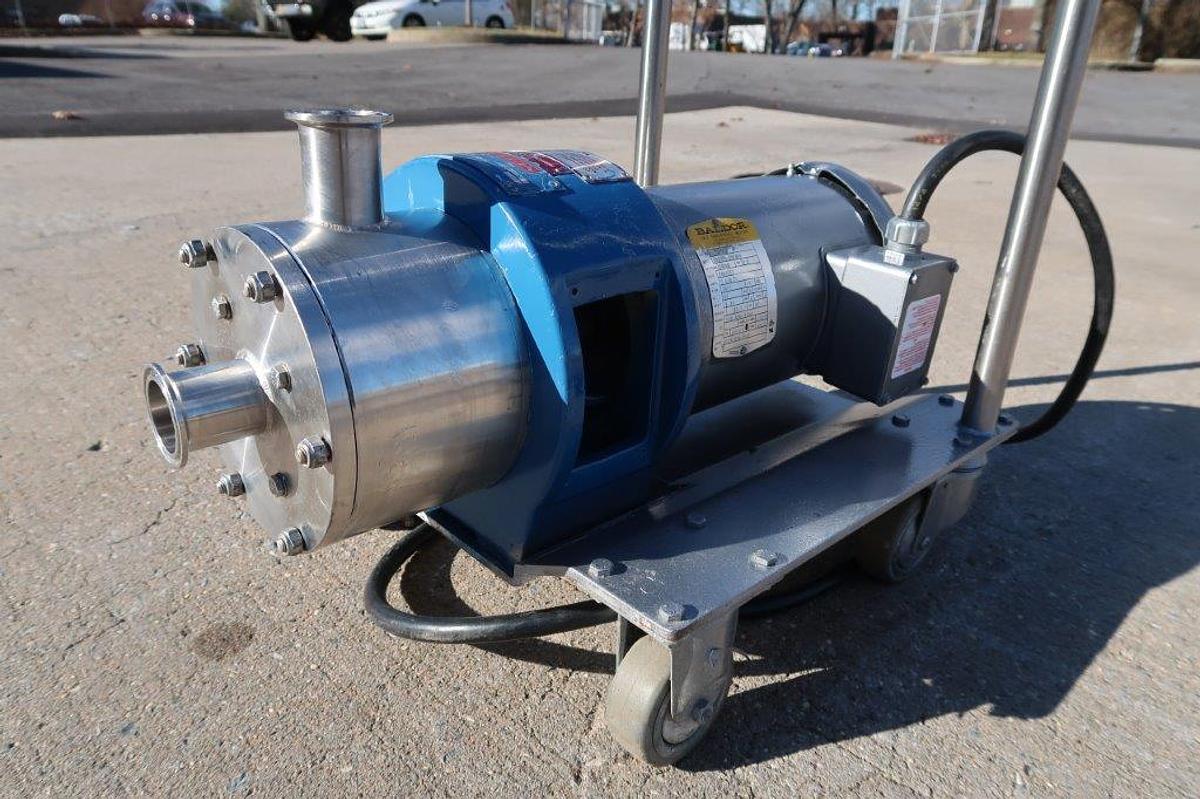
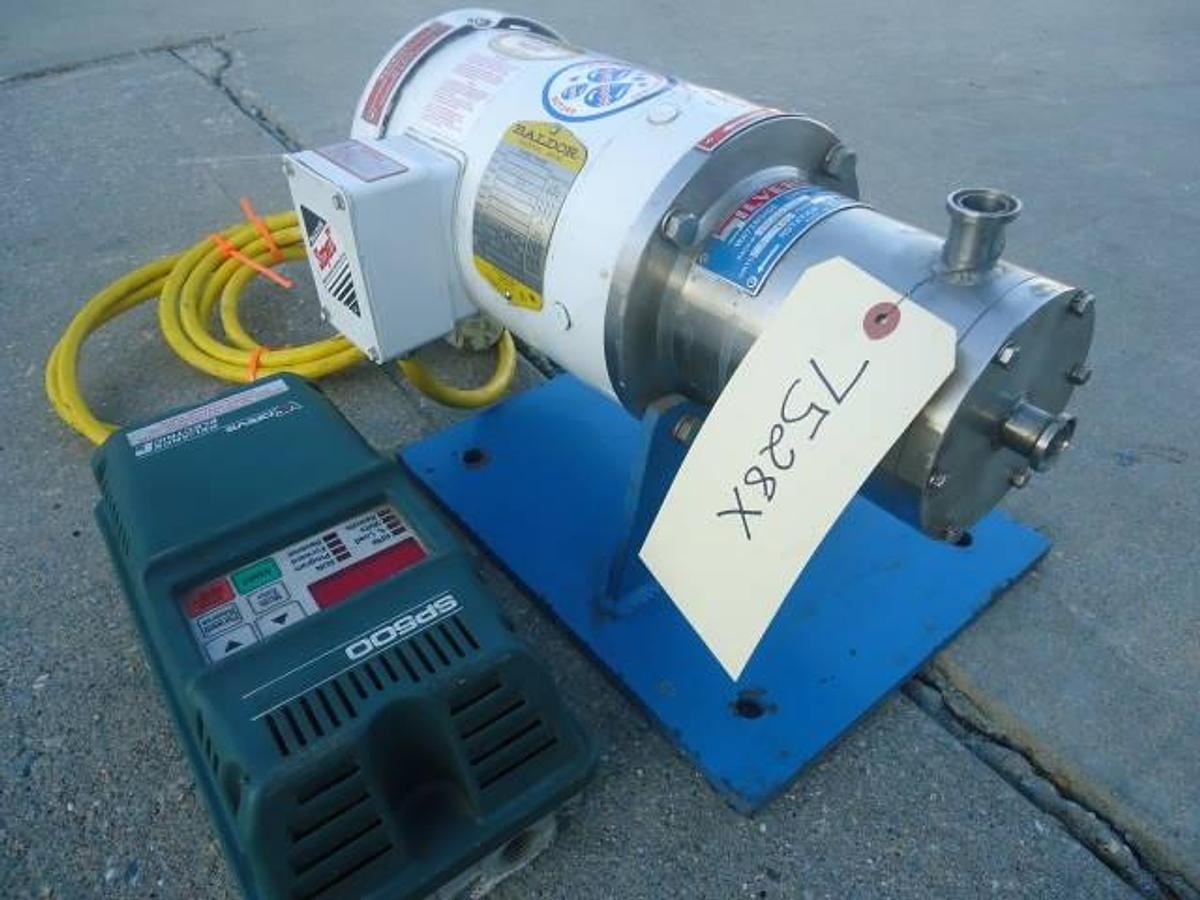
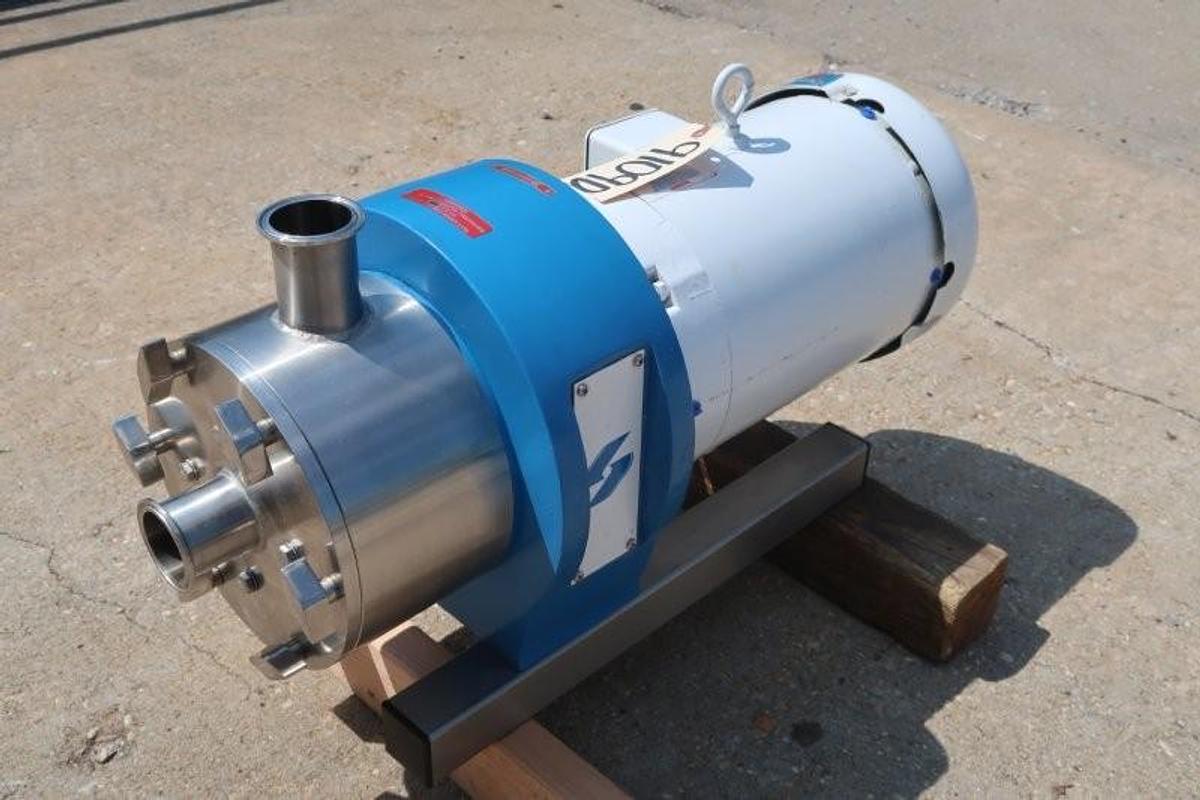
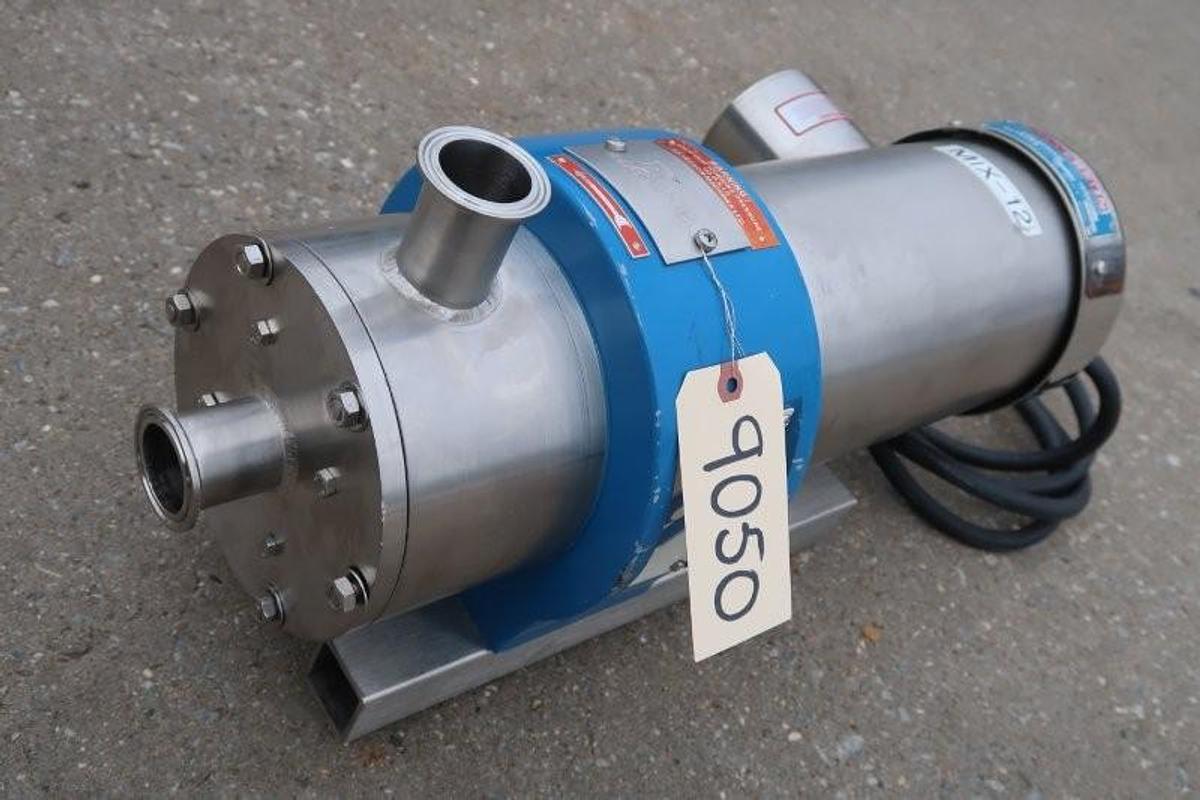
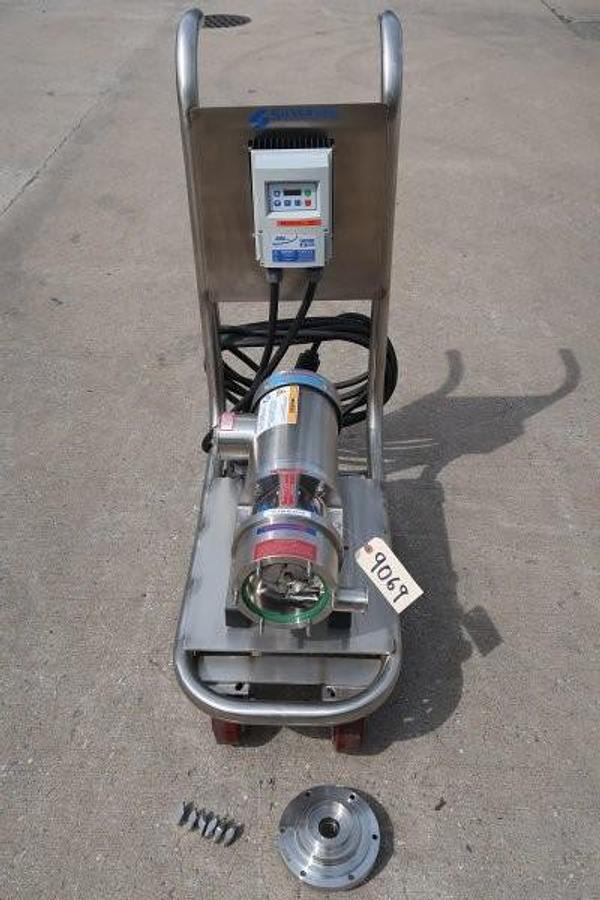
The used Silverson mixer market covers a fairly wide range of models, from compact inline units to large industrial-scale machines. Common models that appear for resale include the LS275 series (available in 2 HP and 3 HP configurations), the 450LS and 450-UHS inline mixers (typically 10 HP), the 600LS series (30 HP), and larger drop-in homogenizer models in the 25 HP range. You'll also find specialty configurations like explosion-proof (XP) variants, portable units mounted on mobile stands, and ultra hygienic (UHS) models designed for stricter sanitary requirements. Multi-stage inline mixer/homogenizers in the 45 HP range also appear occasionally, as do Flashmix inline units.
Horsepower ratings across the used Silverson market generally span from around 2 HP for smaller inline lab-scale mixers up to 45 HP or more for high-volume production lines. Stainless steel construction is standard across virtually all models, and many units feature variable frequency drives for speed control. Buyers should pay close attention to the specific model designation, as differences between the LS, UHS, and multi-stage configurations reflect meaningful differences in hygienic design, flow capacity, and application suitability.
What industries use Silverson high shear mixers?
Silverson high shear mixers are used across a broad set of process industries, with the heaviest concentration in food and beverage, pharmaceuticals, cosmetics, and personal care. In food production, they handle tasks like emulsifying salad dressings and sauces, dispersing gums and starches, and homogenizing dairy products. Pharmaceutical manufacturers rely on them for suspensions, creams, gels, and oral liquid formulations where consistent particle size and uniform dispersion are critical to product efficacy. Cosmetic producers use them for lotions, serums, and color cosmetics where texture and stability depend on tight emulsification control.
Beyond those core industries, Silverson mixers also see regular use in chemicals, nutraceuticals, adhesives, and specialty coatings. The machines' ability to handle viscous, shear-sensitive, or difficult-to-wet materials makes them applicable in virtually any process where standard agitation falls short. Because many of these industries operate under regulatory oversight (FDA, cGMP, 3A dairy standards), the hygienic design features built into Silverson equipment, including CIP compatibility and FDA-compliant contact materials, make the brand a practical fit for regulated production environments.
What is the difference between a Silverson inline high shear mixer and a batch mixer?
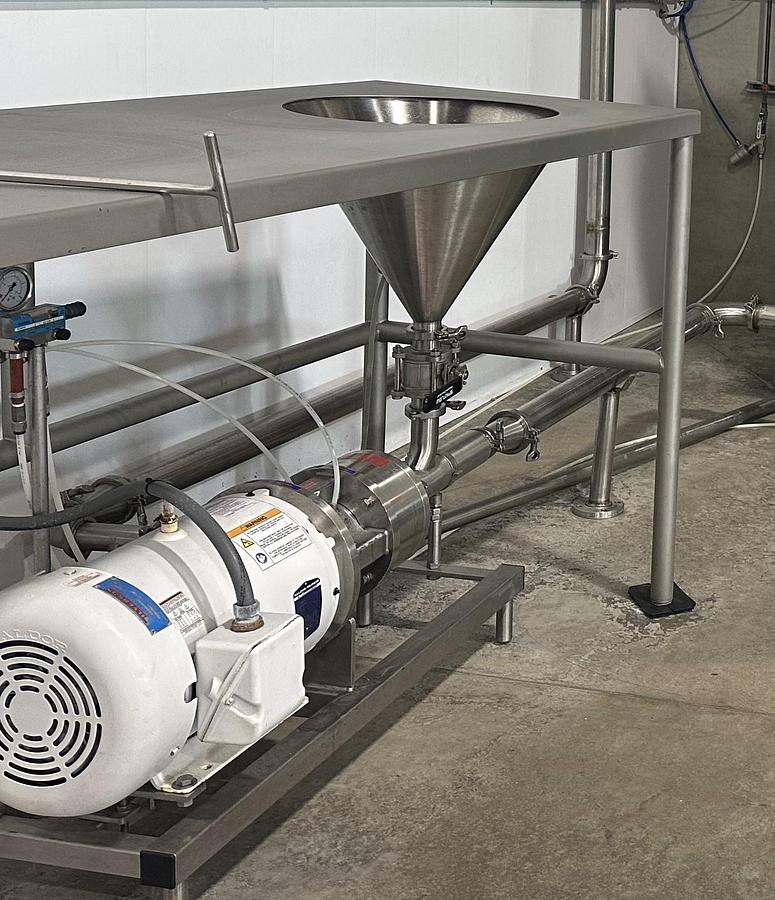
The core distinction comes down to how the product moves through the mixing zone. An inline high shear mixer is plumbed directly into a process pipeline, so material flows continuously through the rotor-stator workhead as it moves from one vessel to another. This makes inline units well suited for continuous production, recirculation loops, and processes where consistent throughput is more important than processing a single fixed batch. Inline mixers tend to be more efficient for large-volume operations and can achieve tighter control over shear intensity because every unit of product passes through the same mixing zone.
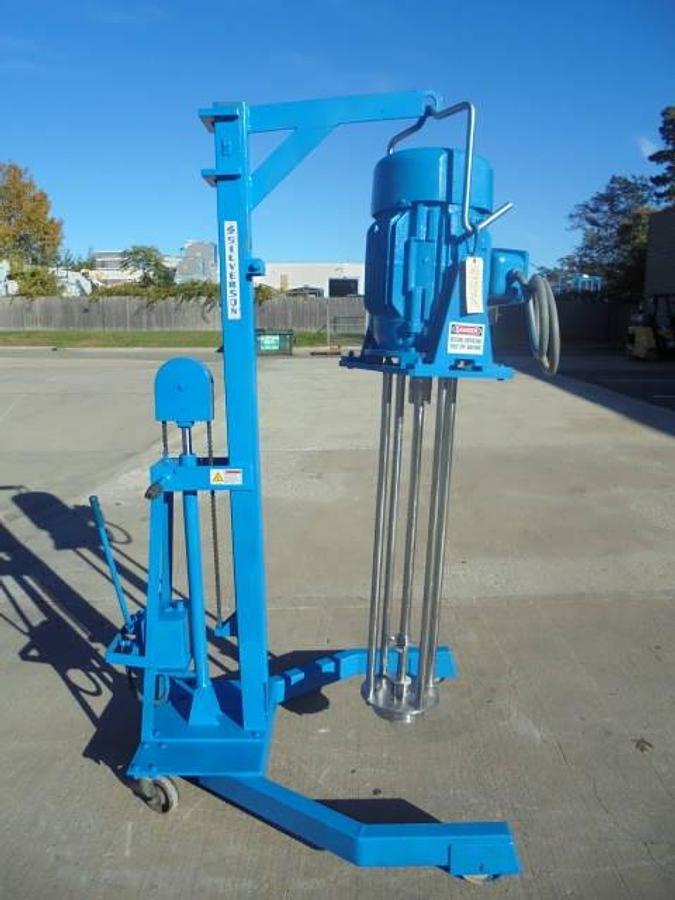
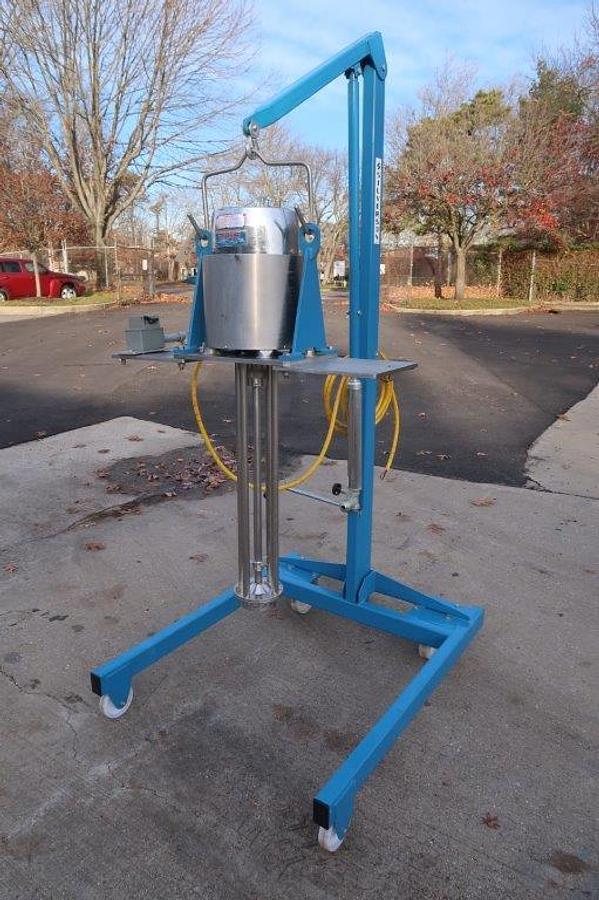
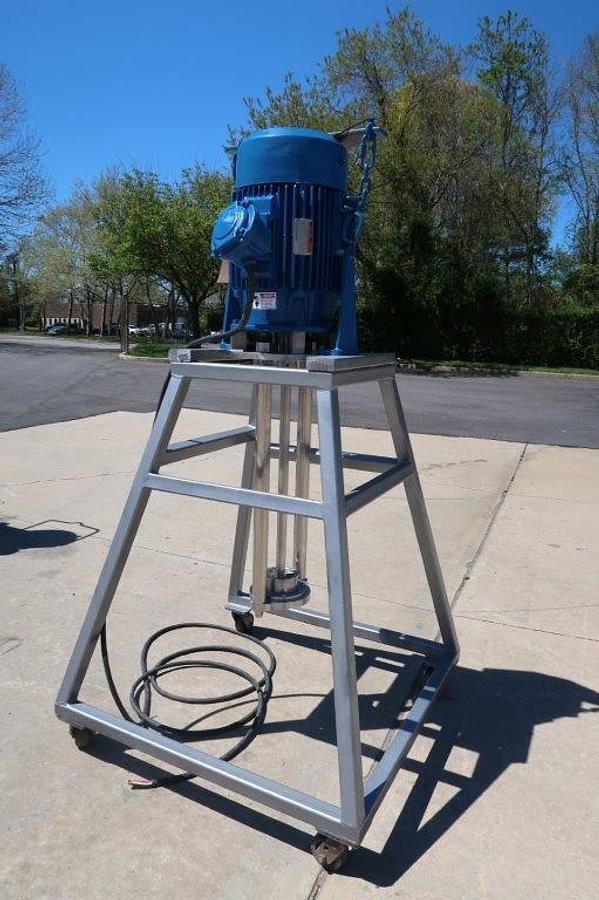
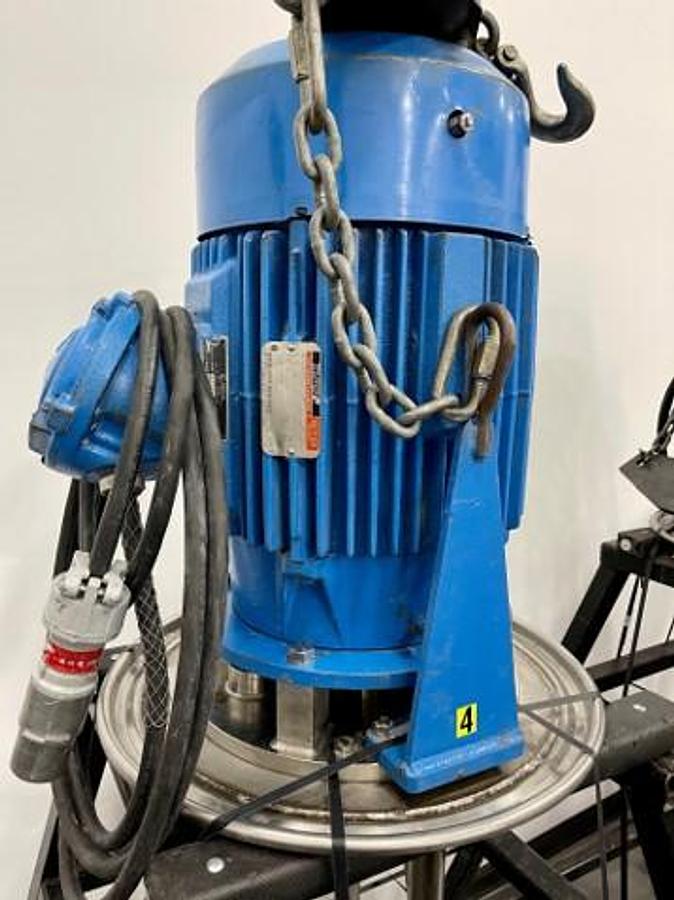
Batch mixers, sometimes called drop-in or top-entry mixers, are lowered into a tank or vessel and process the entire contents as a batch. They're a natural fit for smaller production runs, R&D, pilot-scale work, or processes where the formulation requires extended mixing time rather than a single-pass treatment. Some Silverson drop-in models come mounted on mobile hydraulic floor stands, which gives operators the flexibility to move the unit between tanks. When evaluating used equipment, the choice between inline and batch configuration should be driven by your existing process layout, vessel sizes, and whether your production is continuous or batch-oriented.
How does a Silverson rotor-stator mechanism work?
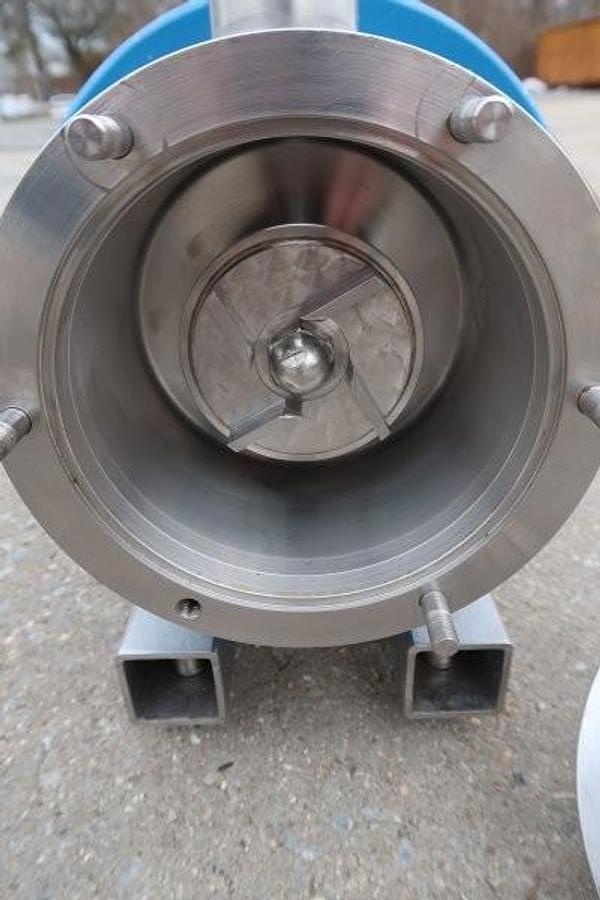
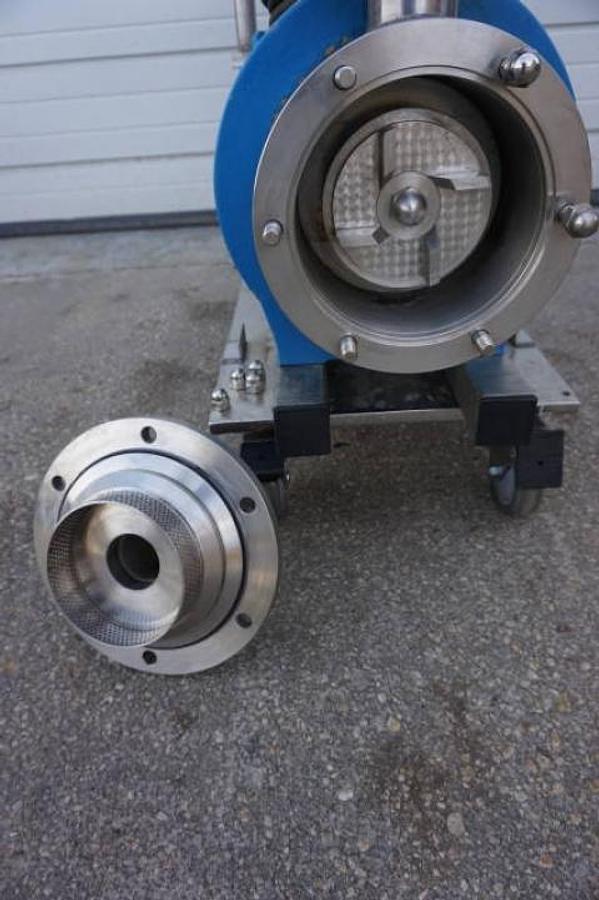
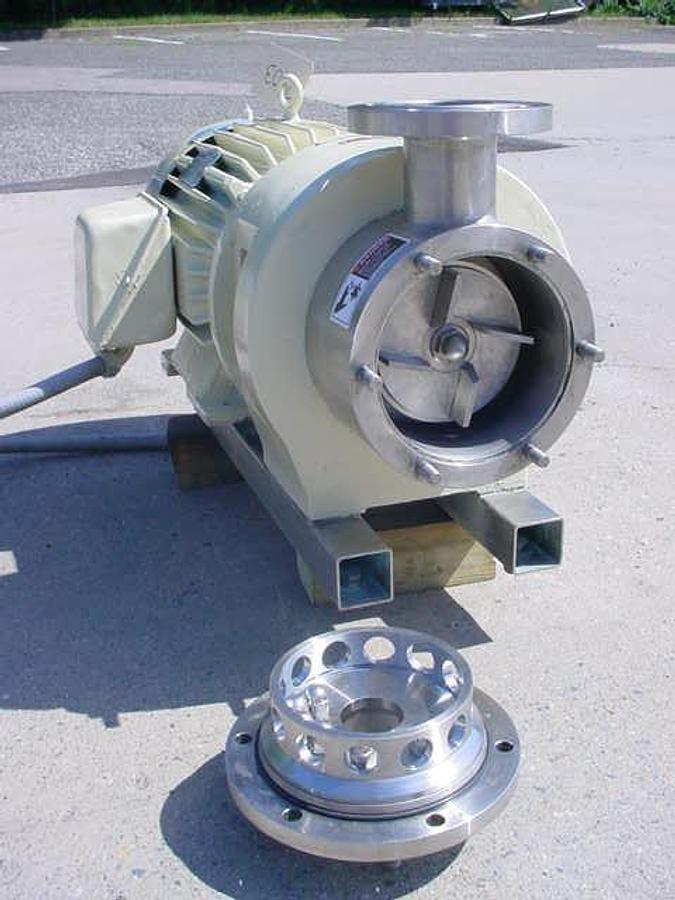
A Silverson high shear mixer uses a precision-engineered rotor that spins at high speed inside a stationary stator. The rotor draws material upward into the workhead from below, then expels it radially outward through the perforations or slots in the stator at very high velocity. This creates intense hydraulic shear, turbulence, and cavitation within a very small, controlled zone. The result is rapid particle size reduction, droplet breakdown for emulsification, and thorough dispersion of solids into liquids, often in a fraction of the time required by conventional agitation.
One of the practical advantages of this design is that it can accomplish multiple process steps in a single pass: mixing, emulsifying, homogenizing, and dispersing can all happen simultaneously rather than in sequential stages. Silverson offers interchangeable workheads with different screen and blade configurations, which allows operators to optimize the shear profile for specific applications. For buyers of used equipment, it's worth confirming that the workhead and screen assembly are present and in good condition, since these components are central to the machine's performance and are specific to each model series.
What should buyers look for when inspecting a used Silverson high shear mixer before purchasing?
The mechanical condition of the rotor-stator assembly is the most critical thing to assess. Wear on the rotor blades, damage to the stator screens, and shaft seal condition all directly affect mixing performance. Buyers should ask for close-up photos or video of the workhead, shaft, and seal areas, and request documentation on the machine's service history if available. The motor should be inspected for signs of overheating, bearing noise, or winding damage, and the electrical components (including any variable frequency drives) should be confirmed operational. On stainless steel units, check the contact surfaces for pitting, cracks, or weld repairs that could compromise hygienic integrity.
Reputable used equipment dealers will typically accommodate in-person inspections or provide detailed video walkthroughs of machines before purchase. Some equipment may still be installed at the facility where it was used, which can allow buyers to see it in a production context. Keep in mind that most dealers do not have the permitting or facilities to run actual product through a machine during inspection, so functional testing is generally limited to confirming motor operation and mechanical movement rather than a full production trial. Buyers in regulated industries should also verify that the machine's model and configuration meet their specific sanitary or hygienic standards before committing.
Are used Silverson high shear mixers sold with a warranty?
Warranties on used industrial equipment are handled very differently from purchases made directly through a manufacturer. Used equipment dealers typically sell machinery on an as-is basis, meaning the buyer takes on responsibility for verifying condition prior to purchase. This is standard practice across the used machinery industry and is not specific to Silverson equipment. Because of this, the inspection process carries significant weight: buyers need to do their due diligence upfront rather than relying on post-sale protections.
To reduce risk, buyers should prioritize dealers with a long, verifiable track record in the industry and ideally with specific experience selling process equipment for food, pharmaceutical, or chemical applications. It's also worth contacting Silverson directly to understand what level of technical support, parts availability, and service documentation they provide for a specific model and vintage. Older or discontinued models may have limited parts availability, which is a practical consideration when evaluating any used Silverson unit. Selecting a dealer who can provide thorough pre-sale inspection documentation and clear communication about machine condition goes a long way toward reducing purchase risk in the absence of a formal warranty.
What hygienic and sanitary design features are important in Silverson mixers used for food or pharmaceutical production?
For regulated industries, hygienic design is not optional. Silverson builds several of its mixer lines specifically to meet sanitary standards, including 3A dairy certification and EHEDG (European Hygienic Engineering and Design Group) guidelines. Key design features include FDA-compliant elastomers and seals, electropolished internal surfaces that minimize product adhesion and bacterial harboring sites, and CIP (clean-in-place) capability that allows the machine to be cleaned without full disassembly. The 450-UHS (Ultra Hygienic Seal) configuration, for example, is specifically designed to meet the most stringent pharmaceutical and food processing requirements.
When sourcing used Silverson equipment for regulated applications, buyers need to verify that the specific unit they're considering carries the appropriate certifications and that the seals and contact materials are intact and compliant. Seal condition is particularly important on used machines, as worn or degraded seals can compromise both hygienic performance and containment. Buyers should also confirm that the machine's surface finish meets their internal validation requirements, since some used units may have been modified or repaired in ways that affect their original hygienic specification. Consulting with a dealer who understands pharmaceutical or food-grade requirements is advisable.
How do I choose the right size Silverson high shear mixer for my production volume?
Sizing a high shear mixer correctly depends on several factors: batch volume or flow rate, product viscosity, required processing time, and whether the application calls for inline or batch processing. For inline configurations, the key metric is volumetric flow rate, typically expressed in gallons per minute or liters per hour. Silverson inline mixers range from small units handling modest flow rates up to large multi-stage machines capable of processing tens of thousands of liters per hour. For batch applications, the mixer's horsepower and workhead diameter need to be matched to the vessel size and the viscosity range of the product being processed.
A common approach when selecting used equipment is to identify the specific Silverson model that was validated or used in similar production environments and seek that model on the secondary market. This is especially relevant in pharmaceutical manufacturing, where process validation history can influence equipment selection. If you're scaling up from a lab or pilot unit, Silverson's product line is designed with scalability in mind, so performance characteristics from a smaller model can often be extrapolated to a larger production unit. Consulting Silverson's technical documentation or reaching out to their engineering team can help confirm sizing before committing to a used machine purchase.
What are typical shipping and logistics considerations when buying a used Silverson mixer?
Shipping costs and logistics for used industrial mixers vary considerably based on machine size, weight, and destination. Smaller inline Silverson units, like a 2 HP or 3 HP LS275, can often be palletized and shipped via standard freight carriers with relatively straightforward packaging. Larger machines, such as a 45 HP multi-stage inline mixer or a 25 HP drop-in unit on a hydraulic floor stand, may require custom crating, specialized rigging for loading and unloading, and flatbed or LTL freight arrangements. The level of packaging required directly affects shipping cost, so buyers should ask dealers specifically what packaging will be used and what the estimated freight charges are before finalizing a purchase.
For larger or heavier equipment, rigging at both the origin and destination is an added cost that buyers sometimes overlook when budgeting. This includes forklift or crane services to load the machine at the dealer's facility and unload it at the buyer's plant. International shipments introduce additional considerations including export documentation, customs clearance, and compliance with destination country import requirements. Getting a clear picture of the total landed cost, including the machine price, packaging, freight, rigging, and any applicable duties, before committing to a purchase is the best way to avoid surprises.
What are the advantages of buying a used Silverson mixer compared to purchasing a different brand?
Silverson has been manufacturing high shear mixing equipment since 1946 and holds a strong reputation as one of the most technically refined rotor-stator mixer brands available. One practical advantage of buying used Silverson equipment specifically is parts and support continuity. Because the brand has such a long presence in the market and a large installed base across food, pharmaceutical, and cosmetic manufacturing, replacement parts, workheads, and screens tend to be more readily available than for less common brands. This matters significantly with used equipment, where the machine may be several years old and will eventually need maintenance components.
Another factor is process validation. In regulated industries, manufacturers often have existing validation data tied to specific Silverson models, which can reduce the cost and time required to qualify a used unit compared to introducing a different brand. The interchangeable workhead system also gives operators flexibility to adapt a used machine to different applications by swapping screen configurations, which extends the useful life of the equipment. Buyers should still confirm with Silverson directly what level of parts and technical support is available for the specific model and age of the unit they're considering, since support for older or discontinued configurations may be more limited.