Category
Manufacturer
Model
Sigma Engineering
Sigma Engineering focuses on providing manufacturing solutions for the automotive and aerospace industries. They are recognized for their advanced machining and assembly equipment that improves production efficiency. Their technology supports complex manufacturing environments.
FAQ:
What types of equipment does Sigma Engineering manufacture?
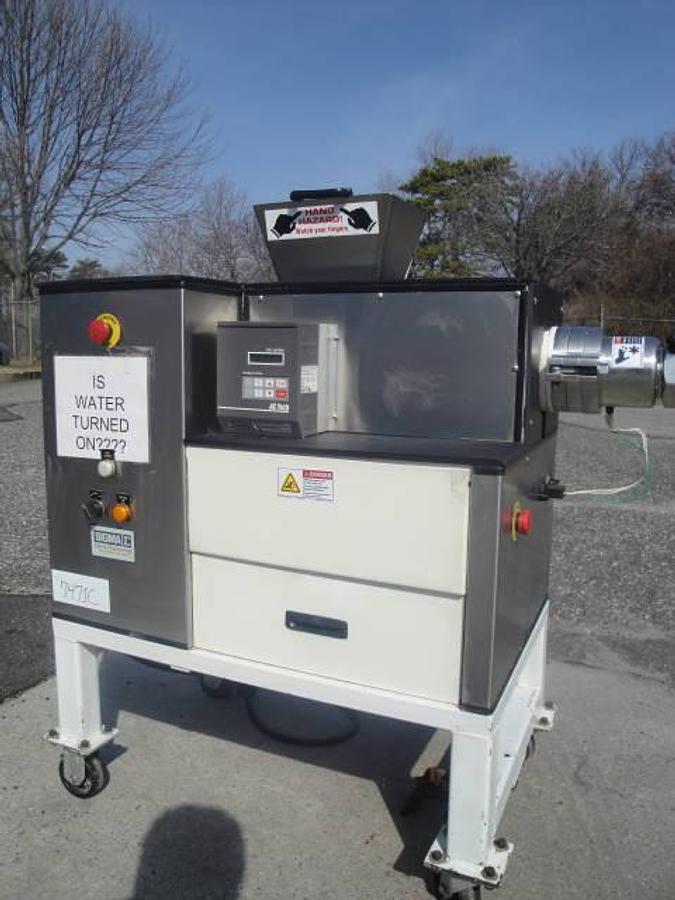
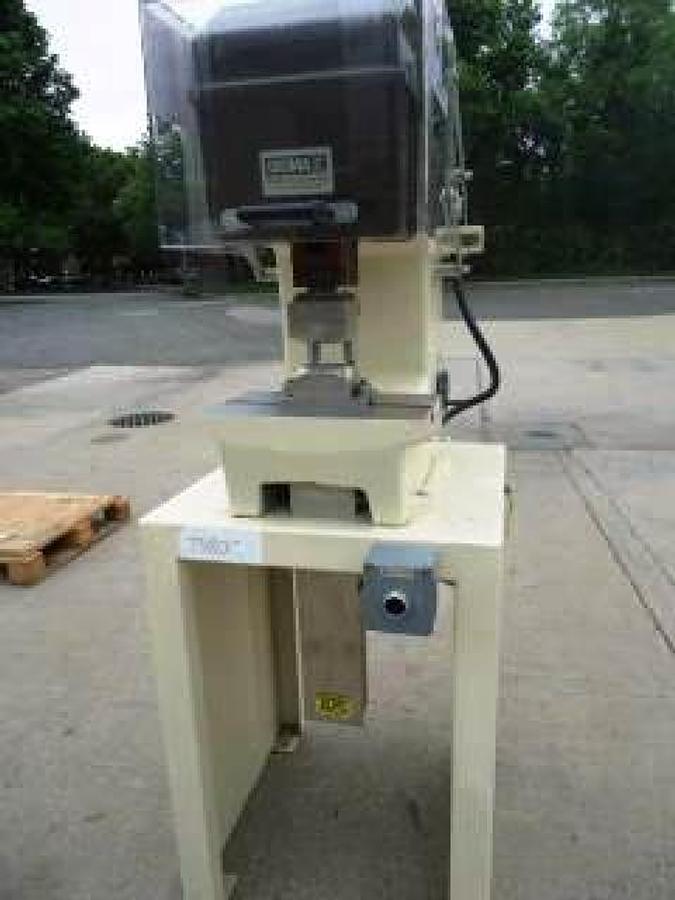
Sigma Engineering produces machining and assembly equipment aimed at improving production efficiency in complex manufacturing environments. Their product line has historically included soap refiners, soap presses, combination extruder units, and related processing machinery. Specific models that appear on the used equipment market include the Le-4 Combination Soap Refiner-Extruder and the Ls-6 Soap Press, which are representative of their focus on high-throughput industrial processing.
Beyond soap processing, Sigma Engineering is recognized for manufacturing solutions that serve the automotive and aerospace sectors, where precision and repeatability are critical. Buyers sourcing used Sigma Engineering equipment should request full technical documentation, including capacity ratings, power requirements, and dimensional specs, before committing to a purchase. This information is essential for confirming compatibility with existing production lines and facility infrastructure.
What industries use Sigma Engineering equipment?
Sigma Engineering has built a reputation for serving demanding manufacturing sectors, with a particular emphasis on the automotive and aerospace industries. Their machining and assembly equipment is designed to support complex production environments where tolerances are tight and throughput requirements are high. In addition to these sectors, Sigma Engineering processing equipment, including soap refiners and extruders, has found use in personal care and chemical manufacturing facilities.
Used Sigma Engineering machines are sought by buyers across a range of industries because the underlying engineering principles, such as precision material handling, controlled extrusion, and reliable pressing, translate well across applications. A soap refiner-extruder, for example, uses mechanical principles that are applicable in various compounding and blending contexts. Buyers should always verify with the equipment dealer that the specific model they are considering is appropriate for their intended application, and consult with the manufacturer directly to understand any application-specific considerations.
What should buyers know about purchasing used Sigma Engineering equipment?
Buying used industrial equipment requires a different level of due diligence than sourcing machinery through a standard distribution channel. Because used machines are sold as-is, the condition of the equipment at the time of sale is what the buyer receives. This means the inspection process is critical. Prospective buyers should request detailed photos, video walkthroughs, or, when possible, an in-person inspection at the facility where the machine is currently located. Some machines may still be in active production, which can actually work in the buyer's favor since it demonstrates the equipment is functional.
Selecting a reputable dealer with a long track record in industrial machinery is one of the most important decisions a buyer can make. Dealers who specialize in the relevant equipment category are more likely to accurately represent the machine's condition and provide meaningful technical context. Buyers should also contact Sigma Engineering directly to determine what level of manufacturer support, including parts availability and technical documentation, can be expected for the specific model and production year they are considering. Older models may have limited parts availability, which is an important factor in the total cost of ownership calculation.
How do inspections work when buying used industrial processing equipment?
Inspections are a standard part of the used equipment buying process and can take several forms depending on the machine's location and the dealer's capabilities. In-person inspections give buyers the most complete picture of a machine's condition, allowing them to assess wear on mechanical components, check for signs of prior repairs, and evaluate the overall state of the equipment. Virtual inspections, conducted via live video call, are a practical alternative when travel is not feasible, and many dealers also provide pre-recorded video walkthroughs of equipment.
One important distinction buyers should understand is that most used equipment dealers are not set up to run full production tests. Operating a machine for production typically requires specific permitting and facility infrastructure that a dealer's warehouse will not have. What dealers can typically demonstrate is that a machine powers on, that major components move as intended, and that there are no obvious mechanical deficiencies. Buyers with specific performance requirements should factor this limitation into their evaluation process and may want to engage a third-party equipment inspector or a qualified technician to assess the machine before finalizing the purchase.
What is the typical price range for used Sigma Engineering equipment?
Pricing for used Sigma Engineering equipment varies considerably based on the specific model, the machine's age and condition, how recently it was last serviced, and current market demand. Smaller processing units such as soap presses may be priced in the lower range of the used industrial equipment market, while larger or more complex combination refiner-extruder systems will command higher prices due to their mechanical complexity and the cost of comparable alternatives.
Beyond the purchase price, buyers should account for the full landed cost of the equipment. This includes packaging, crating, freight, and any rigging required for loading and unloading at both the origin and destination. Larger and heavier machines require specialized rigging equipment and experienced crews, which adds meaningful cost. Buyers should request an itemized breakdown of all these costs from the dealer before finalizing a budget. Getting clarity on the total cost of acquisition upfront prevents surprises and allows for accurate comparison between available machines.
How does shipping and freight work for large used industrial machinery?
Shipping industrial equipment is significantly more involved than standard freight. Machines must be properly prepared for transit, which typically means palletizing, crating, or in some cases custom-built wooden packaging to protect components during handling. The level of packaging required depends on the size, weight, and fragility of the equipment, and the associated costs will reflect that. Buyers should ask dealers specifically what packaging will be used and whether any disassembly is required for transport.
For heavier equipment like industrial extruders or soap presses, rigging is a separate and often substantial cost. Rigging involves the use of cranes, forklifts, or specialized lifting equipment to safely load and unload the machine. This work must be performed by experienced riggers to avoid damage to the equipment or injury at the site. Buyers are responsible for ensuring their receiving facility has the infrastructure to accept the delivery, including adequate floor load ratings, ceiling clearance, and access for the delivery vehicle. Getting a complete shipping and rigging quote from the dealer before purchase is essential for understanding the true cost of acquiring the equipment.
What are the payment terms for purchasing used equipment from a machinery dealer?
The standard practice in the used industrial equipment industry is for dealers to require full payment before a machine is released for shipping. This applies to most transactions, particularly for buyers who are purchasing from a dealer for the first time. The rationale is straightforward: once a machine leaves the dealer's facility, it is difficult to recover if payment falls through. Wire transfer is the most common payment method for transactions of this size, though dealers may accept other forms of payment depending on the circumstances.
Some dealers extend payment terms to established customers with a history of repeat purchases, but this is not the norm for first-time buyers. Buyers who need financing should explore equipment financing options through third-party lenders who specialize in industrial machinery before approaching a dealer. Having financing in place before identifying a specific machine speeds up the acquisition process considerably, since used equipment inventory moves quickly and a delay in payment can result in losing a machine to another buyer.
Are spare parts available for used Sigma Engineering machines?
Parts availability for used industrial equipment depends heavily on the age and model of the machine in question. For Sigma Engineering equipment, buyers should contact the manufacturer directly to ask about current parts support for the specific model they are considering. Manufacturers can typically confirm whether replacement parts are still being produced, whether there is existing inventory, or whether the model has been discontinued and parts must be sourced through the secondary market.
For older machines, the secondary parts market and aftermarket suppliers can sometimes fill gaps where manufacturer support has lapsed. Buyers should also ask the selling dealer whether any spare parts are included with the machine at the time of sale, as dealers sometimes acquire parts inventory alongside equipment. Before purchasing, it is worth consulting with a qualified maintenance technician who has experience with the type of equipment being considered. They can help identify which components are most likely to need attention and whether those parts can be reasonably sourced, which is a key factor in evaluating the long-term viability of the investment.
What technical specifications should buyers review before purchasing a used soap refiner or extruder?
Before committing to a used soap refiner-extruder or soap press, buyers should gather a detailed set of technical specifications to confirm the machine fits their production requirements. Key specs include processing capacity (typically measured in kilograms or pounds per hour), motor horsepower and electrical requirements, feed and discharge dimensions, screw or plunger specifications, and the overall footprint and weight of the machine. Electrical compatibility is particularly important, as machines manufactured for different markets may be wired for different voltages and phases.
Beyond raw specs, buyers should ask about the machine's production history, including how many hours it has run, what materials it has processed, and when it was last serviced or rebuilt. A machine that has been well-maintained and used within its rated capacity will generally be in better condition than one that has been pushed hard or used for applications outside its design parameters. If the dealer has maintenance records or service logs, those documents are worth reviewing carefully. Buyers should also confirm that all major components, including the drive system, barrel, and die assembly, are present and accounted for before finalizing the purchase.
How should buyers evaluate the total cost of ownership for used industrial processing equipment?
The purchase price of a used machine is only one piece of the total cost picture. Buyers evaluating used industrial equipment should account for several additional expense categories that will affect the economics of the acquisition over time. These include freight and rigging to get the machine to the facility, installation and commissioning costs, any refurbishment or reconditioning work needed before the machine can run in production, and ongoing maintenance costs including consumables and wear parts.
Energy consumption is another factor worth evaluating, particularly for motor-driven equipment like extruders and refiners. Older machines may be less energy-efficient than current alternatives, and the difference in operating costs can be meaningful over a multi-year period. Buyers should also factor in the cost of downtime if the machine requires repairs, especially if spare parts are difficult to source quickly. Running a realistic total cost of ownership analysis, rather than focusing solely on the acquisition price, leads to better purchasing decisions and fewer surprises after the machine is in operation.