Category
Manufacturer
Model
Sergeant
Sergeant offers a wide range of manufacturing equipment tailored for the automotive and aerospace industries. They are particularly recognized for their precision machining tools and assembly line equipment that enhance production accuracy and efficiency. Their products support complex manufacturing processes.
FAQ:
What types of manufacturing equipment does Sergeant produce?
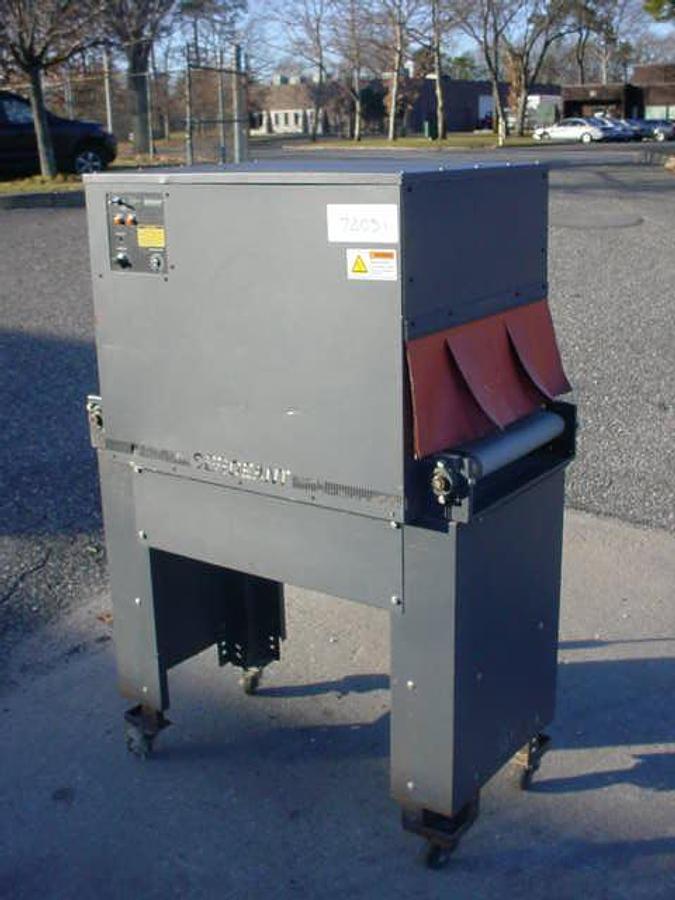
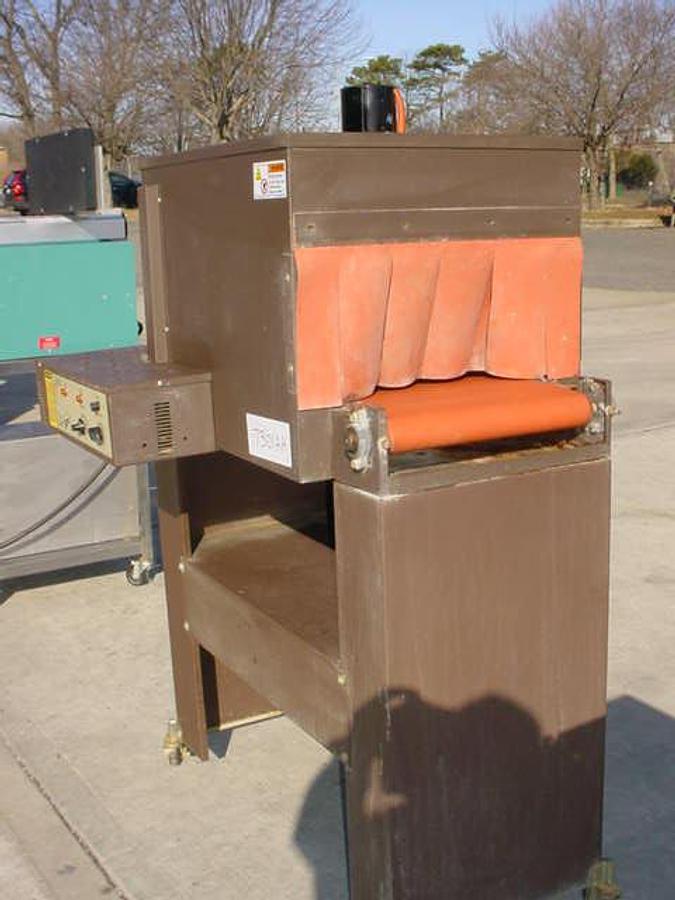
Sergeant manufactures equipment primarily focused on precision machining, assembly line systems, and packaging machinery. The brand is particularly well known for conveyorized shrink tunnels, which are used in packaging operations to apply heat-shrink film around products and bundles. These tunnels come in various opening sizes to accommodate different product dimensions, and the conveyorized design allows for continuous, high-throughput production runs. Beyond packaging, Sergeant's catalog has historically covered tooling and assembly equipment suited to demanding production environments.
The company has built a reputation in the automotive and aerospace sectors, where tight tolerances and repeatable accuracy are non-negotiable. Equipment from this manufacturer is designed to support complex manufacturing processes, meaning it tends to be built to heavier-duty specifications than general-purpose industrial machinery. Buyers shopping the used market for Sergeant equipment will typically find conveyorized shrink tunnels and related production-line machinery listed through specialized used equipment dealers.
What industries use Sergeant manufacturing equipment?
Sergeant manufacturing equipment has historically served the automotive and aerospace industries, two sectors that demand extremely high production accuracy and consistency. In automotive applications, assembly line equipment and precision machining tools are used to manufacture or assemble components where dimensional tolerances are critical to safety and performance. Aerospace applications place even stricter demands on equipment, requiring machinery capable of maintaining accuracy across long production runs under varying conditions.
Beyond those two core industries, Sergeant's conveyorized shrink tunnel equipment has found use in general packaging and distribution operations, where the goal is reliable, repeatable heat-shrink application at production-line speeds. Any facility that packages products in shrink film, from consumer goods to industrial components, can put this type of equipment to work. The versatility of the shrink tunnel design means it crosses industry lines, making used Sergeant packaging equipment attractive to buyers in food processing, fulfillment, and light manufacturing as well.
What should buyers know about purchasing used Sergeant equipment versus buying from the manufacturer?
Buying used Sergeant equipment through a reputable dealer is a fundamentally different transaction than purchasing directly from a manufacturer. Used equipment is sold as-is, meaning there is no manufacturer-backed coverage on the machine's condition or remaining service life. The responsibility for evaluating the equipment's condition falls squarely on the buyer, which makes the reputation and specialization of the dealer a critical factor in the decision. Working with a dealer who has a long track record in industrial machinery and who focuses on the relevant equipment category significantly reduces the risk of purchasing a machine in worse condition than represented.
The upside of the used market is cost. Used Sergeant equipment will typically be priced well below what comparable machinery would cost if sourced directly, which can make a meaningful difference in capital budgets for smaller manufacturers or facilities adding a secondary production line. Buyers should factor in not just the purchase price but also shipping, any required rigging, and the cost of any refurbishment or parts needed to bring the machine to their operating standard. Getting a thorough inspection done before committing to a purchase is the single most important step in managing that total landed cost.
How should buyers inspect used Sergeant manufacturing equipment before purchasing?
Inspection options for used industrial equipment generally fall into three categories: in-person visits, virtual walkthroughs conducted over video call, and video recordings provided by the dealer. An in-person inspection is the most thorough approach, allowing a buyer or their technician to physically examine the machine, check for wear on critical components, review any available maintenance records, and, in some cases, observe the equipment running if it is still in production at the seller's facility. When in-person travel is not practical, a live video inspection with a knowledgeable dealer representative walking through the machine in real time is a solid alternative.
It is worth understanding that most used equipment dealers do not have the permits or production infrastructure to run actual product through a machine as a full operational test. They can demonstrate that a machine powers on, that mechanical components move correctly, and that obvious wear points are within acceptable limits, but a full production trial is rarely possible in a dealer setting. For complex equipment like conveyorized shrink tunnels, buyers should pay particular attention to the conveyor belt condition, the heating element integrity, and the control system functionality. Consulting with the original manufacturer about what wear items are most critical on a specific model is a smart step before any inspection.
Are replacement parts available for used Sergeant manufacturing equipment?
Parts availability is one of the most important factors to research before committing to any used equipment purchase, and Sergeant machinery is no exception. The age and specific model of the machine will have a direct impact on what support and parts can be sourced. For older models, some components may no longer be in active production, which means buyers would need to rely on third-party fabrication, aftermarket suppliers, or parts cannibalized from other machines of the same model. Consulting directly with Sergeant or their authorized service network before purchasing is a practical way to get a realistic picture of what is available for a particular machine.
For equipment like conveyorized shrink tunnels, many of the wear components, including belts, heating elements, and control boards, are often available through general industrial suppliers even when the original manufacturer no longer stocks them, because the underlying technology is common across the packaging industry. Buyers should request the machine's model number and serial number from the dealer and use that information to research parts availability before finalizing a purchase. Building a small inventory of critical wear parts at the time of purchase is a common practice among experienced used equipment buyers to protect against unexpected downtime.
What does a conveyorized shrink tunnel do and how is it used in production?
A conveyorized shrink tunnel uses controlled heat to shrink plastic film tightly around a product or group of products as they pass through the tunnel on a moving conveyor belt. The product is first wrapped or bundled in heat-shrink film, then fed into the tunnel where heated air causes the film to contract uniformly, creating a tight, protective seal. The conveyor moves products through at a set speed, and both the temperature and belt speed are adjustable to accommodate different film types, product sizes, and throughput requirements. The result is a consistently wrapped product ready for shipping, retail display, or further processing.
Conveyorized designs are preferred in production environments over manual heat guns or batch-style shrink equipment because they allow continuous operation without stopping the line. Opening dimensions, such as the 16-inch wide by 9-inch high or 16-inch wide by 8.5-inch high configurations found on certain Sergeant models, determine the maximum product size the tunnel can handle. Buyers should measure their largest product dimensions carefully and confirm they fit within the tunnel's opening with adequate clearance for the film. These machines are used across food packaging, consumer goods, industrial parts packaging, and distribution operations.
What is the typical price range for used Sergeant manufacturing equipment?
Pricing for used Sergeant equipment varies considerably depending on the type of machine, its age, overall condition, and current market demand. Conveyorized shrink tunnels from established manufacturers in working condition generally range from a few thousand dollars for smaller or older units to fifteen thousand dollars or more for larger, more capable machines with modern controls. Precision machining and assembly line equipment from Sergeant's industrial catalog can span a much wider range, from tens of thousands of dollars for standard configurations up to six figures for large, specialized systems in good operating condition.
The as-is nature of used equipment means that two machines of the same model can carry very different prices based on how well they were maintained, whether they have been refurbished, and how much useful service life remains. Buyers should also account for shipping, rigging, and any reconditioning costs when comparing prices across listings. A machine priced lower than market average may still represent good value, or it may reflect undisclosed condition issues, which is exactly why thorough inspection before purchase matters so much. Reaching out to a specialized dealer with direct knowledge of the equipment is the most reliable way to understand fair market value for a specific Sergeant machine.
What are typical payment terms when buying used manufacturing equipment?
Most used equipment dealers require payment in full before a machine is released for shipping. This is standard practice across the industry and reflects the logistical and financial realities of the used machinery market, where dealers carry inventory costs and cannot hold machines indefinitely against an uncertain sale. Payment is typically accepted by wire transfer, though some dealers accept other forms depending on the transaction size. Buyers should confirm accepted payment methods with the dealer early in the process to avoid delays once a purchase decision is made.
Some dealers will extend payment terms to established customers with a history of repeat transactions, but this is the exception rather than the rule for first-time buyers. Buyers who need financing to acquire capital equipment often work through third-party equipment financing companies or their own banking relationships to arrange a loan or lease before approaching a dealer. Having financing in place before beginning a serious equipment search puts buyers in a stronger negotiating position and allows them to move quickly when the right machine becomes available, which matters in a used market where inventory is finite and specific models may not stay listed for long.
How is used manufacturing equipment typically shipped, and what costs should buyers expect?
Shipping costs for used manufacturing equipment depend on the size and weight of the machine, the distance between the seller and the buyer, and the level of packaging or crating required to protect the equipment in transit. Smaller machines like compact shrink tunnels may ship on a standard pallet via LTL (less-than-truckload) freight, while larger or heavier equipment typically requires a full flatbed or enclosed truckload. Proper crating is critical for precision equipment because vibration and impact during transit can damage components that were in perfectly good working order at the time of sale. Dealers generally offer different levels of packaging, and the cost will reflect the protection level required.
Larger industrial machines often require professional rigging for both loading at the dealer's facility and unloading at the buyer's location. Rigging involves specialized equipment like forklifts, cranes, or machinery skates, and the cost is usually quoted separately from the freight charge. Buyers should ask dealers for a complete breakdown of packaging, rigging, and freight costs before finalizing a purchase so there are no surprises in the total landed cost. In some cases, buyers arrange their own freight through a preferred carrier, which can reduce costs if they have established shipping relationships, but the dealer's packaging requirements must still be met to avoid transit damage.
How do buyers evaluate whether a used equipment dealer is reputable when sourcing Sergeant machinery?
The single most reliable indicator of a reputable used equipment dealer is their track record. Dealers who have been operating for many years and have processed a large volume of machinery transactions have, by definition, built relationships with buyers who came back for repeat purchases. Long tenure in the industry also means the dealer has developed expertise in the specific types of equipment they sell, which translates into more accurate condition assessments and more honest representations of what a machine can and cannot do. Buyers should look for dealers who specialize in industrial or manufacturing equipment rather than general resellers who handle everything from office furniture to factory machinery.
Practical steps for vetting a dealer include checking for verifiable business history, looking for customer reviews or references from other industrial buyers, and assessing how the dealer communicates during the inquiry process. A knowledgeable dealer should be able to answer detailed technical questions about the machines they list, provide clear photos and documentation, and accommodate inspection requests without hesitation. Dealers who resist inspections or are vague about a machine's condition history are a red flag. For Sergeant equipment specifically, a dealer who understands the automotive and aerospace applications the brand serves will be better positioned to help a buyer assess whether a particular machine fits their production requirements.