Category
Manufacturer
Model
Savage Bros.
Savage Bros. is recognized for its manufacturing equipment for the confectionery industry. They offer a range of machines, including chocolate enrobers and batch cookers, that are essential for producing high-quality confections. Savage Bros. focuses on delivering reliable and innovative solutions to meet industry demands.
FAQ:
What types of equipment does Savage Bros manufacture for the confectionery industry?
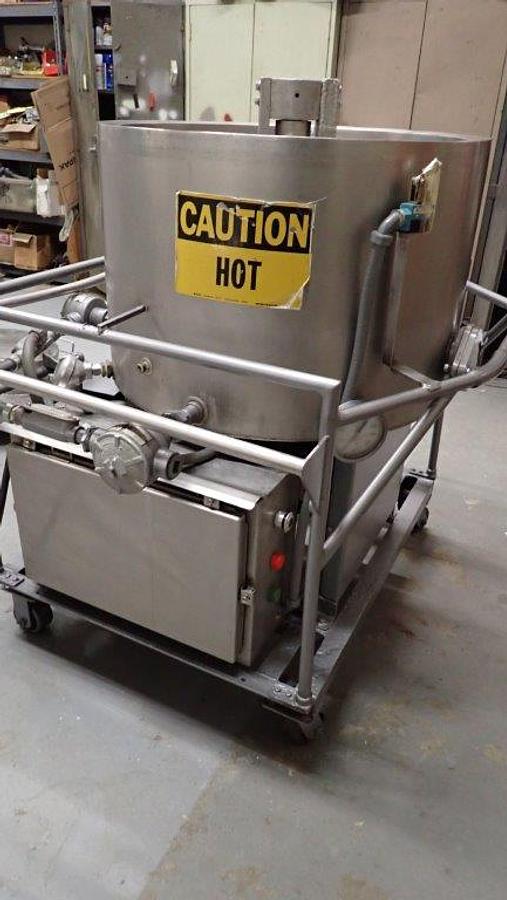
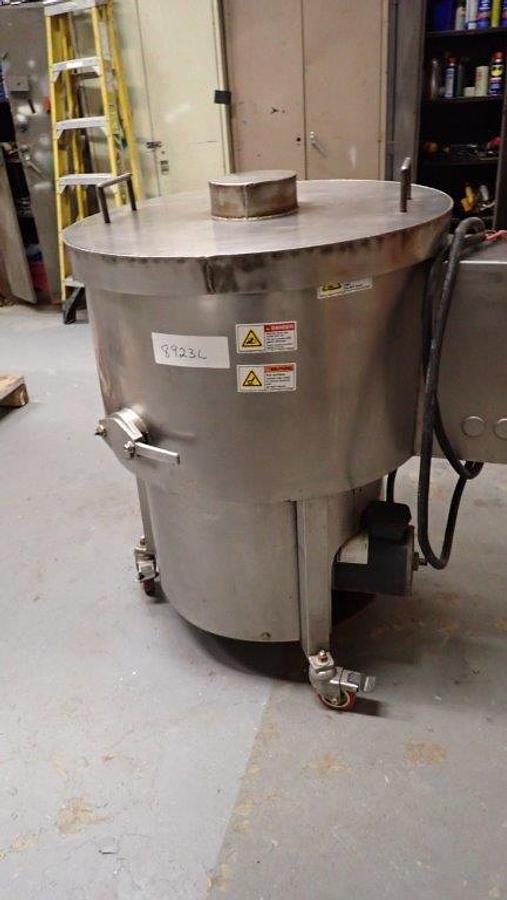
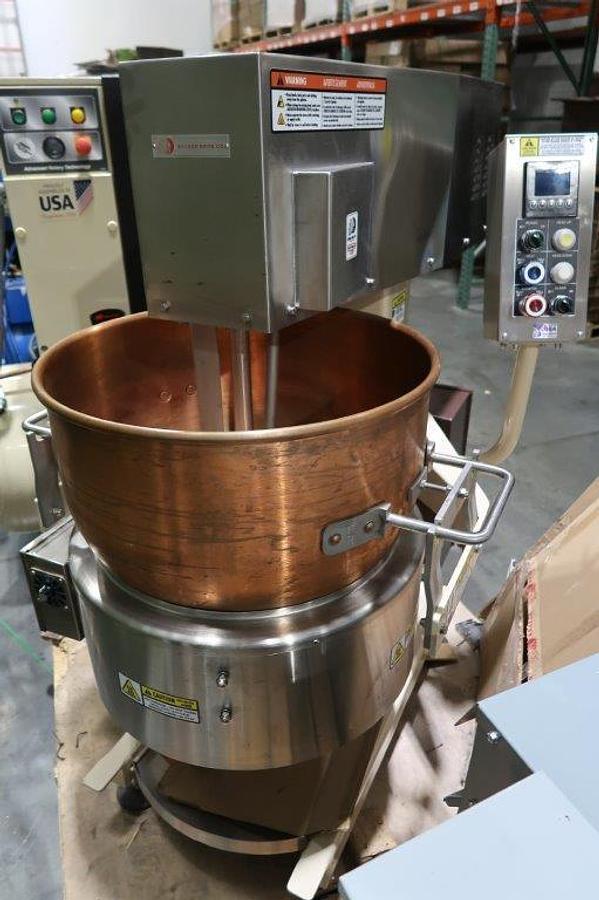
Savage Bros produces a wide range of equipment designed specifically for candy and confectionery production. Their lineup includes chocolate melters, batch cookers, candy cookers, cooling tables, pullers, batch rollers, depositors, and fire mixer/cooker units. The company has built its reputation around heavy-duty commercial construction, and their machines are found in everything from small artisan fudge shops to larger candy manufacturing operations. Chocolate melters, for example, are available in multiple capacities, with stainless steel models in sizes like 30-gallon and 40-gallon being common in the used market.
The breadth of the Savage Bros catalog means buyers can often source multiple pieces of a production line from the same manufacturer, which simplifies maintenance and parts sourcing. Their equipment is particularly well regarded among hard candy producers, chocolate makers, and fudge shops that need reliable, consistent performance from heavy-use machinery. Because the company has been manufacturing since 1855, there is a deep installed base of equipment across the United States, which contributes to a healthy secondary market for used Savage Bros machines.
How long has Savage Bros been in business and what is their reputation in the industry?
Savage Bros was founded in 1855 in Chicago, Illinois, making it one of the oldest confectionery equipment manufacturers in the United States. That kind of longevity is unusual in any manufacturing sector, and it speaks to the durability and reliability the brand has delivered to candy makers for well over a century. Their equipment has long been a staple in the specialty candy and artisan confectionery market, and the brand carries significant name recognition among professional confectioners.
The company's reputation rests largely on the build quality of its machines. Many pieces of Savage Bros equipment manufactured decades ago are still in active production use today, which is a meaningful endorsement of their engineering. This durability is one reason used Savage Bros equipment holds strong resale value. Buyers in the confectionery industry tend to view the brand as a trusted workhorse, and that perception has held steady across generations of candy makers. For anyone sourcing used confectionery equipment, the Savage Bros name is generally considered a reliable indicator of quality construction.
Is used Savage Bros confectionery equipment a good investment for a candy production operation?
Used Savage Bros equipment is widely considered a sound investment in the confectionery industry, primarily because the machines are built to last. Many units from the 1970s, 1980s, and 1990s are still producing candy today, which means a well-maintained used machine can deliver years of continued service at a fraction of the cost of sourcing comparable equipment elsewhere. For small to mid-sized candy producers, artisan chocolate makers, and fudge shops, buying used Savage Bros machinery is often the most practical path to professional-grade production capacity.
That said, buyers should go in with realistic expectations about what purchasing used equipment involves. These machines are sold as-is, so a thorough inspection before purchase is essential. Prospective buyers should request in-person or video inspections to assess the machine's current condition, check for wear on key components, and verify that the unit is complete. It is also worth consulting directly with Savage Bros to understand what level of parts and technical support is available for the specific model and age of the machine being considered, since support availability can vary based on how old the unit is.
What is the typical price range for used Savage Bros confectionery equipment?
Pricing for used Savage Bros equipment varies considerably depending on the type of machine, its age, capacity, and overall condition. Smaller units like tabletop chocolate melters can trade at relatively modest price points, while larger batch cookers, fire mixer/cooker combinations, and full production systems command significantly higher prices. Because the brand has a strong reputation and its equipment retains functionality well into old age, used Savage Bros machines tend to carry a premium compared to lesser-known brands, even when the units are several decades old.
Buyers should also factor in costs beyond the listed equipment price. Shipping, rigging, and crating can add meaningfully to the total landed cost, particularly for heavier machines that require specialized loading equipment. It is worth asking the selling dealer for a detailed breakdown of packaging, freight, and any rigging fees before committing to a purchase. Getting a clear picture of the full delivered cost helps avoid surprises and makes it easier to compare options across different machines and sellers.
What is the difference between Savage Bros gas and electric models?
Savage Bros has historically produced both gas-fired and electric versions of several core machine types, including stoves and cookers. Gas models, sometimes called fire mixer/cooker units, are favored in operations where natural gas is readily available and where the rapid, high-output heat of an open flame is preferred for certain candy-making processes. Electric models offer more precise temperature control and are often easier to install in facilities where gas lines are not accessible or where local codes make gas equipment more complicated to permit.
For buyers in the used market, the choice between gas and electric often comes down to the specific infrastructure of their production space. Electric chocolate melters, for example, are common in smaller artisan settings because they are straightforward to operate and clean. Gas cookers tend to show up more often in higher-volume candy production environments. When evaluating a used Savage Bros machine, it is worth confirming the power requirements and fuel type early in the process to make sure the equipment is compatible with the facility where it will be installed. A dealer should be able to provide the machine's specifications to help with this assessment.
How should a buyer inspect used Savage Bros equipment before purchasing?
Buying used confectionery equipment without a proper inspection is a significant risk, and reputable dealers will typically accommodate either an in-person visit or a detailed video inspection of the machine. In-person inspections are ideal when possible, as they allow a buyer or their technician to physically examine wear points, check the condition of heating elements or burners, assess stainless steel surfaces for pitting or damage, and verify that all components are present. Some equipment may still be installed at a production facility, in which case the dealer can often coordinate access for an inspection at the plant.
Video inspections have become a practical alternative when travel is not feasible. A thorough video walkthrough should cover the machine from multiple angles, demonstrate any moving parts, and show close-ups of areas most prone to wear. Keep in mind that most equipment dealers do not have the permitting or production infrastructure to run actual confectionery through a machine as a functional test, so the inspection focuses on mechanical and physical condition rather than a live production run. Buyers should also ask about the machine's history, including how long it was in service and what it was used to produce, as this context helps assess remaining service life.
Are parts and technical support available for older Savage Bros machines?
Parts and support availability for Savage Bros equipment depends heavily on the age and specific model of the machine. Because the company has been in business since 1855 and has produced equipment across many decades, the range of support that exists varies widely across the catalog. For more recent models, parts sourcing is generally more straightforward. For older units, some components may need to be fabricated or sourced from specialty suppliers, which can add time and cost to repairs.
The best approach is to contact Savage Bros directly before purchasing a used machine to ask specifically about parts availability and technical documentation for that model. This step can save a buyer from acquiring equipment that is difficult or expensive to maintain. A dealer selling used Savage Bros equipment should be able to provide the model number and approximate manufacturing date, which makes this kind of pre-purchase research possible. Since used equipment is sold as-is without manufacturer warranties, understanding the support landscape ahead of time is one of the most important due-diligence steps a buyer can take.
How do I find the model number and manufacturing date on a used Savage Bros machine?
Savage Bros equipment typically carries a nameplate or data plate affixed to the machine's frame or body. This plate usually includes the model number, serial number, and in many cases the manufacturing date or a date code. The location of the plate varies by machine type, but it is commonly found on the side panel, near the base, or on the back of the unit. On older machines, the plate may show wear or partial legibility, so it is worth asking the seller for a close-up photo of the nameplate as part of any inspection process.
Once you have the model and serial number, those details can be used to contact Savage Bros directly to confirm the machine's age, verify its specifications, and inquire about parts availability. For buyers evaluating multiple used units, having this information in hand before making a purchase decision is genuinely useful. It allows for an apples-to-apples comparison of machines at different price points and helps set realistic expectations about what ongoing maintenance might look like for a given unit.
What should buyers know about shipping and delivery for used confectionery equipment?
Shipping used confectionery equipment involves more logistical planning than most freight shipments. Machines like chocolate melters and batch cookers are heavy, often irregularly shaped, and sensitive to rough handling during transit. Proper palletization or crating is essential to prevent damage, and the level of packaging required will affect the shipping cost. Buyers should ask the selling dealer exactly how the machine will be packaged and what that preparation is expected to cost, since these charges vary and can be a meaningful part of the total purchase price.
Larger machines may also require specialized rigging for loading at the dealer's location and unloading at the buyer's facility. Rigging services, which involve cranes or forklifts with sufficient capacity for heavy industrial equipment, are typically an added cost that the buyer arranges and pays for on their end. Before finalizing a purchase, it is worth getting a full breakdown of all freight-related costs, including packaging, loading, freight itself, and destination rigging, so the true landed cost of the equipment is clear. Freight damage claims on used equipment can be complicated, so proper packaging upfront is worth the investment.
What are the typical payment terms when buying used Savage Bros equipment from a dealer?
Most used equipment dealers require full payment before a machine ships. This is standard practice across the industry and applies to the majority of transactions, particularly for buyers who have not previously done business with a given dealer. The reasoning is straightforward: once a machine leaves the seller's facility, recovering payment becomes significantly more complicated, so dealers protect themselves by collecting in full beforehand. Buyers should expect this to be the default arrangement and plan their purchasing process accordingly.
Some dealers extend payment terms to repeat customers or established accounts, but this is the exception rather than the rule and is typically negotiated on a case-by-case basis. Buyers who are new to purchasing used industrial equipment should also be aware that financing options, if available, are usually arranged independently through third-party lenders rather than directly through the dealer. Asking about accepted payment methods, including wire transfer, credit card, or certified funds, is a practical step to take early in the purchasing conversation so there are no delays once a purchase decision is made.