Category
Manufacturer
Model
Saima
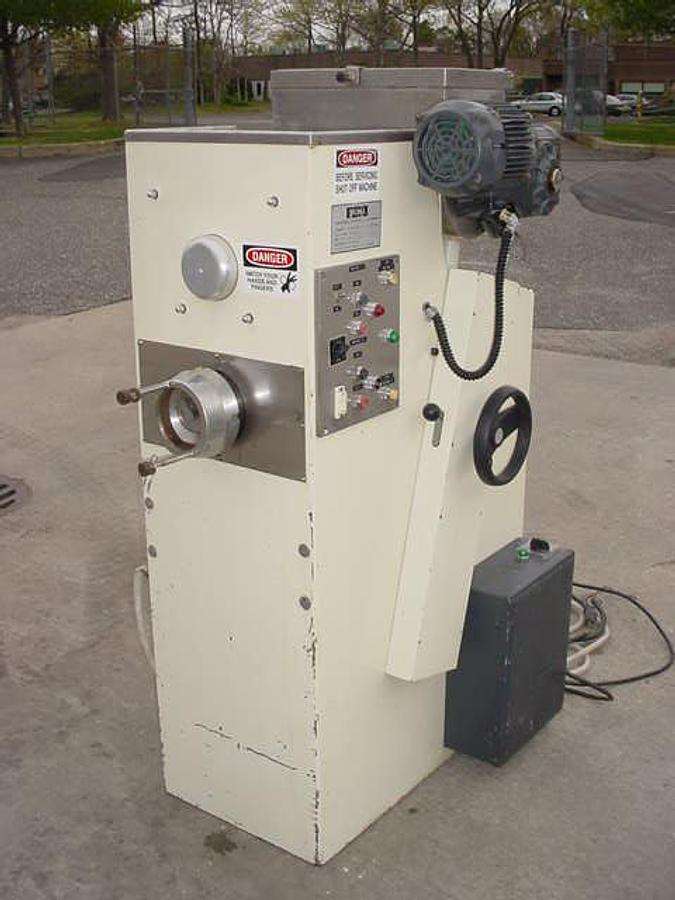
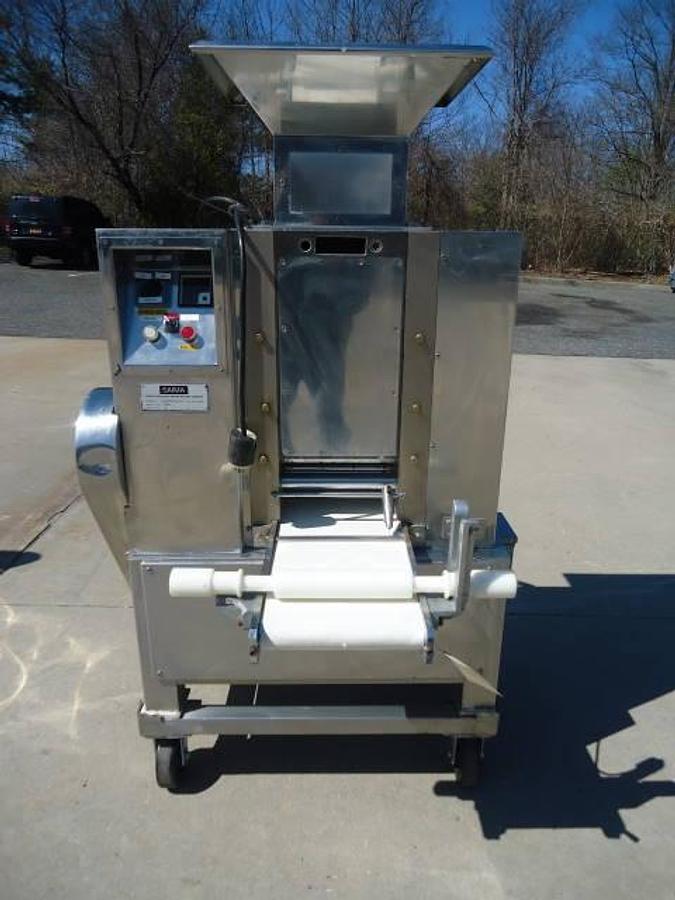
Saima is a prominent player in the production of machinery for the food processing sector, particularly in pasta and bakery equipment. They are recognized for their high-quality mixers and extruders that ensure consistent product quality. Saima’s commitment to innovation has made them a key partner for many food manufacturers.
FAQ:
What types of pasta equipment does Saima manufacture?
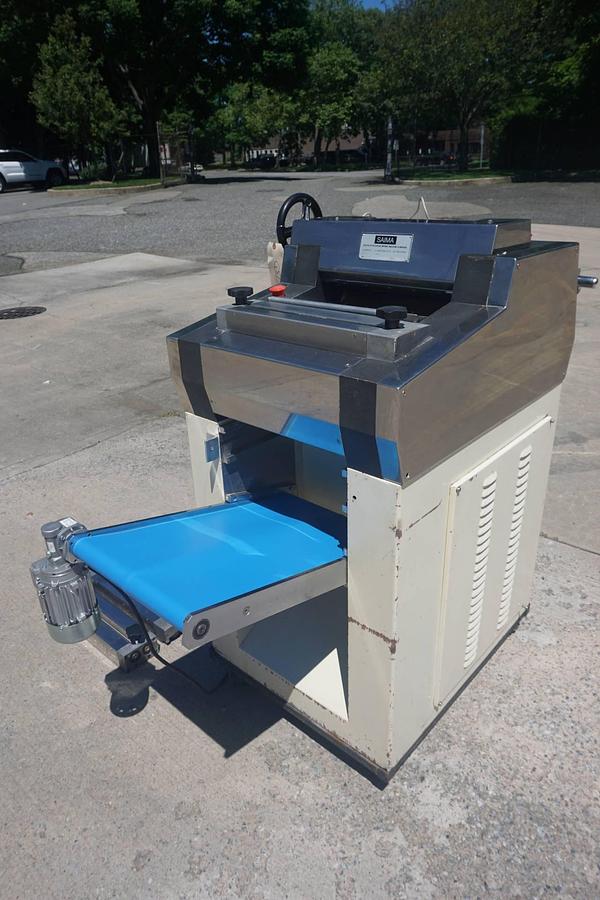
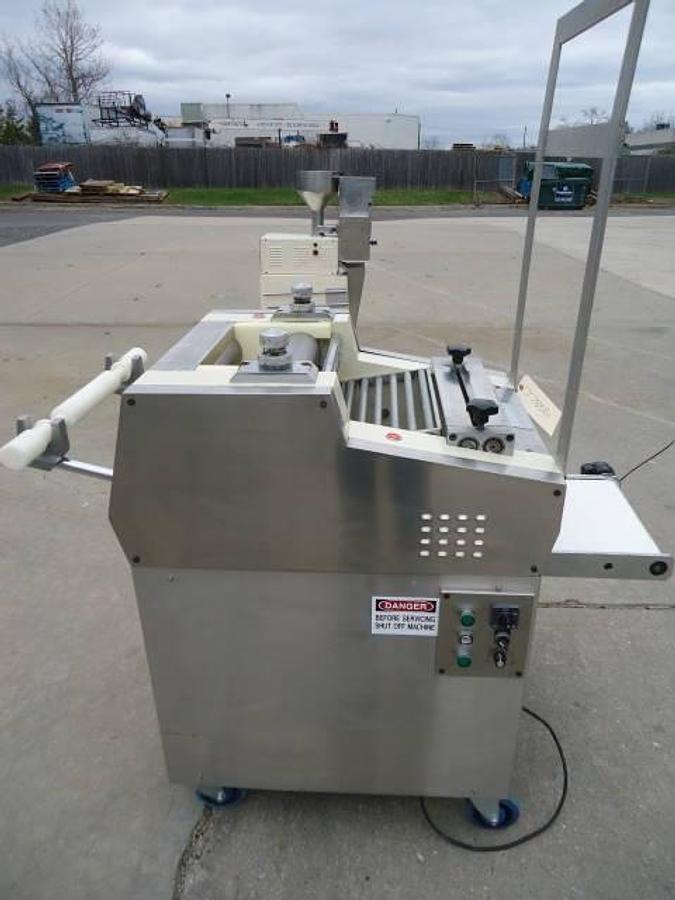
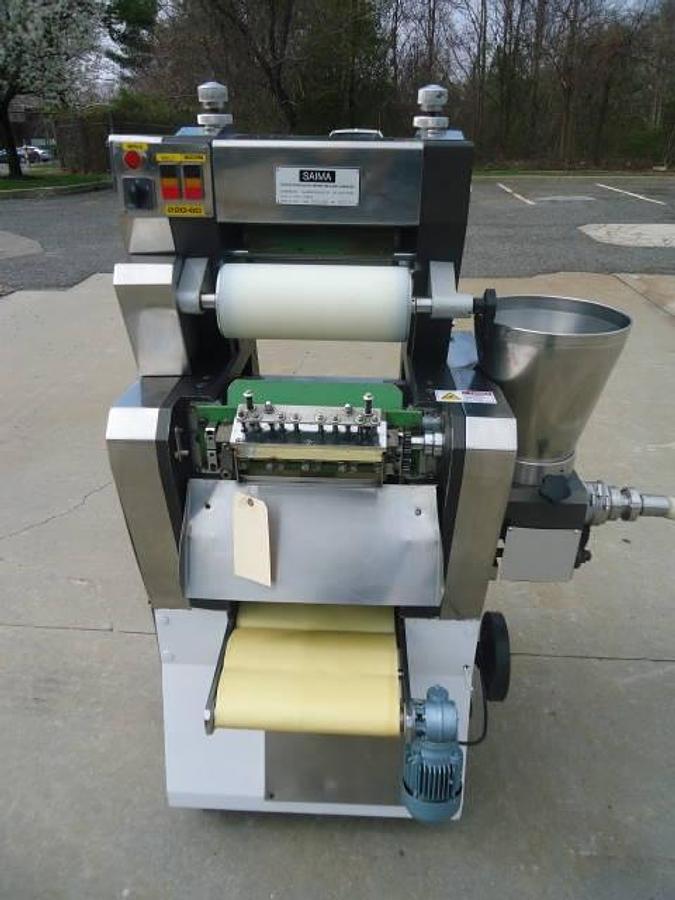
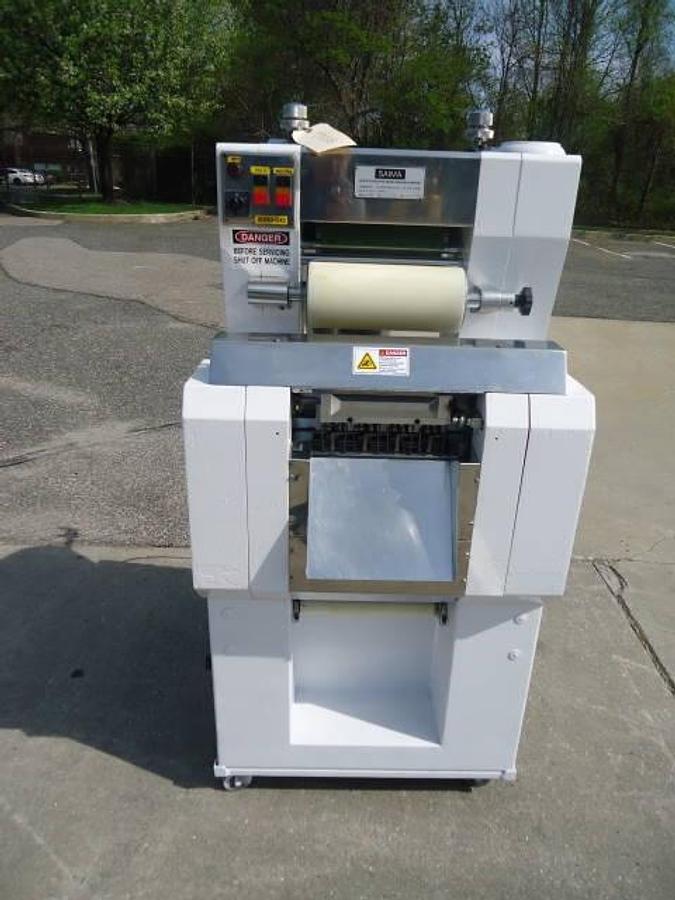
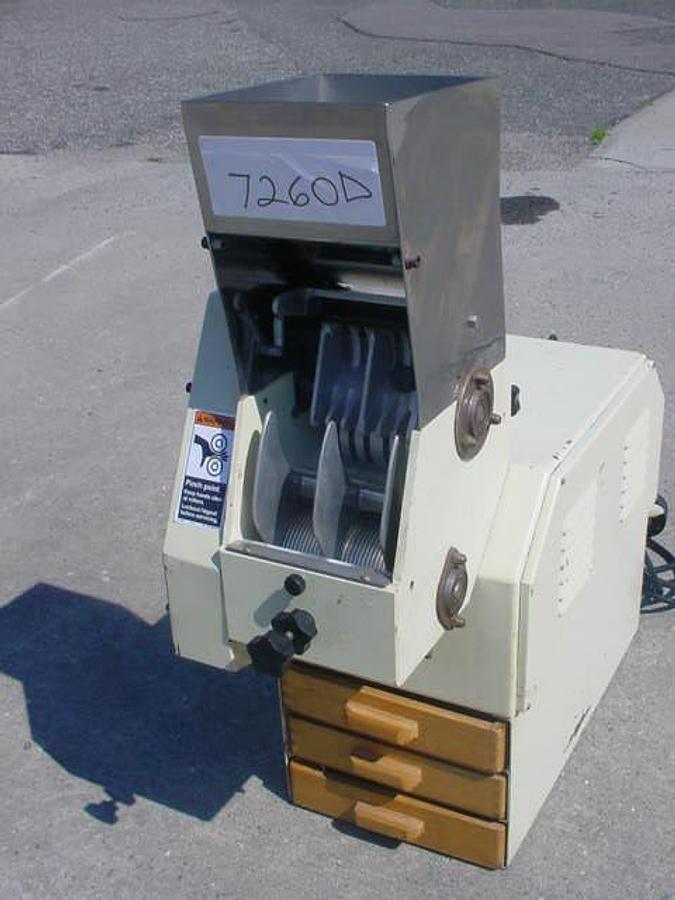
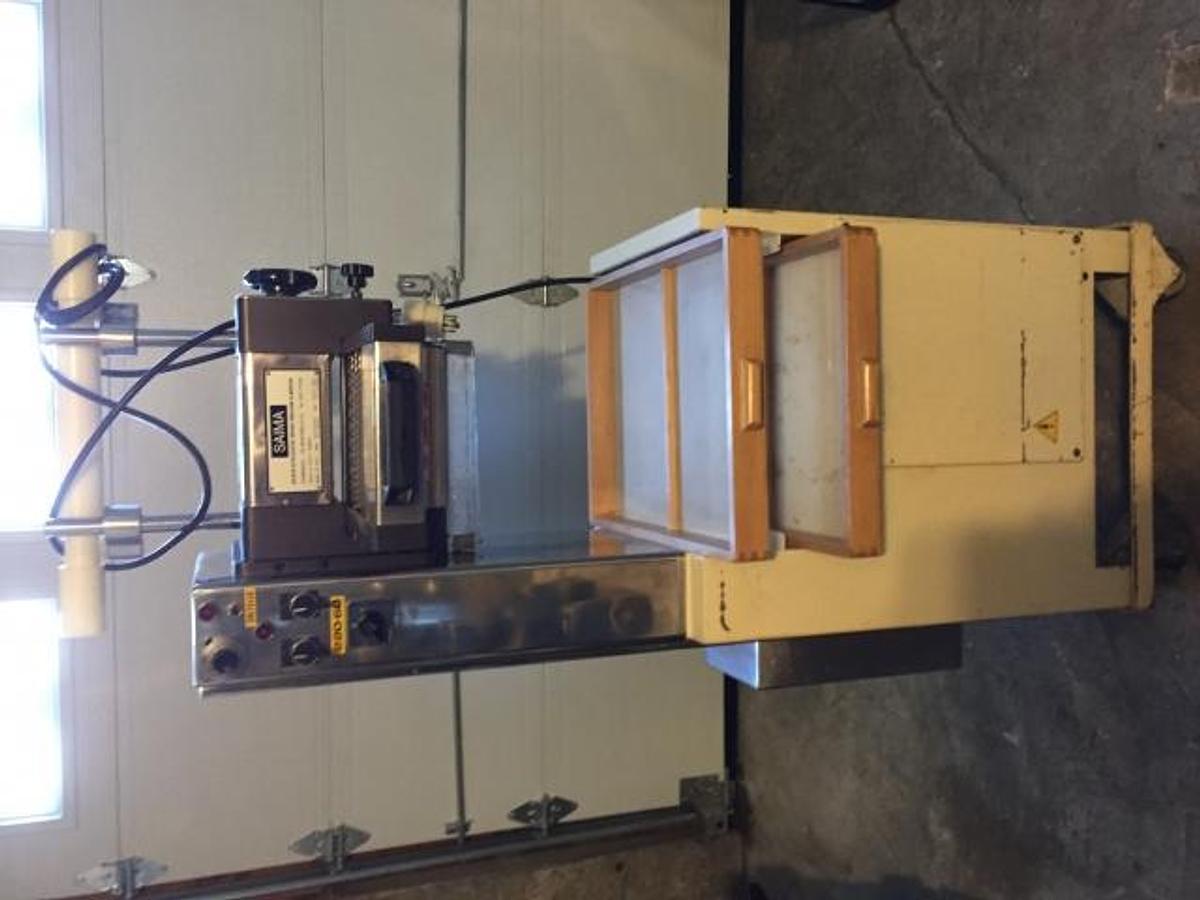
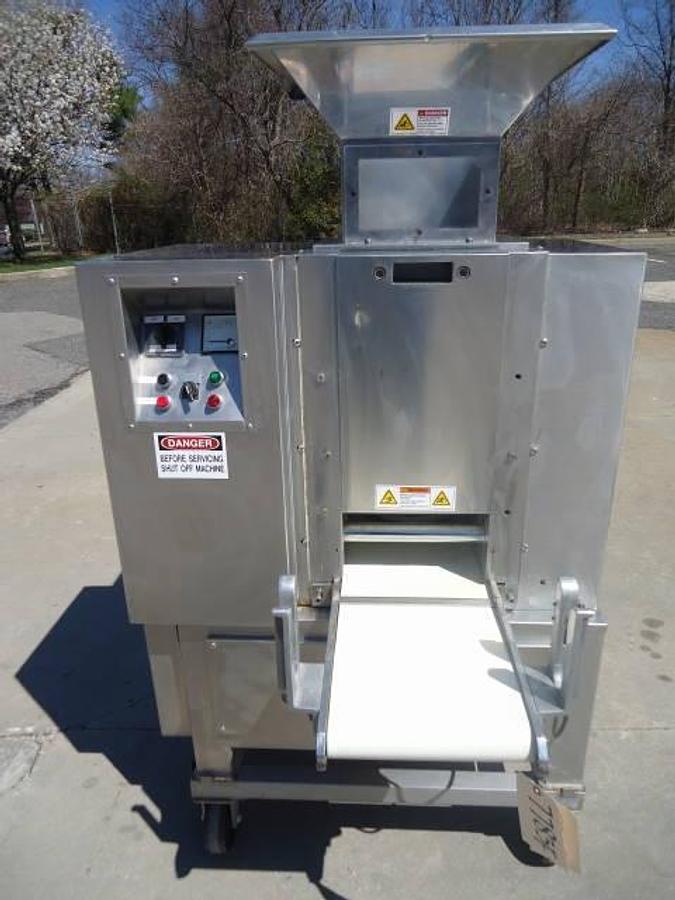
Saima produces a wide range of pasta processing machinery, covering most stages of commercial and artisanal pasta production. Their lineup includes pasta extruders, pasta sheeters, pasta cutters, tortellini and ravioli machines, gnocchi machines, and mixers. Many of their machines are sold with interchangeable dies and tooling, which allows operators to produce multiple pasta formats from a single piece of equipment. The breadth of their catalog makes Saima a practical choice for food manufacturers who want to source multiple machines from one proven supplier.
On the smaller end, Saima makes tabletop and portable units suited to smaller-scale operations, restaurants, and specialty food producers. On the larger end, they produce full-size production machines capable of handling continuous commercial output. Models like the RAV.265 are purpose-built for filled pasta such as tortellini and mini ravioli, while machines like the D65 extruder handle a broader range of extruded pasta shapes. This variety means buyers in the used equipment market can often find a Saima machine that fits their specific production needs, regardless of the scale of their operation.
What pasta shapes and formats can Saima equipment produce?
The range of shapes a Saima machine can produce depends heavily on the specific model and the tooling or dies included with it. Extruders like the D65 can produce a wide variety of short pasta shapes, including rigatoni, penne, fusilli, and similar extruded formats, by swapping the die attached to the extrusion head. Sheeters and cutters, such as the CA-265 and TA305 models, are designed for flat pasta formats like fettuccine, tagliatelle, lasagna sheets, and pappardelle. Dedicated machines like the RAV.265 are engineered specifically for filled pasta, producing tortellini and mini ravioli with consistent folding and sealing.
Many Saima machines are sold with assorted dies or extra tooling, which significantly expands the range of formats a single machine can handle. When evaluating a used Saima machine, buyers should confirm exactly which dies and tooling are included in the sale, as the value of the package can vary considerably depending on what is available. Some listings include extra dies as part of a clearance package, which can be a cost-effective way to acquire both the machine and the tooling needed for multiple product lines.
Is Saima pasta equipment suitable for small businesses, or is it designed only for large industrial operations?
Saima produces equipment across a fairly wide spectrum of scales, which is part of why their machines appear in so many different types of food production environments. On the smaller end, models like the tabletop gnocchi machine and the portable CA-265 pasta sheeter are compact, relatively easy to operate, and well-suited to restaurants, specialty food shops, small-batch producers, and catering operations. These machines are designed to fit into tighter spaces and do not require the same level of infrastructure as full industrial production lines.
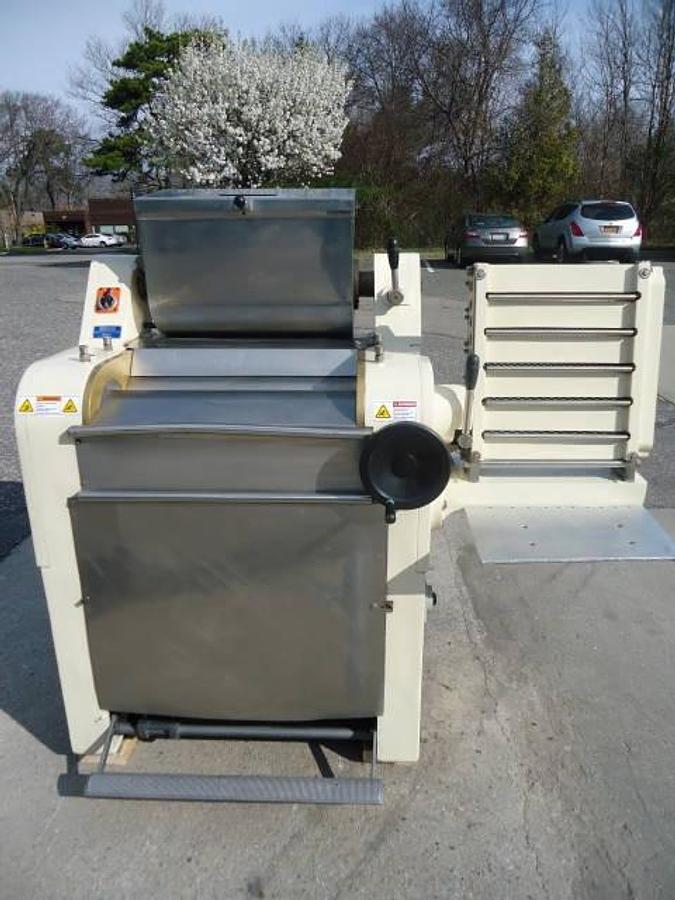
At the same time, Saima also manufactures larger-format production equipment capable of handling the demands of continuous commercial output. Machines like the 600mm sheeter with mixer are built for higher-volume environments where throughput and consistency matter. For buyers in the used equipment market, this range means there is often a Saima machine that fits the scale of an operation without requiring a buyer to over-invest in capacity they do not need. The key is matching the specific model to the intended production volume, which is why reviewing the technical specifications of each machine carefully before purchasing is worth the time.
What should buyers look for when purchasing used Saima pasta equipment?
Buying used pasta processing machinery requires more due diligence than purchasing from a manufacturer, because the condition, history, and remaining service life of the machine are not standardized. The first priority is getting a clear picture of the machine's current mechanical condition. Reputable used equipment dealers will typically offer in-person inspections, video walkthroughs, or photo documentation of the equipment. Buyers should ask to see the interior components, the die or tooling condition, the drive systems, and any wear points specific to the machine type. For machines that were still in active production before being decommissioned, there may be an opportunity to arrange an inspection at the original facility.
Beyond the physical condition, buyers should verify which accessories, dies, and spare parts are included in the sale, since these can significantly affect the usability and value of the purchase. It is also worth contacting Saima or an authorized service provider to understand what level of technical support and parts availability exists for the specific model and age of the machine being considered. Older models may have limited parts availability, which is an important factor in long-term maintenance planning. Selecting a dealer who specializes in food processing equipment, rather than a general industrial reseller, tends to result in better pre-sale information and a more accurate representation of what the machine can do.
What is the production capacity of Saima pasta machines?
Production capacity varies considerably across the Saima product range, and the right benchmark depends on the type of pasta being made and the specific model in question. Smaller tabletop and portable machines, such as the tabletop gnocchi machine or the portable CA-265 sheeter, are designed for lower-volume output and are better measured in kilograms per hour rather than industrial tonnage. These machines are practical for operations producing specialty or artisanal pasta in quantities suited to direct retail, restaurant service, or small wholesale accounts.
Larger Saima production machines, including full-size sheeters paired with mixers and dedicated filled-pasta machines like the RAV.265, are built for more demanding output levels and are used in commercial food manufacturing environments. When evaluating a used machine, buyers should request the manufacturer's original specifications if available, and factor in that actual throughput on used equipment may differ from published specs depending on the machine's age and condition. Discussing expected output with the selling dealer, and if possible with a technician familiar with the model, is a practical step before committing to a purchase.
Are replacement parts and spare components available for used Saima pasta machines?
Parts availability for used Saima equipment depends on the age and model of the machine. For relatively recent models, Saima or their authorized distributors may still carry or be able to source the relevant components, including dies, cutting blades, rollers, seals, and drive parts. For older machines, availability can be more limited, and buyers may need to work with third-party machining shops to reproduce certain wear components, or source parts through the used equipment market itself.
Before purchasing a used Saima machine, it is worth reaching out directly to Saima or a local authorized service representative to ask specifically about parts support for the model in question. This conversation can reveal whether the machine is still within a supported product generation or whether it falls into a category where maintenance will require more resourcefulness. Buyers should also ask the selling dealer whether any spare parts, extra dies, or consumable components are included with the machine, as this can meaningfully extend the machine's useful life and reduce the urgency of sourcing replacements immediately after purchase.
How does the inspection process work when buying used Saima pasta equipment?
Used equipment dealers generally offer buyers several ways to inspect machinery before committing to a purchase. The most thorough option is an in-person inspection at the dealer's facility or, in some cases, at the plant where the machine was previously in operation. This allows a buyer or their technician to physically examine the machine, check for wear, review the condition of tooling and dies, and ask questions directly. Some machines may still be installed in an active production environment, where the equipment can be observed running, though the ability to test actual pasta production is typically not available at a dealer's location due to the permitting and food handling requirements that commercial production involves.
For buyers who cannot travel, video inspections and detailed photo documentation are common alternatives. A reputable dealer should be willing to capture specific areas of the machine on request, including interior mechanisms, electrical panels, rollers, and any areas showing wear or prior repair. Virtual inspections via live video call are also increasingly common and can be a practical way to evaluate equipment from a distance. Regardless of the inspection format, buyers should come prepared with a list of specific questions about the machine's history, the reason it was decommissioned, and any known maintenance or repair work that was performed during its service life.
What are typical payment terms when purchasing used pasta processing equipment?
Most used equipment dealers require full payment before a machine is released for shipping. This is standard practice across the industry and applies to most transactions regardless of the machine's size or price. The reasoning is straightforward: once equipment leaves a dealer's facility, the ability to verify its condition or resolve disputes becomes significantly more complicated. Buyers should plan for this expectation and ensure that financing or funds are arranged before finalizing a purchase agreement.
Some dealers may offer payment terms or phased arrangements to repeat customers or buyers with an established relationship, but this is not the norm for first-time transactions. Wire transfer is the most common payment method for used machinery purchases of any significant value. Buyers should also account for the full landed cost of the equipment, which includes not just the machine price but also packaging, rigging, freight, and any applicable import duties or taxes, since these costs can add meaningfully to the total investment depending on the size and origin of the equipment.
What should buyers know about shipping and freight costs for used Saima pasta machinery?
Shipping costs for used pasta equipment can vary widely depending on the size and weight of the machine, the distance it needs to travel, and the level of packaging required to protect it in transit. Smaller tabletop or portable machines like a compact gnocchi unit or a portable sheeter can often be palletized and shipped via standard freight carriers at relatively modest cost. Larger machines, such as full-size sheeters with integrated mixers or industrial tortellini machines, may require custom crating and heavier-duty rigging for safe loading and unloading, both of which add to the total shipping cost.
Buyers should ask the selling dealer for a detailed breakdown of all shipping-related charges before finalizing a purchase. This should include the cost of packaging or crating, any rigging fees for loading at the origin, freight charges to the destination, and any unloading requirements at the buyer's facility. If the buyer does not have a forklift or loading dock, arranging for lift-gate delivery or local rigging services will be an additional expense to plan for. Getting a clear picture of the full landed cost, meaning the total cost to get the machine operational at the buyer's location, is an important part of evaluating whether a particular used machine represents good value.
Why is Italian pasta equipment like Saima considered a benchmark in the industry?
Italy has been the center of commercial pasta production technology for generations, and Italian equipment manufacturers have developed machinery that reflects decades of refinement in dough handling, extrusion science, and product consistency. Saima, as an Italian-based manufacturer, benefits from this heritage and has built a reputation for producing machines with the kind of mechanical precision that pasta production demands. The consistency of dough sheeting, the accuracy of cutting and portioning, and the reliability of filled pasta forming are all areas where the engineering behind the equipment directly affects the quality of the finished product.
For buyers in the used equipment market, the Italian manufacturing heritage of a brand like Saima carries practical implications beyond reputation. Food-grade stainless steel construction, hygienic design standards, and compatibility with the kinds of dough formulations used in professional pasta production are built into the equipment's design from the ground up. These characteristics do not disappear simply because a machine is used rather than newly manufactured. A well-maintained Saima machine can continue to deliver consistent results for many years, which is one reason why used Saima equipment remains in demand among food producers looking for proven machinery at a lower acquisition cost than buying from a manufacturer.