Category
Manufacturer
Model
Robbins & Myers
Robbins & Myers is known for its innovative pumping and mixing solutions, primarily serving the oil and gas, chemical, and food industries. Their equipment is engineered for durability and efficiency, making them a trusted partner in manufacturing.
FAQ:
What types of Robbins & Myers pumps are available on the used equipment market?
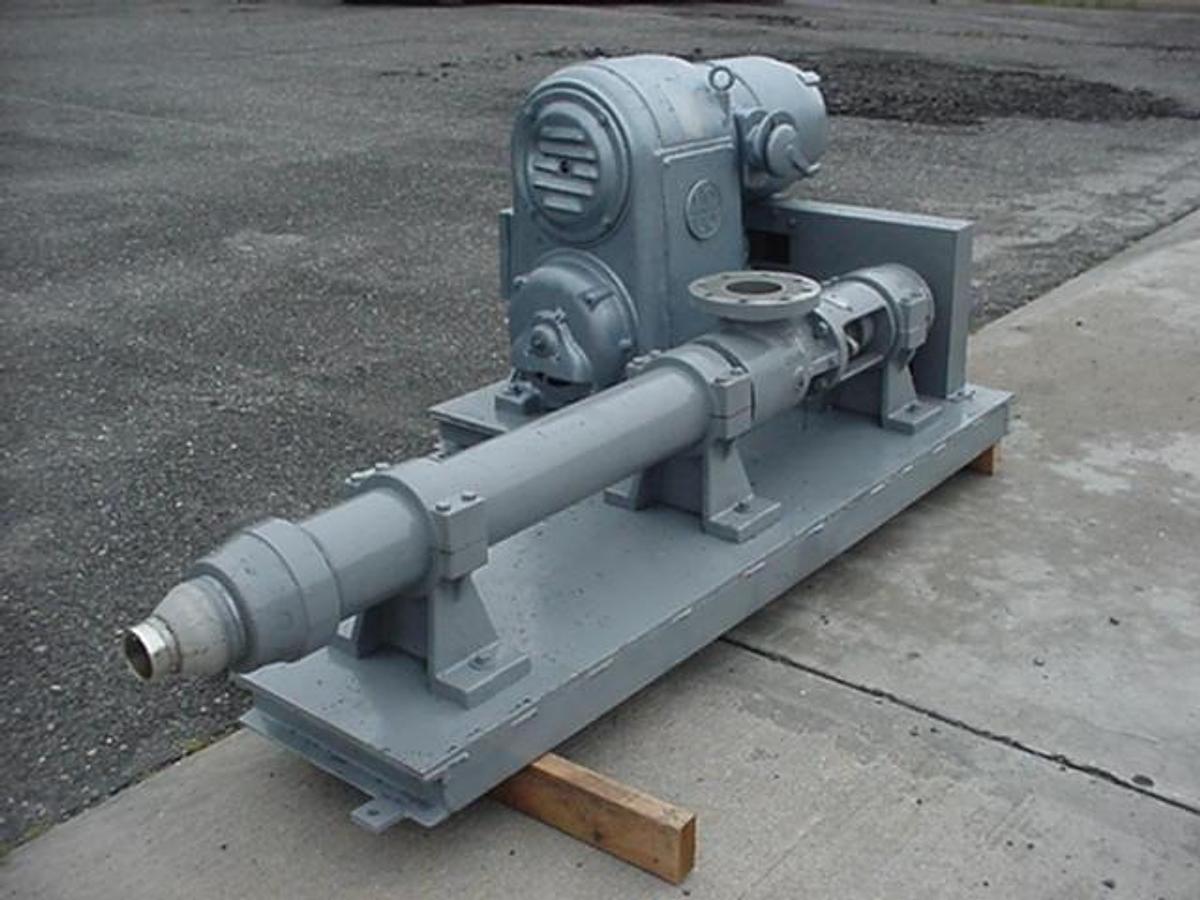
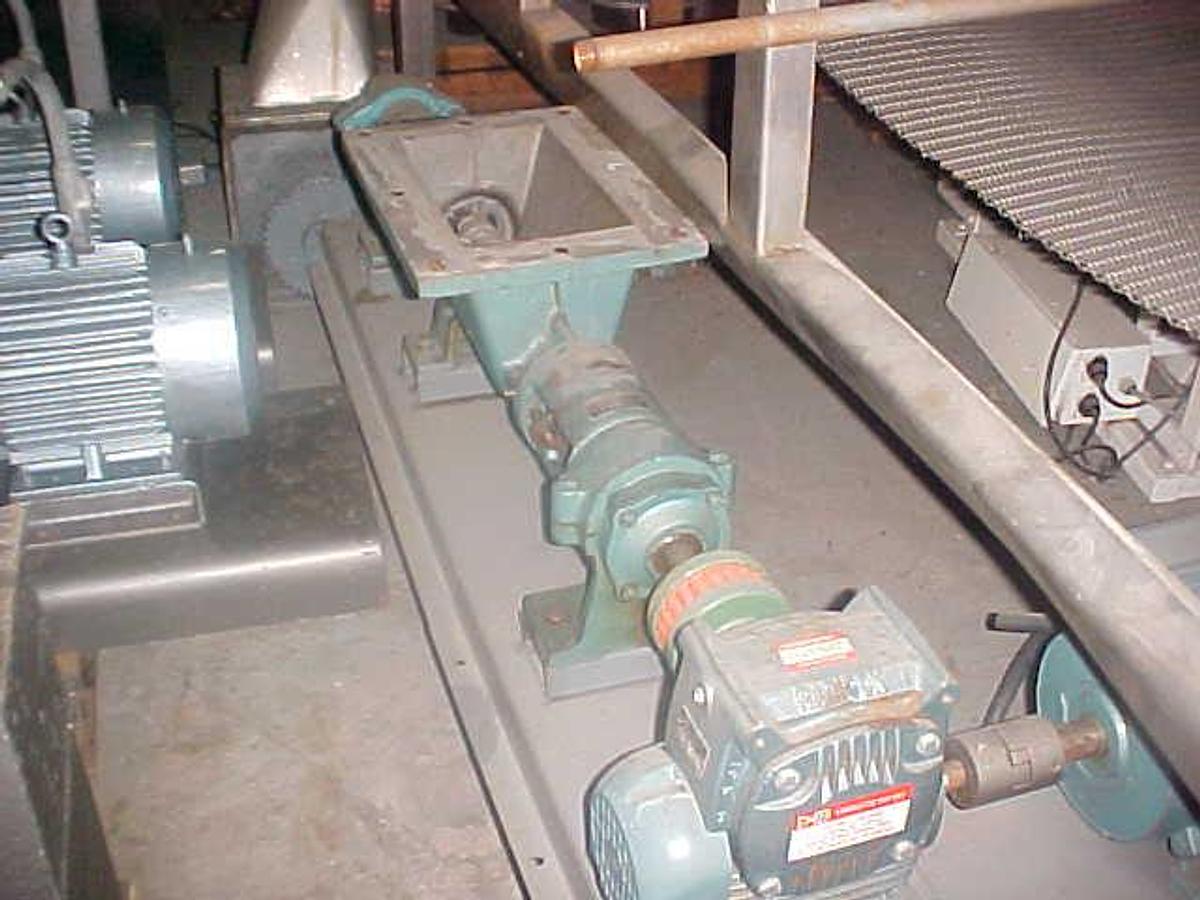
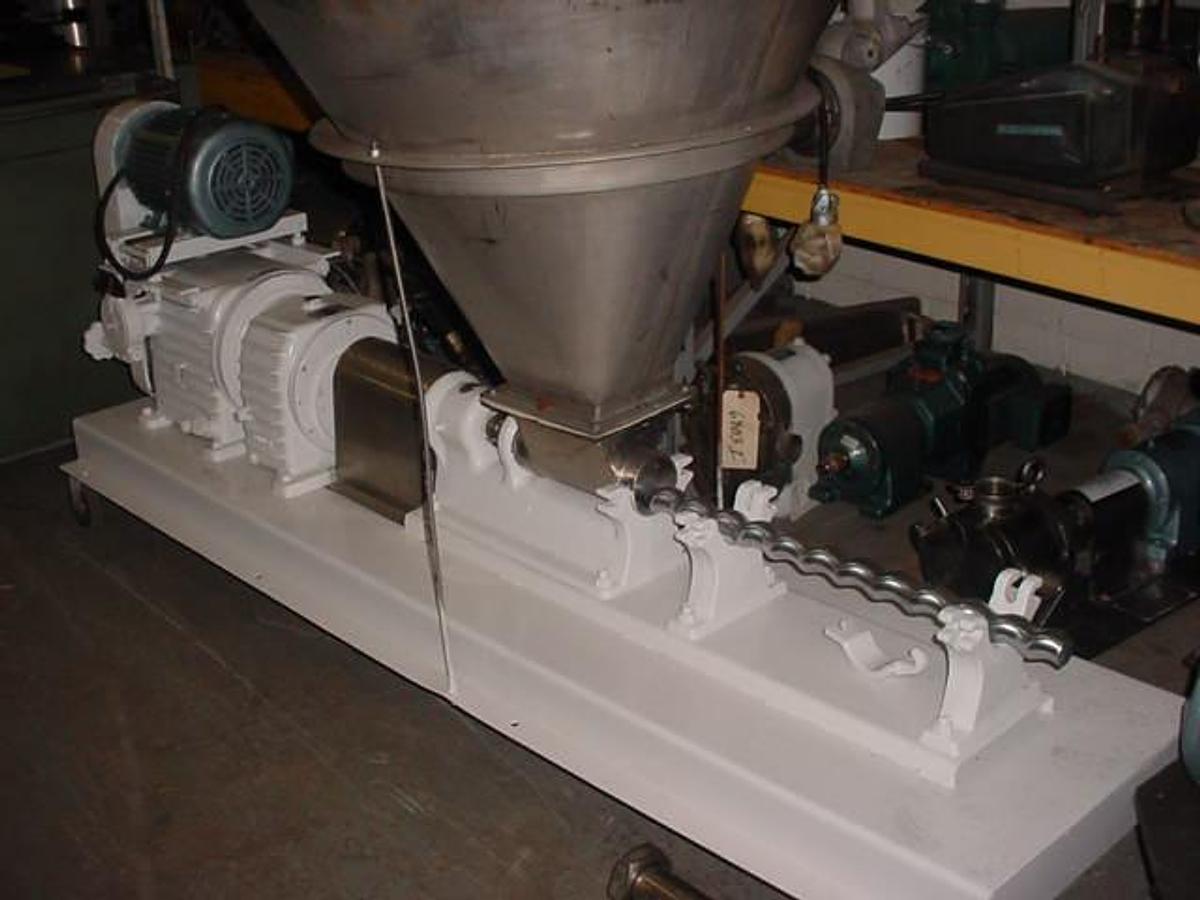
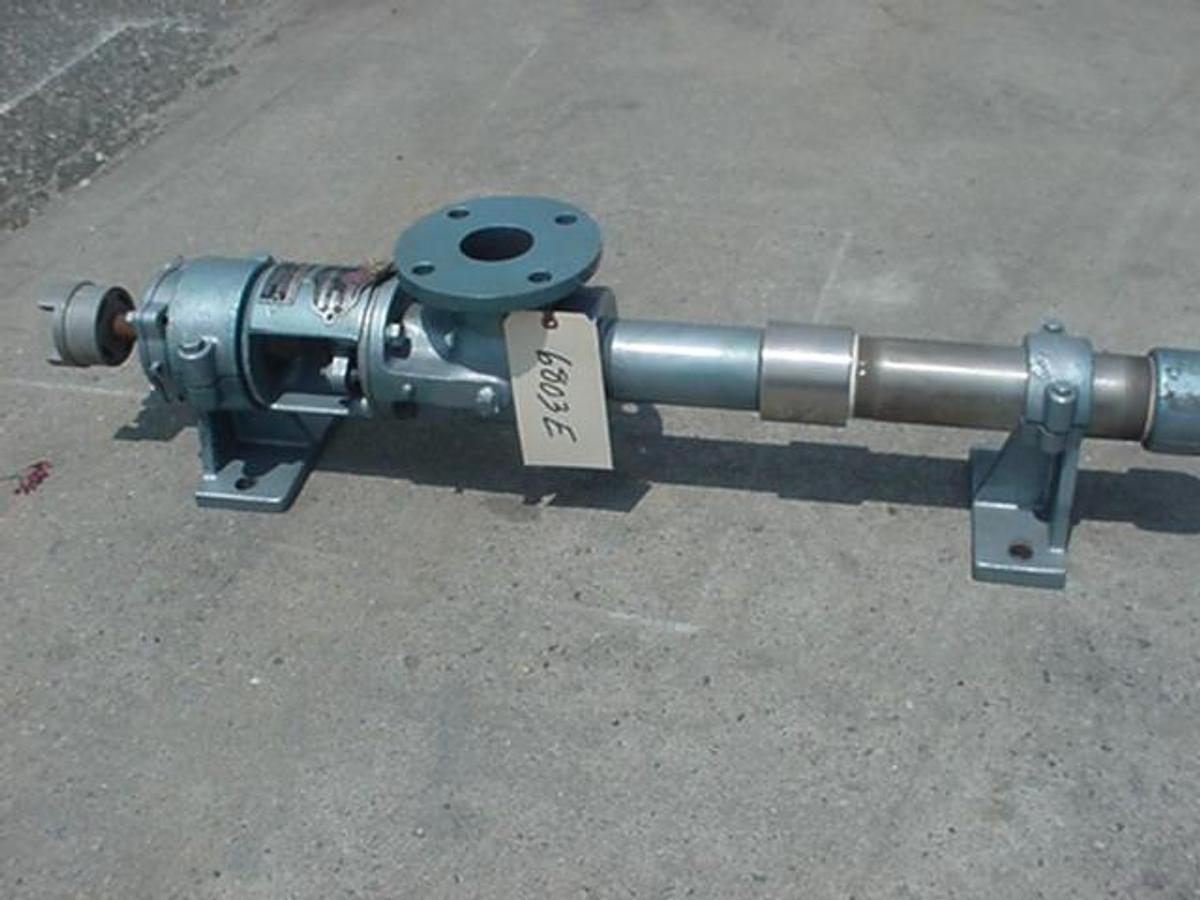
Robbins & Myers built a broad product line, but the pumps most commonly found on the used market are progressive cavity (PC) pumps, sold under the Moyno brand name that Robbins & Myers owned. These include hopper-fed models designed for thick, paste-like materials, open-throat configurations for solids-laden fluids, and close-coupled stainless steel units for sanitary or corrosive applications. Horsepower ratings in the used market typically range from fractional HP units up to 7.5 HP and beyond, with models available in various inlet and outlet sizes such as 2-inch, 2.5-inch, and 4-inch configurations. Variable-speed drive options are also common, giving operators precise control over flow rate.
Beyond standard PC pumps, Robbins & Myers also produced mixing and agitation equipment, though pumps represent the largest share of what surfaces on the secondary market. Buyers searching for used Robbins & Myers equipment will frequently encounter Moyno-branded units, since the two names are used interchangeably in the industry. When evaluating a specific listing, it helps to note the model designation, material of construction (carbon steel vs. stainless steel), and whether the unit includes the motor and drive assembly, as some listings include the full skid package while others offer the pump head only.
What industries are Robbins & Myers pumps best suited for?
Robbins & Myers pumps, particularly the Moyno progressive cavity line, were engineered for applications involving viscous, abrasive, shear-sensitive, or solids-laden fluids. That makes them a natural fit for oil and gas production, where they are used to lift crude oil and handle produced water with entrained solids. The chemical processing industry relies on them for accurate metering of aggressive or high-viscosity chemicals, and wastewater treatment plants use them extensively for sludge transfer and biosolids handling. Mining operations also use these pumps for slurry transport.
On the food and beverage side, stainless steel Moyno pumps are widely used for pumping tomato paste, chocolate, sauces, dairy products, and similar materials that would be damaged by the shearing action of a centrifugal pump. The gentle, low-pulsation flow that progressive cavity pumps produce is a key advantage in these applications. Because the pump can also run in reverse, it can be cleared of product quickly during changeovers, which is a practical benefit in food production environments. This cross-industry versatility is one reason used Robbins & Myers pumps retain strong demand long after they leave service at their first facility.
What happened to Robbins & Myers, and does the brand still have manufacturer support?
Robbins & Myers was acquired by National Oilwell Varco (NOV) in 2013. Following the acquisition, the product lines, including the Moyno pump brand, were absorbed into NOV's portfolio. This means that buyers seeking manufacturer-level technical support, replacement parts, or documentation for Robbins & Myers equipment should direct those inquiries to NOV, as the brand itself no longer operates as an independent company. NOV has continued to support many of the legacy product lines, though the level of support available for a specific model can vary depending on its age and whether that particular configuration remains in active production.
For buyers purchasing used Robbins & Myers pumps, it is worth contacting NOV directly before completing a purchase to confirm parts availability for the specific model in question. This is especially important for wear components like stators and rotors, which require periodic replacement and are critical to the pump's continued operation. Older or discontinued models may have limited parts availability through the manufacturer, which shifts more of the sourcing responsibility to aftermarket suppliers. Understanding the parts situation in advance helps buyers accurately estimate the total cost of ownership for a used unit.
What should buyers know about stators and rotors when purchasing a used Robbins & Myers progressive cavity pump?
The stator and rotor are the two core wear components inside a progressive cavity pump, and their condition directly determines how well the pump will perform after purchase. The rotor is a helical metal shaft, typically chrome-plated steel, that rotates inside the stator. The stator is a rubber or elastomeric sleeve with a complementary helical profile. As the rotor turns inside the stator, the interference fit between the two creates the sealed cavities that move fluid through the pump. Over time, the stator elastomer wears, and the pump loses efficiency, flow rate, and eventually the ability to maintain pressure.
When evaluating a used Robbins & Myers pump, buyers should ask the seller about the condition of these components and, if possible, request an inspection that includes a look at the stator bore for visible wear, cracking, or swelling. Because these are consumable parts, even a pump that is mechanically sound in all other respects may need a stator replacement before it returns to reliable service. Sourcing stators and rotors for Robbins & Myers and Moyno pumps is generally feasible through NOV or aftermarket suppliers, but confirming availability and pricing for the specific model size before purchase is a practical step that can prevent unexpected delays or costs.
How do progressive cavity pumps differ from centrifugal pumps, and why does it matter when buying used equipment?
Progressive cavity pumps and centrifugal pumps operate on fundamentally different principles. A centrifugal pump uses a spinning impeller to impart velocity to the fluid, converting that velocity to pressure. This works well for low-viscosity fluids like water, but the high shear forces involved can damage fragile products, and performance drops sharply as fluid viscosity increases. A progressive cavity pump, by contrast, moves fluid by trapping it in sealed cavities formed between the rotor and stator and pushing those cavities forward as the rotor turns. The result is a low-shear, low-pulsation, positive-displacement flow that maintains relatively consistent output regardless of viscosity.
This distinction matters a great deal when sourcing used equipment, because the two pump types are not interchangeable for many applications. A facility handling sludge, food-grade pastes, or viscous chemicals needs the positive-displacement characteristics of a PC pump. Buying a used centrifugal unit of similar horsepower would not serve the same function. Robbins & Myers PC pumps are also self-priming and can handle entrained gases, which centrifugal pumps typically cannot. Buyers replacing an existing pump should confirm the pump type required by their process before purchasing, and verify that the used unit's flow rate and pressure rating match their system requirements.
What is the typical price range for used Robbins & Myers pumps?
Pricing for used Robbins & Myers and Moyno pumps varies considerably based on size, horsepower, material of construction, configuration, and overall condition. Small units in the 1 to 3 HP range with standard carbon steel construction might sell for a few hundred dollars, while larger stainless steel units with variable-speed drives and complete motor and skid packages can reach several thousand dollars. Sanitary or food-grade stainless steel models tend to command higher prices than industrial carbon steel equivalents of similar size, reflecting both the material cost and the demand from food processing buyers.
Buyers should also factor in costs beyond the listed price. Shipping, rigging, and any required reconditioning work, including stator replacement, can add meaningfully to the total landed cost. A pump listed at a low price may require a stator and rotor replacement that costs as much or more than the pump itself, depending on the model size. Requesting a detailed inspection before purchase and getting a clear picture of the pump's current condition helps buyers make accurate cost comparisons between different listings and avoid surprises after the equipment arrives.
How can a buyer identify the correct Robbins & Myers pump model for a replacement application?
The most reliable starting point is the nameplate affixed to the existing pump. Robbins & Myers and Moyno pumps carry a model number that encodes key specifications, including the pump size, rotor geometry, and sometimes the elastomer type used in the stator. The model number, combined with the serial number, allows NOV or a knowledgeable used equipment dealer to cross-reference the unit's original specifications and identify a suitable replacement. If the nameplate is missing or illegible, the inlet and outlet flange sizes, the overall dimensions, and the shaft diameter can help narrow down the model family.
For buyers trying to match a used pump to a specific application rather than replacing an existing unit, the key parameters to define are required flow rate (typically expressed in gallons per minute), the fluid viscosity, the solids content and particle size if applicable, the required discharge pressure, and the material compatibility requirements of the fluid being pumped. Progressive cavity pumps are sized differently than centrifugal pumps, and flow rate in a PC pump is primarily determined by the rotor geometry and speed rather than by impeller diameter. A dealer who specializes in used process equipment can often help match a specific listing to a buyer's application requirements based on these parameters.
Are Robbins & Myers pumps interchangeable with NOV Moyno pumps?
In many cases, yes. Robbins & Myers owned the Moyno brand before the NOV acquisition, so Moyno pumps produced during the Robbins & Myers era and those produced under NOV ownership share a common design lineage. For many model families, stators, rotors, and other replacement parts are dimensionally compatible across the ownership transition, meaning a stator sourced through NOV's current Moyno catalog may fit a pump that was manufactured and sold under the Robbins & Myers name. This is one reason the two names are used interchangeably in parts sourcing and equipment searches.
However, interchangeability is not universal across all models and all time periods. Specific configurations, elastomer compounds, and design revisions introduced after the acquisition may differ from earlier versions. Buyers should verify compatibility with NOV or a parts specialist before assuming that a current catalog part will fit an older unit. When purchasing a used pump for a critical application, confirming that replacement parts are readily available and dimensionally correct for that specific pump's serial number range is a worthwhile step before completing the transaction.
What should buyers expect during the inspection process for a used Robbins & Myers pump?
Reputable used equipment dealers typically offer inspection options that include in-person visits, video walkthroughs, or detailed photo documentation of the machine. For a pump like a Moyno progressive cavity unit, a useful inspection should cover the condition of the external housing, the motor and drive assembly if included, the inlet and outlet connections, and any visible signs of corrosion, mechanical damage, or prior repairs. Buyers should also ask about the stator and rotor condition, since these wear components are the most likely to require attention before the pump returns to service.
One important limitation to understand is that most used equipment dealers are not set up to run production-scale fluid tests on pumps. Running a pump with actual process fluid requires permitting and facility infrastructure that a typical equipment dealer does not have. Dealers can often run a pump dry or with water to confirm that the motor turns freely and the mechanical components move without obvious problems, but this is not the same as a full performance test under load. Buyers with critical applications may want to arrange an inspection at the facility where the pump is currently installed, if it is still in service, which gives a more complete picture of operating condition. Discussing inspection options with the dealer before purchase is the best way to get an accurate assessment of what the machine can tell you before it ships.
What are the typical shipping and logistics considerations for purchasing a used Robbins & Myers pump?
Shipping costs and logistics for used pumps depend heavily on the size and weight of the unit. A small, close-coupled pump might ship via standard freight on a pallet, while a larger pump with a motor, gearbox, and baseplate assembly could require a custom crate and specialized rigging equipment for loading and unloading. Buyers should ask the dealer specifically about how the equipment will be packaged, since proper crating protects precision components like the pump housing and drive assembly from damage during transit. The cost of crating and rigging is typically separate from the base freight charge and should be factored into the total landed cost calculation.
For larger or heavier units, a forklift or crane may be required at the delivery location to offload the equipment safely. Buyers should confirm their receiving facility has the appropriate equipment before the shipment is arranged. International shipments add additional considerations around customs documentation, import duties, and compliance with export regulations. Most used equipment dealers require full payment before a machine ships, which is standard practice in the industry. Buyers who are new to purchasing used industrial equipment should ask the dealer for a complete breakdown of all charges, including the equipment price, packaging, rigging, freight, and any applicable taxes or fees, to avoid surprises at delivery.