Category
Manufacturer
Model
Preferred Packaging
Preferred Packaging provides comprehensive packaging solutions, focusing on the food and consumer goods sectors. Their equipment is designed to enhance efficiency and maintain product quality during packaging.
FAQ:
What types of packaging equipment does Preferred Packaging manufacture?
Preferred Packaging is a recognized brand in the industrial packaging equipment market, with a product line that spans shrink wrap systems, L-sealers, shrink tunnels, bundling machines, and stretch wrap equipment. Their machines are designed for semi-automatic to fully automatic operation, which makes them a practical fit for small to mid-sized production environments where flexibility and ease of use matter. Specific models include portable motorized shrink tunnels and combination L-sealer and shrink tunnel units, both of which are compact enough to be repositioned within a facility as production needs change.
The equipment is built to work with a range of packaging films, including polyolefin and PVC, which gives operators flexibility in sourcing materials. Preferred Packaging has historically focused on enhancing throughput efficiency while keeping the learning curve low for operators, a combination that has made their machines popular in food processing, consumer goods, and distribution environments.
What industries commonly use Preferred Packaging equipment?
Preferred Packaging equipment sees heavy use in the food and beverage sector, where consistent, hygienic, and visually appealing packaging is a baseline requirement. Consumer goods manufacturers, pharmaceutical companies, and distribution and fulfillment operations also rely on their shrink wrap and bundling systems to protect products during storage and transit. The machines are engineered to maintain product quality during the packaging process, which is a priority in any industry where shelf presentation or regulatory compliance plays a role.
Beyond food and pharma, light manufacturing and e-commerce fulfillment operations have adopted Preferred Packaging equipment for its straightforward operation and relatively compact footprint. Because many of the machines are designed for semi-automatic use, they fit naturally into facilities that do not run fully automated production lines but still need reliable, repeatable packaging output at a reasonable pace.
What should buyers know about purchasing used Preferred Packaging equipment?
Used Preferred Packaging machines are sold through industrial equipment dealers rather than directly from the manufacturer, and they are typically offered on an as-is basis. This places the responsibility of due diligence squarely on the buyer, which means thoroughly evaluating the machine's condition before committing to a purchase. Reputable dealers who specialize in packaging equipment and have a long track record in the industry are a safer choice than general resellers, because specialized dealers are more likely to accurately represent the machine's working condition and history.
Buyers should take advantage of inspection options before purchasing. Most established dealers will accommodate in-person visits, live video walkthroughs, or recorded video captures of the machine in question. If the equipment is still installed at a production facility, an inspection can sometimes be arranged at that location. Keep in mind that dealers generally cannot run actual product through the machine during an inspection due to permitting and operational constraints, but a thorough visual and mechanical inspection can still reveal a great deal about the equipment's current state.
Are replacement parts and consumables readily available for Preferred Packaging machines?
Preferred Packaging has a reputation for low cost of ownership in part because spare parts and consumables have historically been accessible through industrial supply channels. Wear items such as sealing wires, Teflon tape, and heating elements for shrink tunnels are standard components that are widely stocked by packaging supply distributors. This broad availability reduces downtime risk, which is a meaningful advantage in production environments where a machine sitting idle translates directly to lost output.
That said, parts availability for used equipment can vary depending on the age and specific model of the machine. Before purchasing a used Preferred Packaging unit, it is worth contacting the manufacturer directly to confirm what level of support they currently offer for that particular model. Older or discontinued models may have limited factory support, and some components may need to be sourced from third-party suppliers or fabricated to spec. Getting that picture in advance helps buyers plan for realistic maintenance costs over the machine's remaining service life.
How does a shrink tunnel work with an L-sealer in a packaging line?
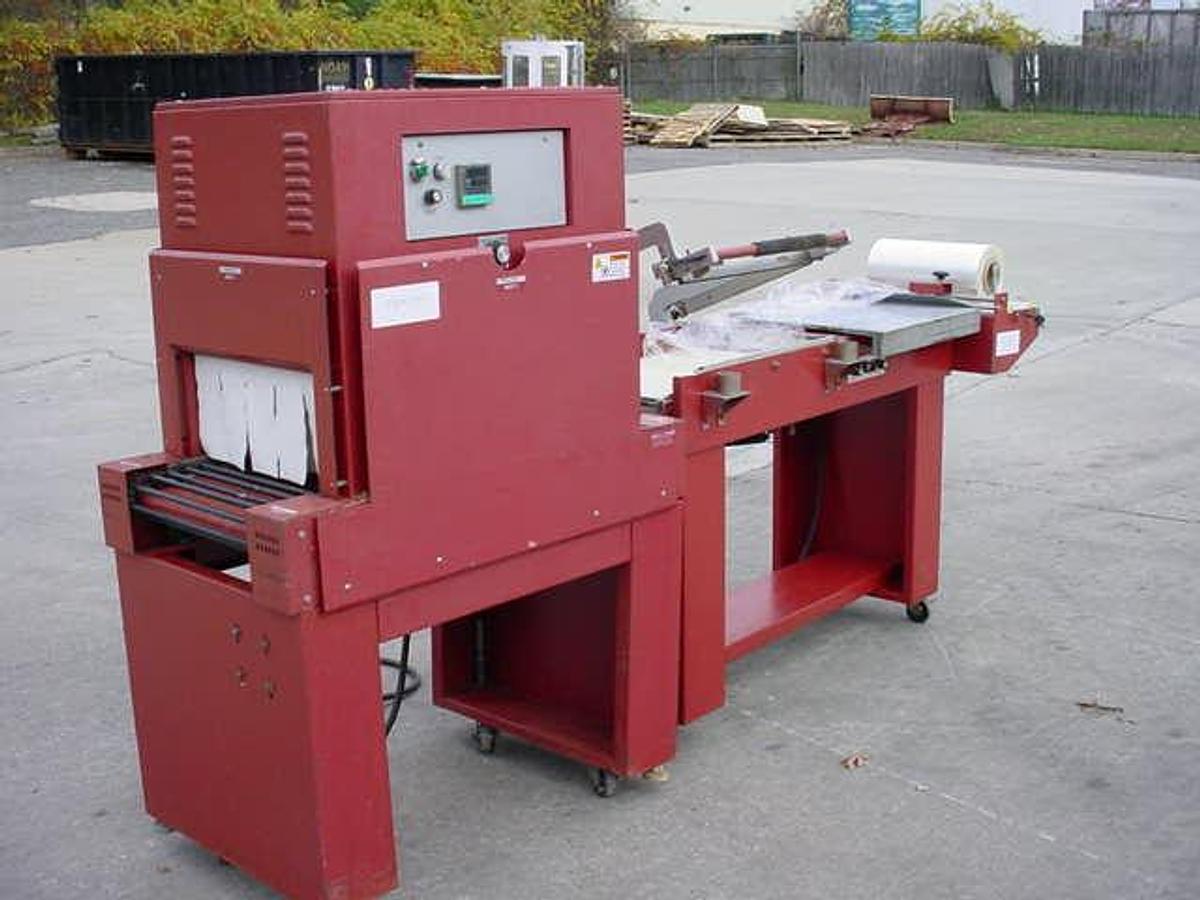
An L-sealer and shrink tunnel are typically used together as a two-stage system for wrapping products in heat-shrinkable film. The L-sealer handles the first stage: a product is placed on a film sheet, and the L-shaped sealing bar cuts and seals the film around the product on two sides simultaneously, creating a loosely wrapped package. The result at this stage is a product enclosed in film but without the tight, finished appearance associated with shrink wrapping.
The shrink tunnel completes the process. The loosely wrapped package passes through a heated chamber where controlled airflow and temperature cause the film to contract uniformly around the product, producing a snug, professional-looking package. Portable combination units that integrate both functions into a single compact machine are well suited for lower-volume operations or facilities where floor space is limited. Larger, separate tunnel units are more common in higher-throughput environments where the two stages need to operate at different speeds or handle larger product dimensions.
What is the typical price range for used Preferred Packaging equipment?
Pricing for used Preferred Packaging equipment varies considerably based on the machine type, its age, overall condition, and any included accessories or spare parts. Entry-level portable L-sealers and small shrink tunnels in working condition can sell in the range of a few hundred to a few thousand dollars, making them accessible for small operations or businesses looking to add shrink wrap capability without a large capital outlay. Larger or more automated systems in good working order will command higher prices.
Because these are used machines, condition is the primary driver of value. A well-maintained unit from a food manufacturing facility that was decommissioned due to a production change is a very different purchase than a machine that sat idle for years. Buyers should factor in not just the purchase price but also estimated shipping, any rigging required for loading and unloading, and the potential cost of servicing or replacing worn components after delivery. Getting a clear picture of total landed cost before committing is a standard practice among experienced used equipment buyers.
What does the inspection process look like when buying used packaging equipment?
Inspections for used packaging equipment typically take one of three forms: an in-person visit to the dealer's facility or the equipment's current location, a live video call where a dealer representative walks through the machine in real time, or a recorded video that captures the machine's condition and any operational demonstration the dealer can provide. Each format has its place depending on the buyer's location and the logistics involved. In-person inspections are the most thorough option and are generally recommended for higher-value purchases.
It is worth understanding what an inspection can and cannot show. A dealer can power up a machine, demonstrate mechanical movement, show the condition of sealing elements and conveyor belts, and point out any visible wear or prior repairs. What most dealers cannot do is run actual production through the machine, as operating a full packaging line requires permits and production infrastructure that a typical equipment dealer does not have. Buyers should come to an inspection with a checklist of specific components they want to see and ask about the machine's service history, any known issues, and how long it has been out of production.
What film types are compatible with Preferred Packaging shrink wrap systems?
Preferred Packaging shrink wrap equipment is generally designed to work with the two most common heat-shrink film types used in commercial packaging: polyolefin and PVC. Polyolefin film has become the dominant choice in food packaging because it is FDA-compliant, burns cleanly, and produces a clear, glossy finish that enhances shelf appeal. It is also more flexible at lower temperatures, which makes it easier to handle in facilities without climate control. PVC film is a lower-cost option that works well for non-food applications, though it produces fumes when sealed and requires adequate ventilation.
Film gauge, width, and centerfold versus single-wound configuration all affect compatibility with a specific machine model, so buyers sourcing film for a used unit should verify the machine's specifications before ordering in bulk. Dealers familiar with packaging equipment can often advise on appropriate film specs for a given machine, and the manufacturer's documentation, when available, will list the recommended film parameters for optimal sealing and tunnel performance.
What are the shipping and delivery considerations for used packaging equipment?
Shipping used packaging machinery involves more logistics than a standard freight shipment, and the costs can vary significantly based on the size and weight of the equipment, how it is packaged, and the distance it needs to travel. Smaller portable units like tabletop L-sealers or compact shrink tunnels can often be palletized and shipped via standard LTL freight carriers. Larger machines may require custom crating to prevent damage in transit, and the level of packaging directly affects both the safety of the equipment and the shipping cost.
Heavier or bulkier equipment may also require professional rigging for loading at the origin and unloading at the destination, which adds to the total cost. Buyers should ask dealers upfront for a detailed breakdown of packaging, rigging, and freight charges so there are no surprises when the invoice arrives. Understanding the full landed cost, meaning purchase price plus all shipping-related expenses, is essential for making an accurate cost comparison between machines listed at different prices or located in different parts of the country.
What payment terms should buyers expect when purchasing used packaging equipment?
Used equipment dealers most commonly require full payment before a machine is released for shipping. This is standard practice in the industry and applies to the majority of transactions, particularly for first-time buyers working with a dealer for the first time. Payment is typically accepted via wire transfer, though some dealers may accept other forms depending on the transaction size and their internal policies. Buyers should confirm accepted payment methods early in the process to avoid delays.
Some dealers extend payment terms to repeat customers or businesses with an established relationship, but this is not the norm and should not be assumed. Buyers who need financing for a larger equipment purchase may want to explore third-party equipment financing options before approaching a dealer, as having financing in place can speed up the transaction considerably. As with any significant capital purchase, reviewing the dealer's terms carefully before sending payment is a straightforward step that protects both parties.
What types of equipment does Preferred Packaging manufacture?
Preferred Packaging is a well-established brand in the packaging machinery industry, producing a range of equipment designed for high-volume production environments. Their product lines include shrink tunnels, L-bar sealers, sleeve wrappers, stretch wrap machines, strapping machines, and conveyor systems. The brand has built a reputation for engineering equipment that balances reliability with operational efficiency, making it a common choice for facilities that need consistent throughput without frequent downtime.
Specific models, such as the 17-1/2 In x 8-1/2 In motorized shrink tunnel, illustrate the practical, workhorse nature of their designs. These machines are typically built to handle the demands of consumer goods production, where packaging speed and consistency directly affect output. Buyers looking at used Preferred Packaging equipment will find a fairly wide selection across these categories, as the machines tend to have long operational lifespans and remain in circulation on the secondary market for many years after initial deployment.
What industries commonly use Preferred Packaging equipment?
Preferred Packaging equipment is used across a broad range of industries, though it is particularly common in food and beverage, pharmaceutical, e-commerce fulfillment, and general consumer goods manufacturing. The equipment is designed with high-volume production in mind, so facilities that need to package large quantities of product quickly and consistently tend to gravitate toward this brand. Shrink tunnels and L-bar sealers, for example, are staples in food packaging lines where tamper-evident, retail-ready presentation is a priority.
E-commerce and distribution operations also make heavy use of stretch wrap and strapping machines from this manufacturer, since securing palletized loads for shipment is a daily requirement at scale. Pharmaceutical and personal care companies value the clean, repeatable sealing these machines provide. Because used Preferred Packaging equipment retains its functionality well over time, buyers in all of these sectors frequently source machines through secondary markets rather than purchasing brand-new equipment, allowing them to equip or expand a packaging line at a significantly lower capital cost.
What should buyers know about purchasing used Preferred Packaging equipment?
Buying used packaging equipment requires a different level of diligence than purchasing from a manufacturer. Since used machines are sold as-is, the condition of the equipment at the time of sale is what the buyer receives. This makes the inspection process critical. Buyers should work with dealers who specialize in packaging machinery and have a verifiable track record, as industry-specific expertise helps ensure the machines listed are accurately described and appropriately priced. A dealer who has been in the packaging equipment space for many years will generally have a better understanding of what to look for in a Preferred Packaging shrink tunnel or stretch wrapper than a general surplus reseller.
Before committing to a purchase, buyers should request as much documentation as possible about the machine's history, including its age, any known repairs, and the conditions under which it was last operated. Consulting directly with Preferred Packaging or an authorized service provider is also a smart step, since the manufacturer can advise on the level of support, parts availability, and serviceability to expect for a specific model and serial number range. Older machines may have limited parts availability, which is an important factor to weigh against the purchase price.
How can buyers inspect used Preferred Packaging machinery before buying?
Reputable used equipment dealers typically offer several inspection options to help buyers assess a machine's condition before purchase. In-person inspections are the most thorough approach, allowing the buyer or a hired technician to physically examine the equipment, check for wear, test electrical components, and review mechanical condition firsthand. Many dealers also accommodate virtual inspections via video call or provide detailed video recordings of the machine, which is especially useful for buyers who are geographically distant from the equipment's location.
It is worth noting that some machines listed for sale are still in active production at a facility, meaning the inspection may take place at the plant where the equipment is currently running. This can actually be an advantage, as it allows the buyer to see the machine operating under real production conditions. However, most equipment dealers do not have the permitting or production infrastructure to run actual product through a machine at their own facility, so testing with the buyer's specific materials may not be possible. Buyers should plan accordingly and focus inspections on mechanical integrity, electrical function, and overall condition rather than expecting a full production trial run.
What is the typical price range for used Preferred Packaging equipment?
Pricing for used Preferred Packaging equipment varies considerably depending on the type of machine, its age, condition, and the level of demand for that particular model. Smaller, portable units like compact shrink tunnels can be found in the low thousands of dollars, while larger, more complex systems such as automatic sleeve wrappers or high-speed stretch wrap machines can run significantly higher. The used market generally offers substantial savings compared to sourcing equivalent equipment through a manufacturer, which is a primary reason buyers turn to secondary dealers for this brand.
Beyond the machine price itself, buyers should factor in the full landed cost of the equipment. Shipping, rigging, crating, and any necessary installation or reconditioning work can add meaningfully to the total investment. A machine listed at an attractive price may carry higher freight costs if it requires heavy-duty rigging for loading and unloading, or if it needs to be crated to prevent transit damage. Getting a complete cost breakdown from the dealer before committing to a purchase is the best way to make an accurate budget comparison.
Are replacement parts available for used Preferred Packaging machines?
Parts availability is one of the most practical considerations when buying any used packaging equipment, and Preferred Packaging has generally been noted for maintaining parts support through authorized distributors. That said, the level of support available for any specific machine depends heavily on its age and model. Older or discontinued models may have limited parts availability, which can make maintenance and repairs more challenging down the road. Before purchasing a used Preferred Packaging machine, it is worth contacting the manufacturer or an authorized service provider directly to ask about parts availability for that particular model.
For machines where manufacturer parts are scarce, third-party aftermarket components are sometimes an option, though compatibility and quality can vary. Buyers who plan to run a machine in a high-volume production environment should prioritize models for which parts are still readily sourced. Asking the selling dealer about the machine's service history and whether any components have been recently replaced can also give useful insight into what maintenance may be needed in the near term after purchase.
What are the shipping and logistics considerations for used packaging equipment?
Shipping used packaging machinery involves more planning than standard freight, particularly for larger or heavier equipment. Machines need to be properly packaged to prevent damage in transit, and the level of preparation required, whether basic palletization or full custom crating, will affect shipping costs. Buyers should ask the dealer specifically how the equipment will be prepared for shipment and what those packaging charges look like, since this is often a separate line item from the freight cost itself.
For heavier equipment, professional rigging is typically required for both loading at the dealer's location and unloading at the buyer's facility. Rigging services add to the overall cost and require coordination in advance, especially if the buyer's facility does not have a loading dock or forklift capacity. International shipments add another layer of complexity, including customs documentation and import duties. Getting a detailed quote that covers all of these elements before finalizing a purchase helps avoid surprises and gives a clearer picture of the true cost of acquiring the equipment.
What payment terms do used packaging equipment dealers typically require?
Most used equipment dealers require full payment before a machine is released for shipment. This is standard practice in the industry and reflects the fact that used machinery transactions typically do not involve the same financing infrastructure as purchasing from a manufacturer. Buyers should be prepared to pay in full upfront, and should confirm the dealer's accepted payment methods, whether that is wire transfer, certified funds, or another form, before proceeding with a purchase.
Some dealers extend payment terms to repeat customers or established business relationships, but this is not the norm for first-time transactions. Buyers who need financing should explore third-party equipment financing options through banks or specialty lenders that serve the industrial machinery market. Securing financing pre-approval before shopping for equipment can streamline the purchase process, since it allows the buyer to move quickly when a suitable machine becomes available, which matters in a market where desirable used equipment can sell quickly.
How do shrink tunnels work and what should buyers look for in a used unit?
A shrink tunnel is a piece of packaging equipment that uses controlled heat to shrink a plastic film tightly around a product, creating a secure, tamper-evident package. Products wrapped in shrink film are fed through the tunnel on a conveyor belt, and as they pass through the heated chamber, the film contracts uniformly around the item. The result is a tight, professional-looking package suitable for retail display or product protection during shipping. Shrink tunnels are used across food, beverage, cosmetics, and general consumer goods packaging.
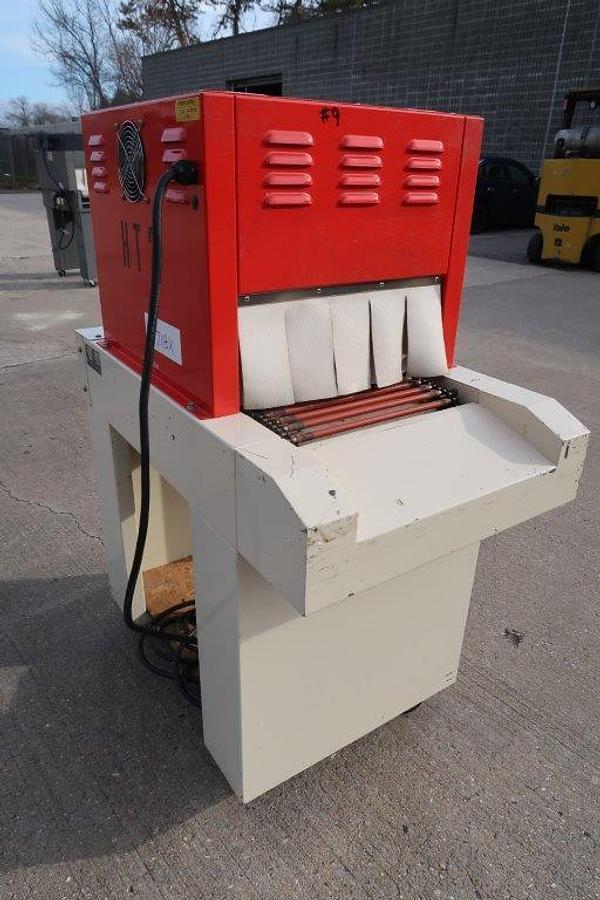
For buyers evaluating a used shrink tunnel, key factors to assess include the condition of the heating elements, the state of the conveyor belt, and the functionality of the temperature and speed controls. Uneven heating or worn conveyor components can result in inconsistent seals, which affects both appearance and package integrity. The tunnel's aperture size, meaning the height and width of the opening, determines what product sizes it can accommodate, so buyers should confirm those dimensions match their production needs. A model like the Preferred Packaging 17-1/2 In x 8-1/2 In motorized shrink tunnel is a portable unit, which adds flexibility for facilities that need to move equipment between production areas.
How should buyers choose a reputable used packaging equipment dealer?
Selecting the right dealer is one of the most consequential decisions in a used equipment purchase. Because used machines are sold as-is and carry no manufacturer warranty, the buyer's protection comes largely from working with a dealer who has the knowledge and integrity to accurately represent the equipment they sell. A dealer with a long history in the packaging machinery space will have a better understanding of specific brands and models, be more likely to disclose known issues honestly, and be better positioned to assist with post-sale questions. Checking how long a dealer has been in business and whether they specialize in packaging equipment, rather than selling general industrial surplus, is a reasonable starting point.
Buyers should also look at how a dealer handles inspections, since a willingness to accommodate in-person or video inspections is a good sign that the dealer stands behind their listings. Dealers who are evasive about inspections or push for quick sales without adequate review time are a red flag. Reading reviews, asking for references, and verifying that the dealer has a physical location and a real business history are all practical steps. In a market where the buyer bears most of the risk, the dealer's reputation is effectively part of the product.