Category
Manufacturer
Model
Precision Stainless
Precision Stainless is known for its stainless steel processing equipment, primarily serving the food and beverage industry. Their machines are designed for hygiene and durability, essential for food safety.
FAQ:
What types of equipment does Precision Stainless manufacture?
Precision Stainless specializes in sanitary stainless steel processing equipment designed primarily for the food and beverage, dairy, pharmaceutical, and biotech industries. Their product line includes jacketed vacuum pressure vessels, vacuum reactors, mixing tanks, and other process vessels built to meet strict hygiene and durability standards. The company is particularly well regarded for fabricating equipment that can handle the demanding cleanliness requirements of regulated industries, where surface finish, material traceability, and weld quality all matter.
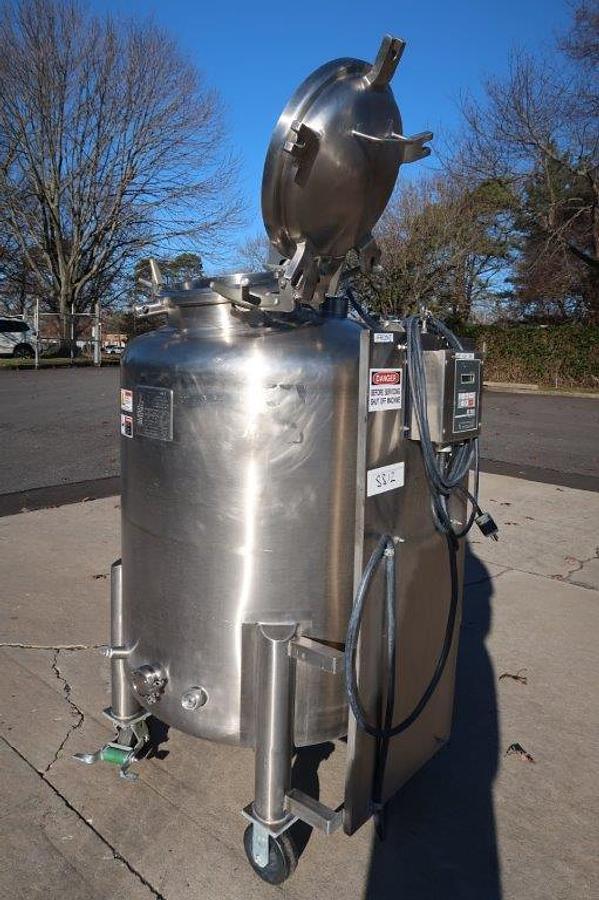
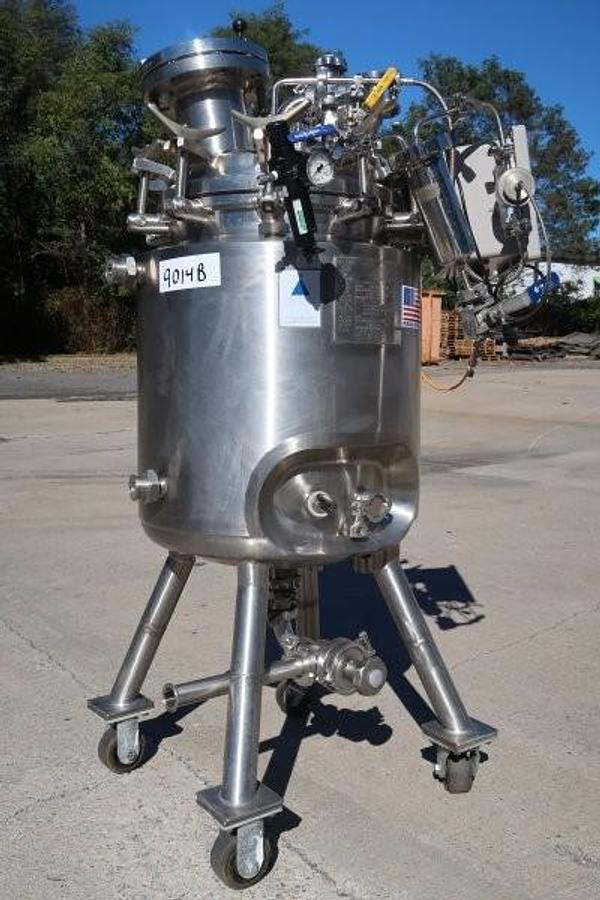
Two specific examples that appear regularly on the used equipment market are the Precision Stainless 25 Gallon 316SS Jacketed Vacuum Pressure Vessel and the 500 Liter Precision Stainless 316L SS Vacuum Reactor. These vessels are designed for processes that require precise temperature control through jacketing and the ability to operate under vacuum or pressure conditions, making them suitable for a wide range of extraction, reaction, blending, and pasteurization applications. Buyers sourcing used Precision Stainless equipment should confirm the vessel's pressure rating, jacket capacity, and current condition before purchase.
What grades of stainless steel are used in Precision Stainless equipment?
Precision Stainless equipment is typically fabricated from either 304 or 316L stainless steel, with the choice of grade depending on the intended application. Type 304 is the most widely used grade in food and beverage processing and offers good corrosion resistance for most standard applications. Type 316L, which contains molybdenum and has a lower carbon content than standard 316, provides significantly better resistance to chlorides and other corrosive agents, making it the preferred choice for pharmaceutical, biotech, and high-purity food processing environments where aggressive cleaning agents like chlorine-based sanitizers are used regularly.
The "L" designation in 316L is particularly meaningful for welded assemblies. The lower carbon content reduces the risk of carbide precipitation along weld zones, which can otherwise create localized corrosion vulnerabilities in sanitary equipment. Buyers purchasing used Precision Stainless vessels should verify the specific alloy used in the vessel shell, jacket, and fittings, as mixed alloys are sometimes present in older or custom-fabricated equipment. Material certifications or mill test reports, if available from the seller, can help confirm the alloy composition and support compliance documentation requirements.
Is Precision Stainless equipment suitable for food-grade or pharmaceutical applications?
Yes, Precision Stainless equipment is designed with food-grade and pharmaceutical applications in mind. The company builds its vessels and reactors to sanitary standards, which means attention to surface finish quality, full-penetration welds, crevice-free internal geometry, and materials that meet FDA and USDA requirements for contact with food, beverage, and pharmaceutical products. These design principles make their equipment well suited for brewing, dairy processing, nutraceutical manufacturing, biotech fermentation, and similar regulated processes.
For buyers sourcing used Precision Stainless equipment, it is worth confirming the interior surface finish rating, typically measured in Ra microinches or micrometers, before committing to a purchase. Sanitary applications often require an interior Ra of 32 microinches (0.8 micrometers) or better, and some pharmaceutical processes demand even finer finishes. A used vessel may have surface wear or pitting from years of service, so requesting photos or a video inspection of the interior is a practical step. Buyers should also check whether the vessel's fittings and connections are compatible with standard sanitary clamp systems such as Tri-Clamp, which is the industry standard for hygienic piping connections.
What does 3-A Sanitary Standards certification mean for stainless steel processing equipment?
3-A Sanitary Standards are a set of design and fabrication criteria developed to ensure that food and beverage processing equipment can be effectively cleaned and sanitized. Equipment that meets 3-A standards is engineered to eliminate areas where product can pool, bacteria can harbor, or cleaning solutions cannot reach. This includes requirements for minimum surface finish quality, specific weld criteria, acceptable materials of construction, and design geometry that allows for thorough drainage. In the dairy, brewing, and food processing industries, 3-A compliance is often a baseline expectation from plant managers, auditors, and regulatory inspectors.
For buyers evaluating used stainless steel processing equipment, including Precision Stainless vessels, understanding whether a piece of equipment was built to 3-A standards matters for two reasons. First, it speaks to the original design intent and build quality of the machine. Second, it can affect whether the equipment can be validated or approved for use in a new facility's sanitation program. Keep in mind that a used machine may have been modified, repaired, or subjected to conditions that affect its compliance status, so buyers should inspect welds, fittings, and interior surfaces carefully and consult with their quality or regulatory team before assuming a used vessel retains its original certification status.
What is a jacketed vacuum pressure vessel and what is it used for?
A jacketed vacuum pressure vessel is a double-walled tank where the space between the inner vessel wall and the outer jacket is used to circulate a heating or cooling medium, such as water, steam, or glycol. This jacketing allows precise temperature control of the vessel contents without direct contact between the heat transfer fluid and the product. The vessel is also rated for vacuum and/or pressure operation, meaning it can be sealed and either evacuated to create a vacuum or pressurized above atmospheric levels, depending on the process requirements. Common applications include distillation, solvent extraction, concentration, reaction under controlled conditions, and sterile processing.
In the food, beverage, and pharmaceutical industries, jacketed vacuum vessels are used for processes like botanical extraction, cannabis oil concentration, pharmaceutical synthesis, and dairy product processing. The combination of vacuum capability and precise temperature control allows operators to work at lower temperatures than would otherwise be possible, which is valuable for heat-sensitive products. Used jacketed vessels from manufacturers like Precision Stainless are popular on the secondary market because they are expensive to fabricate and, when in good condition, can serve for many years across different processes. Buyers should confirm the vessel's pressure rating (both jacket and shell), current condition of the jacket, and integrity of all valves and ports before purchasing.
What should buyers inspect when purchasing used Precision Stainless equipment?
Buying used stainless steel processing equipment requires a more thorough evaluation than buying standard industrial machinery, because sanitary vessels are often used in regulated environments where cleanliness and material integrity directly affect product safety. The most important areas to inspect are the interior surface finish, the condition of welds (looking for pitting, cracks, or rough repairs), the integrity of the jacket (checking for leaks or pressure test history), and the condition of all fittings, valves, and gaskets. Gaskets and seals are wear items that almost always need replacement, but cracked or heavily pitted interior surfaces can be more difficult and costly to remediate.
Reputable used equipment dealers will typically accommodate in-person inspections at their facility, or provide detailed video walkthroughs and photographs if an in-person visit is not practical. Some equipment may still be installed at the facility where it was last used, in which case the dealer can often arrange an inspection at that location. Keep in mind that most used equipment dealers do not have the production permits or facility setup required to run actual product through the equipment during an inspection, so functional testing is generally limited to mechanical checks such as motor operation, agitator rotation, and jacket pressure testing. Buyers with specific process requirements should bring their own checklist and, if possible, involve a process engineer or equipment specialist in the evaluation.
Are replacement parts and manufacturer support available for used Precision Stainless equipment?
Parts availability and manufacturer support for used stainless steel processing equipment can vary considerably depending on the age and model of the machine. For vessels and reactors, many components such as gaskets, clamps, valves, and sight glasses are standard sanitary fittings available from multiple industrial suppliers, which makes sourcing replacement parts relatively straightforward regardless of the original manufacturer. Agitator components, custom fittings, and proprietary control systems can be more difficult to source if the manufacturer no longer produces that model or has discontinued support for older equipment.
Buyers considering used Precision Stainless equipment are encouraged to contact the manufacturer directly before purchasing to understand what level of support they can expect for the specific model and age of equipment they are evaluating. Manufacturers can often advise on parts availability, recommended service intervals, and whether documentation such as weld maps, pressure test records, or material certifications can still be obtained. This step is especially important for equipment that will be used in regulated environments where documentation requirements are strict. Consulting a qualified service technician familiar with sanitary processing equipment is also a sound investment before committing to a used vessel purchase.
How is used stainless steel processing equipment typically shipped, and what costs should buyers anticipate?
Shipping used stainless steel vessels and reactors involves more planning than shipping standard industrial goods, primarily because of the weight, size, and fragility of polished interior surfaces. Smaller vessels may be palletized and wrapped for standard LTL (less-than-truckload) freight, while larger reactors often require custom crating or skidding to prevent damage in transit. The cost of packaging, which can range from basic pallet wrapping to full wooden crating, is typically the buyer's responsibility and will vary based on the size and configuration of the equipment. Buyers should ask the seller specifically what packaging is included in the quoted price and what additional costs may apply.
For larger or heavier equipment, professional rigging is required for both loading at the seller's facility and unloading at the destination. Rigging services involve specialized equipment such as forklifts, cranes, or roll-on/roll-off trailers, and the cost is generally separate from freight charges. Buyers should request a full breakdown of packaging, rigging, and freight costs from the seller before finalizing a purchase, so they have an accurate picture of the total landed cost of the equipment. International shipments add additional complexity, including export crating requirements, customs documentation, and import duties, all of which should be clarified with the seller and a freight forwarder before the transaction is completed.
What payment terms are typical when buying used processing equipment from a dealer?
Most used equipment dealers require full payment before a machine is released for shipping. This is standard practice in the industry and applies to the large majority of transactions, particularly for buyers purchasing from a dealer for the first time. Payment is typically made by wire transfer, though some dealers accept other forms of verified funds. Credit terms are occasionally extended to established customers with a track record of repeat purchases, but buyers should not assume financing or net terms will be available unless it has been explicitly discussed and agreed upon with the dealer in advance.
For higher-value equipment, some buyers choose to use escrow services or other transaction structures that provide a degree of protection during the transfer of funds and title. It is also worth confirming with the seller exactly what documentation will be provided at the time of sale, such as a bill of sale, any available maintenance records, or prior inspection reports. Understanding the full scope of what is included in the purchase price, including any accessories, spare parts, or documentation, should be settled before payment is made, since used equipment is typically sold as-is and adjustments after the fact are uncommon.
Why do food and beverage processors prefer stainless steel equipment over other materials?
Stainless steel has become the dominant material for food, beverage, dairy, and pharmaceutical processing equipment for several well-established reasons. It is non-porous, which means bacteria and other contaminants cannot embed themselves in the surface the way they can in plastics or carbon steel. It is highly resistant to corrosion from the acids, salts, and alkaline cleaning agents that are routine in food processing environments. It can withstand the thermal cycling of steam-in-place (SIP) and clean-in-place (CIP) sanitation procedures without degrading. And it does not impart any taste, odor, or chemical contamination to the products it contacts, which is a basic requirement for food safety compliance.
From a practical standpoint, stainless steel equipment also tends to have a long service life when properly maintained, which is one reason the used market for sanitary stainless vessels and reactors is active and well established. A well-built stainless vessel from a reputable manufacturer can remain in productive service for decades, making used equipment an economically attractive option for processors who need sanitary-grade capacity without the lead time and cost of fabricating new equipment. The durability of the material also means that buyers can often restore used equipment to a high standard of cleanliness through proper cleaning and, where necessary, electropolishing or mechanical refinishing of interior surfaces.