Category
Manufacturer
Model
Portable
Portable offers a range of portable manufacturing equipment that caters to various industries. Their products are designed for flexibility and ease of use, allowing for efficient production in diverse environments.
FAQ:
What types of portable manufacturing equipment are commonly available on the used market?
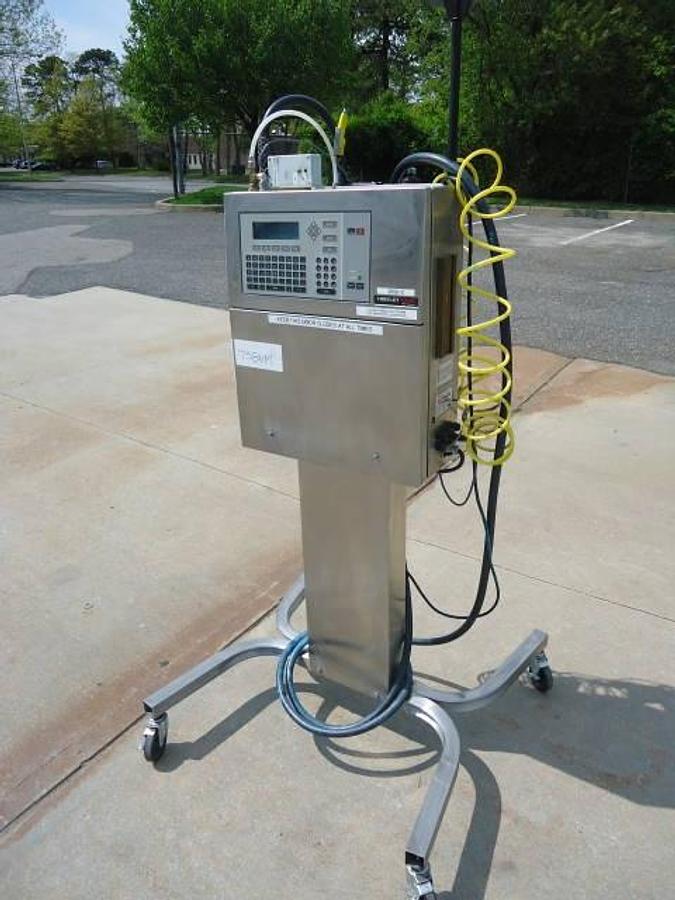
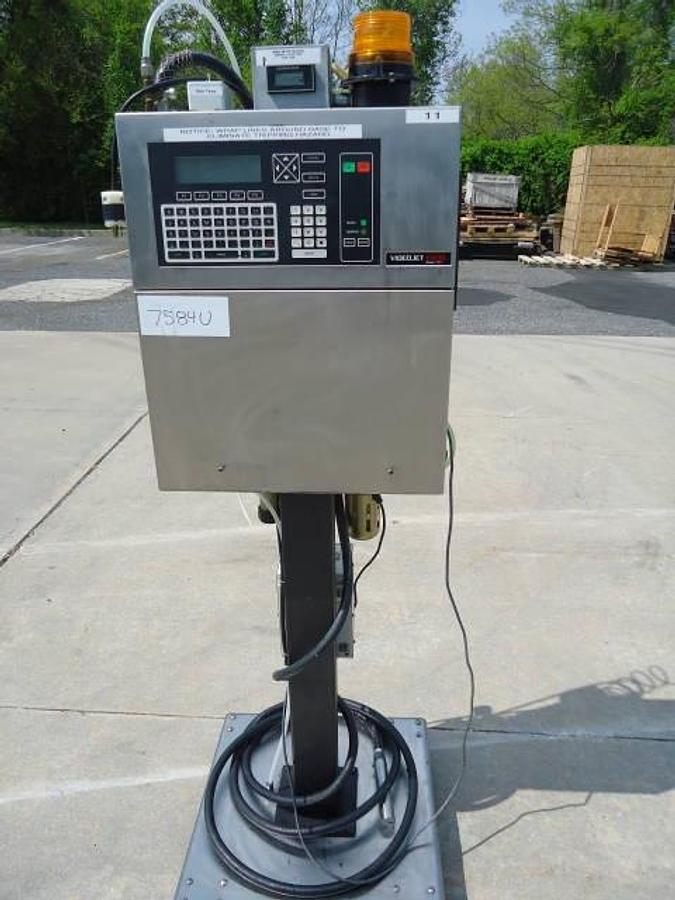
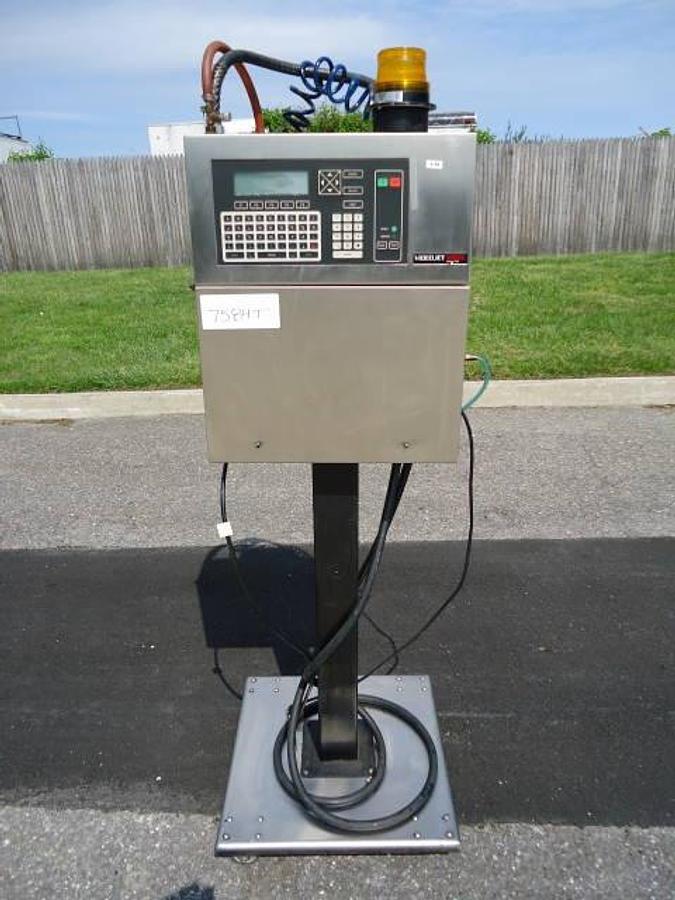
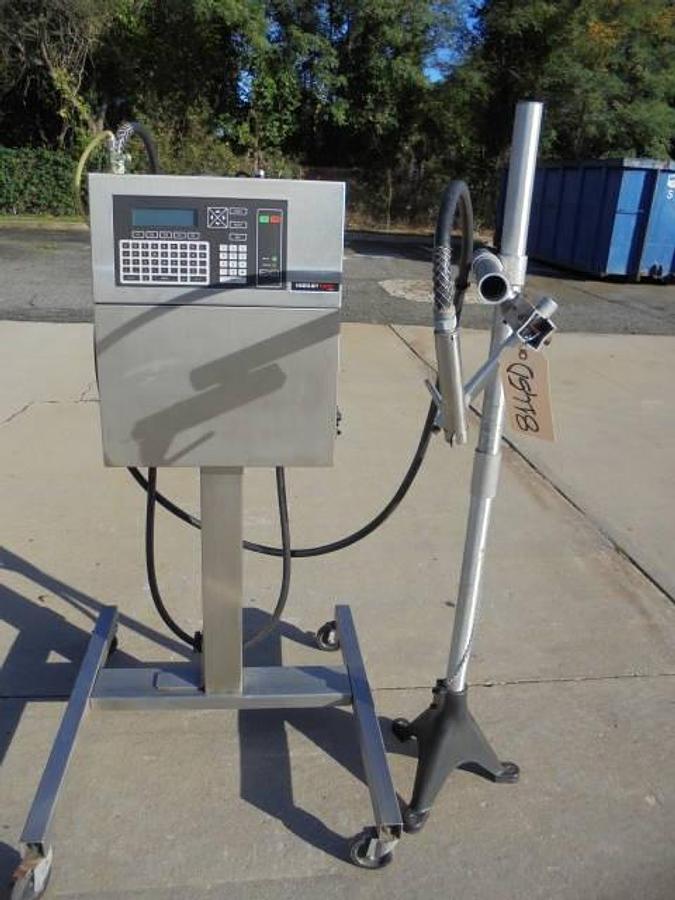
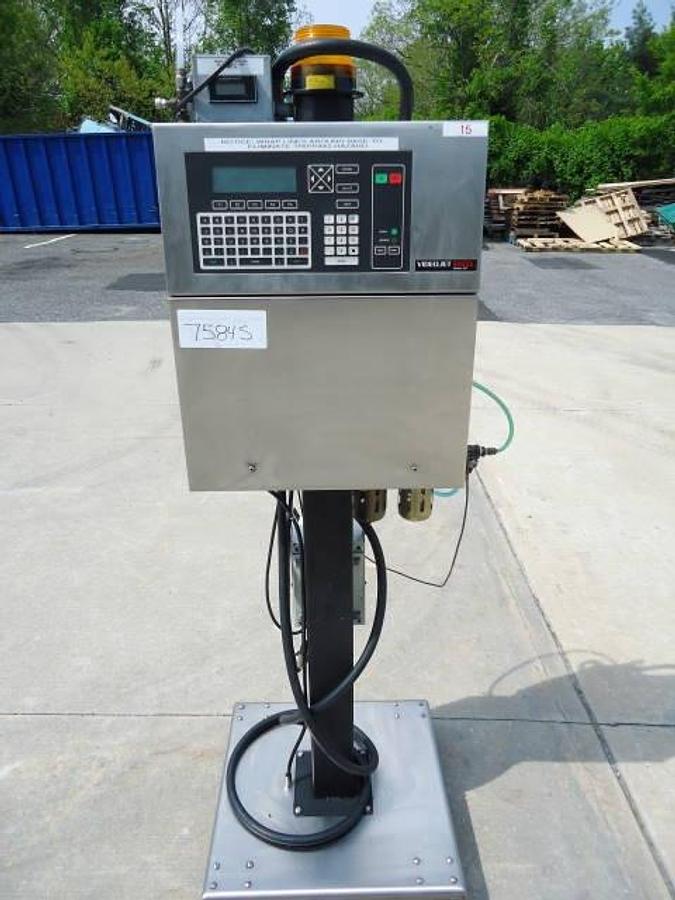
The used portable manufacturing equipment market covers a wide range of machinery across many production categories. Ink jet coders and marking systems are among the most frequently traded, including models from manufacturers like Videojet, which produce portable units designed for date coding, lot marking, and product identification on packaging lines. Beyond coding equipment, buyers can also find used portable welding machines, CNC cutting tools, portable press equipment, label applicators, and light fabrication machinery. The defining characteristic across all these categories is that the equipment is built to be moved between locations or deployed in environments where a fixed installation is not practical.
Portable manufacturing equipment tends to attract buyers from contract manufacturing, field service operations, small batch production, and facilities that run seasonal or rotating production lines. Because the machines are designed for flexibility from the ground up, they typically feature compact footprints, lighter frame construction, and simplified setup procedures compared to their stationary counterparts. When shopping the used market specifically, buyers will find that availability varies based on industry cycles and decommissioning timelines, so it pays to work with dealers who specialize in the relevant equipment category rather than general-purpose resellers.
How do I determine the right portable manufacturing equipment for my specific production needs?
Matching portable equipment to a production need starts with a clear picture of three things: the process the machine must perform, the environment it will operate in, and the volume it needs to handle. For example, a portable ink jet coder like a Videojet Excel Series unit is designed for coding and marking applications on production lines, but the right model depends on substrate type, line speed, ink compatibility, and whether the unit needs to be repositioned frequently between shifts or lines. Getting these parameters wrong means buying equipment that either underperforms or is overkill for the application.
Beyond the technical specs, buyers shopping for used portable equipment should factor in the age and condition of the specific machine, the availability of parts and manufacturer support for that model, and whether the dealer can provide an inspection prior to purchase. Consulting directly with the original equipment manufacturer is a smart step, since older models may have limited parts availability or reduced technical support. A reputable used equipment dealer with experience in the relevant machinery category can also help narrow down suitable options based on the buyer's production requirements, especially when the buyer is not deeply familiar with the equipment type.
What is the typical price range for used portable manufacturing equipment?
Pricing for used portable manufacturing equipment varies considerably based on equipment type, manufacturer, model generation, age, and physical condition. Entry-level portable coding and marking machines from established manufacturers can trade in the low hundreds to low thousands of dollars on the used market, while more complex portable fabrication or machining equipment can run into the tens of thousands. Videojet portable ink jet coders, for instance, span a range depending on the series and condition, with older Excel Series units typically priced lower than more recent models that carry broader substrate compatibility or higher print resolution.
Buyers should also account for costs beyond the listed price. Shipping, rigging, and any required reconditioning work can add meaningfully to the total landed cost. Some portable units require specialized packaging or crating to prevent damage in transit, which is an additional expense. Inspecting the machine before purchase, whether in person or through a video walkthrough arranged with the dealer, helps buyers assess whether the asking price reflects the actual condition of the equipment. Dealers who specialize in a particular equipment category are generally better positioned to price machines accurately and to flag any condition issues that would affect value.
Is used portable manufacturing equipment as reliable as stationary alternatives?
Portable manufacturing equipment is engineered to deliver industrial-grade performance in a mobile form factor, and many units from established manufacturers are built to handle demanding production environments. That said, reliability in the used market depends heavily on how the machine was operated and maintained during its prior service life. A well-maintained portable coder or fabrication unit from a reputable manufacturer can perform reliably for years after resale. A machine that was run hard without proper upkeep may show wear that affects consistency and uptime.
The practical difference between portable and stationary equipment is usually in throughput capacity and the duty cycle the machine is rated for, not in build quality per se. For applications that match the machine's intended use, portable equipment is entirely appropriate. Buyers evaluating used portable machinery should request as much information as possible about the machine's operating history, request an inspection, and check with the manufacturer on what service and parts support is available for that specific model. Age matters here, since some older models may no longer have readily available replacement components, which can affect long-term reliability regardless of the machine's current condition.
What power requirements do portable manufacturing equipment units typically need?
Power requirements for portable manufacturing equipment vary by machine type and manufacturer design. Many portable coding and marking machines, including several Videojet Excel Series models, are designed to run on standard single-phase electrical supply, making them straightforward to deploy in most production facilities or light industrial settings without special electrical infrastructure. Other types of portable manufacturing equipment, particularly those used in field or off-grid applications, may be designed to run on generator power, battery packs, or hybrid power sources.
Buyers of used portable equipment should confirm the specific power requirements of the unit they are considering before purchase, since some machines may have been modified or may require voltage converters depending on the buyer's facility. The product specifications or nameplate data on the machine will list the required voltage, phase, and amperage draw. If the machine is being evaluated remotely or through a video inspection, asking the dealer to capture the nameplate data is a practical step. For applications in remote manufacturing environments or facilities with limited electrical capacity, prioritizing equipment with lower power draw or flexible input voltage ranges is worth the extra research upfront.
Can portable manufacturing equipment handle the same production output as fixed machinery?
In most cases, portable manufacturing equipment is designed for applications where flexibility and mobility take priority over maximum throughput. A portable ink jet coder, for example, can handle production line marking and coding tasks effectively, but a fixed, fully integrated coding system on a high-speed line will generally offer higher sustained output and deeper integration with line controls. The gap in throughput depends on the specific machine and application, and for many small to mid-size production runs, portable equipment is entirely adequate.
For buyers evaluating used portable equipment, the key is to compare the machine's rated output specifications against the actual production volume required. Portable units that are well-matched to the application can run reliably through full production shifts without issue. Overshooting the application with a larger fixed machine adds cost and complexity that may not be justified, while undershooting with a portable unit that cannot keep pace with line speed creates bottlenecks. Dealers with category-specific expertise can help buyers assess whether a particular used portable machine is appropriately sized for the intended use, and inspection of the machine's condition will indicate whether it is likely to perform at its rated capacity.
What should buyers know about warranties and after-sales support for used portable manufacturing equipment?
Used manufacturing equipment is typically sold on an as-is basis, which is standard practice across the industry. Warranties are generally only offered by original equipment manufacturers on factory-direct sales, not by used equipment dealers. This means the responsibility for assessing a machine's condition before purchase falls on the buyer. Selecting a dealer with a long track record in the specific equipment category is one of the most effective ways to reduce risk, since experienced dealers are more likely to accurately represent condition and to flag known issues.
After-sales support is a separate consideration from the sale itself. Buyers should contact the equipment manufacturer directly to understand what level of technical support, parts availability, and service documentation exists for the specific model they are considering. Older models or discontinued product lines may have limited parts availability, which affects the long-term serviceability of the machine. For portable coding equipment like Videojet Excel Series units, checking with the manufacturer on ink and spare parts availability for that model generation is a practical step before committing to a purchase. Dealers will often accommodate in-person or video inspections to help buyers make an informed assessment of condition prior to sale.
How are used portable manufacturing machines typically shipped, and what costs should buyers expect?
Shipping used portable manufacturing equipment involves more planning than standard freight because machinery requires proper packaging to prevent damage in transit. Smaller portable units may ship on pallets with appropriate blocking and bracing, while larger or heavier equipment may require custom crating. The level of packaging required directly affects shipping costs, and buyers should ask the dealer for a detailed breakdown of palletization or crating charges before agreeing to a purchase. Some dealers include basic packaging in their pricing, while others quote it separately.
For heavier portable equipment, rigging may be required for loading at the dealer's facility and unloading at the buyer's location. Rigging costs vary based on machine weight, access conditions, and the equipment needed to move the machine safely. Buyers should request a full landed cost estimate that includes the machine price, packaging, rigging, freight, and any applicable fuel surcharges or residential delivery fees. Understanding the total cost before purchase avoids surprises and allows for accurate comparison between machines listed at different price points. Most reputable dealers are accustomed to providing this breakdown and can work with buyers to identify the most cost-effective shipping method for the specific equipment.
How difficult is it to set up and operate used portable manufacturing equipment?
Setup complexity for portable manufacturing equipment varies by machine type, but the portable form factor is generally designed to minimize installation time and infrastructure requirements. Portable ink jet coders like the Videojet Excel Series are built for relatively quick deployment on packaging or production lines, with self-contained ink systems and adjustable mounting options that allow repositioning without major reconfiguration. That said, used machines may arrive without original documentation, so buyers should request operator manuals from the dealer or download them directly from the manufacturer if available.
Operator training is a practical consideration, particularly for buyers who are not already familiar with the equipment type. Some manufacturers offer training resources or service documentation that covers setup, calibration, and routine maintenance for their portable units. For used equipment, it is also worth having a qualified technician inspect and verify the machine's calibration and mechanical condition before putting it into production. Dealers with hands-on experience in the equipment category can sometimes provide guidance on setup, and in-person or video inspections prior to purchase can give buyers a clearer sense of what the machine's current operating state looks like before it arrives at their facility.
What should buyers look for when inspecting used portable manufacturing equipment before purchase?
A thorough pre-purchase inspection of used portable manufacturing equipment should cover both mechanical condition and operational history. On the mechanical side, buyers should look for signs of excessive wear on moving parts, damage to frames or housings, condition of electrical components and wiring, and the state of any fluid systems such as ink delivery on coding machines. For portable units that are still in production at the seller's facility, arranging an in-person or video inspection while the machine is running provides the most direct evidence of its current operating condition.
Buyers should also ask about the machine's maintenance history, any known issues or prior repairs, and how long it has been out of service if it has been decommissioned. Keep in mind that most used equipment dealers do not have production permits that would allow them to run actual product through a machine for a full demonstration, so inspections will typically focus on mechanical operation rather than end-to-end production testing. Reviewing the machine's nameplate data during inspection confirms the power requirements and rated specifications match what was advertised. Working with a dealer who specializes in the relevant equipment category and who has a verifiable history of selling similar machinery adds a meaningful layer of confidence to the inspection process.