Category
Manufacturer
Model
Pharmacia
Pharmacia is a prominent supplier of pharmaceutical manufacturing equipment, focusing on technologies that enhance production efficiency. They are known for their advanced mixing and filling machines that cater to the specific needs of the pharmaceutical sector. Their commitment to innovation helps clients improve their manufacturing processes.
FAQ:
What types of Pharmacia pharmaceutical equipment are commonly available on the used market?
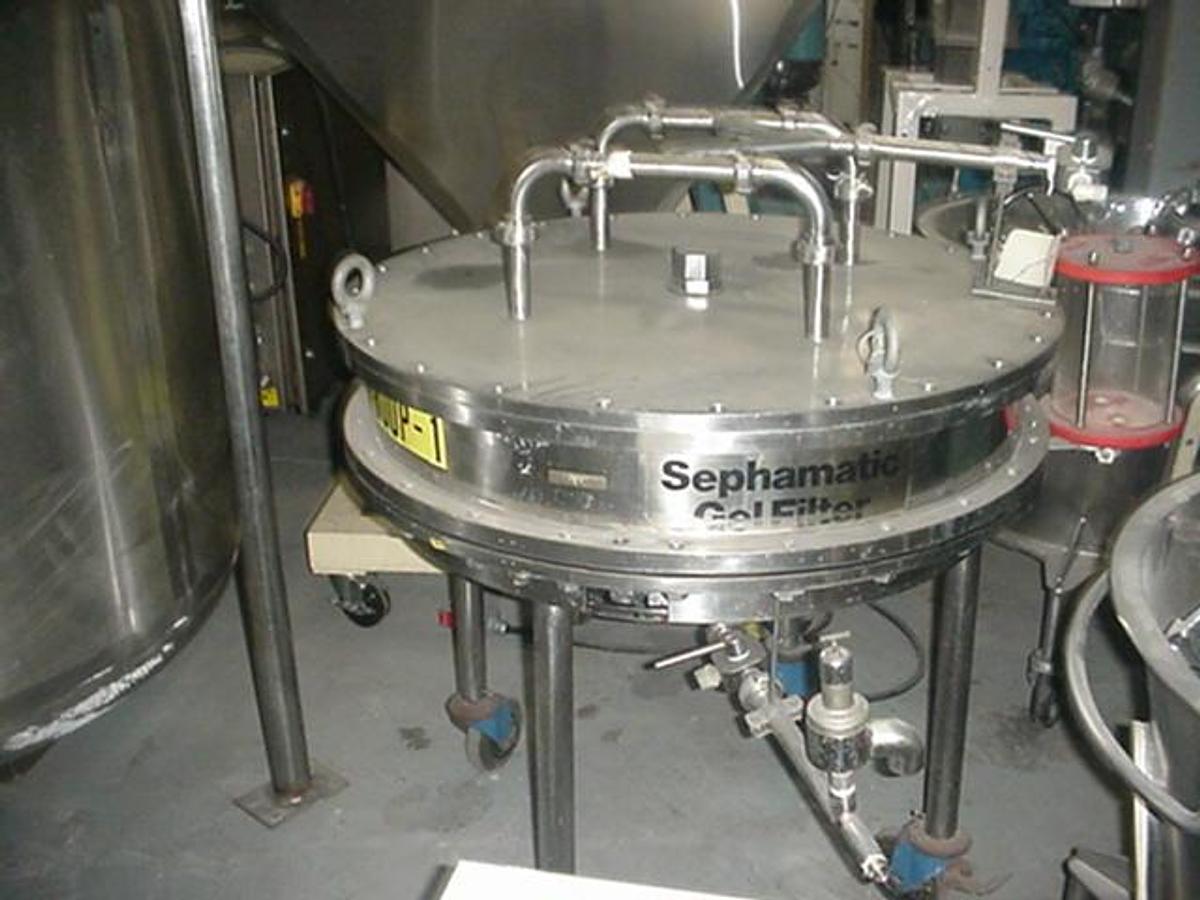
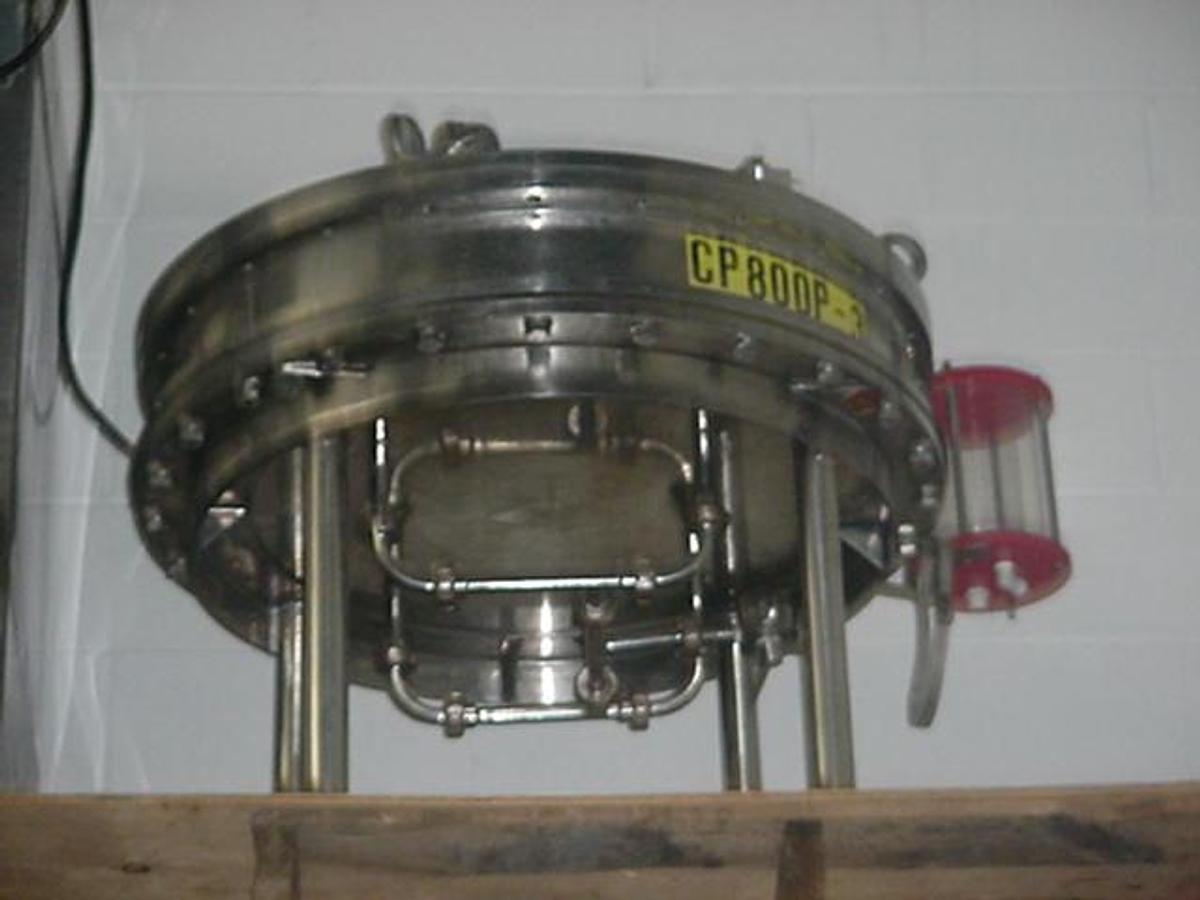
Pharmacia built a broad portfolio of pharmaceutical and bioprocess equipment over its history, and many of these systems remain in circulation on the used market decades after production ended. The most frequently sought items include FPLC (Fast Protein Liquid Chromatography) systems, bioprocess filter columns, peristaltic pumps, UV monitors, fraction collectors, and chromatography columns packed with Sephadex, Sepharose, and Sephacryl resins. Mixing and filling machines designed specifically for pharmaceutical production workflows also appear regularly. One specific example of equipment available from used dealers is the Pharmacia 75 Litre Sephamatic/Bioprocess Filter Column, which is suited for large-scale bioprocess filtration applications.
Beyond individual instruments, buyers often look for complete system setups, particularly FPLC configurations that include the pump, controller, UV detector, and fraction collector as a matched set. Because Pharmacia equipment was built to demanding pharmaceutical-grade standards, even older units tend to retain functional integrity when they have been properly maintained. Buyers sourcing used Pharmacia equipment should ask dealers about the specific model generation, the condition of seals and tubing, and whether the unit includes its original documentation, as these details significantly affect the equipment's utility in a regulated lab or production environment.
Is used Pharmacia equipment reliable enough for active laboratory or pharmaceutical production use?
Pharmacia equipment earned a strong reputation for mechanical durability and precise performance during its production years, and that reputation is a primary reason these systems remain in demand on the used market. FPLC systems in particular are known for their robust pump mechanisms and stable UV detection, which hold up well over time when the equipment has been serviced properly. Many research labs and smaller biotech firms continue to run Pharmacia FPLC systems as primary chromatography platforms because the performance characteristics are well understood and the systems are straightforward to maintain.
Reliability in practice depends heavily on the maintenance history of the specific unit being purchased. Buyers should request service records, calibration logs, and any available qualification documentation before committing to a purchase. In GMP or GLP environments, a documented maintenance history is not just useful, it is often a regulatory requirement. Prospective buyers should also factor in the availability of replacement parts for the specific model, as some older Pharmacia components are sourced through specialty suppliers or cannibalized from donor units. Arranging an in-person or video inspection of the equipment prior to purchase is one of the most effective ways to assess actual condition, since a working demonstration or a detailed visual review of wear points, seals, and connections gives a far more accurate picture than photos alone.
What is the relationship between Pharmacia, Amersham Biosciences, GE Healthcare, and Cytiva?
Pharmacia Biotech was the division responsible for the chromatography and bioprocess equipment that became widely adopted across pharmaceutical and life science research. Amersham Biosciences acquired Pharmacia Biotech in the late 1990s, absorbing its product lines and continuing to develop the FPLC and chromatography platform. GE Healthcare subsequently acquired Amersham Biosciences in 2004, rebranding the life sciences division and eventually launching the AKTA system family as the successor to the Pharmacia FPLC platform. In 2020, GE Healthcare Life Sciences was spun off and rebranded as Cytiva, which is the entity that currently supports many of these product lines.
For buyers of used Pharmacia equipment, this ownership history has practical implications. Cytiva, as the current successor entity, is the first point of contact for questions about parts availability, service manuals, and software support for legacy Pharmacia systems. However, support for the oldest Pharmacia models varies considerably, and buyers should contact Cytiva directly to confirm what level of technical assistance or parts supply they can expect for a specific model before purchasing. Used Pharmacia chromatography columns and resins are also noteworthy because many Sephadex and Sepharose column formats remain compatible with modern AKTA systems, making them useful purchases even for labs that have already transitioned to current-generation equipment.
What should buyers look for when inspecting used Pharmacia FPLC or chromatography systems?
A thorough inspection of a used Pharmacia FPLC system should cover both the mechanical and documentation aspects of the unit. On the mechanical side, key areas to examine include the condition of pump seals and pistons, the integrity of all tubing and fittings, the responsiveness of the UV monitor and its flow cell, and the functionality of the fraction collector mechanism. Corrosion, discoloration from solvent exposure, and worn valve seats are common wear points on systems that have seen heavy use. If the system includes a controller or computer interface, confirming that the software is functional and that any required licenses or hardware keys are present is important, since these can be difficult to replace for discontinued systems.
On the documentation side, service records and calibration certificates are particularly valuable for buyers who intend to use the equipment in a regulated environment. A system with a traceable maintenance history is considerably easier to qualify under GMP or GLP requirements than one with no paperwork. Most used equipment dealers can facilitate in-person inspections at their facility, or provide video walkthroughs and detailed photo sets for remote buyers. Some equipment may still be installed at the facility where it was last used, in which case the dealer can often arrange an inspection at that location. Buyers should be aware that most dealers are not equipped to run actual product through the system during an inspection, as pharmaceutical production requires separate permitting, but functional checks of pumps, detectors, and flow paths are generally possible.
Are replacement parts still available for legacy Pharmacia chromatography and bioprocess equipment?
Parts availability for legacy Pharmacia equipment varies depending on the age of the model and the type of component needed. Consumable parts such as pump seals, O-rings, tubing, and column fittings are often available through Cytiva (the current successor to the Pharmacia and GE Healthcare Life Sciences product lines) or through third-party laboratory supply companies that specialize in chromatography system maintenance. For some of the most widely used models, an active aftermarket supply chain has developed, making routine maintenance parts relatively accessible. Chromatography resins in the Sephadex, Sepharose, and Sephacryl families continue to be manufactured and sold by Cytiva, which is a significant advantage for labs using legacy Pharmacia columns.
Electronic components, proprietary controllers, and model-specific hardware are more difficult to source for older systems. Buyers should research parts availability for the specific model they are considering before purchase, since a system that cannot be repaired when a critical component fails has limited long-term utility. Contacting Cytiva's technical support team to ask about parts and service support for a given model number is a practical step before committing to a purchase. Some buyers also source spare parts by purchasing additional donor units of the same model, which provides a supply of components for future repairs. Used equipment dealers who specialize in pharmaceutical and life science equipment are often knowledgeable about which models have strong parts ecosystems and which are more challenging to maintain.
What certifications or documentation should used Pharmacia equipment have for pharmaceutical manufacturing use?
Pharmaceutical manufacturing environments operating under GMP (Good Manufacturing Practice) or GLP (Good Laboratory Practice) regulations require that equipment used in production or testing be qualified and documented. For used Pharmacia equipment, this typically means the buyer will need to obtain or reconstruct installation qualification (IQ), operational qualification (OQ), and performance qualification (PQ) documentation. If the seller can provide original qualification records from the equipment's previous use, that documentation provides a starting point, though the buyer's quality team will generally need to review and potentially update it to reflect the current installation and intended use.
Calibration records are equally important, particularly for measurement-critical components like UV detectors, pressure transducers, and flow meters. A used system that arrives with a complete calibration history is significantly easier to bring into compliance than one with no records. Buyers should ask dealers specifically what documentation is available for a given unit and factor the cost of re-qualification into the total acquisition cost. For research applications that are not subject to formal GMP requirements, the documentation burden is lower, but service records still provide useful insight into the maintenance history and reliability of the equipment. Consulting with the manufacturer's successor (Cytiva) about the qualification support they can provide for a specific legacy model is also a worthwhile step during the evaluation process.
What is the typical price range for used Pharmacia FPLC and bioprocess equipment?
Pricing for used Pharmacia equipment spans a wide range depending on the specific model, configuration, age, and condition of the unit. Basic components such as individual peristaltic pumps or UV monitors can sell for a few hundred dollars, while complete FPLC systems with controller, pump, detector, and fraction collector can range from roughly $1,000 to $10,000 or more depending on the generation of the system and how well it has been maintained. Larger bioprocess equipment such as the 75 Litre Sephamatic/Bioprocess Filter Column occupies a different price tier, reflecting both the scale of the equipment and its application in production-scale workflows.
Several factors push prices higher or lower within these ranges. Systems that come with full documentation, recent calibration, and a demonstrable service history command a premium because they reduce the buyer's qualification and validation burden. Complete, matched system configurations are generally priced above the sum of individual components because they save the buyer the time and risk of assembling a compatible set from separate purchases. Buyers should also account for shipping, rigging, and any re-qualification costs when calculating the total landed cost of a used system, as these can be substantial for larger or heavier equipment. Getting quotes from multiple reputable used equipment dealers who specialize in pharmaceutical and life science instrumentation is the most reliable way to understand current market pricing for a specific model.
Does used Pharmacia equipment come with a warranty when purchased from a third-party dealer?
Used pharmaceutical equipment, including Pharmacia systems, is typically sold on an as-is basis by third-party dealers. Warranties in the traditional sense are generally offered only by equipment manufacturers on products they sell directly, and that arrangement does not apply to used machinery changing hands through the secondary market. This means the responsibility for assessing condition and fitness for purpose falls on the buyer, which makes pre-purchase inspection a critical step rather than an optional one.
Because used equipment is sold as-is, selecting a reputable dealer with a demonstrated track record in pharmaceutical and life science equipment is one of the most important decisions a buyer can make. Established dealers tend to be transparent about known issues, provide accurate condition descriptions, and accommodate inspection requests, all of which reduce the buyer's risk. Buyers should also consult with Cytiva (the current successor entity for Pharmacia equipment) to understand what level of manufacturer support, if any, is available for the specific model being considered, since older or discontinued models may have limited parts and service backing. A careful inspection, thorough review of available documentation, and a realistic assessment of the dealer's reputation are the practical substitutes for a formal warranty in used equipment transactions.
What are the shipping and logistics considerations when purchasing used Pharmacia bioprocess equipment?
Shipping used pharmaceutical equipment requires careful planning, particularly for larger systems like bioprocess filter columns or complete FPLC setups. Smaller components such as individual detectors or pumps can typically be palletized and shipped via standard freight carriers with appropriate cushioning and securing. Larger or more fragile systems may require custom crating to prevent damage in transit, and the cost of that packaging is usually passed on to the buyer. Buyers should ask dealers specifically about how the equipment will be packaged and what the estimated freight cost will be before finalizing a purchase, since shipping expenses can represent a meaningful portion of the total acquisition cost.
For very large or heavy equipment, specialized rigging may be required for both loading at the dealer's facility and unloading at the destination. Rigging costs are typically separate from freight charges and should be factored into the buyer's budget. International shipments add another layer of complexity, including customs documentation, import duties, and compliance with any applicable regulations on used pharmaceutical equipment in the destination country. Buyers should request a fully itemized breakdown of all costs, including packaging, rigging, freight, and any applicable fees, to understand the complete landed cost before committing. Communicating the destination facility's unloading capabilities to the dealer in advance helps avoid logistical problems on delivery day.
What payment terms are typical when purchasing used pharmaceutical equipment from a dealer?
The standard practice among used equipment dealers is to require full payment before the equipment is shipped. This applies broadly across the industry and reflects the nature of used machinery transactions, where the dealer needs to confirm payment before releasing inventory. For buyers making a first purchase from a given dealer, full payment upfront is the norm. Some dealers extend credit terms or staged payment arrangements to customers with whom they have an established purchasing relationship, but this is the exception rather than the rule and is generally negotiated on a case-by-case basis.
Buyers should clarify payment terms, accepted payment methods, and the timeline between payment and shipment at the start of negotiations rather than at the end. Understanding when payment is due relative to the inspection process is also important. In most cases, buyers have the opportunity to conduct an inspection before finalizing the purchase, and payment is collected after the buyer is satisfied with the equipment's condition. Confirming this sequence with the dealer upfront prevents misunderstandings. For high-value purchases, buyers may also want to use payment methods that provide some level of transaction documentation or recourse, and should factor any wire transfer fees or processing costs into their budget.