Category
Manufacturer
Model
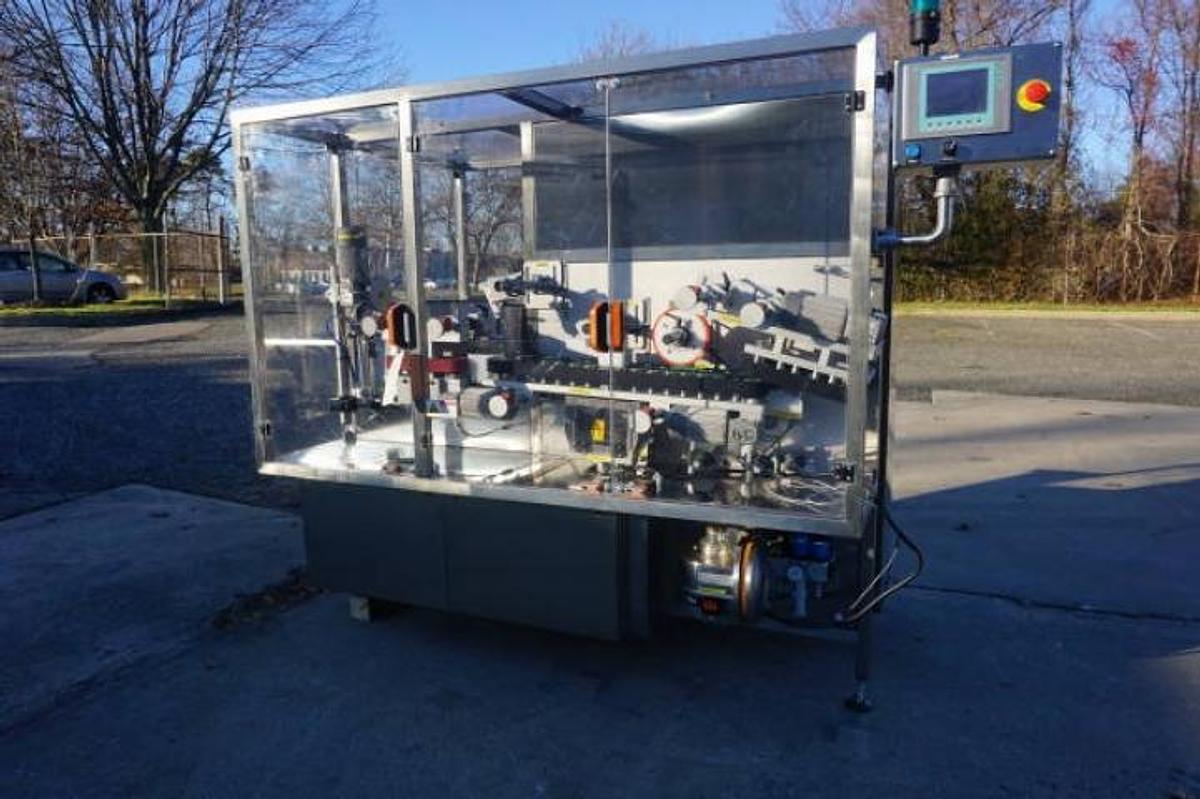
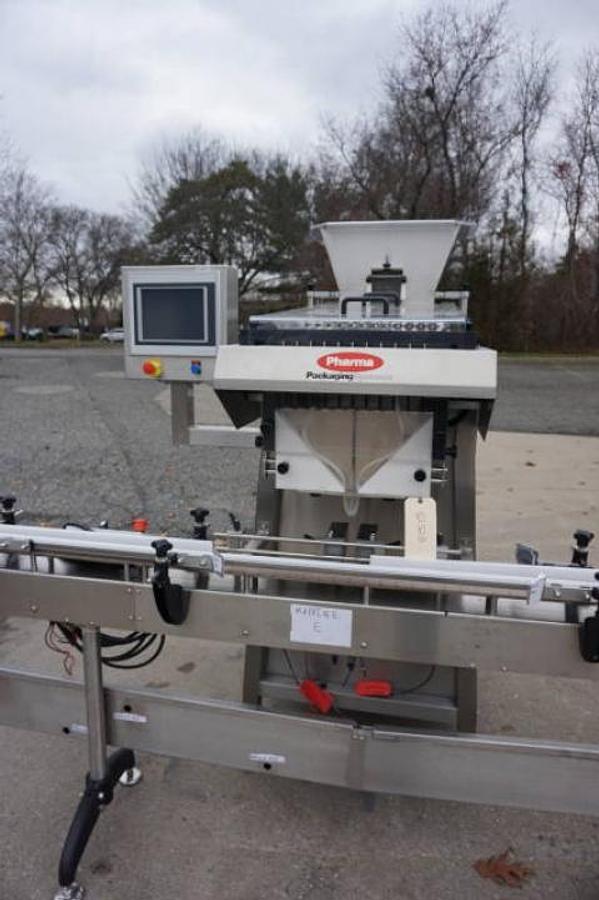
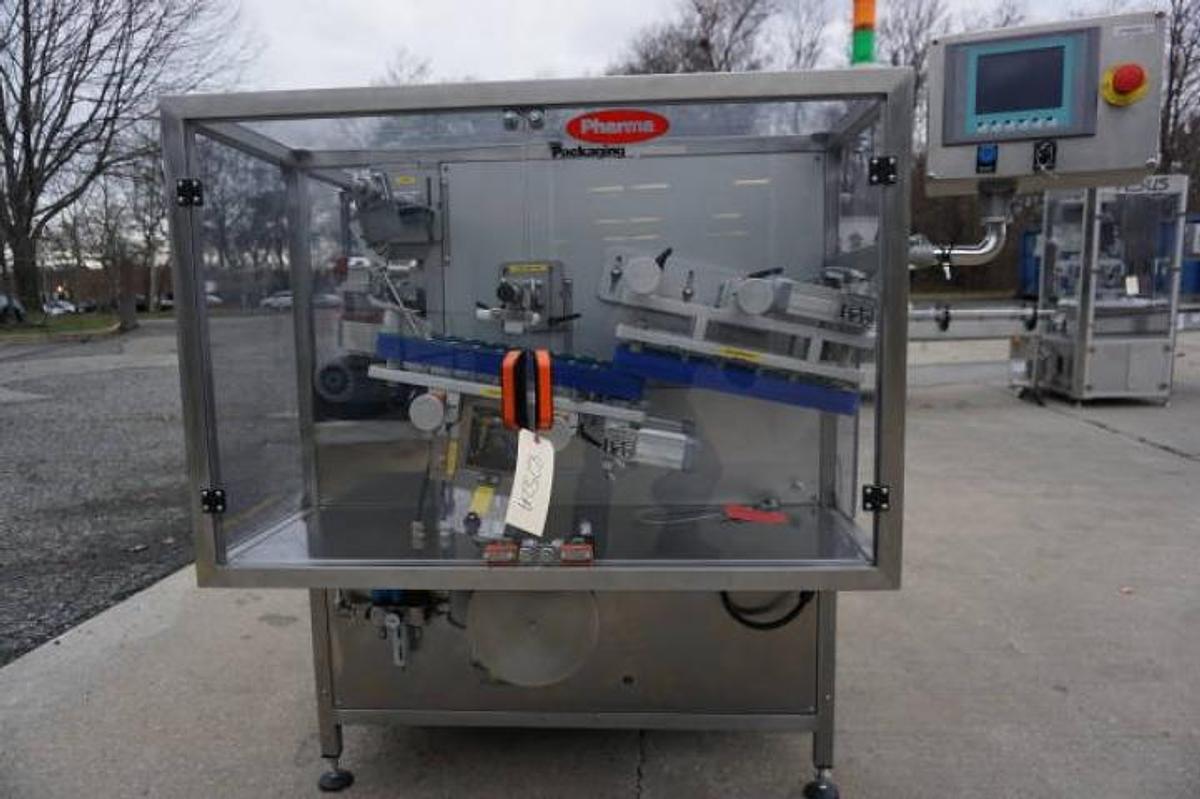
Pharma Packaging Systems
Pharma Packaging Systems specializes in packaging machinery for the pharmaceutical industry, known for their high-speed filling and labeling systems. They provide solutions that ensure accuracy and compliance with regulatory standards. Their equipment is designed to enhance productivity while maintaining product integrity.
FAQ:
What types of Pharma Packaging Systems equipment are available on the used market?
Pharma Packaging Systems is a manufacturer known for high-speed filling and labeling machinery built specifically for pharmaceutical production. Their equipment lineup covers a range of packaging functions, including plastic bottle unscramblers, bottle cleaning systems, and electronic tablet counters. Specific models that appear on the used market include the PPS-M600 Plastic Bottle Unscrambler, the PPS-M800 Plastic Bottle Unscrambler/Cleaner (both in stainless steel construction), and the Vita Count 12-1 Electronic Tablet Counter, also in stainless steel.
Beyond these specific models, the broader category of used pharma packaging equipment includes blister packaging machines, bottle filling and capping lines, labeling systems, cartoning machines, serialization and track-and-trace systems, and pouch filling machines. Buyers sourcing used Pharma Packaging Systems equipment should work with dealers who specialize in pharmaceutical machinery, since they are far more likely to have relevant inventory and the technical knowledge to accurately describe machine condition, configuration, and compatibility with current production requirements.
What should I know before buying used pharmaceutical packaging equipment?
Buying used pharmaceutical packaging equipment requires more due diligence than purchasing standard industrial machinery, because the stakes around accuracy, contamination control, and regulatory compliance are significantly higher. Before committing to a purchase, buyers should gather full documentation on the machine's history, including prior use, maintenance records if available, and any modifications made to the equipment after it left the manufacturer. The age and model of the machine also directly affects whether the original manufacturer still supports it with spare parts and technical assistance, so consulting the manufacturer early in the process is a smart step.
Total cost of ownership is another factor that deserves careful attention. The purchase price is only one component. Installation, integration with existing production lines, spare parts availability, and potential downtime risk all factor into the real cost of bringing a used machine into operation. Buyers should also account for any revalidation work required to bring the equipment into compliance with current GMP standards at their facility. Selecting a used equipment dealer with a long track record in pharmaceutical machinery reduces the risk of purchasing a machine that turns out to be poorly maintained or misrepresented.
How do I inspect used Pharma Packaging Systems equipment before purchasing?
Inspections are a critical part of buying any used pharmaceutical packaging machine, and reputable dealers will typically offer multiple options to accommodate buyers. In-person inspections are the most thorough approach, allowing a buyer or their technical representative to physically examine the machine, check for wear on contact parts, review the control system, and assess overall condition. Some equipment may still be installed at the facility where it was last used, making it possible to observe the machine in its decommissioned state or even in active production, depending on the seller's arrangement with the original facility.
For buyers who cannot travel, video inspections and detailed video captures of the machine are commonly offered as an alternative. These can cover the machine's mechanical components, electrical panels, stainless steel surfaces, and any visible wear or damage. One important caveat: most used equipment dealers do not have the permitting or infrastructure to run actual pharmaceutical product through a machine during a demonstration. Testing is typically limited to dry runs or mechanical cycling. Buyers should factor this into their evaluation and plan for their own qualification and validation processes after installation.
What is the typical price range for used Pharma Packaging Systems equipment?
Pricing for used Pharma Packaging Systems equipment varies considerably depending on the specific model, its age, mechanical condition, and current market demand. Entry-level or simpler machines such as tablet counters tend to carry lower price points, while more complex systems like high-speed bottle unscramblers or integrated filling and labeling lines command higher prices. Stainless steel construction and pharmaceutical-grade components generally hold value well compared to standard industrial equipment, which keeps pricing for quality used pharma machinery above what buyers might expect for general manufacturing equipment.
Beyond the machine price itself, buyers should request a full breakdown of all associated costs from the dealer before finalizing a purchase. Shipping, rigging, crating, and any required installation support can add meaningfully to the total landed cost. For high-value or complex machines, freight and rigging alone can represent a significant portion of the overall spend. Getting a clear picture of these costs upfront prevents surprises and allows for accurate budgeting.
Are used pharmaceutical packaging machines compliant with FDA, GMP, and cGMP regulations?
Regulatory compliance for used pharmaceutical packaging equipment is not automatic and should not be assumed. A machine that was originally designed and built to meet FDA, GMP, or cGMP standards at the time of manufacture may require revalidation, upgrades, or documentation review before it can be put into compliant production at a new facility. Compliance is ultimately the responsibility of the buyer and their quality team, not the equipment dealer. This is a fundamental difference between purchasing used equipment and sourcing a machine directly from a manufacturer with full documentation and factory qualification support.
That said, Pharma Packaging Systems as a manufacturer built their equipment with pharmaceutical-grade materials and design standards, including stainless steel contact surfaces and configurations suited to regulated environments. Buyers should verify that the specific model they are considering meets current standards relevant to their market, whether that is FDA 21 CFR Part 11 for electronic records, EU GMP Annex 11, or applicable ISO standards. Consulting with a qualified validation specialist alongside the equipment purchase is a common and prudent approach for pharmaceutical buyers.
What are bottle unscramblers used for in pharmaceutical packaging lines?
Bottle unscramblers are automated machines that take randomly oriented bulk plastic bottles and sort, orient, and feed them upright onto a conveyor at high speed for downstream filling, capping, and labeling operations. In a pharmaceutical packaging line, this function is essential for maintaining throughput without manual bottle handling, which reduces contamination risk and labor costs. The Pharma Packaging Systems PPS-M600 and PPS-M800 are examples of stainless steel unscramblers designed for this application, with the M800 also incorporating a cleaning function to remove dust and debris from bottles before they enter the filling zone.
The cleaning capability built into models like the PPS-M800 is particularly relevant in pharmaceutical environments where particulate contamination is a serious concern. Bottles arriving from storage or transit can carry dust, plastic particulates, or other contaminants that must be removed before product contact. Combining unscrambling and cleaning in a single machine reduces the equipment footprint and simplifies line integration. When evaluating used unscramblers, buyers should pay close attention to the condition of the orienting disc, conveyor belts, and any air cleaning components, as these are the highest-wear areas in normal operation.
How does an electronic tablet counter work and why is it used in pharma packaging?
Electronic tablet counters use optical sensors or vision systems to count solid dose products such as tablets, capsules, and softgels as they pass through the machine and are directed into bottles or containers. The counting mechanism typically involves the product falling through a series of channels past a light beam or camera, with each interruption registering as one count. High-end pharmaceutical counters like the Pharma Packaging Systems Vita Count 12-1 use multiple counting lanes operating simultaneously to achieve the throughput required for commercial production while maintaining count accuracy.
Accurate tablet counting is a regulatory and commercial necessity in pharmaceutical packaging. Underfilled bottles represent a compliance failure and potential patient safety issue, while overfilling creates direct product loss. Electronic counters eliminate the variability of manual counting and generate the count data needed for batch records and quality documentation. When buying a used electronic tablet counter, buyers should assess the condition of the counting channels, sensors, and the control interface, and verify that the machine can be validated to the count accuracy specifications required by their quality system.
What payment terms are typical when purchasing used pharmaceutical packaging equipment?
Most used equipment dealers require full payment prior to releasing a machine for shipment. This is standard practice across the used industrial machinery market and reflects the nature of the transaction, where the dealer is transferring physical equipment rather than providing an ongoing service. Buyers should expect to arrange payment in full before a ship date is confirmed. Some dealers may offer payment terms to established repeat customers, but this is not the norm for first-time transactions.
Buyers should also clarify the full scope of what is included in the quoted price before submitting payment. A machine price quoted by a dealer typically covers the equipment itself but may not include packaging, crating, rigging for loading, freight to the destination, or unloading at the buyer's facility. Requesting a fully itemized quote that covers all of these costs gives a clear picture of the total investment and prevents misunderstandings at the time of shipment.
What does shipping and delivery look like for used pharma packaging machinery?
Shipping used pharmaceutical packaging equipment requires careful planning because these machines are precision instruments with sensitive mechanical and electronic components. Proper packaging is critical to preventing damage in transit. Depending on the size and fragility of the machine, this can range from palletization with protective wrapping to full custom wooden crating. The level of packaging required directly affects the shipping cost, and buyers should ask the dealer specifically what packaging method will be used and what that adds to the total cost.
Larger machines such as bottle unscramblers or integrated filling lines may require specialized rigging equipment for loading at the dealer's location and unloading at the buyer's facility. Rigging costs are typically separate from freight and can vary significantly based on machine weight and the equipment available at both ends of the shipment. Buyers should confirm rigging requirements early and factor those costs into their budget. International shipments add additional considerations including customs documentation, import duties, and compliance with destination country regulations for used industrial equipment.
How do I evaluate whether a used Pharma Packaging Systems machine is compatible with my production line?
Compatibility assessment starts with the technical specifications of the machine, including its throughput rate, bottle size range, power requirements, footprint dimensions, and interface points with upstream and downstream equipment. For bottle unscramblers, the range of container diameters and heights the machine can handle is particularly important, since changeover parts are often required to run different bottle formats and may or may not be included with a used machine. Buyers should confirm exactly what tooling and change parts come with the equipment and what would need to be sourced separately.
Beyond the mechanical specs, integration with existing line controls and conveyor systems is another practical consideration. Used machines may have older control platforms that require interfacing work to communicate with modern line management systems. Consulting with a qualified pharmaceutical equipment integrator or the machine manufacturer's technical team before purchase can help identify potential integration challenges and estimate the cost of addressing them. Getting this information before the purchase rather than after prevents costly surprises during installation.