Category
Manufacturer
Model
FAQ:
What types of used Pfaudler industrial equipment are typically available on the secondary market?
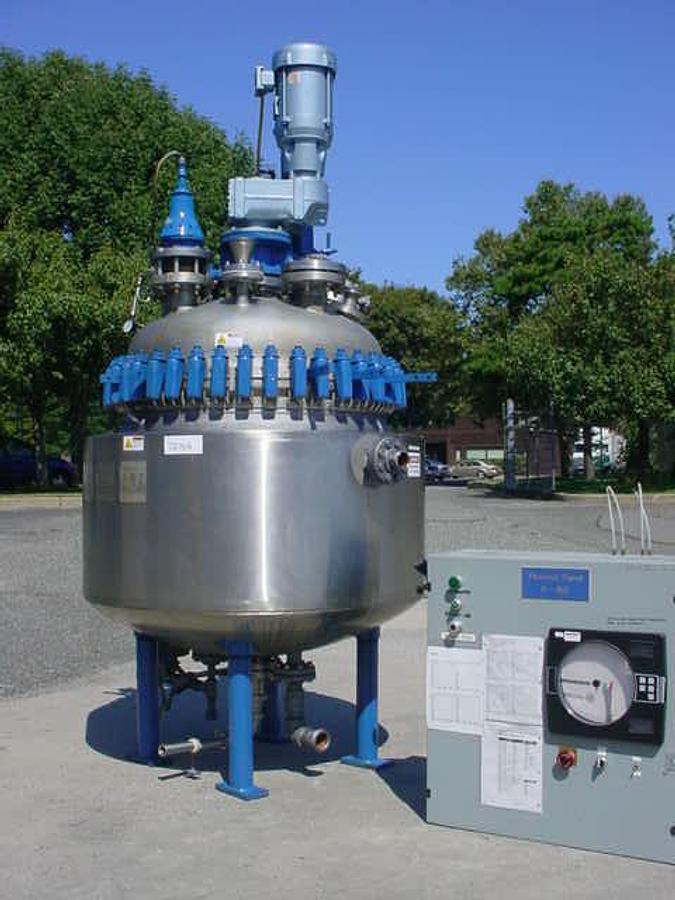
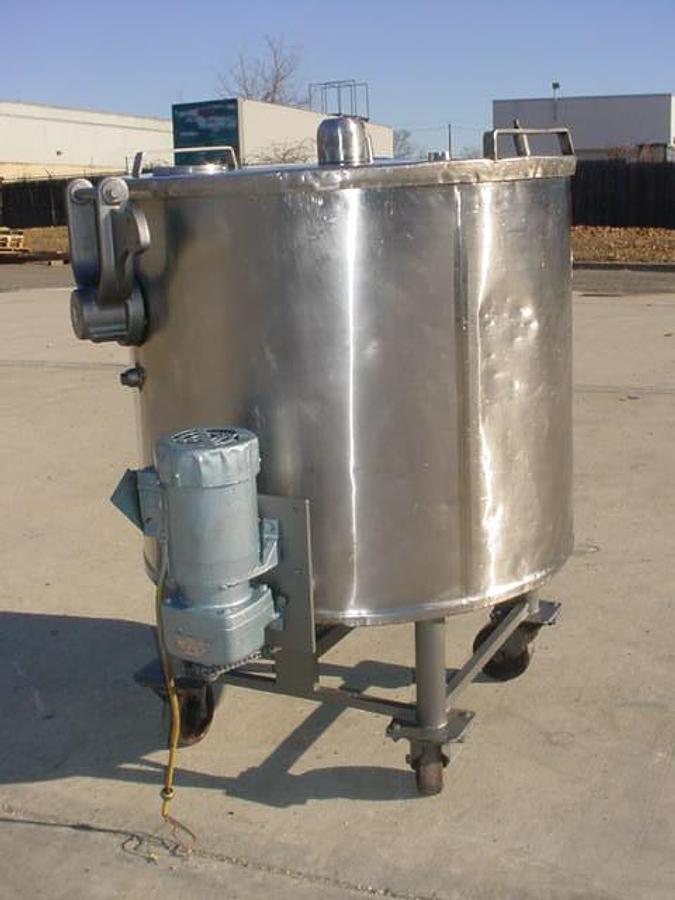
Pfaudler produces a wide range of process equipment, and most product lines show up regularly in the used equipment market. The most commonly traded pieces include glass-lined reactors, jacketed mixing vessels, storage tanks, heat exchangers, distillation columns, and scraper tanks or kettles. Rotary fillers and conveyor-integrated filling systems also appear, particularly from pharmaceutical and food processing plant liquidations. Capacity ranges vary considerably, from small bench-scale reactors under 50 gallons to large-scale production vessels exceeding several thousand gallons.
Beyond reactors and vessels, buyers can often find used Pfaudler agitators, drives, and ancillary process components that were sold off separately during facility decommissioning. Stainless steel jacketed units, like vacuum reactors rated for both jacket and vacuum service, are especially common finds. Because Pfaudler equipment is built to last decades, used units from older production runs are still fully functional and worth considering, provided a proper condition inspection is completed before purchase.
Why is used Pfaudler equipment so sought after compared to other brands?
Pfaudler has been manufacturing glass-lined and stainless steel process equipment for well over 130 years, and that track record carries real weight in industries like pharmaceuticals, specialty chemicals, food processing, and agrochemicals. The brand is associated with tight manufacturing tolerances, high-quality glass lining formulations, and pressure vessel certifications that meet demanding regulatory standards. When a facility upgrades or closes, their Pfaudler equipment tends to hold value and attract buyers quickly because the brand reputation is well established across multiple industries.
The glass lining itself is a major part of the appeal. Pfaudler's glass-lined reactors and vessels offer excellent corrosion resistance, chemical inertness, and cleanability, making them suitable for processes involving aggressive acids, solvents, or compounds that would attack bare metal. Buyers who need equipment for GMP pharmaceutical production or food-grade chemical processing often specifically seek out Pfaudler units because they know the design standards and can more easily validate the equipment for their processes. That targeted demand keeps used Pfaudler equipment competitively priced even at significant age.
How do I verify the condition of a used Pfaudler glass-lined reactor before buying?
The glass lining is the single most critical element to evaluate on any used Pfaudler reactor or vessel. The standard method for checking lining integrity is a spark test, sometimes called a holiday test, which uses a high-voltage probe to detect pinholes, chips, cracks, or areas where the glass has separated from the metal substrate. Buyers should always request a spark test report or, better yet, arrange to have one conducted during the inspection. Visual inspection alone is not sufficient because small defects that will cause corrosion in service are often invisible to the naked eye.
Reputable used equipment dealers will typically accommodate in-person inspections, video walkthroughs, or detailed photo documentation of the vessel interior and exterior. If the equipment is still installed at a plant, some dealers can arrange access for a third-party inspector or facilitate a video inspection with the current owner. Buyers should also examine the jacket for signs of corrosion or weld repairs, check the nozzle linings, and review any available maintenance records or pressure test documentation. Consulting with Pfaudler directly about a specific model and serial number can also clarify what level of parts support and technical documentation remains available for that unit.
Can used Pfaudler equipment be refurbished or re-glassed if the lining is damaged?
Yes, re-glassing is a well-established service for glass-lined equipment, and Pfaudler themselves along with several independent certified re-glassing shops offer this work. When a used reactor or vessel has chipped, cracked, or corroded lining, the damaged glass can be removed and a fresh glass coating applied, essentially restoring the vessel to serviceable condition. The cost of re-glassing varies depending on vessel size, the extent of damage, and whether any metal repairs are needed before the new lining is applied, but it is often significantly less expensive than purchasing a comparable unit in better condition.
Before committing to a re-glassing project, buyers should have the base metal thoroughly inspected for corrosion, wall thickness loss, or weld defects, since the metal shell needs to be structurally sound before a new lining makes economic sense. It is also worth confirming with the re-glassing shop that the vessel geometry and nozzle configuration are compatible with their process. For buyers who find a good-quality used Pfaudler vessel at an attractive price but with lining issues, re-glassing can be a practical path to getting a fully functional unit into service at a lower total cost than buying a unit with an intact lining.
What documentation should accompany used Pfaudler process equipment?
Ideally, used Pfaudler equipment should come with its original data plate, which typically shows the vessel's rated working pressure, jacket pressure, temperature ratings, year of manufacture, and ASME code stamp information if applicable. This data is essential for engineering reviews, insurance purposes, and regulatory compliance in industries like pharmaceuticals or chemicals. Buyers should verify that the data plate is present and legible before purchase, and ask the seller for any available documentation such as drawings, past inspection reports, or maintenance logs.
In practice, documentation completeness varies widely in the used equipment market. Equipment from plant liquidations sometimes arrives with full documentation packages, while units that have changed hands multiple times may have little paperwork beyond what the current seller can provide. If original documentation is missing, the serial number and model information on the data plate can sometimes be used to request historical records or technical specifications directly from Pfaudler. Buyers planning to use the vessel in a regulated production environment should factor documentation gaps into their due diligence and budget for any third-party inspections or engineering assessments needed to establish the vessel's fitness for service.
What industries most commonly use Pfaudler reactors and vessels?
Pfaudler glass-lined equipment has its deepest roots in the pharmaceutical and specialty chemical industries, where the combination of corrosion resistance, chemical inertness, and cleanability is critical. Drug manufacturers use glass-lined reactors for synthesis, crystallization, and other batch processes involving aggressive reagents. Specialty chemical producers rely on them for reactions involving acids, halogens, and other compounds that would attack stainless steel or other alloys. Agrochemical manufacturers are another major user base, particularly for herbicide and pesticide production.
Food and beverage processing, fine chemicals, flavors and fragrances, and polymer production are also significant markets for Pfaudler equipment. Stainless steel jacketed vessels from Pfaudler, like scraper tanks and mixing kettles, see heavy use in food processing and cosmetics manufacturing where glass lining is not required but sanitary construction and precise temperature control are priorities. This broad industry applicability means used Pfaudler equipment draws buyers from multiple sectors, which supports resale values and makes it easier to find units that match specific process requirements.
What is the typical price range for used Pfaudler reactors and vessels?
Pricing for used Pfaudler equipment spans a wide range depending on vessel size, configuration, condition, and the type of lining or construction. Small glass-lined reactors in the 50 to 200 gallon range can sell anywhere from a few thousand dollars for units needing re-glassing to $30,000 or more for units in excellent condition with intact lining. Mid-size reactors in the 500 to 2,000 gallon range typically run from $20,000 to over $100,000 depending on age, condition, and included accessories like agitators and drives. Large production-scale vessels can command significantly higher prices.
Stainless steel jacketed vessels, scraper tanks, and mixing kettles are generally priced based on capacity and condition, and tend to be somewhat more straightforward to evaluate than glass-lined units since there is no lining to assess. Rotary fillers and more specialized Pfaudler equipment are priced based on functionality, included components, and market demand at the time of sale. Buyers should keep in mind that the purchase price is only part of the total cost. Rigging, crating, freight, and any refurbishment or re-glassing work needed after delivery all factor into the true landed cost of the equipment.
What should buyers understand about shipping and logistics for large used Pfaudler vessels?
Large Pfaudler reactors and pressure vessels require careful planning to move safely. The glass lining inside a reactor is vulnerable to impact and vibration damage during transit, so proper packaging and cushioning are essential. Depending on vessel size and configuration, equipment may need to be crated, skidded, or secured with custom bracing before loading. Buyers should ask the seller specifically how the equipment will be packaged and what steps are taken to protect the lining and external components during shipment. Shipping costs vary based on the level of packaging required, freight distance, and carrier type.
For very large vessels, heavy-duty rigging equipment is needed for loading at the origin and unloading at the destination, and those rigging costs are typically separate from freight charges. Buyers should request a full breakdown of packaging, rigging, and freight costs before finalizing a purchase so there are no surprises in the total landed cost. Some equipment may still be installed at a production facility at the time of sale, which means the seller will need to coordinate with the plant for decommissioning, disconnection, and rigging out before shipment can be arranged. Building adequate lead time into the project schedule for these logistics steps is important, particularly for large or complex pieces.
What are the payment terms typically used when purchasing used industrial equipment like Pfaudler vessels?
Most used equipment dealers require full payment before the equipment is released for shipment. This is standard practice in the industry and reflects the nature of used equipment transactions, where the dealer needs to confirm funds before incurring rigging and freight costs on the buyer's behalf. Wire transfer is the most common payment method for transactions of this size, though some dealers also accept other forms of cleared funds. Buyers should confirm the payment terms and accepted methods with the seller before proceeding with an inspection or making an offer.
Some dealers may offer extended payment terms to established customers with a prior purchase history, but this is not the norm for first-time buyers. International transactions may involve additional considerations such as letters of credit or escrow arrangements depending on the parties involved and the value of the equipment. Buyers should also clarify at what point title transfers and who bears responsibility for the equipment during transit, as these details affect insurance requirements and risk allocation between buyer and seller.
How long do used Pfaudler reactors and vessels typically remain in service?
Pfaudler equipment is built to demanding industrial standards, and properly maintained units routinely remain in active production for 30 to 50 years or more. The glass lining does have a finite service life and can be damaged by thermal shock, mechanical impact, or chemical attack, but the underlying metal vessel can often outlast multiple re-glassing cycles. This longevity is one of the reasons used Pfaudler equipment retains value and attracts serious buyers even when the units are decades old. A well-maintained reactor from the 1980s or 1990s may still have many productive years ahead of it.
The practical service life of a specific used unit depends heavily on how it was operated and maintained by previous owners, which is why thorough inspection is so important before purchase. Units that were used in mild service with good maintenance practices will be in far better condition than those that ran harsh processes or received infrequent attention. Buyers should try to learn as much as possible about the service history of any vessel they are considering, including what products were processed, what cleaning protocols were used, and whether any repairs or lining work was done during the vessel's operating life. That context helps assess how much useful life remains.