Category
Manufacturer
Model
Pavan/Toresani
Pavan/Toresani manufactures equipment for the pasta and food processing industries. They are recognized for their high-capacity pasta production lines that ensure consistency and quality.
FAQ:
What types of pasta equipment does Pavan Toresani manufacture?
Pavan Toresani produces a wide range of pasta and food processing machinery covering nearly every segment of pasta production. Their equipment lineup includes long-cut pasta lines, short-cut pasta lines, fresh pasta systems, gnocchi machines, filled pasta machines such as ravioli and tortellini equipment, pasta sheeting and mixing systems, and complete turnkey pasta production lines. The breadth of their catalog makes them one of the more versatile Italian pasta equipment manufacturers, with machines suited to both artisan-scale operations and large industrial facilities.
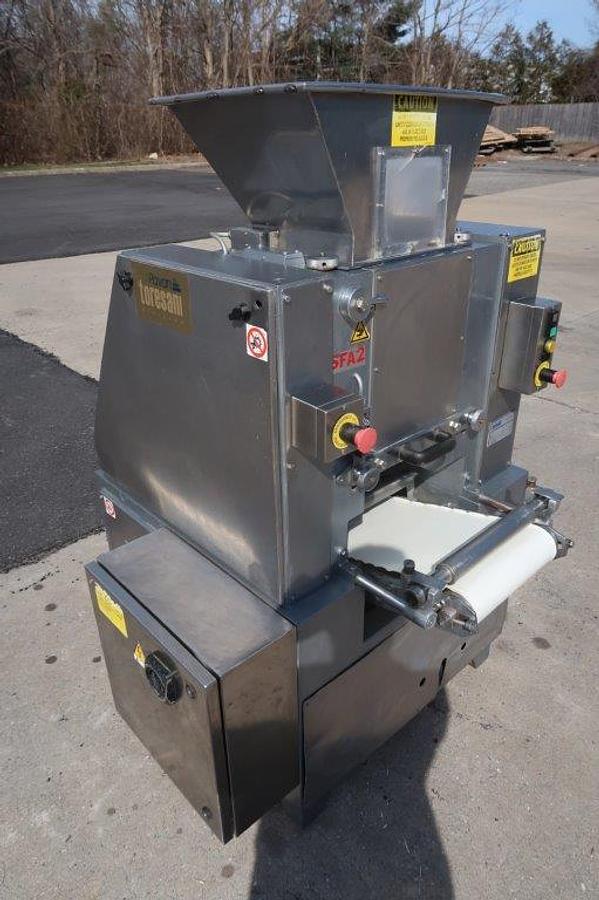
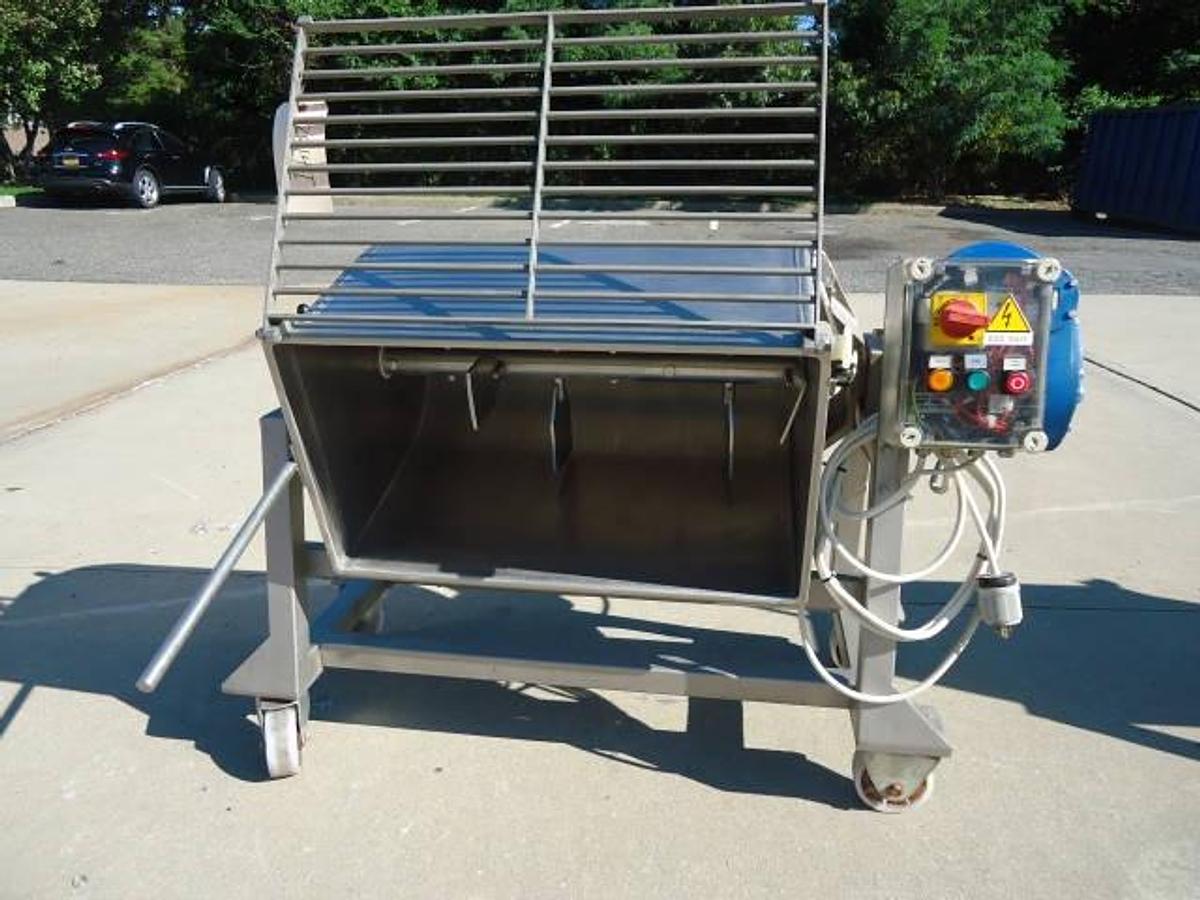
On the mixing and sheeting side, specific models like the SFA300 Pasta Sheeter/Mixer and stainless steel portable mixers represent the kind of individual-unit equipment that smaller pasta producers and food processors commonly seek out. Pavan has historically focused on high-capacity industrial lines, while Toresani built its reputation around fresh pasta and smaller-scale production systems. Together, the combined product range covers virtually every stage of pasta manufacturing, from raw dough preparation through forming, cutting, drying, and packaging.
What is the difference between the Pavan and Toresani brands?
Pavan and Toresani are two distinct Italian pasta equipment manufacturers that have come to operate under the same corporate umbrella. Pavan is the larger of the two and has long been associated with high-capacity industrial pasta production lines, the kind of equipment found in large-scale commercial and export-oriented pasta facilities. Their machines are engineered for continuous, high-volume output and are common in facilities producing hundreds or thousands of kilograms of pasta per hour.
Toresani, by contrast, built its identity around fresh pasta production and smaller-scale systems, making their equipment a frequent choice for restaurants, specialty food producers, and mid-scale manufacturers focused on fresh or filled pasta products like ravioli and tortellini. While both brands share Italian engineering heritage and a reputation for quality, buyers shopping for used equipment should pay attention to which brand and model line best fits their specific production type, whether that is dry extruded pasta at industrial scale or fresh and filled pasta at a more modest output level.
What is the production capacity of Pavan Toresani pasta lines?
Production capacity across the Pavan Toresani equipment range varies considerably depending on the machine type and model. Smaller units and individual mixers or sheeters are designed for operations producing in the range of 50 to 100 kilograms per hour, which suits specialty food producers, restaurant-scale operations, or businesses just scaling up from manual production. Mid-range systems can handle several hundred kilograms per hour, bridging the gap between artisan and industrial output.
At the high end, Pavan's large industrial pasta lines are capable of producing well over 1,000 kilograms per hour, making them appropriate for major commercial pasta manufacturers supplying retail or food service channels at scale. When evaluating a used Pavan Toresani machine, it is worth confirming the rated capacity against the actual production requirements of the facility, since running a high-capacity line at a fraction of its designed output can affect efficiency and operating costs. Dealers selling used equipment can typically provide model specifications that include rated hourly output figures.
Does Pavan Toresani equipment support both fresh and dry pasta production?
Yes, the Pavan Toresani equipment range covers both fresh and dry pasta production, though specific machines are generally designed with one type in mind. Dry pasta production, particularly long-cut and short-cut extruded pasta, is the core strength of Pavan's industrial lines, which include extrusion, cutting, and drying systems built to handle the continuous high-volume demands of commercial dry pasta manufacturing. These lines are engineered to produce consistent product over long production runs.
Fresh pasta production is where Toresani's equipment has historically excelled. Their sheeting and mixing systems, along with filled pasta machines for products like ravioli and tortellini, are well-suited to fresh pasta operations where dough handling, sheeting quality, and gentle processing matter more than raw throughput speed. Buyers should identify which production type they need before sourcing used equipment, since the machinery, infrastructure requirements, and maintenance considerations differ meaningfully between fresh and dry pasta lines.
What should buyers know about purchasing used Pavan Toresani pasta equipment?
Buying used Pavan Toresani equipment requires more due diligence than purchasing machinery directly from a manufacturer. Because these machines are sold in used condition, they are typically offered as-is, meaning the responsibility for assessing the condition of the equipment falls on the buyer. Selecting a dealer who specializes in food processing and pasta equipment, rather than a general industrial reseller, significantly improves the chances of getting accurate information about a machine's history, configuration, and current working condition.
Buyers should request an inspection before committing to a purchase. Most reputable dealers will accommodate in-person visits, video walkthroughs, or recorded video inspections of the equipment. In some cases, the machine may still be installed and operating at a production facility, which can allow for a more thorough assessment of its condition. Keep in mind that dealers typically do not have the permitting required to run full production tests, so inspections will generally cover the mechanical and operational state of the machine rather than actual pasta output testing. Contacting the manufacturer directly to ask about parts availability and service support for a specific model and age of equipment is also a smart step before finalizing any purchase.
Are spare parts readily available for older Pavan Toresani pasta machines?
Parts availability for Pavan Toresani equipment depends heavily on the specific model and how old the machine is. For more recent models and widely produced lines, the manufacturer and authorized service networks generally maintain reasonable parts inventories. Pavan, operating under the GEA Group, is a large industrial equipment manufacturer with an established global service infrastructure, which tends to support better long-term parts availability compared to smaller or defunct equipment brands.
For older or discontinued models, parts availability can become more challenging. Buyers of used equipment should consult directly with the manufacturer before purchasing to get a realistic picture of what support to expect for the specific machine in question. Age and model generation both factor into whether replacement components are still stocked or need to be custom fabricated. Some dealers who specialize in pasta equipment also maintain inventories of common wear parts for the brands they carry, which can be a practical advantage when sourcing used machinery from a specialist rather than a general auction or liquidation channel.
What is the typical price range for used Pavan Toresani pasta equipment?
Used Pavan Toresani equipment spans a wide price range depending on the type of machine, its age, condition, and production capacity. Individual units like portable mixers or smaller sheeters tend to be priced in the lower range relative to complete production lines, making them accessible entry points for smaller operations looking to add Italian-made equipment without the capital outlay of a full system. Larger, more complex machines such as complete long-cut or short-cut pasta lines represent a substantially higher investment.
As a premium Italian pasta equipment brand with a strong reputation for quality and durability, Pavan Toresani machines generally command higher resale values than equipment from Asian manufacturers or lower-tier European brands. The condition of the equipment, whether it has been recently serviced, and whether documentation or spare parts are included all influence final pricing. Buyers should also factor in shipping, rigging, and any reconditioning costs when calculating the total landed cost of a used machine, since these expenses can add meaningfully to the purchase price depending on the size and weight of the equipment.
How should used pasta equipment be inspected before purchase?
A thorough inspection is one of the most important steps in purchasing any used pasta equipment. Reputable dealers typically offer several inspection options: in-person visits to their facility, virtual inspections conducted over video call, or recorded video walkthroughs of the machine. Each approach has its merits depending on the buyer's location and the complexity of the equipment. For high-value purchases like a complete pasta production line, an in-person inspection is generally the most reliable way to assess the machine's actual condition.
During an inspection, buyers should look at the mechanical components, the condition of wear parts like dies and cutting blades, the state of electrical systems, and any visible signs of damage or heavy wear. If the equipment is still installed at a production facility, it may be possible to observe it running, though dealers themselves typically cannot conduct full production tests due to permitting requirements. Buyers should come prepared with specific questions about the machine's history, how long it was in service, and what maintenance was performed. Consulting with a qualified pasta equipment technician who can accompany or advise during the inspection adds another layer of confidence before committing to a purchase.
What are the shipping and logistics considerations for used pasta equipment?
Shipping used pasta equipment, particularly larger machines and production lines, involves logistics that go well beyond standard freight. Proper packaging is critical to preventing damage in transit. Depending on the size and fragility of the equipment, this can range from basic palletization to full custom crating. Dealers will typically handle or coordinate the packaging, but the level of protection required directly affects shipping costs, so buyers should ask for a detailed breakdown of what packaging is included in any quoted price.
Larger and heavier machines often require specialized rigging for loading at the origin and unloading at the destination. Rigging services involve cranes, forklifts, or other heavy-lift equipment and represent an added cost that buyers should account for when calculating total landed cost. International shipments add customs clearance, import duties, and freight forwarding fees to the equation. Before finalizing a purchase, it is worth getting a complete picture of all logistics costs from origin to final installation point, since these expenses can be substantial relative to the machine price itself, especially for large industrial pasta lines.
What maintenance does Pavan Toresani pasta extrusion equipment typically require?
Pasta extrusion equipment from Pavan Toresani requires consistent preventive maintenance to perform reliably and produce quality output. The extrusion dies are among the highest-wear components and need regular cleaning, inspection, and eventual replacement depending on the materials being processed and the volume of production. Bronze dies, which are traditional and produce a rougher pasta texture, wear faster than harder alloy alternatives. Keeping dies in good condition directly affects pasta shape consistency and surface quality.
Beyond the dies, routine maintenance covers lubrication of drive components, inspection of mixing and kneading elements, cleaning of the extrusion barrel and screw, and checking the condition of cutting blades or sheeting rollers depending on the machine type. Electrical and control systems on older machines may require attention from technicians familiar with the specific generation of controls used. For buyers acquiring used equipment, it is advisable to budget for an initial service and inspection by a qualified technician after delivery, since machines coming out of storage or decommissioned production environments may need reconditioning before returning to reliable operation.