Category
Manufacturer
Model
Pamasol
Pamasol is renowned for its packaging machines that cater to the food and beverage sector. Their systems are particularly popular for their versatility in handling various packaging formats.
FAQ:
What is Pamasol and what types of equipment does the company manufacture?
Pamasol is a Swiss manufacturer with a long-standing reputation in the aerosol packaging industry. The company produces a wide range of aerosol filling and sealing equipment, including gassers, crimpers, filling machines, and combination units that handle multiple steps of the aerosol production process in a single machine. Pamasol equipment is recognized for its precision engineering and durability, which is a key reason why used Pamasol machines remain in demand long after their initial production runs.
Beyond aerosol equipment, Pamasol has built a reputation for versatility across packaging formats, with systems used in food and beverage, personal care, household products, and industrial aerosol sectors. Their machines are designed to handle a variety of container sizes and propellant types, which makes them adaptable to different production environments. The brand's engineering quality means that even older models tend to hold up well in secondary markets, making used Pamasol equipment a practical option for manufacturers looking to expand or replace capacity without the lead times associated with ordering directly from a manufacturer.
What types of used Pamasol aerosol machines are commonly available on the secondary market?
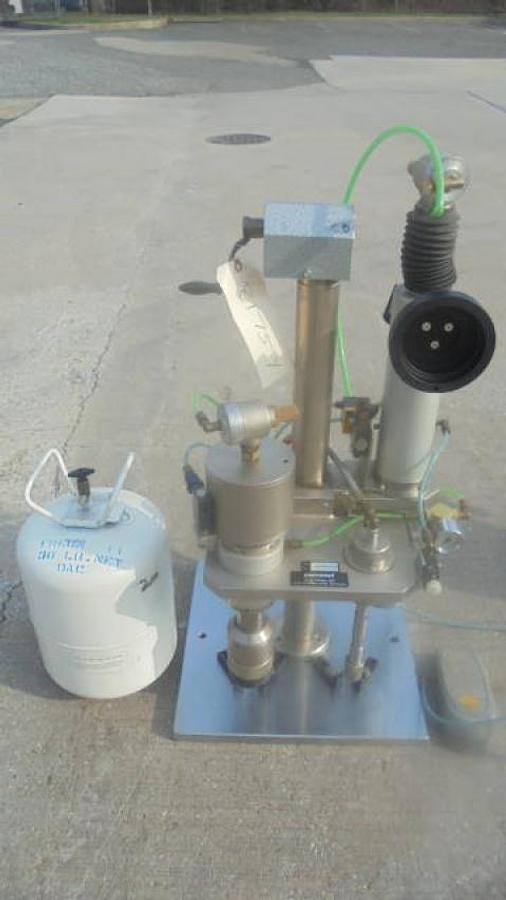
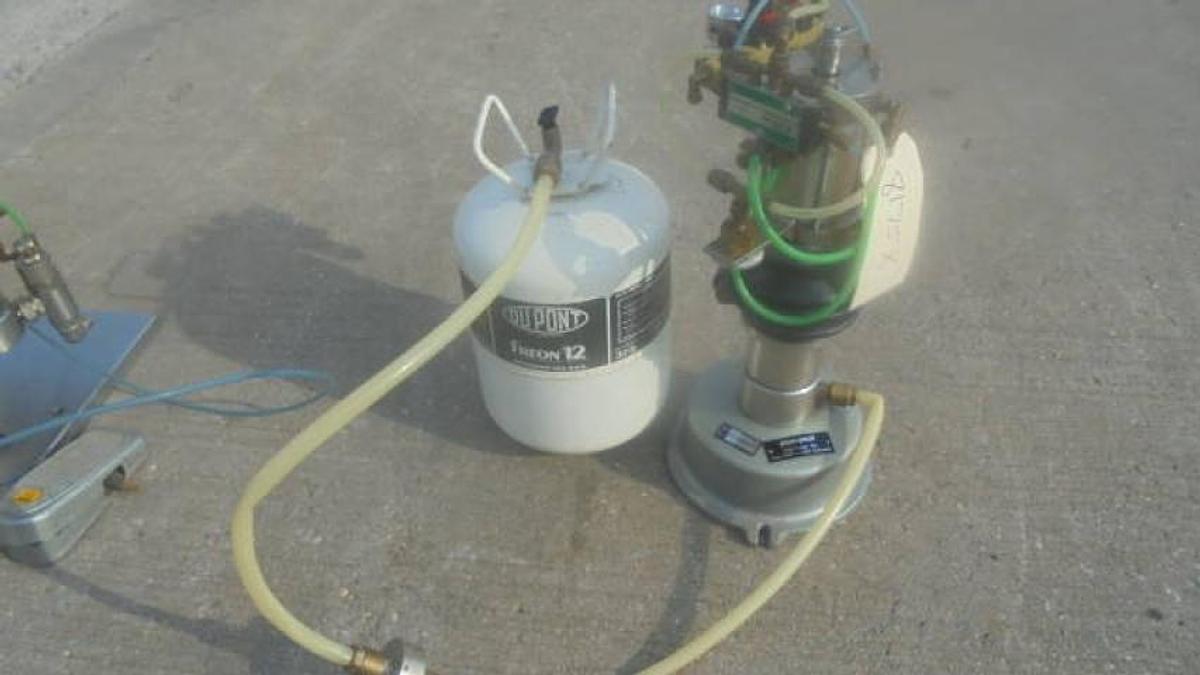
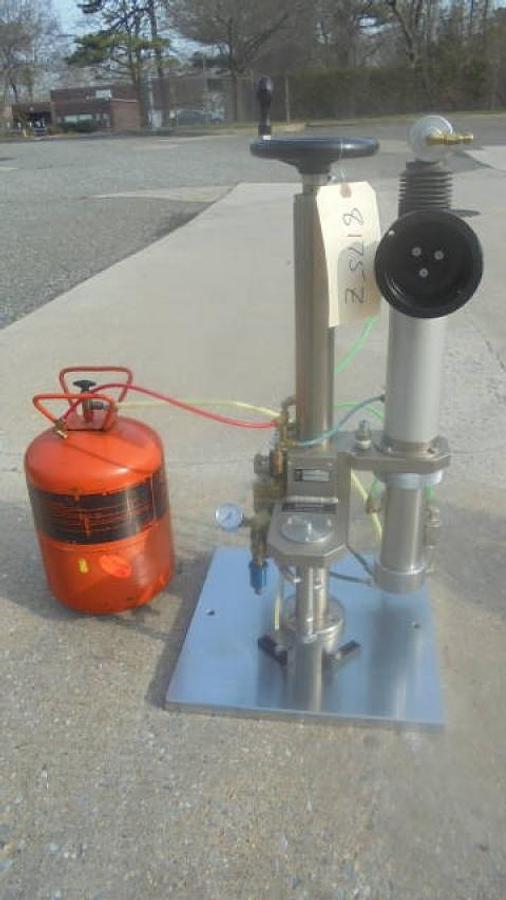
The used market for Pamasol equipment typically includes benchtop aerosol units, combination gasser and crimper machines, rotary aerosol fillers, and semi-automatic or fully automatic filling lines. Benchtop models are particularly common because they were widely used in laboratories, pilot production environments, and smaller-scale manufacturing operations, and they tend to hold their functional value well over time. Combination units that integrate gassing and crimping into a single foot-pedal-operated machine are also frequently available, as they were popular in facilities that needed compact, efficient setups.
Larger rotary filling systems and complete aerosol lines do appear on the used market as well, typically when manufacturers upgrade to higher-capacity equipment or consolidate production. The availability of any specific model at a given time depends on what has recently been decommissioned or sold off by production facilities. Buyers looking for a particular Pamasol model or configuration are generally best served by working with a used equipment dealer who specializes in aerosol and packaging machinery, as these dealers tend to have more consistent access to Pamasol inventory than general industrial equipment resellers.
What should buyers inspect when evaluating used Pamasol aerosol equipment?
A thorough inspection of used Pamasol aerosol equipment should cover mechanical condition, electrical systems, tooling completeness, and the condition of any pneumatic or hydraulic components. Specific areas to examine include the crimping heads and gassing nozzles for wear, the condition of seals and gaskets, the state of the filling valves, and whether all original tooling and change parts are present. Missing tooling can be a significant issue because sourcing replacement parts for older Pamasol models may require going back to the manufacturer or finding compatible aftermarket alternatives.
Buyers should also assess the machine's production history as best as possible. A unit that ran high-volume production continuously will show more wear than one used for short runs or pilot batches. Most reputable used equipment dealers will accommodate in-person inspections, virtual walkthroughs, or video captures of the machine in its current state. If the equipment is still installed at a production facility, it may be possible to observe it running, though dealers typically cannot run actual aerosol product during an inspection due to permitting and safety requirements. Consulting with Pamasol directly about parts availability and technical support for the specific model and age of machine is also a smart step before committing to a purchase.
How does a Pamasol combination gasser and crimper work?
A Pamasol combination gasser and crimper is a machine that performs two critical steps in aerosol production within a single unit. First, the gassing function introduces the propellant into the aerosol container through the valve, typically using an under-the-cap or through-the-valve gassing method. Immediately after gassing, the crimping mechanism seals the valve cup to the container neck using a set of crimping jaws that apply precise radial pressure to create an airtight seal. Combining these two operations reduces handling steps and helps maintain propellant fill accuracy.
Foot-pedal-operated combination units, like those commonly found in the used Pamasol market, are designed for semi-automatic operation where an operator manually positions each container and activates the cycle via a foot pedal. This design suits lower-volume production, contract filling operations, and quality control or development work where flexibility matters more than throughput speed. The foot-pedal format also gives operators direct control over cycle timing, which can be useful when working with a range of container sizes or valve types. These machines are compact enough for benchtop or small-footprint installations, which adds to their appeal in secondary markets.
What are the advantages of buying used Pamasol aerosol equipment instead of purchasing new machinery?
The most immediate advantage is cost. Used Pamasol machines typically sell at a fraction of the price of comparable new equipment, which can make a meaningful difference for small to mid-sized manufacturers, contract fillers, or companies entering the aerosol market for the first time. The capital savings can be redirected toward other parts of the operation, such as raw materials, staffing, or facility improvements. Delivery timelines are also generally much shorter with used equipment, since there is no manufacturing lead time involved.
Another advantage is that Pamasol has a strong reputation for building durable machines, so well-maintained used units can still offer many years of productive service. Buyers who source from reputable dealers specializing in aerosol packaging equipment can often find machines that were decommissioned due to a facility closure or capacity change rather than mechanical failure. That said, buyers should approach every used purchase with careful due diligence, including thorough inspection and a conversation with the manufacturer about parts and support availability for the specific model in question. Used equipment is sold as-is, so the condition assessment done before purchase carries significant weight.
What industries use Pamasol aerosol filling equipment?
Pamasol aerosol equipment is used across a broad range of industries that rely on pressurized aerosol containers as a delivery format. Personal care and cosmetics is one of the largest sectors, covering products like hairspray, deodorant, shaving foam, and dry shampoo. Household products including air fresheners, insecticides, and cleaning sprays represent another major category. Industrial and automotive aerosols, such as lubricants, rust inhibitors, and paint sprays, are also commonly filled on Pamasol equipment.
Food and beverage applications are another area where Pamasol machinery is used, particularly for products like whipped cream, cooking spray, and other food-grade aerosol formats. Pharmaceutical and medical aerosols, including inhalers and topical sprays, represent a more specialized segment that requires stricter process controls but where Pamasol equipment has also found application. The versatility of Pamasol machines across container sizes, valve types, and propellant systems is a key reason the equipment appears in so many different production environments, and it also contributes to the sustained demand for used Pamasol units when they become available.
What is a Pamasol benchtop aerosol unit and what is it typically used for?
A Pamasol benchtop aerosol unit is a compact, semi-automatic machine designed to fill and seal aerosol containers on a small scale. These units are sized to sit on a workbench or table rather than requiring floor space like larger production machines, making them well suited for laboratories, research and development environments, pilot production lines, and small-batch contract filling operations. They typically handle the core functions of aerosol production, including propellant gassing and valve crimping, in a controlled and repeatable way.
Benchtop units are particularly valued in product development settings where formulators need to produce small quantities of aerosol samples for testing, stability studies, or regulatory submissions. They are also used in quality control labs where production samples need to be evaluated or where fill weight and crimp integrity testing is performed. Because of their relatively simple mechanical design and Pamasol's reputation for durability, benchtop units tend to hold up well over time, which is why they appear regularly in the used equipment market. Buyers considering a used Pamasol benchtop unit should verify that all tooling specific to their container and valve sizes is included, as these components are essential for proper operation.
How is used aerosol equipment typically shipped, and what costs should buyers anticipate?
Shipping used aerosol equipment involves several cost components that buyers should account for before finalizing a purchase. The machine itself needs to be properly palletized or crated to prevent damage in transit, and the level of packaging required will depend on the size, weight, and fragility of the equipment. Smaller benchtop units may need only a standard pallet with appropriate bracing and wrapping, while larger combination machines or full filling lines may require custom wooden crates. The cost of this packaging work is typically passed on to the buyer and should be clarified upfront.
For heavier or larger machines, rigging services may be required to safely load the equipment onto a truck at the origin and unload it at the destination. Rigging adds cost and requires coordination with qualified riggers, particularly if the equipment is still installed in a production facility at the time of sale. Freight rates will vary based on the dimensions and weight of the shipment, the distance involved, and whether liftgate service or other special handling is needed at delivery. Buyers should request a full breakdown of packaging, rigging, and freight costs from the dealer before committing, so the total landed cost of the equipment is clearly understood before payment is made.
What should buyers know about parts and technical support for used Pamasol machines?
Parts availability and technical support are important practical considerations when purchasing any used aerosol equipment, and Pamasol machines are no exception. The level of support a buyer can expect from the manufacturer will depend largely on the age and model of the machine. Pamasol, as an established Swiss manufacturer, generally maintains support for its equipment lines, but older or discontinued models may have limited parts availability or may require custom fabrication for certain components. Contacting Pamasol directly before purchasing a used machine is a sensible step to understand what support infrastructure exists for that specific model.
In addition to manufacturer support, buyers should consider whether the dealer they are purchasing from has any technical knowledge about the machine's history, configuration, and any known issues. Dealers who specialize in aerosol packaging equipment are more likely to have meaningful insight into Pamasol machines than general industrial resellers. Buyers should also take inventory of all change parts, tooling, and spare components that come with the machine at the time of sale, since these items can be difficult and expensive to source separately after the fact. A well-documented machine with its original tooling and any available maintenance records will generally be a lower-risk purchase than one sold without that supporting information.
What payment terms are typical when purchasing used aerosol equipment from a dealer?
Used equipment dealers in the aerosol and packaging machinery space generally require full payment prior to releasing equipment for shipment. This is standard practice across the industry and reflects the nature of used equipment transactions, where the dealer needs to confirm funds before the machine changes hands. Payment is typically accepted via wire transfer, though some dealers may accept other methods depending on the transaction size and the buyer's relationship with the dealer. Buyers who have an established purchasing history with a particular dealer may occasionally be offered extended terms, but this is not the norm for first-time transactions.
Buyers should also factor in that payment terms are separate from the total cost of acquisition. The purchase price covers the machine itself, but shipping, crating, rigging, and any applicable taxes or import duties are additional costs that need to be settled as well. Getting a complete picture of all charges before submitting payment helps avoid surprises and ensures that the buyer's budget accurately reflects the full cost of putting the equipment into service. Asking the dealer for a detailed invoice that itemizes each cost component is a reasonable and common request.