Category
Manufacturer
Model
Pama-Roma
Pama-Roma offers a comprehensive range of equipment for the ceramics industry, focusing on innovative solutions that enhance production quality and speed. They are recognized for their advanced kilns and presses.
FAQ:
What types of equipment does Pama-Roma manufacture?
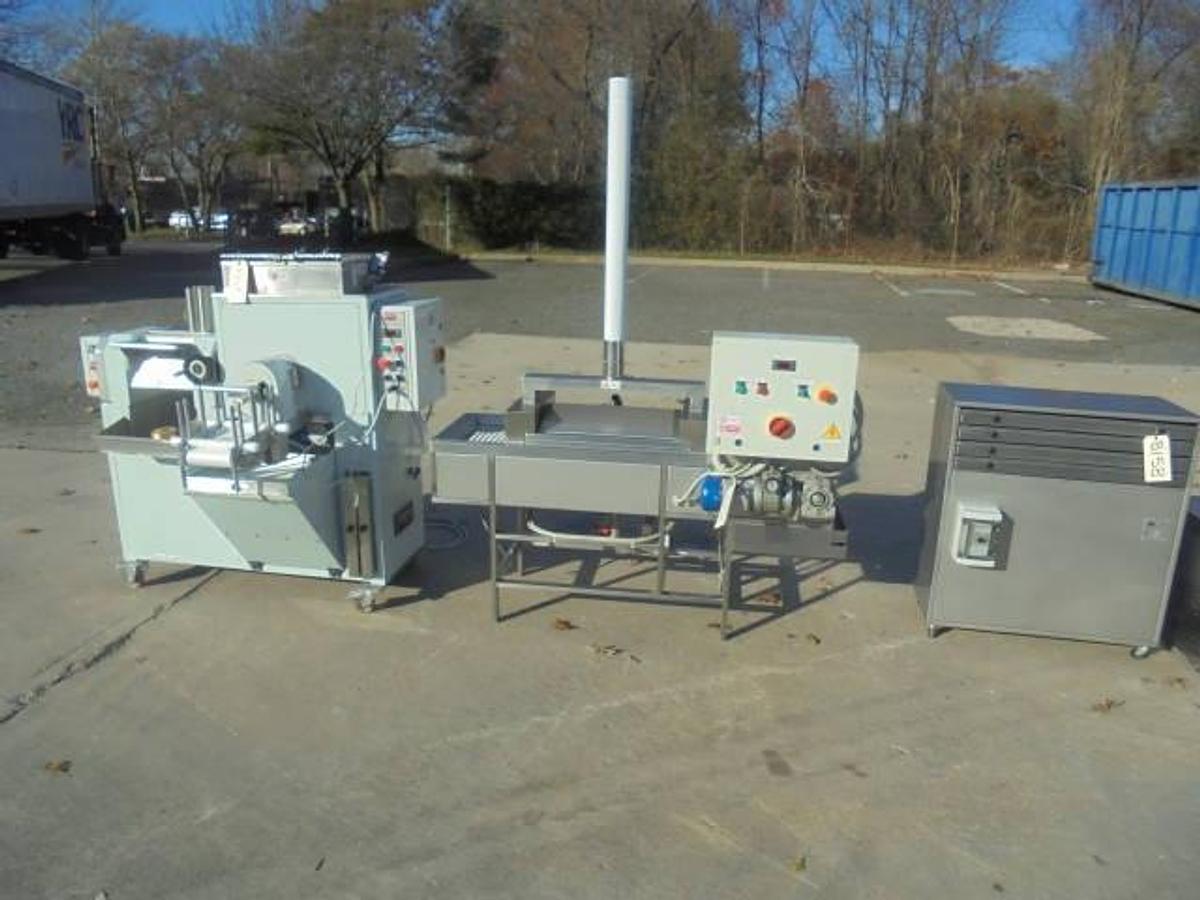
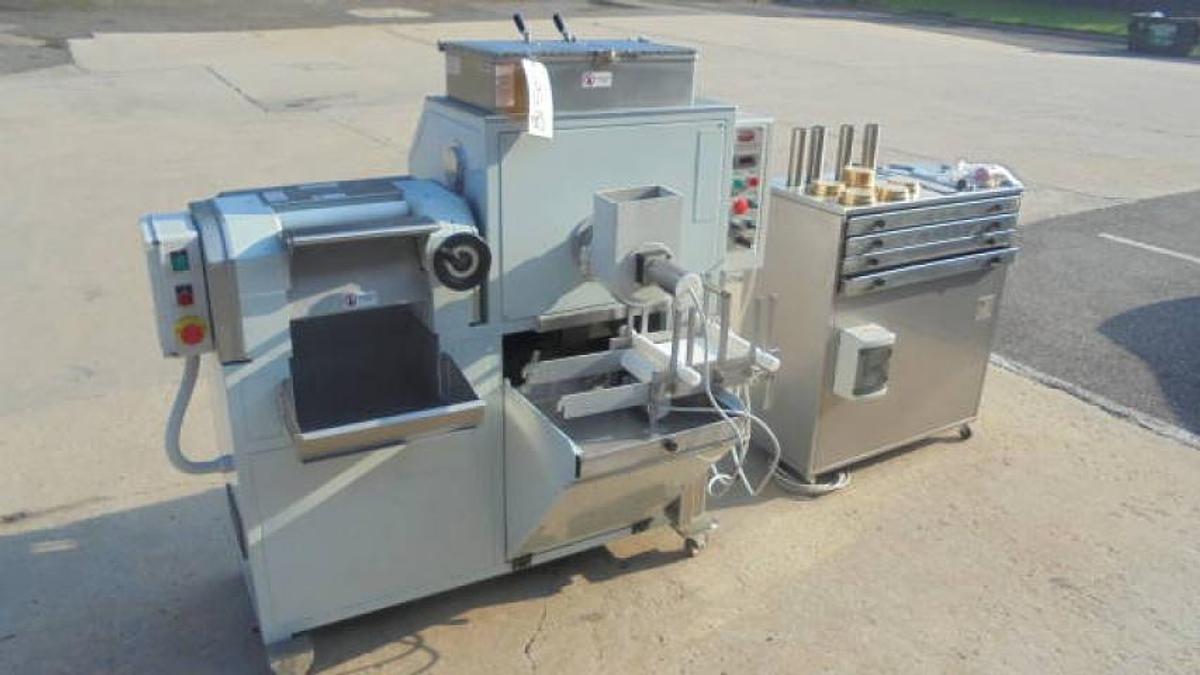
Pama-Roma produces equipment for food processing and ceramics manufacturing. On the food processing side, the brand is known for pasta-making machinery, including pasta mixers, extruders, and complete fresh pasta manufacturing lines. A common example is a pasta mixer/extruder with a production capacity of around 55 lbs per hour, which is designed for commercial food production environments. On the ceramics side, Pama-Roma has built a reputation for kilns and presses used in ceramic production, with an emphasis on improving both production quality and throughput speed.
Because Pama-Roma covers two fairly distinct industrial categories, buyers should be specific about which type of equipment they are sourcing. Food processing machinery and ceramics equipment have very different installation requirements, operator training needs, and spare parts ecosystems. When evaluating a used Pama-Roma machine, it helps to confirm the exact model number and intended application so you can research its specifications and assess whether it fits your production workflow before committing to a purchase.
What should I know before buying used Pama-Roma equipment?
Buying used industrial equipment of any brand requires a careful, methodical approach, and Pama-Roma machinery is no exception. Because Pama-Roma is a specialty brand rather than a mass-market name, the pool of available used units at any given time is relatively small. That means fewer opportunities to compare condition and pricing across multiple listings, so buyers need to do their homework on each individual machine rather than relying on broad market averages. Key factors to investigate include the machine's production hours, maintenance history, the reason it was decommissioned, and whether critical wear components such as dies, augers, or heating elements are still in serviceable condition.
One of the most important steps is arranging an inspection before finalizing any purchase. Reputable used equipment dealers will typically offer in-person inspections, video walkthroughs, or photo documentation of the machine in its current state. If the equipment is still installed at a production facility, the dealer may be able to coordinate a live demonstration. Keep in mind that most dealers do not have the permits or infrastructure to run full production tests, so the inspection will focus on mechanical condition and visual assessment rather than a full output trial. Consulting the manufacturer directly about parts availability and technical support for a specific model and age is also a smart step before signing off on a deal.
What is the typical price range for used Pama-Roma pasta equipment?
Pricing for used Pama-Roma pasta processing equipment varies considerably depending on the machine type, its age, production capacity, and overall condition. Smaller units such as a 55 lb/hour pasta mixer and extruder will generally be priced lower than a complete fresh pasta manufacturing line, which bundles multiple processing stages into a single integrated system. Complete lines command higher prices because they reduce the need to source and integrate separate components, and they are ready to be put into production with less additional investment.
Beyond the sticker price of the machine itself, buyers should factor in the full landed cost before comparing options. Freight shipping for industrial food processing equipment typically requires specialized freight carriers, and heavier or larger machines may need rigging equipment for loading and unloading, which adds to the total. Crating or palletization to protect the machine in transit is another cost that varies by dealer. Getting a complete breakdown of machine price, packaging, rigging, and shipping costs upfront gives you a much clearer picture of what you are actually spending, and makes it easier to compare offers from different sellers on an apples-to-apples basis.
Are used Pama-Roma pasta machines suitable for commercial production?
Yes, Pama-Roma pasta equipment is designed for commercial food production rather than home or hobbyist use. Machines like the Pama-Roma pasta mixer/extruder with a 55 lb/hour output are built to handle continuous production runs in a commercial kitchen or food manufacturing facility. A complete fresh pasta manufacturing line at the same capacity can support a small to mid-sized pasta producer, a restaurant group, or a specialty food manufacturer looking to bring production in-house.
That said, the suitability of any specific used machine for your operation depends on its current mechanical condition, not just its rated specifications. A used machine that has seen heavy production use may have worn components that affect output quality or require servicing before it can reliably hit its rated capacity. Before purchasing, it is worth asking the seller about the machine's production history, how recently it was last serviced, and which components, if any, have been replaced. If your facility has specific sanitation or food safety certification requirements, you should also verify that the machine's design and materials meet those standards.
How does buying a used pasta manufacturing line compare to buying individual machines separately?
A complete used pasta manufacturing line offers a meaningful practical advantage over assembling a line from individual machines purchased separately. When you buy a line as a unit, the components have already been matched, configured, and run together, which reduces integration headaches. You also avoid the time and cost of sourcing compatible upstream and downstream equipment, dealing with multiple sellers, and troubleshooting compatibility issues between machines from different manufacturers or production eras. For a buyer who wants to get into production quickly, a turnkey line is often the faster path.
The trade-off is that a complete line typically represents a larger upfront investment, and you are accepting the condition of every component in the system rather than cherry-picking the best individual machines. If one section of the line has more wear than others, you are still buying it as part of the package. Buying individual machines gives you more control over condition and cost at the component level, but requires more sourcing effort and technical knowledge to ensure everything works together. The right choice depends on your timeline, budget, technical resources, and how much production flexibility you need.
What does the inspection process look like for used Pama-Roma equipment?
Inspections for used industrial equipment like Pama-Roma pasta machinery typically take one of three forms: an in-person visit to the location where the machine is stored or still installed, a live video call where a dealer representative walks the buyer through the machine in real time, or a set of detailed photos and video recordings provided by the dealer. Each approach has its merits. In-person inspections give the buyer the most direct access and allow for hands-on assessment of mechanical components, wear surfaces, electrical panels, and overall cleanliness. Video inspections are a practical alternative when travel is not feasible and can be nearly as informative if the dealer is thorough and responsive to specific requests.
It is worth asking the seller to show specific areas of concern, such as the condition of the extrusion dies, the state of the mixing chamber, any visible corrosion or repair history, and the condition of electrical and pneumatic components. If the machine is still in place at a production facility, the dealer may be able to arrange an observation of the equipment in operation, though this is not always possible and should not be assumed. Most dealers do not have production permits that would allow them to run a full output test on their own premises, so the inspection will generally be a mechanical and visual assessment rather than a live production trial. Buyers should use the inspection as an opportunity to ask detailed questions and document everything they observe.
How is used Pama-Roma equipment typically shipped, and what costs should I expect?
Industrial pasta processing equipment is not shipped through standard parcel carriers. Machines like a pasta mixer/extruder or a complete manufacturing line require freight shipping, and the logistics involved are more complex than a typical commercial shipment. The seller will generally be responsible for preparing the machine for transit, which involves draining any fluids, securing moving parts, and either palletizing or crating the equipment to prevent damage during handling. The level of packaging required depends on the size and fragility of the machine, and more robust crating adds to the overall cost.
For larger or heavier machines, rigging equipment such as forklifts or cranes may be needed to load the machine onto the freight carrier and unload it at the destination. Rigging is typically quoted separately and can represent a meaningful portion of the total logistics cost. Buyers should ask the dealer for a complete breakdown of packaging, rigging, and freight charges before agreeing to a purchase so they understand the full landed cost of the equipment. Delivery timelines will vary based on carrier availability, distance, and whether the machine needs any preparation work before it can be shipped.
What are the typical payment terms for purchasing used industrial food processing equipment?
Most used equipment dealers require full payment before a machine is released for shipping. This is standard practice in the industry and reflects the nature of used equipment transactions, where the seller needs to confirm funds before committing to packaging, rigging, and freight logistics. Payment is typically made by wire transfer, though some dealers may accept other methods depending on the transaction size and the buyer's relationship with the dealer. It is worth asking about accepted payment methods early in the process to avoid delays.
Some dealers may offer extended terms to buyers with an established purchase history, but this is the exception rather than the rule, particularly for first-time transactions. If you are purchasing from a dealer for the first time, plan to have full funds available before the sale is finalized. Getting a clear written agreement that outlines the machine being purchased, the agreed price, payment method, and what is included in the sale, such as any tooling, dies, or accessories, is an important step that protects both parties and prevents misunderstandings down the line.
Are replacement parts and technical support available for used Pama-Roma machines?
Parts availability for used specialty food processing equipment depends heavily on the age and model of the machine, and this is an area where buyers should do their research before purchasing. For any used Pama-Roma machine, it is worth contacting the manufacturer directly to ask which parts are still stocked or can be produced on order, and whether technical documentation such as manuals and wiring diagrams is available for that specific model. Manufacturers vary widely in how much support they extend to older machines, and some may have limited or no inventory for equipment that is no longer in production.
In cases where manufacturer support is limited, buyers often turn to third-party machining shops or food equipment service companies that can fabricate wear parts or reverse-engineer components as needed. This is a common approach for older or less common machinery and can be a viable path for keeping a machine running, though it requires access to a skilled technician familiar with food processing equipment. Before purchasing a used Pama-Roma machine, it is worth asking the seller what parts, if any, are included with the sale, and whether they have any documentation or service records that could help a technician support the machine going forward.
How do I verify that a used Pama-Roma equipment listing is legitimate before purchasing?
Verifying the legitimacy of a used equipment listing starts with researching the seller. Look for dealers who have a documented track record in the food processing or industrial equipment space, with verifiable contact information, a physical address, and references or reviews from past buyers. Dealers who have been operating for many years in a specific industry vertical tend to have more accountability and deeper knowledge of the equipment they sell than general surplus resellers or auction platforms where listings may have little supporting information.
Beyond the seller's reputation, the listing itself should contain enough detail to be credible. A trustworthy listing will include the machine's model number, approximate age or production year, a description of its current condition, and photos or video that accurately represent what is being sold. Be cautious of listings with minimal information, stock photos, or vague condition descriptions. Asking the dealer for additional documentation such as a serial number, original equipment manuals, or service records is a reasonable request, and a reputable seller should be able to accommodate it. Requesting an inspection, whether in person or via video, is one of the most reliable ways to confirm that the machine exists, is in the described condition, and is worth the asking price.