Category
Manufacturer
Model
Pam
Pam produces a range of manufacturing equipment with a focus on the food processing sector. They are particularly noted for their meat processing machines, which are designed to enhance productivity and maintain hygiene standards.
FAQ:
What types of used PAM pharmaceutical equipment are typically available on the market?
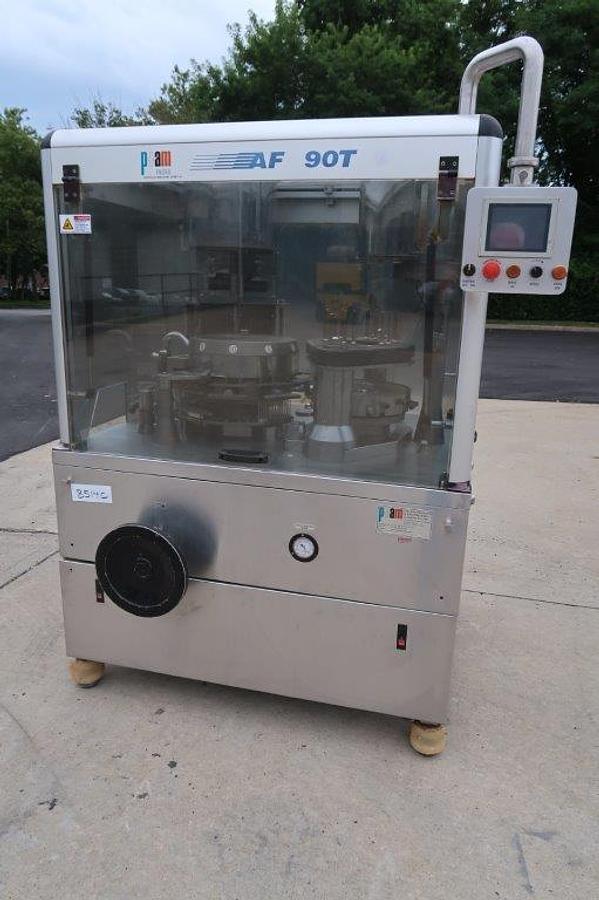
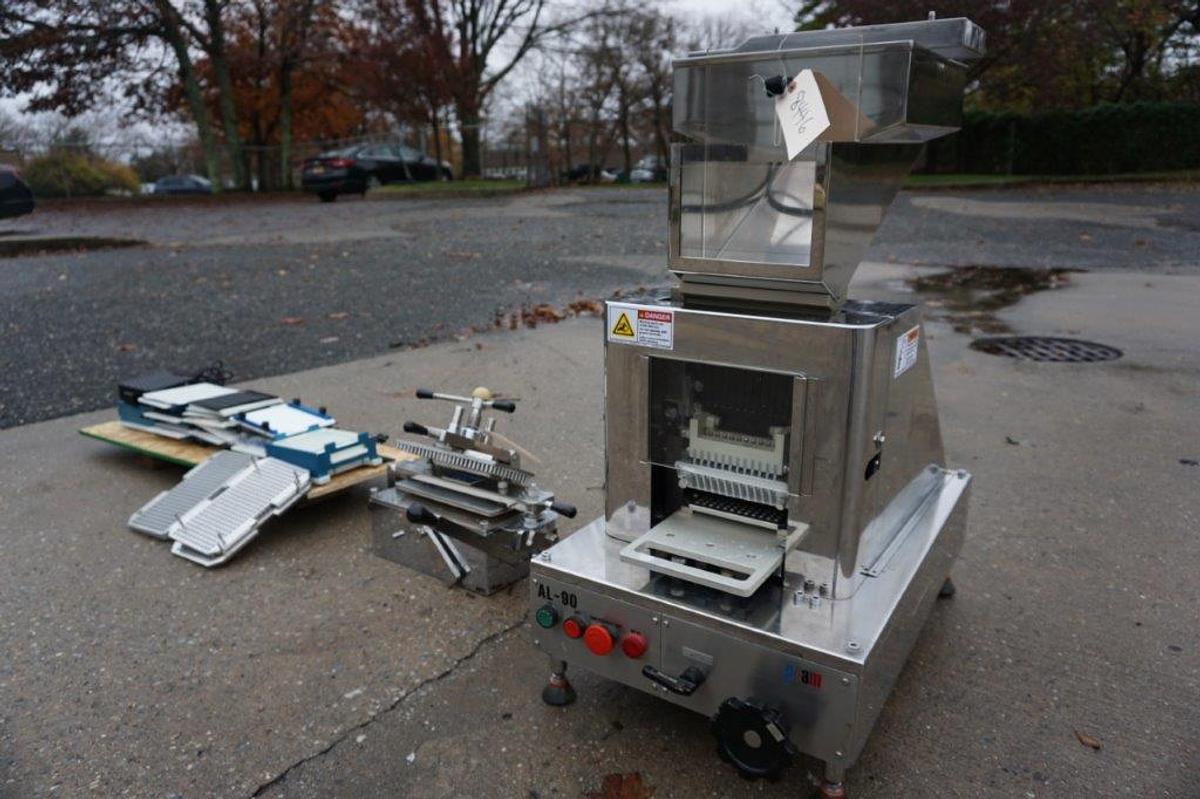
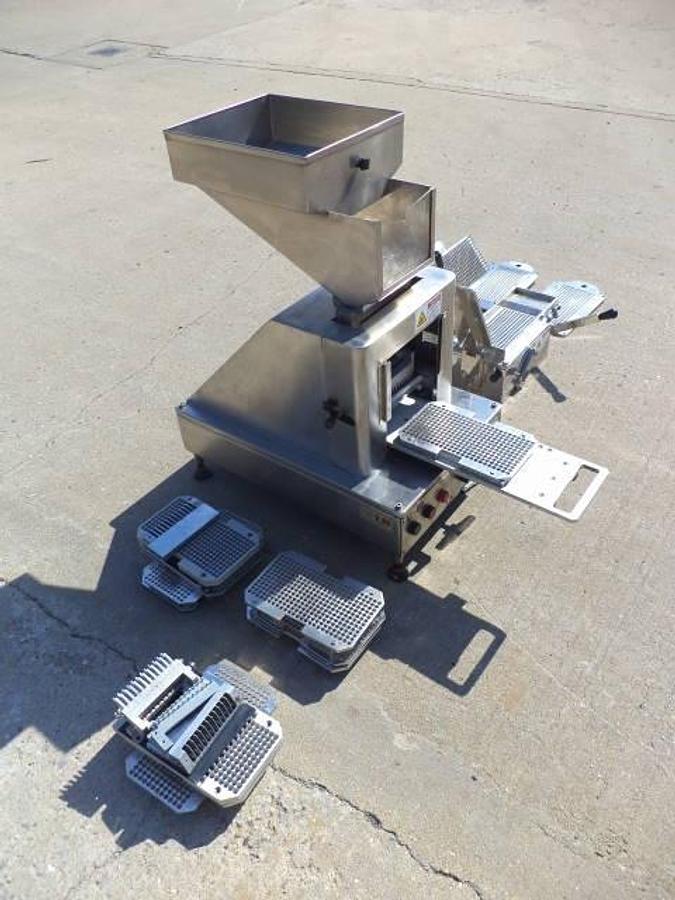
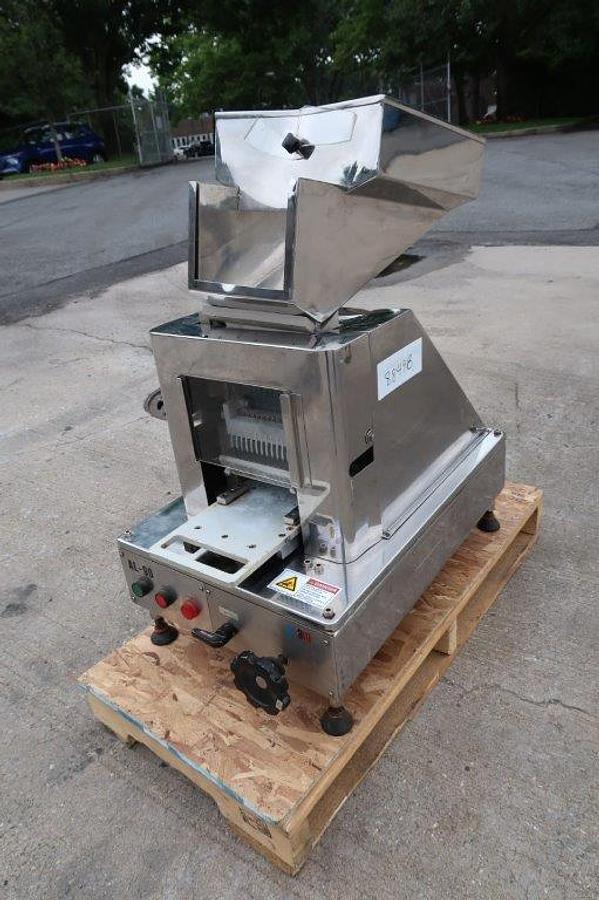
PAM produces a range of manufacturing equipment that spans several processing categories, with a strong presence in capsule filling and blending applications. On the used market, buyers can commonly find PAM automatic capsule filling machines such as the P+AM AF90T, which is rated at up to 90,000 capsules per hour, as well as benchtop encapsulators like the PAM AL-90 paired with the MF-30 filler. Blending equipment, including stainless steel twin shell V-blenders, also appears in used inventories. These machines are suited for pharmaceutical, nutraceutical, and related processing environments where precise filling and blending are critical.
Beyond capsule filling and blending, PAM has roots in food and meat processing machinery, so used equipment dealers may carry a broader cross-section of their product line depending on sourcing. For pharmaceutical buyers specifically, the capsule filling systems tend to be the most sought-after category. Availability on the used market fluctuates based on facility upgrades, plant closures, and production line changes, so buyers looking for specific models should check with specialized used pharmaceutical equipment dealers regularly and consider setting up alerts for newly listed inventory.
What should buyers know about purchasing used PAM capsule filling machines specifically?
Used PAM capsule filling machines, particularly models like the AF90T, are high-output pieces of equipment capable of filling up to 90,000 capsules per hour. When evaluating a used unit, buyers should pay close attention to the condition of the dosing discs, tamping pins, capsule transport segments, and any sealing components, as these are the parts most subject to wear during production. Asking the dealer for the machine's production history, including the types of formulations it processed and approximate run hours, gives important context for assessing remaining service life.
Buyers should also factor in the cost of replacement tooling and spare parts before committing to a purchase. PAM equipment, depending on its age and model, may have varying levels of manufacturer support for parts. Contacting PAM or their authorized service network directly to confirm parts availability for a specific model number is a practical step that can prevent costly surprises after acquisition. Used capsule fillers are sold as-is, so a thorough pre-purchase inspection, either in person or via video walkthrough arranged through the dealer, is the most reliable way to assess actual machine condition before funds are transferred.
What compliance and regulatory standards should used PAM pharmaceutical equipment meet?
Pharmaceutical equipment used in drug manufacturing environments is expected to align with regulatory frameworks including FDA 21 CFR regulations, EU GMP Annex 1 for sterile manufacturing, and ISO 9001 quality management standards. For capsule filling and blending equipment specifically, buyers operating in regulated environments will want to confirm that the machine's design is compatible with GMP requirements, including smooth, cleanable surfaces, absence of dead zones where contamination could accumulate, and material construction suitable for direct product contact (typically 316L stainless steel for contact parts).
With used equipment, the compliance picture is more complex than with a machine purchased directly from a manufacturer. Buyers should request any available documentation that accompanied the machine during its previous operational life, including Factory Acceptance Test (FAT) reports, Installation Qualification (IQ) records, and Operational Qualification (OQ) documentation. These records can significantly reduce the validation burden when requalifying the equipment at a new facility. If documentation is unavailable, buyers should budget for a full revalidation process. Consulting with a qualified validation specialist before finalizing a purchase of used pharmaceutical equipment is a sound practice, particularly for facilities subject to FDA or EMA oversight.
How does the inspection process work when buying used PAM pharmaceutical equipment?
Reputable used equipment dealers typically offer buyers several inspection options before finalizing a purchase. In-person inspections allow a buyer or their technical representative to physically examine the machine, check mechanical condition, review accessible components, and in some cases observe the equipment in operation if it is still installed at a working facility. Virtual inspections via live video call are a practical alternative for buyers who cannot travel, allowing real-time examination and the ability to ask the dealer to demonstrate specific functions or show particular components up close.
Video documentation is another option dealers can provide, giving buyers a recorded walkthrough of the machine's condition. It is worth noting that most used equipment dealers do not have the permits or production infrastructure to run actual pharmaceutical product through a machine during an inspection, so functional testing is generally limited to dry runs or mechanical operation checks. Buyers should come to any inspection with a prepared checklist covering the components most critical to their application, and should not hesitate to ask the dealer detailed questions about the machine's history, last known use, and any visible wear or repairs. The inspection stage is the buyer's primary opportunity to assess condition before committing to a purchase, since used pharmaceutical equipment is sold as-is.
What is the typical price range for used PAM pharmaceutical equipment?
Pricing for used PAM pharmaceutical equipment varies considerably based on the machine type, model, age, condition, and current market demand. Benchtop encapsulators and smaller filling systems tend to be more accessible in price, often ranging from a few thousand dollars into the low tens of thousands, depending on configuration and included accessories. High-output automatic capsule filling machines like the AF90T, which can process up to 90,000 capsules per hour, command higher prices given their production capacity, and used units in good working condition can range from the mid-tens of thousands to well above that depending on included tooling and documentation.
Buyers should treat the listed machine price as only one component of the total acquisition cost. Shipping, rigging, crating, and any required reconditioning or spare parts should all be factored into the landed cost calculation. For larger or heavier equipment, specialized rigging for loading and unloading can add meaningful expense. Requesting a full quote from the dealer that breaks out all of these costs before agreeing to a purchase helps avoid budget surprises. Comparing prices across multiple used pharmaceutical equipment dealers who specialize in the industry is the most reliable way to gauge fair market value for a specific PAM model.
What are the shipping and logistics considerations for used PAM pharmaceutical equipment?
Shipping used pharmaceutical equipment requires careful planning, particularly for machines with precision mechanical components that can be damaged by vibration, impact, or improper handling during transit. Dealers typically offer varying levels of packaging, from basic palletization to full custom crating, and the cost will reflect the level of protection required for a given machine's size, weight, and fragility. Buyers should ask dealers specifically what packaging method will be used and whether it is appropriate for the distance and mode of transport involved.
For larger PAM equipment such as full-size capsule filling machines or V-blenders, heavy-duty rigging is usually required for loading at the origin and unloading at the destination. Rigging costs are generally separate from freight charges and should be confirmed upfront. International shipments add further complexity, including customs documentation, import duties, and compliance with destination country regulations. Buyers are advised to request a complete landed cost breakdown from the dealer before finalizing any purchase, covering packaging, rigging, domestic freight or international shipping, and any applicable import fees. Understanding the full cost picture before committing prevents unexpected expenses that can significantly affect the economics of a used equipment purchase.
What payment terms are standard when purchasing used pharmaceutical equipment?
The standard practice among used equipment dealers is to require full payment prior to shipping the machine. This applies broadly across the industry and is not specific to any one dealer or equipment category. Some dealers may extend payment terms to established customers with a prior purchase history, but first-time buyers should generally expect to pay in full before the equipment leaves the dealer's facility or the seller's plant.
Buyers should confirm accepted payment methods with the dealer early in the process, as wire transfers are common for transactions of this size. It is also worth clarifying at what point title transfers and whether the dealer carries any liability for damage that occurs after the machine leaves their control. For large purchases, some buyers choose to work with an escrow arrangement or involve legal counsel to structure the transaction, particularly for international deals. Understanding payment terms and transfer-of-risk details upfront protects both parties and helps the transaction proceed without disputes.
What documentation should buyers request when purchasing used PAM pharmaceutical equipment?
Documentation is a critical part of any used pharmaceutical equipment purchase, especially for buyers operating in regulated environments. At minimum, buyers should request any available technical manuals, parts lists, and electrical schematics. These materials are essential for maintenance, troubleshooting, and training staff on the equipment. If the dealer does not have original documentation, buyers should contact PAM or their service network directly to determine whether manuals are still available for the specific model being purchased.
For GMP-regulated facilities, validation documentation carries significant value. Factory Acceptance Test (FAT) reports, Installation Qualification (IQ) packages, and Operational Qualification (OQ) records from the machine's previous use can reduce the time and cost of revalidation at the new site. Buyers should ask the dealer whether any such records accompany the machine and request copies before purchase if they exist. In cases where no validation history is available, buyers should plan and budget for a full qualification process from scratch. Keeping a clear record of the machine's provenance, including where it was used, what products it processed, and any known repairs or modifications, also supports the validation process and helps demonstrate equipment suitability to regulatory auditors.
What industries and applications are PAM capsule filling and blending machines best suited for?
PAM capsule filling equipment, including benchtop encapsulators and high-speed automatic fillers, is primarily suited for pharmaceutical and nutraceutical manufacturing environments. These machines are designed to fill hard gelatin or HPMC capsules with powder, granule, pellet, or tablet formulations, making them applicable to solid dosage form production across a wide range of drug types and dietary supplement products. The AF90T's capacity of up to 90,000 capsules per hour makes it appropriate for mid-to-large scale production runs, while benchtop models like the AL-90 with MF-30 filler are better suited for smaller batch work, R&D, or pilot-scale production.
PAM blending equipment, such as the stainless steel twin shell V-blender, serves applications where consistent powder mixing is required prior to filling or tableting. V-blenders are a standard piece of equipment in pharmaceutical dry processing and are also used in nutraceutical, chemical, and food ingredient applications. The all-stainless steel construction is appropriate for environments requiring frequent cleaning and sanitation. Buyers from contract manufacturing organizations (CMOs), specialty pharma companies, and nutraceutical producers are among the most common purchasers of used PAM equipment, given the machines' alignment with GMP-compatible design principles and their established track record in production environments.
How should buyers evaluate the condition of a used PAM V-blender before purchasing?
A used stainless steel twin shell V-blender should be evaluated on several fronts before purchase. The interior surfaces of both shells are the most critical area to inspect, as any pitting, corrosion, scratches, or residue buildup can compromise product quality and make the unit difficult to clean to pharmaceutical standards. Buyers or their representatives should ask to see close-up images or live video of the interior shell surfaces, the discharge valve, seals, and any product contact fittings. The drive mechanism, including the motor, gearbox, and shaft bearings, should also be assessed for signs of wear or unusual noise during operation.
Capacity is another key consideration. V-blenders are rated by total shell volume, and the working fill capacity is typically 50 to 60 percent of the total volume to ensure proper blending action. Buyers should confirm the unit's stated capacity against their actual batch size requirements. For a 3 cubic foot unit, that translates to a working capacity of roughly 1.5 to 1.8 cubic feet per batch. If the machine's capacity does not align with current production needs, it may still serve well for smaller batches or development work. As with all used pharmaceutical equipment, a thorough inspection arranged through the dealer is the most reliable way to assess actual condition, and buyers should approach the process with a clear checklist of the specifications and surface quality standards their application requires.