Category
Manufacturer
Model
Packaging Dynamics
Packaging Dynamics focuses on providing dynamic packaging solutions for the food and beverage industry. They are known for their automated systems that improve efficiency and reduce downtime in production lines.
FAQ:
What types of equipment does Packaging Dynamics manufacture?
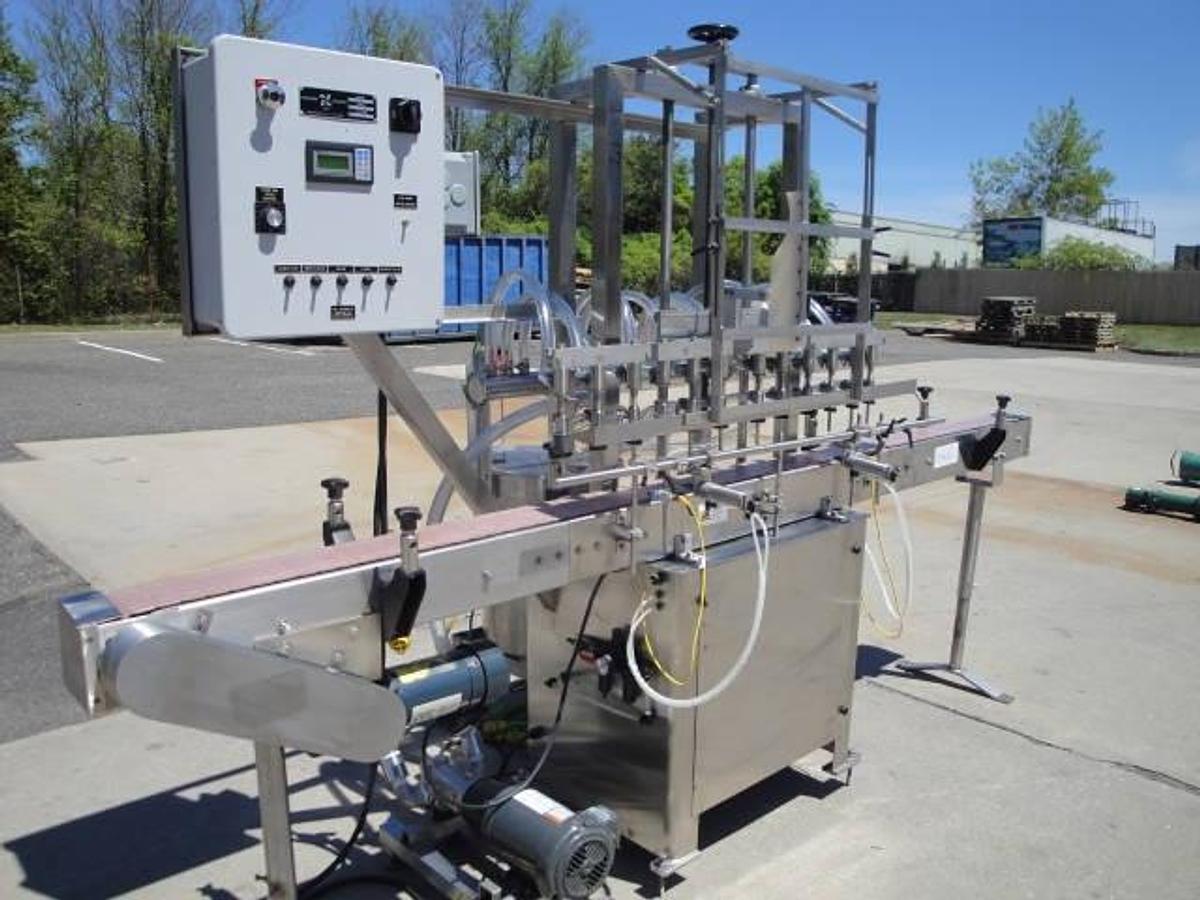
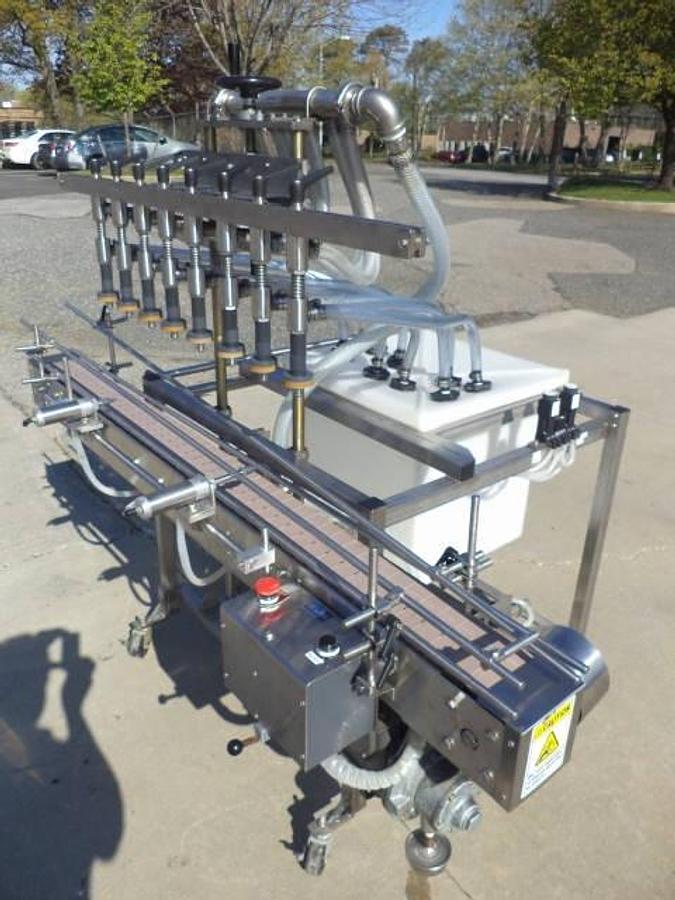
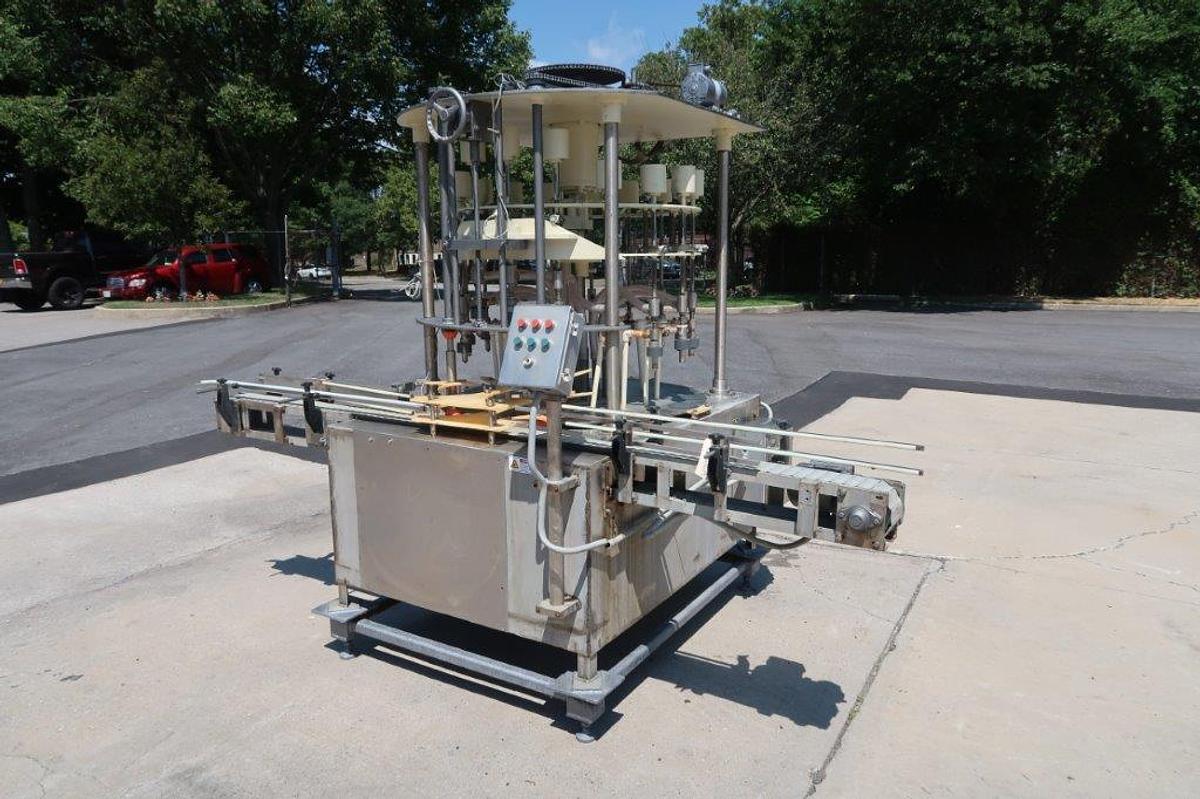
Packaging Dynamics specializes in automated packaging machinery designed primarily for the food and beverage industry. Their product line includes rotary pressure gravity filling machines, straight line liquid fillers, and rotary unscrambling and accumulating tables. Filling machines are available in multiple spout configurations, including 8-spout, 12-spout, and 16-spout models, giving production facilities flexibility depending on their throughput requirements. Some models are built in stainless steel and rated for explosion-proof environments, which is a critical feature for facilities handling flammable or volatile liquids.
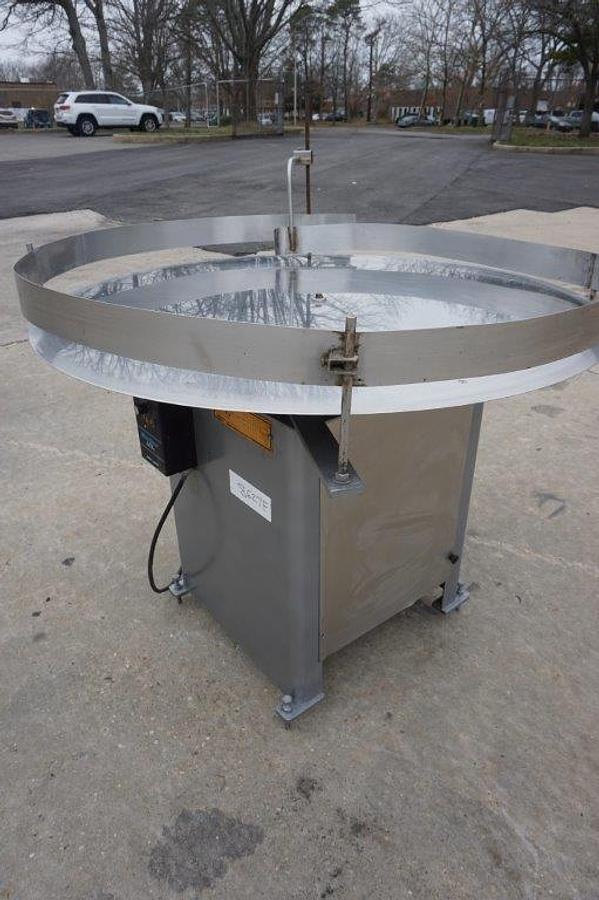
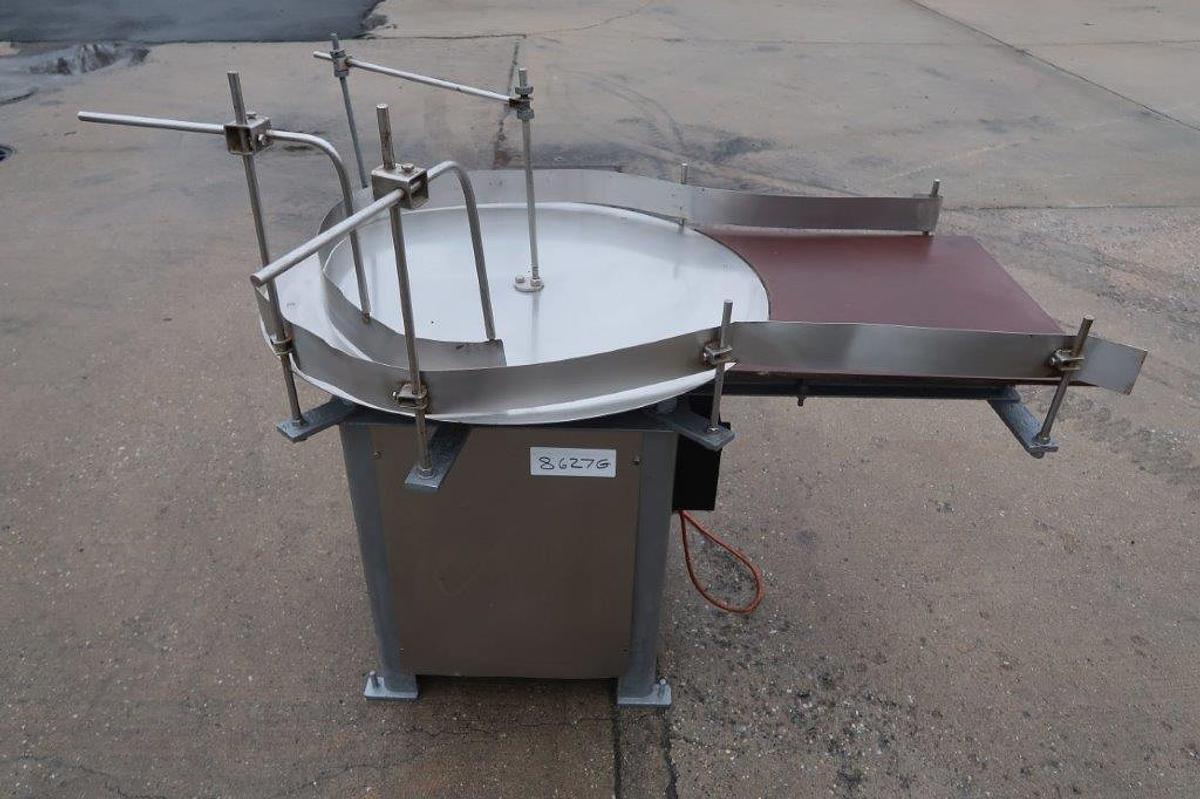
Beyond filling equipment, Packaging Dynamics also produces rotary accumulating tables in various sizes, such as 36-inch and 48-inch diameter models, some with variable speed controls. These tables are used to buffer container flow between different stages of a production line, reducing bottlenecks and improving overall line efficiency. The brand is generally associated with durable, production-grade machinery built for continuous operation in demanding food and beverage environments.
What industries use Packaging Dynamics filling and accumulating equipment?
Packaging Dynamics equipment is most closely associated with the food and beverage industry, where automated liquid filling and container handling are core production requirements. Their filling machines are well-suited for beverages, sauces, condiments, oils, and similar pourable products. The stainless steel construction on many of their fillers also makes them appropriate for facilities that follow strict sanitation standards, including those operating under food safety regulations.
Beyond food and beverage, this type of rotary filling and accumulating equipment is commonly used in pharmaceutical production, cosmetics manufacturing, and consumer goods packaging. Any operation that needs to fill containers with liquid at volume, or that needs to accumulate and orient bottles or containers on a production line, can potentially benefit from this class of machinery. Buyers from outside the food industry should verify that a specific machine's materials and design are compatible with their product and any applicable regulatory requirements.
Is used Packaging Dynamics equipment a reliable option for production facilities?
Used Packaging Dynamics equipment can be a practical and cost-effective option for facilities that need proven liquid filling or container handling machinery without the lead times and costs associated with sourcing brand-specific alternatives. Packaging Dynamics built machines with a focus on efficiency and reduced downtime, and many of their rotary and straight-line filling systems were designed for continuous industrial use. That durability means well-maintained units can still perform reliably years after initial installation.
The key factor is condition. Buying used industrial machinery always requires due diligence. Prospective buyers should request detailed maintenance records, ask about hours of operation, and arrange an inspection before committing to a purchase. A machine that was properly maintained in a food-grade facility will typically be in far better shape than one that was run hard without regular service. Choosing a reputable used equipment dealer with a track record in packaging machinery is one of the most important steps a buyer can take to reduce risk.
How do I verify the condition of a used Packaging Dynamics machine before buying?
Verifying condition before purchase is one of the most critical steps in buying any used industrial packaging equipment. The most reliable approach is an in-person inspection at the location where the machine is being stored or where it was last in production. During an in-person visit, a buyer or their technician can check for wear on mechanical components, assess the condition of seals and gaskets, inspect electrical panels, and look for signs of corrosion or damage. If the machine is still installed in an active facility, it may be possible to observe it running during normal production, which provides the clearest picture of its working order.
When travel is not practical, most reputable dealers can arrange a video inspection or provide detailed video footage of the machine. This should include footage of the machine powered on, moving parts in operation, and close-up views of any areas showing wear. Buyers should also request any available maintenance logs, service records, or documentation of past repairs. Keep in mind that most used equipment dealers do not have the permitting or setup to run actual product through a machine during a demonstration, so testing is typically limited to observing mechanical operation rather than a full production run.
Does used Packaging Dynamics equipment come with a warranty?
Warranties on used industrial machinery are handled very differently than on factory-direct purchases. Manufacturers typically only extend warranty coverage on equipment sold directly through authorized channels. When machinery changes hands on the secondary market, that coverage generally does not transfer. As a result, used packaging equipment is almost always sold on an as-is basis, which places the responsibility of inspection and due diligence squarely on the buyer.
This makes the inspection process and the choice of dealer especially important. Buyers should work with dealers who specialize in packaging machinery and have a long, verifiable history of selling industrial equipment. Before purchasing, it is also worth contacting the manufacturer directly to ask about parts availability, technical support, and any service documentation that may still be available for the specific model being considered. The age of the machine and its production status can significantly affect how much manufacturer support a buyer can realistically expect after the sale.
Are replacement parts available for older Packaging Dynamics machines?
Parts availability is one of the most important factors to evaluate before purchasing any used packaging machinery, and it deserves careful attention with Packaging Dynamics equipment. Smaller and niche packaging OEMs sometimes reduce their product lines, change ownership, or shift manufacturing focus over time. Before committing to a purchase, buyers should contact the manufacturer directly to confirm whether parts are still being produced for the specific model they are considering. This is particularly relevant for older machines, where wear components like seals, gaskets, valve seats, and drive parts may be harder to source.
Even when factory parts are limited, many facilities find workable solutions through third-party machining, aftermarket suppliers, or by sourcing components from other machines of the same model. Rotary filling machines and accumulating tables often share mechanical principles with other equipment in their class, which can make it easier to adapt compatible parts. Buyers with in-house maintenance teams or access to a good machine shop tend to have more flexibility here. Factoring potential parts sourcing challenges into the total cost of ownership is a smart step before finalizing any purchase decision.
What should I expect to pay for a used Packaging Dynamics filling machine?
Pricing for used Packaging Dynamics equipment varies considerably based on the machine type, configuration, age, and condition. Smaller straight-line liquid fillers with fewer spouts will generally fall at the lower end of the range, while larger rotary pressure gravity fillers with 12 or 16 spouts, stainless steel construction, and explosion-proof ratings command higher prices due to their complexity and production capacity. Machines that were recently decommissioned from active production and show minimal wear will typically be priced higher than units that have been in storage for an extended period.
Buyers should also account for costs beyond the purchase price itself. Shipping, rigging, and any required reconditioning or spare parts can add meaningfully to the total landed cost of the equipment. Requesting a full breakdown of shipping and handling costs from the dealer before agreeing to a price is a practical step that prevents surprises. Comparing a few similarly configured machines across reputable dealers gives buyers a realistic sense of market value and helps identify whether a given asking price is reasonable for the condition being offered.
What are the differences between rotary and straight-line liquid filling machines?
Rotary liquid filling machines use a circular turret or carousel design where containers move in a continuous arc past filling stations. This configuration allows for very high throughput because containers are being filled simultaneously at multiple stations as they travel around the turret. Rotary fillers are generally preferred in high-volume production environments where line speed is a priority. Packaging Dynamics produces rotary models in configurations like 8-spout, 12-spout, and 16-spout versions, with the spout count directly influencing how many containers can be filled per cycle.
Straight-line fillers, by contrast, move containers in a linear path and fill them as they pass through a series of nozzles or spouts positioned along a straight track. These machines tend to be more compact and easier to integrate into smaller production lines. They are also often simpler to clean and adjust for different container sizes or fill volumes, making them a practical choice for operations that run multiple product types. Packaging Dynamics offers straight-line portable models in stainless steel with explosion-proof ratings, which are well-suited for facilities that need flexibility and compliance with safety requirements for flammable materials.
How does shipping and delivery work for used Packaging Dynamics machinery?
Shipping used industrial packaging equipment involves more planning than shipping standard freight. Machines need to be properly secured and packaged to prevent damage in transit, and the level of preparation required depends on the size and weight of the equipment. Smaller portable fillers may be palletized, while larger rotary filling machines and accumulating tables typically require custom crating or skidding to protect mechanical components during transport. The cost of this preparation varies and is usually quoted separately from the base purchase price.
Larger and heavier machines may also require specialized rigging for both loading at the dealer's facility and unloading at the buyer's location. Rigging costs can be significant and should be factored into the total landed cost of the equipment. Buyers should ask the dealer for a detailed breakdown of all shipping-related charges, including packaging, loading, freight, and any destination rigging that may be needed. Understanding the full cost before finalizing a purchase avoids unexpected expenses and helps buyers make an accurate cost comparison between different machines or sources.
What payment terms are typical when buying used packaging equipment?
Most used industrial equipment dealers require full payment before a machine is released for shipping. This is standard practice in the secondary machinery market and applies regardless of the size or price of the equipment. The reasoning is straightforward: once a machine leaves a dealer's facility, the transaction is effectively complete, and full payment in advance protects both parties from disputes over condition or delivery. Payment is typically accepted by wire transfer, though some dealers also accept other verified payment methods.
In some cases, dealers may extend payment terms to buyers with whom they have an established purchasing history. These arrangements are generally negotiated directly and are not a standard offering for first-time buyers. Buyers who are new to a particular dealer should expect to pay in full prior to shipment. If financing is needed, third-party equipment financing companies that specialize in industrial machinery are an option worth exploring independently, as they can sometimes structure loans or leases around used equipment purchases.