Category
Manufacturer
Model
Pack West
Pack West is focused on providing packaging machinery for the agricultural and food sectors. Their products include bagging and palletizing systems that are designed to handle bulk materials efficiently.
FAQ:
What types of packaging machinery does Pack West make?
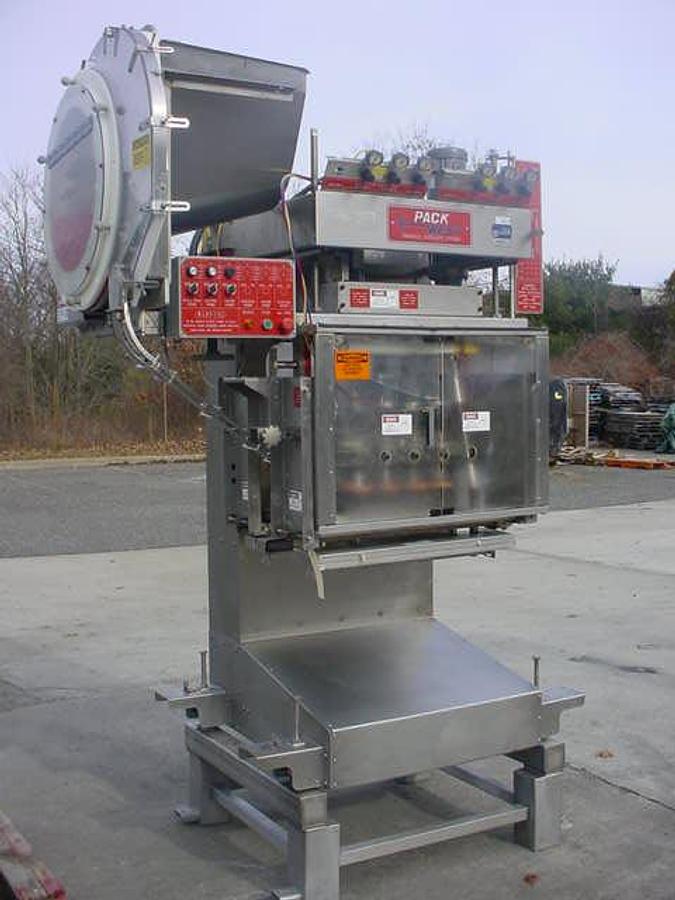
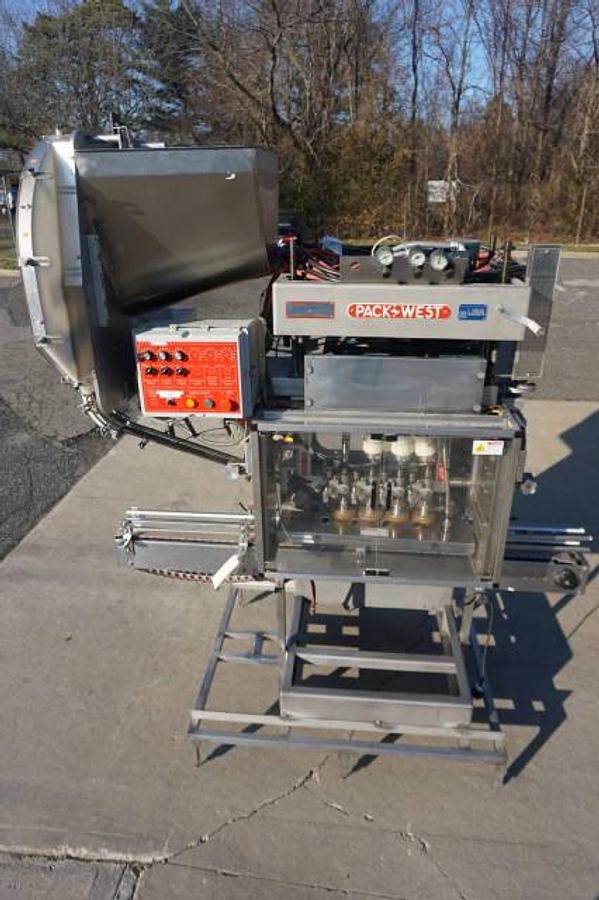
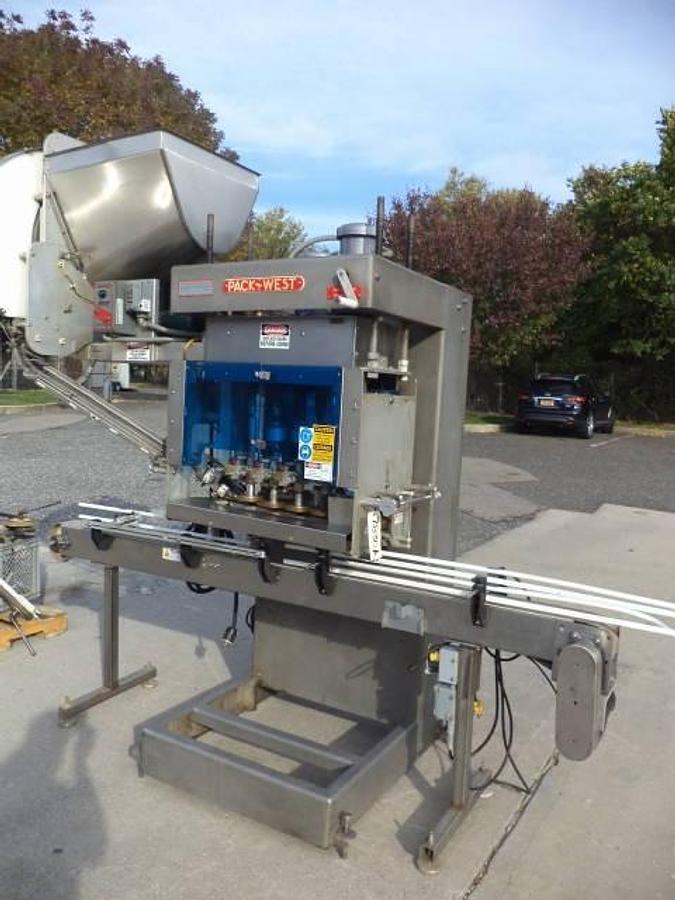
Pack West specializes in packaging machinery for the agricultural and food sectors, with a particular focus on bagging, palletizing, and capping systems. Their product line is built around handling bulk materials efficiently, and they are well known for their capping equipment, including multi-spindle inline automatic cappers. The eight-spindle screw capper is one of their more recognized models, capable of processing up to 300 units per minute, which suits high-throughput production environments. They also produce cap feeders and elevators, often built in stainless steel for food-grade applications.
Beyond capping, Pack West equipment is found in filling, conveying, and complete packaging line configurations across food and beverage, agricultural, nutraceutical, and general consumer goods operations. Their machines tend to be positioned as practical, value-oriented equipment rather than high-end European alternatives, which makes them a common choice for mid-size production facilities looking to balance throughput with cost. Used Pack West machines appear regularly on the secondary market because the brand has a solid installed base across North American food processing and packaging facilities.
What should buyers know about purchasing used Pack West packaging machinery?
Buying used packaging machinery is meaningfully different from buying equipment directly from a manufacturer. Used machines are sold as-is, which places the responsibility of verifying condition squarely on the buyer. This makes the reputation and specialization of the dealer a critical factor. A dealer who focuses specifically on packaging machinery will have far more relevant knowledge about a Pack West capper or bagging system than a general industrial equipment reseller, and that expertise matters when evaluating whether a machine is suitable for a specific application.
Buyers should also contact Pack West or their authorized service network directly to understand what level of support is available for the specific model they are considering. Older models may have limited parts availability, while more recent machines may still be supported with spare parts and technical documentation. Getting clarity on parts sourcing before purchase can prevent costly downtime after installation. Reputable used equipment dealers will typically accommodate in-person or video inspections so buyers can assess the machine's actual condition before committing to a purchase.
How do you inspect a used Pack West machine before buying?
Inspections of used packaging machinery typically happen in one of three ways: an in-person visit to the dealer's facility, a live video walkthrough conducted remotely, or a detailed video recording of the machine that the dealer provides on request. Each approach gives the buyer a chance to evaluate the machine's physical condition, check for visible wear on key components, and confirm that the model and configuration match what was described in the listing. For Pack West capping and bagging equipment, buyers should pay particular attention to spindle condition, drive components, and any stainless steel surfaces that may show corrosion or damage from prior cleaning protocols.
One important limitation to understand is that most used equipment dealers do not run production tests with actual product. Operating a packaging line at production capacity requires permits and facility conditions that a dealer's warehouse typically does not have. Some machines may still be installed and running at the original facility where they were used, in which case the dealer may be able to arrange an inspection at that location. In those cases, the machine might even be observed running in a live production setting, which provides the most accurate picture of its current working condition. Buyers should ask dealers specifically what inspection options are available for any machine they are seriously considering.
What industries use Pack West packaging equipment?
Pack West machinery was designed primarily with the agricultural and food processing sectors in mind. Their bagging and palletizing systems are well suited to handling bulk dry goods, produce, and similar agricultural products, while their capping equipment serves bottling operations across food and beverage production. Stainless steel construction on many of their machines makes them compatible with food-grade sanitation requirements, which is a practical consideration for any facility subject to FDA or USDA oversight.
Beyond agriculture and food, used Pack West equipment is found in nutraceutical, cosmetic, and general consumer goods packaging operations. Their multi-spindle cappers in particular are versatile enough to handle a range of container types and cap styles, which makes them useful in any facility running multiple SKUs through a single line. The brand's reputation for straightforward, durable equipment has contributed to a steady secondary market presence, meaning buyers across a fairly wide range of industries actively seek out used Pack West machines when building or expanding packaging capacity.
What is the typical price range for used Pack West packaging machinery?
Pricing for used Pack West equipment varies considerably depending on the specific machine type, its age, overall condition, and how it was configured at its previous facility. A used cap feeder or elevator will generally fall at a lower price point than a fully automated eight-spindle inline capper capable of 300 units per minute. Bagging and palletizing systems, particularly those with more complex automation, tend to command higher prices than standalone capping or feeding units.
As a general reference point, used automatic cappers from established brands like Pack West can range from a few thousand dollars for older or simpler models up to $20,000 or more for high-speed, well-maintained units with stainless steel construction. Complete packaging lines or multi-component systems will naturally carry higher price tags. Buyers should also factor in shipping, rigging, and any refurbishment costs when calculating the total landed cost of a used machine, as these expenses can add meaningfully to the purchase price depending on equipment size and distance.
What are the shipping and delivery considerations for used Pack West machinery?
Shipping used packaging machinery requires more planning than standard freight. Machines need to be properly palletized or crated to prevent damage in transit, and the level of packaging required directly affects the shipping cost. Smaller units like cap feeders may ship on a standard pallet, while larger automated systems often require custom crating. Buyers should ask the dealer specifically how the machine will be packaged and what that preparation costs, since it is typically charged separately from the purchase price.
Larger Pack West machines, particularly bagging systems and complete palletizing lines, may require professional rigging for both loading at the dealer's location and unloading at the buyer's facility. Rigging costs depend on machine weight, dimensions, and the equipment available at each site. Buyers who do not account for rigging in advance can face unexpected expenses on delivery day. Getting a fully itemized breakdown of packaging, freight, and rigging costs before finalizing a purchase gives a much clearer picture of what the equipment will actually cost once it arrives on the floor.
What are the payment terms for purchasing used packaging equipment?
Used packaging equipment dealers generally require full payment before a machine ships. This is standard practice in the industry and reflects the fact that used equipment transactions involve machines that have already been inspected and priced based on their current condition. Unlike purchasing from a manufacturer with established credit terms, used equipment sales move quickly and dealers typically do not hold machines for extended periods without payment.
Some dealers may offer payment terms to established customers with a prior purchase history, but buyers should not assume this is available on a first transaction. Wire transfer is the most common payment method for used machinery purchases. Buyers who need financing should explore equipment financing through third-party lenders before approaching a dealer, as some lenders specialize in used industrial machinery and can move fairly quickly once a machine is identified. Confirming payment logistics early in the process helps avoid delays once a purchase decision is made.
How does a Pack West eight-spindle capper work and what makes it suitable for high-speed production?
An eight-spindle inline screw capper applies caps to containers by passing them under a series of rotating spindles that tighten the cap as the container moves along the conveyor. The inline design means containers flow continuously through the machine rather than stopping and starting, which is what allows a well-configured unit to reach speeds of up to 300 containers per minute. Eight spindles provide more contact points than a simpler two- or four-spindle machine, which distributes the torque more evenly and reduces the risk of cross-threading or inconsistent seal quality at high speeds.
For food, beverage, and agricultural liquid packaging operations, consistent cap torque is critical both for product integrity and for downstream labeling and palletizing steps. Pack West's stainless steel construction on many of their capper models makes sanitation easier and extends the machine's service life in wet or washdown environments. On the used market, these machines are sought after because they represent a meaningful production capacity upgrade over semi-automatic capping without the cost of a brand-new high-speed line. Buyers should verify spindle condition and confirm cap size compatibility during inspection, as worn spindles or mismatched tooling are the most common issues found on used capping equipment.
What should buyers check when evaluating a used Pack West cap feeder or elevator?
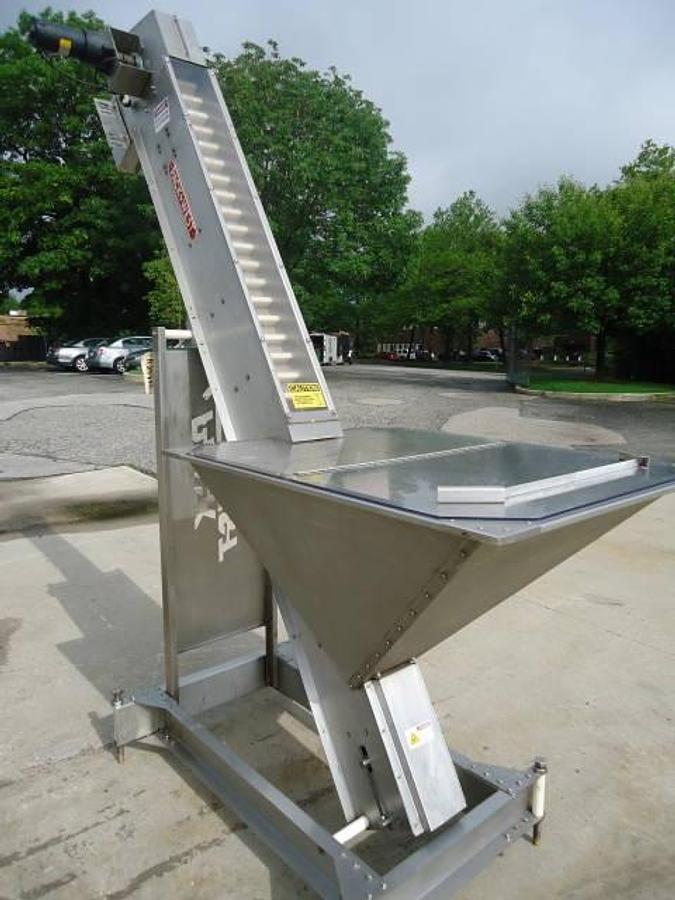
Cap feeders and elevators are often overlooked relative to the capper itself, but they are a critical part of any capping line. A cap feeder sorts and orients caps from a bulk hopper and delivers them consistently to the capper at the rate needed to keep up with production speed. On a used unit, buyers should examine the bowl and track surfaces for wear, check the vibratory drive mechanism for consistent operation, and confirm that the feeder is configured for the cap size and style they intend to run. Mismatched tooling or worn tracks can cause jams and misfeeds that slow down the entire line.
The elevator component moves caps from the feeder up to the discharge point where they enter the capping machine. On the Pack West cap feeder and elevator models available on the used market, the discharge height can reach 96 inches, which is designed to feed elevated capping heads on taller filling lines. Buyers should verify that the discharge height matches their line configuration and check the elevator belt or conveying mechanism for wear. Stainless steel construction, where present, is a positive indicator of suitability for food-grade environments, but buyers should still inspect welds and surfaces carefully during the inspection process.
How does buying used Pack West machinery compare to buying new packaging equipment?
The primary advantage of purchasing used packaging machinery is cost. A used Pack West capper or bagging system can be acquired for a fraction of what equivalent capacity would cost from a manufacturer, which matters significantly for smaller operations or facilities adding a secondary line without a large capital budget. The trade-off is that used machines come without manufacturer support in the traditional sense, and their condition reflects however they were operated and maintained at their previous facility. Buyers take on more due diligence responsibility in exchange for the lower price.
Lead time is another practical advantage of the used market. Packaging equipment ordered through a manufacturer can carry lead times of several months, particularly for customized configurations. A used machine that is already in a dealer's inventory can often ship within days or weeks of purchase, which is a meaningful advantage for operations facing an urgent capacity need. The key to making a used equipment purchase work well is selecting a dealer who specializes in packaging machinery, conducting a thorough inspection before buying, and confirming parts availability with the manufacturer for the specific model under consideration.