Category
Manufacturer
Model
Osgood
Osgood is a leader in the production of packaging machinery for the food and pharmaceutical sectors. Their machines, including filling and sealing equipment, are designed for high efficiency and reliability in demanding production environments.
FAQ:
What types of packaging machinery does Osgood manufacture?
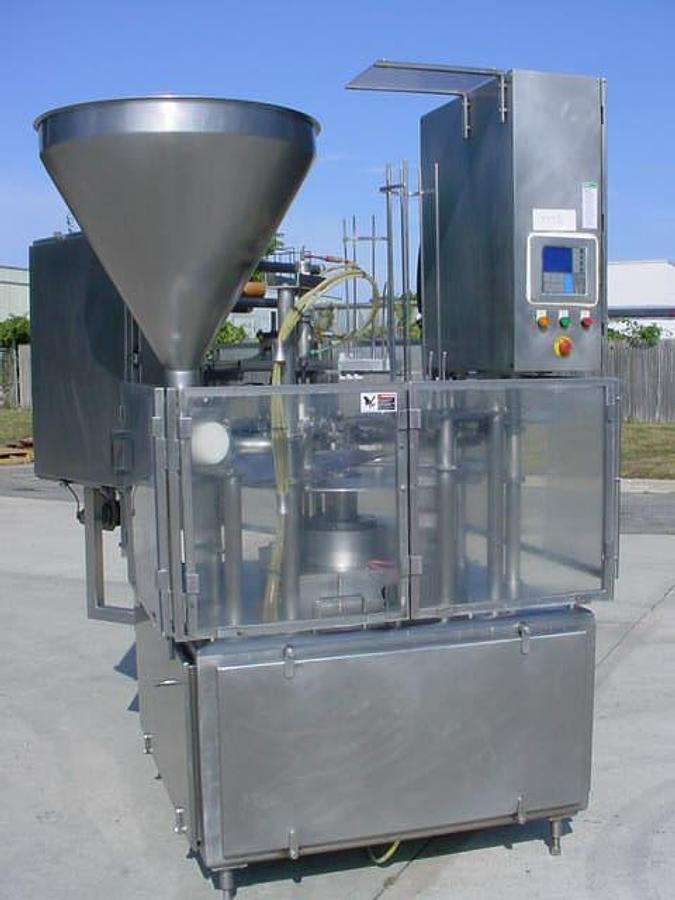
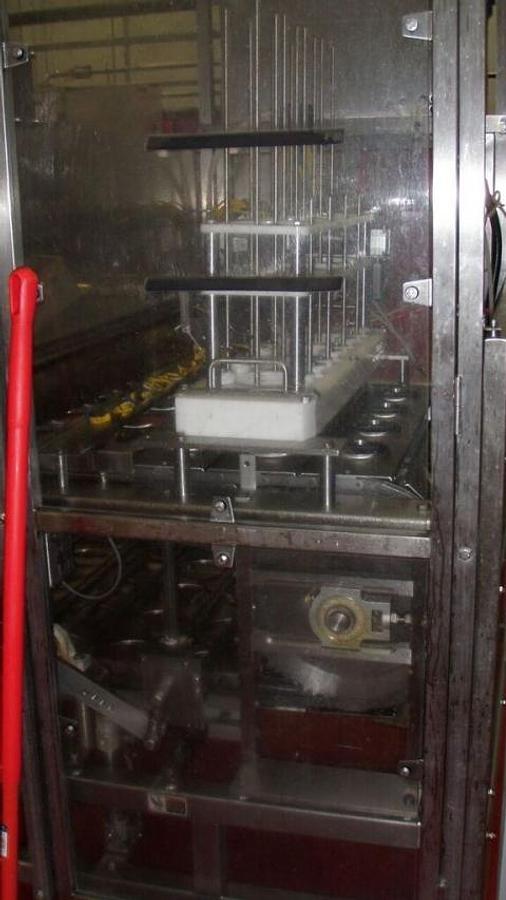
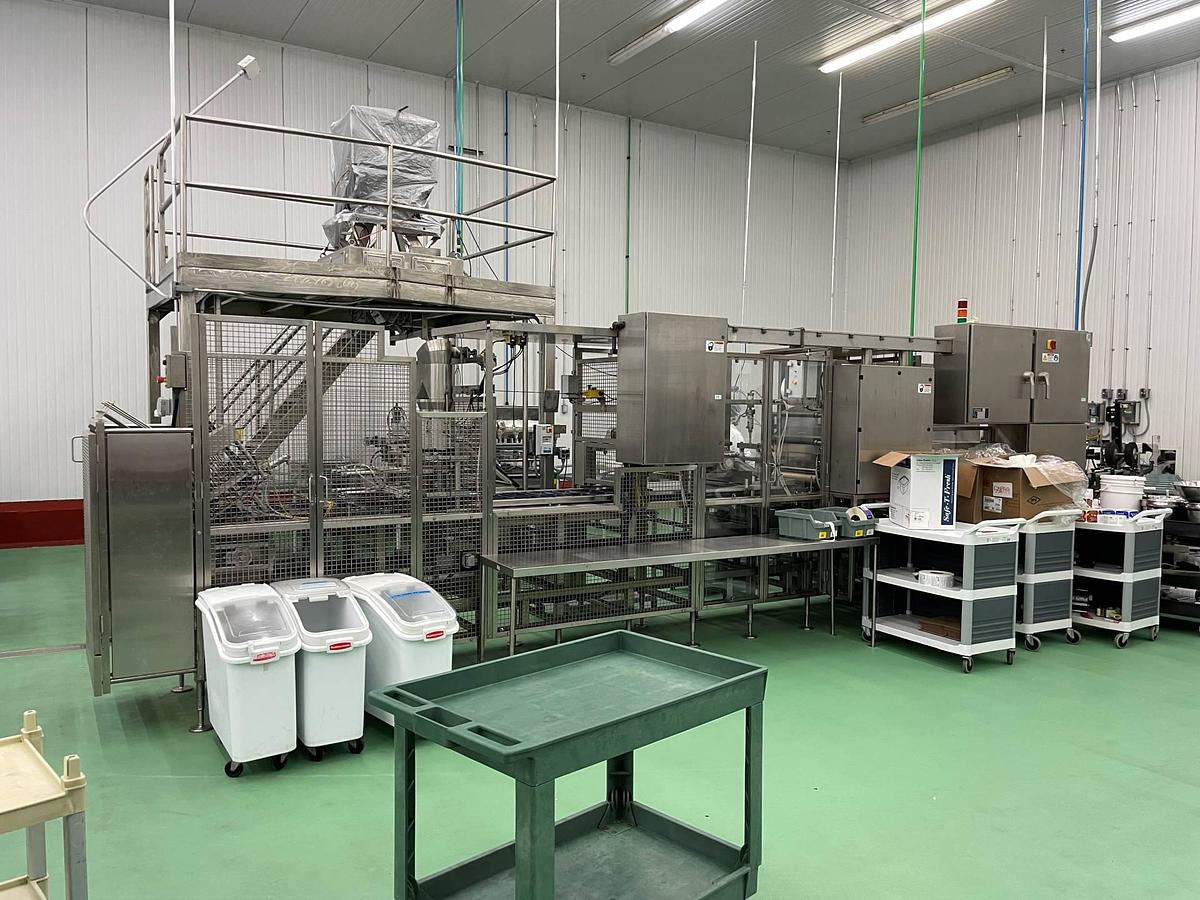
Osgood specializes in filling and sealing equipment designed primarily for cup-style packaging in food and pharmaceutical production environments. Their lineup includes rotary cup fillers and sealers, inline filling systems, dual-lane tray and cup filling machines, and multi-lane configurations capable of handling high-volume output. Many models also incorporate automatic cup denesting, foil lidding, and gas flush capabilities, making them well suited for modified atmosphere packaging applications.
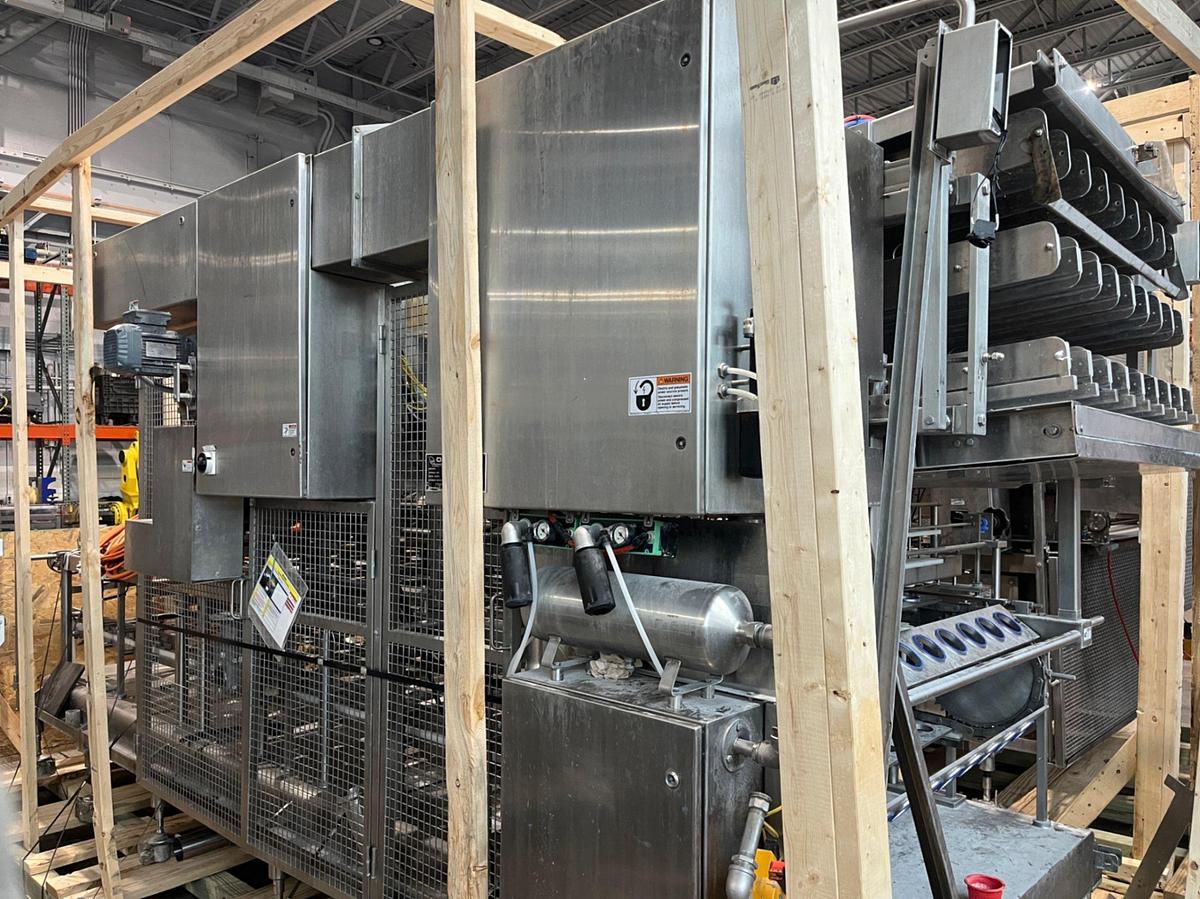
The machines are built with sanitary stainless steel construction throughout, which is a key requirement in dairy and food-service environments. Specific configurations like the 6-lane Ultraclean yogurt cup filler, capable of 360 cups per minute, illustrate the kind of high-throughput production Osgood equipment is engineered to support. Tooling options vary by model, with some systems accommodating multiple cup diameters, such as 3.5-inch and 4.5-inch diameter tooling, giving processors flexibility across different container sizes.
What industries use Osgood filling and sealing equipment?
Osgood machines are most heavily used in dairy and food-service processing, where cup-style packaging is the dominant format. Products like yogurt, cottage cheese, sour cream, dips, puddings, and similar semi-viscous to viscous foods are a natural fit for Osgood filling systems because the machines are specifically engineered to handle those product viscosities accurately and at high speeds. Beyond dairy, Osgood equipment is also used in pharmaceutical packaging applications where precision filling and sealed containment are critical.
The food processing sector accounts for the bulk of demand for used Osgood machinery, particularly among producers who need proven, high-capacity equipment without the lead times and capital costs associated with sourcing comparable machinery elsewhere. Because Osgood machines are built for demanding production environments, they tend to hold up well over long service lives, which is one reason they remain in active use across a wide range of food manufacturing facilities even years after initial installation.
What container formats are compatible with Osgood filling equipment?
Osgood filling and sealing machines are designed primarily around cup and tray formats, which are standard in dairy and deli-style food packaging. The equipment handles round cups in a range of diameters, and many models are built to accommodate multiple tooling sizes so processors can run different container dimensions on the same machine. Foil-sealed lids and snap-on lids are both common closure types supported across the Osgood product range.
Gas flush capability is available on certain models, which broadens compatibility to include modified atmosphere packaging for products requiring extended shelf life. Tray formats are also supported on dual-lane configurations. Buyers sourcing used Osgood equipment should confirm the specific tooling included with a machine, since tooling is often model-specific and may need to be sourced separately if the required cup diameter is not part of the existing setup. Consulting the machine's specifications and, where possible, the manufacturer's documentation will help clarify which container formats a particular unit can run.
How long do Osgood filling machines typically last?
Osgood machines have a well-documented reputation for durability. Units manufactured in the 1990s and early 2000s are still found operating in active production facilities when they have been properly maintained, which points to a service life that can extend well beyond 20 years under the right conditions. The sanitary stainless steel construction resists corrosion in wet washdown environments, and the mechanical simplicity of rotary and inline filling systems contributes to their longevity compared to more complex automation platforms.
The actual lifespan of any individual machine depends heavily on how it was operated, how consistently it was serviced, and whether wear parts like seals, nozzles, and drive components were replaced on schedule. A machine that ran single-shift dairy production and received regular preventive maintenance will typically be in far better condition than one that ran three shifts with deferred maintenance. When evaluating used Osgood equipment, asking about production hours, maintenance records, and the conditions under which the machine was last operated gives buyers a much clearer picture of remaining service life than age alone.
What should I look for when evaluating a used Osgood machine before buying?
Condition assessment on used Osgood equipment should cover both mechanical and sanitary components. Key areas to inspect include the filling heads and nozzles for wear or damage, the sealing station for consistent lid application, the cup denesting mechanism for proper feed reliability, and the drive systems for signs of excessive wear. Stainless steel frames and product contact surfaces should be checked for corrosion, dents, or evidence of improper repairs. Any available maintenance records or production logs are worth requesting, as they provide context for how hard the machine was run and what service work has been done.
Reputable used equipment dealers typically offer in-person inspections, virtual walkthroughs, or detailed video captures of machines so buyers can assess condition before committing. Some machines may still be installed at a production facility where an inspection can be arranged at the actual plant, giving buyers the chance to see the equipment in or near its working environment. Keep in mind that most dealers are not set up to run full production trials, since operating a food filling line requires permitting and product handling infrastructure that a typical equipment dealer does not have. For older models, it is also worth contacting Osgood directly to understand what level of technical support and parts availability can be expected for that specific machine's age and configuration.
How is used Osgood packaging machinery typically priced?
Pricing for used Osgood filling and sealing equipment varies considerably based on machine configuration, lane count, output capacity, age, and overall condition. Entry-level or older single or dual-lane units in average condition tend to be priced lower, while high-lane-count systems like 6-lane Ultraclean fillers with high output rates command significantly more because of their throughput capacity and the cost of equivalent machinery elsewhere in the market. Specialized features like gas flush capability or pharmaceutical-grade construction also push prices higher.
Buyers should factor in more than just the purchase price. Shipping costs for large filling and sealing machines can be substantial, particularly when heavy-duty rigging is required for loading and unloading. Crating or palletization to protect the machine in transit adds to the total landed cost as well. Tooling availability is another cost consideration, since running a different cup size may require purchasing additional tooling separately. Getting a clear picture of all these costs upfront helps avoid surprises and makes it easier to compare the total investment against sourcing alternative equipment.
What is the process for buying used Osgood equipment from a dealer?
The typical purchase process starts with identifying a machine that matches your production requirements in terms of lane count, output rate, container format, and product type. Once a candidate machine is identified, buyers should request detailed specifications, photos, and if possible an inspection, either in person, via video call, or through video footage of the machine. This step is critical with used equipment because condition varies widely and a thorough inspection is the buyer's primary tool for assessing what they are getting.
Most used equipment dealers require full payment prior to shipping, with payment terms occasionally extended to repeat customers on a case-by-case basis. After payment is confirmed, the dealer arranges packaging and shipping, which may involve palletization, crating, and rigging depending on machine size and weight. Buyers should request a full breakdown of packaging, rigging, and freight costs before finalizing the purchase so the complete landed cost is understood. Lead times from payment to delivery depend on the dealer's location, the destination, and the freight carrier used, so it is worth discussing expected timelines upfront.
Are spare parts and technical support available for older Osgood machines?
Parts availability and technical support for used Osgood equipment depends significantly on the age and model of the machine. For relatively recent models, Osgood and authorized service providers are generally able to supply replacement parts and offer technical guidance. For older units, particularly those manufactured in the 1990s, parts availability may be more limited, and some components may need to be fabricated or sourced from third-party suppliers who specialize in legacy packaging equipment.
Before purchasing a used Osgood machine, it is worth reaching out to the manufacturer directly to ask about support for that specific model. They can advise on parts availability, whether documentation like electrical schematics and mechanical drawings is still on file, and what level of field service support is realistic for that machine's age. This due diligence step can save significant headaches later, especially for buyers who plan to integrate the machine into a production line where downtime is costly. A dealer who specializes in food and pharmaceutical packaging equipment may also be able to point buyers toward reliable sources for common wear parts.
How does used Osgood equipment compare to buying comparable machinery from other manufacturers?
Osgood machines occupy a specific niche in the cup-filling equipment market, particularly for dairy and deli-style products with semi-viscous to viscous characteristics. Not all filling equipment handles those product types equally well, and Osgood's reputation in that segment is long-established. Buyers who need proven performance with yogurt, cottage cheese, sour cream, or similar products often find that used Osgood machines offer a more direct fit than repurposing a general-purpose filler that was not designed with those viscosities in mind.
From a cost standpoint, sourcing used Osgood equipment is typically far less expensive than purchasing comparable machinery from other channels, though buyers take on more responsibility for assessing condition and managing any refurbishment needed. The key trade-off is that used equipment comes without the support structure that accompanies a purchase from a manufacturer, so buyers need to do more homework on condition, parts availability, and integration requirements. For operations that have in-house maintenance capability and a clear understanding of what they need, a well-maintained used Osgood machine can represent strong value relative to other options in the cup-filling equipment market.
What questions should I ask a dealer before purchasing used Osgood packaging equipment?
Before committing to a purchase, buyers should ask the dealer for a complete set of machine specifications, including lane count, output rate, cup diameter compatibility, and any tooling included with the sale. It is also important to ask about the machine's history: how long it was in service, what type of product it ran, whether maintenance records are available, and why it was taken out of production. A dealer with deep experience in food and pharmaceutical packaging equipment will typically be able to provide meaningful context around these questions rather than just passing along whatever paperwork exists.
On the logistics side, buyers should request a full breakdown of packaging, crating, rigging, and freight costs so the total landed price is clear before any agreements are made. Ask whether an inspection is available, in person, via live video call, or through recorded video footage, and whether the machine can be seen in its current installed state. For older models, asking the dealer about known wear items or any repairs that have been made is worthwhile. Finally, clarifying payment terms and expected lead time from payment to delivery helps set realistic expectations for production planning.