Category
Manufacturer
Model
Omega
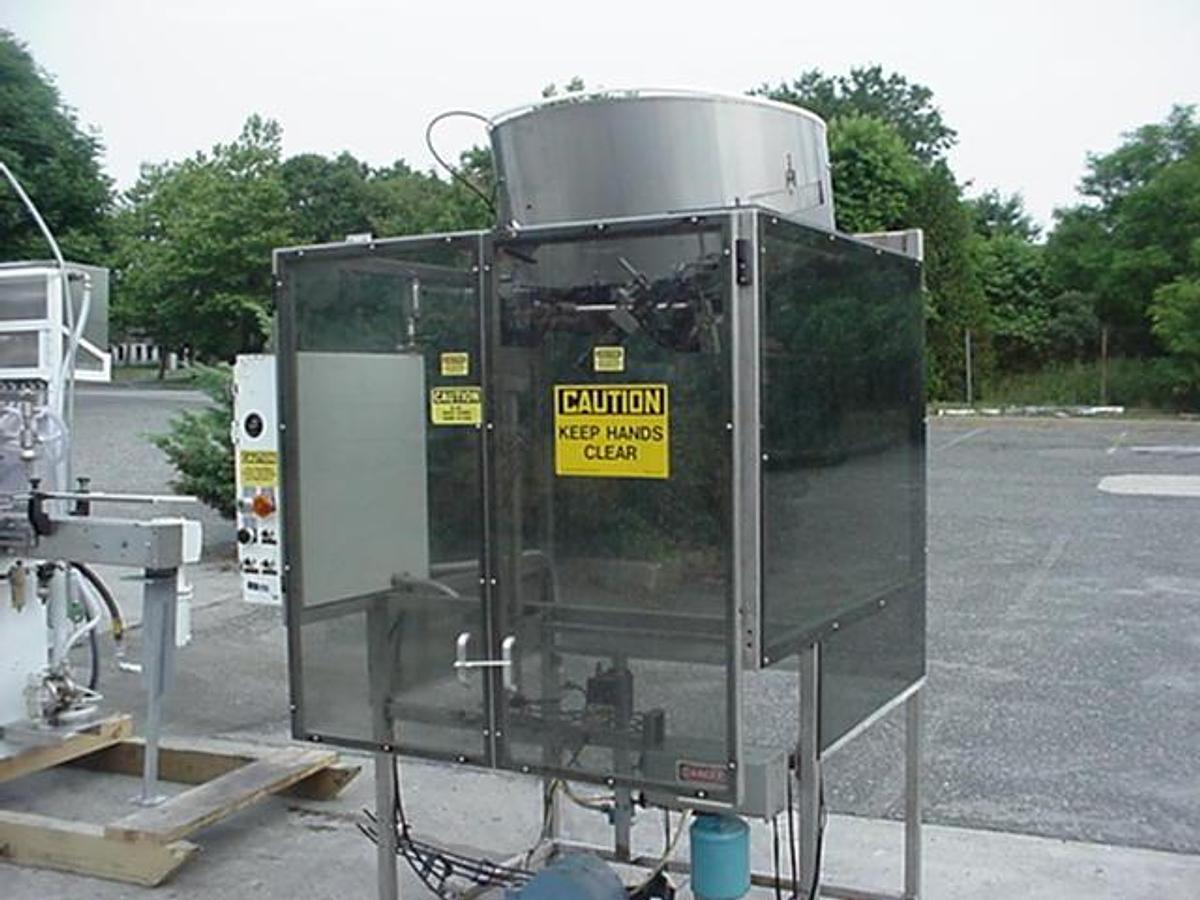
Omega specializes in manufacturing equipment for the dairy and food processing industries. They are particularly known for their high-quality homogenizers and pasteurizers, which are essential for ensuring product safety and extending shelf life.
FAQ:
What types of used Omega food processing equipment are typically available on the market?
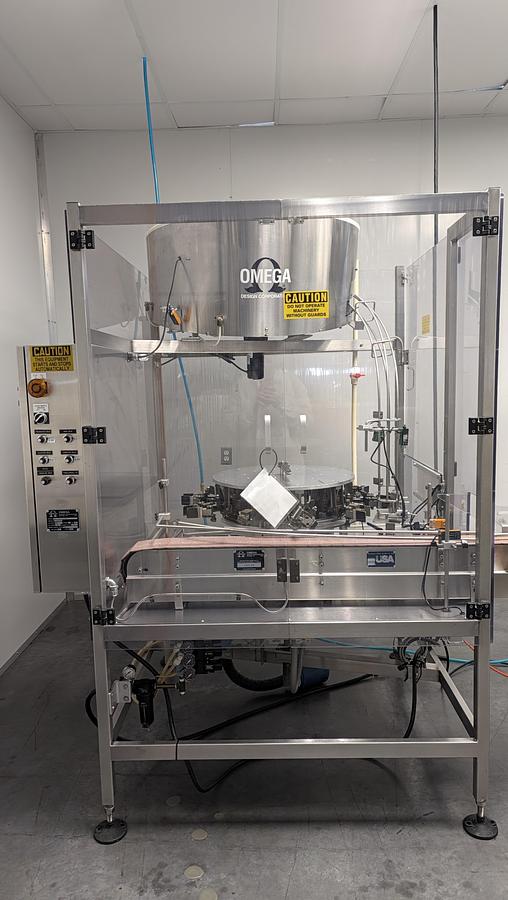
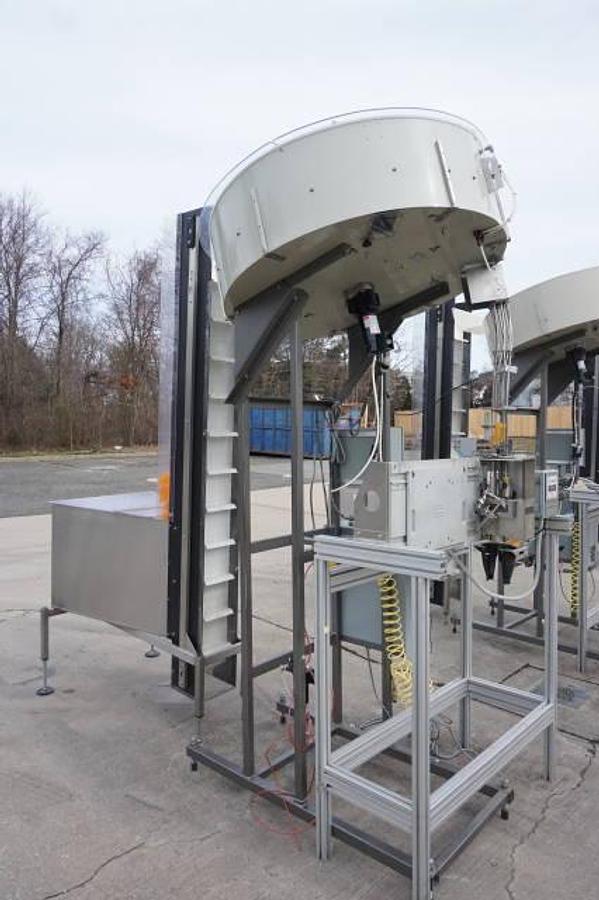
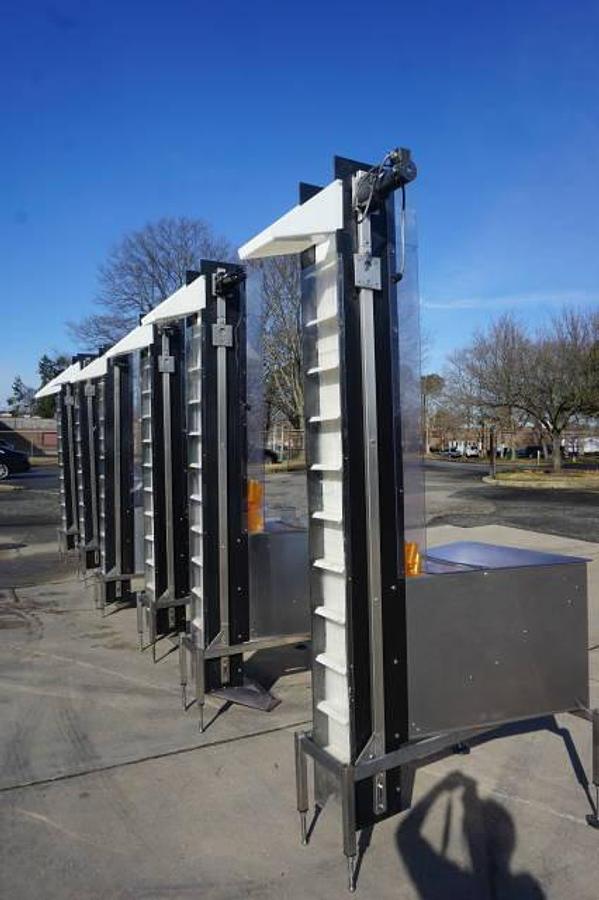
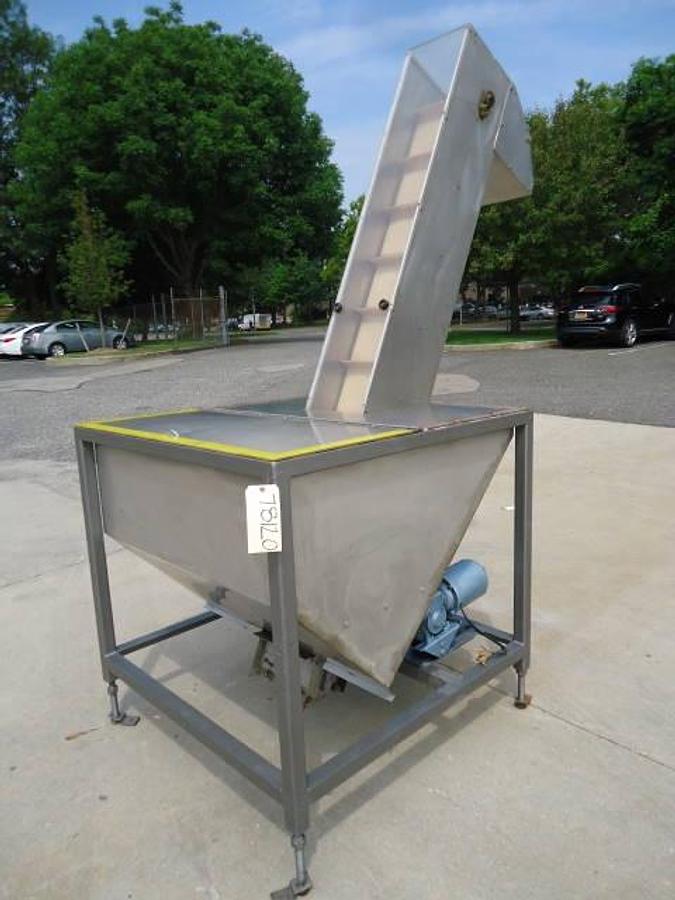
Omega produces equipment across a fairly wide range of food and dairy processing applications. On the commercial side, the brand is well known for homogenizers and pasteurizers used in dairy processing, both of which are critical for product safety and extending shelf life. Omega also manufactures conveying and feeding equipment, including bottle and cap elevators, plastic bottle unscramblers, inclined cleated belt feeders, and related handling machinery that supports packaging lines in food and beverage facilities.
On the used market specifically, buyers will also find Omega masticating juicers and food processors that see heavy demand from juice bars, small restaurants, and health-focused food businesses. Popular models like the NC900HDC, J8006, VSJ843, and the commercial-grade CNC80S appear regularly in the secondary market. These machines are sought after because of their build quality and the relatively long service lives they are known for, making used units an attractive option for operations looking to reduce startup equipment costs without sacrificing performance.
How do I verify the condition and functionality of used Omega equipment before buying?
Inspecting used food processing equipment carefully before purchase is one of the most important steps a buyer can take. Reputable used equipment dealers will typically accommodate in-person inspections at their facility, or offer virtual inspections via video call or pre-recorded video walkthroughs of the machine. For equipment that is still in production at a seller's facility, it may be possible to arrange an inspection at the actual plant where the machine is operating. Keep in mind that most dealers do not have the permits or production setup required to run actual product through a machine during a demo, so functional testing is generally limited to observing the machine run under no-load or light conditions.
For Omega equipment specifically, key inspection points include listening for unusual motor noise or vibration, checking the auger for cracks or warping, examining the screen mesh for tears or deformation, and looking at the condition of seals, gaskets, and the overall housing. On larger commercial units like pasteurizers or homogenizers, ask the dealer about the operational history, how recently the machine was last run, and whether any components have been replaced. Getting a thorough visual and mechanical inspection, whether in person or through detailed video, gives buyers the clearest picture of what they are actually purchasing.
Does used Omega food processing equipment come with a warranty?
Warranties on used food processing equipment work quite differently from what buyers might expect with a purchase directly from a manufacturer. Manufacturers typically only extend warranty coverage on equipment sold through their authorized channels. Used equipment dealers generally sell machinery on an as-is basis, meaning the condition of the machine at the time of sale is what the buyer is acquiring, with no guarantee of future performance.
Because of this, the burden of due diligence falls squarely on the buyer before the transaction is finalized. This is why choosing a reputable dealer with a long track record in the food processing equipment space matters so much. It is also worth contacting Omega directly to understand what level of service and parts support is available for the specific model and age of machine you are considering, since older or discontinued models may have more limited manufacturer support than current production units.
What is the average lifespan of Omega food processing equipment, and how many years of use can I expect from a used unit?
Omega has a strong reputation for building durable equipment, particularly in their masticating juicer and food processor lines. Motors on well-maintained Omega juicers are known to last well beyond 15 years in many cases, which is one of the main reasons these machines hold their value and remain desirable on the secondary market. Commercial units like the CNC80S are built to handle the demands of juice bar and restaurant environments, and with proper maintenance they can deliver many years of reliable service even after a previous owner has put significant hours on them.
For industrial equipment like Omega homogenizers and pasteurizers, lifespan depends heavily on how well the machine was maintained, the intensity of prior use, and whether wear components were replaced on schedule. A used unit that was properly serviced throughout its first life can still have substantial productive years remaining. When evaluating a used Omega machine, asking the seller about maintenance history, prior application, and hours of operation gives a much clearer picture of remaining useful life than age alone.
Are replacement parts still available for older Omega food processing models?
Parts availability is one of the more practical concerns when buying used food processing equipment, and Omega generally fares well in this area compared to some other brands. For popular juicer and food processor models, components like augers, screens, juice bowls, end caps, and gaskets are available through multiple channels, including third-party suppliers and Omega's own parts network. This broad availability makes it easier to keep older units running without being dependent on a single source.
For commercial and industrial Omega equipment, parts availability can vary more depending on the specific model and how long ago it was manufactured. Before purchasing a used Omega machine, it is a good practice to contact the manufacturer directly and confirm what parts are stocked or can be ordered for that particular model. This is especially relevant for wear items that will need periodic replacement, such as seals, screens, and mechanical components that experience regular stress during operation. A machine that is otherwise in good condition but has limited parts availability can become difficult and expensive to maintain over time.
What should buyers know about shipping and logistics for used Omega food processing equipment?
Shipping used food processing equipment involves more planning than a typical freight shipment, and costs can vary significantly based on the size and weight of the machine. Smaller Omega units like countertop juicers or feeders may require only standard palletization, while larger industrial equipment such as homogenizers, pasteurizers, or conveyor systems will likely need heavier-duty crating and professional rigging for safe loading and unloading. Rigging costs are typically separate from freight charges and should be factored into the total landed cost of the equipment.
Buyers should ask the dealer specifically about how the machine will be packaged, what rigging or loading services are included, and what the estimated freight cost will be to their location. Getting a clear picture of all the costs involved before agreeing to a purchase prevents surprises after the transaction is complete. For large or heavy equipment, it is also worth confirming that the receiving facility has the appropriate unloading equipment, such as a forklift or loading dock, to accept the shipment safely.
What are the most sought-after Omega models on the used equipment market?
Among Omega's juicer and food processor lines, a handful of models consistently draw strong interest from used equipment buyers. The NC900HDC, J8006, and VSJ843 are frequently cited as top picks because of their build quality, ease of maintenance, and the wide availability of replacement parts. The commercial-grade CNC80S is particularly popular with juice bars and small restaurants that want professional-level output without paying the price of a machine that has never been used before.
On the industrial side, Omega homogenizers and pasteurizers attract buyers in dairy processing and food production who need proven, reliable machinery at a lower acquisition cost. Omega's bottle handling and conveying equipment, including unscramblers and inclined belt feeders, also appears on the used market and is relevant for food and beverage packaging operations. The specific models worth prioritizing depend heavily on the buyer's application, so it helps to work with a dealer who specializes in food processing equipment and can match the right machine to the intended use.
How do I properly clean and sanitize used Omega food processing equipment before putting it into service?
Before using any piece of used food processing equipment in a production environment, a thorough cleaning and sanitation process is essential. For Omega juicers and food processors, this typically means fully disassembling the machine, removing all contact parts such as the auger, screens, juice bowl, and end caps, and washing them with food-safe detergent followed by a sanitizing rinse. Checking the condition of gaskets and seals during this process is also important, since worn or cracked seals can harbor bacteria and may need to be replaced before the machine is considered food-safe.
For larger commercial or industrial Omega equipment, cleaning protocols will depend on the specific machine type and the regulatory requirements of the facility where it will be used. Food processing operations are subject to sanitation standards set by agencies like the FDA and USDA, and equipment brought into a regulated facility needs to meet those standards before it enters service. Consulting with a food safety professional or equipment service technician before first use is a reasonable step, particularly for machines that will be used in licensed food production environments. Documenting the cleaning and inspection process also supports compliance if the facility is subject to audits.
Why do food businesses choose used Omega equipment over purchasing from other brands?
Omega has built a reputation over decades for producing food processing equipment that holds up well under consistent use. For businesses evaluating used equipment, a brand with strong build quality and good parts availability reduces the risk that comes with buying machinery that has already seen prior service. The combination of durable construction and a broad installed base means that technicians familiar with Omega equipment are not hard to find, and sourcing components for repairs is generally straightforward compared to more obscure brands.
Cost is also a significant factor. Acquiring a used Omega homogenizer, pasteurizer, or commercial juicer at a fraction of the cost of a comparable unit allows food businesses to allocate capital elsewhere, which matters especially for startups and small operations. For juice bars, dairy processors, and food manufacturers working within tight budgets, a well-maintained used Omega machine can deliver the same functional output as a newer unit at a substantially lower entry price. The key is buying from a dealer with demonstrated experience in the food processing equipment space who can provide an honest assessment of the machine's condition.
What payment terms should buyers expect when purchasing used food processing equipment?
Payment practices in the used equipment industry are fairly consistent across most dealers. The standard expectation is full payment before the machine is released for shipping. This applies to the large majority of transactions, particularly for buyers who are purchasing from a dealer for the first time. Some dealers will extend payment terms to established customers with whom they have an ongoing relationship, but this is not the norm for first-time buyers and should not be assumed without a direct conversation with the seller.
Buyers should clarify payment terms early in the process, along with any other financial details such as deposit requirements or accepted payment methods. It is also worth confirming the total cost of the transaction before committing, including the equipment price, any applicable taxes, packaging and crating fees, rigging charges, and freight to the destination. Understanding the full landed cost upfront avoids misunderstandings and allows for an accurate comparison between multiple machines or sellers.