Category
Manufacturer
Model
Oden
Oden specializes in precision machining and manufacturing equipment, primarily serving the aerospace and automotive industries. Their machines are recognized for their high accuracy and reliability, making them essential for complex manufacturing processes. Oden’s commitment to quality ensures that their products meet stringent industry standards.
FAQ:
What types of products can Oden filling machines handle?
Oden filling machines are designed to handle a wide range of liquid and semi-liquid products, making them a popular choice across food, beverage, cosmetic, pharmaceutical, and industrial manufacturing sectors. Depending on the specific model and pump configuration, these machines can fill thin, free-flowing liquids like water, juice, and cleaning solutions, as well as thicker, more viscous products like sauces, gels, lotions, and pastes. The positive displacement pump style found on several Oden models is particularly well-suited for products that require precise metering regardless of viscosity changes.
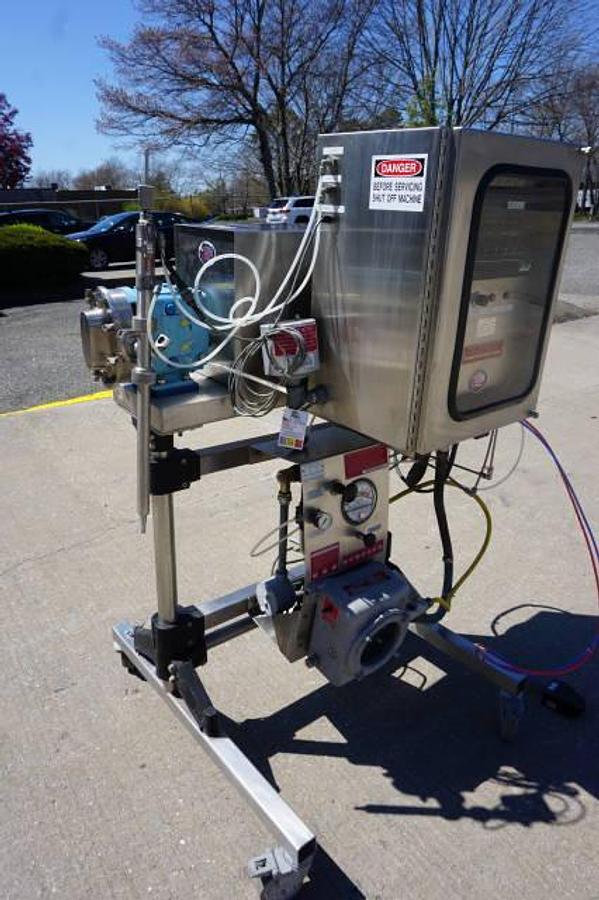
Some Oden models, such as the PF-5K with a hazardous duty enclosure system, are built to handle products that present flammability or chemical exposure risks, expanding the range of industrial applications these machines can serve. Buyers looking at used Oden equipment should pay close attention to the pump style and materials of construction for each specific machine, as these factors directly determine which product types a given unit can safely and accurately fill. Consulting with the selling dealer about the machine's production history can also give useful insight into what products it was previously used for.
What is the typical fill volume range for Oden filling machines?
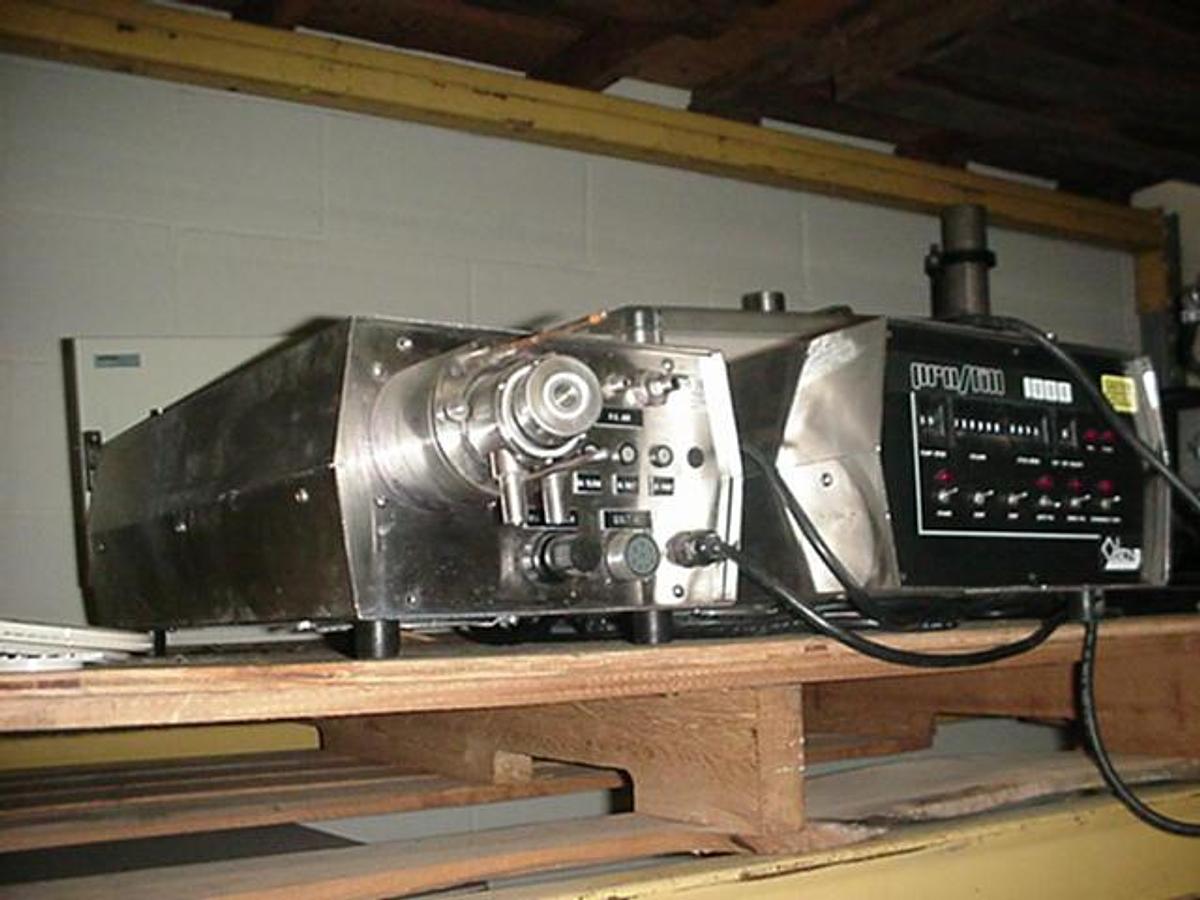
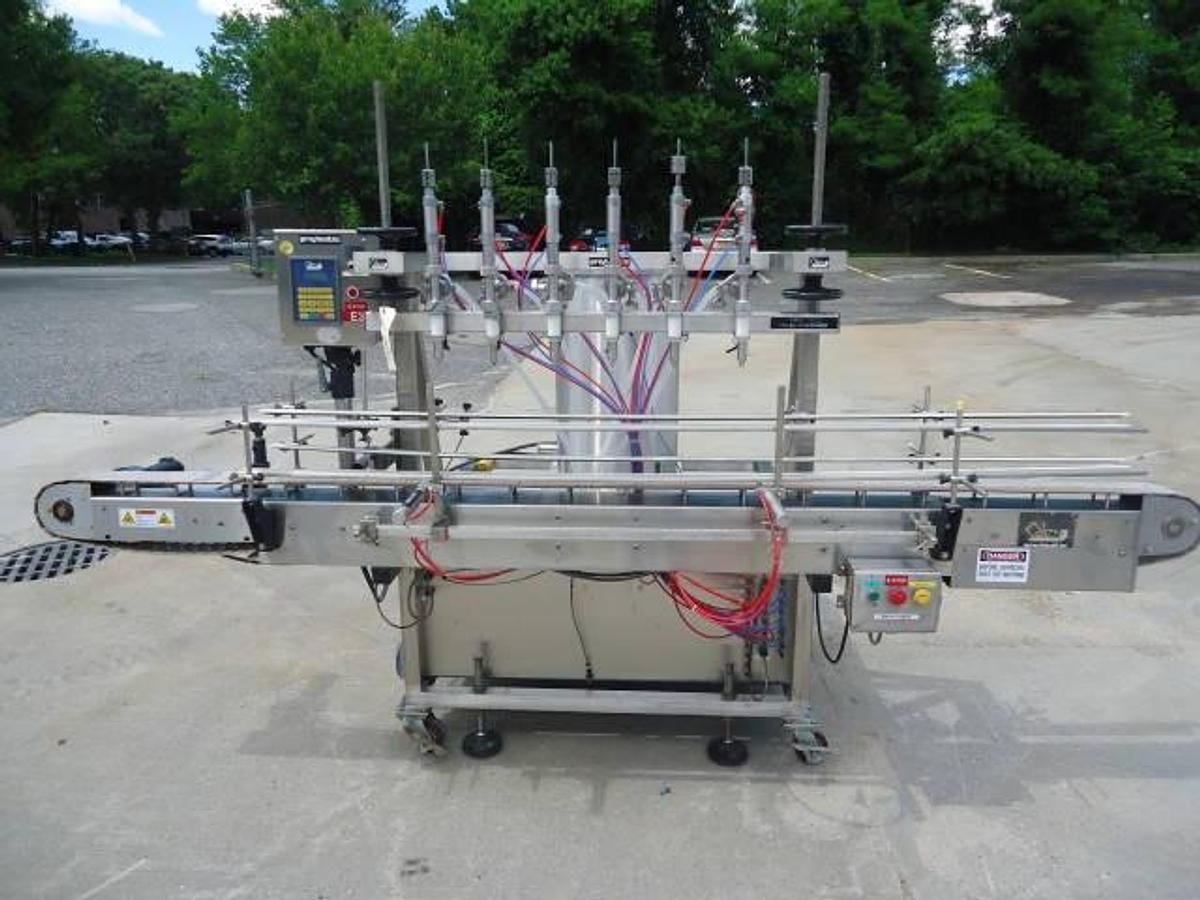
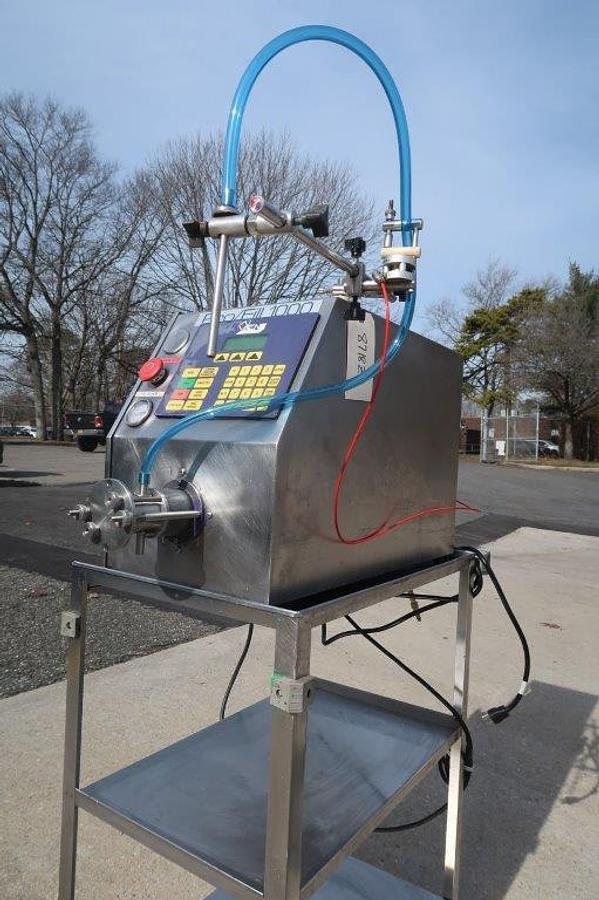
Oden filling machines cover a broad spectrum of fill volumes, from small tabletop units suited to low-volume or laboratory-scale production all the way up to high-capacity automatic fillers designed for continuous production lines. Entry-level models like the ProFill 1000 tabletop filler are typically configured for smaller container sizes and lower throughput, while multi-head systems like the Pro/Matic Six Head Automatic Filler are built for higher-volume operations where speed and consistency across multiple fill heads are critical.
Fill volume range will vary by model and can often be adjusted within a set range by changing settings or tooling on the machine. Many Oden pump-style fillers achieve fill tolerances of plus or minus 0.5% or better, which is a meaningful advantage in production environments where product giveaway adds up quickly. When evaluating a used Oden filler, buyers should confirm the adjustable fill range with the dealer and, where possible, request documentation or video of the machine operating to verify that fill accuracy is still within acceptable limits for their application.
What industries commonly use Oden filling machines?
Oden filling machines are used across a diverse set of industries wherever accurate, repeatable liquid or paste filling is required. Food and beverage producers rely on them for products like sauces, dressings, oils, and beverages. Cosmetic and personal care manufacturers use them for lotions, shampoos, serums, and creams. Pharmaceutical and nutraceutical companies value the precision and sanitary construction for filling supplements, topical products, and related items. Industrial and chemical manufacturers also use Oden equipment, and specific models like the PF-5K with hazardous duty enclosures are designed with those environments in mind.
The stainless steel construction found on many Oden models, including the Pro/Matic Six Head Automatic Filler, supports sanitary production requirements and makes cleaning between product runs more manageable. This cross-industry versatility is one reason used Oden machines retain strong demand in the secondary equipment market. Buyers from any of these sectors should verify that the specific used machine they are considering has the appropriate materials, pump type, and configuration for their product and regulatory environment.
What is the difference between Oden's semi-automatic and fully automatic filling machines?
Semi-automatic Oden filling machines typically require an operator to position each container under the fill head and initiate each fill cycle, either with a foot switch or a manual trigger. These models, such as the ProFill 1000 series, are well-suited for smaller production runs, startups, or operations where product changeovers happen frequently and flexibility is more important than raw throughput. They generally have a lower equipment cost and a smaller footprint, making them practical for businesses that are scaling up gradually.
Fully automatic Oden fillers, like the Pro/Matic Six Head Automatic Filler, are designed to integrate into a production line where containers are conveyed through the machine without manual intervention at each cycle. These systems can handle significantly higher output rates and are better suited for established manufacturers with consistent, high-volume production demands. When buying a used automatic filler, buyers should factor in the complexity of the machine and ask the dealer about the condition of the conveyor, indexing, and control systems, as these components are critical to reliable automated operation and may require additional evaluation.
How accurate are Oden filling machines, and why does fill accuracy matter?
Fill accuracy is one of the most frequently cited strengths of Oden filling equipment. Many models in the Oden lineup are engineered to achieve fill tolerances of plus or minus 0.5% or better under proper operating conditions. For manufacturers, this level of precision directly reduces product giveaway, which is the excess product dispensed above the labeled fill weight or volume. In high-volume production, even small overfills per container add up to significant raw material costs over time, so tight fill tolerances have a measurable impact on profitability.
For used machines, fill accuracy can be affected by wear on pump components, seals, and valves over the course of the machine's service life. Buyers should ask dealers whether the machine has been tested or serviced recently, and request a video inspection that shows the machine cycling through fills if an in-person visit is not possible. It is also worth consulting the manufacturer about the availability of replacement pump components for the specific model being considered, since restoring fill accuracy on a worn machine may depend on sourcing those parts.
What should buyers look for when inspecting a used Oden filling machine?
A thorough inspection is the most important step in buying any used filling machine. For Oden equipment specifically, buyers should pay close attention to the condition of the pump assembly, fill heads, seals, and valves, since these are the components most subject to wear and most directly responsible for fill accuracy and leak-free operation. Stainless steel surfaces should be checked for pitting, corrosion, or damage that could compromise sanitary standards. The electrical controls and any pneumatic or servo drive systems should also be evaluated, particularly on more complex models like the Servo Fill or the GEN-3 Pro/Fill 3000 Dual Head.
Reputable used equipment dealers will typically accommodate in-person inspections or provide video walkthroughs and operational footage of the machine. Some machines may still be in active production at the facility where they are being sold, which can allow buyers to see the equipment running under real conditions. Keep in mind that most dealers do not have the permitting or setup to run actual product through a machine at their facility, so testing with a specific product formula is generally not possible at the dealer's location. Buyers should ask detailed questions about the machine's production history, what products it was used with, and whether any components have been repaired or replaced.
Are replacement parts and technical support available for used Oden filling machines?
Parts availability and manufacturer support are important considerations for any used filling machine purchase, and the answer varies depending on the age and specific model of the Oden equipment in question. Oden Machinery is a U.S.-based manufacturer, and for many of their models, replacement parts such as pump components, seals, valves, and fill nozzles are available through the manufacturer or authorized suppliers. Buyers should contact Oden directly before purchasing a used machine to confirm what level of parts support and technical documentation is available for that particular model and production era.
Older or discontinued models may have more limited support, which is why consulting with the manufacturer early in the buying process is a practical step. Used equipment dealers specializing in filling and packaging machinery can also be a useful resource, as they sometimes carry common wear parts or can advise on third-party sourcing options. Selecting a dealer with a long track record in the filling and packaging equipment space gives buyers better access to this kind of institutional knowledge, which can make a meaningful difference in keeping a used machine running reliably after purchase.
Can Oden filling machines be integrated with capping, labeling, or conveyor systems?
Many Oden filling machines, particularly the fully automatic multi-head models, are designed with line integration in mind and can be paired with upstream and downstream equipment such as capping machines, labeling systems, and conveyors. The Pro/Matic Six Head Automatic Filler, for example, is built for continuous production line use, and its design anticipates that containers will be fed and discharged via conveyor. Semi-automatic models can also be positioned within a production line, though they typically require more manual handling at the fill station itself.
When buying a used Oden filler for integration into an existing line, buyers should confirm the machine's container handling specifications, conveyor interface dimensions, and control system compatibility with the rest of their equipment. If the used machine is being added to an established line, it may be worth having a packaging line integrator or a knowledgeable equipment dealer review the specifications before purchase to identify any potential compatibility issues. Asking the selling dealer whether the machine was previously used as part of an integrated line can also provide useful context about how it was configured and operated.
How does the pump style affect the performance of an Oden filling machine?
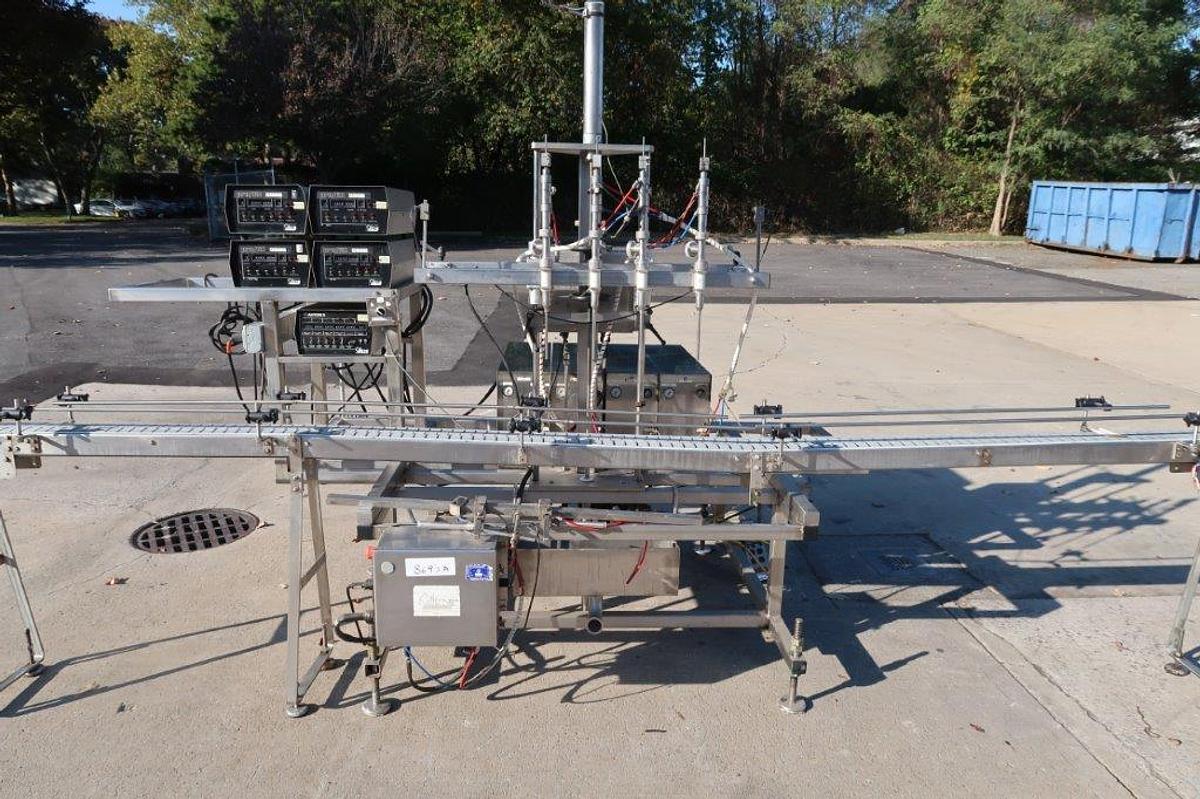
The pump style is one of the most consequential specifications on any Oden filling machine because it determines which products the machine can handle and how consistently it will deliver accurate fills. Positive displacement pump fillers, which appear across multiple Oden models including the Four Head Pump Style Positive Displacement Filler and the GEN-3 Pro/Fill 3000 Dual Head, meter product by displacing a fixed volume per cycle. This makes them well-suited for viscous products like sauces, gels, and creams, and they maintain fill accuracy even as product viscosity changes slightly during a run.
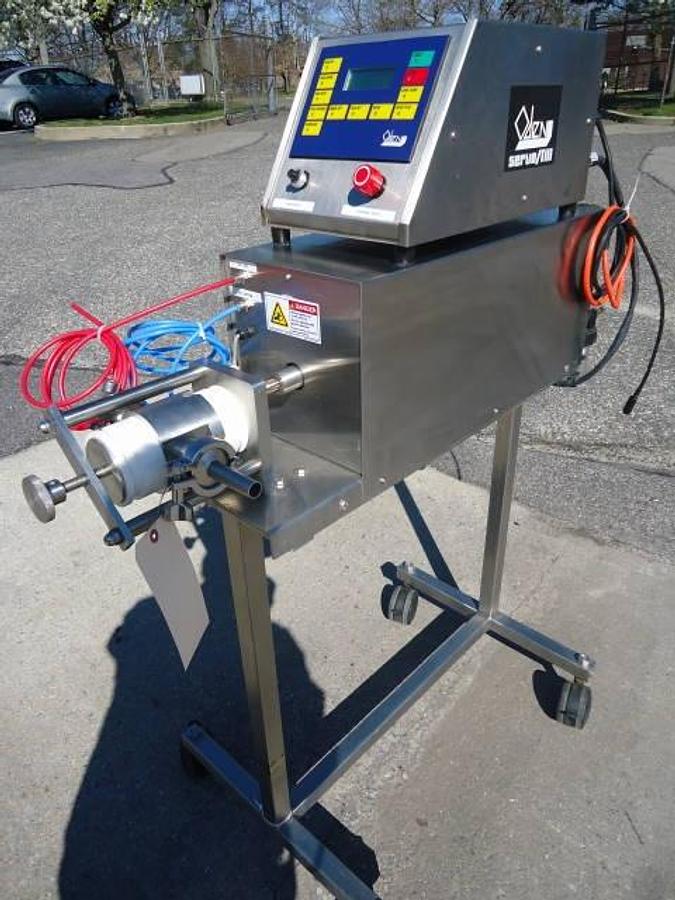
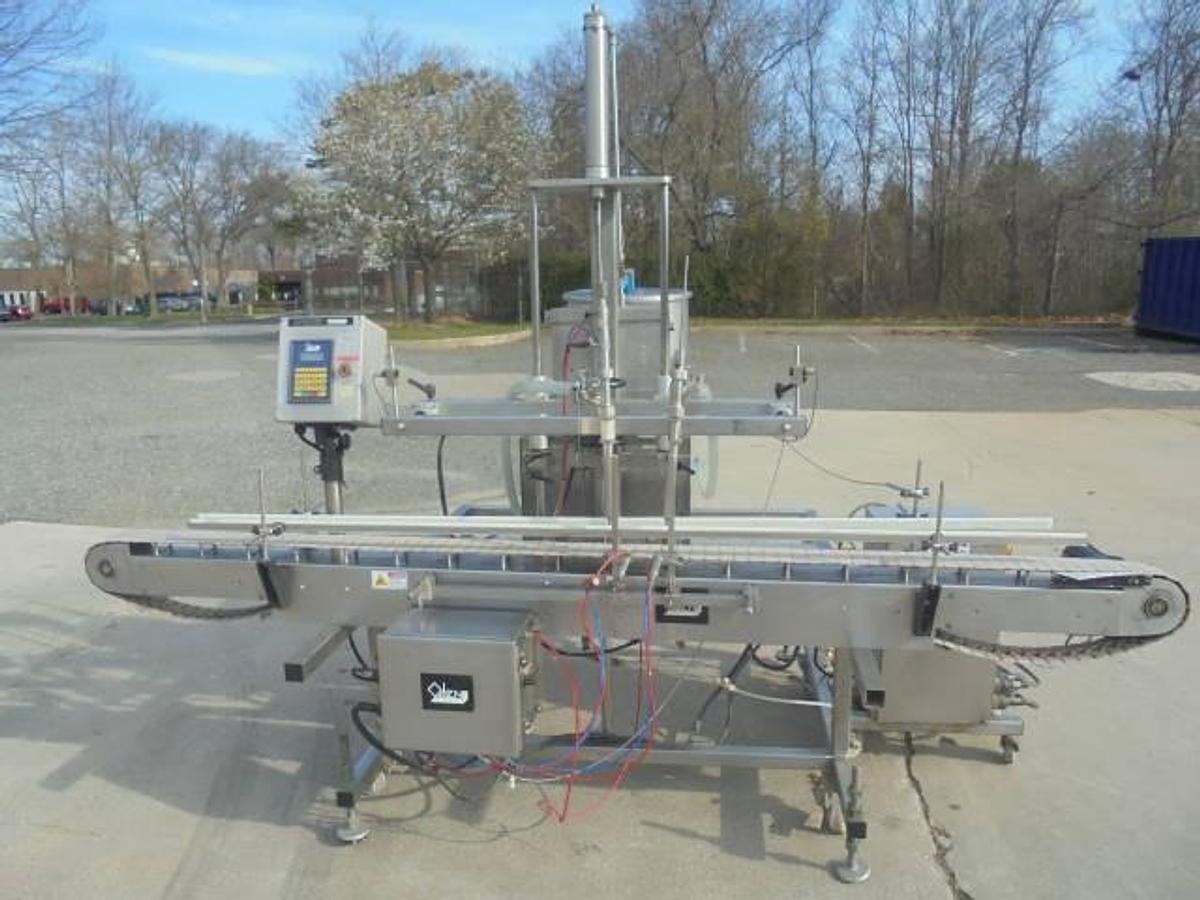
Volumentric pump-style fillers, like the Oden Servo Fill, use servo-driven pump mechanisms to deliver precise, programmable fill volumes with a high degree of repeatability. These systems are often favored in applications where fill parameters need to be changed frequently or where electronic controls and data logging are priorities. When evaluating a used Oden machine, understanding the pump style helps buyers determine whether the machine is a good mechanical match for their product before committing to a purchase, and it also informs what wear components to prioritize during inspection.
What are typical shipping and payment considerations when buying a used Oden filling machine?
Shipping costs for used filling machines can vary considerably based on the size and weight of the equipment, the origin and destination, and the level of packaging or crating required to protect the machine in transit. Smaller tabletop units like the ProFill 1000 Tabletop Filler are relatively straightforward to palletize and ship, while larger multi-head automatic systems may require custom crating and heavy-duty rigging for safe loading and unloading. Buyers should ask the dealer for a detailed breakdown of packaging, rigging, and freight costs before finalizing a purchase so they have a clear picture of the total landed cost.
On payment terms, most used equipment dealers require full payment prior to releasing a machine for shipment. Some dealers may offer extended terms to repeat customers or established buyers, but this is not standard practice across the industry. Buyers should clarify payment expectations early in the process and factor shipping lead times into their production planning. Working with a dealer who has experience shipping filling and packaging machinery is an advantage, as proper handling during transit is critical to receiving the equipment in the condition it was inspected.