Category
Manufacturer
Model
FAQ:
What types of Ocean packing machines are typically available on the used market?
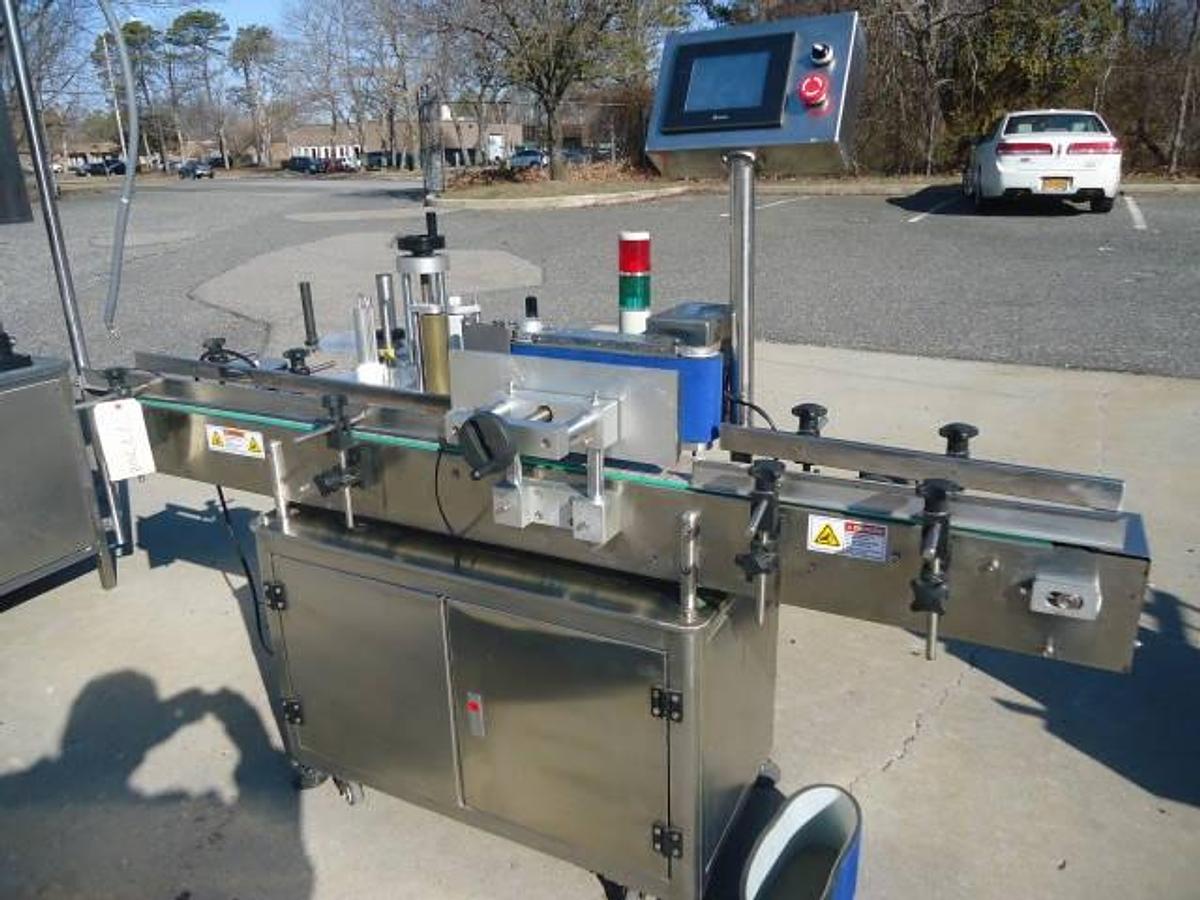
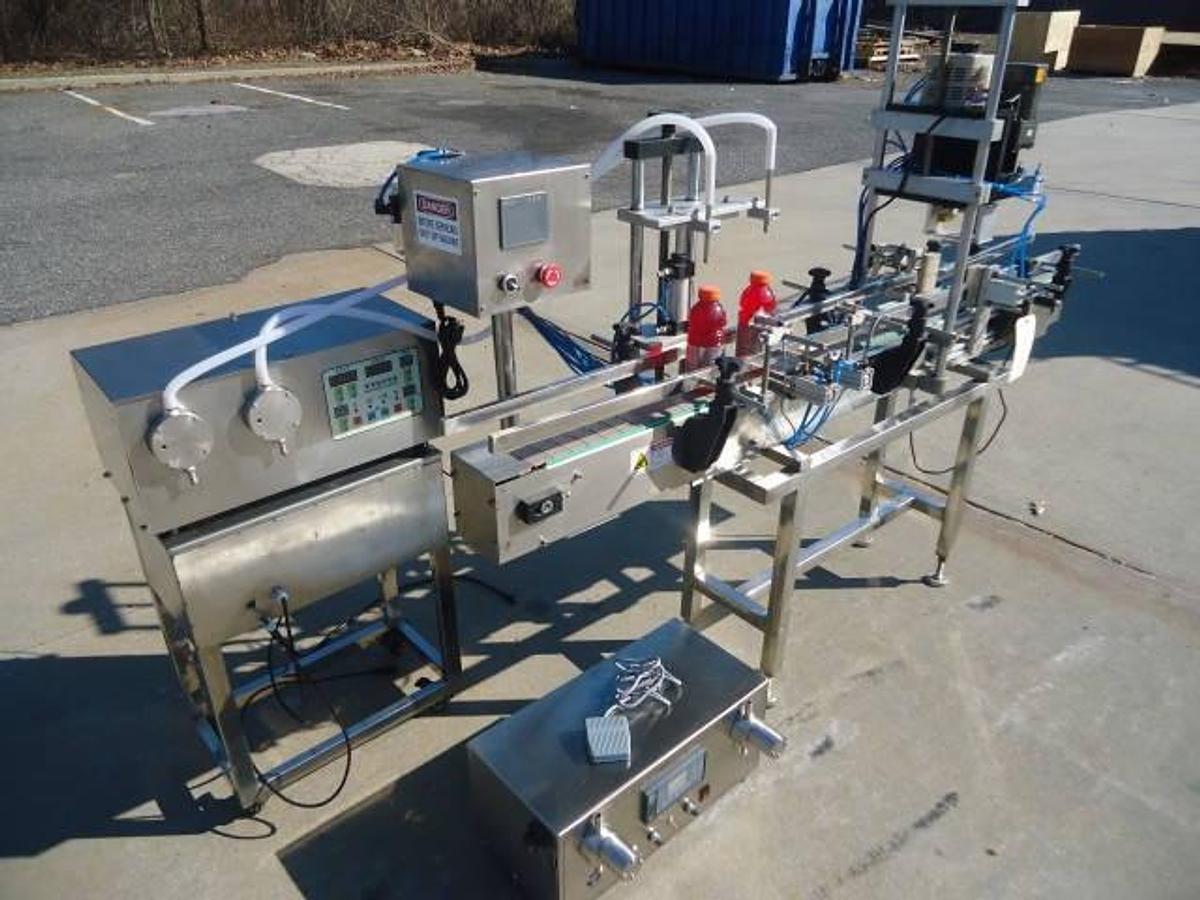
Ocean packing machinery covers a fairly broad range of packaging functions, and the used market reflects that variety. Common machine types include filling and capping machines, pressure sensitive labelers (both spot and wraparound configurations), shrink wrappers, case erectors, and various conveyance and sealing systems. Many of these machines are available in stainless steel construction, which is particularly relevant for food, beverage, and pharmaceutical applications where sanitation standards are strict. Two-head pump-style fillers, for example, are a staple in liquid packaging lines and appear regularly in the secondary market.
Buyers searching for used Ocean packing equipment will generally find machines in either semi-automatic or fully automatic configurations. Fully automatic machines suit high-volume continuous production environments, while semi-automatic models are a practical fit for smaller operations or facilities that run multiple SKUs with frequent changeovers. The specific models available at any given time depend on what has been decommissioned from active production facilities, so inventory shifts regularly. Working with a dealer who specializes in packaging machinery gives buyers the best chance of finding the right machine type for their application.
What industries commonly use Ocean packing machinery?
Ocean packing machines are used across a wide range of industries, with food and beverage processing being among the most common. Liquid filling and capping equipment sees heavy use in bottling lines for sauces, dressings, juices, and similar products. Pressure sensitive labelers are equally at home in food, personal care, and household chemical applications, where accurate label placement at speed is critical to line efficiency and retail presentation.
Beyond food and beverage, Ocean packaging equipment is found in pharmaceutical manufacturing, agricultural product packaging, and general industrial manufacturing. The stainless steel construction on many models makes them compliant with the hygiene requirements common in regulated industries. When buying used equipment for a regulated environment, buyers should verify with the relevant regulatory bodies and their own quality teams that a particular machine meets current standards, since compliance requirements can evolve over time and a machine's configuration may need to be assessed against current rules before it goes back into production.
What should buyers expect when inspecting used Ocean packing machinery before purchase?
Inspection is one of the most important steps in buying used packaging equipment, and reputable dealers will typically offer several options: an in-person visit, a live video walkthrough, or a recorded video of the machine. The goal is to get an accurate picture of the machine's current mechanical condition, including the state of wear components, the integrity of seals and contact parts, and the overall cleanliness and maintenance history. For stainless steel machines used in food or pharmaceutical environments, buyers should pay close attention to the condition of product-contact surfaces.
One thing to keep in mind is that most used equipment dealers do not have the permitting or facilities to run actual production during an inspection. A machine can be powered on and cycled, but a full production run with real product is generally not possible in a dealer's warehouse. If a machine is still installed and running at a production facility, the dealer may be able to arrange an in-plant inspection where the equipment can be observed in active use. Buyers should ask specifically about the machine's history, including how long it ran, what products it handled, and whether any major components have been replaced. That context matters a great deal when assessing long-term reliability.
Do used Ocean packing machines come with a warranty?
Used packaging equipment, including Ocean machines, is generally sold on an as-is basis by secondary market dealers. Warranties are typically offered only by equipment manufacturers on machines sold directly from production. When a machine enters the secondary market, that manufacturer coverage has usually expired or does not transfer, which means the buyer takes on the responsibility of assessing the machine's condition before completing the purchase.
Because of this, the inspection process carries significant weight. Buyers should choose dealers with a long track record in the packaging machinery space, since an established dealer's reputation depends on accurately representing the condition of what they sell. It is also worth contacting Ocean directly to ask about parts availability and technical support for the specific model being considered, since older or discontinued models may have limited manufacturer support regardless of where the machine is purchased. A dealer who is transparent about a machine's history, condition, and any known issues is a much safer choice than one who provides little documentation or resists inspection requests.
Are spare parts and replacement components available for used Ocean packing machines?
Parts availability is a legitimate concern with any used packaging machine, and it varies depending on the model's age and whether Ocean still actively supports that particular line. For relatively recent models, manufacturers often continue to supply replacement parts through authorized channels for a number of years after a machine leaves production. Buyers should contact Ocean directly before purchasing to ask which components are still available, what the lead times look like, and whether any parts are only available through third-party suppliers.
For older machines or discontinued models, buyers may need to rely on aftermarket parts suppliers or have certain components fabricated. Stainless steel machines often have an advantage here because many structural and contact-surface components can be replicated by a competent machinist if OEM parts are no longer available. Before committing to a purchase, it is worth identifying which wear parts (seals, pump heads, belts, sensors, and similar items) are most likely to need replacement and confirming a sourcing path for each. A dealer who has worked extensively with Ocean equipment will often have practical knowledge about parts sourcing that goes beyond what a manufacturer's parts catalog will tell you.
What is a realistic lead time for receiving used Ocean packing equipment after purchase?
Lead time on used packaging machinery depends on a few variables: whether the machine is in the dealer's warehouse or still at a production facility, the packaging and crating requirements, the shipping distance, and whether any rigging is needed for loading and unloading. Machines that are already in a dealer's inventory and ready to ship can sometimes move within a few weeks once payment is confirmed and logistics are arranged. Equipment that is still in production at a plant, or that requires significant crating for safe transit, will take longer.
Larger and heavier machines require specialized rigging for both loading at the origin and unloading at the destination, which adds coordination time and cost. Buyers should ask the dealer upfront about the full logistics process, including how the machine will be packaged, what rigging will be required, and which carriers or freight forwarders will be used. Getting a clear picture of the total landed cost, including freight, crating, and rigging, before finalizing a purchase avoids surprises and helps with accurate project budgeting. International shipments add customs clearance timelines and documentation requirements on top of the domestic freight considerations.
How is used Ocean packing machinery typically priced, and what factors affect the cost?
Pricing for used Ocean packaging machines varies considerably based on machine type, age, condition, configuration, and current market demand. A basic semi-automatic labeler will sit at a very different price point than a fully automatic stainless steel filling and capping line. Generally speaking, used equipment is priced at a significant discount compared to buying the equivalent machine from a manufacturer, which is one of the primary reasons buyers turn to the secondary market in the first place.
Factors that push prices higher include recent servicing or refurbishment, low run hours, stainless steel construction, higher production speeds, and the inclusion of change parts or tooling for multiple container sizes. Machines that are still in active production and demonstrably functional will typically command more than equipment that has been sitting idle for an extended period. Buyers should also factor in the full acquisition cost, not just the machine price. Crating, freight, rigging, installation, and any refurbishment needed after delivery all contribute to the true cost of getting a used machine running in a new facility.
What are the production speeds and output capacities typical of Ocean packing machines?
Ocean packing machines span a range of output capacities depending on the machine type and configuration. Filling and capping machines, for example, can range from smaller units suited to craft or specialty production runs to higher-speed systems designed for continuous high-volume bottling lines. Labeling machines similarly vary, with some models handling a few dozen containers per minute and others capable of significantly higher throughput on simpler label applications.
When evaluating a specific used machine, buyers should look at the rated speed under optimal conditions and also consider how the machine's actual production history aligns with those specs. A machine that has been run at or near its rated capacity for many years may show more wear on drive components and timing mechanisms than one used in a lighter-duty application. The container sizes and formats the machine was configured to handle also matter, since a machine set up for one bottle diameter may need significant adjustment or change parts to run a different format efficiently. Asking for the machine's production history and any available maintenance records helps buyers assess whether the rated capacity is still realistic for the equipment in its current state.
What shipping and logistics considerations apply when buying used Ocean packing machinery?
Shipping used packaging machinery requires more planning than standard freight. Machines need to be properly palletized or crated to prevent damage in transit, and the level of packaging required depends on the machine's size, weight, and fragility. Some dealers handle crating in-house; others contract it out. Either way, buyers should ask for specifics on how the machine will be prepared for shipment and what the packaging cost will be, since this can vary meaningfully depending on the machine.
Larger filling lines, capping systems, and multi-head labelers often require forklift or crane rigging for loading at the origin and unloading at the destination. Buyers who do not have rigging equipment at their facility will need to arrange for a rigger, which is an added cost and scheduling consideration. Most used equipment dealers require full payment before a machine ships. For buyers who have not worked with a particular dealer before, it is reasonable to ask about their shipping process, carrier relationships, and how they handle damage claims if something goes wrong in transit. Getting the total landed cost in writing before finalizing a purchase is always a sound practice.
How should buyers evaluate the reputation and reliability of a used Ocean packing machinery dealer?
The dealer relationship matters a great deal in the used equipment market, precisely because machines are sold as-is and the buyer's ability to assess condition depends heavily on the information the dealer provides. A dealer with a long history in the packaging machinery sector will typically have deeper product knowledge, better documentation practices, and a stronger incentive to represent machines accurately. Longevity in the industry is one of the clearest signals of reliability, since dealers who misrepresent equipment do not tend to stay in business for long.
Buyers should look for dealers who specialize in packaging machinery rather than generalist industrial equipment resellers, since specialization translates to better condition assessments and more useful guidance on fit for purpose. Ask whether the dealer can provide photos, video, or in-person inspection access for the specific machine. Ask about the machine's history and how the dealer acquired it. A dealer who is forthcoming with details and willing to facilitate a thorough inspection is a much lower-risk choice than one who is vague about provenance or resistant to scrutiny. Checking industry references and asking for introductions to past buyers of similar equipment can also help validate a dealer's track record before committing to a purchase.