Category
Manufacturer
Model
Nita
Nita manufactures high-quality packaging equipment, particularly for the cosmetic and personal care industries. Their machines are designed to ensure precision and efficiency in the packaging process.
FAQ:
What types of packaging equipment does Nita manufacture?
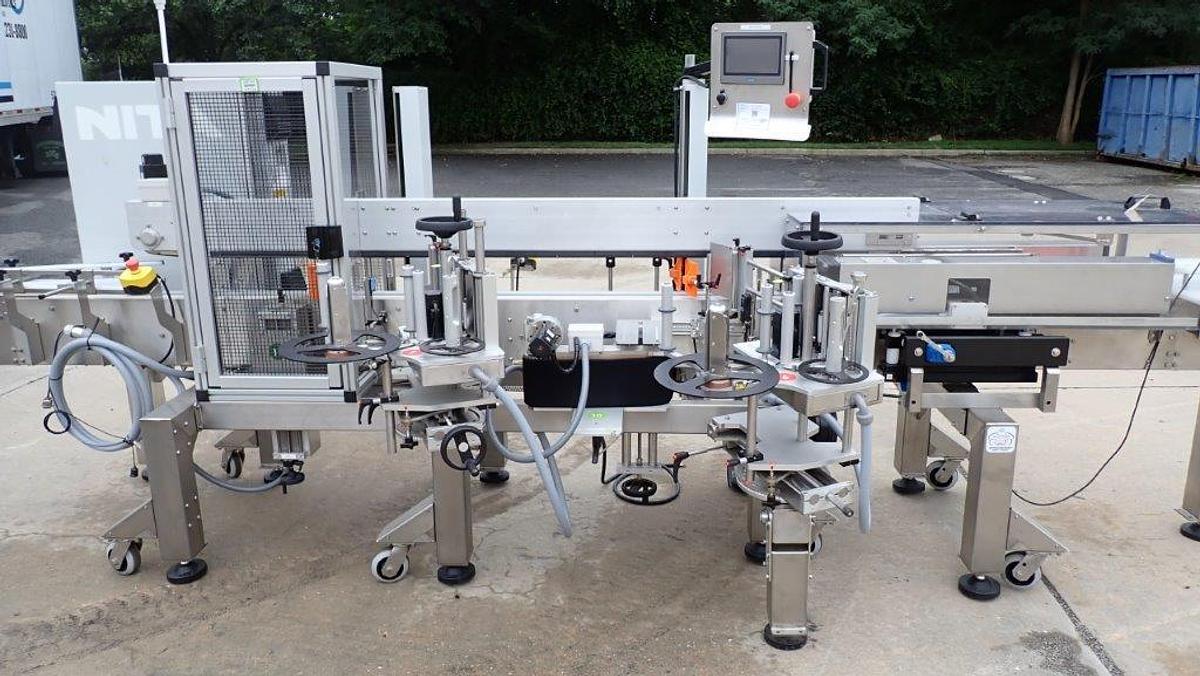
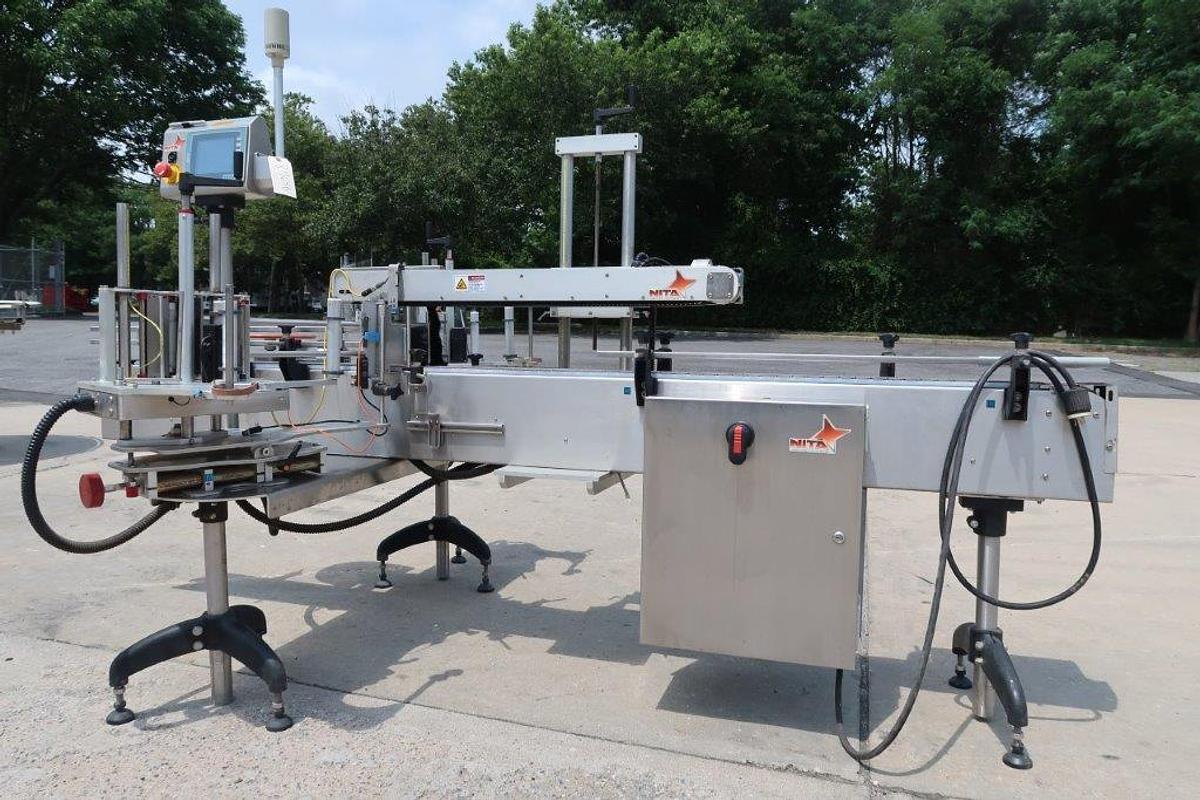
Nita is a Canadian company headquartered in Montreal, Quebec, and is best known for producing pressure-sensitive labeling equipment along with broader automated packaging solutions. Their product lineup includes top labelers, side labelers, front-and-back labelers, and wrap-around labelers, all designed to handle bottles, containers, and flat surfaces with precision. They also produce dual-head auto pressure-sensitive labelers and stainless steel configurations suited for cleanroom and sanitary production environments. Both semi-automatic and fully automatic systems are available, giving manufacturers flexibility based on their production volume and budget.
The company positions its machines toward small to medium-sized manufacturers looking to automate or upgrade their labeling operations without committing to the scale of large industrial systems. Stainless steel construction is a recurring feature across many models, which speaks to the durability and hygiene standards required in regulated industries. Buyers shopping the used market will commonly find front-and-back labelers and dual-head models, as these tend to be among the most widely deployed Nita configurations in production facilities.
What industries are Nita packaging machines best suited for?
Nita packaging equipment is particularly well-suited for the cosmetic and personal care industries, which represent the core market the company has historically served. Their machines are built to handle the precision demands of labeling bottles, tubes, jars, and other containers common in beauty and personal care production lines. The stainless steel construction found on many models also makes them a practical fit for pharmaceutical and nutraceutical manufacturers, where hygiene, cleanability, and compliance with sanitary standards are non-negotiable.
Beyond cosmetics and pharma, Nita labelers are used across food and beverage, chemical, and specialty consumer goods manufacturing. Any operation that needs consistent, accurate pressure-sensitive label application at a moderate-to-high throughput will generally find Nita equipment a capable match. For buyers purchasing used Nita machines, it is worth confirming that the specific model being considered aligns with the container shapes and label sizes used in their particular application, since labeler configurations can vary significantly from one model to the next.
What should buyers know about purchasing used Nita labeling equipment?
Buying used Nita packaging equipment can be a cost-effective way to bring reliable labeling automation into a production line, but it requires more due diligence than purchasing from a manufacturer. Used machines are sold as-is, meaning the condition of the equipment at the time of purchase reflects what the buyer receives. Inspecting the machine thoroughly before committing to a purchase is critical. Reputable used equipment dealers will typically offer in-person inspections, virtual walkthroughs, or video documentation of the machine in its current state, which gives buyers a realistic picture of wear, component condition, and overall functionality.
Buyers should also contact Nita directly to understand the level of support available for the specific model and serial number they are considering. Older models may have limited parts availability, while more recent machines are more likely to be supported with replacement components and technical guidance. Selecting a dealer who specializes in packaging equipment, rather than a generalist reseller, adds an additional layer of confidence, since industry-specific dealers are more likely to accurately represent the machine's condition and application suitability.
What is the typical price range for used Nita packaging equipment?
Pricing for used Nita labeling and packaging equipment varies based on the model, age, configuration, and condition of the machine. Entry-level semi-automatic Nita labelers on the used market can often be found in the lower thousands, while fully automatic systems with stainless steel construction, dual-head configurations, or front-and-back labeling capabilities tend to command higher prices reflecting their complexity and original cost. Mid-range used Nita machines in good working condition generally fall somewhere between several thousand and tens of thousands of dollars depending on specifications.
Beyond the purchase price, buyers should factor in shipping, rigging, and any reconditioning costs when calculating the total landed cost of the equipment. A machine listed at an attractive price point may require crating, freight, and potentially electrical or mechanical servicing before it is production-ready, all of which add to the final investment. Getting a clear breakdown of all associated costs from the dealer before committing to a purchase helps avoid surprises and allows for a more accurate cost comparison across available options.
How does the inspection process work when buying used Nita equipment?
Inspections are a standard part of purchasing used packaging equipment and serve as the buyer's primary tool for verifying condition before committing funds. Most reputable used equipment dealers will accommodate in-person visits to their facility, or arrange video calls and recorded walkthroughs of the machine. Some Nita machines may still be installed and running in an active production facility at the time of sale, in which case the dealer can typically coordinate an inspection at that location, sometimes allowing the buyer to see the machine operating under actual production conditions.
It is worth noting that most used equipment dealers do not have the permits or infrastructure to run production-grade testing with actual product. What an inspection can confirm is the mechanical and electrical condition of the machine, the state of wear components like belts and sensors, and the overall integrity of the frame and drive systems. Buyers who cannot travel for an in-person inspection should request detailed video footage covering all major components, including the label feed mechanism, drive rollers, and control panel. The more thorough the inspection, the better positioned the buyer is to assess whether the machine fits their needs.
What are the differences between Nita semi-automatic and fully automatic labeling systems?
Semi-automatic Nita labelers require an operator to manually position or feed containers into the machine, while the labeling head applies the label automatically. These systems are generally more compact, lower in cost, and well-suited for operations with moderate production volumes or those that run multiple SKUs requiring frequent changeovers. They offer a practical entry point for manufacturers looking to reduce hand-labeling labor without committing to a fully integrated line.
Fully automatic Nita labeling systems are designed for higher throughput and can integrate directly into a production line, accepting containers from an upstream conveyor, applying labels, and discharging finished product with minimal operator involvement. These machines typically include more sophisticated controls, sensors, and adjustment mechanisms to handle variation in container size and label placement tolerances. For buyers evaluating used equipment, the choice between semi-automatic and fully automatic often comes down to current production volume, available floor space, and the degree of line integration required. Both types appear on the used market, and the right choice depends heavily on the specific production environment.
What shipping and logistics considerations apply to used Nita packaging equipment?
Shipping used packaging equipment involves more planning than standard freight because these machines are heavy, often have precision components, and can be damaged if not properly secured during transit. Dealers typically offer varying levels of packaging, from basic palletization to full custom crating, and the cost will reflect the level of protection required for the specific machine. Larger or heavier Nita labeling systems may require professional rigging services for loading at the dealer's facility and unloading at the buyer's location, which adds to the overall shipping cost.
Buyers should request a full breakdown of packaging, rigging, and freight costs before finalizing a purchase to understand the complete landed cost of the equipment. Shipping quotes can vary considerably depending on the destination, carrier, and whether liftgate service or inside delivery is needed. For international shipments, customs documentation, duties, and import fees are additional factors to account for. Asking the dealer specific questions about how the machine will be packaged and what freight carrier or method they recommend is a reasonable step that can prevent costly damage in transit.
What payment terms are typical when purchasing used packaging equipment?
Most used equipment dealers require full payment prior to releasing a machine for shipment. This is standard practice in the industry and reflects the nature of used equipment transactions, where machines are typically sold as-is and the dealer needs to confirm funds before coordinating logistics. Payment is commonly accepted by wire transfer, and buyers should confirm accepted payment methods with the dealer early in the process to avoid delays.
Some dealers may offer extended terms or net payment arrangements to established customers with a history of prior purchases, but this is not a standard offering for first-time buyers. Buyers who need financing should explore third-party equipment financing companies that specialize in used machinery, as these lenders understand the asset class and can sometimes structure loans or leases around the specific equipment being purchased. Clarifying payment expectations upfront, before an inspection or deposit is made, keeps the transaction straightforward for both parties.
How can buyers verify the condition and history of a used Nita labeling machine?
Verifying the condition of a used Nita machine starts with a thorough inspection, either in person or via detailed video. Key areas to examine include the label feed mechanism, peel plate, drive belts, sensors, and the condition of the stainless steel frame and guards. Wear on consumable components like belts and rollers is normal and expected, but excessive wear or signs of improvised repairs can indicate a machine that was not well-maintained. The control panel and electrical components should also be reviewed for signs of damage or non-standard modifications.
Beyond the physical inspection, buyers can contact Nita directly with the machine's model number and serial number to get a sense of the production year and whether the model is still supported with parts and technical documentation. Asking the dealer for any available service records or maintenance history is also worth doing, though documentation is not always available for used equipment. Choosing a dealer who specializes in packaging machinery and has a track record in the industry provides additional confidence that the machine has been accurately represented and is suitable for the application described.
What technical support options are available after purchasing a used Nita machine?
After purchasing a used Nita labeling machine, buyers have a few avenues for technical support. Nita, as the manufacturer, is often the best starting point for questions about machine setup, adjustments, and replacement parts. The level of support available from the manufacturer will depend on the age and model of the machine, so it is worth reaching out to Nita before completing a purchase to confirm that documentation, spare parts, and technical guidance are accessible for the specific unit being considered.
Independent packaging machinery technicians and integrators are another resource, particularly for older models where manufacturer support may be limited. Many labeling machines share common components and mechanisms across brands, which means experienced technicians can often service Nita equipment even without brand-specific factory training. Buyers who are new to operating pressure-sensitive labeling equipment should also factor in time for setup and calibration, as proper adjustment of label placement, speed, and tension settings is essential to consistent performance. Planning for this learning curve, whether through dealer support, manufacturer resources, or third-party technicians, is a practical part of bringing any used packaging machine into production.