Category
Manufacturer
Model
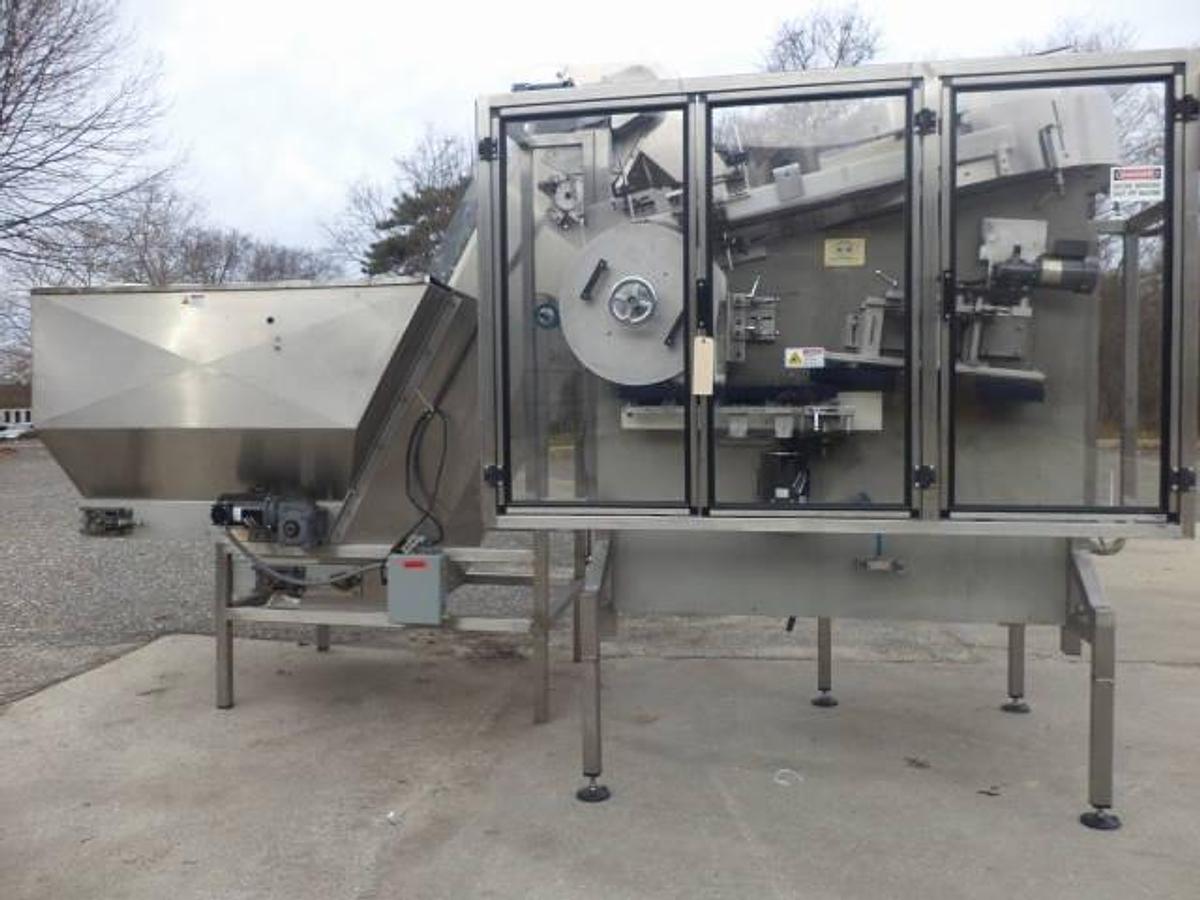
New England Machinery
New England Machinery focuses on packaging equipment, offering innovative solutions for the food and beverage sectors. Their machines are designed to improve efficiency and product handling in production lines.
FAQ:
What types of packaging equipment does New England Machinery manufacture?
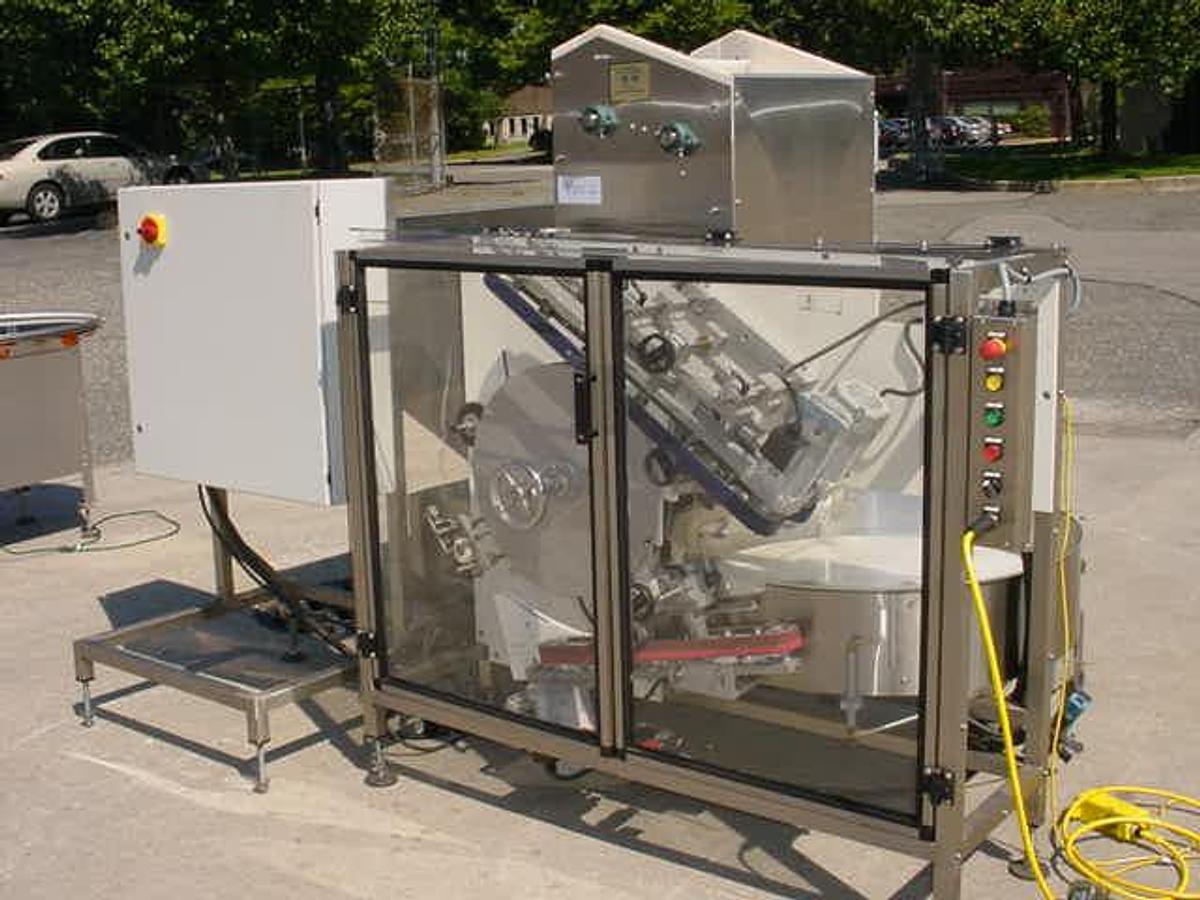
New England Machinery (NEM) specializes in packaging equipment with a particular focus on bottle handling and cap management systems. Their product line includes plastic bottle unscramblers, cap tighteners, retorquers, and rotary cappers, along with integrated systems that combine feeding, unscrambling, and capping functions into a single production line solution. The equipment is widely used across food and beverage, pharmaceutical, personal care, and chemical manufacturing industries.
NEM is especially well regarded for its bottle unscramblers, which orient and feed containers into production lines at consistent, high-speed rates. Their cap tightening and retorquing equipment comes in multiple spindle configurations, including four-spindle and six-spindle models, to accommodate different torque requirements and line speeds. Rotary capper systems with integrated feeders and unscramblers represent the higher end of their product range, designed for facilities running continuous, high-volume production.
What production speeds can New England Machinery unscramblers achieve?
NEM bottle unscramblers are built to handle a wide range of production demands. Depending on the specific model and the size and shape of the container being run, production speeds typically range from around 60 containers per minute on the lower end to over 400 containers per minute on higher-capacity models. This scalability makes NEM equipment a practical choice for both mid-size operations and large-scale manufacturing facilities.
Actual throughput in a given application depends on several factors, including container geometry, bottle material, line configuration, and the condition of the machine. Buyers evaluating used NEM unscramblers should confirm which container specifications the machine was originally configured for, since tooling and timing settings are often matched to a specific bottle profile. Reconfiguring for a different container type may require adjustments or additional tooling, which is worth factoring into the total cost of acquisition.
What industries commonly use New England Machinery packaging equipment?
New England Machinery equipment is used across a broad range of industries where high-speed container handling is a core production requirement. Food and beverage manufacturers rely on NEM unscramblers and cappers to keep bottling lines running efficiently. Pharmaceutical companies use their equipment for precise, repeatable bottle orientation and cap torque control, where consistency is critical for compliance and product integrity. Personal care and household chemical producers also make up a significant portion of NEM's installed base.
The versatility of NEM equipment across these sectors comes from the company's ability to engineer machines around a wide variety of container types, including round, oval, square, and irregularly shaped bottles in plastic and other materials. This cross-industry applicability means used NEM machines can often be repurposed for a different product line than the one they originally served, provided the container specifications are compatible or the machine can be retooled accordingly.
How does New England Machinery equipment handle different container sizes and shapes?
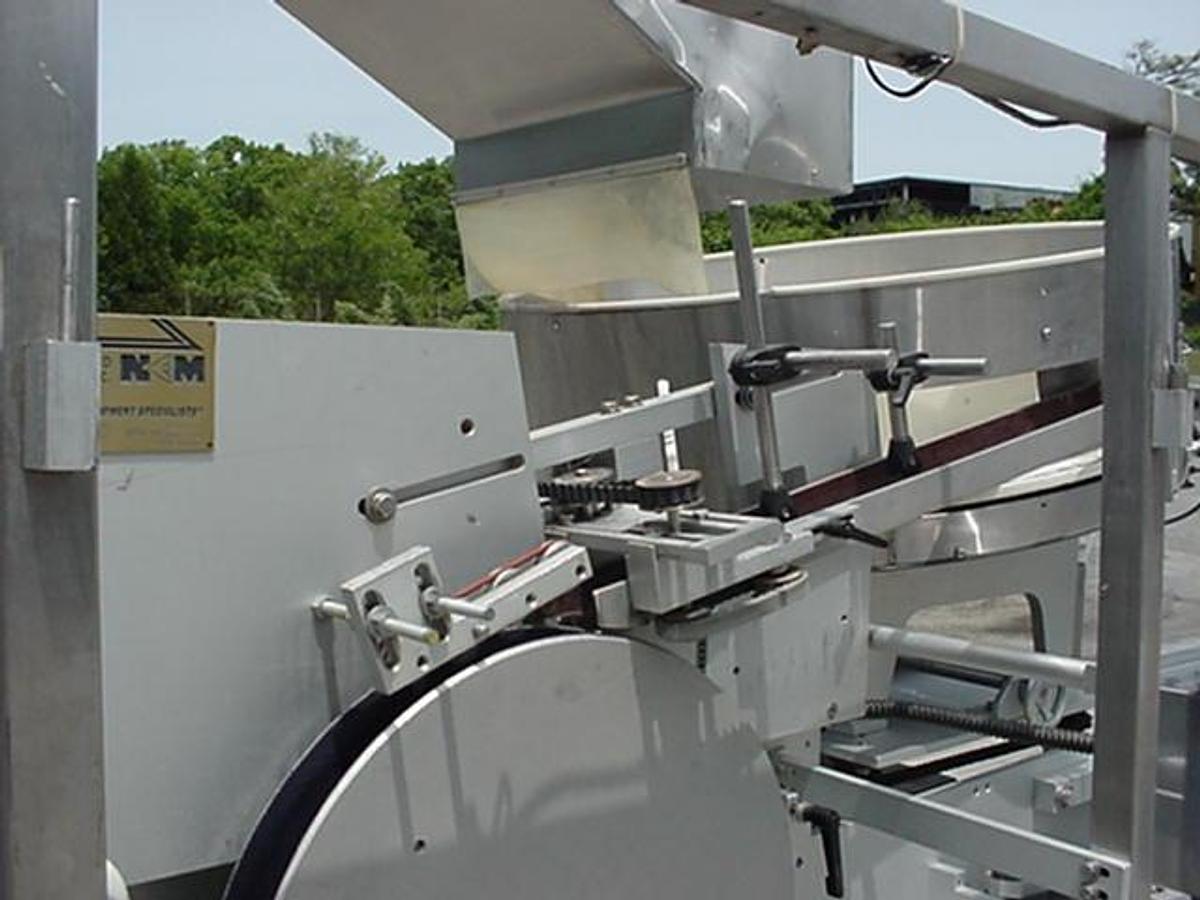
NEM designs its bottle unscramblers and handling equipment to accommodate a variety of container geometries, including round, oval, square, and non-standard bottle profiles. Machines are typically configured with adjustable guides, timing screws, and change parts that can be swapped out or adjusted to handle different bottle dimensions. This modular approach to container handling is one of the reasons NEM equipment has a long service life across multiple product runs and packaging formats.
For buyers looking at used NEM equipment, it is important to understand what container specifications the machine was set up for during its previous production life. Change parts specific to a particular bottle size may or may not be included with the machine at the time of sale. Prospective buyers should ask the dealer directly about which tooling and change parts are included, and whether the machine was last run on a container profile similar to their own application. Consulting with NEM directly about parts availability for a specific model is also a practical step before committing to a purchase.
What is a bottle unscrambler and how does it work in a packaging line?
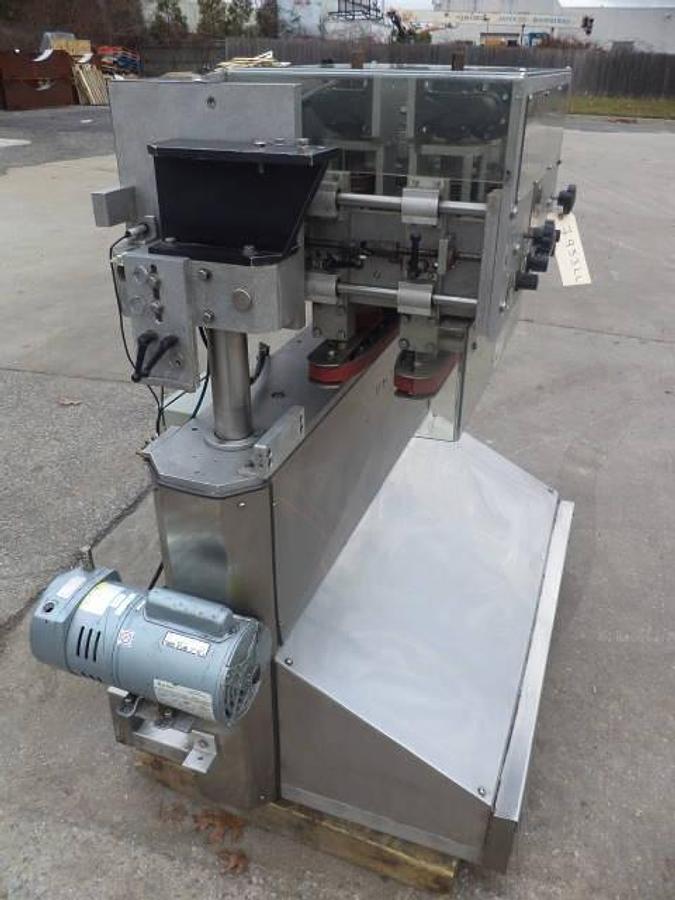
A bottle unscrambler is a piece of packaging equipment that takes randomly oriented containers, typically fed from a bulk hopper, and sorts and orients them into a single-file, upright position for downstream filling, capping, or labeling operations. Without an unscrambler, operators would need to hand-feed bottles onto a conveyor, which is slow and labor-intensive. Unscramblers automate this step, allowing production lines to run at significantly higher speeds with fewer personnel.
In a typical packaging line, the unscrambler sits at the front end of the process. Bottles are loaded in bulk into a hopper or elevator, then moved through a series of rotating discs, pockets, or centrifugal mechanisms that sort them by orientation. Properly oriented bottles are released onto the conveyor in a consistent, upright position and travel to the filler. NEM unscramblers are known for handling this process at high speeds with relatively low rates of jams or misfeeds, which reduces downtime and keeps overall line efficiency high.
What is a cap tightener or retorquer, and when is one needed on a packaging line?
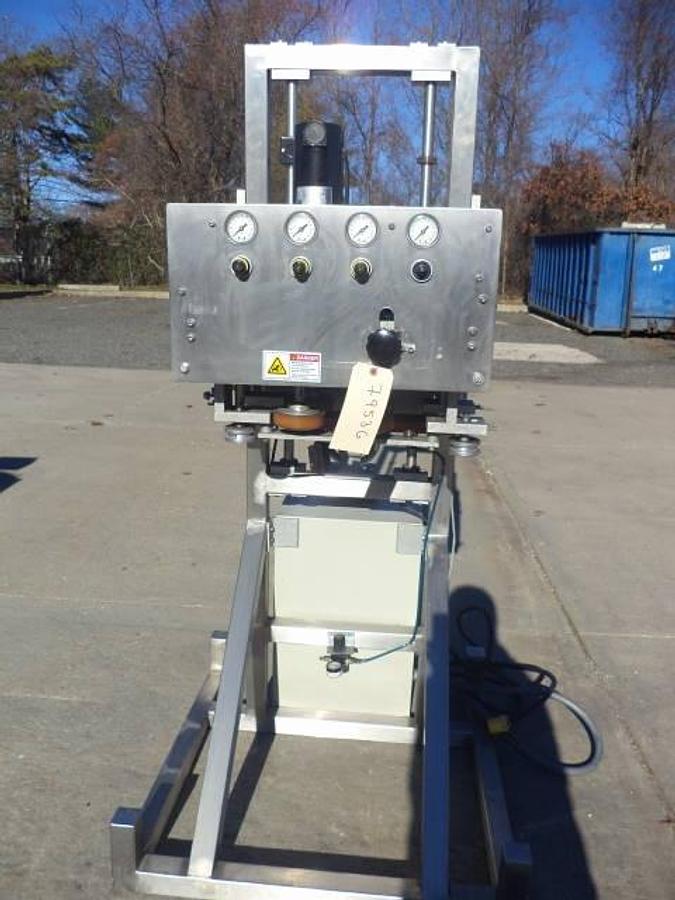
A cap tightener, sometimes called a retorquer, is a piece of capping equipment designed to apply or verify a consistent torque to a closure after it has already been placed on a container. In many production environments, a primary capper applies the cap, but torque can vary slightly from bottle to bottle due to cap variations, thread condition, or line speed fluctuations. A retorquer runs downstream of the primary capper and ensures every cap meets the required torque specification before the product moves to labeling or packaging.
NEM manufactures cap tighteners in multiple spindle configurations, with four-spindle and six-spindle models being common options. Variable speed models allow operators to dial in torque settings for different cap and container combinations. These machines are particularly common in food, beverage, and pharmaceutical applications where consistent closure integrity is critical for shelf life, tamper evidence, and regulatory compliance. Used NEM cap tighteners are a practical and cost-effective option for facilities that need reliable retorquing capability without the capital expense of purchasing this type of equipment directly from the manufacturer.
Why do buyers choose used New England Machinery equipment over other options?
NEM has a strong reputation for building durable, well-engineered packaging machinery with long operational lifespans. Facilities that have run NEM equipment for years often report low maintenance requirements and consistent performance, which is part of why used NEM machines retain their appeal in the secondary market. For buyers who need reliable bottle handling or capping capability without the lead times and cost associated with purchasing directly from a manufacturer, used NEM equipment represents a practical path to getting a proven machine into production quickly.
Cost is another significant factor. Used packaging equipment from an established manufacturer like NEM can be acquired at a fraction of the cost of a comparable machine purchased directly from the manufacturer, freeing up capital for other parts of the operation. The key is buying from a reputable dealer who specializes in packaging machinery and can provide accurate information about the machine's condition, history, and included components. Buyers should take advantage of inspection opportunities and verify parts availability with NEM before finalizing any purchase decision.
What should buyers inspect before purchasing used NEM packaging equipment?
Before purchasing any used packaging machine, buyers should request a thorough inspection of the equipment. Many reputable dealers offer in-person inspections, video walkthroughs, or recorded video captures of the machine so buyers can assess its physical condition and operational status. Key things to look for include wear on contact surfaces, the condition of belts, rollers, and timing components, the state of electrical panels and controls, and whether all change parts and tooling are included with the machine. If the equipment is still installed at a production facility, an in-person inspection can sometimes be arranged at the plant.
It is worth keeping in mind that most used equipment dealers do not have the permitting or infrastructure to run actual production tests with product. Inspections are focused on assessing mechanical condition and verifying that the machine operates, rather than producing finished goods. Buyers should also contact NEM directly to ask about parts availability and technical support for the specific model they are considering, since the age and configuration of a machine can affect what level of manufacturer support is still available. Understanding these factors upfront helps buyers make a more informed decision and avoid surprises after the machine arrives.
What are typical shipping and rigging considerations for used NEM packaging equipment?
Packaging machinery like NEM bottle unscramblers and cappers can be substantial in size and weight, which means shipping logistics require careful planning. Machines need to be properly palletized or crated before transport to prevent damage in transit. The level of packaging required, and the associated cost, will vary based on the size of the machine, the shipping distance, and the mode of transport. Buyers should ask dealers for a clear breakdown of palletization or crating costs, freight charges, and any rigging fees before agreeing to a purchase.
Larger machines, particularly rotary systems or unscramblers with integrated elevators, may require specialized rigging equipment for loading at the dealer's facility and unloading at the buyer's location. Forklift capacity, dock access, and ceiling height at the receiving facility are all practical considerations that buyers should think through in advance. The total landed cost of a used machine, which includes the purchase price plus all shipping, rigging, and handling costs, is what buyers should be comparing when evaluating options. Getting a full quote on these costs from the dealer before committing to a purchase is strongly recommended.
What payment terms do used packaging equipment dealers typically offer?
The standard practice in the used equipment industry is to require full payment before a machine is released for shipping. This applies to most transactions, particularly for buyers who are purchasing from a dealer for the first time. Some dealers may offer payment terms to established customers with a prior purchase history, but this is the exception rather than the rule. Buyers should be prepared to pay in full upfront and factor this into their purchasing timeline and cash flow planning.
Accepted payment methods vary by dealer but commonly include wire transfer and other forms of verified payment. Credit terms, financing, or installment arrangements are not standard in the used machinery market, though some buyers arrange third-party equipment financing independently. Before committing to a purchase, buyers should confirm the exact payment requirements with the dealer, including timing relative to inspection, and clarify when title transfers and when the machine will be available for pickup or shipment. Understanding the full payment and logistics process upfront prevents delays and miscommunication once a deal is agreed upon.