Category
Manufacturer
Model
National Instrument Company
National Instrument Company provides a wide range of instrumentation solutions, focusing on industrial automation and control systems. They are particularly valued in the manufacturing sector for their reliable and precise measurement devices.
FAQ:
What types of National Instruments equipment are commonly available on the used market?
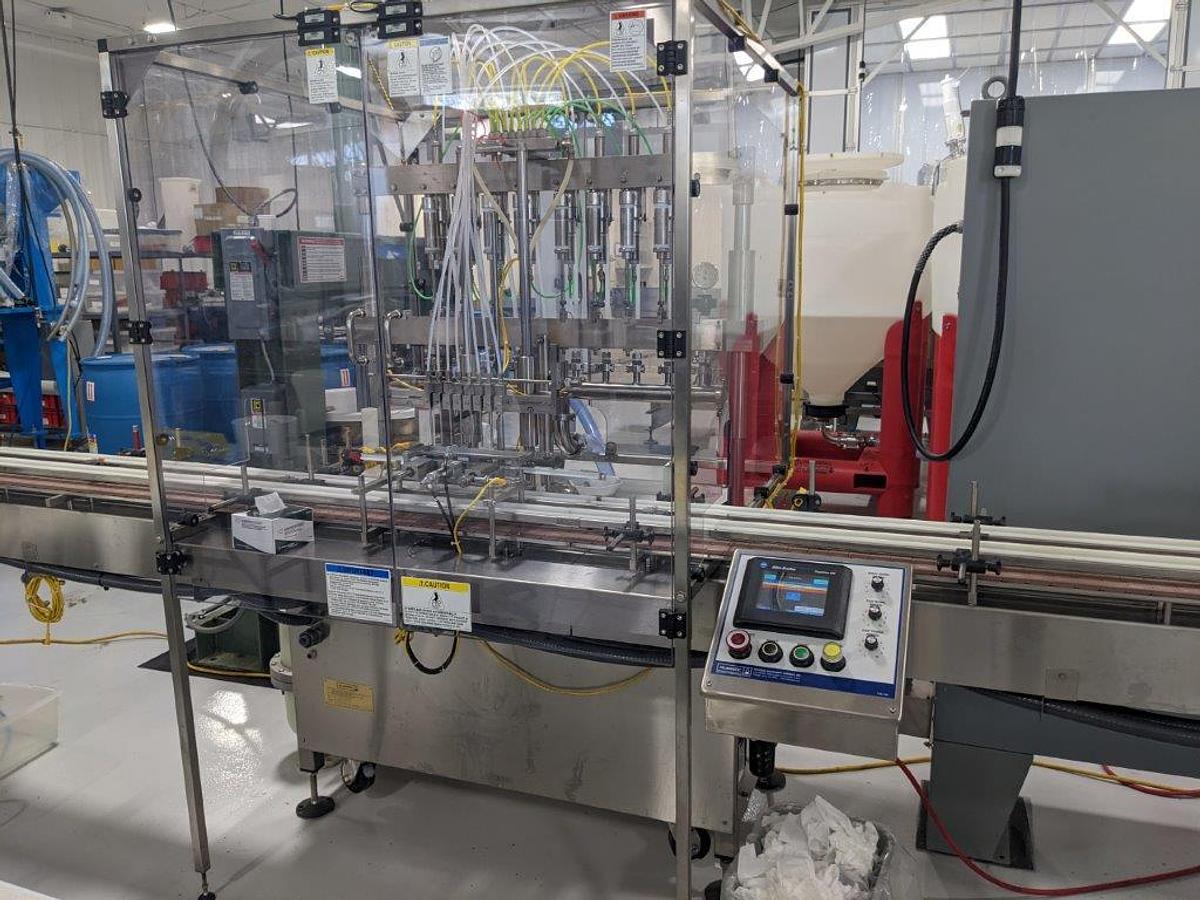
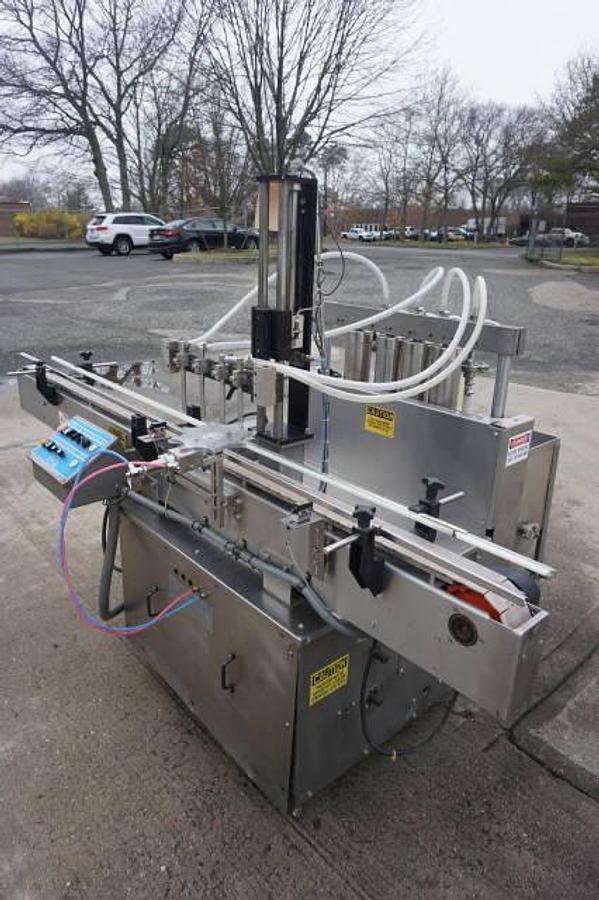
National Instruments (NI) produces a broad range of test, measurement, and industrial automation hardware, and many of these product lines circulate regularly on the secondary market. The most frequently available categories include PXI chassis and modules, CompactDAQ (cDAQ) systems, CompactRIO (cRIO) controllers, GPIB interface controllers, data acquisition (DAQ) cards, VXI systems, and signal conditioning hardware. Beyond pure test and measurement gear, NI equipment also appears in industrial filling and packaging applications. For example, Filamatic piston fillers built around NI control systems, such as four-piston automatic filling machines with 1,000cc pistons and ten-piston vial filler/capper configurations, show up in used equipment inventories serving pharmaceutical and food processing buyers.
The breadth of NI's product catalog means buyers from very different industries, ranging from electronics manufacturing and aerospace to life sciences and process automation, can often find relevant hardware through used equipment channels. Because NI (now operating under Emerson since 2023) has maintained consistent product families for decades, older hardware frequently remains functional and compatible with ongoing production environments. Buyers should research which specific product generation they need before searching, since model numbers and chassis configurations vary significantly across generations and directly affect software driver compatibility and available support from the manufacturer.
What should I know about buying used National Instruments equipment instead of purchasing through an authorized distributor?
Buying used NI hardware through the secondary market is a well-established practice across industries, and it can offer significant cost savings compared to purchasing through authorized distribution channels. The trade-off is that used equipment is sold as-is, meaning there is no manufacturer-backed coverage on the transaction. The condition of the hardware depends entirely on how it was maintained, stored, and operated in its previous environment. This places a real responsibility on the buyer to perform due diligence before committing to a purchase.
Selecting a reputable used equipment dealer with a demonstrated history in the instrumentation or industrial automation space matters considerably here. Established dealers typically offer inspection options, whether in person, via video call, or through detailed video documentation of the machine's current state. Some equipment may still be installed in an active production facility, allowing for a live demonstration arranged through the dealer. Buyers should ask specific questions about the machine's operating history, visible condition, and whether any components have been replaced or repaired. Consulting NI directly about the level of support, parts availability, and driver compatibility for a specific model and serial number range is also a practical step before finalizing any purchase.
Is used National Instruments hardware still covered by a warranty?
Manufacturer warranties on NI hardware are tied to the original purchase and typically do not transfer to subsequent buyers on the secondary market. When NI equipment is sold through used equipment dealers, it is generally offered on an as-is basis, which is standard practice across the used machinery and instrumentation industry. This means the buyer assumes responsibility for assessing the condition and suitability of the equipment before purchase, rather than relying on any coverage from the seller or the manufacturer.
Because of this, the inspection process becomes the buyer's primary protection. Reputable dealers accommodate in-person visits, virtual walkthroughs, or video documentation so buyers can evaluate the equipment's condition before committing. Buyers in regulated industries, such as medical device manufacturing or aerospace, should also contact NI directly to understand what calibration, repair, and technical support options remain available for the specific model they are considering. The age of the hardware and whether it falls within NI's currently supported product lines can significantly affect the level of after-purchase support a buyer should realistically expect.
How do I verify that used NI hardware is authentic and not counterfeit?
Counterfeit test and measurement equipment does circulate in some markets, so authentication is a legitimate concern, particularly for high-value NI modules and chassis. The most direct method is to cross-reference the serial number and model number on the physical hardware with NI's official records. NI provides serial number lookup tools and technical support channels that can confirm whether a given unit was legitimately manufactured and what its service history looks like. Physical inspection of the unit's labeling, connectors, build quality, and firmware behavior can also reveal inconsistencies that suggest a counterfeit or heavily modified device.
Working with established used equipment dealers who specialize in instrumentation or industrial automation reduces this risk considerably. Dealers with a long track record in the industry have reputational incentives to verify the hardware they sell. Buyers should request clear photos or video of the unit's serial number plate, connector panels, and any internal components if accessible. For high-stakes applications in aerospace, defense, or medical testing, some buyers choose to send purchased hardware to a third-party calibration lab for verification and NIST-traceable calibration before putting the equipment into service. This adds cost but provides documented confirmation that the hardware performs to specification.
Does used NI hardware come with software licenses, and do I need a separate LabVIEW license?
Software licenses for NI products, including LabVIEW, NI-DAQmx drivers, NI-VISA, and other platform software, are tied to the original purchaser and are not automatically transferred when hardware changes hands on the secondary market. This is an important distinction buyers often overlook. Purchasing a used cDAQ chassis or PXI system does not include any software entitlement unless the seller explicitly confirms that a transferable license is part of the transaction, which is uncommon.
Buyers should budget for software licensing separately and verify which driver versions are required to operate the specific hardware they are purchasing. Older NI hardware may require legacy driver versions that are no longer actively developed, and some older modules may have limited or no support under the most current NI software releases. Checking NI's hardware compatibility documentation before purchase, using the model number and revision of the unit in question, is a practical step that can prevent integration headaches after the equipment arrives. For buyers who already have LabVIEW or NI platform licenses in place, confirming that the used hardware falls within the supported device list for their current software version is equally important.
How important is calibration when purchasing used NI measurement equipment, and what should buyers ask for?
Calibration is a critical factor for any measurement or data acquisition hardware, and it becomes especially important in regulated industries such as aerospace, defense, pharmaceutical manufacturing, and medical device production. A calibration certificate documents that the instrument was tested against a known reference standard, typically traceable to NIST, and was found to perform within its specified accuracy tolerances at a specific point in time. Without a current calibration certificate, a buyer has no documented assurance that the hardware is producing accurate measurements.
When evaluating used NI equipment, buyers should ask the dealer directly whether a calibration certificate is available and how recent it is. Some dealers offer NIST-traceable calibration as part of the sale or as an add-on service. If a certificate is not available, or if the last calibration date is too far in the past to be useful, buyers in regulated environments should plan to have the equipment recalibrated by an accredited lab before putting it into service. For applications where measurement traceability is a compliance requirement rather than just a best practice, factoring the cost of recalibration into the total purchase price is essential when comparing used equipment options.
What are the typical shipping and logistics considerations for used NI equipment?
Shipping costs and logistics for used NI equipment vary depending on the size and fragility of the hardware. Smaller items like DAQ cards, GPIB controllers, or individual PXI modules can often be packaged and shipped in standard anti-static protective materials with minimal additional rigging. Larger systems, such as full PXI chassis, CompactRIO enclosures, or integrated filling machines built around NI control systems, may require custom crating or heavy-duty palletization to prevent damage in transit.
Buyers should ask dealers specifically about packaging methods and rigging requirements before finalizing a purchase, since these costs can add meaningfully to the total landed price of the equipment. For large or heavy machines, loading and unloading may require forklift access or specialized rigging services at both the origin and destination, which are typically quoted separately. Getting a clear picture of all shipping-related costs upfront, including freight, packaging, and any required rigging, allows buyers to make accurate cost comparisons across different equipment options and sellers.
What payment terms should I expect when buying used NI equipment from a dealer?
Payment practices in the used equipment industry are fairly consistent. Most dealers require full payment before the equipment is released for shipping. This is standard across the industry and reflects the fact that used machinery transactions do not carry the same institutional credit structures as large-scale distributor relationships. Buyers who are purchasing for the first time from a particular dealer should expect to pay in full prior to shipment.
Some dealers extend payment terms to repeat customers with whom they have an established relationship, but this is at the dealer's discretion and not a standard offering. Buyers should clarify payment expectations early in the negotiation process, including accepted payment methods and any documentation required to initiate the transaction. For higher-value purchases, understanding the payment timeline relative to the inspection and shipping schedule is important, since most dealers will arrange inspection before payment is finalized but will not ship until funds are confirmed.
How can I inspect used NI equipment before purchasing to make sure it is in working condition?
Inspection options for used NI equipment typically fall into three categories: in-person visits to the dealer's facility or the equipment's current location, live video calls where a dealer representative walks through the machine's condition and functionality in real time, and pre-recorded video documentation that captures the physical state of the equipment and, where possible, demonstrates basic operation. The right approach depends on the value of the purchase, the buyer's location, and whether the equipment is currently installed in a working production environment.
It is worth understanding that most used equipment dealers are not production facilities. They generally do not have the permitting or infrastructure to run full production tests using actual product. What they can typically demonstrate is that the machine powers on, that controls respond correctly, and that there are no obvious mechanical or electrical issues. For NI-based control systems integrated into filling or packaging equipment, a live demonstration of the control interface and basic cycle operation provides useful confidence. Buyers with specific performance requirements should factor in the possibility of post-purchase testing in their own facility as part of the overall evaluation process, rather than expecting a dealer to replicate production conditions.
Are there export control considerations when purchasing used NI equipment internationally?
Certain NI products are subject to Export Administration Regulations (EAR) and, in some cases, International Traffic in Arms Regulations (ITAR), particularly hardware used in defense, aerospace, or dual-use applications. This applies to both purchases and resales, meaning buyers outside the United States need to verify compliance before completing a transaction involving controlled NI hardware. The specific export classification of a product depends on its technical specifications and intended end use, not simply its age or whether it is being sold as used equipment.
Buyers pursuing international purchases of used NI equipment should research the Export Control Classification Number (ECCN) for the specific model they are considering and confirm whether an export license is required for their destination country. NI's technical documentation and the U.S. Commerce Department's export control resources are the appropriate references for this research. Dealers experienced in international transactions can often provide guidance on documentation requirements, but the ultimate compliance responsibility rests with the buyer and the exporting party. Skipping this step can result in significant legal and financial consequences, so it is not an area to treat as a formality.