Category
Manufacturer
Model
National Bulk Equipment
National Bulk Equipment specializes in bulk handling and processing equipment, primarily serving the food and chemical industries. They are particularly known for their automated systems that improve the efficiency of bulk material handling.
FAQ:
What types of equipment does National Bulk Equipment manufacture?
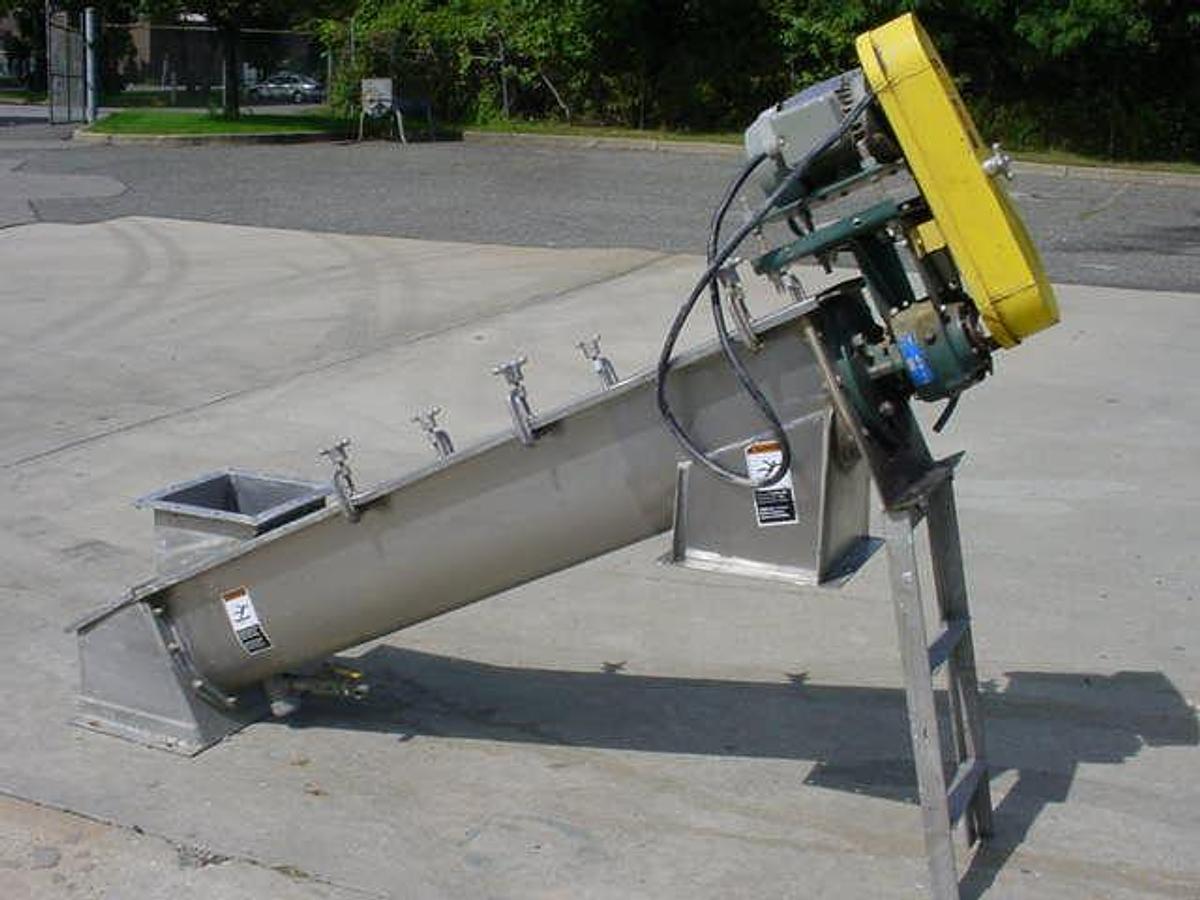
National Bulk Equipment (NBE) specializes in bulk material handling and processing systems, with a product line that covers a wide range of handling needs. Their equipment includes bulk bag fillers, bulk bag dischargers, conveyors, weigh batching systems, pneumatic conveying systems, and drum dumpers. The drum dumper, for example, is designed to automate the tipping and emptying of drums into downstream processing equipment, reducing manual labor and improving throughput in production environments.
Beyond individual machines, NBE is known for engineering integrated systems that tie multiple handling components together into a single automated line. Many of their systems are built to interface with PLCs and SCADA controls, which makes them a practical fit for facilities that run automated production environments. Their equipment is used across food processing, chemical manufacturing, pharmaceuticals, plastics, agriculture, and industrial minerals, which reflects how broadly applicable bulk material handling technology can be across different sectors.
What industries typically use National Bulk Equipment systems?
National Bulk Equipment systems are used across a broad range of process industries, with food processing and chemical manufacturing being two of the most common applications. In food production, the equipment handles dry ingredients, granules, powders, and other bulk materials that need to move through a facility efficiently and without contamination. NBE's emphasis on hygienic design, including stainless steel construction and FDA-compliant contact surfaces, makes their equipment particularly well-suited for food and pharmaceutical environments where cleanliness standards are strict.
Beyond food and chemicals, NBE equipment is found in pharmaceutical production, plastics compounding, agriculture, and industrial minerals processing. The common thread across all of these industries is the need to move large volumes of bulk material reliably, accurately, and with minimal manual handling. Because NBE designs many of their systems to be engineered-to-order rather than off-the-shelf, their equipment has historically served facilities with specific space constraints, material characteristics, or throughput requirements that a generic system would not accommodate well.
What should I look for when buying used National Bulk Equipment?
Buying used National Bulk Equipment requires a close look at the machine's mechanical condition, the wear on contact surfaces, and the state of any electrical or control components. For systems that handle food or pharmaceutical products, the condition of stainless steel surfaces matters significantly. Pitting, heavy scratching, or corrosion on product-contact parts can affect both sanitation performance and compliance with applicable regulations. Control panels and PLC components should be checked for age and compatibility with current automation standards, since older control hardware can be difficult and expensive to service.
Before purchasing, buyers should request an in-person inspection, a virtual walkthrough, or detailed video footage of the machine in its current state. Some equipment may still be installed and running at a production facility, which gives buyers a chance to observe actual operation. Keep in mind that used equipment dealers typically do not have the permits or infrastructure to run production tests, so the inspection will generally focus on physical condition, completeness of components, and visible signs of wear or repair. Consulting directly with National Bulk Equipment's manufacturer support team is also advisable, as the level of parts availability and technical support they can offer often depends on the specific model and its age.
How do I evaluate whether a used bulk material handling system fits my application?
Matching a used bulk handling system to a specific application starts with a clear understanding of the material being handled. Key material properties include bulk density, particle size, flowability, moisture sensitivity, and whether the material is abrasive or prone to bridging and clumping. A system that works well for free-flowing plastic pellets, for instance, may perform poorly with a hygroscopic powder that tends to compact. Reviewing the original equipment specifications and comparing them against your material characteristics is an essential first step.
Beyond material compatibility, buyers should evaluate capacity requirements, footprint constraints, and integration needs. NBE systems are often engineered for specific throughput rates and may have been designed to connect with upstream or downstream equipment that you may or may not have. If the system includes a PLC-based control package, confirming that the control architecture is compatible with your facility's existing automation infrastructure will save significant time and cost during installation. Working with an equipment dealer that specializes in bulk handling machinery can be helpful here, as they are more likely to have the technical background to answer application-specific questions about a particular machine's history and configuration.
What is a drum dumper and what is it used for in bulk material handling?
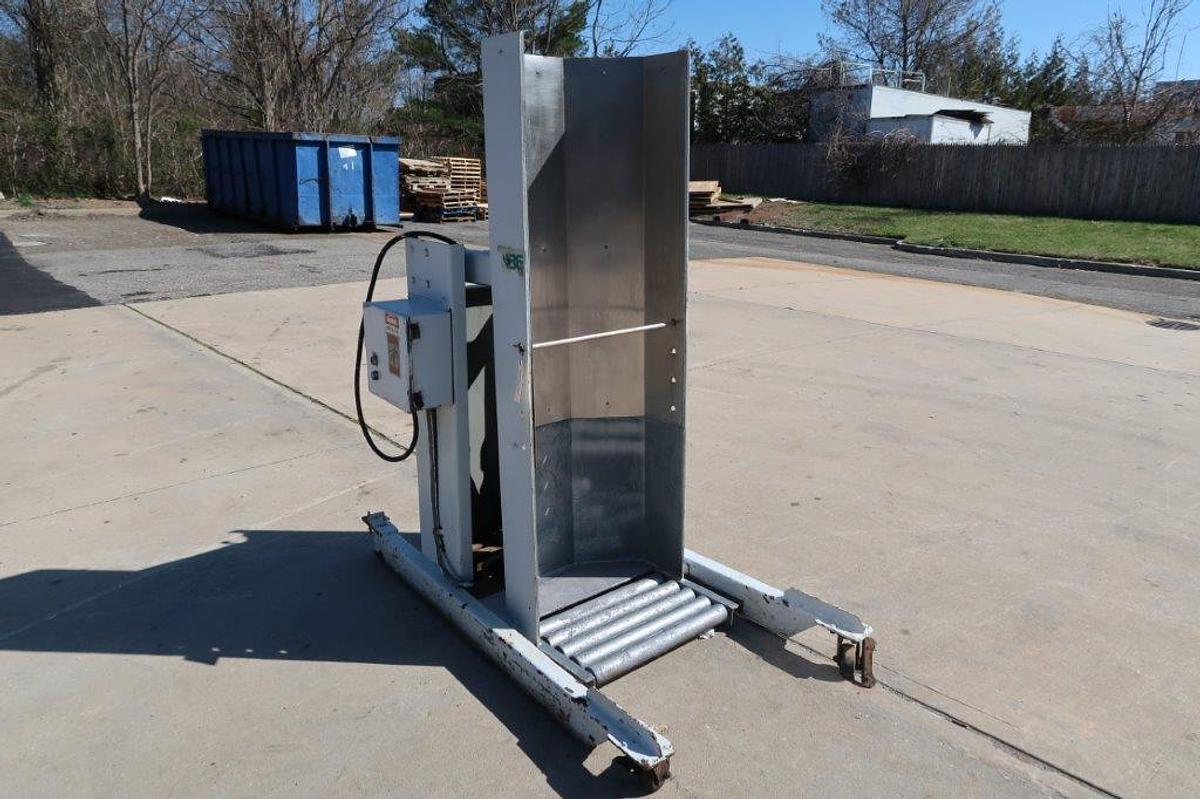
A drum dumper is a piece of material handling equipment designed to lift and invert drums so their contents can be discharged into a hopper, conveyor, or other downstream equipment. In bulk processing environments, manually tipping or emptying drums is physically demanding and creates ergonomic risks for workers. A drum dumper automates that process, allowing operators to load a drum onto the machine and initiate a controlled tipping cycle without manual lifting. Portable versions offer added flexibility, allowing the equipment to be moved between different points in a facility as needed.
Drum dumpers are used across a wide range of industries including food processing, chemical blending, pharmaceuticals, and plastics compounding. The specific design of the dumper matters depending on the application. Food and pharmaceutical facilities typically require stainless steel construction and smooth, cleanable surfaces to meet sanitation requirements. Chemical applications may call for materials or coatings that resist corrosion from aggressive substances. When evaluating a used drum dumper, buyers should inspect the lifting mechanism, the tipping frame, and any sealing or dust containment features to confirm they are intact and functional.
What is the typical price range for used National Bulk Equipment systems?
Pricing for used National Bulk Equipment systems varies considerably depending on the type of machine, its size and configuration, age, and overall condition. Smaller, standalone pieces like portable drum dumpers will generally fall at the lower end of the price spectrum, while larger integrated systems such as bulk bag filling stations with weigh batching controls or full pneumatic conveying lines can represent a much more significant investment. The complexity of the control package, the presence of stainless steel construction, and the inclusion of all original components also affect pricing.
Buyers should factor in more than just the purchase price when budgeting for used equipment. Shipping costs for large or heavy machinery can be substantial, particularly if the equipment requires specialized rigging for loading and unloading. Depending on the condition of the machine, buyers may also need to budget for refurbishment, replacement of wear parts, or control system updates before the equipment is production-ready. Getting a clear picture of the total landed cost, including packaging, freight, rigging, and any reconditioning work, is important before committing to a purchase.
How does the inspection process work when buying used bulk handling equipment?
Reputable used equipment dealers will typically offer buyers the option to inspect machinery in person, through a live video call, or via detailed video footage of the machine. The goal of any inspection is to get an accurate picture of the equipment's current condition, including the state of structural components, wear surfaces, mechanical assemblies, and electrical systems. For larger or more complex systems, an in-person visit is generally preferable because it allows the buyer or their technical representative to examine components closely and ask questions in real time.
Some equipment may still be installed at a manufacturing facility where it was last used, in which case the dealer can often coordinate access for an inspection at the plant. The machine might still be in active production or may have been decommissioned. Either way, buyers should understand that dealers generally cannot run production tests, since operating a machine with actual product requires production permits and infrastructure that equipment dealers do not maintain. The inspection is therefore focused on physical condition and completeness rather than live performance verification. Buyers with specific concerns about a machine's functionality should factor that into their evaluation and pricing discussions with the dealer.
What are the shipping and logistics considerations for large bulk handling equipment?
Shipping large bulk material handling equipment requires more planning than standard freight. Machines need to be properly packaged or crated to prevent damage in transit, and the level of packaging required will affect the overall shipping cost. Smaller components may ship on pallets, while larger assemblies often require custom crating or skidding to protect them during handling. Buyers should ask dealers specifically what packaging is included in the quoted price and what, if anything, is the buyer's responsibility to arrange.
For heavy or oversized equipment, rigging is typically required for both loading at the dealer's location and unloading at the buyer's facility. This involves cranes, forklifts, or specialized rigging equipment and adds cost that should be accounted for upfront. Freight costs will vary based on the size and weight of the machine, the origin and destination, and the carrier selected. Buyers should request a full breakdown of packaging, rigging, and freight charges before finalizing a purchase so they have a clear understanding of the total landed cost of the equipment.
What payment terms are typical when purchasing used industrial equipment?
Most used equipment dealers require payment in full before a machine is released for shipping. This is standard practice across the industry and reflects the nature of used equipment transactions, where machines are often one-of-a-kind items that cannot be easily resold if a buyer backs out after a deal is agreed upon. Accepted payment methods vary by dealer but commonly include wire transfer, cashier's check, or other secured forms of payment. Credit terms are generally not extended to first-time buyers.
For buyers with an established purchasing history with a particular dealer, some flexibility on payment terms may be available, though this is handled on a case-by-case basis. Buyers should clarify payment expectations early in the purchasing process and confirm what documentation will be provided upon payment, including any bills of sale, equipment records, or documentation of the machine's history that the dealer has available. Understanding the payment timeline relative to the shipping schedule also helps avoid delays in getting equipment delivered and installed.
How does buying used National Bulk Equipment compare to purchasing new equipment from the manufacturer?
Purchasing used National Bulk Equipment can offer meaningful cost savings compared to ordering a system directly from the manufacturer. NBE equipment is known for being engineered-to-order, which means factory-built systems often carry significant lead times in addition to higher prices. A used machine that closely matches an application's requirements can sometimes be acquired and put into service faster and at a fraction of the cost of a comparable factory build. For operations that need to expand capacity quickly or replace a failed system, the used market can be a practical alternative.
The trade-off is that used equipment comes without the same level of manufacturer support that a freshly built system would carry. Buyers should contact NBE directly to understand what level of technical support, parts availability, and documentation they can expect for a specific model and serial number, since older machines may have components that are no longer in production. Selecting a dealer with deep experience in bulk handling equipment is also important, as they will be better positioned to accurately represent the condition of the machine and answer application-specific questions. A thorough inspection before purchase is the primary tool buyers have to assess the condition and suitability of a used system.