Category
Manufacturer
Model
Myers Engineering
Myers Engineering focuses on custom automation solutions for various manufacturing industries, including pharmaceuticals and food processing. Their expertise helps clients improve production efficiency and reduce operational costs.
FAQ:
What types of equipment does Myers Engineering manufacture?
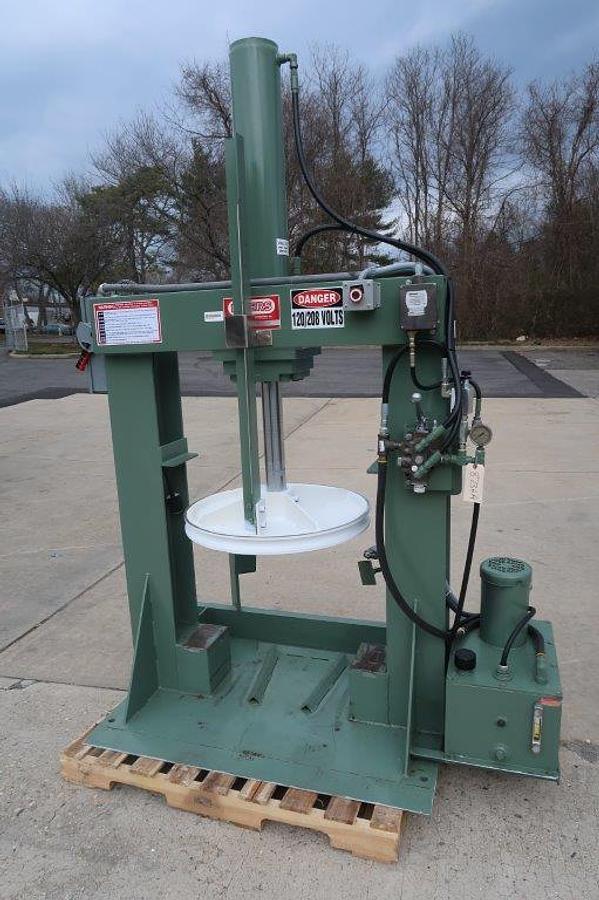
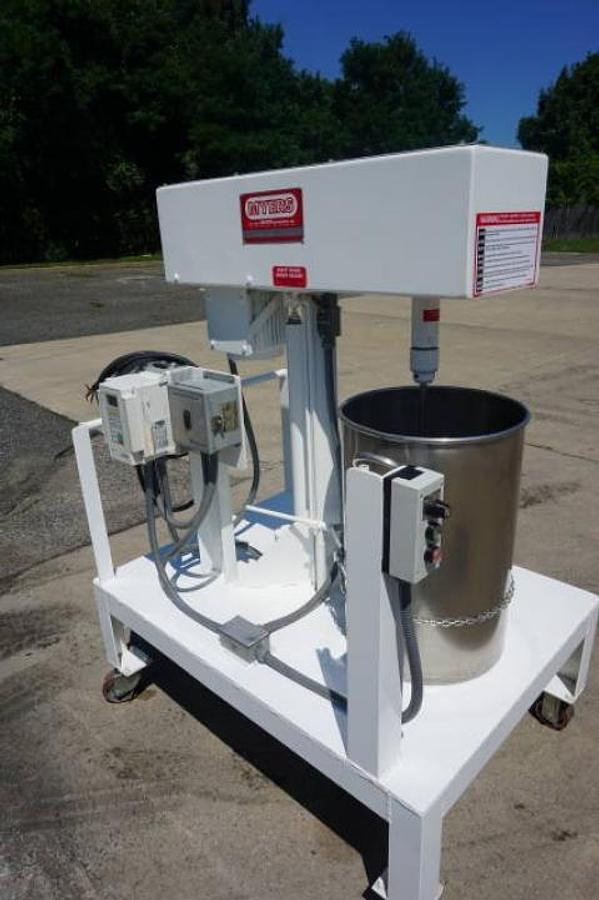
Myers Engineering specializes in custom automation solutions built for manufacturing environments where precision and reliability matter. Their product line spans equipment used in pharmaceuticals, food processing, and other process-driven industries. Specific machines include hydraulic ram discharge presses, such as the RAM-350 model, and variable speed mixers like the L500 lab size unit. These machines are designed to help production facilities improve throughput and reduce operational costs over time.
Because Myers Engineering focuses on custom automation, their equipment tends to be purpose-built for specific production tasks rather than general-purpose machinery. This means buyers looking for used Myers Engineering equipment should pay close attention to the specifications of each individual machine to confirm it fits their process requirements. The RAM-350, for example, is a hydraulic press built for discharge applications, while the L500 is a smaller-scale mixer suited for lab or pilot-line environments.
What industries use Myers Engineering equipment?
Myers Engineering equipment is used across several manufacturing sectors, with a strong presence in pharmaceuticals and food processing. These industries share a common need for precise, repeatable mixing and material handling processes, which is where Myers Engineering machines tend to perform well. The equipment is also found in other process manufacturing environments where automation and consistent output quality are priorities.
Buyers from chemical processing, cosmetics, and specialty materials production have also used Myers Engineering mixers and presses, given that the underlying process requirements, controlled mixing speeds, and reliable material discharge, translate across multiple industries. When evaluating a used Myers Engineering machine, it helps to confirm that the previous application was similar enough to the intended use, since equipment used in food-grade environments, for instance, may have specific material or sanitation requirements that differ from industrial chemical applications.
What should I look for when buying used Myers Engineering equipment?
Condition assessment is the most critical step when purchasing any used industrial equipment, and Myers Engineering machines are no exception. Buyers should request a full maintenance and service history to understand how heavily the machine was used, whether scheduled maintenance was performed, and if any major components were repaired or replaced. Signs of wear on hydraulic systems, seals, mixing shafts, and drive components are particularly worth examining on Myers Engineering presses and mixers.
Beyond mechanical condition, it is worth confirming that the machine meets current safety and regulatory standards for the intended industry. Equipment that has been in service for several years may predate updated compliance requirements, especially in pharmaceutical or food processing environments where sanitary standards evolve. Requesting an in-person or video inspection before purchase is strongly recommended. Reputable used equipment dealers will typically accommodate both options, giving buyers a clear picture of the machine's current working order before any money changes hands.
How do I inspect used Myers Engineering equipment before purchasing?
Most reputable used equipment dealers offer inspection options that include in-person visits, live video walkthroughs, or recorded video documentation of the machine. For Myers Engineering equipment still located at a production facility, some dealers can arrange access to the site so buyers can observe the machine in its current environment, which may include seeing it in operation or at least confirming its physical condition firsthand. This is particularly valuable for hydraulic presses and mixers, where the condition of internal components can be difficult to assess from photos alone.
Keep in mind that dealers generally do not have the permitting or infrastructure to run full production tests, so functional testing of actual product output is rarely possible in a dealer setting. The inspection should focus on mechanical integrity, visual condition, completeness of components, and any documentation available from the previous owner. Buyers who are unfamiliar with a specific model may want to consult with a qualified technician or the Myers Engineering manufacturer directly to understand what to look for on that particular machine before the inspection takes place.
What is the typical price range for used Myers Engineering equipment?
Pricing for used Myers Engineering equipment varies considerably depending on the model, age, condition, and how specialized the machine is. Smaller lab-scale units like the L500 variable speed mixer will generally fall at a lower price point than larger, more complex hydraulic systems like the RAM-350 press. Condition plays a major role as well. A machine with documented maintenance history and minimal wear will command a higher price than one sold without records or showing significant use.
Because Myers Engineering focuses on custom automation, some of their machines were built to specific client requirements, which can affect resale value in either direction. Highly specialized configurations may appeal to a narrower pool of buyers, while more standard models tend to move more predictably on the secondary market. The best way to establish a fair price is to compare similar listings across reputable used equipment dealers and factor in any additional costs for shipping, rigging, and any refurbishment work the machine may need before it goes back into production.
Are replacement parts and service support available for used Myers Engineering equipment?
Parts availability for used Myers Engineering equipment depends largely on the age and model of the machine. Buyers are encouraged to contact Myers Engineering directly before purchasing a used unit to ask about parts availability, technical support, and whether the manufacturer still services that particular model. Older or discontinued models may have limited factory support, which means buyers would need to rely on third-party machining or fabrication for worn components.
This is one of the more important due diligence steps that tends to get overlooked in used equipment transactions. A machine that is mechanically sound at the time of purchase can become difficult to maintain if critical wear parts are no longer stocked or supported. Getting clarity from the manufacturer on this point before committing to a purchase can save significant time and expense down the road. It also helps to ask the selling dealer whether any spare parts are included with the machine, as previous owners sometimes retain a stock of consumables or wear components.
What are the shipping and logistics considerations for used Myers Engineering equipment?
Shipping industrial equipment like Myers Engineering presses and mixers requires more planning than standard freight. Machines need to be properly palletized or crated to prevent damage in transit, and the level of packaging required will directly affect shipping costs. Smaller units like lab mixers may ship on a standard pallet with appropriate blocking and bracing, while larger hydraulic presses often require custom crating and heavier rigging for safe loading and unloading at both ends.
Buyers should ask the selling dealer for a detailed breakdown of packaging, rigging, and freight costs before finalizing a purchase, since these expenses can add meaningfully to the total landed cost of the equipment. For very large or heavy machines, a specialized machinery moving company may be needed at the destination, which is an additional cost to plan for. Getting freight quotes early in the process, rather than after the sale, helps avoid surprises and allows for a more accurate comparison of total acquisition costs across different equipment options.
What payment terms should I expect when buying used industrial equipment?
The standard practice among used equipment dealers is to require full payment before the machine is released for shipping. This applies to most transactions, particularly for buyers who are purchasing from a dealer for the first time. Some dealers extend payment terms to established customers with a history of repeat purchases, but this is the exception rather than the rule in the used machinery market.
Buyers should clarify payment expectations with the dealer early in the process, including accepted payment methods and any deposit requirements that may apply to hold a machine while financing or logistics are arranged. Wire transfer is the most common payment method for industrial equipment transactions. Having financing in place before negotiating can speed up the process and sometimes strengthen a buyer's position, since dealers generally prefer straightforward, quick-closing transactions.
How does used Myers Engineering equipment hold its value compared to other industrial equipment brands?
Myers Engineering has a reputation for building durable, purpose-built automation equipment, which generally supports reasonable resale value on the secondary market. Machines that were well-maintained and used in consistent production environments tend to retain more value than those that were run hard without regular servicing. The fact that Myers Engineering focuses on custom automation for demanding industries like pharmaceuticals and food processing means their equipment was typically built to tighter tolerances and higher standards than general-purpose machinery, which buyers in those industries recognize.
That said, resale value is always specific to the individual machine. A unit with complete documentation, a clean service history, and all original components intact will be worth more than a comparable model sold without records or missing parts. Buyers looking to resell used Myers Engineering equipment in the future should maintain thorough records of any work performed on the machine after purchase, as this documentation directly supports the asking price when the time comes to sell.
What is the difference between a Myers Engineering RAM-350 and an L500 mixer?
The Myers Engineering RAM-350 is a hydraulic ram discharge press, a machine designed to push or discharge viscous or semi-solid materials from containers using hydraulic pressure. This type of equipment is commonly used in manufacturing processes where materials need to be transferred from drums or containers into production lines without manual handling. The RAM-350 is a heavier-duty piece of equipment suited for production-scale operations.
The Myers Engineering L500, by contrast, is a lab-size variable speed mixer. It is designed for smaller-batch work, such as research and development, quality control testing, or pilot-scale production runs where precise mixing speed control is needed. The L500 is a much smaller and more compact machine than the RAM-350, intended for bench or small-floor use rather than full production line integration. Buyers choosing between the two should match the machine to their specific process scale and application, since the two units serve fundamentally different functions within a manufacturing or laboratory environment.