Category
Manufacturer
Model
Multisorb Technologies
Multisorb Technologies specializes in active packaging solutions that enhance product stability and shelf life, particularly in the food and pharmaceutical industries. Their innovative technologies help in moisture and oxygen control.
FAQ:
What is a Multisorb Technologies desiccant dispenser and what does it do?
A Multisorb Technologies desiccant dispenser is a piece of automated packaging equipment designed to insert desiccant units, such as packets, sachets, or canisters, into product containers at high speed and with consistent placement accuracy. Multisorb Technologies built its reputation around active packaging solutions focused on moisture and oxygen control, and its dispensing equipment was engineered specifically to work in tandem with its sorbent product line. The dispensers are designed to integrate directly into existing packaging lines, reducing manual labor and improving throughput in production environments where moisture control is critical.
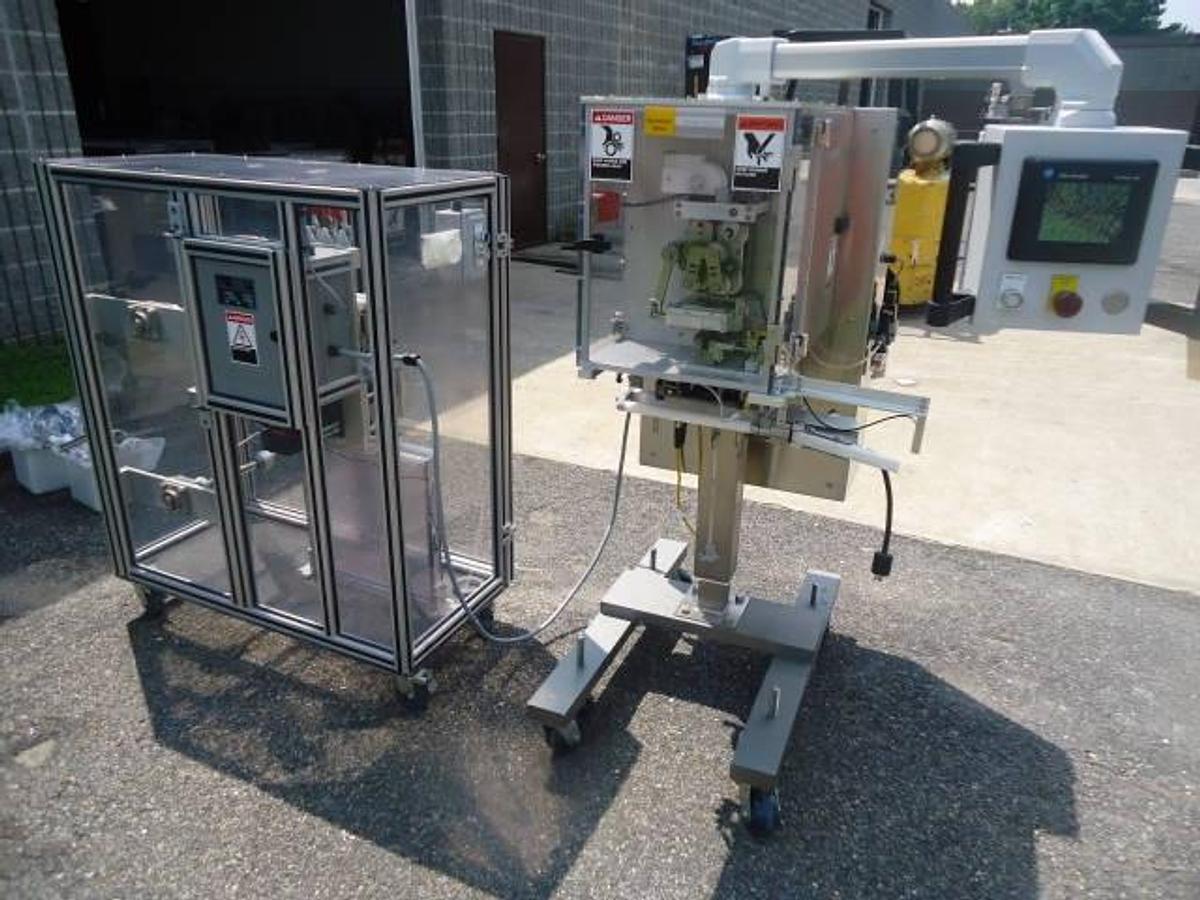
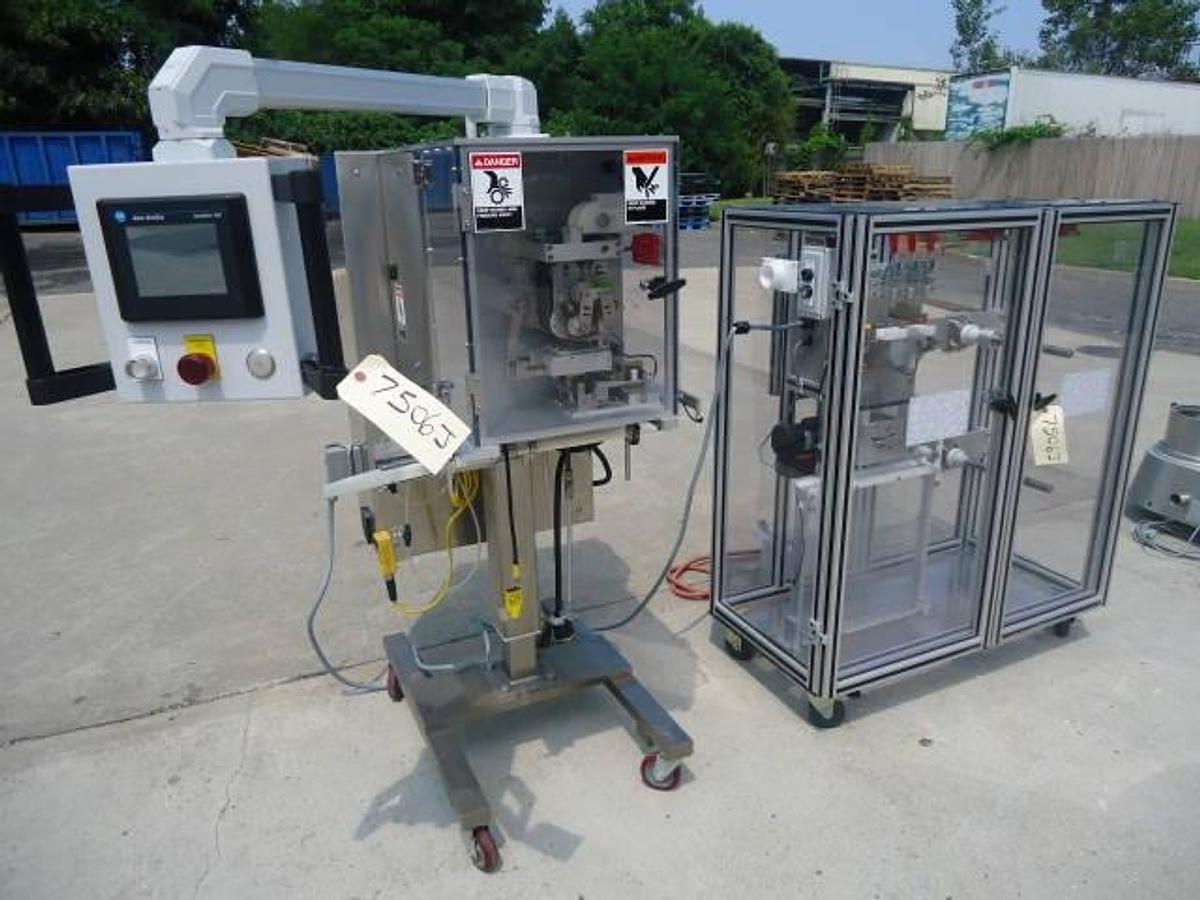
The APA-2000 is one of the well-known models in the Multisorb dispenser lineup. It operates automatically, making it well-suited for pharmaceutical, nutraceutical, food, and electronics packaging applications where consistent desiccant placement is required to maintain product shelf life and meet regulatory standards. These machines are found in facilities where high-volume container filling takes place, and their ability to run continuously with minimal downtime made them a popular choice for demanding production environments.
What industries use Multisorb desiccant dispensers?
Multisorb desiccant dispensers are most commonly used in the pharmaceutical and nutraceutical industries, where moisture control directly affects drug stability, potency, and regulatory compliance. Pharmaceutical manufacturers rely on these dispensers to place desiccant canisters or packets into bottles of tablets, capsules, and other solid-dose products at high speeds without interrupting the packaging line. Medical device packaging is another major application, particularly for products that are sensitive to humidity during storage and distribution.
Beyond pharmaceuticals, these dispensers are used in food and beverage packaging, where moisture absorption extends shelf life and prevents clumping or spoilage in products like vitamins, supplements, and dry goods. Electronics manufacturers also use desiccant dispensers to protect sensitive components from humidity during packaging and transit. The breadth of industries that rely on this type of equipment reflects how widely moisture control is recognized as a critical factor in product quality and longevity.
What types of desiccant materials and formats are compatible with the Multisorb APA-2000 dispenser?
Multisorb Technologies developed a range of proprietary sorbent formats designed to work with their dispensing equipment, including packets, canisters, and integrated sorbent systems. The most common desiccant materials used in these formats include silica gel, molecular sieve, activated carbon, and combination sorbents that address both moisture and oxygen simultaneously. Each material has different absorption characteristics, so the choice typically depends on the specific product being packaged and its sensitivity to moisture, oxygen, or odor.
The APA-2000 dispenser is built to handle specific desiccant formats, and buyers should verify compatibility between the machine configuration and the desiccant units they plan to use. When purchasing a used APA-2000, it is worth consulting with the manufacturer or a knowledgeable dealer to confirm which packet or canister sizes and formats the machine was configured to dispense. Multisorb's proprietary formats were engineered to optimize performance within their dispensing systems, so mixing third-party desiccant formats may require mechanical adjustments or tooling changes.
What is the dispensing speed of the Multisorb APA-2000 desiccant dispenser?
The Multisorb APA-2000 is an automatic desiccant dispenser designed for integration into high-speed packaging lines. Dispensing speed will vary depending on the desiccant format being used, the container type, and how the machine is configured within a given production line. Generally, automatic dispensers in this class are capable of keeping pace with bottle filling and capping equipment, making them practical for high-volume pharmaceutical and nutraceutical operations where throughput is a priority.
For a used APA-2000, actual operating speed may depend on the machine's age, condition, and any wear on mechanical components. Prospective buyers should request a detailed inspection or video demonstration to observe the machine running and assess its current output rate. Consulting the machine's documentation or speaking with a dealer who specializes in pharmaceutical packaging equipment can provide more precise speed specifications for the specific unit being considered.
Does the Multisorb desiccant dispenser meet FDA and pharmaceutical regulatory standards?
Multisorb Technologies designed its active packaging products and dispensing systems with pharmaceutical regulatory compliance in mind. Their desiccant materials and packaging components were generally developed to align with FDA guidelines and USP Class VI standards, which govern the safety of materials that come into contact with pharmaceutical products. This made Multisorb equipment a natural fit for drug manufacturers who needed both the dispensing hardware and the sorbent materials to meet strict regulatory requirements.
For buyers considering a used Multisorb dispenser, it is important to understand that the machine itself is a piece of mechanical equipment, and regulatory compliance in a production environment depends on how the machine is validated, maintained, and operated within a facility's quality system. Buyers operating in regulated industries should work with their quality and validation teams to assess whether a used machine can be qualified for use in their specific application. Consulting directly with Multisorb (now part of Filtration Group) about the model's documentation and validation history is a reasonable step in that process.
What should buyers look for when inspecting a used Multisorb APA-2000 desiccant dispenser?
Inspecting a used Multisorb APA-2000 requires attention to both mechanical condition and operational history. Key areas to examine include the dispensing mechanism, feed system, and any sensors or controls that govern placement accuracy. Wear on these components can affect the machine's ability to dispense consistently at speed. Buyers should also check for any signs of product contamination, corrosion, or damage to the frame and guarding, particularly if the machine was used in a food or pharmaceutical environment where sanitation standards were maintained.
Reputable used equipment dealers will typically offer in-person inspections, virtual walkthroughs, or video captures of the machine to give buyers an accurate picture of its current condition. Some machines may still be installed at the facility where they were last in production, allowing for a live demonstration. Keep in mind that most used equipment dealers are not set up to run full production tests with actual product, so buyers should factor that limitation into their evaluation. Requesting available maintenance records or service logs, if they exist, can also provide useful context about the machine's operational history.
How does a desiccant dispenser integrate with an automated packaging line?
Desiccant dispensers like the Multisorb APA-2000 are designed to sit inline within a packaging line, typically positioned between the filling station and the capping or sealing station. The dispenser receives empty or filled containers on a conveyor, automatically places a desiccant unit into each container, and then releases the container to continue down the line. Timing and synchronization with the rest of the line are controlled through the machine's programmable logic or mechanical timing systems, allowing it to operate without interrupting overall line speed.
Proper integration requires matching the dispenser's output speed with the line's overall throughput, as well as ensuring mechanical compatibility with the container format being used. Changeover between different container sizes or desiccant formats typically involves tooling changes and machine adjustments. For a used machine, buyers should confirm that the necessary tooling for their specific containers and desiccant formats is included with the purchase, or factor in the cost of sourcing or fabricating compatible tooling.
What maintenance does a Multisorb desiccant dispenser require, and are parts available for older models?
Like most automated packaging equipment, Multisorb desiccant dispensers require regular preventive maintenance to keep them running reliably. This typically includes cleaning the feed and dispensing mechanisms, inspecting and replacing worn drive components such as belts and bearings, checking sensors and actuators for proper function, and lubricating moving parts on the recommended schedule. The frequency of maintenance depends on how many hours the machine runs per day and the nature of the desiccant formats being handled.
For older models like the APA-2000, parts availability can vary. Multisorb is now part of Filtration Group, and buyers should contact them directly to understand what level of support is available for a specific model and production year. Age and model can significantly affect parts availability, so it is worth doing this research before purchasing. Some common mechanical components, such as motors, sensors, and pneumatic parts, may be available through third-party industrial suppliers even if manufacturer-specific parts are no longer stocked. A dealer who specializes in pharmaceutical packaging equipment may also be able to provide guidance on parts sourcing for the specific unit.
What are the shipping and logistics considerations when buying a used desiccant dispenser?
Shipping a used desiccant dispenser involves more planning than standard freight because these machines contain precision mechanical components that can be damaged by vibration or impact in transit. Proper packaging is essential, and costs will vary depending on whether the machine is palletized, crated, or requires a custom shipping solution. Buyers should ask the dealer specifically about how the machine will be prepared for shipment and what the estimated freight cost is to their facility, since packaging and crating charges are typically separate from the base equipment price.
Larger or heavier machines may require specialized rigging for loading at the dealer's location and unloading at the buyer's facility. Rigging costs can add meaningfully to the total landed cost of the equipment, so it is worth getting a clear picture of all charges before finalizing a purchase. Buyers should confirm with the dealer whether rigging is included or billed separately, and whether the buyer is responsible for arranging unloading on their end. Getting a complete landed cost estimate, covering the equipment price, packaging, freight, and rigging, allows for accurate budgeting.
What payment terms are typical when purchasing used packaging equipment like a Multisorb desiccant dispenser?
Most used equipment dealers require full payment before a machine ships. This is standard practice in the industry and reflects the fact that used equipment transactions typically do not involve the financing structures common in new equipment sales. Buyers who have an established relationship with a dealer may occasionally be offered payment terms, but first-time buyers should generally expect to pay in full prior to shipment. Payment methods vary by dealer but commonly include wire transfer, credit card, or other agreed-upon arrangements.
Before sending payment, buyers should make sure they have completed their due diligence on the machine's condition, confirmed all included components and tooling, and received a clear understanding of the total cost including shipping and rigging. Selecting a dealer with a long track record in the packaging or pharmaceutical equipment space provides an added layer of confidence in the transaction. Buyers who are uncertain about a machine's condition should take full advantage of inspection options, whether in person, via video call, or through video footage provided by the dealer, before committing to a purchase.